
Rotala Rotundifolia Unveiled: The Shapeshifting Stem Plant for Every Aquascape

Welcome to Aquarium Mastery!
Ever dreamt of a vibrant, lush aquascape? Rotala rotundifolia might just be the secret ingredient you've been searching for. Dive in and unlock the secrets to stunning Rotala rotundifolia aquarium care, and discover how this surprisingly versatile stem plant can transform your underwater world. Ready to watch your aquarium flourish?
- Rotala Rotundifolia: A Comprehensive Guide to Care and Aquascaping
- Understanding Rotala Rotundifolia
- Optimal Aquarium Care
-
Frequently Asked Questions
- What makes Rotala rotundifolia a popular choice for aquascaping?
- What are the ideal water parameters for Rotala rotundifolia in an aquarium?
- How much light does Rotala rotundifolia need to achieve its vibrant red coloration?
- What nutrients are essential for healthy Rotala rotundifolia growth?
- How often should I trim Rotala rotundifolia and how does that impact its growth?
- Final Reflection: Embracing the Art of Aquatic Transformation
- Transform Your Tank: Embrace the Rotala Challenge!
Rotala Rotundifolia: A Comprehensive Guide to Care and Aquascaping
Understanding Rotala Rotundifolia
Origins and Natural Habitat
Rotala rotundifolia, a highly popular stem plant in the aquarium hobby, originates primarily from Southeast Asia. Its native range extends across countries such as Vietnam, Laos, Cambodia, Thailand, and parts of southern China. In its natural environment, this versatile plant thrives in diverse aquatic and semi-aquatic conditions, often found in swamps, marshes, rice paddies, and the banks of slow-moving rivers and streams. This adaptability to both submerged and emergent growth forms in fluctuating water levels contributes significantly to its resilience and ease of Rotala rotundifolia aquarium care.
The plant's historical naming, "rotundifolia" (meaning round-leaved), is somewhat misleading when observing its common submerged form in aquariums. This name likely stems from its emergent growth, where its leaves are indeed more rounded, resembling those of a terrestrial plant.
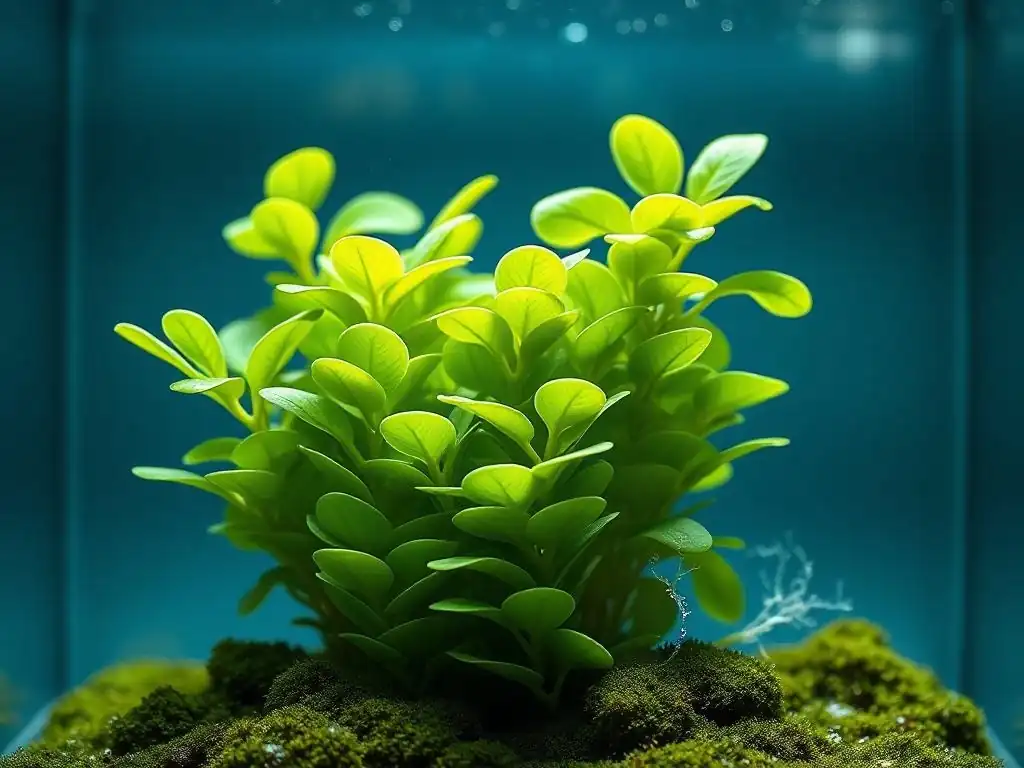
However, when fully submerged, the leaves typically become elongated and narrow, a characteristic that makes it highly desirable for aquascaping. Its ability to adapt to varying light intensities and nutrient availability in its natural habitat directly translates to its forgiving nature in a home aquarium, making it an excellent choice for both beginners and experienced aquarists seeking reliable Rotala rotundifolia aquarium care.
Benefits and Aesthetics in Planted Aquariums
Rotala rotundifolia is highly prized in the planted aquarium community for its remarkable versatility and aesthetic appeal. Its ability to grow dense, bushy stands makes it an ideal choice for creating lush backgrounds or midground accents, adding depth and dimension to any aquascape.
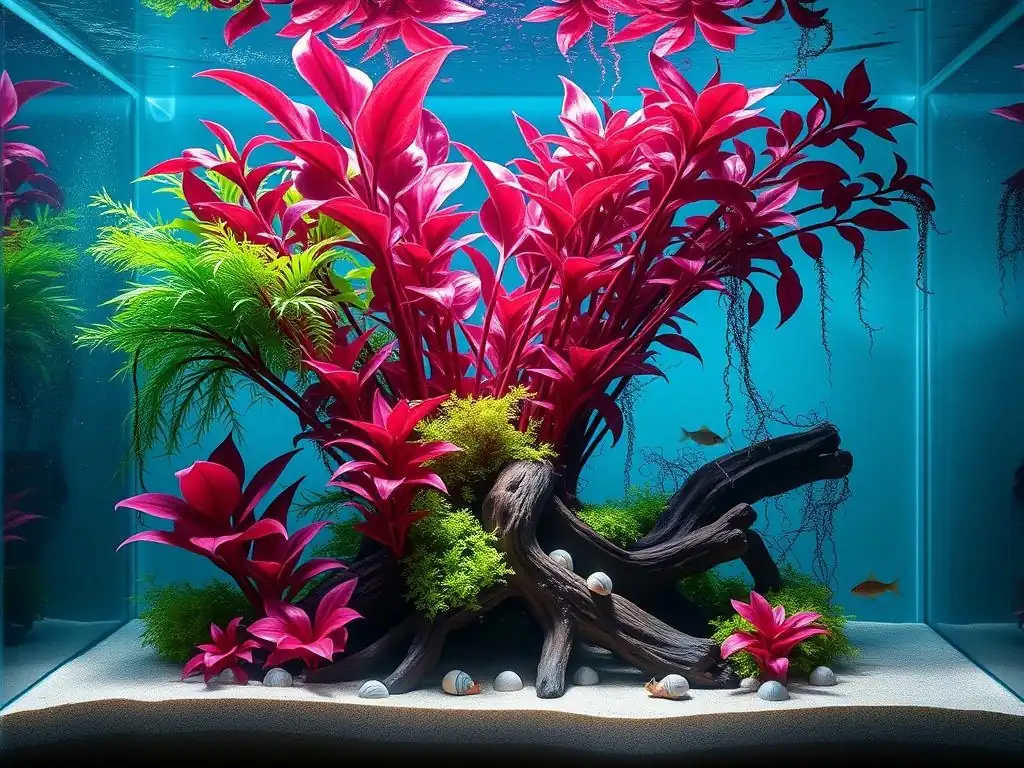
When provided with optimal conditions, particularly high light and CO2, its tips can develop stunning shades of pink, red, or orange, offering a vibrant contrast to green foliage and significantly enhancing the visual impact of the tank. This color transformation is a key reason for its widespread use in nature aquariums and Dutch aquascapes, where precise Rotala rotundifolia aquarium care can yield spectacular results.
Beyond its visual contributions, Rotala rotundifolia offers several ecological benefits to a freshwater aquarium. As a fast-growing stem plant, it efficiently absorbs excess nutrients like nitrates and phosphates from the water column. This nutrient uptake helps to inhibit the growth of undesirable algae, contributing to cleaner water and a more stable aquatic environment.
Furthermore, its dense foliage provides excellent shelter and breeding grounds for small fish, fry, and invertebrates, promoting a healthier ecosystem within the tank. Its vigorous growth also signifies robust photosynthesis, releasing vital oxygen into the water, which benefits all aquatic inhabitants and underscores the importance of proper Rotala rotundifolia aquarium care for a thriving setup.
Optimal Aquarium Care
Water Parameters
Temperature
Maintaining a stable temperature is crucial for the optimal growth and health of Rotala rotundifolia. This plant thrives within a broad temperature range typical for most tropical freshwater aquariums, generally between 22°C and 28°C (72°F to 82°F). While it can tolerate slight fluctuations, consistent temperatures within this range promote vigorous growth and vibrant coloration. For instance, in an aquarium maintained at a steady 25°C (77°F), Rotala rotundifolia will typically exhibit steady growth rates of approximately 2-3 inches per week under good lighting and CO2, showcasing healthy green leaves with potential for reddish tips.
Temperatures significantly outside this optimal range can stress the plant, leading to stunted growth, leaf discoloration, or even melt. For example, prolonged exposure to temperatures below 20°C (68°F) may slow down its metabolism, resulting in noticeably reduced growth and duller coloration. Conversely, temperatures consistently above 30°C (86°F) can accelerate its life cycle, potentially leading to premature senescence or increased susceptibility to disease. Therefore, precise temperature control, often achieved with a reliable aquarium heater, is a fundamental aspect of effective Rotala rotundifolia aquarium care.
pH and Hardness
Rotala rotundifolia is remarkably adaptable to a range of water parameters, making it suitable for various aquarium setups. It prefers slightly acidic to neutral water conditions, with an optimal pH range typically between 6.0 and 7.5. Within this range, the plant can efficiently absorb nutrients and perform photosynthesis without stress. For instance, in an aquascape with a pH of 6.8, which is slightly acidic, Rotala rotundifolia often displays robust growth and vivid coloration, especially when coupled with CO2 injection.
Regarding water hardness, Rotala rotundifolia can tolerate soft to moderately hard water. A general hardness (GH) range of 3-8 dGH (50-140 ppm) and a carbonate hardness (KH) of 3-7 dKH (50-125 ppm) are generally ideal. While it can adapt to harder water, excessively high GH or KH levels can sometimes hinder nutrient uptake, particularly micronutrients like iron, potentially leading to deficiencies. Monitoring these parameters with an aquarium test kit every 1-2 weeks ensures consistent conditions, which is a vital component of successful Rotala rotundifolia aquarium care and prevents issues related to water chemistry imbalances.
CO2 Injection
Carbon dioxide (CO2) injection is arguably the most critical factor for unlocking the full potential of Rotala rotundifolia, especially for achieving its desirable red coloration and rapid, dense growth. While the plant can survive without supplemental CO2 in low-tech setups, its growth will be significantly slower, and its leaves will remain predominantly green. In high-tech aquariums with CO2 injection, Rotala rotundifolia can grow vigorously, often reaching several inches per week, and develop intense pink to deep red hues on its upper leaves and growing tips.
For optimal Rotala rotundifolia aquarium care, a CO2 concentration of 20-30 ppm is generally recommended. This can be achieved using a pressurized CO2 system with a diffuser, ensuring consistent and even distribution throughout the tank.
A drop checker can be used to monitor CO2 levels, indicating appropriate concentration with a lime green color. For example, in an aquarium dosed with CO2 to maintain 25 ppm, Rotala rotundifolia will exhibit significantly faster growth rates, often doubling its biomass in just a few weeks compared to a non-CO2 setup, and its 'Red' cultivars will display their characteristic vibrant colors much more intensely.
Lighting
Intensity and Duration
Lighting is a paramount factor in the successful cultivation of Rotala rotundifolia and directly influences its growth rate and coloration. This versatile plant can adapt to various light intensities, from moderate to high. In moderate light setups (around 20-30 PAR), Rotala rotundifolia will grow steadily with a predominantly green appearance, making it suitable for beginner-friendly tanks.
However, to achieve dense growth and the coveted reddish hues, particularly in cultivars like Rotala rotundifolia 'Red', high light intensity (over 50 PAR) is essential. For instance, an LED light fixture providing 60 PAR at the substrate level for 8-10 hours daily will encourage compact growth and vibrant red tips.
The duration of the lighting period is equally important for effective Rotala rotundifolia aquarium care. A photoperiod of 8 to 10 hours per day is generally recommended. Exceeding 10 hours can increase the risk of algae outbreaks without significantly benefiting plant growth, as plants typically saturate their light absorption capacity within this timeframe. Conversely, a photoperiod shorter than 8 hours might lead to leggy growth as the plant stretches for light. A consistent lighting schedule, often managed with a timer, helps the plant establish a stable photosynthetic cycle, leading to robust and healthy growth.
Achieving Red Coloration
The transformation of Rotala rotundifolia's green leaves to vibrant shades of pink, orange, or red is one of its most appealing characteristics and a primary goal for many aquascapers. This striking coloration is primarily achieved through a combination of high light intensity, ample CO2 injection, and specific nutrient management.
High light levels, particularly those rich in the red and blue spectrums (often found in full-spectrum LED lights with color temperature around 6500K), stimulate the production of anthocyanins, the pigments responsible for red coloration. For example, a high-intensity LED light providing 70 PAR or more at the plant's tips, combined with a consistent CO2 level of 25-30 ppm, will significantly enhance red pigmentation.
Furthermore, a slight limitation of nitrates, while ensuring sufficient iron and other micronutrients, can also encourage red coloration. Some aquarists aim for nitrate levels around 5-10 ppm rather than higher concentrations (e.g., 20 ppm) to stress the plant just enough to produce more red pigments without hindering overall health. However, this must be balanced carefully, as severe nutrient deficiencies can lead to stunted growth or melt.
Consistent pruning also encourages denser growth and more red tips, as the plant focuses energy on new, light-exposed growth. Achieving vibrant red Rotala rotundifolia requires a holistic approach to Rotala rotundifolia aquarium care, balancing all these factors precisely.
Substrate and Fertilization
Substrate Selection
The choice of substrate plays a significant role in the initial establishment and long-term health of Rotala rotundifolia. While this stem plant primarily absorbs nutrients from the water column, a nutrient-rich substrate can provide a beneficial foundation, especially for root development during the initial planting phase. Active substrates, such as aquasoils (e.g., ADA Aqua Soil, Fluval Stratum), are highly recommended. These substrates are designed to release essential nutrients slowly over time, providing a consistent supply of minerals like iron, potassium, and trace elements that are crucial for vibrant growth and coloration.
Alternatively, inert substrates like sand or gravel can be used, but they necessitate a more rigorous liquid fertilization regimen and the potential addition of root tabs. When using inert substrates, it's beneficial to cap a layer of nutrient-rich planting soil beneath the sand or gravel to offer some initial nutrient support.
For example, an aquarium set up with a 1-inch layer of ADA Aqua Soil topped with 2 inches of fine gravel will provide an excellent environment for Rotala rotundifolia to root securely and access nutrients, contributing to robust Rotala rotundifolia aquarium care. The fine grain of many aquasoils also allows for easy rooting and prevents plant buoyancy.
Fertilization Methods
Effective fertilization is key to maintaining healthy and vibrant Rotala rotundifolia, especially in high-tech setups aiming for rapid growth and intense coloration. Since Rotala rotundifolia is a stem plant that primarily absorbs nutrients through its leaves, liquid fertilization is the most common and effective method. The Estimative Index (EI) dosing method is widely popular among aquarists for its comprehensive approach, ensuring that no nutrient becomes a limiting factor.
This method involves adding excess nutrients weekly, followed by a large water change to reset levels, ensuring a constant supply of macronutrients (nitrogen, phosphorus, potassium) and micronutrients (iron, manganese, zinc, etc. ).
Alternatively, the Po4 (Phosphate) and No3 (Nitrate) based methods, or commercial all-in-one liquid fertilizers, can also be employed for Rotala rotundifolia aquarium care. For instance, a common EI dosing schedule might involve adding 10-20 ppm of nitrates, 1-2 ppm of phosphates, and 10-20 ppm of potassium weekly, along with a comprehensive trace element mix.
For a 50-gallon tank, this might translate to specific dosages of potassium nitrate, monopotassium phosphate, and a commercial trace mix, added daily or every other day to maintain consistent levels. Regular monitoring of water parameters and observing plant health will help fine-tune the dosing regimen, preventing deficiencies or excesses.
Essential Nutrients
For Rotala rotundifolia to truly thrive and display its full spectrum of colors, it requires a balanced supply of both macronutrients and micronutrients. The primary macronutrients are nitrogen (N), phosphorus (P), and potassium (K). Nitrogen, often in the form of nitrates (NO3), is crucial for overall plant growth and green foliage; a deficiency can lead to yellowing leaves and stunted growth.
Phosphorus (PO4) is essential for energy transfer and root development, while potassium (K) plays a vital role in photosynthesis and nutrient transport, with deficiencies often resulting in pinholes or yellowing on older leaves. Maintaining nitrates at 5-20 ppm, phosphates at 0.5-2 ppm, and potassium at 10-20 ppm is generally recommended for optimal Rotala rotundifolia aquarium care.
Beyond the major three, a comprehensive array of micronutrients is equally important, albeit in smaller quantities. Iron (Fe) is perhaps the most critical micronutrient for Rotala rotundifolia, especially for achieving its vibrant red and pink coloration. Iron deficiency often manifests as pale, yellowing new growth (chlorosis) or a complete lack of red pigmentation.
Other essential micronutrients include manganese (Mn), zinc (Zn), boron (B), copper (Cu), and molybdenum (Mo), all of which contribute to various metabolic processes, enzyme activity, and overall plant health. Regular dosing of a high-quality liquid trace element mix, ideally containing chelated iron for better absorption, is paramount to ensure all these vital elements are available to the plant.
Frequently Asked Questions
What makes Rotala rotundifolia a popular choice for aquascaping?
Rotala rotundifolia is popular due to its shapeshifting abilities and vibrant colors, ranging from green to red, depending on the lighting and nutrient conditions. It adds visual interest and depth to any aquascape.
What are the ideal water parameters for Rotala rotundifolia in an aquarium?
This plant thrives in slightly acidic water with a pH between 6.0 and 7.0. Maintaining a temperature between 72-82°F (22-28°C) is also crucial for optimal growth and coloration.
How much light does Rotala rotundifolia need to achieve its vibrant red coloration?
To achieve the desired red coloration, Rotala rotundifolia requires high-intensity lighting. Supplementing with CO2 injection can further enhance the redness and promote vigorous growth.
What nutrients are essential for healthy Rotala rotundifolia growth?
Rotala rotundifolia requires a balanced supply of nutrients, including iron, nitrates, phosphates, and potassium. Regular fertilization with a comprehensive liquid fertilizer is highly recommended.
How often should I trim Rotala rotundifolia and how does that impact its growth?
Regular trimming is essential to encourage bushier growth and prevent shading of lower leaves. Cut the stems just above a node, and the plant will produce side shoots, creating a fuller appearance.
Final Reflection: Embracing the Art of Aquatic Transformation
The journey into understanding Rotala rotundifolia extends far beyond mere aquarium care; it's about appreciating the dynamic beauty and adaptability inherent in the natural world. We've explored its diverse forms, its sensitivity to environmental cues, and its potential to transform an aquascape from ordinary to extraordinary. This exploration reminds us that even seemingly simple organisms can hold profound lessons about resilience and change.
The enduring appeal of Rotala rotundifolia lies in its ability to mirror the ever-evolving nature of our own creative endeavors. Cultivating this plant is a continuous learning process, a dance between observation and intervention that fosters a deeper connection with the aquatic ecosystem. The best way to observe a fish is to become a fish.
- Jacques Cousteau. This quote, while about fish, perfectly encapsulates the mindset needed to truly understand and appreciate the nuances of Rotala rotundifolia and its needs.
Now, armed with this knowledge, we invite you to reflect on your own aquascaping journey. Consider how you can apply the principles of observation, adaptation, and careful nurturing, not only to Rotala rotundifolia, but to all aspects of your life. Embrace the challenge of creating a thriving underwater world, and in doing so, discover the transformative power within yourself.
Transform Your Tank: Embrace the Rotala Challenge!
Thank you for diving into the world of Rotala rotundifolia with us! We hope this article has given you a clearer understanding of this dynamic plant and its potential to elevate your aquascape. Now, let's put that knowledge into action!
- Begin your Rotala adventure: Plan and implement your first Rotala rotundifolia scape in your aquarium this week. Consider factors like lighting, CO2, and nutrient levels for optimal growth and color.
- Share your success (or challenges!): Post pictures of your Rotala rotundifolia aquarium on social media using #AquariumMasteryRotala.
- Experiment with pruning: Try different pruning techniques to achieve unique growth patterns and colors in your Rotala.
What surprising color variations have you observed in your Rotala rotundifolia under different conditions? Let us know in the comments below!