
How to Create Stunning Color Transitions with Stem Plants

Welcome to Aquarium Mastery!
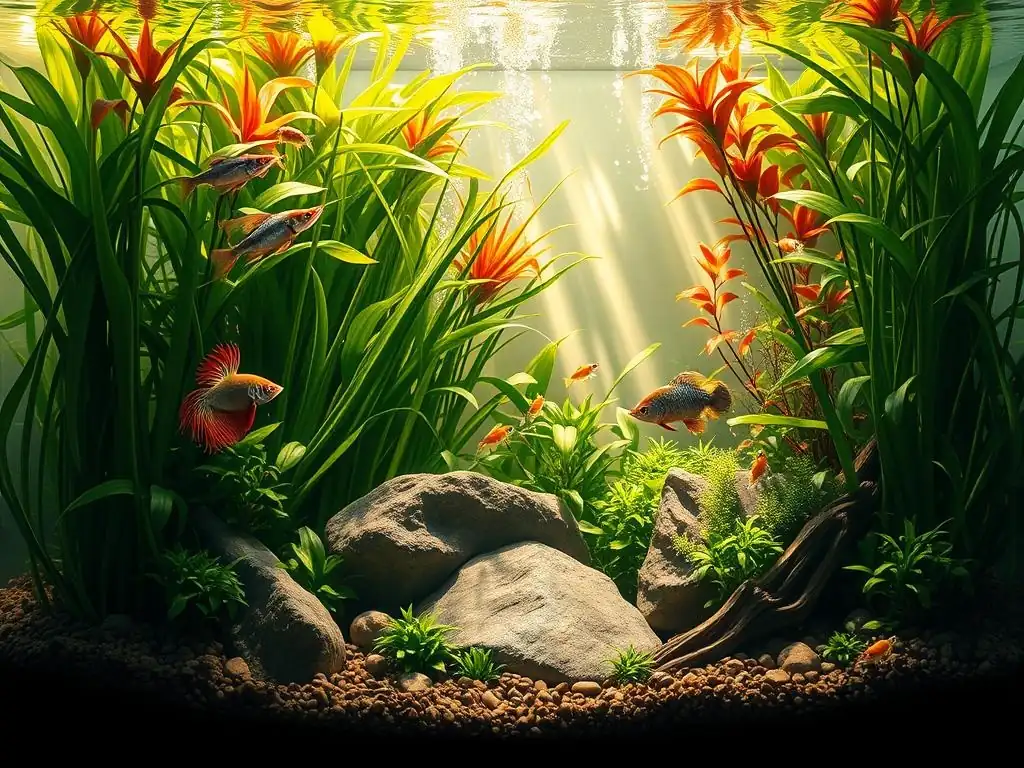
Ever wondered how to transform your planted aquarium into a breathtaking underwater landscape? Dive in and unlock the secrets of stem plant color transitions! Discover the techniques and knowledge you need to coax vibrant hues from your aquatic flora and create a truly captivating aquatic masterpiece. Ready to paint your tank with living color? Let's get started!
- How to Create Stunning Color Transitions with Stem Plants in Your Aquarium
- Understanding Stem Plant Coloration in Aquariums
- Selecting Stem Plants for Vibrant Color Transitions
- Achieving Optimal Conditions for Color Transitions
- Planting and Arranging Stem Plants for Visual Impact
- Troubleshooting Common Coloration Issues
- Maintaining Your Color Transition Aquascape
- Advanced Techniques for Color Manipulation
-
Frequently Asked Questions
- How do I encourage vibrant color transitions in my stem plants?
- What role does lighting play in stem plant color changes?
- What nutrients are most important for color transitions in stem plants?
- How does CO2 injection impact stem plant coloration?
- What are some beginner-friendly stem plants known for their color transitions?
- Final Reflection: Embracing the Aquatic Spectrum
- Unleash Your Aquatic Artistry!
How to Create Stunning Color Transitions with Stem Plants in Your Aquarium
Understanding Stem Plant Coloration in Aquariums
The Science Behind Stem Plant Colors
The vibrant hues observed in aquatic stem plants are primarily due to the presence and interplay of various pigments within their cells. Chlorophyll, the most abundant pigment, is responsible for the green color and plays a crucial role in photosynthesis. When light conditions or nutrient availability change, plants can produce other pigments, such as carotenoids (responsible for yellows and oranges) and anthocyanins (responsible for reds and purples). The ratio and concentration of these pigments dictate the final color perceived by the eye.
For instance, under high light intensity or specific nutrient deficiencies, some stem plants reduce their chlorophyll production while increasing anthocyanin synthesis. This shift unmasks the underlying red or purple pigments, leading to dramatic color changes. The plant's genetic predisposition, combined with environmental triggers, determines its capacity for these remarkable stem plant color transitions.
Factors Influencing Stem Plant Color Development
The development of striking colors in stem plants is a complex interplay of several environmental factors within the aquarium. These factors directly influence the plant's metabolic processes and the production of specific pigments. Understanding how each element contributes is key to achieving desired stem plant color transitions.
Optimizing these conditions is not merely about providing "more" of something, but rather finding the right balance that encourages the plant to express its full chromatic potential. This often involves fine-tuning the aquatic environment to specific plant requirements and observing their response.
Light Intensity and Spectrum's Role in Coloration
Light is arguably the most critical factor influencing stem plant color transitions. High light intensity, particularly in the red and blue spectrums, encourages the production of red and orange pigments like anthocyanins and carotenoids. Plants often produce these pigments as a protective mechanism against intense light, which can cause photoinhibition.
For many red-demanding stem plants, a PAR (Photosynthetically Active Radiation) value in the range of 50-80 µmol/m²/s at the substrate level is often necessary to achieve deep red hues. Blue light (around 450-475nm) and red light (around 620-670nm) are particularly effective, as they are key wavelengths for photosynthesis and pigment synthesis. Without sufficient light, even genetically predisposed plants will remain green or exhibit only muted colors.
Nutrient Availability and Color Expression
Specific nutrients play a pivotal role in the vibrant expression of stem plant color transitions. Iron (Fe) is especially crucial for red plants, as it is involved in chlorophyll synthesis and, indirectly, in the production of other pigments. An adequate supply of chelated iron, typically maintained at 0.1-0.2 ppm in the water column, is vital for intense reds.
While overall nutrient balance is important, managing nitrogen (N) levels can significantly impact color. Some aquarists find that slightly limiting nitrates (e.g., maintaining levels between 5-10 ppm instead of 15-20 ppm) can stress certain Rotala species just enough to enhance their red coloration, without stunting growth. Conversely, a severe nitrogen deficiency will lead to yellowing and poor growth, not vibrant colors.
CO2 Levels and Their Impact on Plant Pigments
Carbon dioxide (CO2) is a fundamental building block for photosynthesis, and its availability directly impacts the vigor and coloration of stem plants. When CO2 levels are optimal, plants can photosynthesize efficiently, leading to robust growth and the proper development of pigments. In a high-tech planted tank, a consistent CO2 level of 25-30 ppm is generally recommended.
Inadequate CO2, often below 15 ppm, can severely limit plant growth and hinder the production of vibrant pigments, resulting in dull or pale colors. Even if light and nutrients are abundant, a lack of CO2 will prevent the plant from utilizing those resources effectively to create stunning stem plant color transitions. Stable CO2 supply ensures plants are healthy enough to express their full genetic potential for color.
Selecting Stem Plants for Vibrant Color Transitions
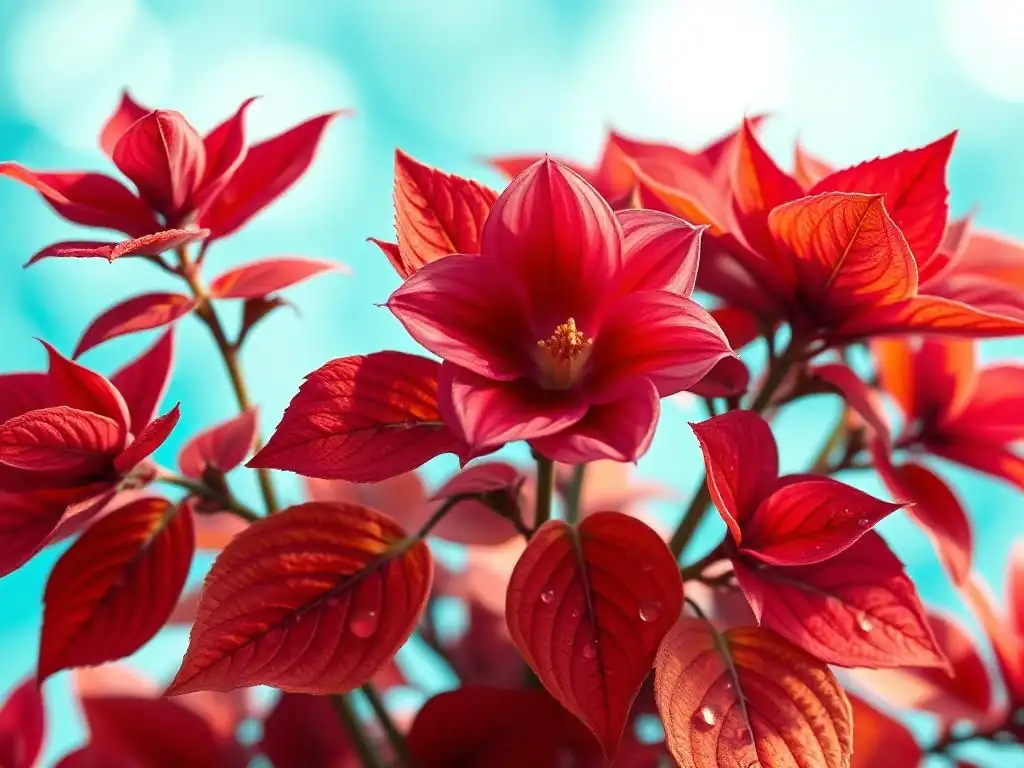
The foundation of any successful aquascape featuring dramatic stem plant color transitions lies in the careful selection of species. Not all stem plants are capable of expressing a wide range of colors, and some are far more responsive to environmental manipulation than others. Choosing the right plants is the first step towards achieving your desired aesthetic.
This section highlights some of the most popular and reliable stem plant species known for their ability to display stunning red, orange, and yellow hues, as well as essential green plants that provide crucial contrast. Understanding their specific requirements will help you cultivate an impressive aquatic palette.
Top Stem Plant Species for Red Hues
Achieving deep, fiery reds is often a primary goal for aquascapers focusing on stem plant color transitions. These plants typically demand higher light and precise nutrient management to truly show their best. Their intense coloration can serve as focal points or create striking contrasts within the aquascape.
Cultivating these red varieties requires dedication, but the visual reward is immense. Their ability to shift from green to various shades of red makes them dynamic elements in a vibrant planted tank.
Rotala Rotundifolia 'H'ra': Achieving Deep Red Tones
Rotala Rotundifolia 'H'ra' is a highly sought-after stem plant renowned for its ability to produce intense orange to deep reddish-pink coloration. Originating from Vietnam, this variant is particularly sensitive to light intensity and nitrate levels. Under high light conditions (e.g., 60+ PAR at the plant tips) and consistent CO2 injection (25-30 ppm), its leaves can transform from a soft green to a fiery red, especially when nitrates are kept moderately low, around 5-10 ppm.
To maximize its red potential, ensure a rich supply of iron and other micronutrients, as deficiencies can lead to pale growth. Regular pruning encourages bushier growth and ensures that the upper, most intensely colored portions of the plant are prominently displayed, contributing significantly to dynamic stem plant color transitions.
Ludwigia Repens 'Rubin': Intense Red and Orange Shades
Ludwigia Repens 'Rubin' is a robust and popular stem plant known for its striking burgundy-red leaves. This cultivar of Ludwigia repens is less demanding than some other red species, making it an excellent choice for those looking to introduce vibrant reds without extreme conditions. It thrives under strong lighting (50-70 PAR) and benefits significantly from consistent CO2 supplementation, which enhances both growth rate and color intensity.
For the most intense red and orange shades, ensure ample iron fertilization and maintain a balanced nutrient profile. While it can adapt to moderate light, its deepest red hues are achieved when grown in high-tech setups with stable parameters. Its broad leaves and strong coloration make it an impactful plant for creating bold stem plant color transitions in the midground or background.
Stem Plants Exhibiting Orange and Yellow Colors
While reds often steal the show, orange and yellow stem plants are crucial for creating natural-looking gradients and adding warmth to an aquascape. These colors can bridge the gap between vibrant reds and lush greens, offering softer transitions and complementary tones that enhance the overall visual appeal.
These plants often achieve their best coloration under specific lighting conditions and nutrient regimes, providing a diverse palette for intricate stem plant color transitions. Their versatility makes them valuable additions to any planted tank aiming for a rich spectrum of hues.
Limnophila Sessiliflora: Cultivating Yellow-Green Coloration
Limnophila Sessiliflora is a popular and relatively easy-to-grow stem plant that typically displays a bright green color. However, under optimal conditions, particularly high light (40-60 PAR) and good nutrient availability, its tips and upper leaves can develop attractive yellowish-orange or even bronze hues. This subtle coloration adds a delicate warmth to the aquascape, making it an excellent transitional plant.
It is quite adaptable to various water parameters and can thrive with moderate CO2 injection (15-20 ppm). While not as intensely colored as some red species, its ability to show these soft yellow-green stem plant color transitions makes it a versatile plant for creating natural-looking gradients and filling out midground areas.
Alternanthera Reineckii 'Mini': From Orange to Red
Alternanthera Reineckii 'Mini' is a dwarf variant prized for its compact growth and stunning range of colors, from vibrant orange to deep reddish-purple. Its coloration is highly dependent on light intensity and nutrient availability. Under very high light (70+ PAR), consistent CO2 (30 ppm), and ample iron supplementation, the leaves can become intensely red, especially on the underside.
When light penetration is slightly less intense or iron levels are moderate, the plant often exhibits beautiful orange and reddish-orange shades, particularly on its upper leaves. This makes it an ideal candidate for creating nuanced stem plant color transitions in the foreground or midground, offering a dynamic visual shift from orange to red depending on its position and conditions.
Green Stem Plants as a Contrasting Backdrop
While the focus is often on achieving vibrant reds, oranges, and yellows, the role of green stem plants cannot be overstated. They provide essential contrast, making the more colorful plants pop and preventing the aquascape from looking oversaturated. Lush green sections create a sense of depth and natural balance, highlighting the intricate stem plant color transitions.
Choosing the right green plants that thrive alongside their colorful counterparts ensures a cohesive and visually appealing layout. Their presence is fundamental to framing and enhancing the chromatic diversity of the tank.
Cabomba Caroliniana: A Classic Green Stem Plant
Cabomba Caroliniana is a classic aquarium plant cherished for its delicate, feathery leaves and vibrant green coloration. Its fine texture and symmetrical arrangement make it an excellent choice for adding a soft, natural backdrop to more intensely colored plants. It thrives in moderate light (30-50 PAR) and benefits from stable water parameters and a consistent supply of nutrients.
The bright, almost lime-green hue of Cabomba Caroliniana provides a stark and beautiful contrast against the deep reds of plants like Ludwigia Repens 'Rubin' or the oranges of Alternanthera Reineckii 'Mini'. This contrast accentuates the dramatic stem plant color transitions, making the reds and oranges appear even more vivid within the aquascape.
Hygrophila Polysperma: Versatile Green Growth
Hygrophila Polysperma is a highly adaptable and fast-growing stem plant, making it a favorite for both beginners and experienced aquascapers. It typically exhibits a light to medium green color, but some variants can develop bronze or reddish tips under very high light. Its versatility in tolerating a wide range of conditions, from low to high light (20-60 PAR), makes it an excellent choice for filling out backgrounds or midgrounds.
Its broad, light green leaves serve as an ideal canvas against which more vibrant red and orange stem plant color transitions can truly stand out. Whether used as a dense bush or a tall, elegant background plant, Hygrophila Polysperma's consistent green provides a crucial visual anchor that enhances the overall chromatic harmony of the aquascape.
Achieving Optimal Conditions for Color Transitions
Once you've selected your desired stem plants, the next critical step is to provide them with the optimal environmental conditions necessary to unlock their full color potential. This involves meticulous management of lighting, nutrients, and CO2, as these are the primary drivers of pigment production and plant health. Each parameter must be carefully balanced to encourage vibrant stem plant color transitions.
Achieving this balance is often an ongoing process of observation and adjustment. Small tweaks to your setup can yield significant improvements in the intensity and range of colors your plants display, making your aquascape truly stunning.
Lighting Strategies for Enhanced Coloration
Lighting is paramount for driving the biochemical processes that lead to vibrant stem plant color transitions. It's not just about intensity, but also the quality and duration of light provided. Strategic lighting can dramatically influence the hues your plants produce.
Understanding how different aspects of light affect plant pigments allows for precise manipulation of color. This involves both the type of light fixture chosen and how it is managed throughout the day.
Choosing the Right Light Spectrum for Stem Plants
For enhanced stem plant color transitions, selecting a light fixture that offers a full spectrum, with emphasis on red and blue wavelengths, is crucial. Plants primarily utilize blue light (450-475nm) for vegetative growth and compact form, while red light (620-670nm) is essential for flowering, fruiting, and importantly, the production of red pigments like anthocyanins. Some advanced LED fixtures allow independent control of red, green, and blue (RGB) channels, enabling aquarists to fine-tune the spectrum to favor red coloration in specific plant groupings.
While a high PAR value (Photosynthetically Active Radiation) is necessary for many red plants, a balanced spectrum prevents the growth of undesirable algae by ensuring plants can efficiently use all available light. Aim for fixtures that provide a color temperature of 6500K-8000K, which mimics natural daylight and supports robust plant growth alongside vibrant stem plant color transitions.
Implementing a Lighting Schedule for Color Development
The duration of your lighting period, or photoperiod, also plays a role in color development and overall plant health. For most high-tech planted tanks aiming for intense stem plant color transitions, an 8-10 hour photoperiod is generally recommended. Exceeding 10 hours can increase the risk of algae outbreaks without providing significant additional benefit to plant coloration, as plants have a saturation point for light absorption.
Some aquarists utilize a "siesta" period, where the lights are turned off for 2-4 hours in the middle of the photoperiod (e.g., 4 hours on, 2 hours off, 4 hours on). This can help replenish CO2 levels in the water, reduce algae growth, and give plants a brief rest. Gradual ramp-up and ramp-down features on modern LED lights can also simulate natural sunrise and sunset, reducing stress on fish and plants while enhancing the visual experience of your stem plant color transitions.
Nutrient Management for Vibrant Colors
Proper nutrient management is as vital as lighting for achieving stunning stem plant color transitions. Plants require a balanced supply of both macronutrients (Nitrogen, Phosphorus, Potassium) and micronutrients (Iron, Manganese, Boron, etc.) to thrive and express their full chromatic potential. Deficiencies or excesses in any of these can lead to dull colors or stunted growth.
A comprehensive fertilization strategy, often employing liquid dosing and root tabs, is essential to meet the demands of fast-growing, colorful stem plants. Regular testing of water parameters helps fine-tune this delicate balance.
Dosing Fertilizers to Promote Color Change
To promote vibrant stem plant color transitions, a consistent dosing regimen of comprehensive liquid fertilizers is crucial. Specifically, ensuring adequate iron (Fe) is paramount for red plants. Chelate iron forms, such as Fe-DTPA or Fe-EDTA, are more readily available to plants in the aquarium water column. Many aquascapers aim to maintain iron levels between 0.1-0.2 ppm (parts per million) through daily or every-other-day dosing, depending on plant mass and water change frequency.
Beyond iron, a balanced supply of all other micronutrients is vital, as deficiencies in elements like magnesium or potassium can also impact color expression. Macronutrients, particularly nitrates (NO3) and phosphates (PO4), should be maintained at optimal levels (e.g., 10-20 ppm NO3 and 1-2 ppm PO4) to support healthy growth, allowing plants to allocate energy towards pigment production rather than struggling for basic survival.
Avoiding Nutrient Deficiencies That Stunt Coloration
Nutrient deficiencies are a common cause of pale or faded stem plant color transitions. Each deficiency manifests differently, but all hinder a plant's ability to produce vibrant pigments. For instance, a lack of nitrogen often results in the yellowing of older leaves, as the plant reallocates nitrogen to new growth. Potassium deficiency can lead to pinholes or yellowing along leaf margins, while magnesium deficiency typically causes interveinal chlorosis (yellowing between the veins) in older leaves.
Iron deficiency is particularly detrimental to red plants, causing new growth to appear pale, white, or even transparent. Regularly monitoring plant health and conducting water tests (e.g., weekly tests for NO3, PO4, and Fe) allows for prompt identification and correction of deficiencies. Adjusting your dosing regimen based on these observations ensures plants receive the precise nutrients needed to maintain their desired stem plant color transitions.
CO2 Injection and its Effect on Color Intensity
Carbon dioxide (CO2) is the primary carbon source for aquatic plants and plays a direct role in photosynthesis. Optimal CO2 levels enable plants to grow vigorously and efficiently, which in turn allows them to produce a full spectrum of pigments. Without sufficient CO2, even with perfect light and nutrients, plants will struggle to achieve intense stem plant color transitions.
Implementing a reliable CO2 injection system and maintaining stable levels are fundamental for any high-tech planted tank aiming for stunning coloration. This stable supply fuels the metabolic processes necessary for vibrant hues.
Setting Up a CO2 System for Stem Plants
For consistent and effective CO2 delivery to enhance stem plant color transitions, a pressurized CO2 system is highly recommended. This typically includes a CO2 cylinder, a pressure regulator with a solenoid valve (for automated on/off control), a bubble counter (to monitor dosing rate), and a diffuser (to dissolve CO2 into fine bubbles). The diffuser should be placed in an area of high water flow to ensure even distribution throughout the tank.
Aim for a CO2 concentration of 25-30 ppm, which can be monitored using a drop checker (a lime green color indicates optimal levels) or by measuring the pH drop (typically 0.6-1.0 pH units from morning to evening in a tank with stable KH). Proper setup ensures that plants receive a steady supply of carbon, crucial for robust growth and pigment development.
Maintaining Stable CO2 Levels for Optimal Growth
Fluctuations in CO2 levels can be highly detrimental to plant health and color intensity. Plants adapt to a certain CO2 concentration, and sudden drops or spikes can cause stress, leading to stunted growth, dull colors, and increased susceptibility to algae. To maintain stable CO2 levels, ensure your regulator is reliable and your bubble counter is consistently delivering the desired rate.
Using a pH controller connected to the solenoid valve can automate CO2 injection, turning it on and off to maintain a precise pH range (and thus CO2 level). This minimizes daily fluctuations and provides plants with a constant, optimized carbon source, allowing them to consistently produce the vibrant pigments that define striking stem plant color transitions. Regular calibration of pH probes is also essential for accuracy.
Planting and Arranging Stem Plants for Visual Impact
Beyond cultivating healthy, colorful stem plants, their arrangement within the aquascape is crucial for creating stunning visual effects and emphasizing color transitions. Thoughtful planting techniques can transform a collection of beautiful plants into a cohesive and captivating underwater landscape. This involves strategic grouping, varying heights, and combining different textures.
The goal is to guide the viewer's eye through a harmonious flow of colors and forms, making the most of the vibrant stem plant color transitions you've worked so hard to achieve. Each plant's position should contribute to the overall artistic vision.
Grouping Plants for Color Gradients
To create truly stunning stem plant color transitions, grouping plants with similar color potentials or complementary hues is essential. Instead of scattering individual plants, plant them in dense clusters or "bushes." This not only looks more natural but also allows the mass of color to make a greater impact. For instance, you might create a gradient from a green Rotala Rotundifolia in lower light sections to a fiery red Rotala Rotundifolia 'H'ra' as it reaches higher light areas.
Consider creating a smooth transition from green to yellow, then orange, and finally deep red. For example, plant green Hygrophila Polysperma in the background, transitioning to Limnophila Sessiliflora (which can show yellow-green tips), then Alternanthera Reineckii 'Mini' (orange-red), and finally a deep red Ludwigia Repens 'Rubin' as a focal point. This careful layering of color groups enhances the visual flow and depth of your stem plant color transitions.
Creating Depth with Different Stem Plant Heights
Varying the heights of your stem plants is a fundamental technique for creating a sense of depth and perspective in your aquascape. Taller species should generally be placed in the background, medium-height plants in the midground, and shorter varieties or aggressively pruned plants in the foreground. This classic "slope" or "valley" arrangement draws the eye into the tank and makes it appear larger and more dynamic.
For example, use tall, intensely red Ludwigia Palustris 'Super Red' (which can reach over 20 inches) in the very back corners. In front of these, plant medium-height, orange-hued Rotala Macrandra (8-15 inches). For the mid-to-foreground, utilize compact, vibrant red Alternanthera Reineckii 'Mini' (3-6 inches). This creates distinct layers of stem plant color transitions, enhancing the three-dimensional aspect of your aquascape.
Combining Textures and Colors for a Natural Look
To achieve a natural and visually rich aquascape, combine stem plants with different leaf textures and shapes alongside their varied colors. A tank filled with only one leaf shape, even if colors vary, can appear monotonous. Contrasting textures adds complexity and interest, making the stem plant color transitions even more engaging.
Pairing the fine, delicate leaves of a green Myriophyllum Mattogrossense with the broader, bolder leaves of a red Ludwigia Repens 'Rubin' creates a compelling visual contrast. Similarly, the ruffled edges of some Cryptocoryne species (if used as foreground accents) can complement the smoother lines of stem plants. This interplay of textures and the strategic placement of different colored groups, from deep greens to vibrant reds, contribute to a more organic and aesthetically pleasing aquascape.
Troubleshooting Common Coloration Issues
Even with careful planning and optimal conditions, aquarists may encounter challenges with their stem plant color transitions. Plants can sometimes lose their vibrancy, appear pale, or develop unwanted algae. Understanding how to diagnose and correct these issues is crucial for maintaining a stunning aquascape.
This section addresses common problems that hinder coloration and provides practical solutions. Prompt identification and intervention can prevent minor issues from escalating and help restore the desired hues to your stem plants.
Addressing Pale or Faded Colors
Pale or faded stem plant color transitions are often the first sign that something is amiss in your aquarium. This usually indicates insufficient light intensity or a deficiency in key nutrients. If your Rotala Rotundifolia 'H'ra' is looking more green than red, first check your light's PAR output at the plant's level; it might be below the required 60+ µmol/m²/s. Ensure your lights are clean and that their intensity hasn't degraded over time.
Secondly, test your water for nutrient levels. Low iron (below 0.05 ppm) is a frequent culprit for pale red plants. Similarly, insufficient CO2 (below 20 ppm) will limit photosynthesis, leading to dull colors regardless of light and nutrient availability. Increase your CO2 injection slightly, or consider a more powerful light, and observe the plant's response over a week or two. Consistent, stable parameters are key to restoring vibrant stem plant color transitions.
Identifying and Correcting Nutrient Deficiencies
Accurate identification of nutrient deficiencies is vital for restoring vibrant stem plant color transitions. Different deficiencies manifest in specific ways. For example, if older leaves of your stem plants are turning yellow or translucent, it's often a sign of nitrogen (NO3) deficiency, especially if levels are consistently below 5 ppm. If new growth is stunted, appears pale, or has very small leaves, an iron (Fe) deficiency (below 0.05 ppm) is likely.
To correct these, increase the dosing of the specific nutrient. For nitrogen, a potassium nitrate (KNO3) solution can be added. For iron, a chelated iron supplement is effective. Regular weekly water tests for nitrates, phosphates, and iron are highly recommended to monitor levels and adjust your fertilization regimen proactively. Maintaining target levels of 10-20 ppm NO3, 1-2 ppm PO4, and 0.1-0.2 ppm Fe will help prevent most common deficiencies and support robust stem plant color transitions.
Preventing Algae Growth That Can Obscure Colors
Algae growth is a common frustration that can obscure the beautiful stem plant color transitions you've worked to achieve. Algae often indicate an imbalance in the tank's ecosystem, such as excessive light, unstable CO2, or nutrient imbalances. For instance, green spot algae can proliferate with too much light or low phosphates, while hair algae often signals unstable CO2 or nutrient cycling issues.
To prevent algae, ensure your CO2 levels are stable and consistent (25-30 ppm), your photoperiod is appropriate (8-10 hours), and your nutrient dosing is balanced. Performing regular weekly water changes of 30-50% helps dilute excess nutrients and replenishes essential trace elements. Manual removal of visible algae, combined with addressing the underlying cause, is crucial. A healthy, thriving plant mass, supported by optimal conditions, is the best defense against algae, allowing your stem plant color transitions to shine.
Maintaining Your Color Transition Aquascape
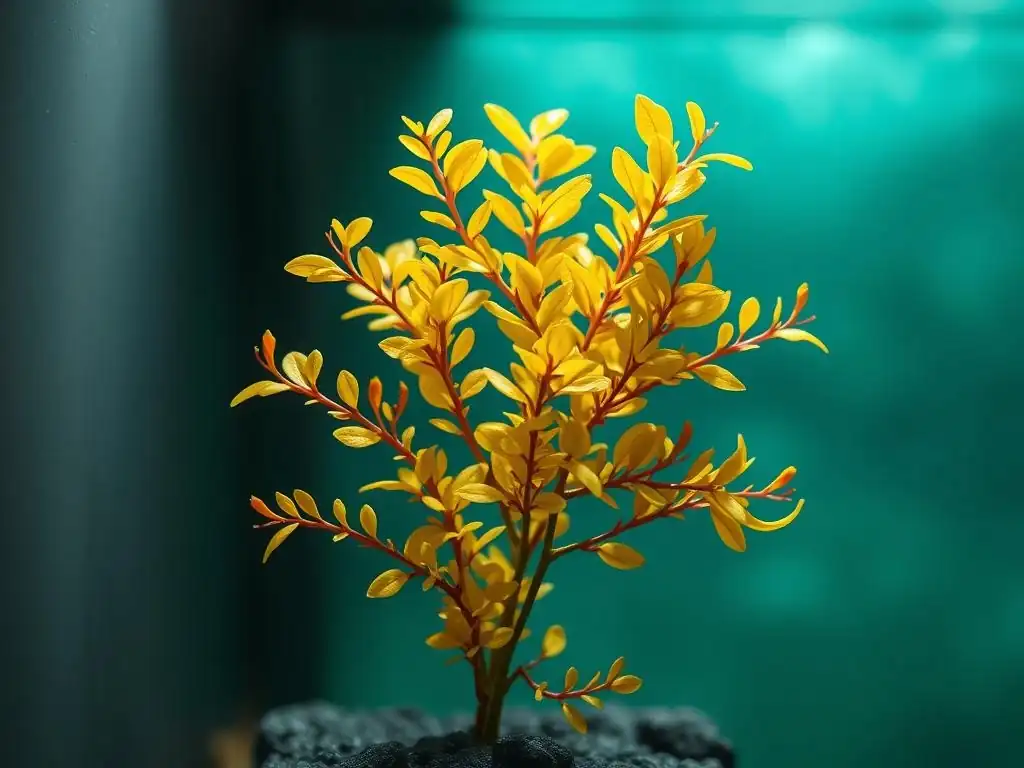
Creating stunning stem plant color transitions is an achievement, but maintaining them requires ongoing commitment and consistent care. Plants grow, parameters shift, and the dynamic nature of an aquascape means that regular maintenance is essential to preserve the vibrant hues and overall aesthetic. This involves routine pruning, diligent water parameter monitoring, and long-term strategic planning.
Consistent maintenance ensures that your plants remain healthy and continue to express their full chromatic potential, keeping your aquascape a source of continuous visual delight. It's an ongoing dialogue between the aquarist and the living ecosystem.
Regular Pruning for Shape and Color Control
Regular pruning is indispensable for maintaining the shape, density, and vibrant stem plant color transitions of your aquascape. Fast-growing stem plants, if left unchecked, will quickly outgrow their designated space, block light from lower sections, and diminish the intensity of their colors. Pruning encourages bushier growth, as cutting the main stem often stimulates side shoots.
For most stem plants, "topping" (cutting the upper portion and replanting it) is a common method. This removes the older, often less colorful lower leaves and allows the new, more vibrant growth to flourish. For example, Rotala species benefit from weekly or bi-weekly pruning in high-tech setups to maintain their desired height and ensure the most intensely colored tips are always visible. This practice not only shapes the aquascape but also actively promotes the continuous expression of stunning stem plant color transitions.
Monitoring Water Parameters for Stability
Consistent monitoring of water parameters is paramount for the long-term stability and vibrancy of your stem plant color transitions. Fluctuations in key parameters like pH, GH (General Hardness), KH (Carbonate Hardness), nitrates, and phosphates can stress plants, leading to dull colors or even melt. For instance, drastic pH swings (often due to unstable CO2) inhibit nutrient uptake and photosynthesis.
Regular testing, ideally daily for CO2 levels via a drop checker and weekly for nitrates, phosphates, and iron, allows you to catch and correct deviations quickly. Aim for stable parameters such as pH 6.5-7.0, GH 4-8 dGH, KH 3-6 dKH, nitrates 5-20 ppm, and phosphates 0.5-2 ppm. Maintaining these ranges provides a consistent environment where plants can thrive and express their most intense stem plant color transitions without stress.
Long-Term Strategies for Sustaining Vibrant Colors
Sustaining vibrant stem plant color transitions over the long term requires more than just daily dosing and weekly water changes. It involves a holistic approach to aquarium health. Consider periodic substrate fertilization; even if you use liquid fertilizers, heavy root feeders like some Ludwigia species will benefit from root tabs placed every 3-6 months. This provides a steady, localized supply of nutrients directly to the roots.
Additionally, pay attention to the aging of your lighting fixtures. LED lights can lose intensity over several years, impacting PAR output and subsequently, plant coloration. Replacing LED fixtures every 3-5 years, or monitoring their output with a PAR meter, can prevent a gradual decline in color. Regularly cleaning filters and ensuring good water circulation also contribute to overall plant health, which is fundamental to maintaining stunning stem plant color transitions for years to come.
Advanced Techniques for Color Manipulation
For the dedicated aquascaper, pushing the boundaries of stem plant color transitions involves delving into more advanced techniques. This includes understanding the subtle influence of plant hormones and experimenting with specific light wavelengths beyond general full-spectrum lighting. These methods, while requiring more precision and knowledge, can unlock even more intense and nuanced colors.
Exploring these advanced concepts allows for a deeper appreciation of plant physiology and provides opportunities to fine-tune the aquatic environment for unparalleled chromatic displays. They represent the cutting edge of achieving extraordinary stem plant color transitions.
Understanding Plant Hormones and Color
While not typically manipulated directly by hobbyists, understanding the role of plant hormones offers insight into the complex processes behind stem plant color transitions. Hormones such as auxins, cytokinins, and gibberellins regulate various aspects of plant growth, development, and stress response, indirectly influencing pigment production. For example, auxins, produced in shoot tips, control cell elongation and apical dominance, which can affect overall plant structure and light exposure.
Cytokinins, often produced in roots, promote cell division and lateral bud growth, contributing to bushier plant forms that can better capture light for pigmentation. While direct manipulation of these hormones is usually confined to commercial horticulture, awareness of their functions can inform how environmental factors, like pruning or nutrient levels, indirectly influence the hormonal balance within your plants, thereby impacting their ability to display vibrant stem plant color transitions.
Experimenting with Different Light Wavelengths
Advanced LED lighting systems offer the unique opportunity to precisely manipulate specific light wavelengths, pushing the boundaries of stem plant color transitions. Beyond standard full-spectrum, some fixtures allow individual control over red, green, blue, and even far-red (700-750nm) channels. Experimenting with a slight increase in the far-red spectrum, particularly during the last hour of the photoperiod, has been observed by some aquascapers to enhance anthocyanin production in red plants.
Similarly, fine-tuning the balance between blue (450-475nm) and red (620-670nm) peaks can optimize pigment synthesis. For instance, slightly higher blue light can sometimes lead to more compact growth, concentrating pigments, while a stronger red component directly fuels the creation of red hues. Careful, incremental adjustments to these specific wavelengths, while monitoring plant response, can unlock new levels of intensity in your stem plant color transitions.
Case Study: Optimizing Color in a Dutch Style Aquascape
In a high-profile Dutch-style aquascape, a common challenge is maintaining distinct, vibrant stem plant color transitions across numerous plant species without them blending into a monochromatic mass. One renowned aquascaper achieved exceptional color optimization by implementing a multi-faceted approach. They utilized a high-output LED fixture providing 75 PAR at the substrate, precisely tuned to emphasize red (660nm) and blue (460nm) peaks, running for a 9-hour photoperiod.
CO2 was maintained rigorously at 30 ppm using a pH controller, ensuring zero fluctuations. Fertilization followed a modified Estimative Index (EI) method, with daily dosing targeting 15 ppm NO3, 1.5 ppm PO4, and 0.2 ppm Fe. Specific Rotala species ('H'ra', 'Colorata', 'Vietnam H'ra') and Ludwigia species ('Rubin', 'Super Red') were meticulously pruned every 5-7 days to maintain their individual shapes and ensure maximum light penetration. This precise control over light, CO2, and nutrients, combined with aggressive pruning, allowed for breathtaking and stable stem plant color transitions, creating a living tapestry of reds, oranges, and greens.
Frequently Asked Questions
How do I encourage vibrant color transitions in my stem plants?
To achieve stunning color transitions, focus on lighting intensity and quality, nutrient availability, and CO2 levels. Adjusting these factors will influence pigment production in your stem plants.
What role does lighting play in stem plant color changes?
High-intensity lighting often promotes the development of red, orange, and purple hues in many stem plants. Conversely, lower light may result in predominantly green coloration.
What nutrients are most important for color transitions in stem plants?
Iron, nitrates, and phosphates are crucial. Limiting nitrates, for example, can sometimes encourage red pigmentation in certain species, but careful monitoring is required to avoid deficiencies.
How does CO2 injection impact stem plant coloration?
Adequate CO2 injection supports healthy growth, which in turn allows plants to utilize nutrients more effectively and display their full color potential. Insufficient CO2 can hinder growth and color.
What are some beginner-friendly stem plants known for their color transitions?
Ludwigia repens and Rotala rotundifolia are relatively easy to grow and can exhibit beautiful red and orange hues under the right conditions, making them great for beginners.
Final Reflection: Embracing the Aquatic Spectrum
The journey of crafting stem plant color transitions in an aquarium is more than just a horticultural pursuit; it's an exercise in artistic expression, a miniature landscape painting brought to life. In a world increasingly dominated by digital screens, the tangible beauty and calming presence of a vibrant, living aquarium offer a vital connection to nature, reminding us of the intricate beauty that exists beyond the confines of our daily routines.
This exploration has deepened my appreciation for the subtle nuances of aquatic ecosystems. Witnessing the gradual shift from emerald greens to fiery reds within a carefully curated aquascape is a deeply rewarding experience, a testament to the power of patience and observation. As the renowned aquascaper Takashi Amano once said, To know Mother Nature, is to love her smallest creations.
This sentiment resonates profoundly when observing the delicate interplay of light, nutrients, and plant life within a thriving aquarium.
Now, armed with the knowledge and inspiration gleaned from this exploration, I encourage you to embark on your own aquatic adventure. Cultivate your own stunning stem plant color transitions, not just for the visual delight they provide, but for the deeper connection they foster with the natural world. Let your aquarium be a canvas for creativity, a source of tranquility, and a constant reminder of the beauty that can be cultivated with care and dedication.
Unleash Your Aquatic Artistry!
Thanks for diving into the world of vibrant aquatic landscapes! We hope you've found inspiration and practical tips to elevate your aquascaping game with stunning color transitions. Now, let's put that knowledge into action:
- Design Your Dream Tank: Sketch out your aquascape plan, focusing on where each stem plant will create the most visually impactful color gradient. Consider light levels and nutrient needs of each species.
- Explore Rare Stems: Research lesser-known stem plants with unique color variations. You might discover a hidden gem to create truly one-of-a-kind transition.
- Share Your Progress: Post your aquascape journey (before & after pics!) on social media using #AquariumMastery – inspire others with your colorful creation!
What's one unexpected stem plant you're now eager to incorporate into your next colorful aquascape?