
Danios for Beginners: Top 5 Easiest Species to Keep and Enjoy

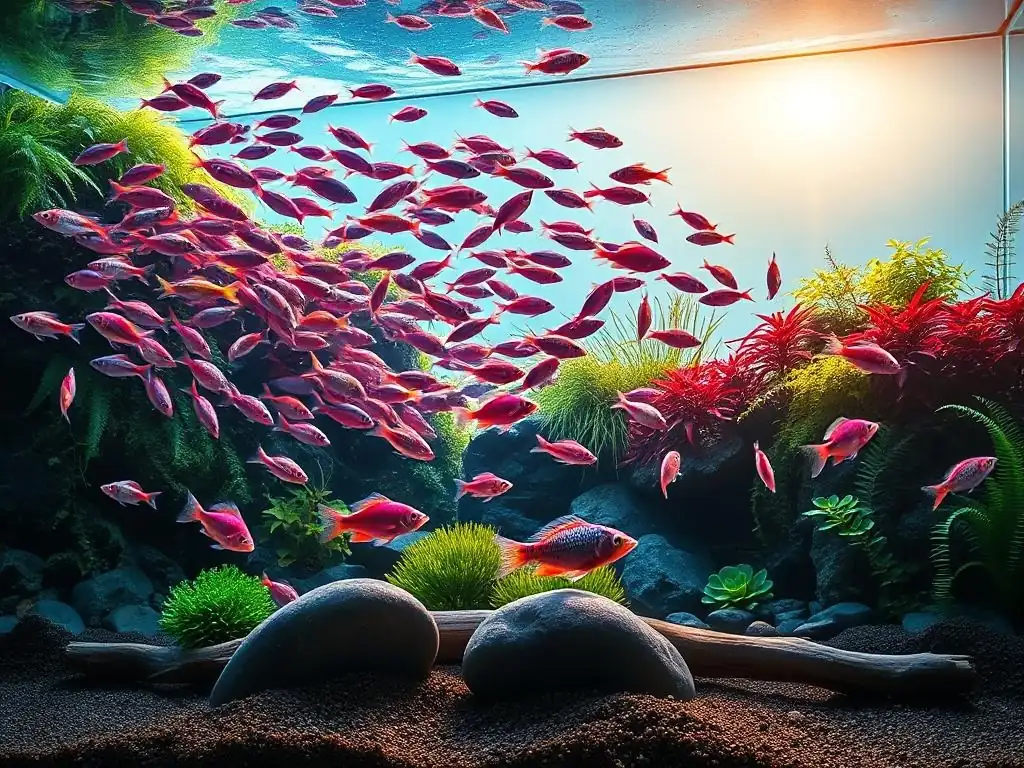
Welcome to Aquarium Mastery!
Ever dreamt of a vibrant, thriving aquarium but felt intimidated by the complexities? You're not alone! Dive into our latest guide and discover the secret to effortless aquarium keeping with easy danio care tips. These energetic little fish are perfect for beginners, and we'll show you the top 5 species that will make your first aquarium a resounding success. Ready to unlock the beauty and tranquility of a flourishing freshwater ecosystem? Let's get started!
- Introduction to Danios: A Beginner-Friendly Fish for Your Aquarium
-
Top 5 Easiest Danio Species for Beginner Aquarists
- 1. Zebra Danio (Danio rerio): The Classic Beginner Fish
- 2. Leopard Danio (Danio rerio var. leopardus): A Spotted Variation
- 3. GloFish Danio (Danio rerio var. GloFish): Vibrant and Hardy
- 4. Pearl Danio (Danio albolineatus): A Shimmering Beauty
- 5. Celestial Pearl Danio (Danio margaritatus): A Nano Tank Gem
-
Essential Danio Care Tips for Beginners
- Water Parameters for Danios: Maintaining a Healthy Aquarium Environment
- Feeding Your Danios: Providing a Balanced and Nutritious Diet
- Common Danio Diseases and Prevention: Keeping Your Fish Healthy
- Tank Size and Setup for Danios: Creating an Ideal Habitat
- Danio Schooling Behavior: Why Keeping a Group is Important
- Troubleshooting Common Danio Issues
- Conclusion: Enjoying Your Danios and Mastering Easy Danio Care
- Frequently Asked Questions
- Final Reflection: A Ripple Effect of Simplicity
- Ignite Your Aquarium Passion: Dive Deeper into the World of Danios!
Introduction to Danios: A Beginner-Friendly Fish for Your Aquarium
Why Danios are a Great Choice for New Aquarists
Danios are widely regarded as one of the best choices for novice aquarists, and for good reason. These small, active fish are incredibly hardy and adaptable, tolerating a broad range of water conditions, typically thriving in temperatures between 64-78°F (18-26°C) and a pH range of 6.0-8.0. Their robust nature makes them forgiving of minor fluctuations that new hobbyists might encounter while learning the ropes of aquarium maintenance. Furthermore, their small size, generally ranging from 1.5 to 2.5 inches, and peaceful, schooling behavior make them ideal inhabitants for community tanks, adding vibrant life without overwhelming the ecosystem.
Beyond their resilience, Danios are also appreciated for their energetic personalities and attractive appearances. They are constantly on the move, darting around the mid to upper levels of the aquarium, providing a dynamic visual display. Their availability in various patterns and colors, along with their affordability, makes them an accessible entry point into the world of fishkeeping. For anyone seeking easy danio care tips to start their aquatic journey, Danios offer a rewarding and relatively low-stress experience, helping build confidence in basic tank management.
Understanding Basic Danio Care: Setting Up Your Tank for Success
Successful Danio keeping begins with a properly set up and cycled aquarium. While Danios are hardy, a stable environment is crucial for their long-term health. A minimum tank size of 10-20 gallons is recommended for a small school of Danios, providing ample swimming space for these active fish. The tank should be equipped with a reliable filtration system that provides gentle to moderate flow, as Danios appreciate some current, and a heater to maintain a consistent temperature within their preferred range. Adequate lighting is also important, supporting any live plants you might include.
Before introducing any fish, it is paramount to complete the nitrogen cycle, ensuring that harmful ammonia and nitrite are converted into less toxic nitrates. This process typically takes 4-6 weeks for a new setup. Regular testing of water parameters—ammonia, nitrite, nitrate, pH, and temperature—is a fundamental aspect of easy danio care tips. Performing weekly partial water changes of approximately 25% helps maintain pristine water quality, which is the cornerstone of preventing common fish ailments and ensuring your Danios thrive.
Top 5 Easiest Danio Species for Beginner Aquarists
1. Zebra Danio (Danio rerio): The Classic Beginner Fish
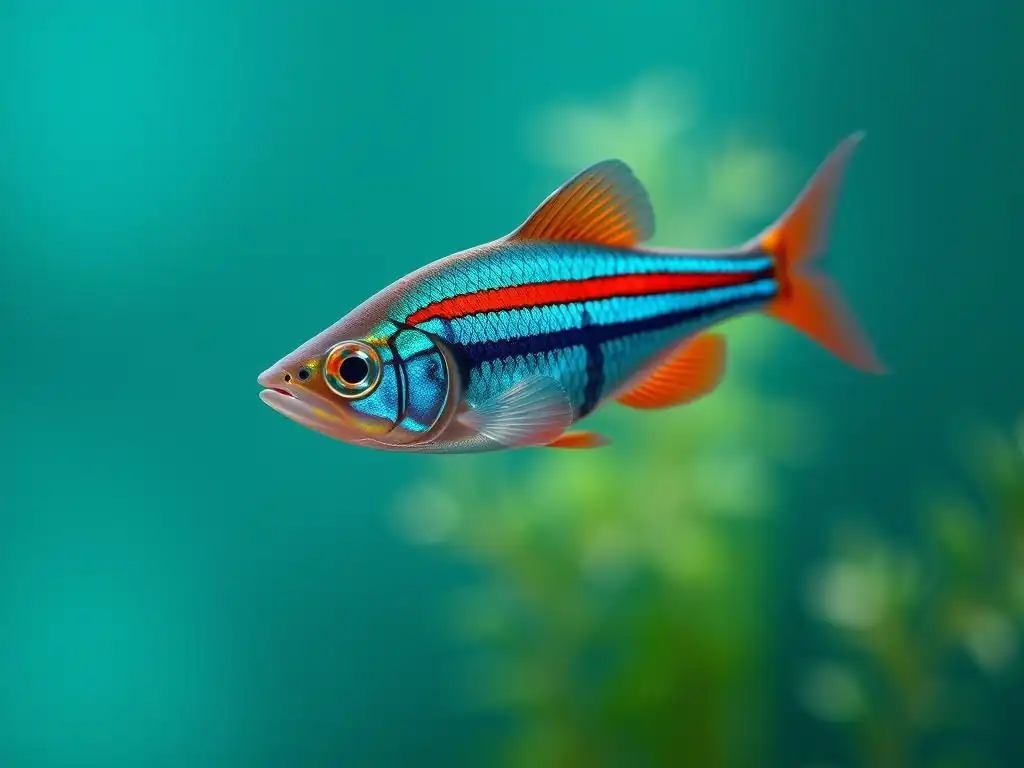
The Zebra Danio, Danio rerio, is arguably the most recognized and popular Danio species, often serving as the quintessential beginner fish. Originating from the streams and rivers of South Asia, primarily India and Bangladesh, these small, torpedo-shaped fish are distinguished by their striking horizontal blue and silver stripes. They typically grow to about 2 inches (5 cm) in length and are renowned for their incredible hardiness and adaptability to a wide array of water conditions, making them exceptionally forgiving for new aquarists.
Zebra Danios are incredibly active and spend most of their time darting around the upper and middle sections of the aquarium. Their peaceful temperament and strong schooling instinct make them excellent community tank inhabitants. They tolerate a broad temperature range of 64-78°F (18-26°C) and a pH of 6.0-8.0, showcasing their remarkable resilience. Their lively nature and attractive appearance make them a fantastic choice for adding constant motion and visual interest to a freshwater setup.
Zebra Danio Care: Simple Requirements for a Thriving School
Caring for Zebra Danios is straightforward, embodying the very essence of easy danio care tips. For a healthy and happy school, a minimum 10-gallon tank is recommended for 6-8 individuals, though a 20-gallon tank or larger is ideal to provide more swimming space. They thrive in well-oxygenated water with a moderate current, so a good quality filter is essential. Their diet is omnivorous; they readily accept high-quality flake food or micro-pellets as a staple, supplemented with occasional live or frozen foods like brine shrimp, daphnia, or bloodworms to ensure a balanced diet and enhance their vibrant colors.
Zebra Danio Tank Mates: Compatible Species for a Peaceful Community Tank
Zebra Danios are excellent community fish due to their peaceful nature and active disposition. They coexist well with other similarly sized, non-aggressive species that prefer similar water parameters. Ideal tank mates include other small schooling fish like Neon Tetras, Harlequin Rasboras, and other Danio species. Bottom dwellers such as Corydoras catfish and Otocinclus catfish also make excellent companions. Avoid keeping them with large, predatory fish or slow-moving fish with long, flowing fins, as the Danios' energetic darting might inadvertently stress or nip at them.
2. Leopard Danio (Danio rerio var. leopardus): A Spotted Variation
The Leopard Danio, Danio rerio var. leopardus, is a captivating variant of the classic Zebra Danio, sharing much of its genetic makeup and robust characteristics, but distinguished by its unique spotted pattern instead of stripes. These beautiful fish typically display an overall silvery-gold body adorned with numerous dark, irregular spots that resemble a leopard's coat. Like their striped counterparts, they originate from the same general regions of South Asia and reach a similar adult size of approximately 2 inches (5 cm).
Their care requirements are virtually identical to the Zebra Danio, making them equally suitable for beginners seeking easy danio care tips. Leopard Danios are incredibly hardy, adapting well to a wide range of water conditions and maintaining their active, inquisitive nature. They are a fantastic alternative for aquarists looking for a slightly different aesthetic while still benefiting from the renowned resilience and peaceful temperament of the Danio rerio lineage.
Leopard Danio Care Guide: Similar to Zebra Danios but with a Unique Look
Caring for Leopard Danios is as simple as caring for Zebra Danios, making them an ideal choice for new aquarists. They thrive in a minimum 10-gallon tank for a school of 6-8 individuals, with larger tanks (20 gallons or more) providing optimal space for their active swimming. These omnivores readily accept a varied diet of high-quality flake food, micro-pellets, and occasional live or frozen supplements like bloodworms or brine shrimp. Maintaining stable water parameters—temperature between 64-78°F (18-26°C) and pH 6.0-8.0—is crucial, along with regular 25% weekly water changes to ensure pristine conditions.
Leopard Danio Temperament: An Active and Engaging Addition
Leopard Danios are highly active and playful fish, constantly on the move and exploring their environment. They are quintessential schooling fish, displaying their best behavior and most vibrant colors when kept in groups of at least six individuals. Their constant darting and interaction within the school add significant visual interest and vitality to any aquarium. Despite their high energy, they are peaceful and rarely show aggression towards other tank inhabitants, making them excellent community fish that get along well with most other small, non-aggressive species.
3. GloFish Danio (Danio rerio var. GloFish): Vibrant and Hardy
GloFish Danios are a unique and visually striking variant of the Zebra Danio, genetically engineered to display brilliant, fluorescent colors under both white and blue (actinic) lighting. These fish were originally developed for scientific research, with the first GloFish Danio, the "Starfire Red," becoming commercially available in 2003. Today, they come in a vibrant spectrum of colors, including Electric Green, Sunburst Orange, Cosmic Blue, and Galactic Purple, adding an unparalleled pop of color to any aquarium. Despite their genetic modification, their care requirements are identical to those of the standard Zebra Danio.
Their inherent hardiness and adaptability, inherited directly from their Danio rerio lineage, make GloFish Danios an excellent choice for beginners. They possess the same active, schooling behavior and peaceful temperament, making them robust and engaging inhabitants. For aquarists looking for fish that truly stand out and are easy to care for, GloFish Danios offer a fantastic blend of visual appeal and low-maintenance needs, perfectly aligning with easy danio care tips.
GloFish Danio Care: Maintaining Their Bright Colors and Health
The care for GloFish Danios is exactly the same as for their non-fluorescent counterparts, the Zebra Danios. They require a minimum 10-gallon tank for a school of 6-8 fish, with larger tanks (20 gallons or more) being preferable to accommodate their active swimming. Maintaining stable water parameters is key: a temperature range of 64-78°F (18-26°C) and a pH of 6.0-8.0.
A high-quality flake food or micro-pellet should form the basis of their diet, supplemented occasionally with live or frozen foods like brine shrimp to ensure optimal health and maintain their vibrant coloration. Regular 25% weekly water changes are crucial for water quality.
GloFish Danio Compatibility: Creating a Colorful and Harmonious Aquarium
GloFish Danios are highly compatible with a wide range of peaceful community fish, thanks to their docile nature. They thrive when kept in schools of at least six individuals, which helps to reduce stress and encourages their natural schooling behavior. Suitable tank mates include other small, non-aggressive species such as Neon Tetras, Harlequin Rasboras, Corydoras catfish, and various livebearers like Guppies and Platies. Their bright colors add a playful and lively element to a diverse community tank, without posing a threat to their tank mates.
4. Pearl Danio (Danio albolineatus): A Shimmering Beauty
The Pearl Danio, Danio albolineatus, is a captivating species known for its iridescent, shimmering scales that catch the light with a pearlescent sheen, often complemented by a subtle pink or orange lateral stripe running along its body. Originating from the clear, flowing streams of Southeast Asia, including Myanmar, Thailand, and Laos, these Danios are slightly larger than Zebra Danios, typically reaching about 2.5 inches (6 cm) in length. Their elegant appearance and graceful movements make them a sophisticated addition to a beginner's aquarium.
Unlike the more boisterous Zebra Danio, Pearl Danios tend to be a bit shyer and more peaceful, preferring a planted tank with subdued lighting where their colors can truly glow. They are still quite hardy, making them an excellent choice for aquarists who appreciate a quieter, yet equally active, schooling fish. Their unique beauty and relatively straightforward care make them a delightful step up for those looking to expand beyond the most common Danio species.
Pearl Danio Care Tips: Providing the Right Environment for These Active Fish
Pearl Danios are hardy and adaptable, making them suitable for beginners. They thrive in a minimum 15-gallon tank for a school of 6-8 individuals, with larger tanks providing more space for their active swimming. While they tolerate a wide range, they prefer slightly cooler temperatures than some Danios, ideally between 68-75°F (20-24°C), and soft to medium-hard water with a pH of 6.0-7.5.
A well-planted aquarium with plenty of hiding spots and open swimming areas will make them feel secure and encourage natural behavior. Like other Danios, they are omnivores and should be fed a varied diet of high-quality flakes, micro-pellets, and occasional live or frozen foods.
Pearl Danio Tank Setup: Replicating Their Natural Habitat
To ensure Pearl Danios thrive, replicating elements of their natural stream habitat is beneficial. A tank setup that includes fine gravel or sand substrate, along with plenty of live plants such as Java Fern, Anubias, and Hornwort, will provide essential hiding spots and resting areas. Driftwood and smooth rocks can also be incorporated to create a more naturalistic environment. They appreciate a gentle current, so a sponge filter or a baffled hang-on-back filter is suitable. Floating plants can help diffuse overhead lighting, which they prefer, enhancing their shimmering colors and reducing any potential shyness.
5. Celestial Pearl Danio (Danio margaritatus): A Nano Tank Gem
The Celestial Pearl Danio (CPD), Danio margaritatus, also affectionately known as the Galaxy Rasbora, is a stunning nano fish that took the aquarium world by storm upon its discovery in Myanmar in 2006. These tiny jewels boast a deep blue body adorned with brilliant, pearly white spots, complemented by vibrant red-orange fins striped with black. Reaching a maximum size of only 0.75-1 inch (2-2.5 cm), they are perfectly suited for smaller aquariums, making them an ideal choice for nano tank enthusiasts or those with limited space.
Despite their delicate appearance, CPDs are surprisingly hardy, though they do have slightly more specific care requirements than their larger Danio cousins. Their peaceful nature and unique beauty make them a highly sought-after species. For beginners who have successfully managed a basic community tank and are looking for a rewarding next step in easy danio care tips, the Celestial Pearl Danio offers an exciting opportunity to explore the world of nano fishkeeping.
Celestial Pearl Danio Care: Specific Needs for These Smaller Danios
Celestial Pearl Danios require a minimum 5-10 gallon tank for a small school of 6-10 individuals, with densely planted aquariums being ideal for their shy nature. They thrive in slightly cooler temperatures, typically ranging from 72-79°F (22-26°C), and prefer a pH of 6.5-7.5. Due to their small mouths, their diet should consist of high-quality micro-pellets, finely crushed flakes, and particularly small live or frozen foods like daphnia, microworms, or baby brine shrimp. Regular, small water changes (e.g., 10-15% twice a week) are crucial for maintaining pristine water quality in their smaller habitats.
Celestial Pearl Danio Breeding: A Rewarding Experience for Advanced Beginners
Breeding Celestial Pearl Danios can be a rewarding experience for aquarists who have mastered easy danio care tips and are ready for a slightly more advanced challenge. They are egg scatterers, and to encourage spawning, a separate breeding tank with fine-leaved plants like Java Moss or spawning mops should be provided. Adults will lay eggs among the vegetation, which typically hatch within 3-4 days at optimal temperatures. The fry are extremely tiny and require infusoria or specialized liquid fry food initially, followed by newly hatched brine shrimp as they grow. This process offers a fascinating glimpse into the life cycle of these miniature beauties.
Essential Danio Care Tips for Beginners
Water Parameters for Danios: Maintaining a Healthy Aquarium Environment
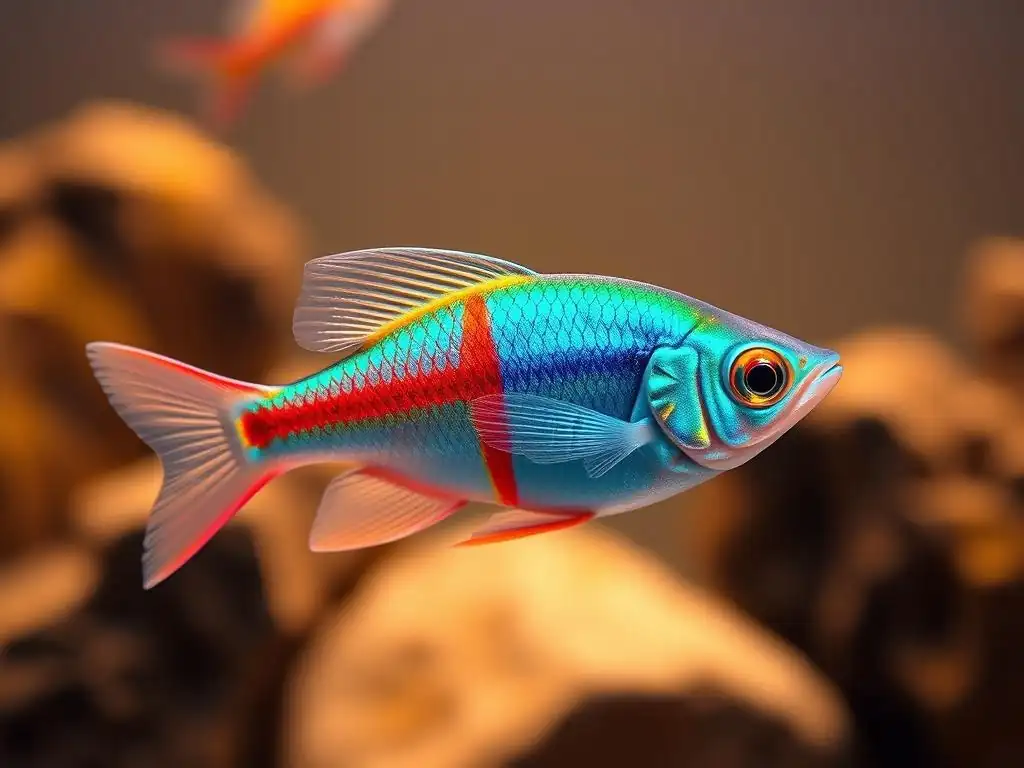
Maintaining stable and appropriate water parameters is paramount for the health and longevity of your Danios. While they are notably hardy, sudden fluctuations can cause stress and lead to illness. Generally, Danios thrive in temperatures ranging from 64-78°F (18-26°C), though specific species like the Pearl Danio may prefer the cooler end of this spectrum, and Celestial Pearl Danios the warmer. The ideal pH range is broad, typically between 6.0 and 8.0, with moderate water hardness (5-19 dGH).
Regular testing of water parameters using a reliable liquid test kit is crucial. Ammonia and nitrite levels should always be undetectable (0 ppm), as even small amounts can be toxic. Nitrates should be kept below 20 ppm through consistent maintenance. Performing weekly partial water changes of 25-30% is a key component of easy danio care tips, effectively diluting nitrates, replenishing essential minerals, and ensuring the overall cleanliness of the aquarium environment.
Feeding Your Danios: Providing a Balanced and Nutritious Diet
Danios are omnivorous and have hearty appetites, but a balanced and varied diet is essential for their vibrant colors, active behavior, and overall health. High-quality flake food or micro-pellets specifically formulated for tropical omnivores should form the staple of their diet. These should be rich in both plant and animal proteins, as well as essential vitamins and minerals.
To supplement their staple diet and provide necessary enrichment, offer live or frozen foods 2-3 times a week. Excellent options include brine shrimp, daphnia, bloodworms, and spirulina flakes. Celestial Pearl Danios, due to their small size, require micro-foods like microworms or newly hatched brine shrimp. Feed small amounts 2-3 times a day, only what your Danios can consume within 2-3 minutes. Overfeeding can lead to detrimental water quality issues and health problems, making proper feeding a critical aspect of easy danio care tips.
Common Danio Diseases and Prevention: Keeping Your Fish Healthy
Danios are generally robust fish, but like all aquarium inhabitants, they can be susceptible to common freshwater diseases, particularly if water quality is poor or they are under stress. Common ailments include Ich (white spot disease), Fin Rot, and Velvet. Ich, for instance, appears as small white spots resembling salt grains on the fish's body and fins, often caused by temperature fluctuations or new, unquarantined fish.
Prevention is always the best cure and central to easy danio care tips. This involves maintaining stable water parameters, performing regular water changes, avoiding overfeeding, and quarantining all new fish for 2-4 weeks before introducing them to your main tank. Should a disease occur, prompt identification and treatment are vital. Symptoms like lethargy, clamped fins, loss of appetite, or visible growths should be addressed quickly, often with specific aquarium medications. Always follow medication instructions carefully and address any underlying environmental issues.
Tank Size and Setup for Danios: Creating an Ideal Habitat
The appropriate tank size and setup are crucial for the well-being and natural behavior of Danios. For most common Danio species like Zebra, Leopard, GloFish, and Pearl Danios, a minimum 10-15 gallon tank is recommended for a healthy school of 6-8 individuals. However, a 20-gallon tank or larger is often preferred, providing more extensive swimming space for these active fish and greater stability for water parameters. For the much smaller Celestial Pearl Danios, a 5-10 gallon nano tank can be suitable for a small group.
The setup should include a reliable filtration system that provides appropriate water flow—gentle to moderate current is appreciated by most Danios. The substrate can be fine gravel or sand. Crucially, incorporate plenty of live plants (e.g., Java Fern, Anubias, Hornwort, Water Sprite) which provide hiding spots, reduce stress, and improve water quality. Open swimming areas are equally important, allowing Danios to display their characteristic schooling and darting movements. Driftwood and smooth rocks can also enhance the natural aesthetic and offer additional enrichment.
Danio Schooling Behavior: Why Keeping a Group is Important
Danios are quintessential schooling fish, and their well-being is intrinsically linked to being kept in appropriate group sizes. In their natural habitats, they live in large groups, a behavior that provides security from predators and facilitates social interaction. For aquarium keeping, this means Danios should always be housed in schools of at least 6-8 individuals, and preferably more, depending on tank size.
Keeping Danios in insufficient numbers can lead to increased stress, shyness, and even aggression directed towards other tank mates or within the small group itself. A larger school allows them to exhibit their natural behaviors, such as synchronized swimming and playful chasing, which is fascinating to observe. They feel more secure, display more vibrant colors, and are generally healthier and happier in a proper school, making this a fundamental easy danio care tip for any beginner.
Troubleshooting Common Danio Issues
Addressing Fin Nipping in Danios: Identifying and Resolving the Problem
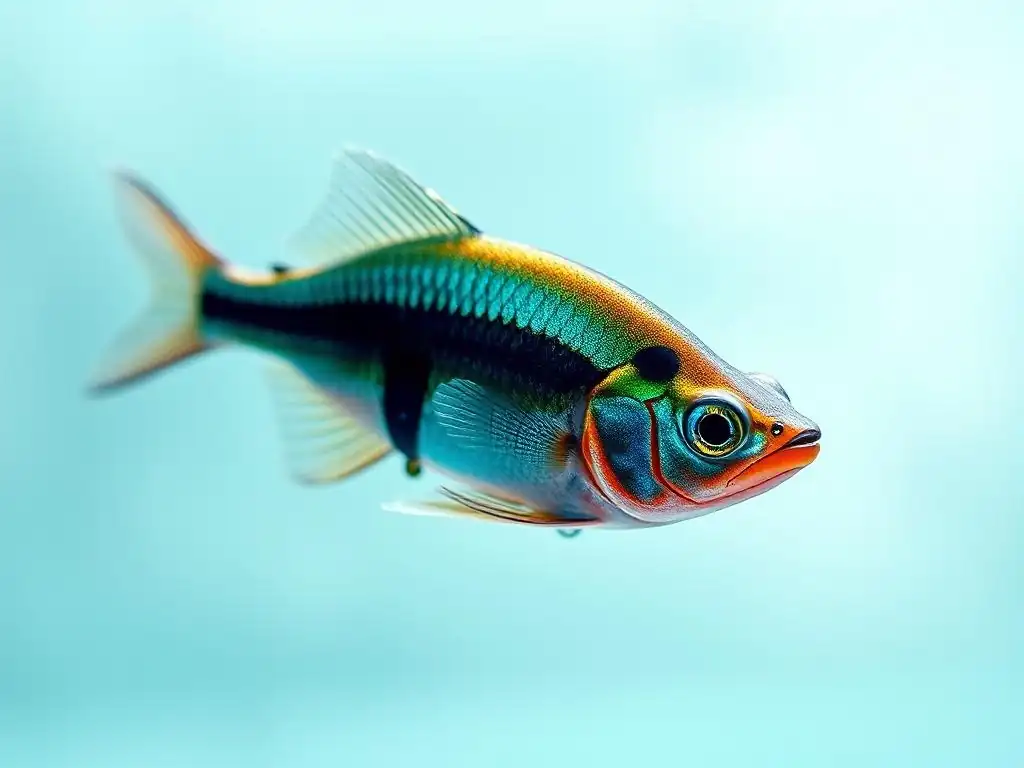
While Danios are generally known for their peaceful temperament, occasional fin nipping can occur, particularly if certain conditions are not met. This behavior is most commonly observed when Danios are kept in too small a school, leading to increased internal stress and redirected aggression, or if they are housed with very slow-moving, long-finned tank mates. For instance, a small group of Danios in a cramped 10-gallon tank might nip at the flowing fins of a Betta or Guppy.
To resolve fin nipping, the primary step is to ensure your Danios are in an adequately sized school, ideally 8-10 or more individuals, which dilutes any aggression among the group and makes them feel more secure. Providing ample swimming space and plenty of hiding spots through live plants or decor can also reduce stress. If a specific tank mate is being targeted, consider re-evaluating compatibility or, if necessary, rehoming one of the species. Sometimes, increased feeding frequency (small amounts multiple times a day) can also reduce competitive behaviors.
Dealing with Aggression in Danio Tanks: Maintaining a Peaceful Community
True aggression in Danio tanks, beyond occasional fin nipping or playful chasing within the school, is relatively rare. Most "aggression" is typically a display of their natural pecking order or high energy levels. However, if Danios are consistently harassing or stressing other fish in the community, it indicates an underlying issue. This might manifest as relentless chasing, preventing other fish from eating, or causing visible stress to tank mates.
The most common causes of problematic aggression in Danios are overcrowding, an insufficient school size (leading to stress), or incompatible tank mates. Ensure your tank is not overstocked, as this creates competition for resources and space. Increasing the Danio school size to 8-10+ individuals often resolves internal squabbles and reduces outward aggression. Re-evaluating tank mate compatibility is also crucial; avoid very timid fish or those with significantly different activity levels. A well-fed, well-schooled group in a spacious, well-structured tank is far less likely to exhibit problematic aggression, reinforcing the importance of proper easy danio care tips.
Recognizing and Treating Danio Diseases: A Quick Guide
Prompt recognition and treatment of diseases are crucial for the health of your Danios. Daily observation of your fish is the most effective way to spot early signs of illness. Look for changes in behavior (e.g., lethargy, isolation, rubbing against decor), appetite (e.g., refusing food), or physical appearance (e.g., clamped fins, visible spots, growths, frayed fins, discolored patches, labored breathing). For example, a Danio with cotton-like growths might be suffering from a fungal infection, while a fish with rapid breathing and white spots could have Ich.
Once a disease is suspected, it is often beneficial to isolate the affected fish in a separate hospital tank to prevent spread and allow for targeted treatment without impacting the main tank's biological filter or other inhabitants. Common treatments include increasing tank temperature slightly for Ich, adding aquarium salt for minor issues, or using specific over-the-counter medications for bacterial, fungal, or parasitic infections. Always follow medication instructions precisely. Simultaneously, assess and correct any underlying water quality issues, as poor water conditions are often the primary stressor leading to disease outbreaks. Regular water testing and changes are vital easy danio care tips for prevention.
Conclusion: Enjoying Your Danios and Mastering Easy Danio Care
The Joys of Keeping Danios: A Rewarding Aquarium Experience
Keeping Danios offers a truly rewarding experience for aquarists of all levels, but particularly for beginners. Their inherent hardiness and adaptability make them incredibly forgiving, allowing new hobbyists to learn essential aquarium maintenance skills without overwhelming challenges. The vibrant colors and constant, energetic schooling behavior of species like the Zebra, Leopard, and GloFish Danios bring unparalleled dynamism and life to any freshwater tank. Even the more subtly beautiful Pearl Danios and the miniature Celestial Pearl Danios offer unique aesthetic appeal and engaging behaviors.
Danios serve as an excellent foundation for understanding basic fishkeeping principles, from water chemistry to diet and social dynamics. With a relatively small investment of time and resources, anyone can successfully maintain a thriving school of these delightful fish. Their active nature and resilience ensure a stimulating and successful journey into the aquatic hobby, paving the way for more complex setups in the future, all built upon a solid understanding of easy danio care tips.
Further Resources for Danio Enthusiasts: Expanding Your Knowledge
The journey of keeping Danios is just the beginning of a fascinating exploration into the world of fishkeeping. For those who have successfully mastered easy danio care tips and wish to deepen their understanding, a wealth of resources is available. Delve into species-specific forums where experienced aquarists share insights and troubleshooting advice. Reputable aquarium websites, such as AquariumMastery.com, offer detailed care sheets, breeding guides, and information on compatible tank mates for various Danio species and other freshwater fish.
Consider investing in comprehensive books on freshwater fishkeeping, which provide in-depth knowledge on water chemistry, plant care, disease identification, and advanced aquarium setups. Attending local aquarium club meetings or visiting specialized fish stores can also offer valuable hands-on advice and opportunities to connect with fellow enthusiasts. Continuous learning about the nuances of fish behavior, environmental enrichment, and advanced filtration techniques will undoubtedly enhance your success and enjoyment in this captivating hobby.
Frequently Asked Questions
How easy are Danios to care for, generally speaking?
Danios are generally considered very easy to care for, making them an excellent choice for beginner aquarists. Their hardy nature and adaptability to different water conditions contribute to their low maintenance requirements. They are also peaceful and active, adding movement and color to your tank.
What is the ideal tank size for keeping Danios?
A minimum of 10 gallons is recommended for a small school (6-8) of Danios. Larger tanks, such as 20 gallons or more, are preferable for larger schools or when keeping them with other community fish. This provides ample swimming space and helps maintain stable water parameters.
What kind of water parameters do Danios thrive in?
Danios are adaptable but prefer a water temperature between 68-78°F (20-26°C) with a pH of 6.5-7.5. Regular water changes (25% weekly) are crucial to maintain water quality and prevent the buildup of harmful substances. Consistent water testing is highly recommended.
What should I feed my Danios?
Danios are omnivores and readily accept a variety of foods. A high-quality flake food should form the base of their diet. Supplement with occasional treats like live or frozen foods such as bloodworms or daphnia for optimal health and color.
Are Danios compatible with other fish species?
Yes, Danios are peaceful and compatible with many other community fish. Avoid housing them with aggressive or overly large species that may bully or prey on them. Good tankmates include tetras, rasboras, and corydoras catfish.
Final Reflection: A Ripple Effect of Simplicity
The journey into fishkeeping, particularly with danios, often begins with a simple desire: to bring a slice of nature's tranquility into our lives. As we've explored the top 5 easiest danio species, it's clear that the accessibility of this hobby is more relevant than ever. In a world increasingly dominated by complexity, the straightforward joy of caring for these vibrant, active fish offers a welcome respite and a tangible connection to the natural world.
The enduring appeal of danios lies not just in their ease of care, but also in the subtle ways they enrich our lives. Witnessing their playful interactions and the shimmering dance of light on their scales can be a surprisingly meditative experience, fostering a sense of calm and connection. In every walk with nature one receives far more than he seeks.
- John Muir. This quote perfectly encapsulates the unexpected rewards of engaging with even the simplest aspects of the natural world, like keeping danios.
Now, as you consider adding these delightful fish to your own home, remember that even the smallest act of care can create a ripple effect of positivity. Embrace the simplicity, observe the beauty, and allow the gentle rhythm of your danios' world to inspire a sense of peace and wonder in your own. Let their vibrant energy remind you that even the easiest things can bring the greatest joy.
Ignite Your Aquarium Passion: Dive Deeper into the World of Danios!
Thanks for exploring the captivating world of danios with us! Now that you're armed with the knowledge to successfully care for these vibrant fish, let's turn that newfound expertise into action.
Here are a few ways to continue your danio journey:
- Start Your Own School: Visit your local aquarium store and select one of the top 5 danio species we discussed. Begin building your own thriving community!
- Explore creative danio tank setups: Research and design a unique and stimulating environment for your danios, considering plants, decorations, and water flow.
- Share your experience: Document your danio journey and share your aquarium photos or videos online with the Aquarium Mastery community or on social media to inspire others!
What unique danio species are you most excited to add to your aquarium, and what fascinating behaviors are you hoping to witness?