
The Dangers of Overfeeding Your Betta: A Silent Killer


Welcome to Aquarium Mastery!
Ever wondered if you're unknowingly harming your vibrant Betta with kindness? Dive into our comprehensive guide, "The Dangers of Overfeeding Your Betta: A Silent Killer," and uncover the hidden health risks lurking beneath the surface. Discover how to ensure your Betta thrives, not just survives. Ready to unlock the secrets to a long and healthy life for your finned friend? Let's explore!
- Understanding Betta Fish Nutrition: A Foundation for Health
- The Devastating Effects of Overfeeding Bettas: Health Problems Explained
- Recognizing the Signs of Overfeeding in Your Betta
- Preventing Overfeeding: Practical Feeding Strategies for Betta Fish
- Treating Overfeeding-Related Health Problems in Bettas
- Long-Term Betta Health: Preventing Future Overfeeding Issues
- Conclusion: The Key to a Healthy Betta is Mindful Feeding
- Frequently Asked Questions
- Final Reflection: The Silent Threat to Our Bettas
- Ignite Your Betta's Vitality: Take Action Now!
Understanding Betta Fish Nutrition: A Foundation for Health
The Natural Diet of Bettas in the Wild
In their native habitats of Southeast Asia, specifically in the shallow, slow-moving waters of rice paddies, ditches, and floodplains, Betta fish (Betta splendens) primarily subsist on a carnivorous diet. Their natural food sources include small insects, insect larvae such as mosquito larvae, and tiny zooplankton. These environments offer a rich but not always abundant supply of protein-rich prey, which shapes their digestive system to efficiently process concentrated nutrient sources.
Bettas are ambush predators, often lurking near the surface waiting for unfortunate insects to fall into the water. While they are opportunistic feeders, the availability of large, consistent meals is rare in the wild. This evolutionary background means their digestive systems are not designed to handle large volumes of food at once, but rather smaller, more frequent, protein-dense meals. Understanding this natural diet is fundamental to preventing the health problems from overfeeding bettas in captivity.
Why Overfeeding is a Common Mistake with Betta Fish
Overfeeding is arguably one of the most common and detrimental mistakes made by Betta fish owners, often stemming from a place of affection rather than neglect. Owners frequently misjudge the small size of a Betta's stomach, which is roughly equivalent to the size of its eye. They might also interpret the fish's eager feeding response as a sign of hunger, leading them to provide more food than necessary. This continuous provision of excess food is a primary reason why bettas: overfeeding causes health problems that are often overlooked until severe.
The misconception that a Betta needs a substantial amount of food due to its active nature or perceived "appetite" can lead to a cycle of overfeeding. Unlike many other fish, Bettas are not designed to graze continuously, and their metabolic rate, while efficient for processing small, protein-rich meals, can be overwhelmed by a constant influx of food. This practice silently contributes to a range of health issues, making mindful feeding paramount for their well-being.
The Devastating Effects of Overfeeding Bettas: Health Problems Explained
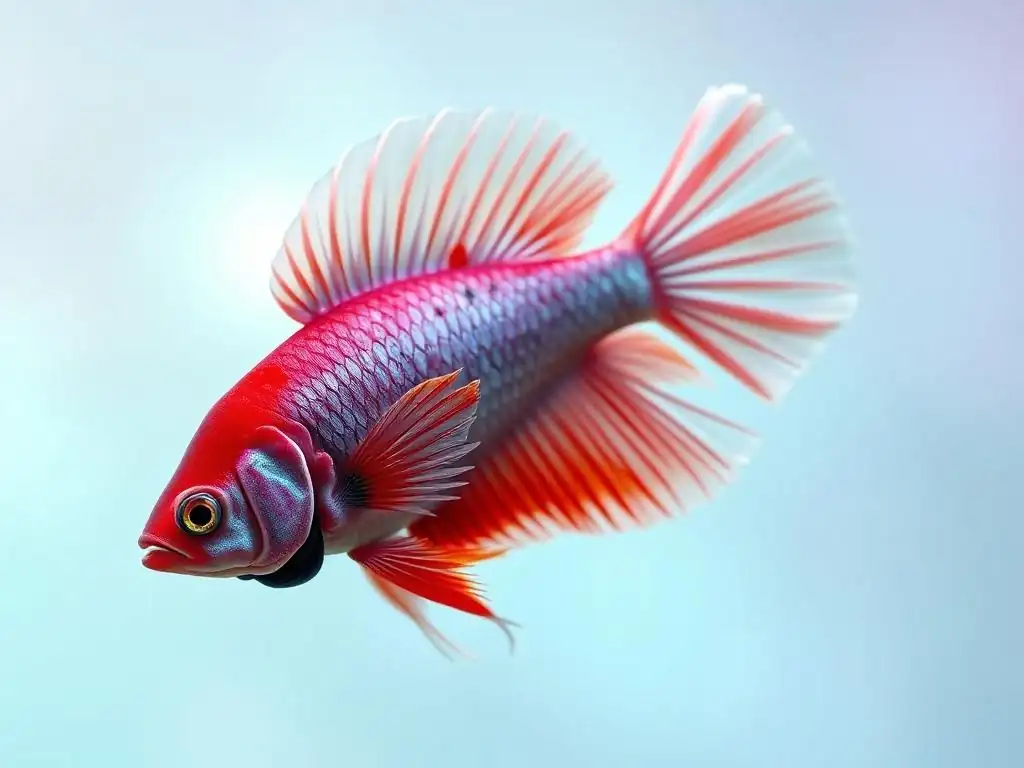
Betta Bloat: A Direct Result of Overfeeding
Betta bloat is a highly prevalent condition among captive Bettas, directly attributable to overfeeding. This condition manifests as a noticeable swelling of the fish's abdomen, often caused by an accumulation of undigested food, gas, or a combination of both within the digestive tract. When a Betta consumes more food than its tiny stomach can process, the excess food sits and ferments, leading to gas production and inflammation, putting immense strain on the internal organs.
Severe bloat can exert pressure on critical internal organs, including the swim bladder, which is essential for buoyancy control. This pressure can impair the swim bladder's function, leading to further complications such as difficulty swimming or maintaining an upright position. The development of bloat is a clear indicator that bettas: overfeeding causes health problems that directly impact their physical comfort and mobility.
Identifying Betta Bloat Symptoms
Recognizing the symptoms of Betta bloat early is crucial for effective intervention. The most prominent symptom is a visibly distended or swollen abdomen, making the fish appear unusually round or plump, especially after feeding. Other common signs include lethargy, where the Betta becomes less active and may spend more time resting at the bottom of the tank or near the surface without moving much.
Affected Bettas may also exhibit a loss of appetite, refusing to eat even their favorite foods, or showing difficulty swimming due to buoyancy issues. Unlike dropsy, which involves widespread internal organ failure and causes scales to "pinecone" (stick out like a pinecone), simple bloat typically presents with smooth, non-protruding scales, although the abdomen can be quite firm to the touch. Early detection allows for prompt dietary adjustments and treatment, significantly improving the prognosis.
Bloat vs. Dropsy in Bettas: Distinguishing the Conditions
While both bloat and dropsy can cause abdominal swelling in Bettas, they are distinct conditions with different causes and prognoses. Bloat, as discussed, is primarily a digestive issue, often resulting from overfeeding or a diet lacking sufficient fiber, leading to a build-up of food and gas. It is generally reversible with appropriate dietary changes and treatments like fasting or Epsom salt baths. The scales typically remain flat against the body.
Dropsy, on the other hand, is not a disease itself but a symptom of a much more severe underlying problem, usually internal organ failure (most commonly kidney failure) leading to fluid retention within the body cavity. The hallmark sign of dropsy is the "pineconing" of scales, where they protrude outwards due to the internal pressure from fluid accumulation. While chronic stress or poor water quality caused by overfeeding can weaken a Betta's immune system and make it more susceptible to dropsy, dropsy itself is a systemic failure, often fatal, and rarely directly caused by a single instance of overfeeding.
Digestive Issues in Bettas: The Impact of Excessive Food Intake
Excessive food intake places an overwhelming burden on a Betta's small and sensitive digestive system. When too much food is consumed, the system struggles to efficiently break down and absorb nutrients, leading to undigested food lingering in the gut. This not only deprives the fish of essential nutrients but also creates an environment ripe for the proliferation of harmful bacteria and the production of toxic byproducts within the digestive tract.
The continuous strain on the digestive organs from processing an overabundance of food can lead to chronic inflammation and reduced functionality over time. This compromised state makes the Betta more susceptible to various gastrointestinal ailments and weakens its overall immune response, illustrating how bettas: overfeeding causes health problems that extend beyond immediate bloat.
Constipation in Bettas: Causes and Prevention
Constipation is a common digestive issue stemming from overfeeding, particularly when the diet consists of low-fiber, dry foods like certain pellets or flakes. When the Betta consumes more food than it can process, or if the food lacks the necessary roughage, the digestive tract can become clogged with undigested material. This blockage prevents normal waste excretion, leading to discomfort and further complications.
Symptoms of constipation include a swollen abdomen (similar to bloat), a lack of visible bowel movements for several days, and lethargy. The Betta may also appear to struggle to swim or maintain balance. Prevention is key: feeding high-quality, easily digestible foods, incorporating occasional live or frozen foods (like daphnia, known for its laxative properties), and implementing weekly fasting days can significantly reduce the risk of constipation.
Swim Bladder Disorder: How Overfeeding Contributes
Swim bladder disorder (SBD) is a condition where a fish loses its ability to control its buoyancy, often resulting in difficulty swimming upright or maintaining a stable position in the water column. While SBD can have various causes, overfeeding is a significant contributing factor. An enlarged stomach, whether from bloat or severe constipation, can press directly against the swim bladder, impairing its function.
When the swim bladder is compressed or inflamed due to digestive issues, the Betta may float uncontrollably to the surface, sink to the bottom, or swim on its side or even upside down. This is a particularly distressing symptom that highlights how bettas: overfeeding causes health problems that impact their fundamental ability to navigate their environment. Addressing the underlying digestive problem is crucial for recovery from SBD linked to overfeeding.
Water Quality Degradation: Overfeeding's Ripple Effect
Overfeeding has a profound and immediate negative impact on water quality, initiating a cascade of problems within the aquarium ecosystem. When Bettas are fed more than they can consume, the uneaten food quickly sinks to the substrate. This excess organic matter rapidly decomposes, releasing ammonia into the water. Ammonia is highly toxic to fish, even in small concentrations, and is the first step in the nitrogen cycle.
Furthermore, the increased organic load from decaying food and excess fish waste (due to overeating) fuels the growth of harmful bacteria, which consume dissolved oxygen in the water. This reduction in vital oxygen levels can stress Bettas, making them more susceptible to disease and weakening their immune systems. The degradation of water quality is a silent killer, often overlooked as a direct consequence of overfeeding.
Ammonia Spikes and Nitrite/Nitrate Imbalances
The decomposition of uneaten food and excess waste from overfed Bettas directly leads to dangerous ammonia spikes. Even a single uneaten pellet can significantly elevate ammonia levels in a small Betta tank (typically 2.5-5 gallons). Ammonia (NH3) is extremely toxic, burning a fish's gills and preventing oxygen uptake, leading to respiratory distress and eventual organ damage.
As beneficial bacteria (Nitrosomonas) convert ammonia into nitrite (NO2), another highly toxic compound, the problem persists. Nitrite prevents the fish's blood from carrying oxygen, leading to "brown blood disease" and suffocation. Finally, Nitrobacter bacteria convert nitrite into nitrate (NO3), which is less acutely toxic but still harmful in high concentrations (above 20-40 ppm) over time, causing chronic stress, suppressed immune function, and reduced lifespan. These imbalances are classic examples of how bettas: overfeeding causes health problems indirectly through water chemistry.
The Link Between Excess Food and Poor Water Parameters
The direct link between excess food and poor water parameters is undeniable. Every particle of food that goes uneaten or is processed through the fish's digestive system contributes to the organic load in the aquarium. This organic material then breaks down, releasing nitrogenous compounds (ammonia, nitrite, nitrate) and phosphates, which can also contribute to excessive algae growth.
In a small, unfiltered, or lightly filtered Betta tank, the buffering capacity of the water is quickly overwhelmed by these pollutants. High levels of these toxins stress the Betta's immune system, making it highly vulnerable to bacterial infections, fungal diseases, and parasitic infestations. Therefore, poor water quality, largely driven by overfeeding, is a leading cause of illness and premature death in captive Bettas, underscoring the severity of health problems from overfeeding bettas.
Recognizing the Signs of Overfeeding in Your Betta
Behavioral Changes: Lethargy and Reduced Activity
One of the earliest indicators that a Betta might be suffering from overfeeding is a noticeable change in its behavior, particularly a decrease in activity levels. A healthy Betta is typically curious, active, and responsive to its environment, often swimming around its tank, flaring, or interacting with its owner. An overfed Betta, however, may become lethargic, spending more time resting at the bottom of the tank, lying on leaves, or hiding more frequently.
This reduced activity is often a sign of discomfort or a general feeling of malaise caused by an overburdened digestive system or compromised water quality. The fish may appear less energetic, show less interest in its surroundings, or even struggle to swim with its usual agility. Observing these subtle shifts in behavior can provide an early warning that bettas: overfeeding causes health problems.
Physical Indicators: A Swollen Abdomen and Distended Scales
The most direct physical sign of overfeeding is a visibly swollen or distended abdomen. This plumpness is often uniform across the belly and can be observed by looking at the Betta from above or from the side. The stomach area might appear unnaturally round, contrasting with the fish's typically sleek body shape. This swelling is a direct result of excess food or gas accumulation.
While severe swelling can be alarming, it's crucial to differentiate it from dropsy. In cases of simple overfeeding-induced bloat, the Betta's scales will typically remain flat and smooth against its body. If, however, the scales begin to protr protrude outwards, resembling a pinecone, it indicates dropsy, a more severe condition. A general plumpness without scale protrusion is a strong physical indicator of overfeeding and the associated health problems from overfeeding bettas.
Uneaten Food Accumulation: A Clear Warning Sign
Perhaps the most obvious and undeniable warning sign of overfeeding is the presence of uneaten food accumulating at the bottom of the tank or floating on the surface after a feeding session. A healthy Betta should consume all the food offered within 1-2 minutes. If food remains after this timeframe, it is a clear indication that too much was provided.
This uneaten food not only signifies overfeeding but also immediately begins to decompose, releasing harmful toxins like ammonia into the water. Regularly finding leftover food after feeding should prompt an immediate reduction in portion size and an assessment of feeding frequency. Ignoring this sign directly contributes to poor water quality and the ensuing health problems from overfeeding bettas.
Preventing Overfeeding: Practical Feeding Strategies for Betta Fish
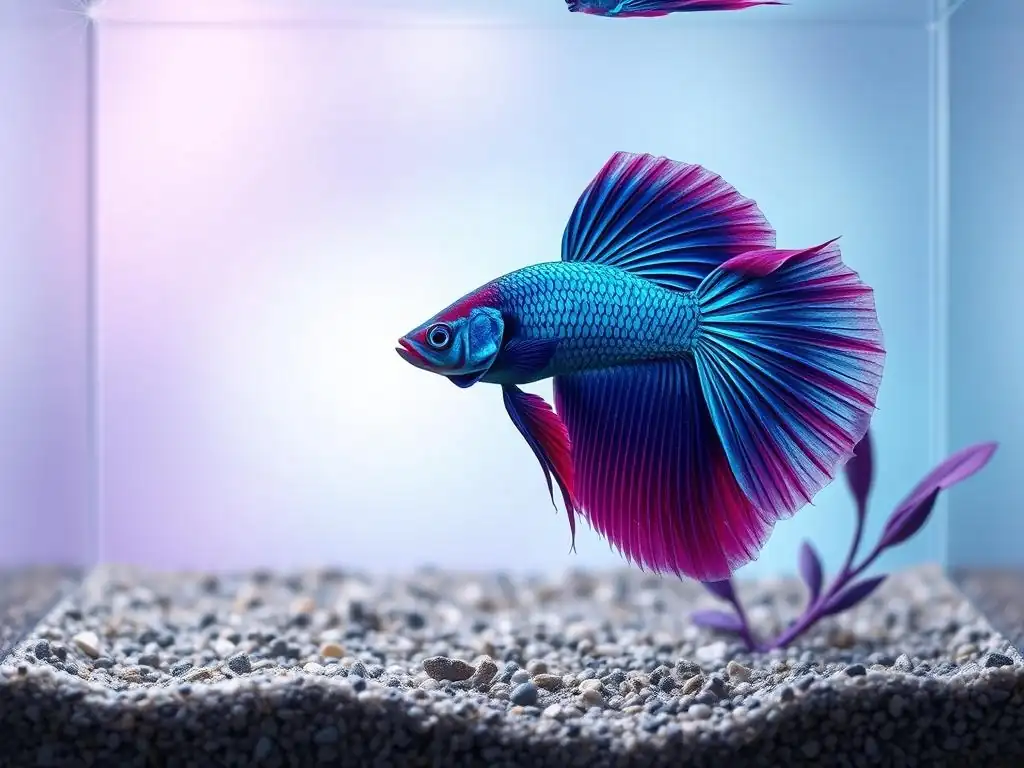
Portion Control: Determining the Right Amount of Food
Effective portion control is the cornerstone of preventing health problems from overfeeding bettas. The general guideline is to feed only what your Betta can consume entirely within 1 to 2 minutes. This brief window ensures that all food is eaten, minimizing waste that can foul the water and contribute to digestive issues. It's far better to slightly underfeed than to overfeed, as Bettas can go without food for several days without harm, but suffer quickly from excess.
A Betta's stomach is incredibly small, approximately the size of its eye. For most standard Betta pellets, this translates to feeding just 2-3 pellets per meal, once or twice a day. If using flakes, a tiny pinch that equates to the same volume is appropriate. Consistency in portion size, coupled with careful observation of the fish's consumption, is vital for maintaining their optimal health and preventing the common health problems from overfeeding bettas.
The Eyeball Test: A Simple Feeding Guide
A practical and easy method for portion control is the "eyeball test." This involves visually comparing the size of the food portion you intend to offer to the size of your Betta's eye. The total volume of food given at any one feeding should not exceed the volume of one of your Betta's eyeballs. This simple visual cue helps prevent accidentally providing too much food, especially for new owners who might struggle with precise measurements.
When using this guide, it's always safer to start with a slightly smaller amount and observe how quickly your Betta consumes it. If it's eaten within seconds, you might add one more tiny piece, but always stop when the Betta shows signs of slowing down or if any food is left. This method helps to ensure that you are providing just enough to satisfy their nutritional needs without risking overfeeding.
Using a Feeding Ring to Minimize Waste
A feeding ring is a simple yet highly effective tool for managing food distribution and minimizing waste in a Betta tank. This floating ring, usually made of plastic, confines the food to a specific area on the water's surface. When pellets or flakes are dropped into the ring, they stay within its boundaries, preventing them from scattering across the tank and quickly sinking to the bottom.
The primary benefit of a feeding ring is that it allows the owner to easily monitor how much food the Betta is actually consuming. Any uneaten food remains visible within the ring, making it simple to scoop out before it dissolves and pollutes the water. This not only helps maintain pristine water quality but also serves as a clear visual cue that you might be overfeeding, thus preventing numerous health problems from overfeeding bettas.
Choosing the Right Betta Food: Quality over Quantity
Beyond portion control, the quality of the food you provide is paramount for your Betta's long-term health. High-quality Betta-specific foods are formulated to meet their unique nutritional needs, providing the right balance of proteins, fats, and essential vitamins. Opting for premium foods ensures that your Betta receives maximum nutrition from smaller portions, reducing the overall volume of food needed and, consequently, the risk of digestive issues.
Inferior quality foods often contain excessive fillers, binders, or vegetable matter that Bettas, as carnivores, cannot efficiently digest. These ingredients can lead to constipation, nutrient deficiencies, and contribute to internal blockages, exacerbating the health problems from overfeeding bettas. Investing in a reputable brand of Betta food is a wise decision for their well-being.
Understanding Betta Food Ingredients
When selecting Betta food, it's crucial to examine the ingredient list. As obligate carnivores, Bettas require a diet rich in animal protein. Look for foods where the first few ingredients are high-quality protein sources such as fish meal, shrimp meal, krill meal, or insect meals (e.g., black soldier fly larvae meal). These ingredients are easily digestible and provide the necessary amino acids for muscle development and overall vitality.
Avoid foods that list excessive plant-based fillers like corn, wheat, or soy as primary ingredients, as these are difficult for Bettas to process and offer little nutritional value for them. A balanced diet also includes essential vitamins (like Vitamin C for immune health) and minerals. Understanding these ingredients empowers you to choose a diet that supports your Betta's health and prevents common issues like bloat and constipation.
Live, Frozen, and Pellet Food Options: A Balanced Approach
A varied diet that includes a combination of high-quality pellets, frozen foods, and occasional live treats offers the most comprehensive nutrition and enrichment for your Betta. High-quality pellets or flakes should form the staple of their diet, providing consistent and balanced nutrition. These are convenient and ensure daily caloric needs are met.
Supplementing with frozen foods like bloodworms, brine shrimp, or daphnia (thawed before feeding) once or twice a week provides essential proteins and fats, and stimulates their natural hunting instincts. Live foods, such as small mosquito larvae or wingless fruit flies, can be offered as very occasional treats for enrichment. This varied approach not only prevents nutritional deficiencies but also makes feeding more engaging for your Betta, contributing significantly to their overall health and vitality.
Feeding Frequency: How Often Should You Feed Your Betta?
For most adult Bettas, feeding 1 to 2 small meals per day is ideal. Consistency in feeding times can also help establish a routine, which can reduce stress for the fish. For instance, feeding once in the morning and once in the evening, with each meal consisting of 2-3 small pellets, is a common and effective schedule. The key is to provide small, manageable portions rather than one large meal.
This frequency aligns more closely with their natural feeding habits in the wild, where they would forage for small, opportunistic meals throughout the day rather than consuming a single large feast. Distributing the daily food intake into smaller portions also aids digestion, preventing the digestive system from becoming overwhelmed and reducing the likelihood of bloat and other health problems from overfeeding bettas.
Avoiding Daily Overfeeding: A Schedule for Optimal Health
The most crucial aspect of feeding frequency is to consistently avoid providing too much food on a daily basis. Many owners, out of habit or concern, tend to offer more food than is truly necessary, leading to chronic overfeeding. Establishing a strict feeding schedule and sticking to precise portion sizes is vital. For example, if you feed twice daily, ensure each meal is truly tiny.
Consider using a small measuring spoon or even counting individual pellets to ensure accuracy. If you use flakes, pinch off a piece that is no larger than a small pea. By adhering to a disciplined feeding schedule and portion control, you prevent the cumulative effect of daily excess, which is a major contributor to the long-term health problems from overfeeding bettas, including chronic digestive issues and poor water quality.
Fasting Days: A Benefit for Betta Digestion
Incorporating a "fasting day" into your Betta's weekly routine is a highly recommended practice that significantly benefits their digestive health. By refraining from feeding your Betta for one full day (e.g., every Sunday), you allow their digestive system to completely clear out and rest. This practice is particularly effective in preventing constipation and bloat, common issues linked to overfeeding.
During a fasting day, the Betta's body can fully process any lingering food, reduce internal inflammation, and reset its digestive rhythm. It also encourages the fish to forage for any tiny particles it might have missed, mimicking a more natural scenario. A weekly fast is a simple yet powerful tool to ensure the long-term digestive well-being of your Betta and proactively prevent many health problems from overfeeding bettas.
Addressing Betta Bloat: Treatment Options
If your Betta shows signs of bloat due to overfeeding, the first and most critical step is to cease all feeding for 24 to 48 hours. This allows the fish's digestive system to process and expel any existing food and gas. During this fasting period, it is paramount to maintain pristine water conditions in the tank by performing daily small water changes (around 25%) to reduce stress and support the Betta's recovery.
Ensure the water temperature is stable and within the optimal range (78-82°F or 25.5-27.8°C) to aid metabolism. Observing the Betta closely during this time will help determine if the bloating is subsiding. If the bloat persists after 48 hours of fasting, further intervention may be necessary.
Epsom Salt Baths for Betta Bloat: A Step-by-Step Guide
Epsom salt (magnesium sulfate) can be an effective treatment for Betta bloat, as it acts as a mild laxative and helps reduce swelling by drawing out excess fluid. It is crucial to use pure Epsom salt, not table salt or aquarium salt. Prepare a separate hospital tank or container for the bath, ensuring it's clean and has a small heater to match the main tank's temperature.
Procedure:
- Prepare: Fill a clean container (e.g., 1-gallon plastic container) with dechlorinated tank water, matching the temperature of the main tank.
- Dose: Dissolve 1 teaspoon of pure Epsom salt per gallon of water. Stir well until completely dissolved.
- Transfer: Carefully net your Betta and transfer it to the Epsom salt bath.
- Monitor: Keep the Betta in the bath for 15-20 minutes, observing closely for signs of stress. If the Betta shows severe distress (e.g., erratic swimming, gasping), immediately return it to its main tank.
- Return: After the bath, carefully return the Betta to its main tank. Do not reuse the Epsom salt water.
Perform these baths once a day for 2-3 days, alongside fasting, to aid in relieving the bloat.
Dietary Adjustments for Bloated Bettas
After a fasting period and any necessary Epsom salt baths, reintroduce food very gradually and strategically. Begin with a high-fiber, easily digestible option. For Bettas, a tiny piece of blanched, deshelled pea (no larger than their eye) can sometimes help clear their digestive tract, although this should be used cautiously as Bettas are carnivores. A more suitable alternative is a few pieces of thawed daphnia, which are known for their natural laxative properties.
Offer only one or two pieces of the chosen food on the first re-feeding day, and observe consumption and subsequent bowel movements. If the Betta passes waste and the bloating improves, gradually return to small portions of high-quality Betta pellets over the next few days, ensuring you strictly adhere to proper portion control to prevent recurrence of health problems from overfeeding bettas.
Managing Swim Bladder Disorder: Recovery Strategies
If swim bladder disorder (SBD) is suspected to be a consequence of overfeeding or constipation, the primary recovery strategy involves addressing the underlying digestive issue. This means initiating the same steps used for bloat: a 24-48 hour fast, followed by careful reintroduction of high-fiber, easily digestible foods like daphnia. The goal is to relieve pressure on the swim bladder caused by an impacted digestive tract.
During this period, keeping the Betta in a calm, low-stress environment is crucial. Avoid any sudden movements or loud noises around the tank. The focus should be on creating optimal conditions that allow the fish to recover its buoyancy control naturally as its digestive system clears.
Maintaining Pristine Water Conditions
Maintaining pristine water conditions is absolutely critical for a Betta recovering from any health issue, especially those related to overfeeding like SBD or bloat. Poor water quality adds immense stress to an already compromised fish, hindering its ability to heal. In a hospital tank or the main tank, perform daily small water changes (10-20%) to keep ammonia and nitrite levels at zero and nitrates as low as possible (below 20 ppm).
Use a reliable liquid test kit to monitor water parameters daily. Ensure the water temperature remains stable and within the Betta's optimal range (78-82°F or 25.5-27.8°C). Clean water reduces the bacterial load in the environment, minimizes gill irritation, and supports the Betta's immune system, all of which are vital for a successful recovery from health problems from overfeeding bettas.
Shallow Water Levels for Easier Swimming
For Bettas suffering from severe swim bladder disorder, particularly those struggling to reach the surface for air, lowering the water level in their hospital tank can provide significant relief. Reducing the water depth to approximately 3 to 4 inches minimizes the physical effort required for the fish to swim up for air or move around.
This reduced water level decreases the strain on the compromised swim bladder and allows the Betta to conserve energy, which can then be directed towards healing. It also helps prevent the fish from becoming exhausted or stressed by constantly fighting its buoyancy issues. Once the Betta shows signs of improved swimming and stability, the water level can be gradually increased back to normal.
Long-Term Betta Health: Preventing Future Overfeeding Issues
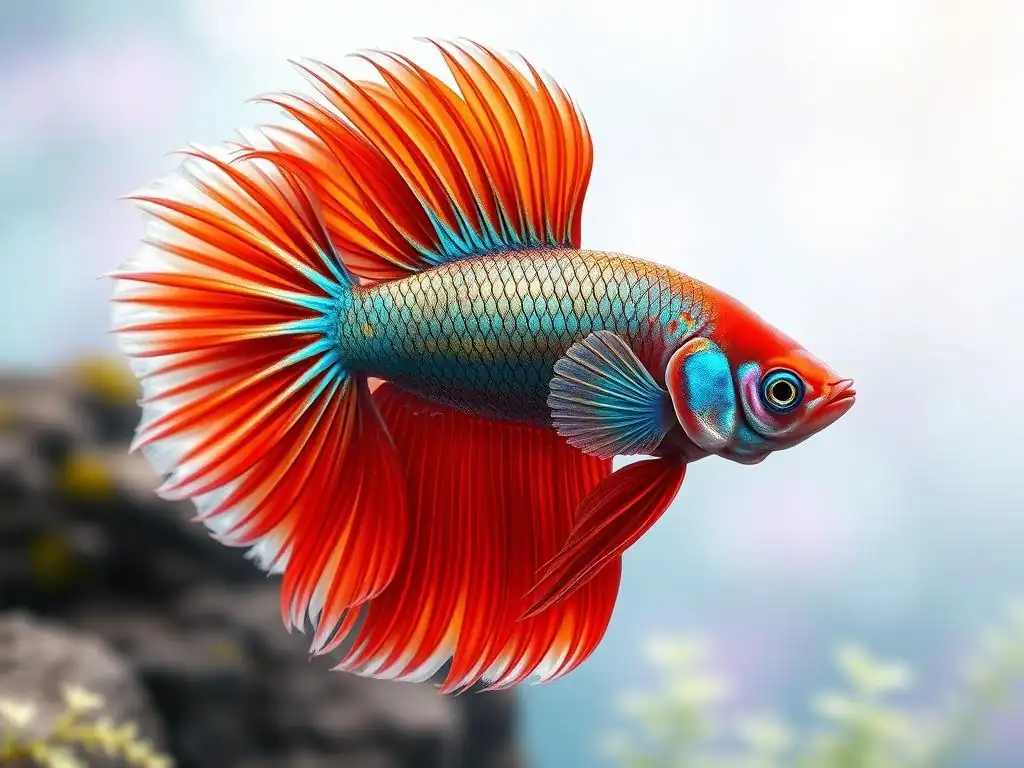
Monitoring Your Betta's Weight and Behavior
Consistent, long-term monitoring of your Betta's weight and behavior is essential for preventing a recurrence of overfeeding-related health problems. Regularly observe your fish's body condition: does its abdomen appear consistently plump, or is it sleek and active? A healthy Betta should have a flat stomach area after digestion, not a perpetually rounded one. Pay attention to its activity levels; a vibrant, curious Betta is usually a healthy one.
Any subtle changes in appetite, swimming patterns, or overall demeanor can be early indicators of underlying issues. Keeping a mental or even a written log of your Betta's feeding habits and behavior can help you detect deviations quickly. This proactive approach allows for immediate adjustments to feeding or care, averting severe health problems from overfeeding bettas before they take hold.
Regular Water Testing: Keeping Parameters in Check
Regular water testing is a non-negotiable aspect of long-term Betta health, especially as a preventative measure against issues stemming from overfeeding. Even with careful feeding, residual waste can accumulate, impacting water quality. Weekly testing for ammonia, nitrite, and nitrate levels is crucial to ensure the nitrogen cycle is functioning correctly and that no harmful toxins are building up.
Ammonia and nitrite should always be at 0 ppm, and nitrates should ideally be kept below 20 ppm through regular water changes. Monitoring pH and temperature also helps maintain a stable environment. Consistent water parameter checks provide an objective assessment of tank conditions, allowing you to identify and rectify any imbalances that could be caused by slight overfeeding or insufficient maintenance before they manifest as health problems for your betta.
Educating Yourself on Betta Care: Continuous Learning
The journey of Betta care is one of continuous learning and adaptation. While this article provides comprehensive guidance on preventing and treating overfeeding, staying informed about all aspects of Betta husbandry is key to their long-term well-being. Understanding their specific needs, from appropriate tank size and filtration to disease recognition and treatment, empowers you to be a more responsible and effective aquarist.
Resources like AquariumMastery.com offer a wealth of detailed information that can deepen your knowledge and help you troubleshoot common issues. By committing to ongoing education, you equip yourself with the tools to provide the best possible environment and care for your Betta, significantly reducing the risk of health problems from overfeeding bettas and ensuring they live a long, vibrant life.
Conclusion: The Key to a Healthy Betta is Mindful Feeding
Overfeeding your Betta fish is a silent but potent threat that can lead to a cascade of serious health problems, significantly shortening their lifespan. From digestive ailments like bloat, constipation, and swim bladder disorder to critical issues stemming from degraded water quality such as ammonia and nitrite poisoning, the dangers are numerous and severe. The good news is that these health problems from overfeeding bettas are largely preventable with mindful and educated feeding practices.
By understanding your Betta's natural dietary needs, implementing strict portion control, choosing high-quality foods, and adhering to a sensible feeding schedule that includes occasional fasting days, you can mitigate these risks. Coupled with diligent water quality monitoring and continuous self-education on Betta care, you provide your beloved fish with the optimal conditions to thrive. Ultimately, a healthy Betta is a direct reflection of a well-informed and responsible owner who prioritizes quality over quantity at feeding time.
Frequently Asked Questions
How does overfeeding harm a Betta fish?
Overfeeding Bettas leads to digestive problems and poor water quality. Undigested food decays, increasing ammonia levels, which are toxic to fish.
What are the visible signs of overfeeding in a Betta?
Look for a swollen abdomen, lethargy, and uneaten food accumulating at the bottom of the tank. Fin rot can also be a secondary symptom.
How much should I feed my Betta fish daily?
Bettas need very small portions. A good rule is to feed them only what they can consume in 2-3 minutes, once or twice a day. Think eye-sized portions.
What are the best types of food to feed my Betta?
High-quality Betta pellets or flakes are best. Supplement with live or frozen foods like brine shrimp or bloodworms, but sparingly.
How can I prevent overfeeding my Betta fish?
Use a dedicated feeding schedule, avoid giving in to begging, and remove uneaten food promptly. Regular water changes also help to maintain a healthy environment.
Final Reflection: The Silent Threat to Our Bettas
The insights shared throughout this article highlight a crucial, often overlooked aspect of Betta care: the devastating consequences of overfeeding. While our intentions are often rooted in love and a desire to provide the best for our finned companions, ignorance of proper feeding practices can inadvertently lead to a slow and painful decline. The prevalence of this issue underscores the urgent need for increased awareness and responsible Betta ownership.
This topic has profoundly shaped my understanding of responsible pet ownership, reminding me that true care lies not just in providing abundance, but in understanding and respecting the specific needs of each creature. It's a lesson that extends beyond the aquarium, urging us to be mindful consumers and informed caretakers in all aspects of our lives. The greatness of a nation and its moral progress can be judged by the way its animals are treated.
- Mahatma Gandhi. This quote resonates deeply, reminding us that even the smallest creatures deserve our utmost respect and consideration.
Now, I invite you to reflect on your own Betta care practices. Are you truly feeding your Betta appropriately, or are you unknowingly contributing to their suffering? Let this article serve as a catalyst for change. Commit to educating yourself further, adjusting your feeding habits, and sharing this knowledge with other Betta enthusiasts. Together, we can create a community of responsible owners, ensuring a healthier and happier future for these magnificent fish.
Ignite Your Betta's Vitality: Take Action Now!
Thank you for diving into the world of Betta care with us. We hope this guide has empowered you to understand the critical role proper feeding plays in your Betta's health and longevity. Now, let's turn this knowledge into action!
Here are some steps you can take right away:
- Re-evaluate your Betta's feeding schedule and portion sizes. Make adjustments based on the guidelines discussed, aiming for a lean and healthy fish.
- Explore new enrichment activities for your Betta to combat boredom and promote natural behaviors. Consider adding live plants or rearranging the tank.
- Share this article with other Betta enthusiasts! Help spread awareness and prevent overfeeding in the Betta community.
What small adjustment will you make today to improve your Betta's well-being and unlock their full potential?