
Lambchop Rasbora (Trigonostigma hengeli): A Delicate Beauty for Planted Aquariums

Welcome to Aquarium Mastery!
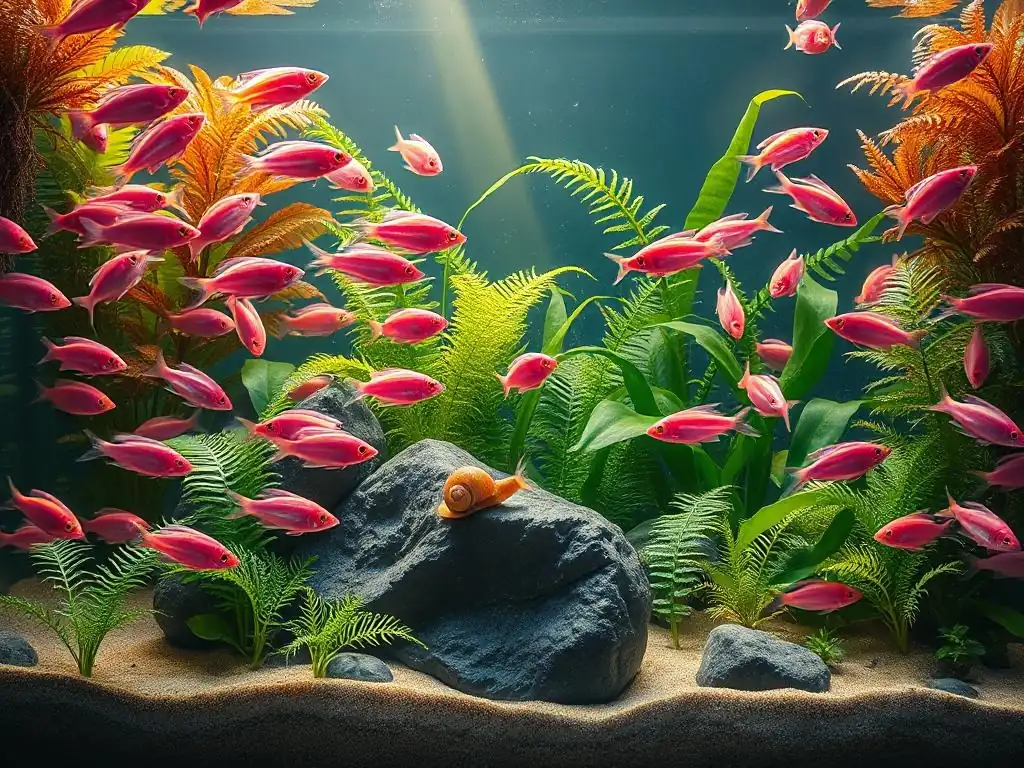
Intrigued by the vibrant colors and peaceful nature of the Lambchop Rasbora? You've come to the right place. Dive into our comprehensive Lambchop Rasbora care guide and unlock the secrets to successfully keeping these delicate beauties in your freshwater aquarium. Discover everything you need to know, from ideal tank conditions to compatible tank mates, and transform your aquarium into a thriving ecosystem. Let's explore the fascinating world of Trigonostigma hengeli together!
- Introduction to the Lambchop Rasbora: A Comprehensive Care Guide
- Understanding Lambchop Rasbora Care: Essential Guidelines
- Lambchop Rasbora Appearance and Behavior
- Maintaining a Healthy Lambchop Rasbora Aquarium
- Breeding Lambchop Rasboras: A Detailed Guide
- Troubleshooting Common Issues with Lambchop Rasboras
- Where to Buy Lambchop Rasboras: Selecting Healthy Specimens
- Conclusion: The Joys of Keeping Lambchop Rasboras
- Frequently Asked Questions
- Final Reflection: Appreciating the Delicate Balance
- Unleash the Vibrant Beauty of Your Aquarium!
Introduction to the Lambchop Rasbora: A Comprehensive Care Guide
Discovering the Trigonostigma hengeli: Origins and Natural Habitat
The Lambchop Rasbora, scientifically known as Trigonostigma hengeli, is a captivating freshwater fish originating from the slow-moving, often blackwater environments of Southeast Asia. Specifically, these delicate beauties are found in peat swamps, forest streams, and tributaries across Sumatra, Borneo, and parts of Thailand. Their natural habitats are typically characterized by dense vegetation, subdued lighting due to an overhead canopy, and water stained brown by tannins from decaying leaves and wood. This unique environment contributes to their preference for soft, acidic water conditions in the home aquarium.
These small cyprinids thrive in areas with abundant leaf litter and submerged roots, which provide both shelter from predators and a rich source of detritus and micro-organisms for foraging. Unlike some of their more robust cousins, Trigonostigma hengeli are adapted to stable, low-flow conditions, making them excellent candidates for meticulously designed planted aquariums that mimic their serene native waters. Their adaptability within these specific parameters has made them a popular choice for aquarists seeking a peaceful and aesthetically pleasing schooling fish.
Why Choose Lambchop Rasboras for Your Planted Tank?
Lambchop Rasboras are an exceptional choice for planted aquariums, particularly those focusing on a naturalistic or "nature aquarium" aesthetic. Their diminutive size, typically reaching only about 1 to 1.2 inches (2.5 to 3 cm) in length, ensures they do not overwhelm smaller tanks, making them perfect for nano aquariums or as a peaceful schooling fish in larger community setups. Their striking appearance, characterized by a translucent, often coppery-orange body and a distinct black wedge-shaped marking resembling a "lamb chop" on their flank, adds a subtle yet vibrant splash of color that complements the lush greens of aquatic plants beautifully.
Beyond their visual appeal, Trigonostigma hengeli are renowned for their incredibly peaceful temperament. They are not known to nip fins or harass other fish, making them ideal tank mates for other small, non-aggressive species, including dwarf shrimp and snails. Furthermore, their schooling behavior is captivating to observe; a group of 8-10 Lambchop Rasboras will often swim in a synchronized fashion, enhancing the dynamic visual appeal of a well-planted tank. Their suitability for a Lambchop Rasbora care guide is rooted in their relatively straightforward needs, provided their specific water and environmental requirements are met.
Understanding Lambchop Rasbora Care: Essential Guidelines
Ideal Tank Setup for Lambchop Rasboras: Recreating Their Natural Environment
To ensure the health and vibrancy of your Lambchop Rasboras, recreating elements of their natural Southeast Asian habitat is paramount. These fish thrive in environments that offer plenty of cover, subdued lighting, and stable water conditions. A well-designed planted aquarium is not just aesthetically pleasing but serves as a functional ecosystem that supports their natural behaviors and reduces stress. Adhering to the guidelines in this Lambchop Rasbora care guide will lead to a thriving aquatic environment.
Tank Size Requirements for a School of Lambchop Rasboras
For a healthy school of Lambchop Rasboras, a minimum tank size of 10 gallons (approximately 38 liters) is recommended. While these fish are small, they are active schoolers and benefit greatly from the horizontal swimming space a 10-gallon tank provides for a group of 6-8 individuals. For larger schools, or if planning to keep them with other peaceful, small fish, a 20-gallon (76-liter) long tank is even more ideal, offering ample room for territories and schooling patterns. Overcrowding can lead to stress and compromised water quality, so always prioritize giving them adequate space.
Substrate and Décor: Creating a Comfortable Habitat
The choice of substrate and décor plays a crucial role in mimicking the Lambchop Rasbora's natural environment. A dark substrate, such as fine-grained sand or dark gravel, helps to bring out their colors and reduces light reflection, which can stress these shy fish.
Heavily planted areas are essential, with a mix of tall background plants (e.g., Vallisneria, Rotala), mid-ground plants (e.g., Cryptocoryne, Anubias nana), and foreground plants or mosses (e.g., Java Moss, Christmas Moss) for hiding spots and foraging. Adding driftwood, Mopani wood, or dried Indian almond leaves (catappa leaves) will not only provide additional hiding places but also release tannins, gently lowering the pH and creating a natural "blackwater" effect that Trigonostigma hengeli prefer.
Water Parameters: Maintaining Optimal Conditions for Trigonostigma hengeli
Maintaining precise water parameters is critical for the long-term health of Lambchop Rasboras. They prefer soft, acidic water, mirroring their native peat swamp environments. The ideal temperature range is between 72-80°F (22-27°C), with a stable temperature being more important than the exact point within this range.
pH levels should be kept in the range of 5.0-7.0, with slightly acidic conditions (e.g., pH 6.0-6.5) being optimal. Hardness (GH) should be very soft, ideally between 1-10 dGH, and carbonate hardness (KH) should be low, 0-5 dKH. Regular testing with a reliable aquarium test kit is vital to monitor these parameters and ensure they remain stable, as sudden fluctuations can be detrimental to their health.
Lambchop Rasbora Diet and Feeding: What to Feed Your Fish
Providing a varied and nutritious diet is fundamental to the health, coloration, and longevity of your Lambchop Rasboras. As omnivores, their natural diet consists of small invertebrates, insect larvae, and detritus found in their habitat. Replicating this diversity in the home aquarium will contribute significantly to their well-being, forming a key part of any comprehensive Lambchop Rasbora care guide.
Recommended Foods for Vibrant Health and Color
For vibrant health and to enhance their subtle coppery hues, Lambchop Rasboras should be fed a high-quality diet consisting of various small foods. A staple diet of premium micro-pellets or crushed flake food designed for small tropical fish is a good starting point. Supplement this with live or frozen foods such as baby brine shrimp, daphnia, or cyclops, which are rich in protein and essential nutrients and mimic their natural prey.
These tiny foods are perfectly sized for their small mouths and provide excellent enrichment. You can also offer finely crushed spirulina flakes or blanched, finely chopped vegetables occasionally to provide plant-based nutrients.
Feeding Schedule: How Often to Feed Your Lambchop Rasboras
Lambchop Rasboras have small stomachs and a relatively fast metabolism, so it's best to feed them small amounts multiple times a day rather than one large meal. A recommended feeding schedule is 2-3 times per day, offering only what they can consume within 2-3 minutes. Overfeeding can quickly lead to poor water quality, which is detrimental to these sensitive fish. Observe their feeding behavior; if food remains on the substrate after a few minutes, you are likely feeding too much. Consistent, small feedings help maintain optimal water parameters and prevent digestive issues.
Lambchop Rasbora Tank Mates: Choosing Compatible Companions
Selecting appropriate tank mates is crucial for the peaceful coexistence and well-being of Lambchop Rasboras in a community aquarium. Given their small size and shy, peaceful nature, they can easily be intimidated or outcompeted by larger or more boisterous fish. A well-chosen community ensures a low-stress environment, a vital aspect of Lambchop Rasbora care.
Ideal Tank Mates for a Peaceful Community Aquarium
The best tank mates for Lambchop Rasboras are other small, peaceful, and similarly sized fish that prefer soft, acidic water conditions. Excellent choices include other small Trigonostigma species like Harlequin Rasboras ( T. heteromorpha) or Espei Rasboras ( T. espei), which share similar care requirements.
Other suitable companions include Dwarf Gouramis, Sparkling Gouramis ( Trichopsis pumila), Otocinclus catfish, small species of Corydoras catfish (e.g., Dwarf Corydoras, Panda Corydoras), and peaceful small tetras such as Neon Tetras or Cardinal Tetras. Additionally, various types of freshwater shrimp, like Amano Shrimp and most Neocaridina varieties (e.g., Cherry Shrimp), make excellent cleanup crew members and are generally safe with these gentle rasboras.
Fish to Avoid: Preventing Aggression and Stress
To prevent aggression, stress, and potential predation, avoid housing Lambchop Rasboras with larger, aggressive, or fin-nipping fish. Cichlids, even smaller dwarf varieties, can be too territorial or predatory. Barbs (except perhaps some very small, peaceful species like Cherry Barbs in a large tank), larger tetras, and most livebearers like Guppies or Mollies can be too active or competitive for food, potentially stressing out the shy rasboras.
Any fish known for nipping fins, such as certain types of Bettas (unless carefully chosen and monitored, and usually only with well-established schools in larger tanks), should also be avoided. The goal is to create a serene environment where the Trigonostigma hengeli can thrive without fear.
Lambchop Rasbora Appearance and Behavior
Identifying Characteristics of Trigonostigma hengeli: Size, Color, and Markings
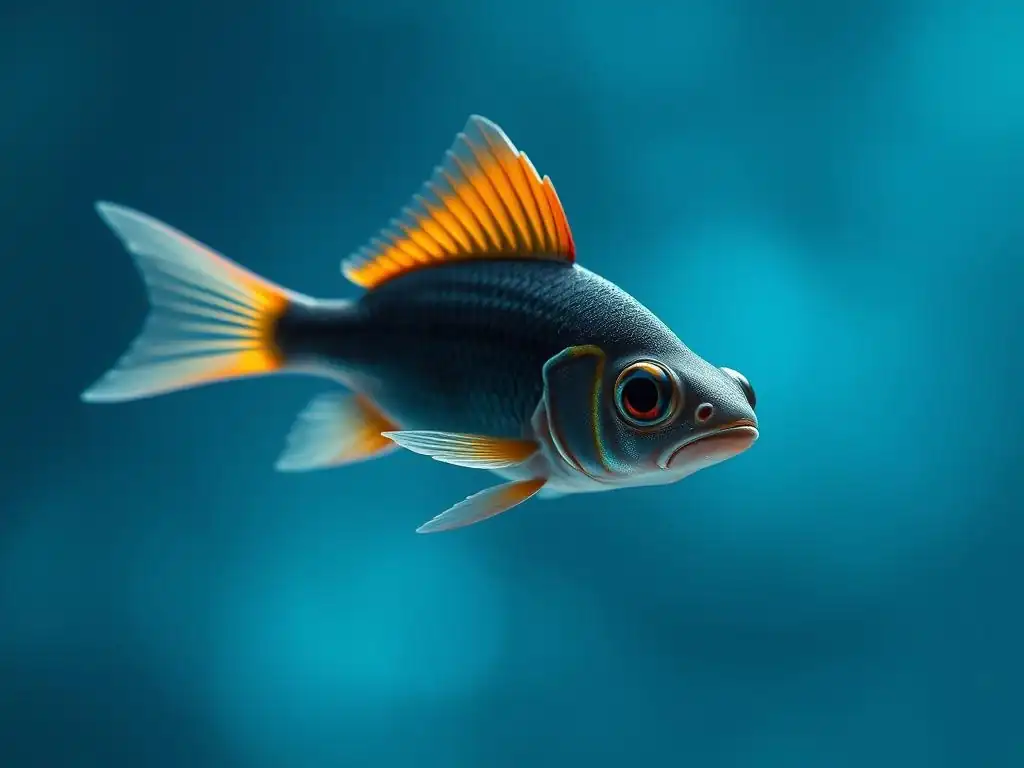
The Lambchop Rasbora, Trigonostigma hengeli, is easily identified by its distinctive appearance, setting it apart from its close relatives like the Harlequin and Espei Rasboras. These fish typically reach an adult size of about 1 to 1.2 inches (2.5 to 3 cm), making them one of the smaller species in the Trigonostigma genus. Their body is generally slender and elongated, with a translucent, often iridescent coppery-orange to reddish-brown hue that can intensify with proper diet and water conditions.
The most prominent identifying feature is the unique black mark located on their rear flank. Unlike the triangular wedge of the Harlequin Rasbora or the more horizontally elongated mark of the Espei Rasbora, the Trigonostigma hengeli's mark is distinctly shaped like a lamb chop or a hockey stick, with a rounded, wider anterior portion tapering towards the tail. This mark often has a subtle metallic sheen, adding to the fish's allure. Their fins are typically clear or faintly tinged with the body color, and their eyes are relatively large, reflecting their preference for dimly lit environments.
Lambchop Rasbora Temperament and Schooling Behavior
Lambchop Rasboras are renowned for their exceptionally peaceful and non-aggressive temperament, making them ideal inhabitants for community aquariums. They are a schooling species, meaning they thrive and feel most secure when kept in groups of at least 6-8 individuals, though larger schools of 10-12 or more will display more natural and impressive schooling behaviors. In a well-established school, Trigonostigma hengeli will swim together in a cohesive group, exploring the mid-to-upper levels of the aquarium, which is a captivating sight for any aquarist.
When kept in insufficient numbers or in stressful environments, Lambchop Rasboras can become shy, reclusive, and their colors may fade. They tend to stick to heavily planted areas or shaded spots, darting out only for food. Their peaceful nature means they will not harass other fish, nor are they prone to fin nipping. This makes them perfect companions for other small, docile species, allowing for a harmonious and low-stress aquatic environment. A strong school provides security and allows their vibrant personalities and subtle beauty to truly shine.
Maintaining a Healthy Lambchop Rasbora Aquarium
Water Changes and Filtration: Essential for Water Quality
Maintaining pristine water quality is paramount for the health and longevity of Lambchop Rasboras, as they are quite sensitive to pollutants and fluctuating parameters. Regular partial water changes are the cornerstone of good aquarium husbandry. For a well-established Lambchop Rasbora care guide, it is recommended to perform weekly water changes of 20-25% of the tank's volume.
This practice helps to dilute nitrates, replenish essential minerals, and remove any accumulated organic waste that filtration alone might miss. Always use a reliable water conditioner to neutralize chlorine and chloramines from tap water, and try to match the temperature of the new water to the tank water to prevent thermal shock.
Effective filtration is equally vital. A gentle filter, such as a sponge filter, a small hang-on-back (HOB) filter with adjustable flow, or a canister filter for larger tanks, is ideal. The key is to provide adequate mechanical and biological filtration without creating strong currents, as Trigonostigma hengeli prefer calm waters. Ensure the filter media is regularly cleaned or replaced according to manufacturer guidelines to maintain efficiency, but avoid cleaning all filter media at once to preserve beneficial bacteria. A well-maintained filter coupled with consistent water changes creates a stable and healthy environment for your Lambchop Rasboras.
Preventing and Treating Common Lambchop Rasbora Diseases
Like all aquarium fish, Lambchop Rasboras can be susceptible to various diseases, often triggered by poor water quality, stress, or inadequate diet. Prevention is always the best approach in Lambchop Rasbora care, focusing on stable water parameters, proper nutrition, and a low-stress environment. Quarantining new fish for 2-4 weeks before introducing them to the main tank is a highly recommended preventative measure to avoid introducing pathogens.
Recognizing Early Signs of Illness
Early detection of illness is crucial for successful treatment. Be vigilant for changes in your Lambchop Rasboras' behavior or appearance. Signs of illness can include:
- Fading colors: A common indicator of stress or poor health.
- Abnormal swimming patterns: Erratic movements, lethargy, gasping at the surface, or rubbing against décor.
- Physical changes: Clamped fins, white spots (Ich), fuzzy growths (fungus), red streaks, bloated appearance, or visible lesions.
- Loss of appetite: Refusal to eat or spitting out food.
- Isolation: A usually schooling fish separating from the group.
If you observe any of these symptoms, immediately test your water parameters to rule out environmental issues as the primary cause. Addressing water quality problems quickly can often reverse early signs of distress without the need for medication.
Effective Treatment Options for Sick Lambchop Rasboras
If environmental issues are ruled out and symptoms persist or worsen, specific treatments may be necessary. For common ailments like Ich (white spot disease), raising the tank temperature slightly (to 82-84°F, or 28-29°C, if tank mates can tolerate it) combined with an Ich-specific medication (e.g., malachite green or formalin-based treatments) is often effective. Fungal infections typically respond to antifungal medications.
Bacterial infections may require broad-spectrum antibiotics, often administered in a hospital tank to avoid affecting beneficial bacteria in the main aquarium. Always follow medication instructions carefully and remove activated carbon from the filter during treatment, as it will absorb the medication. Remember that Lambchop Rasboras are small and delicate, so precise dosing is essential.
Breeding Lambchop Rasboras: A Detailed Guide
Setting Up a Breeding Tank for Trigonostigma hengeli
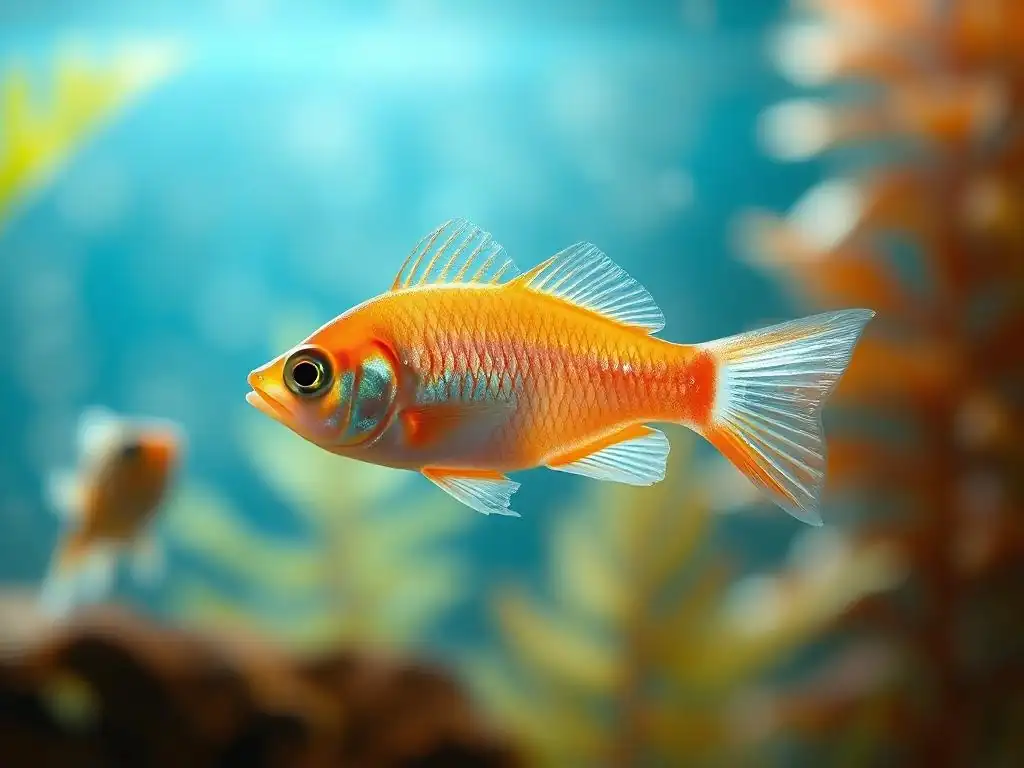
Breeding Lambchop Rasboras, while not overly difficult, requires a dedicated breeding tank to maximize the survival rate of the fry. A small 5-gallon (19-liter) tank is usually sufficient for a breeding pair or a small group. The breeding tank should be kept dimly lit and filled with very soft (GH 1-3 dGH), acidic water (pH 5.0-6.0), ideally filtered through peat or using reverse osmosis (RO) water remineralized to appropriate levels. A sponge filter is recommended for gentle filtration, as it won't harm delicate fry.
Crucially, the breeding tank needs suitable spawning media. Lambchop Rasboras are egg scatterers that prefer to lay their eggs on the underside of broad-leaved plants or fine-leaved plants. Java Moss, Anubias, or Cryptocoryne species are excellent choices. Alternatively, a spawning mop made of nylon yarn can be used. The water level in the breeding tank can be kept lower, around 6-8 inches, which encourages spawning and makes it easier for the parents to locate food.
Conditioning Lambchop Rasboras for Breeding
To encourage spawning, adult Lambchop Rasboras need to be well-conditioned with a high-protein diet for several weeks prior to introduction into the breeding tank. Feed them a variety of live and frozen foods such as baby brine shrimp, daphnia, cyclops, and finely chopped bloodworms. This rich diet helps the females develop eggs and the males become more virile. Observing the fish, you'll notice well-conditioned females appearing plumper due to developing eggs.
Introduce one or two well-conditioned pairs, or a small group of 2 males to 3 females, into the breeding tank in the late afternoon or evening. Maintain the water temperature at the higher end of their preferred range, around 78-80°F (25-27°C), which often stimulates spawning. Many breeders observe spawning occurring early the next morning, usually at dawn.
Spawning and Raising Lambchop Rasbora Fry
Lambchop Rasboras are egg scatterers and typically spawn in the early morning. The male will chase the female, and they will often swim upside down, with the female depositing adhesive eggs on the underside of plant leaves or spawning mops. The eggs are tiny and clear, making them difficult to spot. After spawning, which can last for several hours, the adults should be removed immediately, as they will readily consume their own eggs.
The eggs will typically hatch within 24-48 hours, depending on the temperature. The fry are incredibly small and will remain attached to surfaces for another 2-3 days, absorbing their yolk sac. Once free-swimming, they require infusoria or specialized liquid fry food for the first few days.
After about a week, they can be transitioned to newly hatched baby brine shrimp, microworms, or finely powdered fry food. Frequent, small water changes (10% daily) are essential during the fry-rearing stage to maintain pristine water quality, as the fry are extremely sensitive to pollutants. Consistent feeding and water quality are key to raising healthy Lambchop Rasbora fry.
Troubleshooting Common Issues with Lambchop Rasboras
Even with the best Lambchop Rasbora care guide, issues can occasionally arise. Understanding common problems and how to address them quickly is essential for the well-being of your Trigonostigma hengeli.
Addressing Fading Color
Fading color in Lambchop Rasboras is a common indicator of stress or suboptimal conditions. If your fish's vibrant coppery hues appear dull or washed out, consider the following:
- Water Quality: The most frequent culprit. Test your water parameters immediately for ammonia, nitrite, and nitrate levels. High nitrates or unstable pH can cause stress. Perform a partial water change (25-30%) and ensure your filtration is adequate.
- Tank Size and School Size: Lambchop Rasboras are schooling fish. If kept in too small a group (fewer than 6-8 individuals), they can become stressed and lose color due to insecurity. Increase the school size to alleviate this.
- Diet: An inadequate diet can lead to poor coloration. Ensure you are feeding a varied diet rich in high-quality protein and color-enhancing foods (e.g., frozen daphnia, baby brine shrimp).
- Environment: Lack of hiding spots, bright lighting, or aggressive tank mates can cause stress. Add more plants, driftwood, or leaf litter, and consider dimming the lights or adding floating plants. Re-evaluate your tank mates.
Addressing these factors systematically will often restore your Lambchop Rasboras' natural brilliance.
Resolving Fin Nipping
While Lambchop Rasboras are inherently peaceful, they can occasionally be the victims of fin nipping, or in rare cases, engage in mild nipping themselves if stressed.
- Victim of Nipping: If your Lambchop Rasboras have frayed or torn fins, observe their tank mates. Common culprits include certain barbs, larger tetras, or some types of gouramis. If a specific aggressor is identified, consider rehoming it to a different tank or providing more hiding spots for the rasboras. Ensure the Lambchop Rasboras have ample space to retreat.
- Lambchop Rasbora Nipping: Although rare, if a Lambchop Rasbora is seen nipping others (usually only very mild and among themselves), it often indicates overcrowding or a lack of adequate schooling numbers. Increasing the school size (e.g., from 6 to 10 individuals) can often resolve this by diffusing aggression and making them feel more secure. Ensure the tank is large enough for the entire school and any other inhabitants.
- Fin Rot: Fin damage can also be a symptom of fin rot, a bacterial infection. Look for white edges on the fins or a fuzzy appearance. If fin rot is suspected, improve water quality and consider a bacterial medication if necessary.
Dealing with Invertebrate Predation
While Lambchop Rasboras are generally safe with most common aquarium invertebrates like Amano Shrimp and Cherry Shrimp, caution should be exercised with very tiny, newly hatched shrimp fry. Adult Lambchop Rasboras are small, but they will opportunistically eat anything that fits into their mouths.
- Shrimp Fry Predation: If you are trying to breed dwarf shrimp, Lambchop Rasboras will likely predate on their newly hatched fry. While they typically won't bother adult shrimp, the tiny fry are an easy meal.
- Solutions:
- Heavily Planted Tank: A very dense cover of fine-leaved plants like Java Moss or subwassertang can provide ample hiding spots for shrimp fry, significantly increasing their survival rate.
- Dedicated Breeding Tank: For serious shrimp breeding, a separate, fish-free breeding tank is the most effective solution to ensure maximum fry survival.
- Larger Shrimp Species: If you want to keep shrimp but are concerned about predation, consider larger shrimp species like Amano Shrimp, which are too big for even adult Lambchop Rasboras to consume.
Understanding these dynamics is an important part of a holistic Lambchop Rasbora care guide.
Where to Buy Lambchop Rasboras: Selecting Healthy Specimens
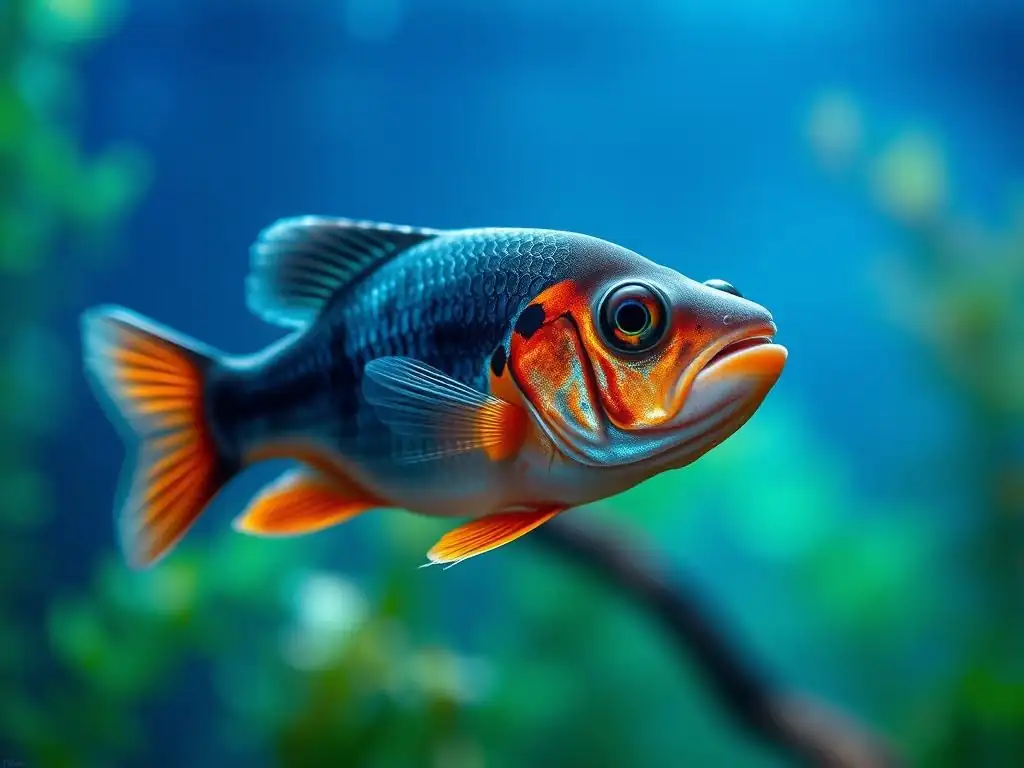
Acquiring healthy Lambchop Rasboras is the first crucial step in ensuring their long-term success in your aquarium. Careful selection from reputable sources will minimize the risk of introducing diseases or stressed fish into your established tank.
Choosing Reputable Fish Stores and Breeders
When looking to purchase Lambchop Rasboras, prioritize reputable local fish stores or online breeders known for their ethical practices and healthy stock.
- Local Fish Stores: Visit the store and observe their fish tanks. Look for clean, well-maintained aquariums with good water clarity. Healthy fish will be active, alert, and free of visible signs of disease (e.g., no white spots, no clamped fins, no visible lesions). Inquire about their source for fish and their quarantine procedures. A good store will have knowledgeable staff willing to answer your questions about Lambchop Rasbora care.
- Online Breeders/Retailers: If purchasing online, research the seller's reputation through reviews and forums. Look for vendors who offer live arrival guarantees and have clear policies regarding dead-on-arrival (DOA) fish. Professional online retailers often have better access to wild-caught or ethically bred specimens and may offer a wider selection. They typically ship fish securely packaged to minimize stress during transit.
Avoid purchasing from stores with dirty tanks, dead fish in display tanks, or fish that appear lethargic or diseased.
Identifying Healthy Lambchop Rasboras Before Purchase
Once you've found a reputable source, it's important to know what to look for when selecting individual Lambchop Rasboras:
- Activity Level: Healthy Trigonostigma hengeli should be active and schooling together. Avoid fish that are listless, hiding excessively, or swimming erratically.
- Appearance: Their bodies should be full and not pinched or emaciated. Their fins should be erect and undamaged, not clamped or torn. Look for their characteristic coppery-orange body color and distinct black "lamb chop" mark; faded colors can indicate stress or illness.
- Breathing: Observe their gills. Respiration should be steady and not labored or rapid.
- Absence of Disease Symptoms: Crucially, check for any visible signs of disease such as white spots (Ich), fungal growths, red streaks, or bloating. Even if only one fish in a tank shows symptoms, assume the entire tank is exposed.
- Schooling Behavior: Choose fish that are actively participating in the school. A lone fish or one that is separated from the group may be stressed or ill.
After bringing your new Lambchop Rasboras home, always acclimate them slowly to your tank's water parameters and consider quarantining them in a separate tank for 2-4 weeks to ensure they are healthy before introducing them to your main display aquarium. This crucial step in any Lambchop Rasbora care guide prevents potential disease outbreaks.
Conclusion: The Joys of Keeping Lambchop Rasboras
Celebrating the Beauty and Charm of Trigonostigma hengeli in the Home Aquarium
The Lambchop Rasbora ( Trigonostigma hengeli) is truly a gem for the planted aquarium enthusiast. Its diminutive size, peaceful temperament, and captivating schooling behavior make it an ideal inhabitant for nano tanks and larger community setups alike. The subtle yet striking coppery coloration, accentuated by the unique "lamb chop" marking, adds a touch of understated elegance to any aquascape, particularly those designed to mimic natural blackwater environments. Watching a well-established school of these rasboras navigate through dense plant thickets is a mesmerizing experience, bringing a sense of tranquility and vibrant life to the aquatic display.
Beyond their aesthetic appeal, the relatively straightforward Lambchop Rasbora care guide makes them accessible to aquarists of varying experience levels, provided their specific needs for soft, acidic water and a stable, planted environment are met. Their compatibility with a wide range of peaceful tank mates, including various shrimp and other small fish, further enhances their appeal, allowing for diverse and harmonious aquatic communities. The joy of keeping Trigonostigma hengeli lies not just in their delicate beauty, but in the rewarding experience of providing a thriving habitat that allows these charming fish to flourish.
Further Resources for Lambchop Rasbora Enthusiasts
For those seeking to deepen their understanding of Lambchop Rasbora care and husbandry, a wealth of information is available through various reputable sources. Online forums dedicated to planted aquariums and nano fish communities offer opportunities to connect with experienced aquarists, share insights, and troubleshoot specific issues. Websites specializing in fish profiles and care guides, such as AquariumMastery.com, provide detailed articles and expert advice on everything from water chemistry to species-specific behaviors.
Additionally, academic journals and ichthyology databases can offer in-depth scientific information on Trigonostigma hengeli's natural history and biology. Engaging with local aquarium clubs can also provide invaluable hands-on learning experiences and networking opportunities within the aquatic community. By continuously seeking knowledge and applying best practices, enthusiasts can ensure their Lambchop Rasboras not only survive but truly thrive, showcasing their delicate beauty for years to come.
Frequently Asked Questions
What are the ideal water parameters for Lambchop Rasboras?
Lambchop Rasboras thrive in soft, slightly acidic water. Aim for a pH of 6.0-7.0 and a water hardness (GH) below 10 dGH. Maintaining stable water conditions is crucial for their health.
What should I feed my Lambchop Rasboras?
They are omnivores and require a varied diet. Offer them high-quality flake food, supplemented with small live or frozen foods like daphnia and bloodworms. Feed small portions multiple times a day.
How many Lambchop Rasboras should I keep together?
Lambchop Rasboras are social fish that should be kept in groups of at least 6 individuals. A larger school of 8-12 will make them feel more secure and display their best coloration and behavior.
What tank size is appropriate for a school of Lambchop Rasboras?
A 10-gallon tank is the minimum size for a small group (6-8) of Lambchop Rasboras. A 20-gallon long tank or larger is preferable to provide more swimming space and better water stability.
Are Lambchop Rasboras compatible with other fish species?
Yes, they are peaceful fish that get along well with other small, non-aggressive community fish. Avoid keeping them with large or boisterous species that may outcompete them for food or stress them out.
Final Reflection: Appreciating the Delicate Balance
The journey through understanding the Lambchop Rasbora, as detailed in this care guide, underscores the importance of responsible aquarium keeping and the delicate balance within a miniature ecosystem. What might seem like a simple hobby is, in reality, a commitment to providing a thriving environment for these captivating creatures, a responsibility that resonates deeply in our increasingly interconnected world.
This exploration into the needs of Trigonostigma hengeli has not only highlighted the specific requirements for their well-being but also illuminated the broader impact of our choices on the aquatic world. The act of creating a suitable habitat for these fish mirrors our own efforts to cultivate a sustainable and harmonious relationship with nature. In the end, we will conserve only what we love; we will love only what we understand; and we will understand only what we are taught.
- Baba Dioum. This quote perfectly encapsulates the essence of responsible aquascaping and the deeper connection it fosters with the natural world.
Now, as you embark on your own journey with Lambchop Rasboras, or any other aquatic species, I invite you to reflect on the lessons learned here. Consider the impact of your choices, not just on the fish themselves, but on the broader ecosystem they represent. Let this guide be more than just a set of instructions; let it be a catalyst for a deeper appreciation of the delicate beauty that surrounds us, and a commitment to preserving it for generations to come.
Unleash the Vibrant Beauty of Your Aquarium!
Thank you for exploring the fascinating world of Lambchop Rasboras with us! We hope you found valuable insights into caring for these delicate beauties. Now, let's transform that knowledge into action and elevate your aquarium experience.
Here's how you can dive deeper:
- Embark on your Rasbora adventure: Carefully introduce a small school of Lambchop Rasboras to your well-established planted aquarium and witness their captivating shoaling behavior.
- Expand your knowledge: Research compatible tankmates for Lambchop Rasboras and plan a harmonious aquarium community.
- Share the splendor: Post a picture of your Lambchop Rasboras on social media and tag Aquarium Mastery, inspiring others to appreciate these captivating fish.
Ready to create your own mesmerizing Lambchop Rasbora haven?