
Celestial Pearl Danio (Galaxy Rasbora): Unveiling the Secrets to a Starry Tank

Welcome to Aquarium Mastery!
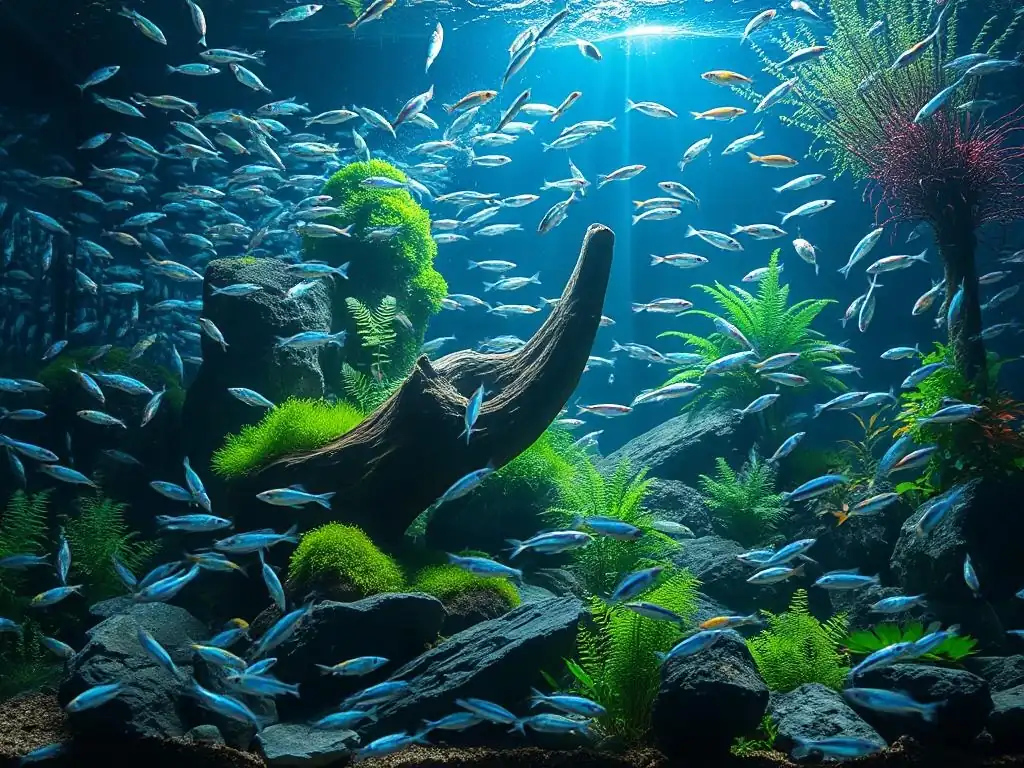
Ever wondered how to create a truly starry underwater world? Dive in and discover the secrets to thriving Celestial Pearl Danios (Galaxy Rasboras) with our detailed guide. We'll unveil everything you need to know about Celestial Pearl Danio care tips, from tank setup to breeding, ensuring your little celestial jewels shine brightly. Ready to transform your freshwater aquarium into a galaxy far, far away? Let's get started!
- Introduction to Celestial Pearl Danios: A Sparkling Gem for Your Aquarium
-
Celestial Pearl Danio Care Tips: Creating the Ideal Habitat
- Water Parameters for Celestial Pearl Danios: Achieving Optimal Conditions
- Tank Size and Setup: Replicating Their Natural Environment
- Substrate and Décor for CPDs: Enhancing the Aquatic Landscape
- Filtration and Water Changes: Maintaining Pristine Water Quality
- Lighting Requirements for Galaxy Rasboras: Showcasing Their Colors
- Celestial Pearl Danio Diet and Feeding: Ensuring Optimal Health
- Celestial Pearl Danio Tank Mates: Creating a Peaceful Community
- Celestial Pearl Danio Breeding: A Rewarding Challenge
- Common Celestial Pearl Danio Health Issues and Prevention
- Enhancing Celestial Pearl Danio Colors: Tips and Tricks
- Where to Buy Celestial Pearl Danios: Selecting Healthy Specimens
- Troubleshooting Common Celestial Pearl Danio Problems
- Conclusion: Mastering Celestial Pearl Danio Care for a Thriving Aquarium
-
Frequently Asked Questions
- How difficult is it to care for Celestial Pearl Danios?
- What size tank is appropriate for a group of Celestial Pearl Danios?
- What are the ideal water parameters for Celestial Pearl Danios?
- What should I feed my Celestial Pearl Danios?
- Are Celestial Pearl Danios peaceful fish, and what tank mates are suitable?
- Final Reflection: Embracing the Sparkle Within
- Ignite Your Aquarium with Celestial Wonders!
Introduction to Celestial Pearl Danios: A Sparkling Gem for Your Aquarium
What are Celestial Pearl Danios (CPDs)? Understanding the Galaxy Rasbora
The Celestial Pearl Danio, scientifically known as Danio margaritatus, is a captivating freshwater fish that first burst onto the aquarium scene in 2006, immediately captivating aquarists worldwide. Discovered in a small, isolated region of Myanmar, these diminutive cyprinids quickly earned the common name "Galaxy Rasbora" due to their striking, star-like pearl spots scattered across a deep blue or black body, reminiscent of a night sky. Males exhibit vibrant red-orange fins with black banding, while females are typically duller in coloration.
These stunning fish are remarkably small, generally reaching an adult size of only 0.75 to 1 inch (approximately 2 to 2.5 cm). Despite their small stature, they possess a robust and active nature, preferring to live in social groups. With proper Celestial Pearl Danio care tips, these peaceful creatures can thrive in a well-maintained aquarium for an impressive lifespan of 3 to 5 years, making them a long-term delight for enthusiasts.
Why Choose Celestial Pearl Danios for Your Freshwater Tank?
Celestial Pearl Danios are an exceptional choice for freshwater aquariums, particularly nano tanks, due to their breathtaking beauty and manageable size. Their unique coloration – the iridescent pearl spots against a dark background, complemented by the males' fiery fins – adds an unparalleled visual appeal, transforming any tank into a living piece of art. They are active swimmers, constantly darting and interacting, providing endless entertainment without the aggressive tendencies often seen in larger species.
Beyond their aesthetic charm, CPDs are highly sought after for their peaceful temperament, making them ideal inhabitants for community aquariums. Their small bioload means they contribute minimally to tank waste, simplifying maintenance when following established Celestial Pearl Danio care tips. They are also relatively easy to care for once their specific environmental needs are met, offering a rewarding experience for both novice and experienced aquarists looking to add a unique, sparkling gem to their aquatic display.
Celestial Pearl Danio Care Tips: Creating the Ideal Habitat
Water Parameters for Celestial Pearl Danios: Achieving Optimal Conditions
Maintaining precise and stable water parameters is paramount for the health and vibrancy of Celestial Pearl Danios. These fish thrive in moderately soft to medium-hard water with a general hardness (GH) ranging from 5 to 15 dGH (approximately 90-270 ppm). The ideal pH level for CPDs falls between 6.5 and 7.5, leaning towards slightly acidic to neutral conditions, which closely mimics their natural habitat. Temperature is also critical, with a preferred range of 72-79°F (22-26°C), ensuring their metabolic processes function optimally.
Consistency in these parameters is more important than hitting exact numbers, as rapid fluctuations can cause significant stress and lead to illness. Regular testing using a reliable liquid test kit is essential to monitor ammonia and nitrite levels, which should always be at 0 ppm, and nitrates, which should ideally be kept below 20 ppm. Deviations from these optimal conditions can quickly compromise their immune system, making adherence to these specific Celestial Pearl Danio care tips crucial for their long-term well-being.
Tank Size and Setup: Replicating Their Natural Environment
While small, Celestial Pearl Danios are active schooling fish that benefit greatly from ample swimming space. A minimum tank size of 5 gallons is often recommended for a small group of 6-8 individuals, but a 10-gallon aquarium or larger is significantly better for long-term stability, reduced stress, and observing their natural schooling behaviors. Larger tanks offer more stable water parameters and provide sufficient room for a healthy school to establish a comfortable hierarchy.
The ideal tank setup for CPDs should closely replicate their heavily planted, slow-moving natural environment. This includes dense vegetation, particularly fine-leaved plants like Java Moss, Hornwort, or Guppy Grass, which provide ample hiding spots and areas for spawning. Open swimming spaces should also be incorporated. A dark substrate is highly recommended as it helps to reduce stress in the fish and makes their vibrant colors stand out more prominently, enhancing the overall aesthetic of your Celestial Pearl Danio care setup.
Substrate and Décor for CPDs: Enhancing the Aquatic Landscape
The choice of substrate plays a significant role in the well-being and visual appeal of Celestial Pearl Danios. A fine-grained substrate, such as sand or very fine gravel (1-3mm), is ideal. Dark-colored substrates, like black sand or dark brown gravel, are particularly beneficial as they help to bring out the iridescent blues and reds in the fish's coloration, making their "galaxy" spots truly sparkle. Such substrates also make the fish feel more secure, as a bright bottom can reflect light and cause stress.
Beyond the substrate, thoughtful décor is essential for a thriving Celestial Pearl Danio habitat. Live plants are paramount; species like Anubias, Bucephalandra, various mosses (e.g., Christmas Moss), and stem plants (e.g., Rotala) not only provide vital hiding places but also contribute to water quality by absorbing nitrates. Incorporating small pieces of driftwood, smooth river rocks, or ceramic caves can further enhance the natural feel and offer additional shelter, allowing the fish to exhibit natural behaviors and feel secure within their environment, a key aspect of superior Celestial Pearl Danio care tips.
Filtration and Water Changes: Maintaining Pristine Water Quality
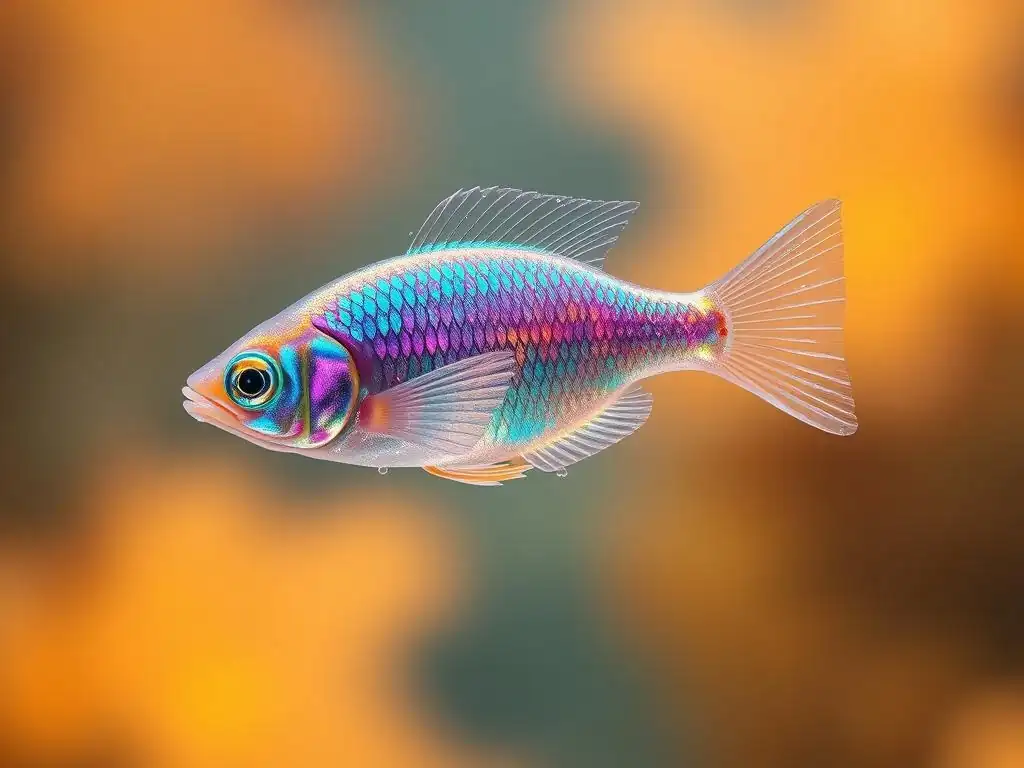
Effective filtration is a cornerstone of successful Celestial Pearl Danio care, though it must be gentle to avoid stressing these small fish. Sponge filters are an excellent choice, providing both mechanical and biological filtration without creating strong currents that can overwhelm CPDs. Small hang-on-back (HOB) filters can also be used, but it's advisable to attach a pre-filter sponge to the intake to prevent tiny fish or fry from being sucked in and to baffle the outflow to reduce water flow.
Regular water changes are equally critical for maintaining pristine water quality and preventing the buildup of harmful toxins. A weekly or bi-weekly water change of 20-30% of the tank's volume is generally recommended, depending on the tank's bioload and plant density. Always use a dechlorinator to treat tap water, and try to match the temperature of the fresh water to that of the tank water to prevent temperature shock. Consistent water changes are among the most important Celestial Pearl Danio care tips for their long-term health and vitality.
Lighting Requirements for Galaxy Rasboras: Showcasing Their Colors
The lighting in a Celestial Pearl Danio aquarium serves multiple purposes: it supports plant growth, highlights the fish's stunning coloration, and influences their behavior. Moderate lighting is generally preferred for CPDs. While they appreciate the cover provided by plants, they also enjoy darting through open spaces, and overly intense lighting can make them feel exposed and stressed, potentially leading to duller colors and reclusive behavior.
For planted tanks, a full-spectrum LED light with a timer set for 8-10 hours per day is ideal. Lights that offer adjustable color temperatures or specific red and blue wavelengths can further enhance the vibrant hues of the Celestial Pearl Danios, making their pearl spots and red fins truly "pop." Observing how the fish react to the light intensity and adjusting it accordingly, perhaps by adding floating plants to diffuse light, is a nuanced but important aspect of Celestial Pearl Danio care tips.
Celestial Pearl Danio Diet and Feeding: Ensuring Optimal Health
What Do Celestial Pearl Danios Eat? A Balanced Diet for Vibrant Colors
Celestial Pearl Danios are micro-predators in their natural habitat, primarily feeding on small invertebrates, zooplankton, and some algae. In the aquarium, a varied and balanced diet is crucial for their optimal health, growth, and vibrant coloration. They require a diet rich in protein to support their active lifestyle and development, supplemented with vegetable matter to aid digestion and provide essential nutrients.
To ensure they receive all necessary nutrients, their diet should consist of high-quality, small-particle foods. This includes micro-pellets or flakes specifically formulated for small tropical fish, which should serve as their staple. Supplementing this with live or frozen foods is vital for boosting their immune system and enhancing their natural colors. A well-rounded diet is a cornerstone of effective Celestial Pearl Danio care tips.
Feeding Frequency and Quantity: Preventing Overfeeding
Given their small size, Celestial Pearl Danios have tiny stomachs and can easily be overfed, which poses significant risks to both the fish and water quality. It is recommended to feed them small amounts 1 to 2 times per day. The key is to provide only what they can consume within 2-3 minutes. Any uneaten food should be promptly removed from the tank to prevent decay and the subsequent spike in ammonia and nitrites.
Overfeeding not only contributes to poor water quality but can also lead to digestive issues and obesity in the fish, shortening their lifespan. Observe your fish during feeding; if food is still present after a few minutes, you are likely feeding too much. Consistent, measured feeding practices are essential Celestial Pearl Danio care tips for maintaining a healthy and stable aquarium environment.
Recommended Foods for CPDs: Live, Frozen, and Flake Options
A diverse diet is critical for the long-term health and brilliant coloration of Celestial Pearl Danios. For their daily staple, high-quality micro-pellets or finely crushed flake foods designed for small omnivorous fish are excellent. Look for brands that list fish meal, spirulina, and other beneficial ingredients high on their list.
To supplement their staple diet, offer a variety of live and frozen foods a few times a week. Live foods like newly hatched brine shrimp, daphnia, and microworms are highly nutritious and stimulate their natural hunting instincts. Frozen cyclops, bloodworms (finely chopped), and brine shrimp are also readily accepted and provide essential proteins and fats. Occasionally, crushed spirulina wafers or algae flakes can be offered to provide necessary vegetable matter, rounding out their comprehensive Celestial Pearl Danio care tips for nutrition.
Celestial Pearl Danio Tank Mates: Creating a Peaceful Community
Compatible Tank Mates for CPDs: Choosing the Right Companions
Choosing appropriate tank mates is crucial for the well-being of Celestial Pearl Danios, as their small size and peaceful nature make them susceptible to stress from larger or more aggressive fish. Ideal companions are similarly sized, non-aggressive, and prefer similar water parameters. Excellent choices include other small schooling fish like Chili Rasboras ( Boraras brigittae), Ember Tetras ( Hyphessobrycon amandae), or Dwarf Pencilfish ( Nannostomus marginatus).
Bottom dwellers such as Pygmy Corydoras ( Corydoras pygmaeus) or Otocinclus catfish ( Otocinclus affinis) also make great additions, as they occupy different parts of the water column and do not compete for food or space. The goal is to create a harmonious community where all inhabitants can thrive without fear or competition, ensuring your Celestial Pearl Danio care tips extend to the entire ecosystem.
Fish to Avoid: Preventing Aggression and Competition
When selecting tank mates for Celestial Pearl Danios, it's equally important to know which fish to avoid. Any species that is significantly larger than CPDs, known to be fin-nippers, or possesses aggressive tendencies should be excluded. This includes most larger cichlids, many types of Gouramis, and certain Barbs (e.g., Tiger Barbs) that can be boisterous or nip at the delicate fins of the Danios.
Highly active or fast-swimming fish, even if not overtly aggressive, can also be problematic. They might outcompete the more timid CPDs for food or simply stress them out with constant movement, leading to reclusive behavior and faded colors. Examples include some larger Danio species or very active livebearers. Careful consideration of temperament and size is a vital part of comprehensive Celestial Pearl Danio care tips.
Invertebrate Tank Mates: Shrimp and Snails for a Balanced Ecosystem
Invertebrates can be excellent tank mates for Celestial Pearl Danios, contributing to a balanced ecosystem and offering interesting behaviors. Dwarf shrimp species, such as Cherry Shrimp ( Neocaridina davidi), Amano Shrimp ( Caridina multidentata), or Crystal Red Shrimp ( Caridina cantonensis), are highly compatible. While CPDs might occasionally snack on very young shrimp fry, they typically leave adult shrimp unharmed, and the shrimp help with algae control and detritus consumption.
Small, peaceful snails like Nerite Snails ( Neritina natalensis) or Mystery Snails ( Pomacea diffusa) are also good additions. They are effective algae eaters and help keep the substrate clean without posing any threat to the fish. Avoid larger, predatory snails or those that reproduce rapidly and can overwhelm the tank. Integrating these invertebrates enriches the tank environment and complements your Celestial Pearl Danio care tips.
Celestial Pearl Danio Breeding: A Rewarding Challenge
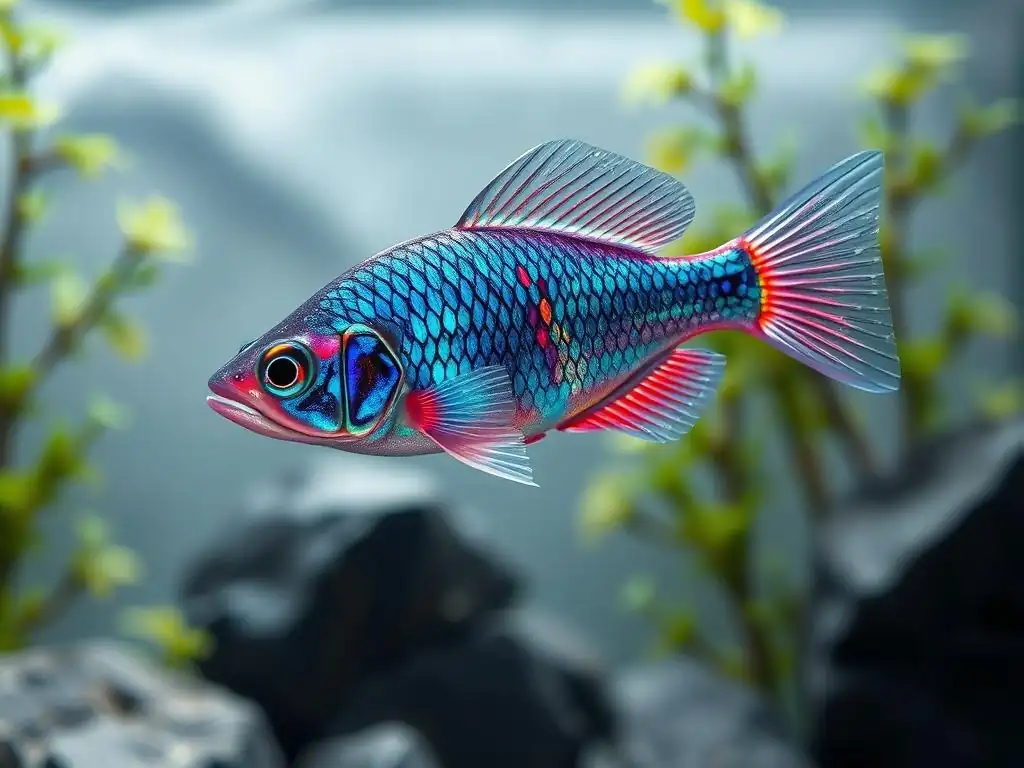
Setting Up a Breeding Tank for CPDs: Creating the Ideal Spawning Environment
Breeding Celestial Pearl Danios can be a rewarding experience, but it requires a dedicated setup to maximize success. A small, separate breeding tank, typically 2-5 gallons in size, is ideal. The water level should be kept low, around 4-6 inches (10-15 cm), to encourage spawning. The tank should be equipped with a gentle sponge filter to prevent harm to eggs or fry and maintain water quality without strong currents.
Crucially, the breeding tank needs ample spawning material. Fine-leaved plants like Java Moss, Hornwort, or artificial spawning mops should fill a significant portion of the tank, providing surfaces for the adhesive eggs to attach to. Water parameters should be slightly softer (5-8 dGH) and slightly acidic (pH 6.5-7.0) than general care, with a temperature maintained around 75-78°F (24-25.5°C) to stimulate spawning. These specific conditions are vital Celestial Pearl Danio care tips for successful breeding.
Breeding Behavior: Observing the Celestial Pearl Danio Mating Ritual
Celestial Pearl Danios are egg scatterers, meaning they do not exhibit parental care and will readily consume their own eggs and fry. Spawning typically occurs in the early morning, often triggered by a slight temperature increase or a fresh water change. Males will display vibrant colors and engage in elaborate courtship rituals, flaring their fins and chasing females among the dense vegetation.
Once a female is receptive, she will release small, adhesive eggs among the plants or spawning mops, which the male immediately fertilizes. This process may continue for several hours, with a single female laying anywhere from 10 to 30 eggs per spawning session. To ensure the survival of the eggs, it is essential to remove the adult fish from the breeding tank immediately after spawning is observed. This proactive measure is a key component of Celestial Pearl Danio care tips for breeding.
Caring for Celestial Pearl Danio Fry: Raising Healthy Young
After spawning, Celestial Pearl Danio eggs typically hatch within 2-4 days, depending on the water temperature. The newly hatched fry are incredibly tiny and almost invisible, initially surviving on their yolk sacs. Within 3-5 days of hatching, they will become free-swimming, and this is when feeding must begin.
The initial diet for CPD fry is critical. Infusoria (microscopic organisms) are an excellent first food, followed by newly hatched brine shrimp or microworms as they grow slightly larger. Feeding should be done in very small amounts, multiple times a day (e.g., 3-4 times), to ensure constant availability of food for the rapidly growing fry. Maintaining pristine water quality through tiny, frequent water changes (e.g., 10% daily) is also paramount, as the fry are highly susceptible to poor conditions. These meticulous Celestial Pearl Danio care tips are crucial for raising healthy young.
Common Celestial Pearl Danio Health Issues and Prevention
Recognizing Signs of Illness in CPDs: Early Detection is Key
Vigilant observation is the first line of defense in maintaining the health of your Celestial Pearl Danios. Recognizing the early signs of illness can significantly improve the chances of successful treatment. Common indicators of distress or disease include lethargy, where fish are unusually still or hiding more than usual, and clamped fins, where their fins are held close to their body rather than fanned out.
Other critical signs to watch for are a loss of their vibrant coloration, erratic swimming patterns (such as flashing or darting), labored breathing (rapid gill movements), or any visible physical changes like white spots (Ich), cotton-like growths (fungus or Columnaris), or frayed fins (fin rot). A refusal to eat is also a strong indicator of illness. Daily inspection during feeding times is a simple yet effective Celestial Pearl Danio care tip for early detection.
Common Diseases Affecting Galaxy Rasboras: Identification and Treatment
Celestial Pearl Danios, like all aquarium fish, can be susceptible to common freshwater diseases, often triggered by poor water quality or stress. Ichthyophthirius multifiliis, commonly known as Ich or white spot disease, presents as small, white spots resembling salt grains on the body and fins; it can be treated with elevated temperatures and specific Ich medications. Fin Rot, characterized by frayed or disintegrating fins, is typically a bacterial infection often caused by poor water conditions and responds to broad-spectrum antibiotics.
Velvet disease, caused by Oodinium parasites, appears as a fine, dusty, gold or rust-colored coating on the fish's body, often accompanied by scratching. It requires copper-based medications or malachite green. Less common but severe conditions include Columnaris (cotton-like growths, often around the mouth) and Dropsy (swollen body with protruding scales), which are usually bacterial and require prompt, aggressive treatment, though Dropsy is often a symptom of underlying organ failure and difficult to cure. Proper Celestial Pearl Danio care tips emphasize preventing these ailments.
Preventing Diseases: Maintaining a Healthy Aquarium Environment
Prevention is always more effective than treatment when it comes to fish health. The most critical aspect of disease prevention in Celestial Pearl Danios is maintaining a stable, pristine aquarium environment. This involves consistently adhering to optimal water parameters (temperature, pH, hardness) and performing regular, appropriately sized water changes (e.g., 20-30% weekly) to keep ammonia, nitrite, and nitrate levels in check.
A varied and nutritious diet bolsters the fish's immune system, making them more resilient to pathogens. Avoid overstocking the tank, as this increases bioload and stress levels. Furthermore, always quarantine new fish or plants for a minimum of 2-4 weeks in a separate tank before introducing them to your main aquarium. This crucial Celestial Pearl Danio care tip prevents the introduction of diseases from new additions, safeguarding your entire aquatic community.
Enhancing Celestial Pearl Danio Colors: Tips and Tricks
Diet and Coloration: The Link Between Food and Vibrant Hues
The vibrancy of a Celestial Pearl Danio's coloration is significantly influenced by its diet. Foods rich in carotenoids, such as astaxanthin and spirulina, are particularly effective in enhancing the red, orange, and blue pigments in their bodies and fins. These natural pigments are absorbed by the fish and deposited in their skin cells, leading to more intense and striking colors.
Incorporating a variety of high-quality foods, including live options like newly hatched brine shrimp and daphnia, and frozen foods such as cyclops, provides a broad spectrum of nutrients essential for overall health and color development. Regularly offering micro-pellets or flakes specifically formulated with color-enhancing ingredients will ensure your CPDs display their most brilliant hues, making diet a primary focus of Celestial Pearl Danio care tips for aesthetics.
Lighting and Color Enhancement: Maximizing the Visual Appeal
The type and intensity of lighting in your aquarium can dramatically impact how the colors of your Celestial Pearl Danios are perceived. While CPDs prefer moderate lighting to avoid stress, choosing an LED light fixture with a balanced spectrum can greatly enhance their visual appeal. Lights with higher red and blue components tend to make the iridescent blue and red-orange markings of the Danios "pop" more vividly.
Avoid overly bright or harsh lighting, as this can cause the fish to become stressed, leading to faded colors and reclusive behavior. A photoperiod of 8-10 hours per day is generally sufficient for plant growth and fish well-being. Experimenting with different light settings, and ensuring there are shaded areas provided by plants, can help you find the perfect balance to showcase your Celestial Pearl Danio's natural beauty, an artistic element of comprehensive Celestial Pearl Danio care tips.
Water Quality and Coloration: Maintaining Optimal Conditions
Beyond diet and lighting, the fundamental aspect of water quality directly correlates with the Celestial Pearl Danio's coloration. Fish that are stressed by poor water conditions—such as high ammonia, nitrite, or nitrate levels, or fluctuating pH and temperature—will often exhibit dull, faded colors as a primary symptom. Their bodies may appear pale, and their distinctive pearl spots and fin coloration may become significantly less vibrant.
Conversely, maintaining stable, pristine water parameters within their ideal ranges (pH 6.5-7.5, temperature 72-79°F, GH 5-15 dGH) allows CPDs to thrive, reducing stress and enabling them to display their most brilliant and natural colors. Regular water changes and effective filtration are therefore not just about health, but also about maximizing their aesthetic appeal. Consistent adherence to these core Celestial Pearl Danio care tips is vital for ensuring your fish are always vibrant and beautiful.
Where to Buy Celestial Pearl Danios: Selecting Healthy Specimens
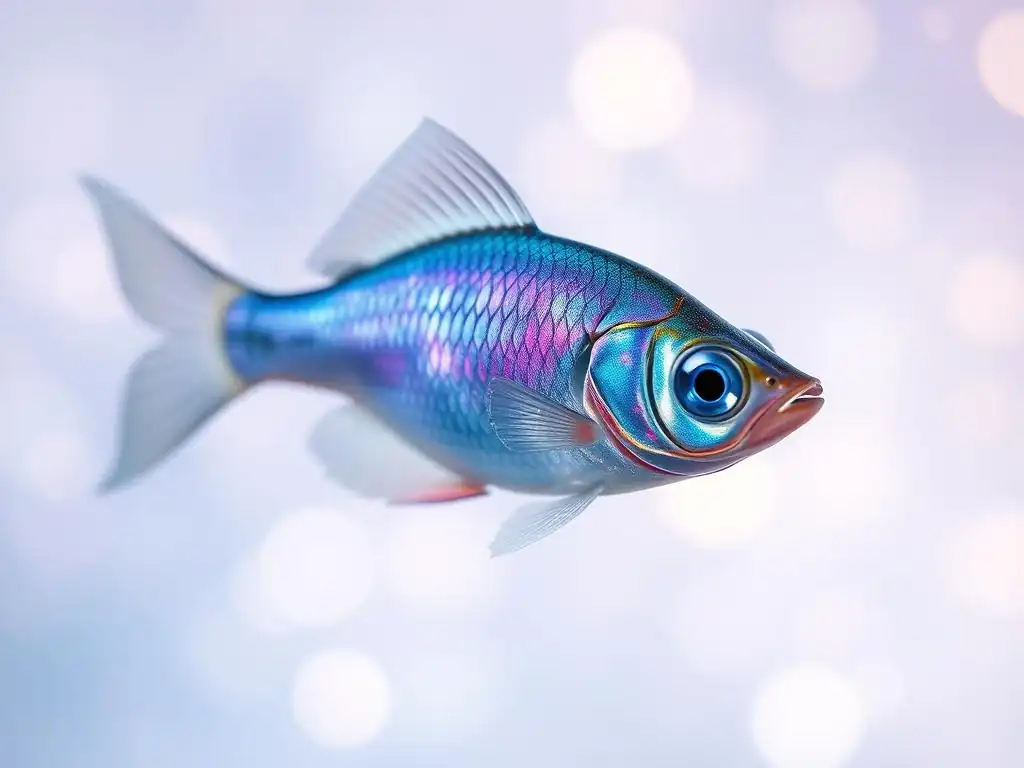
Choosing a Reputable Source: Ensuring Quality and Health
When acquiring Celestial Pearl Danios, selecting a reputable source is crucial for ensuring you bring home healthy, vibrant fish. Local fish stores with knowledgeable staff, clean tanks, and a clear commitment to animal welfare are often the best option. Observe their tanks for signs of illness in other fish, and ask about their quarantine procedures for new arrivals. Avoid stores with visibly dirty tanks, deceased fish, or unconcerned staff, as these are red flags for poor husbandry.
Online retailers can also be a good source, especially if local options are limited. Look for online vendors with strong positive reviews, transparent shipping policies, and live arrival guarantees. Reputable online stores typically prioritize the health of their livestock and often have more diverse breeding programs. Investing in fish from a trusted source is a foundational Celestial Pearl Danio care tip, setting the stage for a thriving aquarium.
Inspecting Potential Purchases: Identifying Healthy CPDs
Before making a purchase, take the time to carefully inspect the Celestial Pearl Danios you intend to buy. Healthy CPDs should be actively swimming, displaying their characteristic vibrant colors, and have clear, alert eyes. Their fins should be intact, fully fanned out, and free from any signs of fraying, tearing, or clamping. Observe their bodies for any visible spots, growths, lesions, or unusual swelling.
Avoid fish that are lethargic, hiding excessively, gasping at the surface, or exhibiting erratic swimming. Also, check for sunken bellies, which can indicate malnourishment or internal parasites. Spend at least 10-15 minutes observing the group to ensure you select robust specimens. This diligent inspection is a vital part of Celestial Pearl Danio care tips, minimizing the risk of introducing disease to your established tank.
Acclimation Process: Introducing New Fish to Your Aquarium
Proper acclimation is critical for minimizing stress and ensuring the successful introduction of new Celestial Pearl Danios to your aquarium. The drip acclimation method is highly recommended for these sensitive fish, as it gradually equalizes water parameters between the transport bag and your tank. Begin by floating the bag in your tank for 15-20 minutes to equalize temperature.
Then, open the bag and secure it in a bucket. Using airline tubing, start a slow drip of your aquarium water into the bag, aiming for a drip rate of about 1-2 drops per second. Allow this process to continue for 30-60 minutes, or until the volume of water in the bucket has at least doubled.
Once acclimated, gently net the fish and transfer them to your aquarium, discarding the bag water (never add it to your tank). Turning off your tank lights for several hours after introduction further reduces stress, rounding out these essential Celestial Pearl Danio care tips.
Troubleshooting Common Celestial Pearl Danio Problems
Loss of Color: Identifying and Addressing the Causes
A loss of vibrant coloration in Celestial Pearl Danios is a common indicator of underlying stress or health issues. The primary cause is often environmental stress stemming from poor water quality. High levels of ammonia, nitrite, or nitrate, or unstable pH and temperature fluctuations, can quickly lead to dull, pale fish. Addressing this requires immediate water testing and prompt corrective actions, such as large water changes and reviewing filtration.
Another significant factor can be an inadequate diet. If their food lacks essential nutrients, particularly carotenoids which are vital for red and orange pigments, their colors will naturally fade over time. Supplementing their diet with color-enhancing foods rich in spirulina, astaxanthin, and live or frozen fare can often restore their brilliant hues. Ensuring a peaceful environment free from aggressive tank mates or overly bright lighting also contributes to their natural coloration, reflecting comprehensive Celestial Pearl Danio care tips.
Lethargic Behavior: Determining the Underlying Issues
Lethargic behavior in Celestial Pearl Danios – such as unusual stillness, hiding more than usual, or reduced swimming activity – is a serious sign that something is amiss. This behavior often points to either severe water quality problems or the onset of illness. Immediately test your water parameters for ammonia, nitrite, and nitrate levels. Spikes in these toxins will severely stress fish and can lead to lethargy and labored breathing.
If water parameters are within acceptable ranges, then disease is a likely culprit. Observe the fish closely for any other symptoms like clamped fins, visible spots, growths, or difficulty breathing. Common illnesses like Ich, bacterial infections, or internal parasites can all cause lethargy. Isolating the affected fish in a quarantine tank for observation and potential treatment is advisable. Prompt diagnosis and intervention are critical Celestial Pearl Danio care tips when faced with lethargy.
Fin Rot and Other Infections: Treatment and Prevention
Fin Rot, characterized by frayed, ragged, or discolored fins, is a common bacterial infection in aquariums, often caused by poor water quality, stress, or physical injury. If left untreated, it can lead to complete fin loss and secondary infections. Treatment typically involves improving water quality through significant water changes (e.g., 50% daily for several days) and administering a broad-spectrum antibacterial medication designed for aquarium use.
Other common infections include fungal infections (appearing as white, cotton-like growths) and various parasitic infestations. Prevention is paramount: maintaining stable, clean water parameters through regular maintenance, avoiding overstocking, and providing a stress-free environment significantly reduce the likelihood of these infections. Always quarantine new fish for 2-4 weeks to prevent introducing pathogens to your established tank. Adhering to these preventive Celestial Pearl Danio care tips is far more effective than treating diseases after they emerge.
Conclusion: Mastering Celestial Pearl Danio Care for a Thriving Aquarium
The Celestial Pearl Danio, or Galaxy Rasbora, is undoubtedly one of the most enchanting and rewarding freshwater fish for any aquarist. Their dazzling coloration, peaceful demeanor, and active schooling behavior make them a true centerpiece in a well-maintained aquarium. Mastering Celestial Pearl Danio care tips involves a holistic approach, encompassing precise water parameter management, thoughtful tank setup, and a balanced diet.
By providing a stable environment with appropriate tank size, dense planting, and gentle filtration, you can replicate their natural habitat and significantly reduce stress. A varied diet of high-quality flakes, live, and frozen foods will not only ensure their health but also enhance their already spectacular colors.
Furthermore, diligent observation, proper quarantine procedures, and selecting compatible tank mates are crucial for preventing illness and fostering a harmonious community. With consistent attention to these specific Celestial Pearl Danio care tips, you can enjoy a thriving, vibrant school of these starry gems for years to come, truly unveiling the secrets to a stunning aquatic display.
Frequently Asked Questions
How difficult is it to care for Celestial Pearl Danios?
Celestial Pearl Danios are generally considered relatively easy to care for, making them suitable for beginner to intermediate aquarists. They do require stable water parameters.
What size tank is appropriate for a group of Celestial Pearl Danios?
A minimum of 10 gallons is recommended for a small school (6-8) of Celestial Pearl Danios. Larger tanks are always better, allowing for more stable conditions and increased swimming space.
What are the ideal water parameters for Celestial Pearl Danios?
They thrive in slightly acidic to neutral water, with a pH between 6.5 and 7.5, and a temperature between 72°F and 78°F. Regular water changes are crucial for maintaining these parameters.
What should I feed my Celestial Pearl Danios?
Celestial Pearl Danios are omnivores and require a varied diet. Offer them high-quality flake food, supplemented with small live or frozen foods like daphnia and brine shrimp.
Are Celestial Pearl Danios peaceful fish, and what tank mates are suitable?
Yes, they are peaceful and do well with other small, non-aggressive fish. Good tank mates include small tetras, pygmy cories, and snails, avoiding larger or boisterous species.
Final Reflection: Embracing the Sparkle Within
The journey of understanding and caring for Celestial Pearl Danios, as we've explored, isn't just about maintaining a healthy aquarium; it's about fostering an ecosystem where beauty and life thrive. The enduring appeal of these tiny, shimmering fish lies in their ability to transform a simple tank into a miniature galaxy, a testament to the wonders that exist in even the smallest corners of our world. Their vibrant presence serves as a constant reminder of the delicate balance and interconnectedness of nature, a lesson profoundly relevant in our increasingly complex world.
The impact of responsible fishkeeping extends far beyond the confines of our aquariums. It cultivates patience, observation, and a deeper appreciation for the natural world, qualities that are increasingly vital in a society often disconnected from its roots. This connection, however small, fosters a sense of responsibility towards the environment and its inhabitants. In every walk with nature one receives far more than he seeks.
- John Muir. This quote encapsulates the profound rewards of engaging with nature, even in the microcosm of a home aquarium.
Now, as you embark on your own journey with Celestial Pearl Danios, or simply reflect on the beauty and fragility of life, consider the lessons learned. Let the vibrant sparkle of these tiny fish inspire you to cultivate beauty and balance in your own life, to appreciate the small wonders that surround you, and to act as a responsible steward of the natural world. Let the starry tank remind you that even the smallest actions can create a universe of difference.
Ignite Your Aquarium with Celestial Wonders!
Thank you for diving into the captivating world of Celestial Pearl Danios! Now that you're armed with the knowledge to create a thriving environment for these starry gems, it's time to bring your vision to life. Let's transform your aquarium into a mesmerizing underwater galaxy.
Here's how you can continue your journey:
- Plan Your Starry Habitat: Sketch out your ideal aquascape, focusing on dense planting and open swimming spaces. This will not only beautify your tank but also mimic their natural habitat and reduce stress.
- Delve deeper! Research compatible tank mates, such as Ember Tetras or Pygmy Corydoras, to create a vibrant and balanced ecosystem.
- Share your celestial aspirations! Join our Aquarium Mastery community forum to connect with fellow enthusiasts, exchange tips, and showcase your own Celestial Pearl Danio aquarium.
What unique element will you introduce to your tank to truly make it a Celestial Pearl Danio paradise?