
Ancistrus (Bristlenose) Breeding Made Easy: Tips for Prolific Spawning

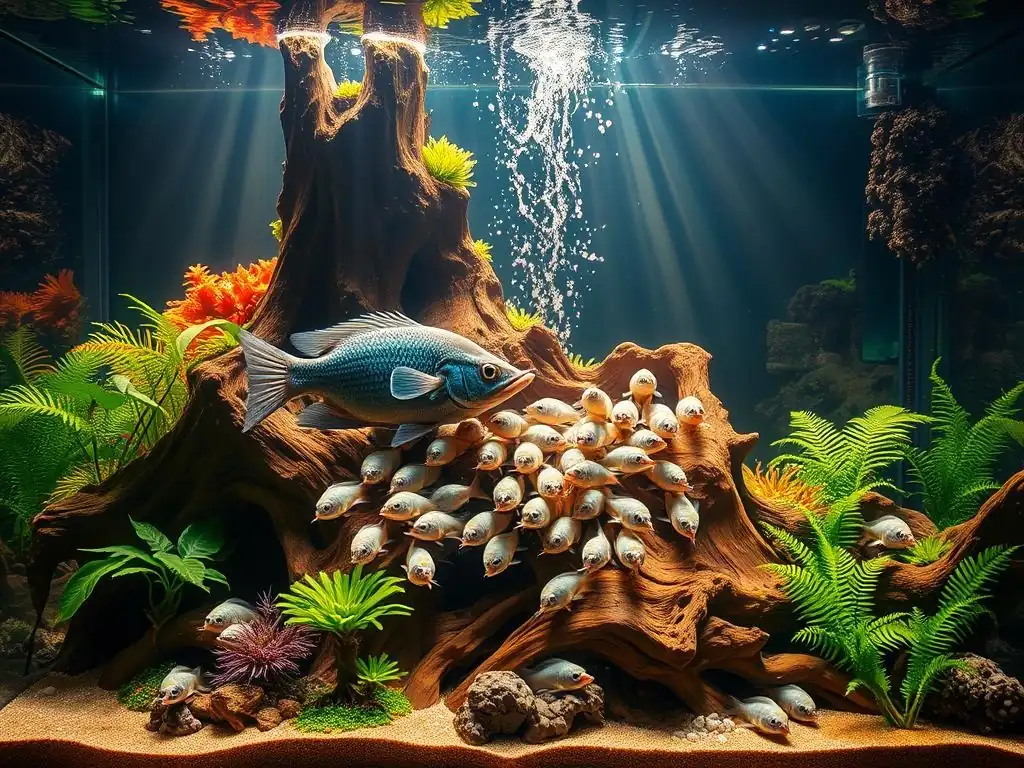
Welcome to Aquarium Mastery, your ultimate guide to the captivating world of aquariums!
Ever wondered how to unlock the secrets to successfully breeding those adorable Bristlenose catfish in your own freshwater tank? You're in the right place! Dive in and discover our comprehensive Bristlenose catfish breeding tips – a treasure trove of knowledge designed to help you achieve prolific spawning and raise healthy fry. Get ready to witness the fascinating lifecycle of these algae-eating marvels, and let's embark on this exciting journey together! What secrets will you uncover?
- Understanding Bristlenose Catfish Breeding: A Beginner's Guide
- Setting Up Your Bristlenose Catfish Breeding Tank
- Triggering Spawning in Your Bristlenose Catfish
- The Bristlenose Catfish Breeding Process: From Mating to Hatching
- Raising Bristlenose Catfish Fry: A Step-by-Step Guide
- Troubleshooting Common Bristlenose Breeding Problems
- Advanced Bristlenose Breeding Techniques for Prolific Spawning
- Ensuring the Long-Term Health of Your Bristlenose Breeding Stock
- Frequently Asked Questions About Breeding Bristlenose Catfish (Ancistrus)
- Frequently Asked Questions
- Final Reflection: The Enduring Allure of Aquatic Creation
- Ignite Your Aquarium: Unlock Bristlenose Breeding Success!
Understanding Bristlenose Catfish Breeding: A Beginner's Guide
Why Breed Bristlenose Plecos? Benefits and Considerations
Breeding Bristlenose catfish, also known as Bristlenose plecos, offers numerous benefits for both the hobbyist and the broader aquarium community. These hardy, algae-eating fish are highly sought after due to their efficiency in keeping tanks clean and their relatively small adult size, typically reaching 4-6 inches (10-15 cm).
Successfully breeding them can provide a sustainable source of these beneficial fish, reducing reliance on wild-caught specimens and offering a rewarding experience for the aquarist. Many local fish stores are often willing to purchase healthy Bristlenose fry at prices ranging from $2 to $5 per fish, depending on size and color morph, making it a potentially profitable endeavor.
Beyond the financial aspect, the satisfaction of observing the full life cycle of a fish, from egg to adult, is immense. Breeding Bristlenose plecos also contributes to the hobby by making these fish more accessible and affordable for other enthusiasts. It provides an excellent educational opportunity, deepening one's understanding of fish behavior, water chemistry, and the delicate balance of an aquatic ecosystem. The relatively straightforward nature of Bristlenose catfish breeding tips makes them an ideal species for beginners looking to venture into fish propagation.
Distinguishing Male and Female Bristlenose Catfish: Key Differences
Accurately distinguishing between male and female Bristlenose catfish is crucial for successful Bristlenose breeding. The most prominent and reliable difference lies in the development of their "bristles" or odontodes, which are fleshy appendages on their snout and head. Mature males develop significantly longer, more numerous, and often branched bristles that extend prominently from the front of their head. These bristles can cover a large portion of the snout, giving them a distinctively "bushy" appearance.
In contrast, female Bristlenose catfish typically have very few or no bristles, or only small, short bristles confined to the area around their mouth. Their snout appears much smoother and rounder compared to the males. This sexual dimorphism becomes apparent as the fish mature, usually when they reach about 2-3 inches (5-7.5 cm) in length. Additionally, mature males tend to be slightly larger and more robust, with a broader head, while females often appear plumper, especially when gravid with eggs. Observing these distinct physical traits is a key Bristlenose catfish breeding tip.
Optimal Conditions for Successful Bristlenose Spawning
Creating and maintaining optimal water parameters is fundamental for encouraging successful Bristlenose spawning. These catfish prefer stable water conditions that mimic their natural South American river habitats. The ideal temperature range for breeding is typically between 76-82°F (24-28°C), with consistency being more important than the exact temperature within this range. A pH level of 6.5-7.5 is generally well-tolerated, leaning slightly towards acidic or neutral.
Water hardness should be soft to moderately hard, with a general hardness (GH) between 2-15 dGH and a carbonate hardness (KH) of 3-10 dKH. Pristine water quality is paramount; regular partial water changes (25-30% weekly) are essential to keep nitrate levels low (preferably below 20 ppm) and replenish essential minerals. A slight drop in temperature (1-2°F) followed by a significant water change (simulating rainfall) can often act as a trigger for Bristlenose catfish reproduction, signaling to the fish that conditions are favorable for laying eggs.
Setting Up Your Bristlenose Catfish Breeding Tank
Tank Size and Setup for Breeding Ancistrus
When setting up a dedicated tank for breeding Ancistrus, tank size is a critical factor influencing success and fry survival. A minimum of a 20-gallon (approximately 75-liter) long tank is recommended for a single breeding pair. The "long" dimension is beneficial as it provides more floor space, which is important for these bottom-dwelling fish and allows the male to establish a clear territory around his chosen breeding cave. For a colony setup with multiple males and females, a 40-gallon breeder tank or larger is preferable, offering ample room to minimize aggression and accommodate a larger number of offspring.
The tank setup should be relatively simple to facilitate cleaning and fry collection. While a bare bottom tank is easiest for maintenance, a thin layer of fine sand or smooth, small-grained gravel can be used. Crucially, the tank must include several suitable breeding caves. These can be commercially available ceramic pleco caves, PVC pipes, or even natural slate caves. Driftwood is also highly beneficial, as it provides grazing surfaces for biofilm, which is a natural food source for Bristlenose catfish, and additional hiding spots.
Essential Equipment for Bristlenose Breeding
Beyond the tank itself, specific equipment is essential for a successful Bristlenose breeding setup. Filtration is key, but it must be gentle to protect delicate fry. Sponge filters are highly recommended for breeding tanks as they provide excellent biological filtration, gentle water movement, and do not pose a risk of sucking in fry. If using a hang-on-back (HOB) or canister filter, ensure the intake tube is covered with a pre-filter sponge to prevent fry from being drawn in.
A reliable heater is necessary to maintain the stable temperature required for spawning and fry development, ideally equipped with a thermostat to prevent fluctuations. An accurate thermometer is also vital for monitoring this temperature. Additionally, an air stone connected to an air pump will provide crucial aeration, especially important in tanks with high bioload from breeding adults and growing fry. Finally, a comprehensive liquid test kit for pH, ammonia, nitrite, and nitrate is indispensable for regularly monitoring and maintaining optimal water parameters.
Water Parameters for Encouraging Bristlenose Catfish Reproduction
Precise and consistent water parameters are paramount for encouraging prolific Bristlenose catfish reproduction. As previously noted, the ideal temperature range for breeding is 76-82°F (24-28°C). Within this range, stability is key; sudden fluctuations can stress the fish and hinder spawning. The pH should be maintained between 6.5 and 7.5, which is slightly acidic to neutral. While Bristlenose are adaptable, consistent pH within this range signals a stable environment.
Water hardness also plays a role, with a general hardness (GH) of 2-15 dGH and carbonate hardness (KH) of 3-10 dKH being suitable. Soft to moderately hard water is generally preferred. Beyond these specific numbers, the most crucial Bristlenose catfish breeding tip regarding water is cleanliness. Performing frequent, small water changes (20-30% two to three times a week) with dechlorinated water helps to keep nitrate levels at a minimum and introduces fresh minerals. This routine also simulates natural conditions found in their native habitats, which can often trigger spawning behavior.
Triggering Spawning in Your Bristlenose Catfish
Creating the Ideal Environment for Bristlenose Breeding
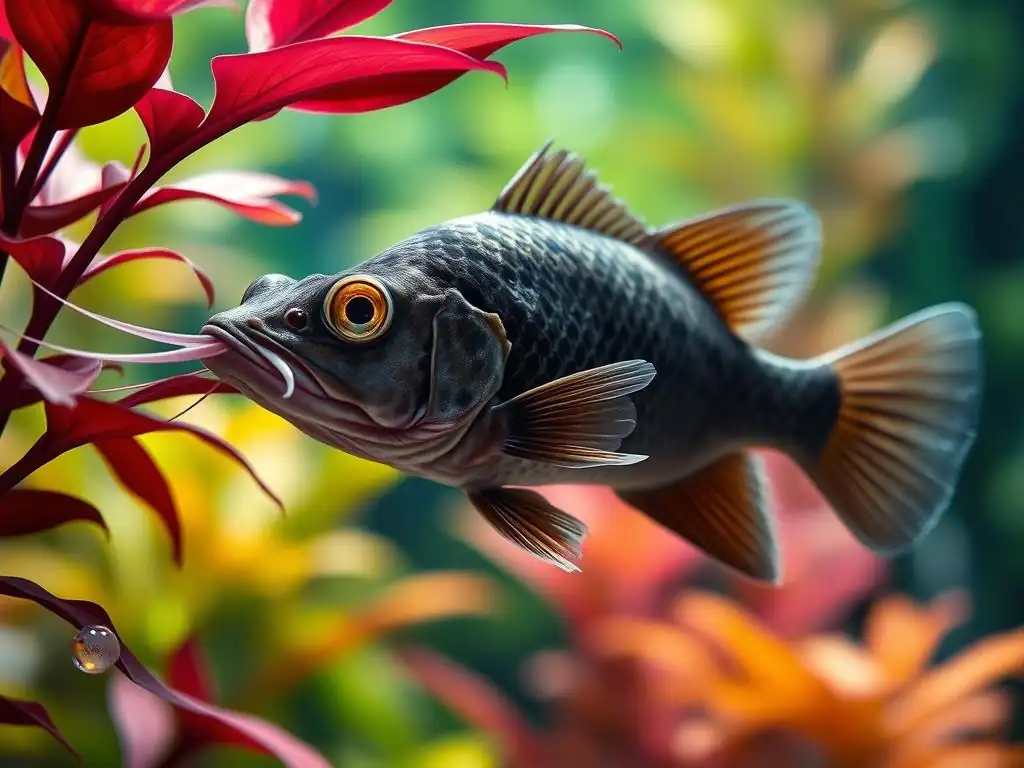
Creating an ideal, low-stress environment is crucial for encouraging your Bristlenose catfish to breed. This involves ensuring the breeding tank is peaceful and free from aggressive tank mates that might harass the breeding pair or consume the eggs/fry. Dim lighting can also help simulate their natural, often dimly lit, cave environments and reduce stress. Stability in all environmental factors – water parameters, temperature, and tank inhabitants – is key to making the fish feel secure enough to reproduce.
One of the most effective Bristlenose catfish breeding tips for triggering spawning is to simulate seasonal changes. This can be achieved by performing a large water change (e.g., 50%) with water that is 2-4°F (1-2°C) cooler than the tank temperature, after a period of consistent, slightly warmer temperatures. This mimics the influx of cooler, fresh water from rainfall, which often signals the start of the breeding season in their natural habitats. Combining this with a slight increase in feeding can significantly boost breeding readiness.
Providing Suitable Caves and Hiding Places for Spawning
Providing appropriate breeding caves is non-negotiable for successful Bristlenose spawning. Male Bristlenose plecos are cave spawners and will select a dark, enclosed space to entice the female and guard the eggs. Ideal caves are typically ceramic, slate, or PVC pipes, roughly 4-6 inches (10-15 cm) long, with an opening just large enough for the male to comfortably enter and turn around. The diameter should be about 1.5-2 inches (4-5 cm).
It is advisable to offer several different types and sizes of caves if space allows, as individual males may have preferences. Place these caves in quiet, undisturbed areas of the tank. The male will meticulously clean the inside of his chosen cave before attempting to lure a female. The presence of suitable, secure caves is one of the most critical Bristlenose catfish breeding tips, as without them, spawning is highly unlikely to occur.
Diet and Nutrition to Promote Breeding Readiness in Ancistrus
A high-quality, varied diet is fundamental for promoting breeding readiness and ensuring the health of your Ancistrus breeding stock. While Bristlenose catfish are primarily herbivorous, a balanced diet that includes both plant-based foods and occasional protein sources is best. Offer sinking algae wafers, spirulina pellets, and blanched fresh vegetables such as zucchini, cucumber, or green beans daily. These provide essential fiber and nutrients.
Supplementing their diet with protein-rich foods a few times a week can significantly boost their conditioning for spawning. Live or frozen bloodworms, brine shrimp, or daphnia are excellent choices, offered in small amounts. Ensure they are getting enough food without overfeeding, which can lead to water quality issues. A well-fed, healthy pair is far more likely to spawn successfully and produce robust fry, making diet a key component of Bristlenose catfish breeding tips.
The Bristlenose Catfish Breeding Process: From Mating to Hatching
Courtship and Mating Behaviors of Bristlenose Plecos
The courtship and mating behaviors of Bristlenose plecos are fascinating to observe. Once a male has selected and thoroughly cleaned a breeding cave, he will begin to entice a female. This typically involves the male positioning himself at the entrance of the cave, fanning his fins, and performing a "shaking" or "waving" motion to attract her attention. He may also try to nudge or block the female, guiding her towards his chosen spawning site.
If the female is receptive and gravid with eggs, she will eventually enter the cave. Inside, she will deposit a cluster of sticky, amber-colored eggs, usually adhering them to the roof or sides of the cave. A single clutch can contain anywhere from 20 to over 100 eggs, depending on the size, age, and health of the female. Immediately after the female lays the eggs, the male will enter the cave and fertilize them. The female typically leaves the cave shortly after egg deposition, leaving the male to guard the brood.
Identifying Eggs and Caring for the Brood
Bristlenose catfish eggs are distinctive: they are typically round, about 2-3 mm in diameter, and range in color from a vibrant orange to a yellowish-orange. They are laid in a compact, sticky cluster, usually attached firmly to the inside surface of the breeding cave. Once the eggs are laid and fertilized, the male Bristlenose assumes full responsibility for their care. He will diligently guard the cave, rarely leaving it, and constantly fan the eggs with his fins.
This fanning action is vital as it provides essential oxygen to the developing embryos and helps to prevent the growth of fungus on the egg surfaces. The male will also meticulously clean any debris or unfertilized eggs from the clutch. It is crucial not to disturb the male during this period, as stress can cause him to abandon or even consume the eggs. The eggs typically hatch in 4-7 days, depending on the water temperature, with warmer temperatures leading to faster development.
The Male Bristlenose's Role: Protecting the Eggs
The male Bristlenose catfish plays an absolutely critical and dedicated role in protecting the eggs and newly hatched fry. Immediately after fertilization, he will position himself over the egg cluster within the breeding cave, becoming fiercely territorial. He will aggressively defend the cave against any perceived threats, including other fish or even the female parent. This protective instinct ensures the safety of the developing brood.
His primary responsibilities include continuously fanning the eggs to ensure proper oxygenation and prevent fungal growth. He also meticulously cleans the eggs, removing any infertile or fungused eggs to prevent the spread of infection to the healthy ones. The male will remain vigilant in the cave until the fry have absorbed their yolk sacs and become free-swimming, typically 3-5 days post-hatching. This unwavering dedication from the male is a cornerstone of successful Bristlenose catfish breeding tips.
Raising Bristlenose Catfish Fry: A Step-by-Step Guide
Hatching and Initial Care of Bristlenose Fry
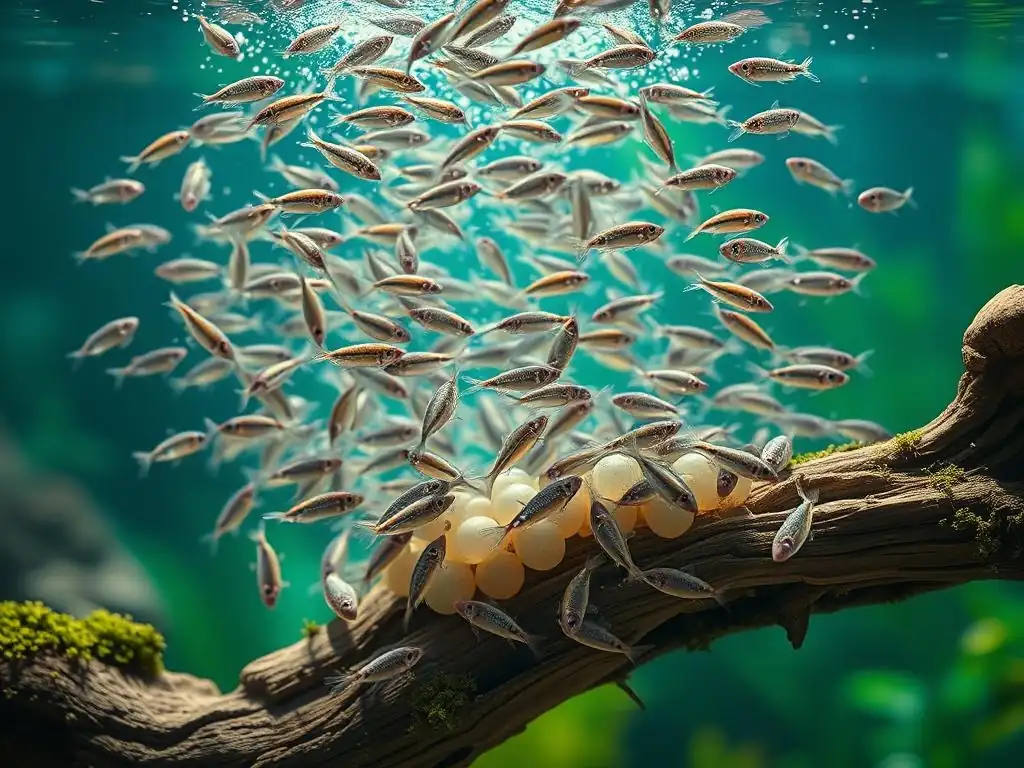
Bristlenose catfish fry typically hatch within 4-7 days of egg deposition, depending on the water temperature. Upon hatching, the fry are very small, usually around 5-7 mm long, and have a prominent yolk sac attached to their underside. This yolk sac provides their initial source of nourishment, sustaining them for the first 2-4 days. During this period, the fry remain inside the breeding cave, still under the watchful eye and protection of the male parent.
Once the yolk sac is fully absorbed, the fry become free-swimming and will begin to venture out of the cave in search of food. This is the critical stage where they become vulnerable and require immediate access to appropriate food sources. Many breeders choose to move the male and fry to a separate grow-out tank at this point to ensure the fry have ample food and are not subjected to predation or competition from other tank inhabitants.
Feeding Baby Bristlenose Catfish: First Foods and Growth
Feeding baby Bristlenose catfish appropriately is crucial for their survival and rapid growth. Their primary diet consists of biofilm and microalgae, so ensuring the grow-out tank has established surfaces (like driftwood or smooth rocks) for them to graze on is beneficial. However, this is usually not sufficient to support a large clutch of fry. Supplementation with finely crushed algae wafers, spirulina powder, and blanched soft vegetables like zucchini or cucumber is essential.
Offer these foods multiple times a day (3-5 times) in small amounts to ensure constant availability, as fry are constant grazers. Ensure the food is finely powdered or soft enough for their tiny mouths. Consistent feeding, coupled with excellent water quality, can lead to rapid growth, with fry often reaching 1 inch (2.5 cm) within the first month and 2 inches (5 cm) by two months, making them ready for sale or transfer to larger tanks.
Maintaining Water Quality for Healthy Fry Development
Maintaining pristine water quality is arguably the most critical factor for the healthy development and survival of Bristlenose fry. Due to their high metabolic rate and constant feeding, fry tanks can quickly accumulate waste. Daily small water changes are highly recommended – typically 10-15% per day – using dechlorinated water that matches the tank's temperature and parameters. This helps to keep ammonia, nitrite, and nitrate levels at undetectable or very low concentrations (nitrates below 10-20 ppm).
Gentle filtration, such as a sponge filter, is imperative as strong currents can stress or injure the tiny fry, and powerful filter intakes can suck them up. Regularly clean the sponge filter and vacuum the tank bottom gently to remove any uneaten food and waste. Consistent monitoring of water parameters with a reliable test kit is a non-negotiable Bristlenose catfish breeding tip to prevent common fry ailments and ensure robust growth.
Troubleshooting Common Bristlenose Breeding Problems
Addressing Unsuccessful Spawning Attempts
If your Bristlenose catfish are not spawning, despite seemingly ideal conditions, several factors might be at play. First, meticulously re-check all water parameters: temperature (is it consistently 76-82°F? ), pH (6.5-7.5), and hardness. Ensure nitrate levels are consistently low (below 20 ppm) through regular water changes. Sometimes, a "rainy season" simulation – a 50% water change with slightly cooler water – can provide the necessary trigger.
Secondly, assess your fish's diet. Are they receiving a high-quality, varied diet with adequate protein supplementation? Underfed fish may not have the energy reserves for breeding. Verify you have a mature, healthy male and female, and that the male has suitable, dark breeding caves. If you have multiple males, ensure they have enough individual space and caves to prevent territorial disputes. Patience is also a virtue; sometimes, it simply takes time for a pair to bond and feel secure enough to breed.
Preventing Egg Fungus and Other Common Issues
Egg fungus is a common issue that can decimate a Bristlenose clutch. It typically appears as a white, fuzzy growth on the eggs. The primary causes are often infertile eggs, poor water quality, or insufficient oxygenation around the eggs. To prevent fungus, ensure optimal water parameters are maintained, especially low nitrates and adequate aeration. The male Bristlenose's diligent fanning is crucial for oxygen delivery and preventing fungus.
If you notice fungused eggs, the male will usually remove them. Do not attempt to remove them yourself unless the male has abandoned the clutch. In rare, severe cases, some breeders might use a very diluted dose of methylene blue (away from the main tank, as it can harm beneficial bacteria), but this is generally a last resort and often unnecessary if the male is performing his duties. Ensuring the female is healthy and well-fed before spawning also helps ensure fertile eggs, reducing the risk of fungus.
Solutions for Raising Healthy and Thriving Bristlenose Fry
Raising Bristlenose fry to a healthy, sellable size presents its own set of challenges, primarily related to feeding and water quality. The most common pitfall is underfeeding or providing inappropriate food, leading to stunted growth or starvation. Solutions include providing constant access to finely powdered algae wafers, spirulina, and blanched vegetables, feeding 3-5 times daily. Ensure the food is small enough for their tiny mouths.
Another major challenge is maintaining pristine water quality in a fry tank. Due to frequent feeding and high bioload, ammonia and nitrite can quickly spike. The solution is aggressive daily water changes (10-15%) with temperature-matched, dechlorinated water. Use only gentle sponge filtration. Be vigilant for signs of disease, such as lethargy, clamped fins, or white spots. Isolate affected fry immediately and treat in a separate container to prevent spread. Addressing these points is key to Bristlenose catfish breeding tips for fry success.
Advanced Bristlenose Breeding Techniques for Prolific Spawning
Selective Breeding for Desirable Traits
For experienced Bristlenose breeders, selective breeding offers an opportunity to develop and enhance specific desirable traits within their lines. This technique involves carefully choosing parent fish that exhibit the characteristics you wish to propagate, such as unique color morphs (e.g., "Super Red," "Albino," "Starlight"), finnage (e.g., "Longfin"), or even robust growth rates. The process requires meticulous record-keeping of lineage to track genetic traits and avoid excessive inbreeding.
To effectively selectively breed, you might isolate specific pairs in dedicated breeding tanks and observe their offspring. Fry that do not express the desired trait might be sold as "culls" or separated from the breeding program. This long-term commitment can take several generations to stabilize a particular trait, but it allows breeders to produce highly sought-after and valuable Bristlenose varieties, significantly impacting the market for specific Bristlenose catfish breeding tips.
Optimizing Tank Conditions for Maximum Productivity
Optimizing tank conditions beyond the basic requirements can significantly increase the frequency and size of Bristlenose spawns, leading to maximum productivity. Maintaining a stable water temperature towards the higher end of their breeding range (e.g., 78-80°F or 25.5-26.5°C) can encourage more consistent spawning cycles. Providing an abundance of high-quality, varied food continuously ensures the breeding adults are always in peak condition for reproduction.
For breeders aiming for high volume, setting up multiple dedicated breeding tanks with one male and one or two females per tank can be highly effective. This reduces competition and stress, allowing individual pairs to spawn more frequently. Some advanced setups use automated water change systems or drip systems to maintain pristine water quality with minimal effort, further contributing to consistent spawning. Such strategic approaches are vital advanced Bristlenose catfish breeding tips.
Maintaining Genetic Diversity in Your Bristlenose Breeding Program
While selective breeding focuses on specific traits, maintaining genetic diversity is crucial for the long-term health and vigor of your Bristlenose breeding program. Continuous inbreeding (breeding closely related individuals like siblings or parent-offspring) can lead to a reduction in genetic diversity, resulting in weakened immune systems, increased susceptibility to disease, reduced fertility, and physical deformities over successive generations.
To prevent inbreeding depression, it is essential to periodically introduce new, unrelated bloodlines into your breeding stock. This can be done by acquiring new, healthy fish from different reputable breeders every few generations (e.g., every 3-5 generations). Meticulous record-keeping of your fish's lineage and breeding pairs is paramount to track relationships and ensure you are not inadvertently breeding closely related individuals. Diversifying your breeding stock is a key advanced Bristlenose catfish breeding tip for sustainable success.
Ensuring the Long-Term Health of Your Bristlenose Breeding Stock
Regular Health Checks and Preventative Care
Ensuring the long-term health of your Bristlenose breeding stock is paramount for consistent and successful reproduction. Regular health checks should be a routine part of your aquarium maintenance. Observe your breeding adults daily for any signs of stress, illness, or injury, such as clamped fins, labored breathing, lethargy, loss of appetite, or unusual spots, lesions, or growths on their body. Early detection allows for prompt intervention.
Preventative care is equally important. Always quarantine any new fish, plants, or invertebrates for a minimum of 2-4 weeks in a separate tank before introducing them to your main breeding setup. This prevents the introduction of diseases and parasites. Maintaining consistently excellent water quality through regular water changes and proper filtration is the single most effective preventative measure against most common fish ailments, reducing stress and boosting the fish's natural immunity.
Maintaining a Balanced Diet for Breeding Adults
A balanced and highly nutritious diet is crucial not only for conditioning Bristlenose catfish for breeding but also for their long-term health and sustained reproductive output. After the rigors of spawning, female Bristlenose require ample nutrition to recover and replenish their energy reserves for future clutches. Males, too, expend significant energy guarding the eggs and may not eat much during that period.
Continue to provide a diverse diet rich in high-quality sinking algae wafers, spirulina-based foods, and blanched fresh vegetables like zucchini, cucumber, or squash. Supplement with occasional protein sources such as frozen bloodworms or brine shrimp, especially for females post-spawn. This comprehensive diet ensures they receive all necessary vitamins, minerals, and macronutrients, promoting robust health, strong immune systems, and readiness for subsequent Bristlenose catfish reproduction cycles.
Preventing Inbreeding and Genetic Issues
Preventing inbreeding and associated genetic issues is a critical component of ensuring the long-term viability and health of your Bristlenose breeding stock. As fish reproduce quickly, it's easy for closely related individuals to be bred together, leading to a reduction in genetic diversity over time. This can manifest as smaller clutches, reduced fertility, slower growth rates, increased susceptibility to disease, and physical deformities in offspring.
To mitigate these risks, it is essential to introduce new, unrelated bloodlines into your breeding program periodically, perhaps every 1-2 years or every 3-5 generations. This introduces fresh genetic material, bolstering the overall genetic health of your fish. Keep meticulous records of your breeding pairs and their offspring to track lineage and avoid breeding siblings or parent-offspring pairs in successive generations. Maintaining a diverse gene pool is a fundamental Bristlenose catfish breeding tip for a healthy and sustainable breeding program.
Frequently Asked Questions About Breeding Bristlenose Catfish (Ancistrus)
Frequently Asked Questions
How do I encourage my Bristlenose catfish to breed?
Creating optimal conditions is key. Ensure stable water parameters, provide suitable caves for spawning, and offer a varied diet rich in vegetables.
What is the ideal water temperature for Bristlenose catfish breeding?
The ideal temperature range is generally between 78-82°F (25-28°C). Maintaining a stable temperature within this range is crucial for successful spawning.
How can I tell if my female Bristlenose catfish is ready to breed?
A female ready to breed will appear plumper in the abdominal area. She'll also spend more time inspecting caves and interacting with the male.
What do Bristlenose catfish eggs look like?
They are typically orange or reddish in color and are laid in a clump within the chosen cave. The male will guard and fan the eggs.
How long does it take for Bristlenose catfish eggs to hatch?
Eggs usually hatch within 4-10 days, depending on the water temperature. The male will continue to guard the fry for a short period.
Final Reflection: The Enduring Allure of Aquatic Creation
The journey of breeding Ancistrus, or Bristlenose catfish, is more than just a technical exercise; it's a testament to the enduring human fascination with nurturing life and observing the intricate dance of nature. In a world increasingly dominated by the digital, the tangible act of fostering new life in our own aquariums offers a grounding connection to the natural world, a reminder of the simple beauty and complexity that surrounds us.
This connection extends beyond personal enjoyment. The growing popularity of aquascaping and home aquariums speaks to a deeper desire for tranquility and connection with nature within our living spaces. The ability to successfully breed Bristlenose catfish, a relatively easy yet rewarding endeavor, empowers hobbyists and contributes to a greater appreciation for aquatic ecosystems. In every walk with nature, one receives far more than he seeks.
- John Muir. This quote perfectly encapsulates the unexpected joys and lessons learned from the seemingly simple act of breeding these fascinating creatures.
So, as you embark on, or continue, your journey into the world of Bristlenose catfish breeding, remember that you're not just raising fish; you're participating in a timeless cycle of life. Take a moment to appreciate the dedication, patience, and observation required, and allow the experience to deepen your understanding and respect for the delicate balance of our planet. Let the vibrant energy of your thriving aquarium inspire you to cultivate growth and nurture life in all aspects of your own world.
Ignite Your Aquarium: Unlock Bristlenose Breeding Success!
Thank you for diving into the world of Bristlenose breeding! We hope you’ve gained valuable insights to help you succeed. Now it's time to put that knowledge into action and witness the fascinating process firsthand.
Here are some actionable steps to get you started:
- Create the Perfect Cave: Immediately craft or purchase a dedicated breeding cave that mimics the natural spawning conditions Bristlenose plecos prefer. Remember, dimensions matter!
- Observe, Then Share: Diligently monitor your Ancistrus for spawning behavior. Once you've witnessed a successful spawn, share your experience and photos with the Aquarium Mastery community – inspire others!
- Think Outside the Tank: Research innovative feeding strategies to maximize fry survival rates. Have you considered supplementing their diet with homemade vegetable pastes?
Ready to transform your aquarium into a Bristlenose breeding paradise? What’s one small adjustment you’ll make today to optimize your tank for spawning?