
Quarantine Protocol for New African Cichlids: Protecting Your Main Tank

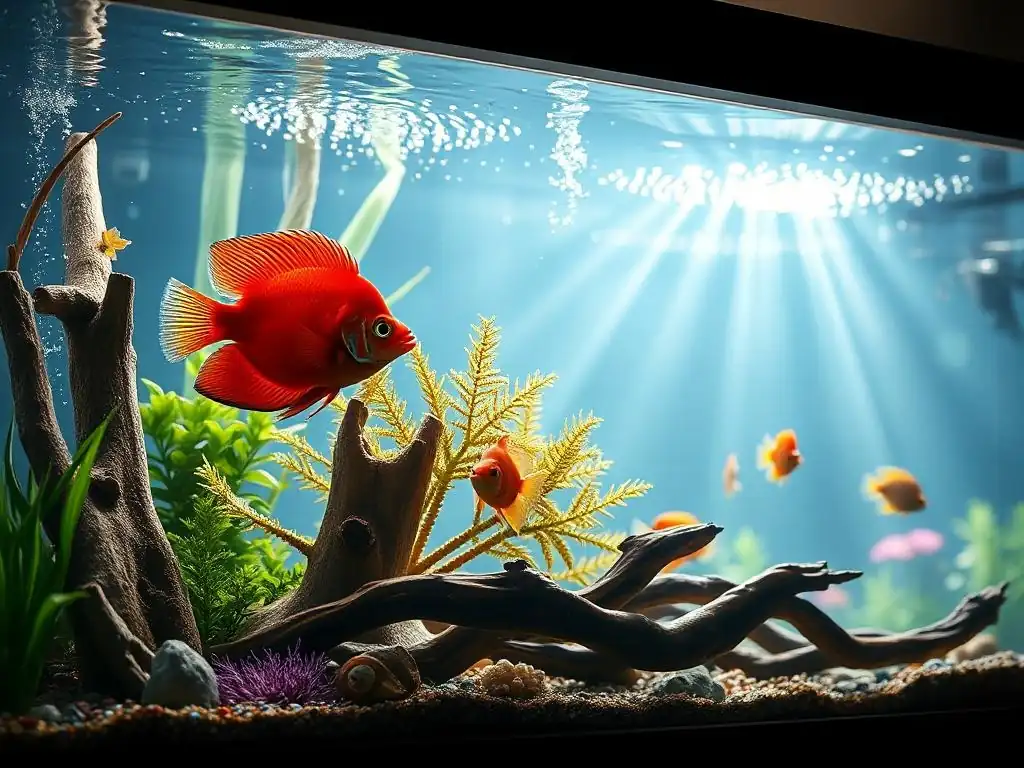
Welcome to Aquarium Mastery!
Thinking of adding vibrant African Cichlids to your freshwater aquarium? Excellent choice! But before you introduce these beauties to your established ecosystem, are you absolutely certain you're protecting your entire tank? Dive into our essential guide on the new cichlid quarantine protocol and discover the secrets to ensuring a healthy and harmonious aquarium. Don't risk a devastating outbreak – keep reading to learn how!
- Why Quarantine is Crucial for New African Cichlids
- Setting Up Your Cichlid Quarantine Tank: A Step-by-Step Guide
- The Cichlid Quarantine Process: A Detailed Protocol
- Recognizing Common Cichlid Diseases During Quarantine
- Transferring Your Quarantined Cichlids to the Main Tank
- Troubleshooting Common Quarantine Issues
- Advanced Cichlid Quarantine Techniques
-
Frequently Asked Questions
- What is the primary reason for quarantining new African cichlids?
- How long should I quarantine new African cichlids?
- What type of tank setup is best for quarantining cichlids?
- What are some common signs of illness to watch for during quarantine?
- What should I do if I observe signs of illness during quarantine?
- Final Reflection: Safeguarding Aquatic Harmony
- Unleash a Thriving Cichlid Paradise!
Why Quarantine is Crucial for New African Cichlids
Preventing Disease Introduction: The Importance of Cichlid Quarantine
Introducing new fish directly into an established aquarium is one of the quickest ways to introduce devastating diseases. Even seemingly healthy African cichlids can carry dormant pathogens, such as Ichthyophthirius multifiliis (Ich), various bacterial infections, or internal parasites, without showing immediate symptoms. These pathogens, once introduced to the main tank, can rapidly spread, potentially wiping out an entire collection of fish that may have cost hundreds or even thousands of dollars to acquire.
A properly executed new cichlid quarantine protocol acts as an essential biological barrier, isolating new arrivals and allowing any latent diseases to manifest and be treated safely. This preventative measure protects your existing fish from exposure to unknown threats and safeguards the delicate ecological balance of your main display tank, preventing widespread outbreaks that are far more challenging and stressful to treat in a large, complex environment.
Avoiding Parasite Infestation in Your Main Aquarium
Beyond common bacterial and viral diseases, new African cichlids can also harbor a variety of external and internal parasites. External parasites like Ich and velvet can quickly reproduce in a main tank, attaching to fish and causing severe irritation, respiratory distress, and secondary infections. Internal parasites, such as gill flukes or intestinal worms, can weaken fish from within, leading to emaciation and organ damage, often going unnoticed until the infestation is severe.
The implementation of a robust new cichlid quarantine protocol provides a controlled environment to observe and treat these parasitic infestations. Treating a small, bare-bottom quarantine tank is significantly easier and more effective than attempting to medicate a large, decorated display tank, which could harm beneficial bacteria, live plants, or sensitive invertebrates if present. This isolation prevents parasites from establishing a foothold and ensures your main aquarium remains a healthy, parasite-free ecosystem.
Reducing Stress and Acclimation Issues in New Cichlids
The process of being caught, shipped, and introduced to a new environment is incredibly stressful for fish. African cichlids, known for their territorial and often aggressive nature, can be particularly susceptible to stress-induced illnesses when moved. Direct introduction to a main tank not only exposes them to potential pathogens from existing fish but also subjects them to immediate social pressure and territorial disputes from established inhabitants.
A dedicated new cichlid quarantine protocol offers a low-stress, stable environment where fish can recover from the rigors of transport and gradually acclimate to new water parameters. This period allows them to regain their strength, develop a healthy appetite, and display any underlying health issues without the added pressure of an aggressive social hierarchy. Minimizing stress during this critical phase significantly improves their chances of long-term survival and successful integration into your main aquarium.
Setting Up Your Cichlid Quarantine Tank: A Step-by-Step Guide
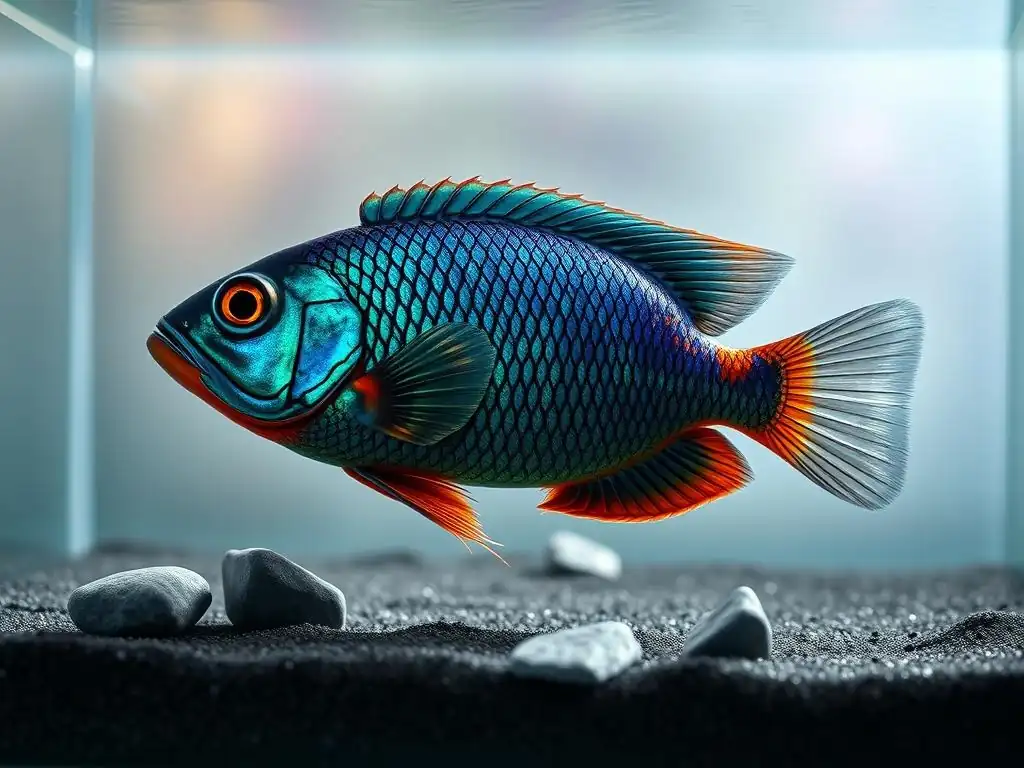
Choosing the Right Size Quarantine Tank for African Cichlids
The size of your quarantine tank should be appropriate for the number and adult size of the African cichlids you plan to quarantine. For a small group of juvenile Mbuna (e.g., 5-7 fish up to 2-3 inches), a 10-gallon (approximately 38 liters) tank can suffice for a brief quarantine period. However, for larger juvenile or sub-adult peacocks, or a group of 3-5 adult Mbuna, a 20-gallon long (approximately 75 liters) or even a 30-gallon (approximately 113 liters) tank is far more suitable.
Larger tanks provide more stable water parameters, better dilution of waste products, and crucial space to mitigate aggression among new arrivals, which is common even in a temporary setting. Adequate space reduces stress, which is paramount for successful disease prevention and treatment during the new cichlid quarantine protocol. Overcrowding in a quarantine tank can lead to rapid water quality deterioration and increased stress, counteracting the purpose of the setup.
Essential Equipment for a Cichlid Quarantine Setup
Heater and Thermometer for Stable Water Temperatures
African cichlids thrive in warm, stable water temperatures, typically ranging from 76-82°F (24-28°C). A reliable aquarium heater equipped with a thermostat is indispensable for maintaining this consistent temperature in the quarantine tank. Fluctuations in temperature can severely stress fish, making them more susceptible to disease and hindering their recovery.
Accurate temperature monitoring is equally important. A submersible thermometer, whether digital or traditional glass, should be placed in the quarantine tank to verify the heater's performance. Regularly checking the temperature ensures that the environment remains optimal for the fish and, crucially, for the effectiveness of certain medications which can be temperature-sensitive.
Filtration System: Sponge Filter vs. Hang-On-Back Filter
For a quarantine tank, simplicity and effectiveness are key for filtration. A sponge filter is often the preferred choice. It provides excellent biological filtration by housing beneficial bacteria, offers gentle water flow, and is easy to clean without disrupting the biological media. A significant advantage is that a sponge filter can be easily seeded with beneficial bacteria by placing it in an established tank for a few weeks prior to quarantine, ensuring a quick cycle.
Alternatively, a small hang-on-back (HOB) filter can be used, particularly for larger quarantine tanks. HOB filters offer good mechanical filtration for removing particulate matter and can also be seeded with established media. Regardless of the choice, ensure the filter is fully cycled before introducing fish to process ammonia and nitrite, critical for maintaining safe water quality throughout the new cichlid quarantine protocol.
Lighting Considerations for a Quarantine Tank
Lighting in a quarantine tank should be minimal and primarily for observation purposes. A simple, low-wattage LED or fluorescent fixture that provides enough light for you to clearly observe the fish for signs of illness or stress is sufficient. Avoid bright, intense lighting, as this can be overwhelming and stressful for fish that are already undergoing the stress of relocation and potential treatment.
Often, ambient room light is adequate for a quarantine setup. The goal is to create a calm, subdued environment that encourages the fish to feel secure and reduces any external stressors. Excessive light can also promote algae growth, which, while not directly harmful, can make observation more challenging.
Water Parameters for Cichlid Quarantine: Maintaining Optimal Conditions
Matching Water Chemistry to Your Main Tank
African cichlids, particularly those from the Rift Lakes (Malawi, Tanganyika, Victoria), require specific water chemistry parameters to thrive. They prefer hard, alkaline water with a pH typically ranging from 7.8 to 8.6. For example, Lake Malawi cichlids generally do best in water with a pH of 8.0-8.4, a General Hardness (GH) of 10-20 dGH (179-358 ppm), and a Carbonate Hardness (KH) of 10-20 dKH (179-358 ppm).
When setting up your quarantine tank, it is crucial to match these parameters as closely as possible to your main display tank. Sudden shifts in pH, hardness, or temperature can be highly stressful to fish, weakening their immune systems. Regularly test ammonia, nitrite, nitrate, pH, GH, and KH levels in the quarantine tank to ensure stability and optimal conditions throughout the new cichlid quarantine protocol.
The Importance of Regular Water Changes During Quarantine
Regular water changes are paramount for maintaining excellent water quality in a quarantine tank, especially since it's often smaller and may not have a fully mature biological filter. Small, frequent water changes, such as 25-30% every 2-3 days, are highly recommended. This practice helps to dilute accumulated nitrates, replenish essential minerals, and remove any uneaten food or waste that could otherwise degrade water quality.
Furthermore, if you are administering medications, water changes are crucial for removing residual medication and preventing its buildup, which can be harmful. Always ensure that the replacement water is declorinated and temperature-matched to prevent shock. Consistent water changes are a cornerstone of a successful new cichlid quarantine protocol, promoting fish health and recovery.
The Cichlid Quarantine Process: A Detailed Protocol
Initial Observation Period: Monitoring for Signs of Illness
Upon introducing new African cichlids to the quarantine tank, commence an initial observation period of at least 2-4 weeks. Some experienced aquarists advocate for a longer duration, such as 6-8 weeks, to ensure any slow-developing pathogens have ample time to manifest. During this time, resist the urge to introduce any medications unless clear symptoms of illness are observed.
Daily, and ideally multiple times a day, carefully observe each fish for any changes in behavior or physical appearance. Look for lethargy, clamped fins, flashing (rubbing against objects), rapid breathing, unusual spots or growths, bloated appearance, frayed fins, or changes in coloration. Pay close attention to their feeding habits and interactions with other fish. Maintaining a consistent, quiet environment helps reduce stress and allows for accurate observation throughout the new cichlid quarantine protocol.
Medication and Treatment Strategies for Common Cichlid Diseases
Administering medications in the quarantine tank should be a targeted approach, only used when specific symptoms are identified. Always follow the medication manufacturer's instructions precisely regarding dosage, duration, and water change requirements.
Treating Ich (White Spot Disease) in Quarantine
Ich is one of the most common and recognizable parasitic infections. Symptoms include small, white, salt-like spots on the body and fins, often accompanied by flashing, scratching, and rapid gill movement. To treat Ich in quarantine, a common approach involves gradually increasing the water temperature to 82-84°F (28-29°C) over 24 hours, provided the fish can tolerate it, as higher temperatures accelerate the parasite's life cycle.
Concurrently, use an Ich-specific medication containing active ingredients like malachite green, formalin, or a combination product. Ensure good aeration, as some medications reduce oxygen levels. Continue treatment for at least 3-5 days after the last visible spot disappears to ensure all stages of the parasite's life cycle are eliminated, a crucial step in the new cichlid quarantine protocol.
Addressing Malawi Bloat and Other Internal Parasites
Malawi Bloat is a serious and often fatal condition specific to African cichlids, primarily Mbuna. Symptoms include a swollen abdomen, loss of appetite, white and stringy feces (a hallmark sign), labored breathing, dark coloration, and overall lethargy. Early detection is critical for successful treatment. For Malawi Bloat and other internal flagellates, Metronidazole (often sold as Flagyl) is the primary treatment. It can be administered via medicated food, which is often more effective, or directly into the water.
For other internal parasitic worms, medications containing Praziquantel may be necessary. Prompt action is vital, as Malawi Bloat progresses rapidly. Maintaining pristine water quality and a proper diet (especially for Mbuna, avoiding excessive protein) can help prevent its occurrence.
Treating Bacterial Infections: Fin Rot and Body Sores
Bacterial infections often manifest as fin rot (frayed, ragged, or disintegrating fins, sometimes with a red or white edge), body sores, ulcers, or cloudy eyes. These are frequently stress-induced or secondary to poor water quality. Treatment involves broad-spectrum antibacterial medications containing ingredients like Furan-2, Maracyn, or combinations.
It is crucial to perform significant water changes before and during treatment to improve water quality, as clean water is fundamental to recovery. Early intervention is key to prevent severe tissue damage and systemic infection. A vigilant new cichlid quarantine protocol allows for timely identification and treatment of these issues before they become life-threatening.
Feeding Your New Cichlids During Quarantine
Providing a Balanced Diet for Optimal Health
During the quarantine period, providing a high-quality, balanced diet is essential for your new African cichlids to build strength and recover from stress. For Mbuna, feed spirulina-based pellets or flakes, as their diet should be predominantly herbivorous to prevent Malawi Bloat. For Peacock cichlids and Haps, offer a varied diet of high-quality cichlid pellets, supplemented with occasional frozen foods like bloodworms or brine shrimp.
Avoid overfeeding, which can quickly foul the small quarantine tank's water and contribute to health issues. Small, frequent feedings (e.g., 2-3 times a day) are generally better than one large meal, allowing you to observe consumption more closely.
Monitoring Food Intake and Adjusting Feeding Schedules
Closely observe whether all fish are actively eating and consuming their food. A loss of appetite is one of the earliest and most reliable indicators of illness in fish. If a fish is not eating, it may be stressed, sick, or simply outcompeted by tank mates.
Adjust the quantity of food based on what is consumed within a few minutes. Any uneaten food should be promptly removed to prevent it from decaying and degrading water quality. Consistent feeding and careful monitoring of consumption are vital components of a successful new cichlid quarantine protocol, helping to assess the fish's overall health and readiness for the main tank.
Gradual Acclimation to Main Tank Water Parameters
Performing Small Water Changes with Main Tank Water
Once the quarantine period is complete and your African cichlids are deemed healthy, a gradual acclimation to the main tank's water parameters is crucial before transfer. Over several days, begin performing small water changes in the quarantine tank using water directly from your main display aquarium.
Start with 10-20% daily water changes. This slow introduction allows the fish to gradually adjust to the specific pH, hardness, and mineral content of the main tank, minimizing the risk of osmotic shock or stress from sudden environmental shifts. This step ensures a smooth transition following the new cichlid quarantine protocol.
Monitoring Cichlid Behavior During Acclimation
Throughout the acclimation process, continue to closely monitor the behavior of your cichlids. Look for any signs of stress, such as clamped fins, rapid breathing, hiding excessively, or noticeable color loss. If any of these symptoms appear, slow down the acclimation process by reducing the volume of main tank water added during changes.
Ensure that the fish continue to eat normally and appear active and alert. Only proceed with the final transfer to the main tank once they have fully acclimated to the main tank's water parameters and show no signs of stress or illness.
Recognizing Common Cichlid Diseases During Quarantine
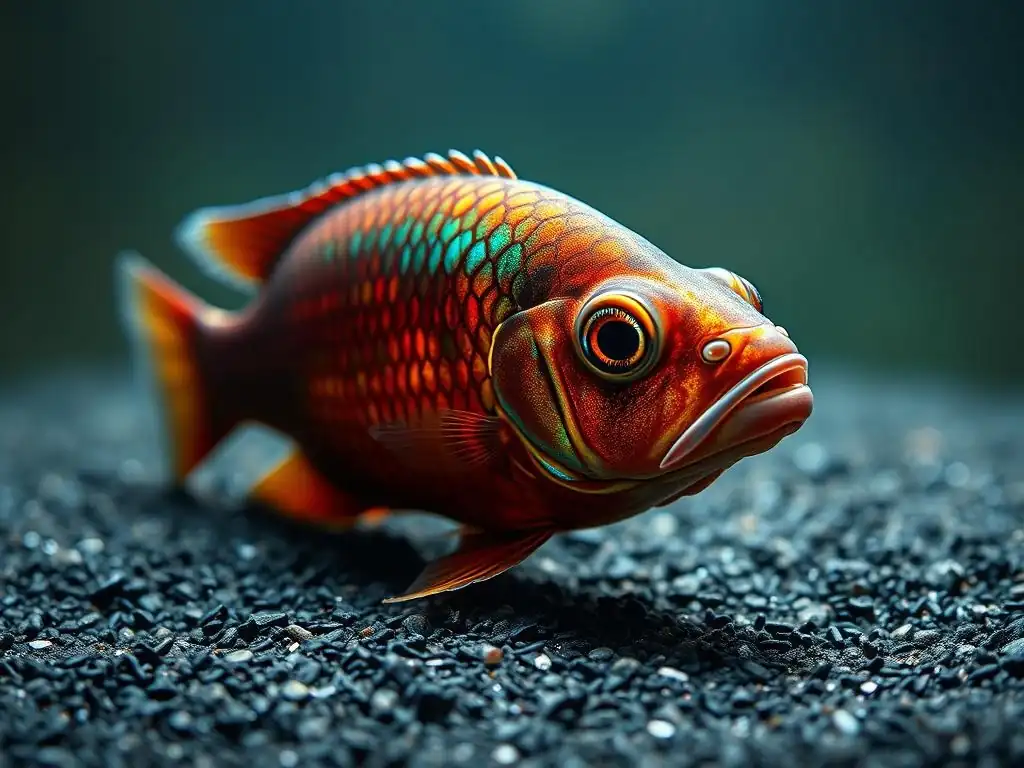
Identifying Ich (White Spot Disease) Symptoms
Ich is a highly common and contagious parasitic infection, identifiable by distinct physical symptoms. The most obvious sign is the appearance of small, white spots on the fish's body and fins, resembling grains of salt. These spots are visible cysts of the Ich parasite. The infection often begins on the fins and gills before spreading across the entire body.
Affected fish may also exhibit behavioral changes, such as "flashing" (rubbing their bodies against tank decorations or substrate) due to irritation. Rapid gill movement or gasping at the surface can indicate gill infestation, which impairs oxygen uptake. Early identification during the new cichlid quarantine protocol is crucial for effective treatment and preventing spread.
Recognizing Malawi Bloat: Early Detection is Key
Malawi Bloat is a severe and often fatal disease primarily affecting African Rift Lake cichlids, particularly Mbuna. It is often linked to improper diet (too much protein or fat) or poor water quality. Early detection significantly improves the chances of survival. Key symptoms include a noticeably swollen or bloated abdomen, loss of appetite (anorexia), and the presence of white, stringy feces, which is a classic indicator.
Other signs can include labored breathing, lethargy, darkening of the fish's coloration, and general disinterest in their surroundings. This disease progresses rapidly, so recognizing these symptoms swiftly in your new cichlid quarantine protocol allows for immediate intervention, which is often the only hope for recovery.
Spotting Fin Rot and Other Bacterial Infections
Bacterial infections are common in stressed or immunocompromised fish and can manifest in various ways. Fin rot is characterized by the fraying, ragged appearance, or disintegration of fins, often with a white or reddish edge. If left untreated, it can progress to the body, leading to open sores or ulcers.
Other bacterial issues include cloudy eyes, where the eyes appear hazy or opaque, and red streaks or inflamed areas on the body. These infections are frequently secondary to poor water quality or physical injury. Vigilant observation during the new cichlid quarantine protocol allows for prompt identification and treatment with appropriate antibacterial medications, preventing more severe systemic issues.
Identifying Parasitic Infections: Gill Flukes and Worms
Beyond Ich, African cichlids can suffer from other parasitic infections. Gill flukes are microscopic external parasites that attach to the gills. Signs include rapid gill movement, gasping at the surface, rubbing gills against objects, pale gills, and general lethargy. These parasites are difficult to see with the naked eye but can cause significant respiratory distress.
Internal worms, while less common than Malawi Bloat in cichlids, can cause symptoms such as emaciation despite a good appetite, stringy feces (though not typically white like bloat-related feces), or a slightly swollen belly. A comprehensive new cichlid quarantine protocol that includes observation for these subtle signs can help intercept these parasites before they affect your entire collection.
Transferring Your Quarantined Cichlids to the Main Tank
Ensuring a Stress-Free Introduction
After a successful new cichlid quarantine protocol, the final step is to introduce your healthy cichlids to the main display tank. To minimize stress and potential aggression from existing tank inhabitants, consider dimming the main tank lights for a few hours before and after the introduction. If possible, slightly rearrange some of the rockwork or decor in the main tank to disrupt existing territories, giving the new fish a chance to establish their own hiding spots.
Have a net ready to gently transfer the fish. Avoid pouring any quarantine tank water into the main tank, even if it's been treated, to prevent introducing any residual pathogens or medications.
Temperature Acclimation: Floating the Bag
Although you've been gradually acclimating the quarantine tank water to the main tank's parameters, a final temperature acclimation step is wise. Carefully net the fish from the quarantine tank into a clean plastic bag with some water from the quarantine tank. Float this bag in your main tank for 15-20 minutes.
This allows the water temperature in the bag to equalize with the main tank's temperature, preventing temperature shock. After this period, net the fish out of the bag and gently release them into the main tank. Discard the bag water.
Monitoring Cichlid Interactions in the Main Tank
Immediately after introducing the new African cichlids, observe their interactions with the existing inhabitants very closely for several hours, and then periodically over the next few days. Look for signs of excessive aggression from established fish towards the new arrivals, such as relentless chasing, nipping, or preventing them from accessing food or hiding spots.
Ensure the new cichlids are finding suitable hiding places and are attempting to feed. Be prepared to intervene if aggression is severe or if a new fish appears overly stressed or injured. This might involve temporarily removing the aggressor to a separate tank for a "time-out" or adding more visual breaks to the main tank.
Post-Quarantine Observation: Continued Vigilance
Even after completing a thorough new cichlid quarantine protocol and successfully introducing your fish, continued vigilance is essential. The stress of being introduced to a new social hierarchy and larger environment can sometimes trigger latent health issues that were not apparent during quarantine.
Maintain excellent water quality in the main tank, provide a high-quality diet, and continue to observe your new African cichlids for any subtle changes in behavior or appearance. While quarantine significantly reduces risks, ongoing observation ensures the long-term health and well-being of your entire cichlid collection.
Troubleshooting Common Quarantine Issues
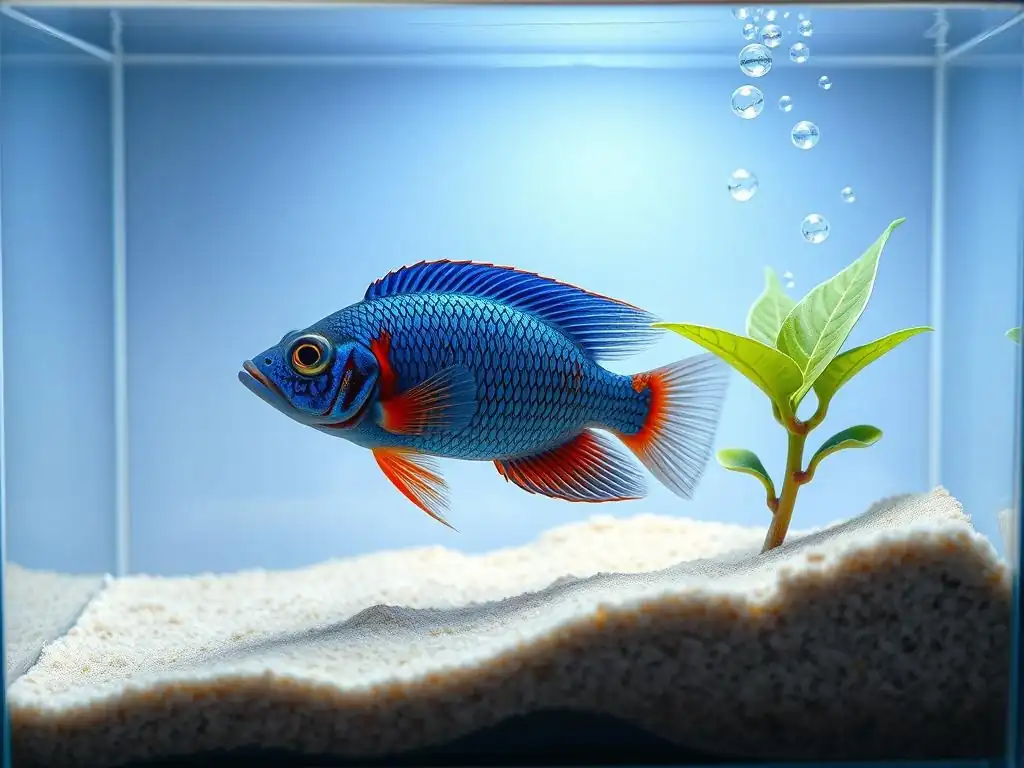
Dealing with Aggression in the Quarantine Tank
African cichlids are naturally aggressive and territorial, even in a temporary quarantine setup. If you observe significant aggression among new arrivals in the quarantine tank, it can be detrimental to their recovery and immune system. To mitigate this, ensure the quarantine tank has ample hiding spots, such as PVC pipes, small clay pots, or smooth rocks, which provide visual breaks and safe havens.
Slightly overstocking the quarantine tank, if its size and filtration allow, can sometimes diffuse aggression by spreading it out among more fish, but this must be balanced with maintaining excellent water quality. If aggression becomes severe and one fish is relentlessly targeted, consider temporarily separating the aggressor or the victim into a smaller container within the quarantine tank, or increasing the number of hiding spots.
Addressing Poor Water Quality in the Quarantine Tank
Poor water quality is a common issue in quarantine tanks, especially smaller ones or those with uncycled filtration. Ammonia and nitrite spikes are highly toxic and can quickly stress or kill fish, negating the purpose of the new cichlid quarantine protocol. If you detect elevated ammonia or nitrite, or rapidly rising nitrates, immediate action is required.
Perform larger and more frequent water changes (e.g., 50% daily or every other day) until parameters stabilize. Reduce feeding to minimize waste production. Ensure your filtration is adequate for the bioload and consider adding a beneficial bacteria supplement to aid in cycling. Consistent monitoring with a reliable test kit is crucial to catch these issues early.
What to Do if a Cichlid Shows Signs of Illness After Introduction to the Main Tank
Despite a diligent new cichlid quarantine protocol, sometimes a fish may develop symptoms of illness shortly after being introduced to the main tank. This can be due to residual stress from the transfer or a latent pathogen finally manifesting. If possible, immediately remove the affected fish back to the quarantine tank, which now serves as a hospital tank.
Treat the illness in isolation to prevent any potential spread to your established main tank inhabitants. If multiple fish in the main tank are showing symptoms, it may necessitate treating the entire display tank, but this should be a last resort due to the potential negative impact on the biological filter, plants, or sensitive fish. In such cases, re-evaluate your initial quarantine process to identify any potential gaps.
Advanced Cichlid Quarantine Techniques
Using a Hospital Tank for Severe Illnesses
While a quarantine tank is used for new arrivals, a "hospital tank" is a separate setup specifically for treating sick fish from your main display. Often, your quarantine tank can double as a hospital tank once the new fish have been moved. The primary advantage of a hospital tank is that it allows for precise medication dosages without affecting the delicate biological balance of your main aquarium.
Hospital tanks are typically bare-bottom for easy cleaning and observation, and they often contain minimal decor to prevent medication absorption. This isolated environment prevents contagious diseases from spreading to healthy tank mates and protects your main tank's beneficial bacteria from harsh medications, making it an invaluable tool for any serious aquarist.
Prophylactic Treatments: Are They Necessary? [Discuss pros and cons]
Prophylactic treatments involve medicating new fish in quarantine before any symptoms appear, typically with a broad-spectrum anti-parasitic or antibacterial.
- Pros: This approach aims to eliminate common hidden pathogens like Ich, gill flukes, and certain internal parasites (e.g., with a course of metronidazole or praziquantel) before they can manifest or be introduced to the main tank. It provides a higher degree of certainty that no common external or internal parasites are present. Some hobbyists prefer this for peace of mind, especially with wild-caught or high-value fish.
- Cons: Prophylactic treatments can unnecessarily stress fish, expose them to chemicals they may not need, and potentially weaken their immune systems. Overuse of medications can also contribute to antibiotic resistance in pathogens. Furthermore, it's impossible to treat for every conceivable pathogen, and some medications can be harsh. Many experts advocate for an observation-based new cichlid quarantine protocol, treating only when specific symptoms are identified, to minimize unnecessary chemical exposure.
Salt as a Quarantine Aid: Benefits and Risks
Non-iodized aquarium salt (sodium chloride) can be a useful additive in a new cichlid quarantine protocol, but it's not a standalone cure for most diseases.
- Benefits: Salt can aid in osmoregulation, helping fish recover from stress and injury by reducing the osmotic pressure on their gills. At higher concentrations (e.g., 1-3 tablespoons per 5 gallons, dissolved thoroughly), it can be effective against some external parasites like Ich during their free-swimming stage, and it can help with minor bacterial infections or fin healing. African cichlids, originating from mineral-rich waters, generally tolerate salt well.
- Risks: While beneficial, salt is not a panacea. It is not effective against all pathogens and can be stressful in very high concentrations. It can also inhibit plant growth if live plants are present in the quarantine tank. Always research appropriate dosages and ensure the salt is completely dissolved before adding it to the tank. It should be used as a supportive measure or for specific, salt-sensitive parasites, rather than as a primary medication for identified diseases.
Frequently Asked Questions
What is the primary reason for quarantining new African cichlids?
The primary reason is to prevent the introduction of diseases and parasites into your established aquarium. Quarantine allows you to observe the fish for any signs of illness before they can infect your other cichlids.
How long should I quarantine new African cichlids?
A quarantine period of at least 4-6 weeks is recommended. This provides sufficient time to observe for any latent infections or diseases that may not be immediately apparent.
What type of tank setup is best for quarantining cichlids?
A simple, bare-bottom tank with adequate filtration and aeration is ideal. This allows for easy observation and cleaning, and minimizes the risk of secondary infections.
What are some common signs of illness to watch for during quarantine?
Look for signs such as lethargy, clamped fins, loss of appetite, erratic swimming, or any visible spots or lesions on the body. These are all indicators of potential health problems.
What should I do if I observe signs of illness during quarantine?
Immediately begin treatment based on the suspected illness. Consult with a veterinarian or experienced aquarist to determine the appropriate medication and dosage for your cichlids.
Final Reflection: Safeguarding Aquatic Harmony
The meticulous process of establishing a new cichlid quarantine protocol isn't merely about preventing disease; it's about fostering a thriving aquatic ecosystem within our homes. As we've explored the intricacies of this vital practice, it becomes clear that responsible fishkeeping extends far beyond simply providing food and water. It's a commitment to the well-being of every inhabitant of our tanks, a dedication that resonates even more profoundly in today's interconnected world where the spread of disease can have devastating consequences.
This dedication to responsible care has deeply influenced the aquascaping community. The understanding that a proactive approach to quarantine can prevent widespread loss and suffering is paramount. It's a lesson that transcends the confines of our aquariums and speaks to the importance of preventative measures in all aspects of life. An ounce of prevention is worth a pound of cure,
a sentiment that rings especially true when dealing with the delicate balance of an aquatic environment.
Now, as you consider introducing new African cichlids to your established tank, remember the principles we've discussed. Embrace the new cichlid quarantine protocol not as a burden, but as an act of love and responsibility. Take the time, invest the effort, and ensure the health and happiness of your aquatic family. Your diligence will not only protect your existing fish but also contribute to a more sustainable and compassionate approach to fishkeeping for generations to come.
Unleash a Thriving Cichlid Paradise!
Thanks for diving deep into the world of African Cichlid quarantine! We hope you've gained valuable insights to protect your aquarium's delicate ecosystem. Now it's time to put that knowledge into action and create a vibrant, healthy environment for your fish.
Ready to take the next step?
- Commit to a strict 6-week quarantine for all new African Cichlids. This is the single most important thing you can do to prevent disease outbreaks in your main tank!
- Share this guide with fellow aquarium enthusiasts to help them safeguard their aquatic environments and foster a community of responsible fish keepers.
- Try a "pre-quarantine" dip in a methylene blue solution – a surprisingly effective way to knock out external parasites before the main quarantine even begins!
What specific preventative measures do you find most challenging to implement, and what creative solutions have you discovered?