
Bottom Dwellers & Dwarf Cichlids: Sharing the Substrate Safely

Welcome to Aquarium Mastery!
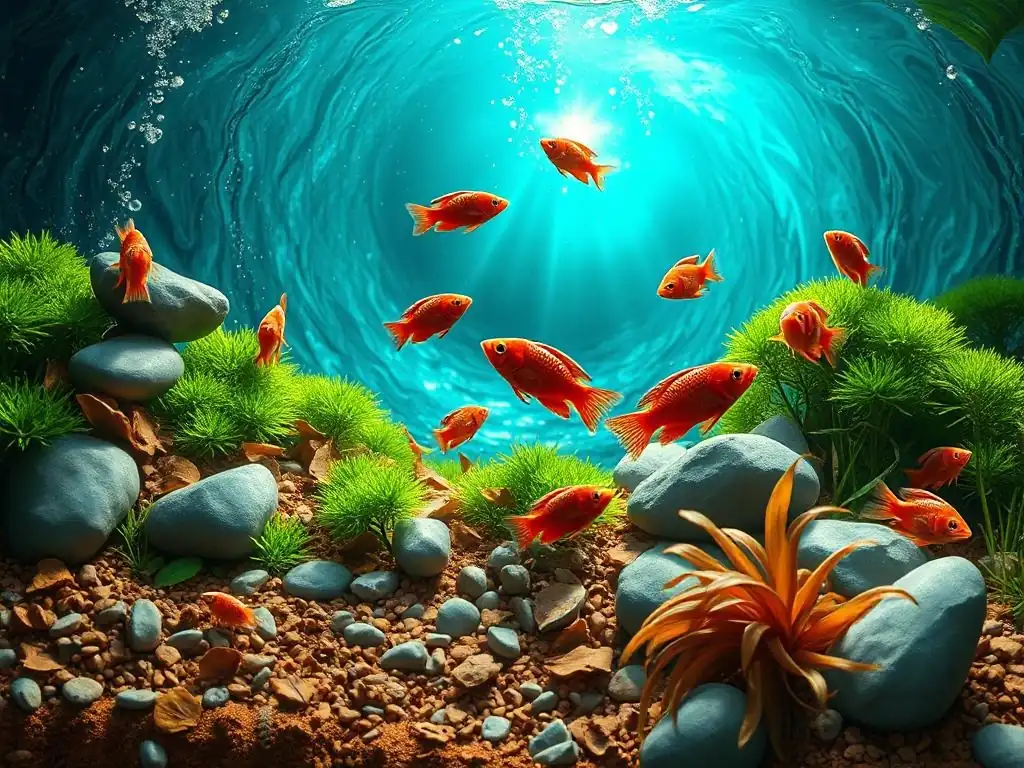
Ever wondered if your delicate Dwarf Cichlids are truly comfortable with the substrate you've chosen? Get ready to dive deep into the fascinating world of Dwarf Cichlid substrate compatibility! We'll explore the ideal conditions for these captivating bottom dwellers, ensuring a thriving and harmonious freshwater aquarium. Curious to know which substrates unlock their vibrant colors and natural behaviors? Let's find out!
- Understanding Dwarf Cichlid Substrate Compatibility
- Popular Bottom Dweller Species for a Dwarf Cichlid Tank
- Setting Up Your Aquarium for Dwarf Cichlids and Bottom Dwellers
- Managing Aggression and Competition in a Shared Tank
- Troubleshooting Common Issues in Dwarf Cichlid and Bottom Dweller Tanks
- Selecting Compatible Dwarf Cichlid Species for Community Tanks
- Ensuring Long-Term Success with Your Community Tank
-
Frequently Asked Questions
- What type of substrate is best for dwarf cichlids?
- Can I keep dwarf cichlids with bottom-dwelling invertebrates like snails or shrimp?
- How does substrate affect water parameters in a dwarf cichlid tank?
- Does substrate color matter for dwarf cichlids?
- How often should I clean the substrate in a dwarf cichlid aquarium?
- Final Reflection: Harmony Beneath the Surface
- Dive Deeper: Cultivate a Thriving Bottom-Dweller Community!
Understanding Dwarf Cichlid Substrate Compatibility
Why Substrate Matters for Dwarf Cichlids and Bottom Dwellers
The substrate in an aquarium is far more than just a decorative element; it's a critical component that profoundly impacts the health and behavior of both dwarf cichlids and various bottom-dwelling fish. For dwarf cichlids, such as Mikrogeophagus ramirezi (Ram cichlids) or Apistogramma species, the substrate serves as their primary foraging ground and, crucially, their chosen spawning site.
Many species are natural diggers, sifting through the substrate for food particles or excavating small pits to lay their eggs. An inappropriate substrate, such as sharp gravel, can not only hinder these natural behaviors but also cause physical injury, leading to stress and susceptibility to disease.
Similarly, bottom dwellers like Corydoras catfish, Kuhli loaches, and various pleco species rely heavily on the substrate for their well-being. Corydoras catfish, for instance, possess delicate barbels that they use to sift through the substrate in search of food. If the substrate is coarse or sharp, these barbels can become damaged, leading to infections and hindering their ability to feed.
Kuhli loaches are burrowing fish that require fine, soft sand to feel secure and exhibit their natural behaviors. The correct substrate ensures these fish can forage, hide, and thrive without constant physical irritation or stress, directly influencing their longevity and overall vitality in a shared environment.
Key Factors Influencing Dwarf Cichlid and Bottom Dweller Compatibility
Achieving optimal dwarf cichlid substrate compatibility with bottom dwellers hinges on several key factors, primarily the physical characteristics of the substrate. The grain size and sharpness are paramount. Substrates with sharp edges or large, jagged pieces can cause abrasions and damage to the delicate fins, scales, and barbels of fish that spend their lives in close contact with the tank bottom. Fine, smooth sand, typically with a grain size of 0.5mm to 2mm, is generally preferred as it allows for natural sifting and digging without risk of injury, supporting the natural behaviors of species like Apistogramma and Corydoras.
Beyond physical attributes, the chemical inertness of the substrate is a significant consideration for dwarf cichlid substrate compatibility. Many dwarf cichlids and their ideal bottom-dwelling tank mates thrive in soft, slightly acidic to neutral water conditions (e.g., pH 6.0-7.2, GH 3-8 dGH). Substrates containing calcium carbonate, such as crushed coral or certain types of decorative gravel, can leach minerals into the water, raising pH and hardness.
This shift can be detrimental to species that prefer softer, more acidic water, leading to chronic stress and compromising their immune systems. Therefore, selecting an inert substrate that does not alter water chemistry is crucial for maintaining stable and suitable parameters for the entire community.
Popular Bottom Dweller Species for a Dwarf Cichlid Tank
Corydoras Catfish: Peaceful Tank Mates for Dwarf Cichlids
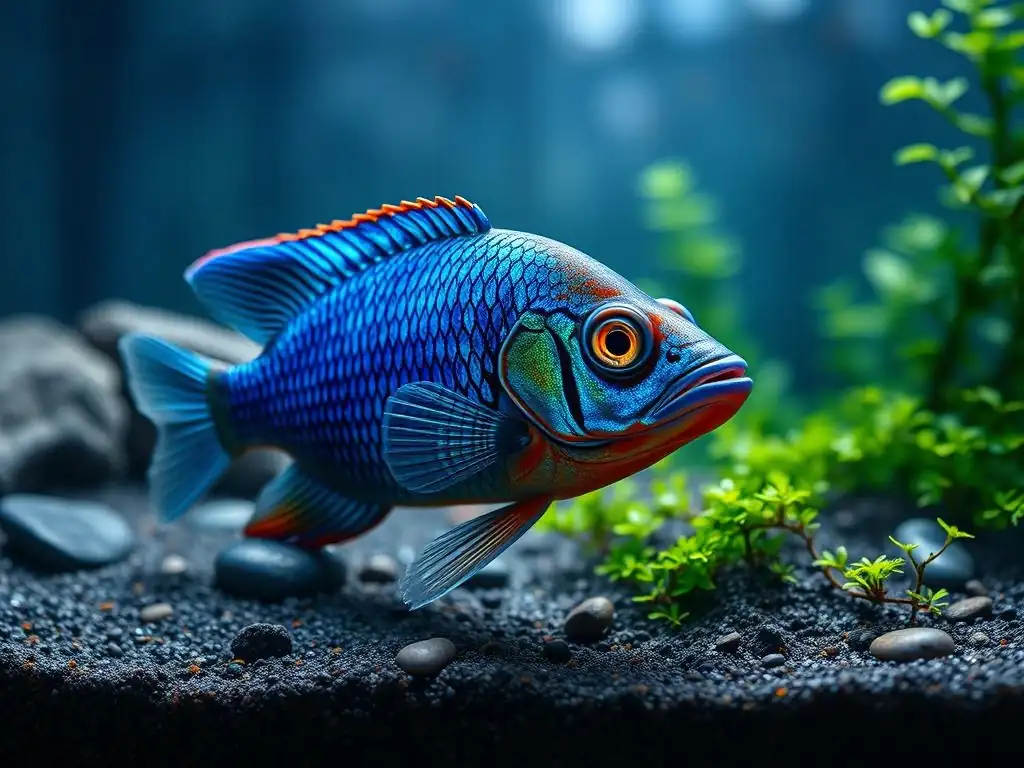
Corydoras catfish are among the most popular and suitable bottom dwellers for a dwarf cichlid community tank due to their peaceful nature and distinct foraging habits. These small, armored catfish are highly social, preferring to live in groups of at least six individuals. They spend their days sifting through the substrate with their sensitive barbels, searching for leftover food particles and detritus.
This behavior not only helps keep the tank clean but also ensures they occupy a different ecological niche than most dwarf cichlids, minimizing competition for food and territory on the substrate. Their maximum size typically ranges from 1.5 to 3 inches, making them well-suited for tanks from 20 gallons upwards.
Their calm demeanor means they rarely, if ever, bother dwarf cichlids, even during spawning periods, making them excellent companions for maintaining dwarf cichlid substrate compatibility. They are generally hardy, thriving in water temperatures between 72-78°F (22-26°C) and a pH range of 6.0-7.5, which aligns well with the preferences of many popular dwarf cichlid species like German Blue Rams or Apistogramma cacatuoides. Providing a fine, soft sand substrate is paramount for Corydoras to protect their delicate barbels and allow them to exhibit natural sifting behaviors, directly supporting their health and well-being.
Choosing the Right Corydoras Species for Your Dwarf Cichlid Tank
When selecting Corydoras species for a dwarf cichlid tank, compatibility in terms of size, temperature, and specific water parameters is crucial. While most Corydoras are adaptable, some species, like the Peppered Cory ( Corydoras paleatus), prefer slightly cooler temperatures (around 70-75°F or 21-24°C) than the warmer conditions favored by many Ram cichlids (78-82°F or 26-28°C).
Conversely, species such as the Panda Cory ( Corydoras panda) or the Julii Cory ( Corydoras julii) generally thrive in temperature ranges that overlap more closely with the typical dwarf cichlid setup, usually between 74-78°F (23-26°C). It’s important to research the specific needs of the Corydoras species to ensure they can comfortably coexist with your chosen dwarf cichlids without undue stress from differing temperature requirements.
Furthermore, consider the adult size of the Corydoras and the overall bioload they will add. While most Corydoras remain relatively small, species like the Emerald Green Cory ( Brochis splendens, often mistaken for Corydoras) can reach up to 4 inches, requiring larger tank footprints and potentially contributing more to waste production.
Regardless of species, Corydoras are schooling fish, and maintaining a group of at least six individuals is essential for their psychological well-being. A larger group reduces stress, encourages natural behaviors, and makes them less prone to shyness, thereby contributing to a more vibrant and harmonious community tank alongside your dwarf cichlids.
Otocinclus Catfish: Algae Eaters and Dwarf Cichlid Companions
Otocinclus catfish, often referred to as "Otos," are small, peaceful, and highly effective algae eaters that make excellent companions for dwarf cichlids. Reaching an adult size of only 1.5 to 2 inches, these diminutive fish primarily graze on soft algae films that accumulate on tank surfaces, plants, and decor. Their feeding habits mean they rarely interact with the substrate directly, thus posing no competition for resources or territory with bottom-dwelling dwarf cichlids or other substrate-focused inhabitants. This distinct feeding niche contributes significantly to maintaining good dwarf cichlid substrate compatibility within the aquarium.
Otocinclus are schooling fish and should be kept in groups of at least six to eight individuals to ensure their comfort and reduce stress. They thrive in well-established aquariums with stable water parameters, preferring temperatures between 72-78°F (22-26°C) and a pH range of 6.0-7.5, which is generally suitable for many dwarf cichlid species.
While they primarily consume algae, it's crucial to supplement their diet with blanched vegetables like zucchini or algae wafers, especially in tanks with minimal algae growth. Their gentle nature and non-intrusive behavior make them a perfect choice for tanks where minimizing competition and maintaining a peaceful environment for all species, including those focused on the substrate, is a priority.
Bristlenose Plecos: Managing Size and Temperament with Dwarf Cichlids
Bristlenose Plecos ( Ancistrus spp.) are popular choices for community tanks due to their effective algae-eating capabilities and relatively small adult size compared to common plecos, typically reaching 4-5 inches. They are generally peaceful but can exhibit territorial behavior, particularly males, especially around prime hiding spots like driftwood or caves. Their preference for scraping algae and biofilm off hard surfaces means they spend less time sifting through the substrate compared to Corydoras, which can aid in dwarf cichlid substrate compatibility. However, they will utilize the substrate for resting or when foraging for sinking foods.
When housing Bristlenose Plecos with dwarf cichlids, providing ample hiding places is crucial to minimize potential conflicts. Each pleco should have at least one dedicated cave or piece of driftwood that serves as its territory.
While they are not typically aggressive, a dominant male Bristlenose might occasionally chase other bottom dwellers if space is limited or if they perceive a threat to their chosen spot. Ensuring a tank size of at least 20-30 gallons for a single Bristlenose, with plenty of aquascaping to break lines of sight and create distinct zones, helps in managing their territorial instincts and promoting a harmonious environment for all inhabitants.
Kuhli Loaches: A Unique and Compatible Bottom Dweller Option
Kuhli Loaches ( Pangio kuhlii) offer a unique and highly compatible bottom-dwelling option for a dwarf cichlid tank due to their shy, nocturnal nature and distinct burrowing habits. These eel-like fish, typically reaching 3-4 inches in length, are non-aggressive and spend much of their day hidden beneath the substrate or within tight crevices in decor. They are excellent scavengers, emerging primarily at night to forage for uneaten food particles on the tank bottom. Their preference for fine, soft sand is paramount, as it allows them to burrow comfortably without damaging their delicate skin.
Keeping Kuhli Loaches in groups of at least six individuals is recommended, as they are more confident and active when in a shoal. Their nocturnal activity and tendency to stay hidden during the day mean they rarely compete with dwarf cichlids for food or space during peak activity hours. This separation of activity periods significantly contributes to dwarf cichlid substrate compatibility, as the loaches are not vying for the same prime foraging or spawning spots. Their peaceful demeanor and fascinating burrowing behavior make them an intriguing and complementary addition to a well-planted, sandy-bottomed community aquarium shared with dwarf cichlids.
Setting Up Your Aquarium for Dwarf Cichlids and Bottom Dwellers
Substrate Selection: Choosing the Best Substrate for Dwarf Cichlids and Bottom Dwellers
Choosing the right substrate is arguably one of the most critical decisions when setting up an aquarium for a community of dwarf cichlids and bottom dwellers, directly impacting dwarf cichlid substrate compatibility. The ideal substrate must prioritize the physical safety of fish with delicate barbels and skin, while also facilitating the natural digging, sifting, and spawning behaviors common to many dwarf cichlids.
A fine, smooth substrate is universally recommended over coarse or sharp materials. This choice prevents abrasions and ensures that bottom dwellers like Corydoras can forage without injury, and dwarf cichlids can excavate breeding pits without encountering sharp obstacles.
Beyond physical texture, the chemical inertness of the substrate is equally important. Many popular dwarf cichlid species, such as Ram cichlids and Apistogramma, originate from soft, acidic waters, and maintaining stable water parameters is crucial for their long-term health. Substrates that leach minerals, like crushed coral or certain types of limestone, can raise pH and hardness, creating an unsuitable environment. Therefore, opting for inert materials that do not alter water chemistry helps maintain the desired soft, slightly acidic conditions, contributing significantly to a stable and healthy environment for all inhabitants.
Sand Substrate Options for Dwarf Cichlids and Bottom Dwellers
Sand is widely considered the superior substrate choice for tanks housing dwarf cichlids and most bottom dwellers, primarily due to its unparalleled dwarf cichlid substrate compatibility. Its fine, smooth grains, typically ranging from 0.5mm to 1.5mm, are ideal for fish with sensitive barbels like Corydoras catfish, allowing them to sift and forage naturally without risk of injury.
For dwarf cichlids, sand provides the perfect medium for digging small pits for spawning and sifting through for micro-organisms, mimicking their natural behaviors in the wild. Common and cost-effective options include pool filter sand, which is typically uniform in grain size and inert, or play sand, which should be thoroughly rinsed to remove impurities.
Specialized aquarium sands, often marketed as "blasting sand" or "cichlid sand" (though "cichlid sand" can sometimes be alkaline, so check carefully), are also excellent choices. While sand can sometimes compact and create anaerobic pockets if left undisturbed, this is rarely an issue in a tank with active bottom dwellers and digging cichlids, as their constant activity helps keep the substrate aerated. Regular light vacuuming of the top layer during water changes will also help prevent detritus buildup, ensuring a clean and healthy substrate for your fish.
Gravel Substrate Considerations for Community Tanks
While gravel is a common aquarium substrate, its suitability for tanks with dwarf cichlids and bottom dwellers is generally limited, especially concerning optimal dwarf cichlid substrate compatibility. Coarse or sharp gravel can be detrimental to fish that spend their lives foraging on the bottom. Fish like Corydoras catfish can easily damage their delicate barbels on rough edges, leading to infections and hindering their ability to feed. Similarly, dwarf cichlids that naturally sift through substrate or dig spawning pits may injure themselves or be unable to perform these vital behaviors if the gravel is too large or abrasive.
If gravel must be used, it should be very fine (e.g., 2-3mm), smooth, and rounded to minimize the risk of injury. However, even fine, smooth gravel cannot fully replicate the benefits of sand for species that rely on sifting or burrowing. For instance, Kuhli loaches cannot effectively burrow in gravel, and Apistogramma species may struggle to properly excavate breeding sites. In general, to ensure the long-term health and natural behavior of your bottom-dwelling community, opting for sand is almost always the more responsible and beneficial choice over gravel.
Planted Tank Substrates and Their Impact on Compatibility
Planted tank substrates, often referred to as "aquasoils" or "nutrient-rich substrates," are specifically designed to provide essential nutrients for aquatic plants. These substrates, such as ADA Aqua Soil or Fluval Stratum, are typically composed of baked clay granules and are highly effective at promoting robust plant growth.
However, their granular, often porous and sometimes sharp texture, can pose challenges for bottom-dwelling fish and dwarf cichlids, impacting dwarf cichlid substrate compatibility. The edges of these granules, while beneficial for plant root attachment, can be abrasive to the delicate barbels of Corydoras or the soft undersides of burrowing fish like Kuhli loaches.
To mitigate this, a common and effective strategy is to cap the nutrient-rich substrate with a layer of fine, inert sand. A 1-2 inch layer of sand over the aquasoil allows plants to access the nutrients below while providing a safe, smooth surface for all bottom-dwelling inhabitants. This approach ensures excellent plant growth without compromising the well-being of your fish. Additionally, some aquasoils can initially leach ammonia or significantly alter water parameters (e.g., lower pH), requiring careful monitoring and frequent water changes during the initial setup phase to stabilize conditions before introducing sensitive fish.
Tank Size and Aquascaping for a Harmonious Environment
The appropriate tank size is fundamental for a thriving community of dwarf cichlids and bottom dwellers. For a small group of dwarf cichlids (e.g., a pair of Rams or a trio of Apistogramma) and a school of Corydoras, a minimum tank size of 20-30 gallons (approximately 75-115 liters) is recommended. However, a 40-gallon breeder or larger (150+ liters) offers significantly more floor space, which is crucial for establishing distinct territories and minimizing aggression, especially important for dwarf cichlid substrate compatibility. The larger footprint allows for greater separation of "zones" within the substrate.
Aquascaping plays a vital role in creating a harmonious environment. Utilizing elements like driftwood, smooth rocks, and dense live plants is essential. Driftwood provides natural hiding spots and surfaces for plecos to graze on. Rocks can be arranged to form caves and visual barriers, offering secure retreats for dwarf cichlids and breaking up line of sight, which reduces territorial disputes. Dense planting, particularly at the mid-ground and background, creates additional hiding places and defines territories, allowing both dwarf cichlids and bottom dwellers to feel secure and exhibit natural behaviors without constant stress from perceived threats.
Water Parameters: Maintaining Optimal Conditions for All Species
Maintaining stable and optimal water parameters is paramount for the health and longevity of a community tank housing dwarf cichlids and bottom dwellers. Most popular dwarf cichlid species, such as Ram cichlids and Apistogramma, originate from soft, acidic to neutral waters. A general target range for these fish is a pH between 6.0 and 7.2, with very soft to moderately soft water hardness (GH 3-8 dGH or 50-150 ppm, and KH 2-6 dKH or 35-100 ppm). Temperatures typically range from 75-80°F (24-27°C). Many compatible bottom dwellers, including Corydoras and Otocinclus, also thrive in similar conditions, making cohabitation feasible.
It is crucial to regularly monitor water parameters using reliable test kits. Ammonia and nitrite levels should always be zero, while nitrates should be kept below 20 ppm through regular water changes. Consistency is key; sudden fluctuations in pH, temperature, or hardness can cause significant stress to fish, weakening their immune systems and making them susceptible to disease. The chosen substrate can influence these parameters; for instance, inert sand will not alter pH or hardness, while calcareous gravel could slowly raise them, making it less suitable for fish that prefer soft, acidic conditions.
Recognizing Signs of Stress in Dwarf Cichlids and Bottom Dwellers
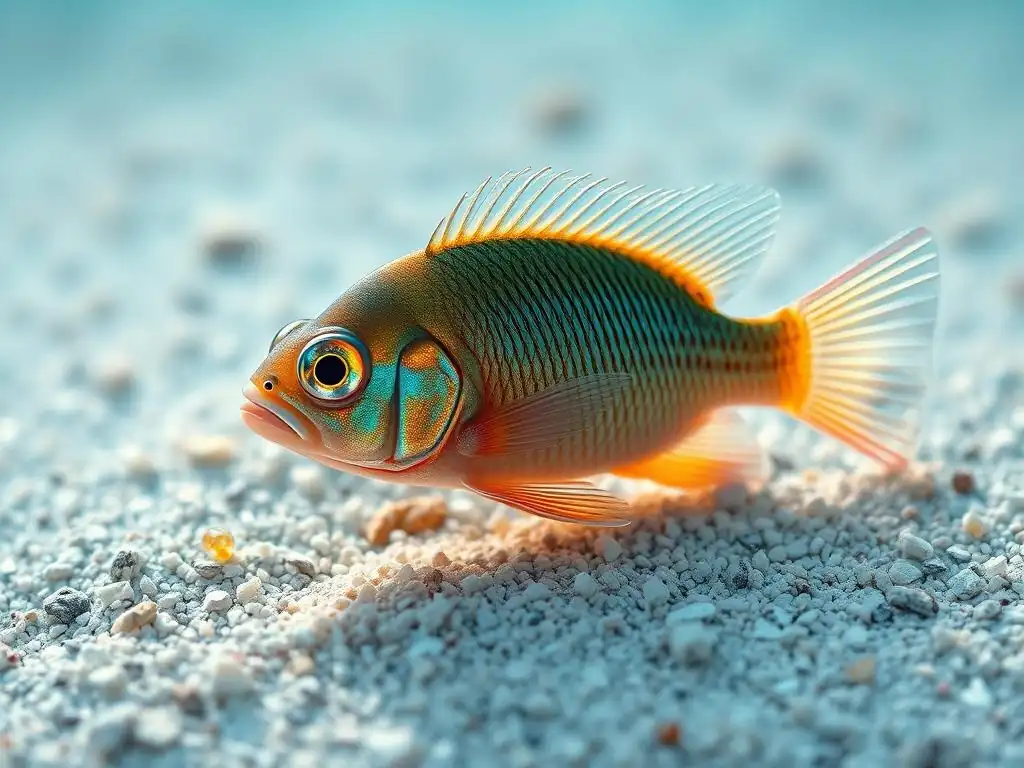
Early recognition of stress is crucial for maintaining a healthy and peaceful community tank. In dwarf cichlids, signs of stress often include clamped fins, faded coloration (especially compared to their usual vibrant hues), rapid or labored breathing, and excessive hiding or, conversely, frantic swimming. They may also refuse food or exhibit unusual aggression towards tank mates, often related to competition for substrate territory. For bottom dwellers, stress can manifest as lethargy, hiding more than usual, loss of appetite, or damaged barbels (particularly in Corydoras).
Observing these behaviors promptly allows for intervention before problems escalate. For instance, if a Corydoras shows damaged barbels, it could indicate an unsuitable substrate or a bacterial infection stemming from constant irritation. If dwarf cichlids are constantly chasing each other or other bottom dwellers, it might point to insufficient hiding spots or an imbalanced male-to-female ratio. Addressing these issues—whether by adjusting the aquascape, modifying stocking, or treating water quality issues—is vital for the well-being of all inhabitants and ensuring continued dwarf cichlid substrate compatibility.
Providing Adequate Hiding Places and Territories
Providing an abundance of varied hiding places and clearly defined territories is fundamental to minimizing aggression and competition in a community tank shared by dwarf cichlids and bottom dwellers. Dwarf cichlids, by nature, are territorial, especially during breeding. Each pair or individual (depending on the species) requires its own secure space, often centered around a cave, a dense plant thicket, or a piece of driftwood. For example, a single pair of Apistogramma might claim a territory of 10-12 inches around their preferred cave.
Bottom dwellers also benefit immensely from ample cover. Kuhli loaches thrive when they have multiple spots to burrow into the sand or hide within crevices. Bristlenose Plecos need driftwood for grazing and as a secure retreat.
By strategically arranging driftwood, rocks, and dense planting, you create visual barriers that break up the line of sight, preventing constant interaction and perceived threats. This allows fish to retreat when stressed, reduces overall aggression, and ensures that even if territorial disputes occur, there are safe zones for all inhabitants to escape to, fostering a more peaceful environment and supporting healthy dwarf cichlid substrate compatibility.
Feeding Strategies to Minimize Competition
Effective feeding strategies are vital to minimize competition for food, particularly when different species occupy similar areas, such as the substrate. For a community tank with dwarf cichlids and bottom dwellers, a diverse diet is key. Dwarf cichlids typically prefer flakes, granules, or small frozen foods like bloodworms and brine shrimp, which they mostly consume from the water column or just above the substrate. Bottom dwellers, however, require food that sinks quickly to the tank floor, such as sinking pellets, wafers, or specialized tablets for Corydoras and plecos.
To ensure all fish receive adequate nutrition and to reduce competition, consider feeding different types of food simultaneously or at slightly staggered times. For instance, you might feed flakes for the dwarf cichlids first, then drop in sinking wafers for the bottom dwellers a few minutes later, ensuring they reach the substrate before being consumed by faster-swimming fish. Distributing food across multiple areas of the tank can also prevent a single dominant fish from monopolizing the food source, allowing shyer or slower eaters, like nocturnal Kuhli loaches, to get their share without undue stress or aggression.
Troubleshooting Common Issues in Dwarf Cichlid and Bottom Dweller Tanks
Fin Nipping and Aggression: Identifying the Cause and Finding Solutions
Fin nipping and general aggression are common issues in community tanks, often stemming from underlying stressors. In a dwarf cichlid and bottom dweller setup, aggression can be caused by several factors: overcrowding, insufficient hiding places, incompatible species, or an imbalanced male-to-female ratio within the dwarf cichlid species (e.g., two male Apistogramma in a small tank). Sometimes, the aggression is territorial, especially from breeding dwarf cichlids, who will defend their spawning site on the substrate fiercely.
Solutions involve first identifying the aggressor and the cause. If overcrowding is suspected, consider rehoming some fish or upgrading to a larger tank. Adding more aquascaping elements like caves, driftwood, and dense plants can create additional territories and visual barriers, reducing direct confrontations over dwarf cichlid substrate compatibility areas. If a specific dwarf cichlid pair is overly aggressive during spawning, temporary separation or ensuring ample space for other fish to retreat may be necessary. For persistent fin nipping, carefully observe which fish are involved and consider if a particular species is simply not a good fit for the community.
Water Quality Problems and Their Impact on Fish Health
Poor water quality is a leading cause of stress, disease, and behavioral issues in aquarium fish, significantly impacting the well-being of both dwarf cichlids and bottom dwellers. High levels of ammonia, nitrite, or nitrate, along with unstable pH or temperature fluctuations, can severely compromise fish immune systems, making them highly susceptible to bacterial infections, parasitic infestations (like Ich), and fungal diseases. Bottom dwellers, constantly in contact with the substrate, are particularly vulnerable to poor water quality as toxins can accumulate in the substrate layer.
Regular and consistent water changes are the primary defense against water quality problems. A typical schedule involves replacing 25-30% of the tank water weekly, or 50% bi-weekly, depending on stocking levels and filtration efficiency. Using a gravel vacuum (or siphoning the top layer of sand carefully) helps remove accumulated detritus from the substrate, preventing the buildup of harmful compounds. Additionally, avoiding overfeeding, ensuring adequate filtration, and performing routine filter maintenance (rinsing media in old tank water) are crucial steps to maintain pristine water conditions and a healthy environment for all inhabitants.
Disease Prevention and Treatment in a Community Tank
Disease prevention is paramount in a community tank housing dwarf cichlids and bottom dwellers, as treating an entire tank can be stressful for fish and potentially harmful to sensitive species. The most effective prevention strategy is a strict quarantine protocol for all new fish, plants, and even decorations. Quarantining new fish in a separate tank for a minimum of 2-4 weeks allows you to observe them for signs of disease and treat them if necessary, preventing the introduction of pathogens into your main display tank.
Beyond quarantine, maintaining excellent water quality and providing a nutritious diet are the best long-term disease prevention methods, as healthy fish are more resilient. If a disease does occur, accurate identification is crucial for effective treatment. Be aware that some medications, particularly those containing copper or strong dyes, can be harmful to scaleless fish like Corydoras catfish and Kuhli loaches. Always research medication compatibility with all species in your tank before administering any treatment. In many cases, increasing water changes and raising the temperature slightly (for Ich) can often help without resorting to harsh chemicals.
Selecting Compatible Dwarf Cichlid Species for Community Tanks
Ram Cichlids (Mikrogeophagus ramirezi): Compatibility and Care
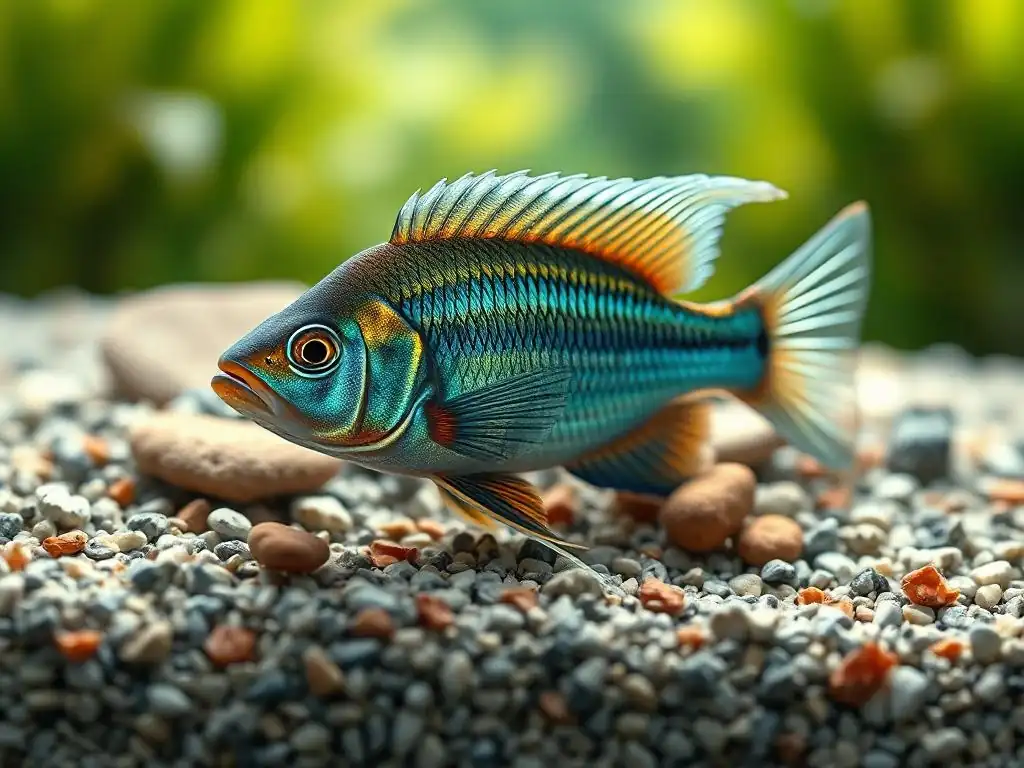
Ram cichlids, including the popular German Blue Rams and Bolivian Rams, are highly sought-after dwarf cichlids due to their stunning coloration and generally peaceful temperament. German Blue Rams ( Mikrogeophagus ramirezi) typically reach 2-3 inches and prefer warmer, softer, and more acidic water (pH 6.0-7.0, GH 3-6 dGH, temperature 78-82°F or 26-28°C). Bolivian Rams ( Mikrogeophagus altispinosus) are slightly larger and more robust, tolerating a wider range of parameters (pH 6.5-7.5, GH 5-10 dGH, temperature 74-78°F or 23-26°C). Both species are excellent choices for a community tank focused on dwarf cichlid substrate compatibility.
They are relatively peaceful but can become territorial during breeding, especially the males. Both species appreciate a fine sand substrate for sifting and creating small spawning pits, which aligns perfectly with the needs of many bottom dwellers. Compatible tank mates include Corydoras catfish, Otocinclus, small peaceful tetras, and rasboras. Providing plenty of hiding spots and visual barriers with driftwood and plants helps to diffuse any minor aggression and ensures a harmonious environment where their natural behaviors, including their interaction with the substrate, can flourish.
Apistogramma Cichlids: Species-Specific Considerations for Tank Mates
Apistogramma cichlids are a diverse genus of dwarf cichlids, with over 100 described species, each possessing unique characteristics regarding size, coloration, and temperament. Most Apistogramma species, such as Apistogramma cacatuoides (Cockatoo Dwarf Cichlid) or Apistogramma agassizii, typically grow to 1.5-3 inches. While generally peaceful for cichlids, males can be territorial, especially towards other males or during breeding. They prefer soft, acidic water (pH 5.0-6.8, GH 1-5 dGH) and temperatures around 75-80°F (24-27°C), depending on the specific species.
Due to the wide variation within the genus, species-specific research is crucial when selecting Apistogramma for a community tank to ensure optimal dwarf cichlid substrate compatibility. Some species are more aggressive than others, and some are more tolerant of harder water.
They are cave spawners and require plenty of small caves (coconut shells, terracotta pots) and a fine sand substrate for foraging and digging. Compatible tank mates include small, peaceful schooling fish that primarily occupy the mid to upper water column, such as Corydoras catfish, Otocinclus, small tetras, and rasboras, which generally do not compete for the same substrate territory.
Kribensis Cichlids (Pelvicachromis pulcher): Temperament and Tank Dynamics
Kribensis cichlids ( Pelvicachromis pulcher) are a popular and hardy dwarf cichlid species, known for their striking colors, particularly when breeding, and their relatively straightforward care. They typically grow to 3-4 inches and are more tolerant of varied water parameters than many other dwarf cichlids (pH 6.5-7.5, GH 5-15 dGH, temperature 74-78°F or 23-26°C). While generally peaceful outside of breeding, Kribensis can become quite territorial and aggressive when spawning, fiercely defending their cave and the surrounding substrate area.
When considering Kribensis for a community tank, it's vital to select tank mates carefully, especially other bottom dwellers. While Corydoras or Otocinclus can often coexist, ensure the tank is large enough (minimum 20-30 gallons for a pair) and provides ample hiding spots for all inhabitants to retreat to.
Providing multiple caves is essential for Kribensis, as they are cave spawners and will claim one as their territory. Their territorial nature means that while dwarf cichlid substrate compatibility is possible, careful aquascaping to create distinct zones and break lines of sight is paramount to minimize conflict and stress during their breeding cycles.
Ensuring Long-Term Success with Your Community Tank
Regular Water Changes and Maintenance Schedules
Regular water changes are the cornerstone of long-term success for any aquarium, especially a community tank with dwarf cichlids and bottom dwellers. These routine changes remove accumulated nitrates, phosphates, and other dissolved organic compounds that can build up over time, leading to poor water quality and stressing fish. A common recommendation is a 25-30% water change weekly, or 50% bi-weekly, depending on stocking density and feeding habits. For tanks with sand substrate, gently siphoning the top layer to remove detritus is crucial, ensuring clean dwarf cichlid substrate compatibility.
Beyond water changes, a consistent maintenance schedule should include rinsing filter media (in old tank water to preserve beneficial bacteria) every 2-4 weeks, checking equipment functionality (heaters, filters, air pumps), and cleaning algae from the glass. Periodically pruning live plants and removing decaying plant matter also contributes to better water quality. Adhering to such a schedule significantly reduces the risk of disease outbreaks, maintains stable water parameters, and ensures a consistently healthy and thriving environment for all your fish.
Monitoring Fish Behavior and Health
Consistent daily monitoring of your fish's behavior and overall health is a critical aspect of responsible aquarium keeping and ensuring long-term dwarf cichlid substrate compatibility. Observing your dwarf cichlids and bottom dwellers for signs of stress, disease, or aggression can help you identify problems early, often before they become severe. Look for changes in coloration, swimming patterns, appetite, and interactions with other tank mates. For instance, clamped fins, rapid breathing, or unusual hiding could signal poor water quality or illness.
Pay close attention to how your fish interact with the substrate. Are Corydoras actively sifting with healthy barbels, or are they clamped and irritated? Are dwarf cichlids exhibiting natural digging behaviors, or are they avoiding the substrate? Any deviation from normal behavior warrants investigation. Keeping a small log of water parameters, feeding habits, and any observed issues can help track trends and provide valuable information for troubleshooting. Early detection and intervention are key to preventing widespread health issues and maintaining a balanced ecosystem.
Adjusting Stocking Levels as Needed
Achieving long-term success in a dwarf cichlid and bottom dweller community tank often requires flexibility and a willingness to adjust stocking levels as needed. While an initial stocking plan might seem perfect, fish grow, temperaments can change, and unforeseen aggression may arise. Overstocking is a common pitfall that leads to increased waste production, poor water quality, elevated stress levels, and heightened aggression among territorial species like dwarf cichlids. A good rule of thumb is to allow at least 1-2 gallons of water per inch of adult fish, though this varies significantly with species temperament and tank footprint.
If you observe persistent aggression, fin nipping, or signs of stress despite maintaining excellent water quality and providing ample hiding places, it may indicate that your tank is overstocked or that certain species are simply incompatible. In such cases, the responsible action is to either rehome some fish or upgrade to a larger aquarium. Being prepared to make these adjustments ensures that all your fish have sufficient space, resources, and peace to thrive, ultimately contributing to the sustained health and harmony of your aquarium community and supporting optimal dwarf cichlid substrate compatibility.
Frequently Asked Questions
What type of substrate is best for dwarf cichlids?
The best substrate for dwarf cichlids is typically fine sand or small gravel. This allows them to sift through it naturally while foraging and reduces the risk of damaging their delicate barbels. Avoid sharp or large gravel.
Can I keep dwarf cichlids with bottom-dwelling invertebrates like snails or shrimp?
Yes, but with caution and careful selection. Larger snails are usually safe, but small shrimp might become a food source for some dwarf cichlid species. Consider the temperament of both species.
How does substrate affect water parameters in a dwarf cichlid tank?
Certain substrates, like aragonite, can raise the pH and KH of the water, which may be unsuitable for some dwarf cichlid species that prefer softer, more acidic water. Choose a substrate that is inert or appropriate for your cichlids' needs.
Does substrate color matter for dwarf cichlids?
Substrate color can impact a cichlid's coloration and behavior. Darker substrates can enhance their colors and make them feel more secure, reducing stress. Observe your fish closely after introducing a new substrate.
How often should I clean the substrate in a dwarf cichlid aquarium?
Regular substrate cleaning is essential to maintain water quality. Use a gravel vacuum during water changes to remove debris and uneaten food. Avoid disturbing the entire substrate at once to preserve beneficial bacteria.
Final Reflection: Harmony Beneath the Surface
The intricacies of the aquarium ecosystem, as explored in this article, are not merely theoretical; they represent a microcosm of the delicate balance we strive for in our own lives. Understanding the nuances of Dwarf Cichlid Substrate Compatibility is paramount not only for the health of our aquatic companions but also for appreciating the interconnectedness of all living things. The success of a thriving aquarium, much like a thriving community, hinges on careful planning, thoughtful consideration, and a commitment to fostering a harmonious environment.
The lessons learned from observing these bottom dwellers and dwarf cichlids extend far beyond the glass walls of a tank. The constant negotiation of space, resources, and social hierarchy within the aquarium mirrors the complexities of human interaction. It reminds us that empathy and understanding are crucial for creating spaces where diverse individuals can coexist peacefully. In nature, nothing exists alone.
- Rachel Carson. This quote perfectly encapsulates the essence of our exploration, highlighting the fundamental truth that all elements within an ecosystem, be it aquatic or terrestrial, are inextricably linked.
As you consider the principles of Dwarf Cichlid Substrate Compatibility, I encourage you to reflect on how you can apply these lessons to your own life. How can you create environments, both physical and social, that foster harmony and well-being for all? Embrace the challenge of understanding different perspectives, promoting inclusivity, and cultivating spaces where everyone can thrive. The beauty of a balanced aquarium is a testament to the power of thoughtful design and compassionate stewardship – a beauty we can all strive to create in our own world.
Dive Deeper: Cultivate a Thriving Bottom-Dweller Community!
Thank you for exploring the fascinating world of bottom dwellers and dwarf cichlids! We hope you've gained valuable insights into creating a harmonious aquarium environment. Now, it's time to put that knowledge into action and witness the magic unfold!
Here are a few ways to continue your journey:
- Carefully Evaluate your current setup: are your bottom dwellers and dwarf cichlids truly compatible? If not, consider rehoming or re-aquascaping!
- Share your experiences! Start a thread on a fishkeeping forum detailing your bottom dweller successes (or challenges! ).
- Try a new, nutrient-rich substrate! Observe how this affects the behavior and coloration of your fish. You might be surprised!
What unique aquascaping element are you going to introduce to your bottom-dweller tank to promote a thriving environment?