
Euphyllia Brown Jelly Disease: Emergency Response & Prevention

Welcome to Aquarium Mastery!
Ever felt the dread of seeing a brown, gelatinous substance creeping across your beloved Euphyllia coral? This is brown jelly disease, and it's a reef keeper's nightmare. But don't panic! We're here to guide you through identifying, treating, and, most importantly, preventing this devastating ailment. Read on to learn the immediate steps you can take to save your coral and how to ensure a healthy, thriving reef ecosystem. What causes this and how fast can it spread? Let's dive in!
- Understanding Euphyllia Brown Jelly Disease (BJD) in Reef Aquariums
- Recognizing the Signs: Early Detection of Brown Jelly Disease in Euphyllia
- Emergency Response: Treating Euphyllia Brown Jelly Disease
- Preventing Brown Jelly Disease: Long-Term Euphyllia Health
- Supporting Euphyllia Recovery After Brown Jelly Disease
- Advanced Strategies for Combating Euphyllia BJD
- Case Studies: Successful Euphyllia BJD Treatments
- Conclusion: Ensuring the Long-Term Health of Your Euphyllia Collection
- Frequently Asked Questions
- Final Reflection: Safeguarding Coral's Future
- Revitalize Your Reef: Save Your Euphyllia Now!
Understanding Euphyllia Brown Jelly Disease (BJD) in Reef Aquariums
What is Brown Jelly Disease? Identifying the Threat to Your Euphyllia
Brown Jelly Disease (BJD) is a highly aggressive and often fatal condition that affects various types of corals, with Euphyllia species being particularly susceptible. This devastating ailment is characterized by the rapid deterioration of coral tissue, which transforms into a slimy, brown, gelatinous mass. While often attributed to a single causative agent, BJD is primarily a polymicrobial infection, meaning it involves a complex consortium of bacteria and protozoa, notably Vibrio species and ciliates like Philaster sp., that proliferate rapidly in compromised coral tissue.
The progression of Euphyllia brown jelly disease is alarmingly swift. A healthy colony can succumb to the infection within 24 to 48 hours if left untreated, making immediate identification and intervention critical. The brown jelly mass, which is essentially necrotic coral tissue combined with millions of opportunistic microorganisms, can quickly spread across the coral's surface, consuming healthy polyps and leaving behind exposed skeleton. Recognizing the early signs of Euphyllia brown jelly disease is paramount to saving affected colonies and preventing its potential spread to other corals in the reef aquarium.
Causes of Brown Jelly Disease in Euphyllia Corals
Euphyllia brown jelly disease rarely strikes a perfectly healthy coral in an ideal environment. Instead, it typically arises when a coral is stressed, making it vulnerable to opportunistic pathogens. The underlying causes are often multifactorial, involving a combination of environmental stressors that weaken the coral's natural defenses. Understanding these triggers is essential for both prevention and effective treatment strategies.
Poor Water Quality and Euphyllia BJD
Suboptimal water parameters are a significant precursor to Euphyllia brown jelly disease. Elevated levels of nitrates, typically exceeding 10-20 parts per million (ppm), and phosphates, often above 0.05 ppm, can create an environment conducive to bacterial proliferation and stress coral health. These conditions can diminish a coral's energy reserves and compromise its immune system, making it more susceptible to infections.
Furthermore, a build-up of dissolved organic compounds (DOCs) due to infrequent water changes, overfeeding, or inadequate filtration can also contribute to poor water quality. Such an environment fosters the growth of pathogenic bacteria that can overwhelm a stressed Euphyllia coral. Maintaining pristine and stable water parameters is therefore a cornerstone in preventing this aggressive disease.
Stress Factors Contributing to Brown Jelly Disease
Beyond water chemistry, various stress factors can trigger Euphyllia brown jelly disease. Rapid fluctuations in temperature, even shifts of just 2-3°F within a few hours, or significant swings in salinity (e.g., from 1.025 to 1.020 specific gravity) can severely stress corals. Inadequate or excessive lighting, as well as improper water flow that leads to either insufficient nutrient delivery or tissue abrasion, can also weaken a Euphyllia's resilience.
Physical damage, such as a bump during tank maintenance, a falling rock, or even aggressive fragging, creates an open wound where opportunistic pathogens can easily gain entry. Even minor tissue damage can serve as an initial entry point for the bacteria and protozoa that comprise the brown jelly, rapidly escalating into a full-blown infection if the coral's defenses are compromised.
Introduction of BJD via New Corals
One of the most common ways Euphyllia brown jelly disease enters a reef aquarium is through the introduction of new corals that are already infected or carrying the pathogens. Even seemingly healthy new additions can harbor dormant bacteria or protozoa that may manifest as BJD under stressful conditions in a new environment. This risk is particularly high if the new coral has undergone recent fragging or transport, which are inherently stressful events.
Without proper quarantine procedures, a single infected coral can potentially introduce the disease to an entire collection, especially if other corals are already experiencing subtle stressors. A mandatory quarantine period for all new coral additions, coupled with prophylactic dips, significantly reduces the risk of introducing and spreading diseases like Euphyllia brown jelly disease.
Recognizing the Signs: Early Detection of Brown Jelly Disease in Euphyllia
Visual Indicators of Brown Jelly Disease
Early detection is the most critical factor in successfully treating Euphyllia brown jelly disease. The initial signs can be subtle, often beginning with a slight dulling of the coral's color or a reduction in polyp extension, particularly during the day. The affected area might appear slightly discolored, perhaps a pale beige or off-white, before the characteristic brown jelly mass forms.
Observing your Euphyllia corals daily for these minor changes is essential. Any unusual retraction of polyps that persists for several hours, or a localized area where tissue appears to be receding from the skeleton, should raise immediate suspicion. Proactive and consistent monitoring allows for intervention before the disease progresses to a point where treatment becomes significantly more challenging.
Rapid Tissue Necrosis in Euphyllia: A Key Symptom
Once the infection takes hold, rapid tissue necrosis becomes the most alarming symptom of Euphyllia brown jelly disease. The coral tissue begins to slough off its skeleton at an astonishing rate, sometimes receding by an inch or more within a few hours. This rapid loss of tissue distinguishes BJD from slower-acting conditions like coral bleaching or general tissue recession.
The exposed skeleton, which was previously covered by living polyps, will become visible as the brown jelly consumes the tissue. This rapid progression means that what might appear as a small, localized issue in the morning can easily become a significant, life-threatening problem for the entire coral colony by evening. The speed of tissue loss underscores the urgency required for intervention.
Identifying the Brown Jelly Mass on Euphyllia
The definitive sign of Euphyllia brown jelly disease is the presence of the eponymous brown, slimy, gelatinous mass on the coral's surface. This jelly-like substance is a sticky aggregation of dead coral tissue, bacteria, and protozoa, often appearing in patches or strands. It typically starts at a point of injury or stress, such as the base of a frag plug, a damaged tip, or a point where the coral is touching another surface, and then spreads rapidly across the coral's living tissue.
The texture of the brown jelly is often described as snot-like or mucus-like, and it can sometimes be seen gently swaying with the water flow. This mass is highly contagious; if it detaches and settles on another coral, it can potentially initiate a new infection. Its distinct appearance makes it relatively easy to identify once the disease is in its more advanced stages, though early detection before significant jelly formation is always preferable.
Emergency Response: Treating Euphyllia Brown Jelly Disease
Quarantine Procedures for Affected Euphyllia
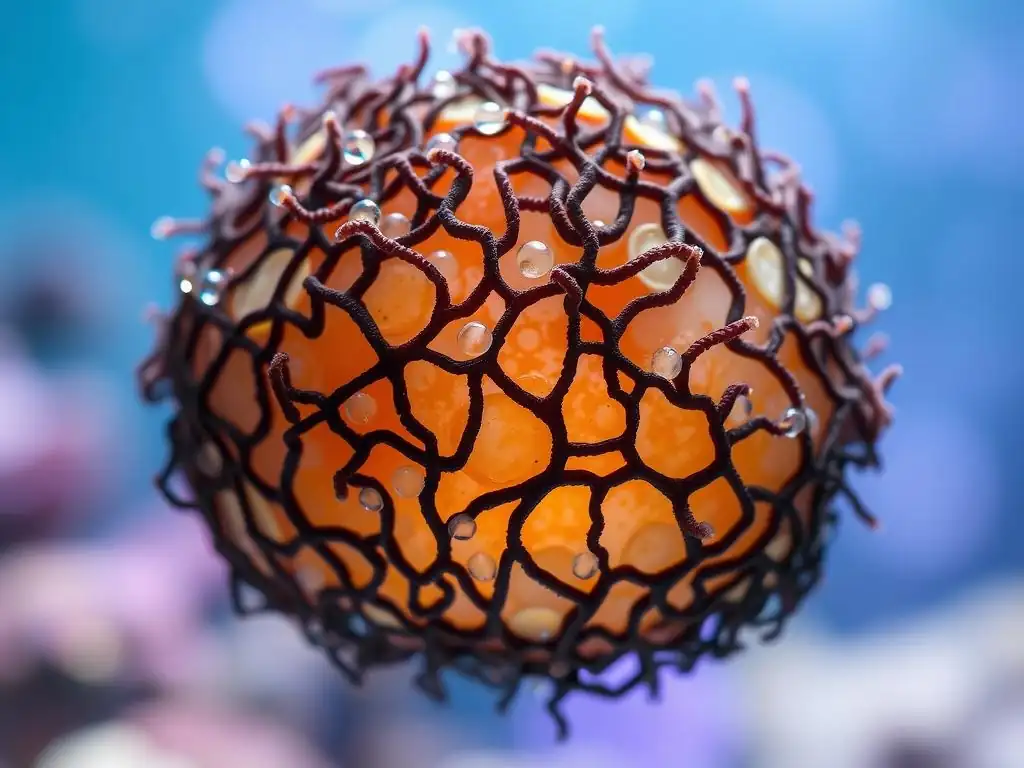
Immediate isolation of the affected Euphyllia coral is the absolute first step in an emergency response to brown jelly disease. The infected coral must be removed from the main display tank as quickly and carefully as possible to prevent the brown jelly mass from detaching and spreading to other corals. Place the coral in a dedicated hospital or quarantine tank, which should be set up with basic life support: a heater to maintain stable temperature (e.g., 76-78°F), a small powerhead for gentle water circulation, and a simple light source.
Using water from the main display tank for the hospital tank can help minimize additional stress from parameter shock, but ensure this water is pristine. A small, dedicated quarantine setup, even a clean 5-gallon bucket with an air stone and heater, is preferable to leaving the infected coral in the main system. This isolation allows for targeted treatment without risking the entire reef aquarium ecosystem or other valuable corals.
Manual Removal of Infected Tissue: A Step-by-Step Guide
Manual removal of the infected tissue is often the most critical and effective initial treatment for Euphyllia brown jelly disease, especially in its early stages. This procedure aims to physically remove the diseased tissue and the pathogens before they can spread further into the coral or to other colonies. It must be performed with extreme care to avoid dispersing the infectious jelly.
Tools Needed for Tissue Removal
To perform manual removal safely and effectively, gather the following tools:
- Sharp scalpel or razor blade: For precise cuts through the coral skeleton. A new, sterile blade is recommended to prevent secondary infections.
- Small bone cutters or pliers: If the disease is localized to a single head or branch of a multi-headed Euphyllia, these can be used to cleanly sever the affected portion.
- Gloves and safety glasses: To protect yourself from potential irritants and to maintain sterility.
- Separate container: A small, clean container filled with tank water, designated for the diseased coral during the procedure. This prevents the jelly from entering your main tank.
- Waste container: For immediate disposal of excised tissue and contaminated tools.
Safe Removal Techniques to Prevent Spread
The goal is to remove all affected tissue while minimizing disturbance of the brown jelly. Follow these steps:
- Isolate: Gently place the affected Euphyllia in the separate container filled with tank water.
- Inspect: Carefully examine the coral to identify the full extent of the brown jelly and any underlying tissue necrosis.
- Cut: Using the scalpel or bone cutters, make a clean, decisive cut through the skeleton, ensuring you remove all visible brown jelly and a small margin (e.g., 0.5 to 1 cm) of seemingly healthy tissue around the affected area. This margin helps ensure all pathogens are removed.
- Avoid Spreading: Do not allow the brown jelly to break apart and float in the water. If possible, use a pipette or turkey baster to gently siphon away any loose jelly as you work, directing it into a separate waste container.
- Dispose: Immediately dispose of the removed tissue and any contaminated water or tools in a sealed bag. Do not return any water from the working container to your aquarium.
- Rinse (Optional): After removal, a very gentle rinse of the remaining healthy coral in fresh, clean tank water can help remove any residual jelly particles before proceeding to chemical dips.
Chemical Dips for Brown Jelly Disease Treatment
Following manual removal, chemical dips are an essential secondary treatment to kill any remaining pathogens that may not have been physically removed. These dips are typically performed in a separate container and should never be done in the main display tank.
Iodine Dips: Dosage and Application
Iodine-based dips are commonly used for general coral prophylaxis and can be effective against some BJD pathogens. Products like Seachem Reef Dip or Brightwell Aquatics Lugol's Solution are popular choices.
- Preparation: Prepare a dip solution in a small, clean container using tank water. Follow the manufacturer's instructions precisely, but a common approximation for Lugol's is 10-20 drops per gallon (approximately 3.8 liters) of water. For dedicated coral dips like Seachem Reef Dip, the recommendation is typically 10-20 mL per gallon.
- Application: Submerge the affected Euphyllia coral in the dip solution for a duration of 10-15 minutes. Observe the coral closely during this time; if it shows signs of extreme distress (e.g., severe tissue recession beyond the BJD area), remove it immediately.
- Post-Dip: After the dip, gently rinse the coral in clean tank water before returning it to the quarantine tank. Do not reuse the dip solution.
Antibiotic Dips: When and How to Use Them
For more severe cases of Euphyllia brown jelly disease, or when iodine dips prove insufficient, broad-spectrum antibiotics can be employed. Ciprofloxacin is a commonly used antibiotic in reef aquaria due to its effectiveness against many Gram-negative bacteria, which are often implicated in BJD.
- Preparation: Dissolve antibiotic powder (e.g., 250-500 mg of Ciprofloxacin) in one gallon (approx. 3.8 liters) of clean tank water in a separate container. Ensure the antibiotic is fully dissolved.
- Application: Submerge the affected Euphyllia in the antibiotic solution for 30-60 minutes. This is a potent treatment, and careful observation is crucial.
- Caution: Antibiotics can be harsh and may impact beneficial bacterial populations on the coral itself. Use only when necessary and consider the risks. Dispose of the antibiotic solution responsibly after use; do not pour it down the drain or into your main tank.
- Follow-up: Repeat antibiotic dips may be necessary over a few days, depending on the coral's response, but prolonged exposure should be avoided. Always rinse the coral thoroughly after the dip.
Importance of Water Parameter Stability During Treatment
During the treatment phase for Euphyllia brown jelly disease, maintaining impeccable and stable water parameters in the quarantine tank is paramount for the coral's recovery. Any additional stress from fluctuating or suboptimal conditions can hinder healing and allow the infection to resurface.
- Frequent Water Changes: Perform small, frequent water changes (e.g., 10-20% daily) in the quarantine tank using freshly mixed saltwater that matches the main tank's parameters. This helps remove any residual pathogens or waste products from the coral's recovery process.
- Parameter Monitoring: Regularly test for key parameters such as salinity (1.025-1.026 SG), temperature (76-78°F), alkalinity (7-9 dKH), calcium (400-450 ppm), and magnesium (1250-1350 ppm). Ensure these remain within their optimal ranges and are stable throughout the recovery period. Consistency minimizes stress and supports the coral's natural healing mechanisms.
Preventing Brown Jelly Disease: Long-Term Euphyllia Health
Maintaining Optimal Water Quality for Euphyllia Corals
The cornerstone of preventing Euphyllia brown jelly disease, and indeed any coral disease, is the consistent maintenance of optimal water quality. A stable and pristine aquatic environment empowers corals to utilize their energy for growth and defense, rather than stress response.
Regular Water Testing and Adjustments
Consistent monitoring of key water parameters is non-negotiable for long-term Euphyllia health. Test for nitrates, aiming for levels below 10 ppm, ideally closer to 1-5 ppm for sensitive LPS corals. Phosphates should be kept extremely low, typically below 0.03 ppm. Alkalinity, calcium, and magnesium must be maintained within their optimal ranges (7-9 dKH, 400-450 ppm, and 1250-1350 ppm respectively) to support skeletal growth and overall physiological function. Any necessary adjustments to these parameters should be made gradually over several days to avoid shocking the corals.
Proper Filtration and Water Circulation
Effective filtration is vital for processing waste and maintaining water clarity. Utilize a robust protein skimmer to remove dissolved organic compounds before they break down into nitrates and phosphates. Consider incorporating a refugium to host macroalgae, which naturally absorb excess nutrients. Regular mechanical filtration (filter socks, sponges) should be cleaned or replaced frequently, at least every few days, to prevent detritus buildup. Adequate water circulation, providing moderate and indirect flow for Euphyllia species, ensures that waste products are carried away and essential nutrients are delivered to the polyps, preventing stagnant zones where pathogens can thrive.
Acclimation Procedures for New Euphyllia Additions
Improper acclimation is a major stressor that can trigger Euphyllia brown jelly disease. All new coral additions, especially sensitive Euphyllia, must undergo a slow and meticulous acclimation process to minimize shock from changes in water parameters.
Begin with drip acclimation for at least 30-60 minutes, or longer for larger differences in salinity, to slowly equalize temperature and salinity between the transport water and your aquarium water. Following this, a mandatory quarantine period of 4-6 weeks in a separate, dedicated quarantine tank is highly recommended.
During quarantine, observe the coral for any signs of disease, pests, or stress, and perform prophylactic dips if desired. This critical step prevents the introduction of pathogens and allows the coral to recover from the stress of shipping before being introduced to your main display, significantly reducing the risk of a BJD outbreak.
Minimizing Stress to Prevent Euphyllia Disease
Stress is the primary catalyst for Euphyllia brown jelly disease. By proactively minimizing environmental stressors, aquarists can significantly bolster their corals' natural defenses.
Stable Temperature and Salinity Levels
Euphyllia corals thrive in stable conditions. Maintain a consistent temperature range of 76-78°F (24.4-25.6°C) and a stable salinity of 1.025-1.026 specific gravity (35 ppt). Even minor, rapid fluctuations outside these ranges can induce significant stress, compromising the coral's immune system and making it susceptible to opportunistic infections like BJD. Utilize reliable heaters, chillers if necessary, and auto top-off (ATO) systems to ensure these critical parameters remain constant throughout the day and night.
Avoiding Physical Damage During Handling
Physical damage, no matter how minor, creates open wounds that serve as entry points for the bacteria and protozoa responsible for Euphyllia brown jelly disease. Handle Euphyllia corals with extreme care during placement, fragging, or any tank maintenance. Avoid bumping them against rocks or other corals, and ensure they are securely mounted to prevent accidental falls. When fragging, use sterile tools and consider a post-frag dip to aid healing and prevent infection. Minimizing direct contact with coral tissue and handling by the skeleton whenever possible can greatly reduce the risk of injury.
Proactive Coral Health Monitoring
Regular, proactive monitoring of your Euphyllia collection is perhaps the most effective long-term prevention strategy. Daily visual inspections allow for the earliest possible detection of any signs of distress or disease, including the subtle initial indicators of Euphyllia brown jelly disease.
Observe polyps for full extension, vibrant coloration, and consistent feeding responses. Note any localized tissue recession, unusual discoloration, or the presence of any foreign matter on the coral's surface. Early detection of even minor issues allows for immediate intervention, often preventing a full-blown BJD outbreak. A diligent aquarist who notices a single retracted polyp or a small patch of dull tissue can often intervene successfully before the disease spreads and becomes life-threatening.
Supporting Euphyllia Recovery After Brown Jelly Disease
Providing Proper Lighting and Flow
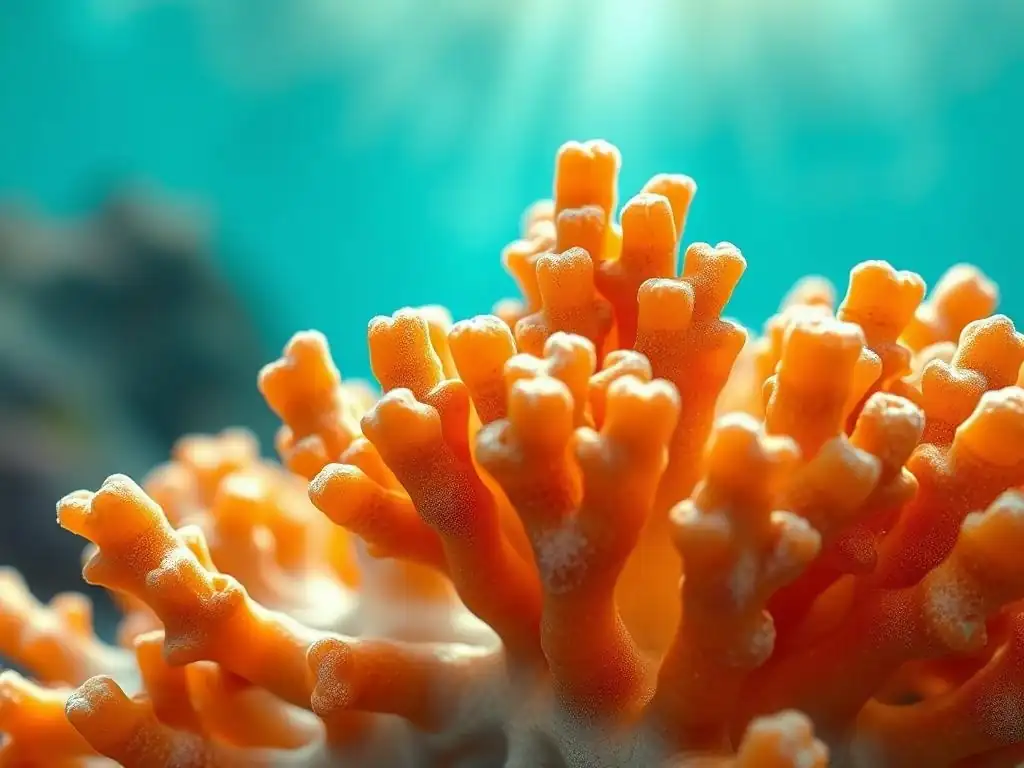
After surviving a bout of Euphyllia brown jelly disease, the coral requires optimal conditions to fully recover and regenerate lost tissue. Providing appropriate lighting and water flow is crucial for this healing process. Euphyllia corals typically prefer moderate lighting, with PAR values generally ranging from 75 to 150. Too intense lighting can further stress a recovering coral, while insufficient light may hinder its photosynthetic capabilities, which are vital for energy production.
Similarly, water flow should be gentle and indirect. Strong, direct flow can physically irritate the fragile, regenerating tissue and prevent polyps from fully extending and feeding effectively. Instead, aim for broad, turbulent flow that provides adequate nutrient delivery and waste removal without causing the polyps to constantly retract or "dance" violently. This gentle environment reduces physical stress and promotes a calm recovery period for the Euphyllia.
Target Feeding Euphyllia for Accelerated Healing
While Euphyllia corals primarily derive energy from photosynthesis, target feeding can significantly accelerate their recovery from Euphyllia brown jelly disease by providing essential nutrients for tissue regeneration. Offering small, meaty foods directly to the polyps can bolster their energy reserves.
Suitable foods include finely chopped mysis shrimp, enriched brine shrimp, copepods, or specialized coral foods designed for LPS corals. Target feed 2-3 times per week, during the evening when polyps are typically fully extended and feeding tentacles are active. Turn off circulation pumps temporarily during feeding to allow the coral to capture the food. This supplemental nutrition provides the building blocks necessary for the coral to rebuild damaged tissue and regain its strength.
Observing for Secondary Infections
A coral that has recently battled Euphyllia brown jelly disease is often immunocompromised and susceptible to secondary infections. The initial BJD attack leaves open wounds and weakened tissue, creating an opportunity for other opportunistic bacteria or fungi to take hold.
Continue to observe the recovering Euphyllia closely for any new signs of tissue recession not associated with the original brown jelly, discolored patches, or unusual growths. If a secondary infection is suspected, further targeted treatment, potentially with a different type of antibiotic or antifungal, may be necessary. Maintaining pristine water quality and stability remains critical during this phase to support the coral's healing and prevent further complications.
Advanced Strategies for Combating Euphyllia BJD
Using Coral Dips as a Preventative Measure
Beyond their use in treating active infections, coral dips serve as an excellent preventative measure against Euphyllia brown jelly disease and other common coral ailments. Routinely dipping all new coral additions, even those that appear healthy and are destined for a quarantine tank, can significantly reduce the risk of introducing pathogens and pests into your main display.
Various types of dips are available, including iodine-based solutions (e.g., Seachem Reef Dip), pest-specific dips (e.g., Bayer K9 Advantix II as a pest dip, though controversial), and general prophylactic solutions. Each has its own active ingredients and target organisms. Performing a dip according to manufacturer instructions, typically for 5-15 minutes, can dislodge and kill many external parasites, bacteria, and protozoa that might otherwise trigger or contribute to Euphyllia brown jelly disease under stressful conditions. This proactive approach adds an extra layer of biosecurity to your reef system.
Biological Control Methods
While not a direct treatment for an active outbreak of Euphyllia brown jelly disease, fostering a healthy and diverse microbial environment within the aquarium can contribute to the long-term resilience of corals against opportunistic infections. Biological control methods focus on creating conditions where beneficial microorganisms outcompete or suppress pathogenic ones.
This can involve the judicious use of probiotic supplements that introduce beneficial bacterial strains to the water column, potentially reducing the overall load of undesirable bacteria. Maintaining a robust clean-up crew (e.g., snails, hermit crabs) helps consume detritus and prevent the accumulation of organic matter, which can fuel bacterial growth. Furthermore, ensuring a stable and mature biological filter effectively processes nitrogenous waste, reducing stress on corals. While these methods won't cure an active BJD infection, they contribute to a healthier overall system less prone to such outbreaks.
Case Studies: Successful Euphyllia BJD Treatments
Case Study 1: Early Detection Saves a Hammer Colony
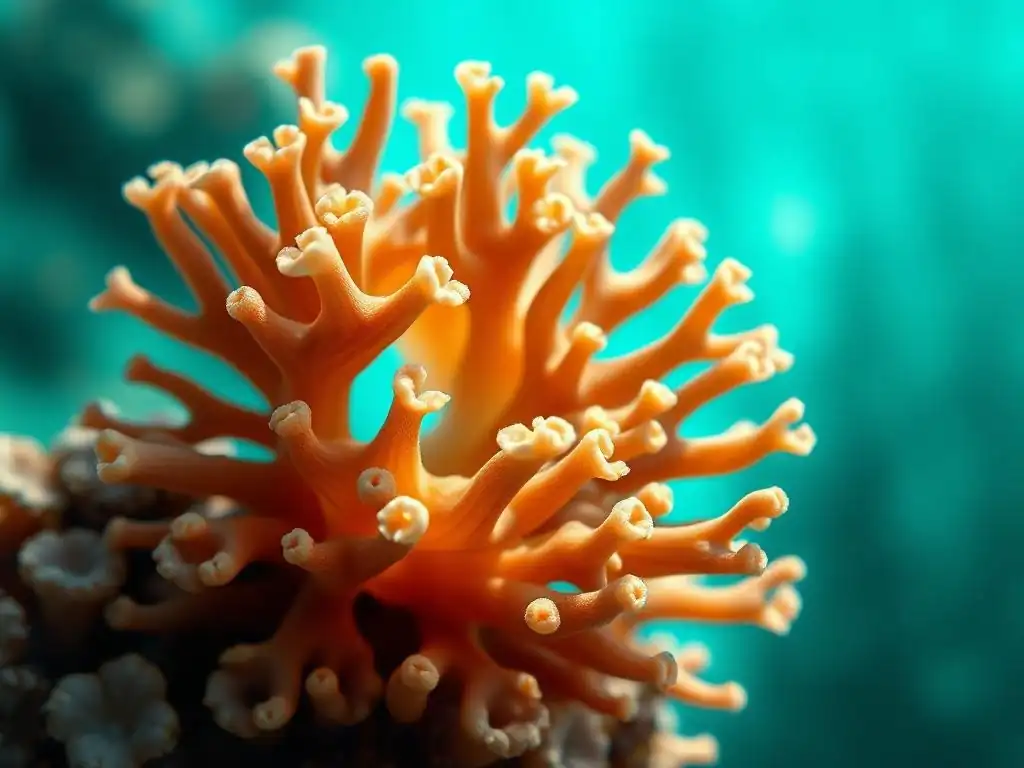
In a 60-gallon reef tank, an aquarist noticed a small, pale patch, approximately 1 cm in diameter, forming on the base of a Euphyllia ancora (Hammer coral) colony. There was no visible brown jelly yet, but the polyps in that area were retracted. Recognizing this as a potential early sign of Euphyllia brown jelly disease, the aquarist immediately removed the coral.
In a separate container, they gently siphoned the affected area with a turkey baster to dislodge any potential pathogens, then performed a 10-minute dip in an iodine-based coral dip (following manufacturer's instructions for 15 mL per gallon). The coral was then placed in a small 5-gallon quarantine tank with stable parameters (temperature 77°F, salinity 1.025 SG). Within 48 hours, the affected tissue showed signs of recovery, and full polyp extension returned within a week.
The colony was returned to the main display after 10 days of observation, showing no further signs of the disease. This case highlights the critical importance of early detection and rapid intervention.
Case Study 2: Aggressive Intervention for a Torch Colony
A large Euphyllia glabrescens (Torch coral) colony in a 120-gallon display tank developed a significant patch of brown jelly, approximately 2 inches in diameter, rapidly spreading from a previously damaged tip. The aquarist immediately isolated the colony. Using bone cutters, they carefully fragged off the entire affected head, ensuring a clean cut through healthy skeleton, and removed it from the tank.
The remaining healthy portion of the colony was then subjected to a more aggressive treatment: a 30-minute dip in a Ciprofloxacin solution (250 mg per gallon of tank water). The coral was then placed in a dedicated hospital tank with a small powerhead and heater. Daily 10% water changes were performed in the hospital tank.
Over the next five days, the coral showed no further signs of Euphyllia brown jelly disease, and new tissue began to form over the cut skeleton. While one head was lost, the majority of the valuable colony was saved through this swift and decisive action, demonstrating that even advanced cases can be managed with aggressive treatment.
Conclusion: Ensuring the Long-Term Health of Your Euphyllia Collection
Euphyllia brown jelly disease remains one of the most formidable threats to Euphyllia corals in a reef aquarium, capable of decimating entire colonies with alarming speed. However, understanding its triggers, recognizing its signs early, and implementing a swift, multi-faceted emergency response significantly increases the chances of successful recovery. The journey to a thriving Euphyllia collection is paved with diligence, meticulous observation, and a commitment to maintaining optimal water parameters.
Ultimately, prevention is the most effective strategy against Euphyllia brown jelly disease. This involves rigorous quarantine protocols for all new additions, consistently stable water quality, gentle handling to prevent physical damage, and proactive monitoring of your corals for any subtle signs of distress. By prioritizing these foundational aspects of reef keeping, aquarists can cultivate a resilient and healthy Euphyllia collection, mitigating the risks posed by this aggressive disease and ensuring the long-term vibrancy of their beloved corals.
Frequently Asked Questions
What is Euphyllia Brown Jelly Disease?
Brown Jelly Disease (BJD) is a bacterial infection that rapidly destroys Euphyllia corals. It's characterized by a brown, jelly-like substance consuming the coral tissue. Early detection is critical for treatment.
How does Brown Jelly Disease spread in an aquarium?
BJD spreads through the water column, often introduced by injured or stressed corals. It can also be carried by invertebrates and even aquarium tools that haven't been properly sterilized.
What are the early warning signs of Brown Jelly Disease?
Look for receding tissue, excessive mucus production, and the presence of brown, jelly-like material. The affected area often appears inflamed and may have a foul odor.
How can I treat Euphyllia Brown Jelly Disease?
Treatment involves removing the affected coral and performing a frag dip with an iodine-based solution. Quarantining the coral and maintaining pristine water quality are also essential.
How can I prevent Brown Jelly Disease in my Euphyllia corals?
Preventative measures include maintaining stable water parameters, providing adequate flow and lighting, and quarantining new corals before introducing them to the main tank. Regularly inspect your corals for signs of stress or injury.
Final Reflection: Safeguarding Coral's Future
The urgency surrounding Euphyllia brown jelly disease is undeniable, demanding immediate action to protect these vital reef inhabitants. The information presented here, from recognizing the early signs to implementing effective treatment strategies, underscores the critical role we all play in mitigating the devastating impact of this disease. The fight against Euphyllia brown jelly disease is not just about saving individual corals; it's about preserving the biodiversity and health of our entire marine ecosystem.
This insidious disease has profoundly impacted the coral keeping hobby and the broader scientific community, forcing us to confront the fragility of these ecosystems. Witnessing the rapid spread and destructive power of brown jelly disease has been a sobering experience, highlighting the interconnectedness of our actions and their consequences on the natural world. The earth will not continue to offer its harvest, except with faithful stewardship. We cannot say we love the land and then take steps to destroy it for use by future generations.
- John Paul II. This quote resonates deeply, reminding us of our responsibility to act as conscientious stewards of our planet's precious resources.
Now, armed with knowledge and a deeper understanding of Euphyllia brown jelly disease, I urge you to reflect on your own role in coral conservation. Whether you're a seasoned aquarist, a budding marine biologist, or simply someone who appreciates the beauty of coral reefs, consider how you can contribute to a healthier future for these vital ecosystems. Let's work together to prevent the spread of this disease and ensure that future generations can marvel at the vibrant beauty of Euphyllia corals.
Revitalize Your Reef: Save Your Euphyllia Now!
Thank you for diving deep into the world of Euphyllia and learning about Brown Jelly Disease! Now that you're armed with the knowledge, it's time to act. Here's how you can take immediate steps to protect your corals and maintain a thriving reef.
- Isolate and Treat: If you suspect BJD, immediately remove the affected Euphyllia to a quarantine tank for treatment. Don't delay – every second counts!
- Explore Advanced Solutions: Research lesser-known treatments like iodine dips or targeted antibiotic applications to provide comprehensive care for your affected corals.
- Share Your Success: Post your experiences and treatment outcomes on aquarium forums to help other reefers facing similar challenges. Collaboration is key to conquering BJD!
What unconventional method have you found most effective in combating coral diseases, and how could we all learn from your experience?