
Jawbreaker, Bounce, Eclectus: A Look at HighEnd Mushroom Morphs

Welcome to Aquarium Mastery!
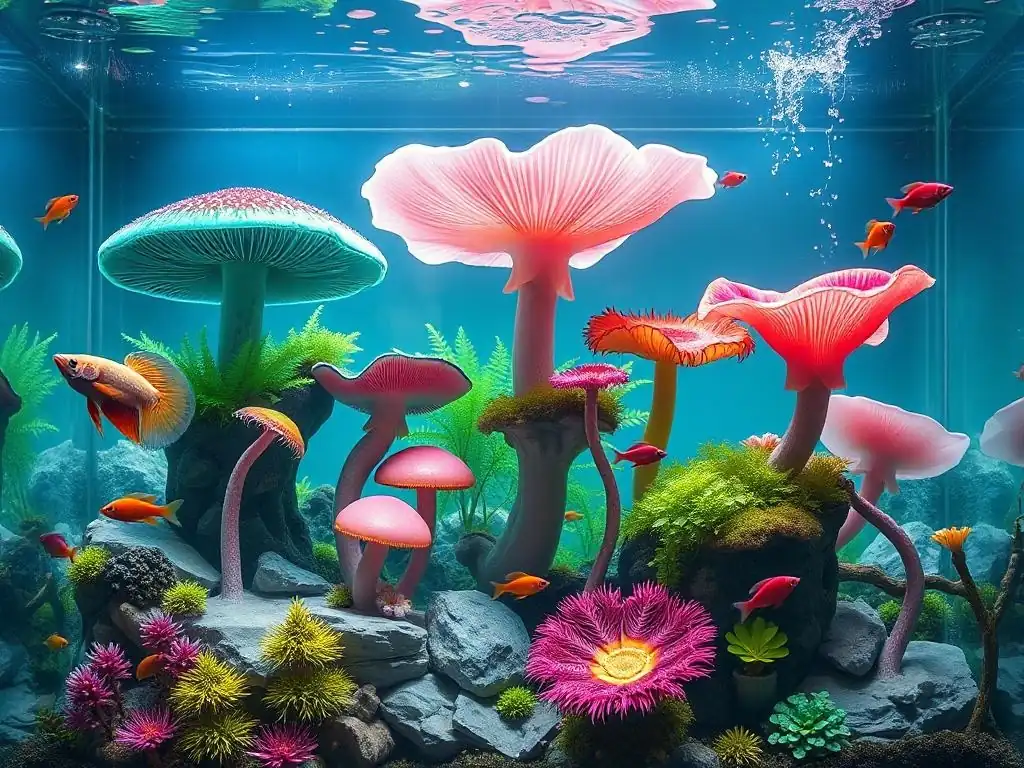
Ever wondered how to transform your reef tank into a vibrant, living masterpiece? Dive into the captivating world of coral with us! In this article, we're exploring the dazzling allure of high-end mushroom morphs, from the fiery Jawbreaker to the mesmerizing Eclectus. Ready to discover the secrets to cultivating these underwater jewels and creating a truly spectacular aquarium? Let's get started!
- Jawbreaker, Bounce, Eclectus: A Look at High-End Mushroom Morphs for Reef Aquariums
- Understanding the Allure of High-End Mushroom Morphs in Reef Tanks
- Jawbreaker Mushrooms: A Reef Aquarium Showstopper
- Bounce Mushrooms: Achieving the Bubbly Effect in Your Reef Tank
- Eclectus Mushrooms: A Kaleidoscope of Colors for Reef Enthusiasts
- Comparing Jawbreaker, Bounce, and Eclectus Mushroom Corals: A Side-by-Side Analysis
- Integrating High-End Mushroom Morphs into Your Reef Aquarium Ecosystem
- Propagating High-End Mushroom Corals: Expanding Your Collection
- Troubleshooting Common Issues with High-End Mushroom Corals
- The Future of High-End Mushroom Morph Aquariums: Trends and Innovations
-
Frequently Asked Questions
- How are "high-end" mushroom morphs different from regular mushroom corals?
- What are some examples of popular high-end mushroom morphs mentioned on AquariumMastery.com?
- What factors contribute to the high price of these mushroom morphs?
- What kind of aquarium setup is best suited for keeping high-end mushroom morphs?
- Where can I find more information about caring for mushroom corals, including high-end morphs?
- Final Reflection: The Evolving Canvas of Aquatic Life
- Dive Deeper: Cultivate Your Reef's Radiance!
Jawbreaker, Bounce, Eclectus: A Look at High-End Mushroom Morphs for Reef Aquariums
Understanding the Allure of High-End Mushroom Morphs in Reef Tanks
What Makes a Mushroom Coral "High-End"? Rarity and Aesthetics
High-end mushroom corals distinguish themselves through a combination of extraordinary rarity, unique genetic mutations, and unparalleled aesthetic appeal. Unlike common mushroom corals, these sought-after morphs exhibit strikingly vibrant colors, complex patterns, and often unusual textures such as prominent vesicles or "bounces."
For instance, a common Discosoma mushroom might display a simple red or green, while a "Jawbreaker" Discosoma will showcase concentric rings of electric orange, neon green, and deep red, a pattern resulting from specific genetic expressions. The scarcity of these particular colorations and forms in both wild and aquacultured populations significantly drives their market value and desirability within the high-end mushroom morph aquarium segment.
Beyond mere color, the morphology of these corals plays a crucial role in their "high-end" designation. A "Bounce" mushroom, for example, is prized for its fluid-filled vesicles that resemble tiny bubbles adhering to its surface, a trait not found in standard Rhodactis species. Similarly, "Eclectus" mushrooms are celebrated for their iridescent, multi-tonal surfaces that shimmer with blues, purples, and greens, often with a metallic sheen. These unique visual characteristics elevate them from simple soft corals to living art pieces, making them central to a visually captivating high-end mushroom morph aquarium.
The Growing Popularity of Designer Mushroom Corals in the Reefing Hobby
The appeal of designer mushroom corals has surged dramatically within the reefing hobby over the past decade, fueled by online communities, social media showcases, and dedicated collector markets. Their relatively undemanding care requirements, compared to more sensitive SPS corals, combined with their breathtaking visual impact, make them accessible yet aspirational for a broad range of aquarists. This growing demand has transformed the market; what might have been an obscure find years ago is now a highly anticipated release.
This increasing popularity is reflected in market trends and pricing. In the early 2010s, premium mushroom corals were a niche interest, but by 2018-2020, a single, exceptionally colored "super bounce" mushroom frag could command prices upwards of $1,000 to $2,000, dwarfing the $10-$20 price tag of a common mushroom. Even smaller, less intense versions of these high-end mushroom morphs still fetch hundreds of dollars, illustrating the hobby's collective desire for unique and visually striking specimens to populate their high-end mushroom morph aquariums.
Jawbreaker Mushrooms: A Reef Aquarium Showstopper
Identifying the Signature Jawbreaker Mushroom Morphology
Jawbreaker mushrooms, primarily a morph of Discosoma species, are instantly recognizable by their distinctive, often vibrant, concentric rings of color. Typically, they display a core of one color, such as green or blue, surrounded by rings of contrasting hues like fiery orange, deep red, or electric yellow. This "bullseye" or "splatter paint" appearance is their hallmark. When fully expanded, a mature Jawbreaker can reach a diameter of 2 to 4 inches, showcasing its intricate patterns prominently.
Variations within the Jawbreaker lineage exist, with some specimens exhibiting sharper, more defined rings, while others present a more mottled or abstract pattern. The intensity and combination of colors are what truly define a Jawbreaker's premium status. For instance, a Jawbreaker with distinct, unbroken rings of neon green, deep crimson, and bright orange is generally more highly prized than one with muted or less defined patterns, making it a coveted addition to any high-end mushroom morph aquarium.
Optimal Care Parameters for Jawbreaker Mushrooms in Reef Environments
For Jawbreaker mushrooms to thrive and exhibit their most vibrant coloration, stable and precise water parameters are paramount. They prefer a salinity range of 1.025-1.026 specific gravity, an alkalinity of 8-10 dKH, calcium levels between 400-450 ppm, and magnesium levels of 1300-1400 ppm. Maintaining a consistent temperature between 76-78°F (24-25.5°C) is also crucial. Furthermore, keeping nitrates below 10 ppm and phosphates below 0.05 ppm is essential, as elevated nutrient levels can dull their brilliant hues and encourage undesirable algae growth on their surfaces.
While Jawbreakers are primarily photosynthetic, benefiting from the symbiotic algae within their tissues, supplemental feeding can significantly enhance their growth and color intensity. They are capable of capturing small particulate foods. Offering fine zooplankton, phytoplankton, or specialized coral foods once or twice a week, ideally target-fed, can provide additional nutrients. Observing their feeding response, where they visibly engulf food particles, confirms their acceptance and benefit from this practice.
Placement Strategies for Maximizing Jawbreaker Coloration and Growth
Appropriate flow is critical for Jawbreaker mushrooms. They prefer low to moderate indirect water movement. Strong, direct flow can cause them to remain closed, detach from their substrate, or even suffer tissue damage. Placing them in an area where water gently tumbles over them, providing nutrient delivery without constant buffeting, is ideal. This might be on the sand bed, lower rockwork, or even attached to the back glass in a low-flow zone of the high-end mushroom morph aquarium.
Regarding lighting, Jawbreakers generally thrive under moderate intensity. A PAR (Photosynthetically Active Radiation) range of 50-150 is typically recommended. While higher PAR levels might intensify some colors, extreme light can lead to bleaching or cause the mushroom to shrink. Acclimating new Jawbreakers gradually to new lighting conditions, especially if moving from a lower-light environment, is vital. LED lighting with a balanced spectrum, particularly rich in blues and violets, tends to bring out their best coloration.
Bounce Mushrooms: Achieving the Bubbly Effect in Your Reef Tank
The Distinctive "Bounce" Morphology: What to Look For
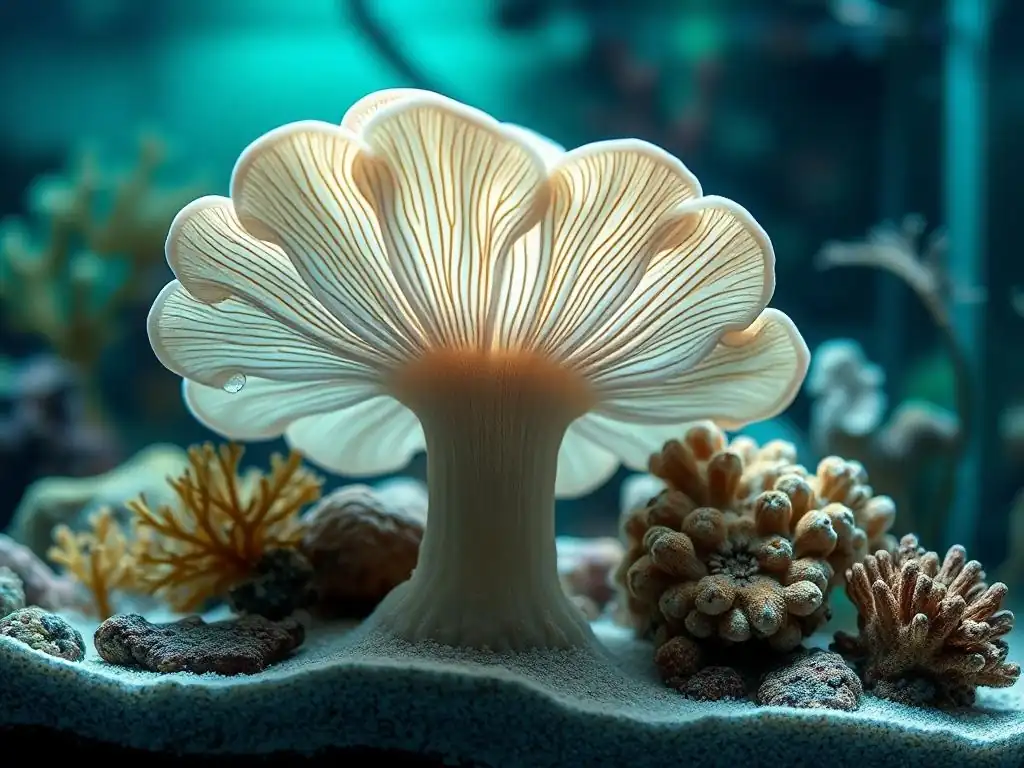
Bounce mushrooms, a highly sought-after morph of Rhodactis species, are defined by their unique, fluid-filled vesicles or "bounces" that protrude from their surface. These bubbles can vary significantly in size, from tiny pinpricks to large, marble-sized spheres, and are often translucent or brightly colored, adding a three-dimensional effect to the coral. The most prized "super bounce" varieties are characterized by an abundance of large, well-inflated bubbles that often glow with neon green, orange, or even purple hues, sometimes exhibiting multiple colors within the same bubble.
Beyond the bubbles, Bounce mushrooms also display vibrant base colors, including electric oranges, fiery reds, and intense greens, which provide a striking contrast to their unique vesicles. The combination of their vivid coloration and the playful, textured appearance of the bounces makes them an undeniable focal point in any high-end mushroom morph aquarium. Identifying a true "Bounce" involves looking for these distinct, raised, bubble-like structures, as opposed to the flatter, more textured vesicles found on some other Rhodactis species.
Cultivating Bounce Mushrooms: Encouraging Bubble Formation
While the presence and prominence of bubbles in Bounce mushrooms are largely genetically determined, environmental factors can certainly influence their expression. Maintaining exceptionally stable water parameters is crucial; sudden shifts in salinity, temperature, or alkalinity can cause the mushrooms to retract their bubbles or remain closed. Some experienced aquarists suggest that very low nutrient levels, specifically nitrates below 5 ppm and phosphates below 0.03 ppm, may contribute to more pronounced bubble formation, though this is largely anecdotal.
A mature and stable tank environment also seems to play a role in encouraging Bounce mushrooms to fully express their unique morphology. Avoiding aggressive fish that might nip at them, or strong direct flow that causes persistent irritation, allows the mushroom to remain expanded and the bubbles to fully inflate. Consistent photoperiods and a stable light spectrum also contribute to overall coral health, which in turn supports the development of their signature "bounces."
Lighting and Flow Requirements for Vibrant Bounce Mushroom Colors
Bounce mushrooms thrive under moderate lighting conditions, similar to Jawbreakers. A PAR range of 50-150 is generally considered optimal. Too intense lighting can cause the bubbles to shrink, the mushroom to bleach, or its colors to dull. It is crucial to acclimate newly acquired Bounce mushrooms slowly to your tank's lighting, especially if your light intensity is significantly higher than their previous environment, by starting them in a shaded area and gradually moving them to their desired spot over several weeks.
In terms of water flow, Bounce mushrooms prefer low to moderate indirect flow. Strong, turbulent, or direct flow can physically damage the delicate bubbles, prevent them from expanding, or cause the entire mushroom to detach from its substrate. Positioning them on the sand bed or lower rockwork in an area with gentle, diffuse water movement ensures they receive adequate nutrient delivery without being stressed, allowing their unique bubbly morphology to be fully appreciated in a high-end mushroom morph aquarium.
Eclectus Mushrooms: A Kaleidoscope of Colors for Reef Enthusiasts
Recognizing the Unique Color Palette of Eclectus Mushroom Corals
Eclectus mushrooms, typically belonging to the Rhodactis genus, are celebrated for their incredibly diverse and often iridescent color palettes. Unlike the concentric rings of Jawbreakers or the distinct bubbles of Bounces, Eclectus mushrooms are characterized by a wide array of vibrant, often contrasting colors that appear scattered across their surface, frequently with a metallic or glitter-like sheen. They can display combinations of electric blues, deep purples, neon greens, fiery reds, and golden yellows, often with an almost "shimmering" quality that makes each specimen unique.
These mushrooms can grow quite large, often reaching 4 to 6 inches in diameter when fully expanded, making their expansive canvas perfect for showcasing their complex color patterns. The surface texture can range from smooth to slightly bumpy, but it's the depth and variety of their coloration that truly sets them apart as a premier choice for a high-end mushroom morph aquarium. Their ability to display multiple vivid hues simultaneously on a single disc makes them a true kaleidoscope of color.
Maintaining Eclectus Mushrooms: Water Quality and Supplementation
Pristine water quality is paramount for Eclectus mushrooms to maintain their vibrant coloration and overall health. They require stable parameters: salinity between 1.025-1.026 SG, alkalinity 8-10 dKH, calcium 400-450 ppm, and magnesium 1300-1400 ppm. Critically, nitrates should be kept very low, ideally below 5 ppm, and phosphates near undetectable, below 0.03 ppm. Elevated nutrient levels can lead to dull coloration and susceptibility to algae overgrowth.
While regular water changes (e.g., 10-15% bi-weekly) with high-quality salt mix are often sufficient to replenish essential trace elements, some aquarists find that cautious supplementation of specific elements like iodine and strontium can enhance the iridescence of Eclectus mushrooms. However, any supplementation should be done judiciously, with regular testing to prevent overdosing, as an imbalance can be detrimental. Consistent maintenance is far more beneficial than aggressive dosing.
Eclectus Mushroom Placement: Avoiding Aggression in the Reef Aquarium
Eclectus mushrooms, like many other Rhodactis species, possess a degree of chemical aggression. They can release terpenes and other chemicals that may irritate or even damage neighboring corals, particularly more sensitive LPS (Large Polyp Stony) corals like Euphyllia or Acanthastrea, and especially SPS (Small Polyp Stony) corals. Therefore, careful placement within the high-end mushroom morph aquarium is essential to prevent chemical warfare and tissue recession among your coral inhabitants.
It is advisable to maintain a buffer zone of at least 4-6 inches, or even more for larger specimens, around Eclectus mushrooms from other corals. They generally prefer low to moderate indirect flow and moderate lighting, with PAR levels typically ranging from 50-150. Placing them on the sand bed or lower rockwork, away from other sessile invertebrates, allows them to expand fully without encroaching on or harming their neighbors, ensuring a harmonious reef environment.
Comparing Jawbreaker, Bounce, and Eclectus Mushroom Corals: A Side-by-Side Analysis
Color Variations and Patterns: Which Morph Stands Out?
Each of these high-end mushroom morphs offers a distinct visual appeal. Jawbreakers are characterized by their bold, concentric rings and "splatter" patterns, typically featuring vibrant oranges, reds, and greens. They provide a structured, graphic pop of color. Bounce mushrooms, in contrast, stand out due to their unique, bulbous vesicles that give them a three-dimensional, bubbly texture, often glowing in neon greens, oranges, and sometimes even purples. Their appeal lies in their playful and tactile appearance.
Eclectus mushrooms offer the broadest and most complex color palette, known for their iridescent, metallic sheen and often displaying a multitude of contrasting hues on a single specimen, including electric blues, deep purples, and shimmering greens. They provide a deeply layered, almost kaleidoscopic visual experience. While all are stunning, the "standout" depends on individual aesthetic preference: Jawbreakers for their defined patterns, Bounces for their unique texture, and Eclectus for their unparalleled color depth and iridescence in a high-end mushroom morph aquarium.
Growth Rates and Propagation Methods: Ease of Care Comparison
In general, all three high-end mushroom morphs are considered relatively robust and easier to care for than many SPS corals, making them excellent choices for various reef aquariums. Their growth rates are moderate compared to faster-growing soft corals or some SPS species. Jawbreakers and Eclectus mushrooms, being Discosoma and Rhodactis respectively, often propagate naturally through fission (splitting) or can be fragged by carefully cutting their foot with a sterile blade. They tend to heal well post-fragging.
Bounce mushrooms, while equally robust in terms of water parameter tolerance, can be slightly more challenging to propagate due to their delicate bubble structures. Direct cuts through the cap are generally discouraged as they can damage the vesicles. More advanced techniques like "rim fragging" (cutting a small piece of the outer edge) or waiting for natural fission are safer but slower. Overall, Jawbreakers and Eclectus are marginally easier to propagate for a beginner, while Bounces require a more nuanced approach for a high-end mushroom morph aquarium.
Pricing and Availability: Investing in High-End Mushroom Corals
The pricing and availability of Jawbreaker, Bounce, and Eclectus mushrooms vary significantly based on their size, specific coloration, and the intensity of their unique features. As of late 2023/early 2024, a small frag of a well-colored Jawbreaker might range from $150 to $500, while a prime Eclectus frag could be found between $200 and $700. Bounce mushrooms typically command the highest prices; a single "super bounce" frag with numerous, large, vibrant bubbles can fetch anywhere from $800 to over $2,000, making them some of the most expensive soft corals in the hobby.
Availability also plays a crucial role in their market value. While more common variations of these high-end mushroom morphs are regularly stocked by specialized online vendors and local fish stores, the most exceptional, "collector grade" specimens are often released in limited quantities. These rare finds frequently sell out quickly, highlighting their desirability and the competitive nature of acquiring top-tier high-end mushroom morphs for a dedicated reef enthusiast's aquarium.
Integrating High-End Mushroom Morphs into Your Reef Aquarium Ecosystem
Compatibility with Fish and Other Invertebrates
High-end mushroom morphs, including Jawbreakers, Bounces, and Eclectus, are generally considered peaceful and compatible with most reef-safe fish and invertebrate species. They are not typically targeted by common aquarium inhabitants for food or nipping. However, caution should be exercised with certain species of angelfish (e.g., some Pomacanthus species) or large wrasses, as anecdotal reports suggest occasional nipping at fleshy corals. Always research specific fish species to ensure their reef-safe status before adding them to a high-end mushroom morph aquarium.
When considering other sessile invertebrates, particularly LPS and SPS corals, careful spacing is crucial. Mushrooms, especially Rhodactis species like Eclectus and Bounces, can release chemical deterrents (terpenes) that may irritate or cause recession in adjacent corals. It is recommended to maintain a minimum buffer zone of 4-6 inches, or even more for larger specimens, between your high-end mushroom morphs and other sensitive corals to prevent chemical warfare and ensure all inhabitants can thrive without competition.
Preventing Pests and Diseases Affecting Mushroom Corals
Mushroom corals, while relatively hardy, are susceptible to specific pests and diseases. The most common pests are certain species of nudibranchs, such as Phyllodesmium species, which specifically prey on mushrooms. These can be difficult to spot due to their excellent camouflage. To prevent their introduction, thoroughly inspect all new mushroom coral acquisitions for any signs of pests, eggs, or damage. A mandatory quarantine period of several weeks in a separate tank is highly recommended, allowing time for hidden pests to emerge.
Dipping new corals in an appropriate iodine or coral dip solution (following manufacturer instructions) can help dislodge and eliminate external pests before introduction to the main high-end mushroom morph aquarium. Regarding diseases, mushroom coral "melt," characterized by tissue recession or sloughing, can occur due to severe stress from rapid parameter changes, high nutrient levels, or bacterial infections. Maintaining pristine and stable water quality is the best preventative measure, and affected corals should be isolated for observation and potential treatment.
Maintaining Water Parameters for Optimal Mushroom Coral Health
Consistency is the single most critical factor for the long-term health and vibrant coloration of high-end mushroom morphs. Sudden and drastic fluctuations in water parameters—be it salinity, temperature, alkalinity, or pH—are far more detrimental than slightly off but stable parameters. Regular and consistent testing of your aquarium's water chemistry, ideally weekly for alkalinity, calcium, magnesium, nitrates, and phosphates, is essential to monitor stability and identify any trends that need addressing in your high-end mushroom morph aquarium.
Performing routine water changes, typically 10-20% monthly or 5-10% bi-weekly, helps replenish trace elements and dilute accumulated pollutants. Always use high-quality RODI (Reverse Osmosis Deionized) water and a reputable marine salt mix to ensure the cleanest and most stable foundation for your mushroom corals. While these corals are generally forgiving, providing them with consistently ideal water conditions will unlock their full potential for growth, coloration, and overall vitality.
Propagating High-End Mushroom Corals: Expanding Your Collection
Fragging Techniques for Jawbreaker, Bounce, and Eclectus Mushrooms
Propagating high-end mushroom morphs allows aquarists to expand their collection, share with the community, and reduce reliance on wild-collected specimens. For Jawbreaker and Eclectus mushrooms ( Discosoma and Rhodactis species), the most common and effective method is to carefully cut the mushroom's foot, where it attaches to the rock or frag plug, using a sterile razor blade or scalpel.
Ensure each frag has a small piece of the foot tissue, as this is where new attachments will form. Alternatively, some aquarists simply place the mushroom in a low-flow area where it can naturally detach and then reattach to a new frag plug or rubble.
Bounce mushrooms ( Rhodactis), while similar, require more delicate handling due to their unique bubble structure. Direct cutting through the mushroom cap is generally not recommended as it can damage the vesicles and lead to melt. Safer methods include "rim fragging," where a small section of the outer edge of the mushroom is carefully cut, or allowing the mushroom to naturally fission. Always use clean, sterile tools and wear appropriate hand protection to minimize the risk of infection to both the coral and the aquarist.
Healing and Acclimation After Fragging
After fragging, the newly cut pieces, or "frags," require a period of healing and acclimation. Place these frags in a low-flow, low-light area of the high-end mushroom morph aquarium. They will likely appear shriveled or closed for several days, or even up to a week, as they recover from the stress of propagation. Providing a stable, pristine recovery environment minimizes stress and promotes faster healing. Many aquarists use small mesh containers or frag racks on the sand bed for this purpose, preventing them from being washed away.
Once the frags show signs of healing, such as beginning to expand and reattach to their frag plugs (which typically takes 1-3 weeks), they can be gradually moved to their desired permanent location in the main display tank. This acclimation process should be slow, incrementally increasing their exposure to light and flow over several days or even a week. This careful transition is crucial for the successful survival and long-term health of your newly propagated high-end mushroom morph aquarium frags.
The propagation of high-end mushroom corals fosters a vibrant and collaborative aspect of the reefing hobby: sharing and trading. By fragging their prized specimens, aquarists can exchange unique morphs with fellow hobbyists, often at a significantly lower cost than purchasing from commercial retailers. This practice not only makes these sought-after corals more accessible but also strengthens the community, building connections and fostering knowledge exchange.
Local reef clubs and online forums serve as excellent platforms for organizing frag swaps and trades. This collaborative approach helps to distribute rare and desirable high-end mushroom morphs more widely throughout the hobby, introducing new genetic lines into individual collections and ensuring their continued presence and diversity. Supporting aquacultured or hobbyist-propagated corals also contributes to the sustainability of the hobby, reducing pressure on wild populations and promoting ethical practices within the high-end mushroom morph aquarium community.
Troubleshooting Common Issues with High-End Mushroom Corals
Identifying and Treating Mushroom Coral Melt
Mushroom coral melt is a distressing condition characterized by the rapid recession, disintegration, or sloughing off of coral tissue, often starting from the edges and progressing inwards. This can be caused by various factors, including severe stress from sudden, drastic changes in water parameters (e.g., salinity, temperature, alkalinity), prolonged exposure to unsuitable conditions (e.g., extremely high nutrients, excessive direct flow), or bacterial infections. The affected tissue may appear slimy or become translucent.
Treatment for mushroom coral melt involves immediately identifying and rectifying the underlying cause. If bacterial in nature, a broad-spectrum coral dip might offer some relief, but often the most effective first step is to isolate the affected coral in a quarantine tank with stable, pristine water parameters. Implementing aggressive nutrient export strategies, such as increased water changes and the use of GFO or carbon, can help improve water quality. Unfortunately, severe melt can be challenging to reverse, emphasizing the importance of preventative care for a high-end mushroom morph aquarium.
Addressing Algae Overgrowth on Mushroom Corals
Algae overgrowth, particularly hair algae or cyanobacteria, can be a common issue for mushroom corals. These algae can smother the coral's surface, preventing it from fully expanding, photosynthesizing, and ultimately leading to tissue recession or death. Algae overgrowth is almost always an indicator of elevated nutrient levels in the aquarium, specifically high nitrates (often above 15 ppm) and phosphates (above 0.1 ppm).
To address algae overgrowth, a comprehensive nutrient export strategy is necessary. This includes increasing the frequency and volume of water changes, optimizing protein skimming, and potentially employing chemical filtration media like GFO (granular ferric oxide) or carbon dosing. Introducing a refugium with macroalgae can also help export nutrients. For immediate relief, gently brush off the algae from the mushroom's surface using a soft brush or turkey baster during water changes, taking care not to damage the delicate coral tissue, thus maintaining the aesthetic of your high-end mushroom morph aquarium.
Preventing Parasites and Predators from Harming Your Mushroom Corals
While relatively hardy, high-end mushroom morphs can be susceptible to specific parasites and predators. The most notorious are mushroom-eating nudibranchs, which can rapidly decimate a collection if left unchecked. Other potential, though less common, predators include certain types of snails (e.g., sundial snails) or crabs that might nip at the coral. The best defense against these threats is a rigorous quarantine protocol for all new livestock, including fish, invertebrates, and especially new coral acquisitions.
A quarantine period of 4-6 weeks for new corals allows time for any hidden pests or their eggs to emerge and be treated before entering the main high-end mushroom morph aquarium. Regularly inspecting your mushroom corals for any unusual marks, tissue damage, or the presence of small, unwanted organisms is also crucial. Early detection is key; if a predator is identified, manual removal is often the most effective solution. Maintaining a clean and healthy aquarium reduces the overall susceptibility of your corals to opportunistic pests and diseases.
The Future of High-End Mushroom Morph Aquariums: Trends and Innovations
New and Emerging Mushroom Coral Varieties
The high-end mushroom morph aquarium hobby is constantly evolving, with new and exciting coral varieties emerging regularly. These new morphs often arise from unique genetic mutations discovered in wild specimens, or through selective breeding efforts in aquaculture facilities. They typically feature never-before-seen color combinations, more intricate patterns, or enhanced morphological features like larger, more numerous bubbles on Bounce morphs. Hobbyists and vendors actively seek out these "next big thing" mushrooms, driving innovation and diversity within the market.
Ongoing genetic research into coral pigmentation and growth mechanisms is also slowly advancing our understanding of what makes these unique morphs so distinct. While still in its early stages, this scientific insight could potentially lead to more predictable propagation techniques or even the development of entirely new, stable high-end mushroom morphs through controlled breeding programs, further expanding the possibilities for an aesthetically rich high-end mushroom morph aquarium.
Advances in Reef Lighting and Water Chemistry for Enhanced Coloration
Technological advancements in reef aquarium equipment are continually contributing to the enhanced coloration and health of high-end mushroom morphs. Modern LED lighting systems, for example, offer increasingly sophisticated control over spectrum and intensity. Tunable LED fixtures allow aquarists to precisely adjust the light wavelengths, emphasizing specific pigments within the coral's tissue to bring out their most vibrant blues, reds, or greens, without overexposing them to potentially damaging PAR levels.
Similarly, progress in understanding water chemistry and the development of highly accurate testing kits and automated dosing systems allow aquarists to maintain incredibly stable and tailored environments. Automated systems can precisely dose alkalinity, calcium, magnesium, and even trace elements, minimizing fluctuations that can stress sensitive corals. This level of environmental control is crucial for unlocking the full genetic potential for coloration and growth in a high-end mushroom morph aquarium, ensuring these prized specimens truly shine.
The Role of Sustainable Aquaculture in Preserving Rare Mushroom Morphs
As the demand for high-end mushroom morphs continues to grow, sustainable aquaculture plays an increasingly vital role in their preservation and availability. Commercial coral farms and dedicated hobbyist propagators are actively cultivating and fragging popular and rare morphs in controlled environments. This practice significantly reduces reliance on wild collection, which can exert pressure on natural reef ecosystems and contribute to habitat degradation.
Supporting aquacultured corals not only promotes environmental responsibility but also often results in hardier, healthier specimens. These corals are typically already acclimated to aquarium conditions, making their transition into a new high-end mushroom morph aquarium smoother and more successful. This commitment to sustainable aquaculture ensures a continuous, ethical supply of these beautiful and unique corals, allowing the hobby to thrive while protecting the delicate balance of natural reef environments for future generations.
Frequently Asked Questions
How are "high-end" mushroom morphs different from regular mushroom corals?
High-end mushroom morphs are distinguished by their unique colors, patterns, and textures. They often fetch higher prices due to their rarity and desirability within the aquarium hobby.
What are some examples of popular high-end mushroom morphs mentioned on AquariumMastery.com?
The article specifically mentions Jawbreaker, Bounce, and Eclectus mushroom morphs as prime examples. These are prized for their vibrant coloration and distinctive bubble-like structures.
What factors contribute to the high price of these mushroom morphs?
The price is influenced by factors like rarity, color intensity, and growth rate. The demand from collectors also plays a significant role in driving up the market value.
What kind of aquarium setup is best suited for keeping high-end mushroom morphs?
Generally, these corals thrive in stable, well-maintained reef aquariums. Proper lighting, water parameters, and flow are essential for their health and vibrant coloration.
Where can I find more information about caring for mushroom corals, including high-end morphs?
AquariumMastery.com provides detailed guidance on aquarium setup and maintenance. You can find articles on water chemistry, lighting, and troubleshooting, all crucial for mushroom coral health.
Final Reflection: The Evolving Canvas of Aquatic Life
The vibrant world of high-end mushroom morphs, as we've explored, isn't just about aesthetics; it's a testament to the intersection of art, science, and the enduring human fascination with the underwater realm. These living jewels, carefully cultivated and traded, represent a significant shift in aquarium keeping, moving beyond simple fish tanks to curated ecosystems of unparalleled beauty. Their increasing popularity underscores a growing appreciation for the intricate details and subtle nuances of marine life, pushing the boundaries of what's possible within the confines of our homes.
This journey into the world of Jawbreakers, Bounces, and Eclectus morphs has profoundly impacted my understanding of the aquarium hobby. It's shown me that it's not just about owning a piece of the ocean, but about becoming a steward of its beauty, a curator of its delicate ecosystems. The dedication and passion of the hobbyists involved are truly inspiring, and it highlights the potential for conservation through appreciation. In the end, we will conserve only what we love; we will love only what we understand; and we will understand only what we are taught.
- Baba Dioum. This quote perfectly encapsulates the importance of appreciating and understanding these unique organisms.
Now, as you close this article, I invite you to consider the role you can play in this evolving landscape. Whether you're a seasoned aquarist or simply captivated by the beauty of these high-end mushroom morphs, take a moment to reflect on the responsibility that comes with appreciating such delicate life.
Explore, learn, and share your passion with others, contributing to a future where the wonders of the ocean are cherished and protected for generations to come. Let the vibrant colors and intricate patterns of these aquatic treasures inspire you to cultivate beauty and understanding in all aspects of your life.
Dive Deeper: Cultivate Your Reef's Radiance!
Thank you for exploring the vibrant world of high-end mushroom morphs with us! We hope you’ve gained a deeper appreciation for these aquatic jewels and are ready to bring that brilliance to your own reef. Now, let’s transform that knowledge into action:
- Start small, dream big: Begin by selecting a remarkable mushroom variety that resonates with you. Observe its growth and behavior closely to truly appreciate its unique beauty.
- Document and Share your journey: Post a photo of your new mushroom in our community forum with the hashtag dedicated to mushroom enthusiasts, showcasing your specimen and seeking advice from fellow hobbyists.
- Rediscover your reef through their eyes: Dedicate 15 minutes each evening to observe all of your corals, noting subtle changes in color, behavior, or position. It may help you spot new developments in a tank you thought you knew everything about.
Which stunning mushroom morph will you choose to ignite your reef's next chapter?