
The Ideal Platy Tank: Setup, Size, and Essential Equipment

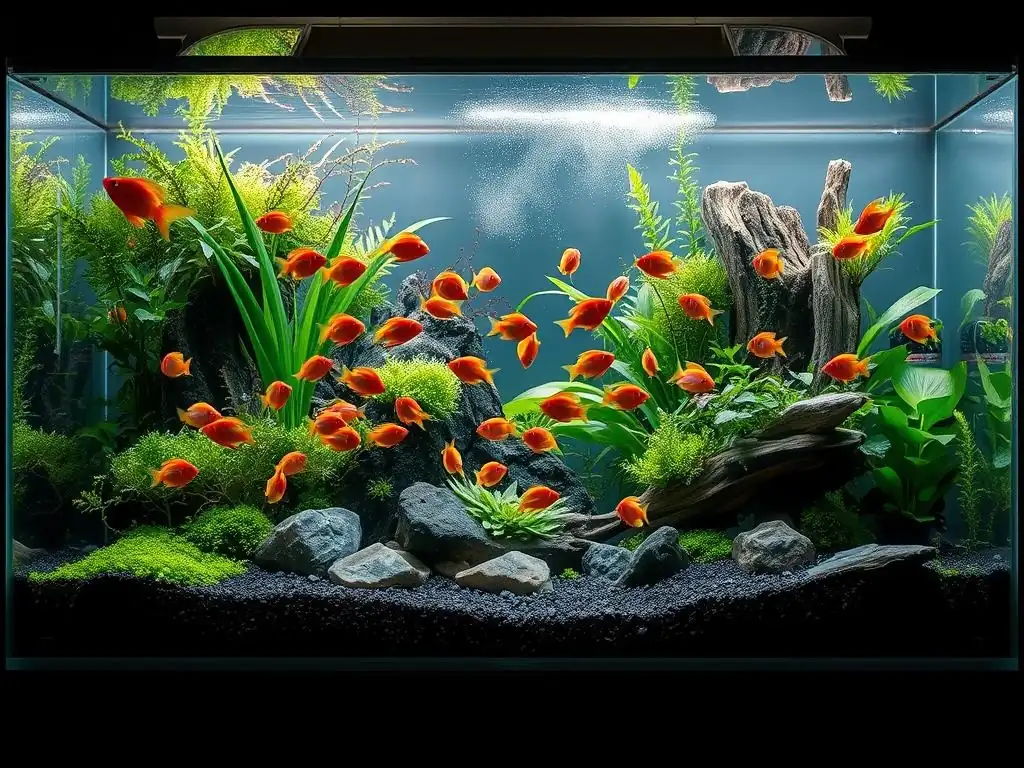
Welcome to Aquarium Mastery!
Curious about creating the perfect home for your lively Platies? Dive in! This Platy aquarium setup guide unlocks the secrets to a thriving tank, from choosing the right size and essential equipment to creating a vibrant environment your Platies will absolutely adore. Ready to unlock the full potential of your Platy aquarium? Let's get started!
- Introduction to Platy Keeping: A Comprehensive Guide
- Determining the Right Platy Tank Size: Space for Happy Platies
- Essential Equipment for Your Platy Aquarium: Creating a Thriving Environment
- Setting Up Your Platy Aquarium: A Step-by-Step Guide
- Maintaining a Healthy Platy Aquarium: Regular Care and Water Quality
- Conclusion: Enjoying Your Thriving Platy Aquarium.
-
Frequently Asked Questions
- What is the minimum tank size recommended for a Platy aquarium?
- What type of filtration is best for a Platy aquarium?
- What are some suitable tank mates for Platies in an aquarium?
- What are the ideal water parameters for a Platy aquarium?
- What kind of substrate and decorations should I use in a Platy aquarium?
- Final Reflection: Cultivating Life in Miniature
- Ignite Your Platy Paradise!
Introduction to Platy Keeping: A Comprehensive Guide
Platy fish (Xiphophorus maculatus) are among the most popular and vibrant freshwater aquarium inhabitants, cherished by aquarists for their striking colors, peaceful demeanor, and relatively easy care. Native to Central America, these livebearers are known for their adaptability, making them an excellent choice for both novice and experienced hobbyists. Their hardiness and active nature contribute to a lively aquatic environment, and their prolific breeding habits can be a fascinating aspect of their keeping.
Establishing the ideal environment is paramount for the health and longevity of your Platies. This comprehensive Platy aquarium setup guide will walk you through every critical step, from determining the appropriate tank size to selecting essential equipment and maintaining pristine water conditions. By understanding the specific needs of these charming fish, you can create a thriving habitat that promotes their natural behaviors, vibrant coloration, and overall well-being, ensuring a rewarding experience for any aquarist.
Determining the Right Platy Tank Size: Space for Happy Platies
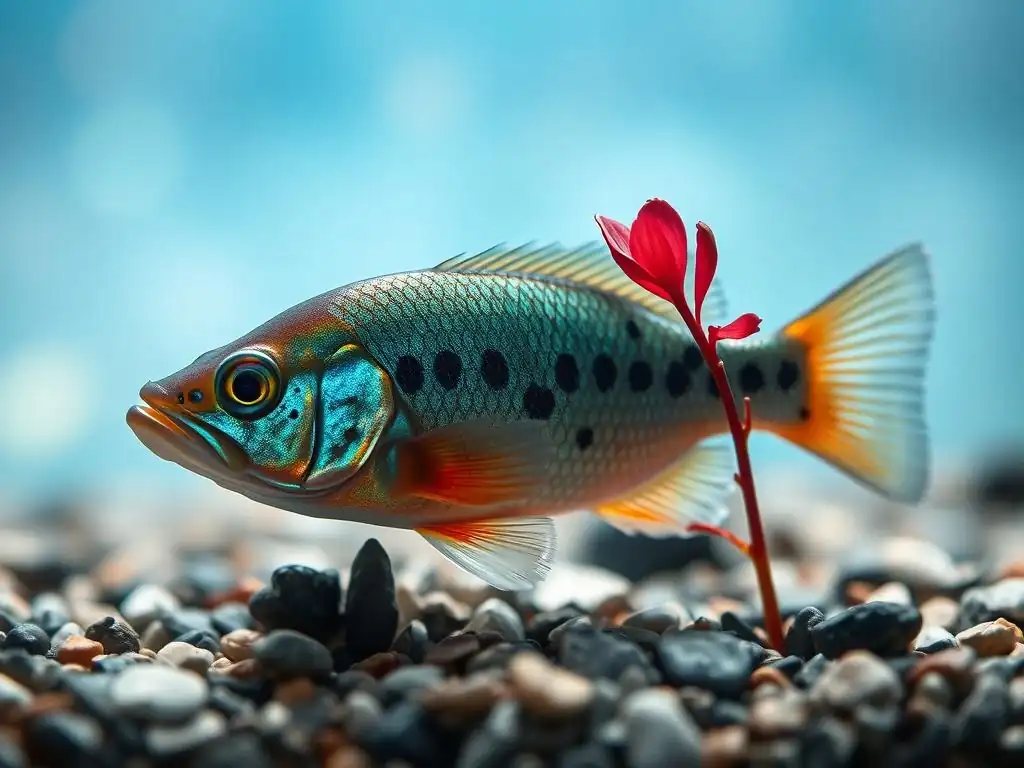
Minimum Tank Size for Platies: Balancing Space and Fish Welfare
When considering a Platy tank setup, the first crucial decision is tank size. While Platies are relatively small fish, typically growing to about 1.5 to 2.5 inches (3.8 to 6.3 cm) in length, they are active swimmers and thrive in groups. A minimum tank size of 10 gallons (approximately 38 liters) is generally recommended for a small group of 3-5 Platies. This size provides sufficient swimming space and helps dilute waste products, contributing to more stable water parameters.
Opting for a tank smaller than 10 gallons can lead to significant stress for Platies due to cramped conditions, rapid accumulation of waste, and fluctuating water chemistry. For instance, in a 5-gallon tank, ammonia and nitrite spikes can occur rapidly, often within days, posing a severe threat to fish health. A 10-gallon tank, on the other hand, offers a more forgiving buffer, allowing for a healthier biological filter to establish and providing the necessary room for Platies to exhibit their natural behaviors, such as schooling and exploring.
Calculating Tank Capacity: Platy Stocking Density
Calculating the appropriate stocking density is vital for maintaining a balanced and healthy Platy aquarium setup guide. A commonly cited guideline is the "one inch of fish per gallon" rule, but for active livebearers like Platies, a more conservative approach is often beneficial. Given that an adult Platy can reach 1.5 to 2 inches, a 10-gallon tank should ideally house no more than 3-4 adult Platies to ensure adequate swimming room and minimize bioload.
For larger groups or if you plan to keep other compatible species, a 20-gallon (approximately 76 liters) or larger tank is highly recommended. For example, a 20-gallon tank could comfortably house 6-8 Platies, allowing them ample space and reducing potential aggression. Overstocking, even by a few fish, can quickly lead to elevated nitrate levels, increased stress, and a higher risk of disease, making proper stocking density a cornerstone of successful Platy keeping.
Essential Equipment for Your Platy Aquarium: Creating a Thriving Environment
Filtration: Maintaining Pristine Water Quality for Platies
Effective filtration is the cornerstone of any healthy Platy aquarium setup guide, crucial for breaking down fish waste and maintaining clear, clean water. A good filtration system provides mechanical, chemical, and biological filtration. Biological filtration, specifically, is paramount as it houses beneficial bacteria that convert toxic ammonia and nitrite into less harmful nitrate, a process vital for the survival of your Platies. Hang-on-back (HOB) filters and internal filters are popular choices for Platy tanks due to their efficiency and ease of maintenance.
When selecting a filter, it's generally advisable to choose one rated for a tank size larger than your actual aquarium to ensure robust water turnover and filtration capacity. For a 20-gallon Platy tank, a filter rated for 30-40 gallons would provide excellent performance, often cycling the entire tank volume 5-10 times per hour. Regular maintenance, such as rinsing filter media in old tank water and replacing chemical media (like activated carbon) monthly, will ensure your filter operates at peak efficiency without disrupting the beneficial bacterial colony.
Heating and Temperature Control: Ensuring Optimal Conditions for Platies
Platies are tropical fish and require stable water temperatures to thrive. The ideal temperature range for a Platy tank setup is between 72°F and 78°F (22°C to 26°C). Consistent temperature is crucial for their metabolic processes, immune system function, and overall well-being. Fluctuations can lead to stress, susceptibility to diseases like Ich (white spot disease), and lethargy.
To maintain this stable temperature, a reliable submersible aquarium heater is essential. A general guideline for heater wattage is approximately 5 watts per gallon for tanks up to 20 gallons, and 3 watts per gallon for larger tanks. For instance, a 10-gallon Platy tank would benefit from a 50-watt heater, while a 20-gallon tank would typically require a 100-watt heater. Always pair your heater with an accurate aquarium thermometer to monitor water temperature and ensure it remains within the optimal range.
Lighting: Supporting Plant Growth and Platy Health
Lighting in a Platy aquarium setup guide serves a dual purpose: it enhances the aesthetic appeal of your tank, showcasing the vibrant colors of your Platies, and, more importantly, supports the growth of live plants if you choose to include them. A consistent light cycle is crucial, typically 10-12 hours per day, mimicking natural daylight hours. Over-lighting can lead to excessive algae growth, while insufficient lighting can stress fish and hinder plant development.
Modern LED lighting systems are highly recommended for Platy tanks due to their energy efficiency, longevity, and ability to provide a full spectrum of light beneficial for both fish and plants. For a moderately planted 20-gallon tank, an LED light with a wattage around 15-20 watts, designed for freshwater aquariums, would be suitable for supporting low to medium light plants such as Anubias, Java Fern, or Cryptocoryne. Ensure the light fixture is appropriate for the tank's dimensions to provide even illumination across the entire habitat.
Substrate: Creating a Foundation for Your Platy Tank
The substrate forms the base of your Platy tank setup, serving both functional and aesthetic purposes. It provides a surface for beneficial bacteria to colonize, contributing to biological filtration, and for live plants to root. For Platies, which are not bottom-dwellers that sift through sand extensively, a fine to medium-grade gravel or a specialized planted tank substrate is generally suitable. Inert substrates like natural gravel or sand will not alter water parameters, which is ideal for maintaining stable conditions.
When adding substrate, aim for a depth of 1.5 to 2 inches (3.8 to 5 cm) across the bottom of the tank. This depth is sufficient for plant roots to anchor and for the establishment of a healthy bacterial colony without creating anaerobic pockets that can produce harmful gases. For a 20-gallon tank, approximately 15-20 pounds (7-9 kg) of gravel or substrate would typically achieve this depth. Always rinse any new substrate thoroughly before adding it to the aquarium to remove dust and debris.
Setting Up Your Platy Aquarium: A Step-by-Step Guide
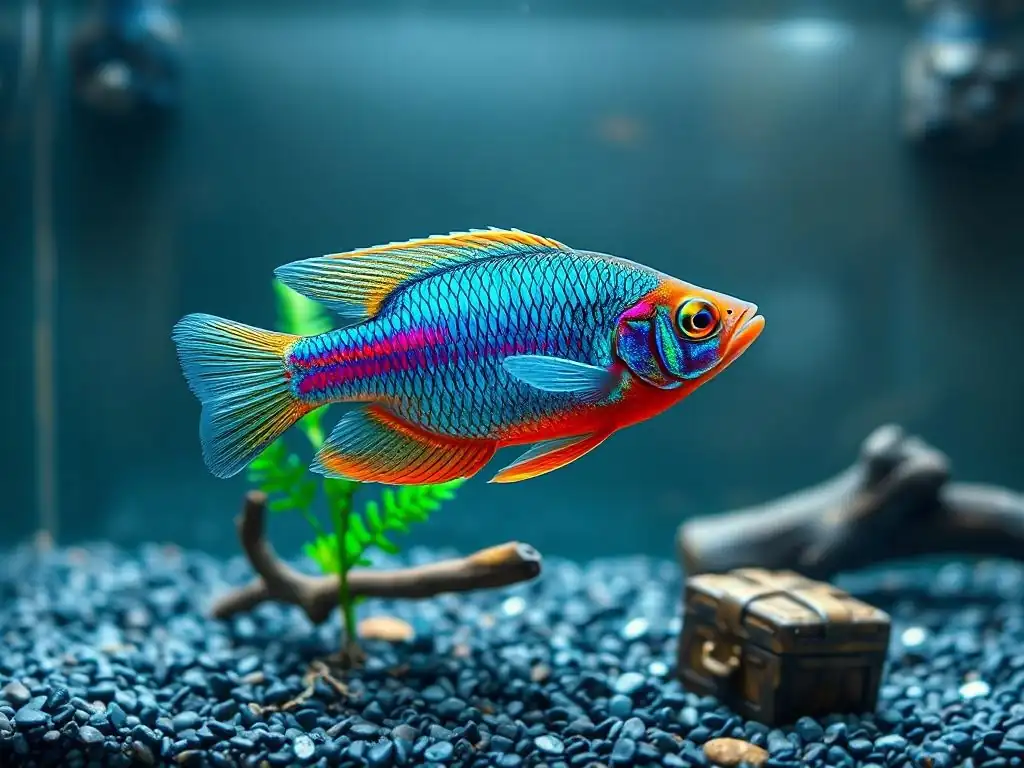
Preparing the Tank: Cleaning and Placement
The initial steps in any Platy aquarium setup guide involve meticulous preparation of the tank and careful consideration of its placement. Begin by thoroughly cleaning the empty aquarium using only water and a clean, dedicated sponge or cloth. Avoid using any soaps, detergents, or chemical cleaners, as residues can be highly toxic to fish and extremely difficult to remove entirely. Rinse the tank multiple times to ensure no dust or manufacturing residues remain.
Once clean, select a suitable location for your aquarium. It should be placed on a sturdy, level surface capable of supporting the significant weight of a filled tank; a 20-gallon aquarium with water, substrate, and decorations can easily weigh over 200 pounds (90 kg). Choose a spot away from direct sunlight to prevent excessive algae growth and away from drafts or heat sources that could cause temperature fluctuations. Ensure there's easy access to electrical outlets for equipment and ample space around the tank for maintenance.
Aquascaping: Creating a Natural and Appealing Platy Habitat
Aquascaping is more than just decorating; it's about creating a functional and aesthetically pleasing environment that mimics a Platy's natural habitat, a crucial part of any Platy care guide. Platies appreciate a well-decorated tank with plenty of hiding spots and visual barriers, which can reduce stress and allow them to exhibit natural behaviors. Incorporate a variety of elements such as smooth rocks, driftwood, and live plants.
For live plants, consider hardy, easy-to-care-for species that thrive in moderate lighting, such as Anubias, Java Fern, Amazon Sword, or Hornwort. These plants not only enhance the visual appeal but also contribute to water quality by absorbing nitrates and providing oxygen. Arrange taller plants in the background, shorter ones in the foreground, and create open swimming areas in the middle. Ensure all decorations are aquarium-safe and have no sharp edges that could injure your Platies.
Cycling the Tank: Establishing a Healthy Biological Filter
Before introducing any Platies, the most critical step in a Platy aquarium setup guide is cycling the tank. This process establishes the beneficial bacteria colonies necessary for the nitrogen cycle, which converts toxic ammonia (from fish waste and decaying food) into nitrite, and then into much less harmful nitrate. Without a fully cycled tank, fish will suffer from ammonia and nitrite poisoning, leading to severe illness or death.
The "fishless cycling" method is highly recommended for its safety and efficiency. This involves adding a pure ammonia source (e.g., household ammonia without surfactants) to the tank daily, typically aiming for 2-4 ppm. Monitor ammonia, nitrite, and nitrate levels using a liquid test kit. The cycle is complete when ammonia and nitrite both consistently read 0 ppm, and nitrates are present (typically after 4-6 weeks). This indicates a robust bacterial colony is established and ready to process fish waste.
Introducing Your Platies: Acclimation and Gradual Adaptation
Once your Platy aquarium setup guide is fully cycled and all water parameters are stable, you can begin the exciting process of introducing your Platies. Acclimation is crucial to minimize stress from changes in temperature and water chemistry. A common method is "drip acclimation," where you slowly add tank water to the bag containing your new fish over 30-60 minutes, gradually equalizing parameters. Alternatively, floating the sealed bag in the tank for 15-20 minutes to equalize temperature is a simpler method, though less thorough for water chemistry.
After acclimation, gently net the Platies and release them into the tank, discarding the water from the bag. Avoid adding all your Platies at once, especially if you're planning a large group. Introducing a few fish at a time over several days or even a week allows the biological filter to gradually adjust to the increased bioload, preventing ammonia or nitrite spikes. Observe your new fish closely for any signs of stress or illness during their first few days.
Maintaining a Healthy Platy Aquarium: Regular Care and Water Quality
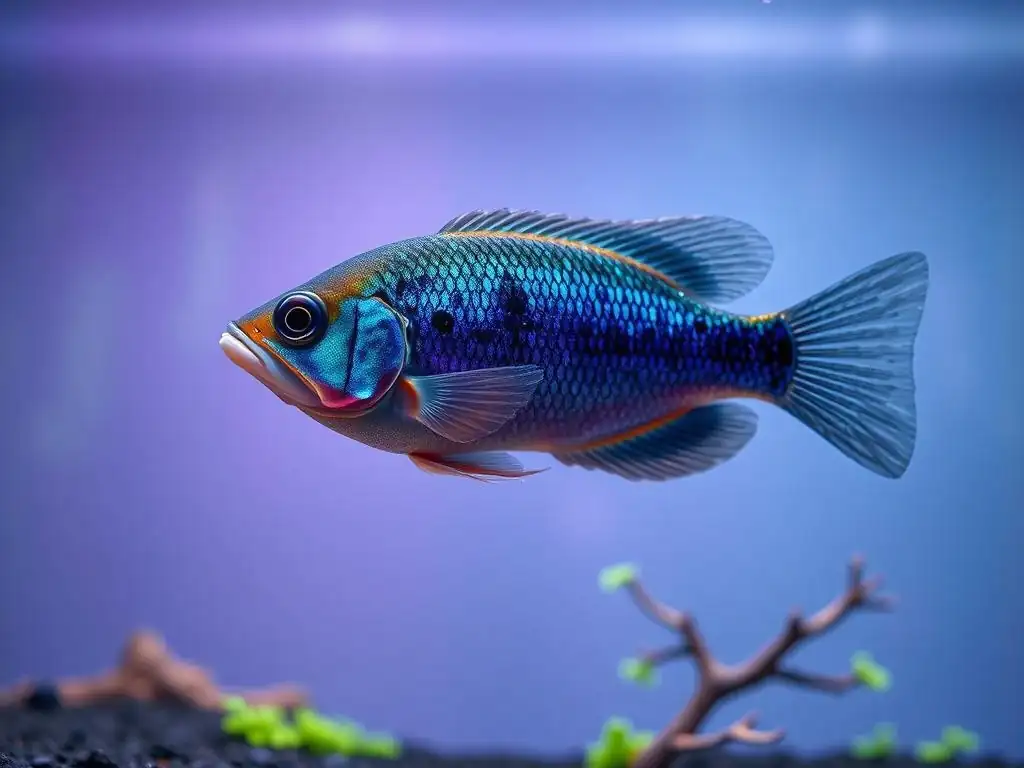
Water Changes: Replenishing Essential Minerals and Removing Waste
Regular water changes are fundamental to maintaining a healthy Platy aquarium setup guide and are arguably the most important aspect of routine care. Even with a robust filtration system, nitrates will accumulate over time, and essential trace minerals will be depleted. Water changes remove accumulated nitrates, phosphates, and other pollutants, while replenishing vital elements necessary for your Platies' health and vibrancy.
For a well-stocked Platy tank, a 25% water change weekly is a good general guideline. For example, in a 20-gallon tank, this means removing and replacing 5 gallons of water. Always use a good quality water conditioner to neutralize chlorine and chloramines in tap water, which are toxic to fish. Ensure the new water is roughly the same temperature as the tank water to prevent temperature shock. Gravel vacuuming during water changes also helps remove detritus from the substrate, further improving water quality.
Monitoring Water Parameters: Testing for Ammonia, Nitrite, and Nitrate
Consistent monitoring of water parameters is a non-negotiable part of a comprehensive Platy care guide. While a cycled tank processes ammonia and nitrite, regular testing ensures that the biological filter is coping with the bioload and that nitrates remain at safe levels. The ideal parameters for Platies are: Ammonia 0 ppm, Nitrite 0 ppm, pH between 7.0 and 8.0, and Nitrates below 20 ppm (ideally below 10 ppm).
Invest in a reliable liquid-based freshwater aquarium test kit, as they are significantly more accurate than test strips. Test your water weekly, especially after introducing new fish or if you notice any changes in fish behavior. If ammonia or nitrite are detected, perform an immediate partial water change (e.g., 50%) and reduce feeding. If nitrates are consistently high, increase the frequency or volume of your water changes. Maintaining stable parameters is key to preventing stress and disease in your Platies.
Feeding Platies: Providing a Balanced and Nutritious Diet
Platies are omnivores with a hearty appetite, and providing a balanced and nutritious diet is essential for their health, coloration, and active lifestyle. A high-quality flake food designed for tropical fish should form the staple of their diet. However, variety is crucial to ensure they receive all necessary nutrients and to stimulate their natural foraging behaviors.
Supplement their diet with a mix of live, frozen, or freeze-dried foods such as brine shrimp, bloodworms, and daphnia a few times a week. Platies also benefit from vegetable matter; spirulina flakes, blanched zucchini, or shelled peas can be offered occasionally. Feed small amounts 2-3 times daily, only what they can consume within 2-3 minutes. Overfeeding can lead to poor water quality and digestive issues in the fish, making careful portion control a key aspect of any successful Platy aquarium setup guide.
Identifying and Treating Common Platy Diseases: Preventing and Curing Illnesses
Despite their hardiness, Platies can occasionally fall victim to common freshwater aquarium diseases, especially if water quality is poor or they are stressed. Recognizing the signs of illness early is crucial for effective treatment. Common ailments include Ich (white spots resembling salt grains), Fin Rot (frayed or decaying fins), Dropsy (swollen body with scales protruding), and various bacterial or fungal infections. Symptoms often include lethargy, clamped fins, loss of appetite, abnormal swimming, or discoloration.
Prevention is always better than cure, and maintaining excellent water quality, providing a balanced diet, and avoiding overstocking are the best defenses against disease in your Platy tank setup. If a fish appears sick, consider moving it to a separate quarantine tank to prevent the spread of disease and to administer medication without affecting the main tank's biological filter or other inhabitants. Always research the specific disease and follow medication instructions carefully, often requiring the removal of activated carbon from the filter during treatment.
Conclusion: Enjoying Your Thriving Platy Aquarium.
Creating an ideal Platy aquarium setup guide is a rewarding endeavor that culminates in a vibrant, healthy, and engaging aquatic display. By diligently following the steps outlined, from selecting the appropriate tank size and essential equipment to meticulously cycling the water and maintaining consistent care routines, you lay the foundation for a thriving Platy community. Remember that patience and observation are your greatest tools; a truly successful aquarium is one that evolves with consistent attention to detail and a proactive approach to fish welfare.
The joy of watching these colorful livebearers dart through their meticulously crafted habitat, interacting with each other and their environment, is unparalleled. With stable water parameters, a varied diet, and a thoughtfully designed aquascape, your Platies will not only survive but truly flourish, showcasing their natural beauty and fascinating behaviors for years to come. Embrace the journey of freshwater aquarism, and enjoy the serene beauty of your perfectly established Platy tank.
Frequently Asked Questions
What is the minimum tank size recommended for a Platy aquarium?
The minimum tank size for a Platy aquarium is generally 10 gallons for a small group of 3-4 Platies. However, a larger tank like a 20-gallon is highly recommended to provide more space and stability for your fish.
What type of filtration is best for a Platy aquarium?
A hang-on-back (HOB) filter or a sponge filter are both excellent choices for Platy tanks. These filters provide adequate mechanical and biological filtration, keeping the water clean and healthy for your Platy fish.
What are some suitable tank mates for Platies in an aquarium?
Platies are peaceful fish and get along well with other community fish such as tetras, corydoras, and guppies. Avoid keeping them with aggressive or fin-nipping species.
What are the ideal water parameters for a Platy aquarium?
The ideal water parameters for Platies are a temperature range of 72-78°F (22-26°C), a pH of 7.0-8.0, and a general hardness of 10-25 dGH. Maintaining stable water parameters is crucial for their health.
What kind of substrate and decorations should I use in a Platy aquarium?
Use a smooth gravel or sand substrate to prevent injury. Decorate the tank with live plants, driftwood, and rocks to provide hiding places and create a natural environment for your Platies.
Final Reflection: Cultivating Life in Miniature
The journey of creating an ideal platy aquarium, as we've explored, is more than just assembling a tank; it's about fostering a thriving ecosystem. This commitment to responsible fishkeeping resonates deeply in a world increasingly aware of the interconnectedness of all living things. By understanding the specific needs of platies and meticulously crafting their environment, we participate in a small but significant act of conservation and respect for aquatic life.
The enduring appeal of the platy aquarium lies not only in its vibrant beauty but also in its capacity to teach us valuable lessons about balance, responsibility, and the delicate nature of life. My own experience with these captivating fish has underscored the importance of patience and observation, revealing the subtle nuances of their behavior and the intricate web of interactions within their miniature world. In nature, nothing exists alone.
- Rachel Carson. This quote perfectly encapsulates the essence of a successful platy aquarium, where every element plays a crucial role in the overall health and well-being of its inhabitants.
Now, as you embark on your own platy-keeping adventure, I urge you to consider the principles we've discussed not just as guidelines, but as a foundation for a deeper connection with the natural world. Let your aquarium be a testament to your dedication, a vibrant reflection of your commitment to providing a thriving habitat for these delightful creatures. Embrace the learning process, observe with curiosity, and create a miniature world that brings joy and wonder to your life.
Ignite Your Platy Paradise!
Thank you for diving into the world of platy keeping! We hope you found valuable insights into creating the perfect habitat for these vibrant fish. Ready to turn that knowledge into action?
Here's how you can take the next step:
- Transform your tank! Carefully assess your current setup and upgrade to a larger tank (minimum 10 gallons for a small group) if needed. Prioritize achieving optimal water parameters and temperature.
- Share your platy passion. Spread the joy by posting a picture of your platy setup or a fun platy fact on social media using #PlatyParadise and tagging Aquarium Mastery.
- Explore the unusual. Research and consider adding a unique, platy-safe plant, like Anubias nana 'petite', to your aquarium for added visual interest and enrichment.
What's one small change you can make to your platy tank this week to improve their happiness and health?