
Pearl Gourami Aggression: Rare but Real – How to Handle It

Welcome to Aquarium Mastery!
Ever heard the whisper that Pearl Gouramis are always peaceful? While generally true, occasional aggression can bubble up in these shimmering beauties. Dive into our comprehensive guide, " Pearl Gourami Aggression: Rare but Real – How to Handle It," and unlock the secrets to maintaining harmony in your freshwater aquarium. Discover the causes, solutions, and preventative measures to ensure your Pearl Gouramis, and their tank mates, thrive. Keep reading to learn more and avoid common pitfalls!
- Understanding Pearl Gourami Temperament and Behavior
- Why Pearl Gourami Aggression Occurs: Common Causes
- Pearl Gourami Aggression Management: Practical Solutions
- Preventing Future Aggression Issues with Pearl Gouramis
- Pearl Gourami Behavior: Beyond Aggression
-
Frequently Asked Questions
- How common is aggression in Pearl Gouramis?
- What are the primary causes of aggression in Pearl Gouramis?
- How can I identify aggression in my Pearl Gouramis?
- What size tank is recommended to minimize aggression amongst Pearl Gouramis?
- What are some effective strategies for managing aggression in Pearl Gouramis?
- Final Reflection: Navigating the Delicate Balance of Aquarium Harmony
- Unveil a Peaceful Aquarium!
Understanding Pearl Gourami Temperament and Behavior
Debunking the Myth: Are Pearl Gouramis Peaceful Fish?
Pearl Gouramis (Trichopodus leerii) are widely celebrated in the aquarium hobby for their striking beauty and, more importantly, their typically serene disposition. Often lauded as an ideal community fish, they are generally peaceful and graceful inhabitants of a well-maintained freshwater tank. Their calm demeanor, characterized by slow, deliberate movements and minimal interaction with other species, makes them a favorite among aquarists seeking a tranquil aquatic environment. It's this reputation for placidity that often leads new hobbyists to overlook the rare, but real, instances of Pearl Gourami aggression.
While their gentle nature is a defining characteristic, it's crucial to understand that no fish is entirely devoid of the capacity for aggression. Like all living creatures, Pearl Gouramis possess individual personalities, and their behavior can be influenced by a myriad of environmental factors. Instances of Pearl Gourami aggression, though infrequent, can arise from specific stressors such as overcrowding, incompatible tank mates, or the natural instincts associated with breeding. Therefore, understanding the nuances of their behavior is key to effective pearl gourami aggression management, ensuring a harmonious aquarium for all its inhabitants.
In a healthy and appropriate environment, Pearl Gouramis exhibit fascinating and largely non-aggressive social behaviors. Males, particularly, will engage in a form of display to each other, which might include flaring their fins, extending their ventral fins, and briefly chasing. This is typically a territorial display, establishing dominance or claiming a small area, and rarely escalates into actual physical harm. These interactions are brief, lasting only a few seconds, and are distinct from sustained, harmful aggression. They often occur without any damage to fins or scales, indicating a natural part of their social hierarchy rather than aggressive intent.
Pearl Gouramis also spend a good portion of their time exploring the tank, gently sifting through plants, and interacting with their environment using their long, sensitive ventral fins. They are known for their inquisitive nature, often observing their surroundings with a calm curiosity. When kept in groups of three or more, they may form a loose schooling arrangement, though they are not strict schoolers. Observing these typical behaviors – gentle exploration, brief male displays without injury, and a general lack of harassment towards other fish – is essential for distinguishing normal social interaction from genuine Pearl Gourami aggression.
Identifying Signs of Aggression in Pearl Gouramis
Despite their peaceful reputation, specific behaviors can signal the onset of Pearl Gourami aggression. Aquarists should be vigilant for these warning signs to intervene promptly. One common indicator is persistent chasing, where a gourami repeatedly pursues another fish for extended periods, preventing it from resting or feeding. This goes beyond the brief displays seen between males and often targets specific individuals. Another clear sign is fin nipping, where the aggressor bites the fins of tank mates, leading to visible damage such as frayed or torn fins.
More severe forms of Pearl Gourami aggression can include body slamming or ramming, where the aggressor physically collides with another fish. This can cause internal injuries or scale damage. Furthermore, an aggressive Pearl Gourami might guard a specific area of the tank, such as a favored plant or piece of decor, preventing other fish from entering. They may also show increased color intensity and a more rigid body posture when confronting other fish. Recognizing these distinct behaviors is the first critical step in addressing and managing pearl gourami aggression effectively within your aquarium.
Why Pearl Gourami Aggression Occurs: Common Causes
Spawning Behavior and Territoriality in Pearl Gouramis
One of the most significant triggers for Pearl Gourami aggression is their natural spawning behavior. Male Pearl Gouramis, like many anabantoids, become intensely territorial when they are ready to breed. Their primary instinct during this period is to construct and defend a bubble nest, typically at the water's surface, anchored to floating plants or decor. Once the nest is built and the male is ready to entice a female, his protective instincts heighten dramatically.
During this spawning phase, any fish, regardless of size or species, that approaches the male's carefully constructed bubble nest or the surrounding territory will be perceived as a threat. The male will aggressively chase away intruders, often displaying vibrant colors and flaring his fins as a warning. While this aggression is usually temporary and confined to the breeding period, it can be quite intense, leading to stress and potential injury for other tank inhabitants. Effective pearl gourami aggression management during this time often involves providing ample space and visual barriers to mitigate conflict.
Overcrowding and Limited Tank Space: A Recipe for Aggression
Insufficient tank space is a primary environmental stressor that can turn even the most peaceful fish, including Pearl Gouramis, aggressive. When an aquarium is overcrowded, fish are constantly in close proximity, leading to increased competition for resources such as food, hiding spots, and personal territory. For Pearl Gouramis, which can grow up to 4-5 inches in length, a tank smaller than 30 gallons for a pair, or less than 40 gallons for a small group, can quickly become a confined environment.
In such cramped conditions, the natural territorial instincts of Pearl Gouramis, especially males, become amplified. Without adequate room to establish individual territories or for subordinate fish to escape the sight of dominant ones, continuous stress accumulates. This chronic stress often manifests as heightened aggression, as fish become irritable and are more likely to lash out. Addressing overcrowding is a fundamental aspect of pearl gourami aggression management, as it directly impacts the overall well-being and behavior of your fish.
Incompatible Tank Mates: Triggering Pearl Gourami Aggression
The selection of tank mates plays a crucial role in maintaining a peaceful aquarium environment for Pearl Gouramis. Introducing incompatible species can be a significant trigger for Pearl Gourami aggression. Fish that are overly boisterous, known fin-nippers, or highly territorial can stress Pearl Gouramis, leading them to become defensive or aggressive in return. For instance, species like Tiger Barbs or Serpae Tetras are notorious fin-nippers that can harass the long, flowing fins of a Pearl Gourami, causing stress and potentially provoking a retaliatory response.
Similarly, other anabantoid species, especially those of similar size or appearance, may compete directly with Pearl Gouramis for territory and resources, leading to increased tension and overt aggression. Large, aggressive cichlids or predatory fish can also intimidate Pearl Gouramis, causing them chronic stress that manifests as lashing out at other, more vulnerable tank mates. Careful research into species compatibility before introduction is a cornerstone of proactive pearl gourami aggression management, ensuring a harmonious community.
Water Quality Issues and Stress: Contributing Factors
Poor water quality is a silent, yet powerful, stressor that can significantly contribute to Pearl Gourami aggression. Fluctuations in water parameters, elevated levels of ammonia, nitrite, or nitrate, or incorrect pH and temperature can weaken a fish's immune system, making them more susceptible to disease and behavioral issues. For Pearl Gouramis, ideal water parameters typically include a temperature range of 75-82°F (24-28°C), pH between 6.0-8.0, and soft to medium hardness (5-15 dGH). Deviations from these optimal conditions induce physiological stress.
When fish are stressed by suboptimal water conditions, their natural behaviors can become erratic. A Pearl Gourami living in poor quality water might become lethargic, lose its vibrant coloration, or conversely, become unusually irritable and aggressive. Chronic exposure to high nitrates, for example, can lead to organ damage and a constant state of discomfort, which can directly translate into aggressive outbursts. Therefore, maintaining pristine and stable water parameters through regular testing and maintenance is a critical component of effective pearl gourami aggression management, ensuring the overall health and temperament of your fish.
Pearl Gourami Aggression Management: Practical Solutions
Optimizing Tank Size and Layout for Pearl Gouramis
The Importance of Adequate Swimming Space
Providing ample swimming space is paramount for preventing and managing Pearl Gourami aggression. For a single Pearl Gourami, a minimum tank size of 20 gallons is recommended, while a pair or a small group of three to four individuals thrives in a tank of 30-40 gallons or larger.
This generous volume allows each fish to establish a personal territory, reducing the likelihood of constant encounters and competition. In a 40-gallon breeder tank, for example, the wider footprint provides more horizontal swimming space, which is often preferred by labyrinth fish like gouramis for exploring and building bubble nests without encroaching on others' areas.
Adequate space not only minimizes direct conflict but also reduces overall stress levels within the aquarium community. When fish have enough room, they are less likely to feel cramped or threatened, leading to more natural and peaceful behaviors. A larger water volume also helps in maintaining stable water parameters, as waste products are diluted more effectively, contributing to a healthier and less stressful environment. Investing in an appropriately sized tank is a foundational step in effective pearl gourami aggression management, promoting long-term well-being.
Creating Visual Barriers and Hiding Places
Tank layout plays a critical role in diffusing potential Pearl Gourami aggression. Incorporating numerous visual barriers and hiding places allows fish to retreat from perceived threats and break line of sight, preventing continuous harassment. Dense planting with tall, leafy plants such as Amazon Swords, Water Wisteria, or Vallisneria provides excellent cover. Floating plants like Dwarf Water Lettuce or Frogbit are also beneficial, offering surface cover which Pearl Gouramis appreciate for both security and bubble nest building.
Beyond live plants, driftwood, rock formations, and ceramic caves can serve as effective hiding spots and territorial markers. Arranging these elements strategically can create distinct zones within the tank, allowing dominant fish to claim an area without constantly bothering others, and providing subordinate fish with safe havens. For instance, a 40-gallon tank can be effectively divided into several visual zones using a large piece of driftwood in the center and dense plant clusters on either side. This thoughtful aquascaping is a highly effective strategy for pearl gourami aggression management, fostering a sense of security and reducing territorial disputes.
Selecting Compatible Tank Mates for Pearl Gouramis
Suitable Community Fish for a Pearl Gourami Tank
Choosing the right tank mates is crucial for a peaceful Pearl Gourami aquarium. Ideal companions are generally peaceful, similarly sized, and do not possess long, flowing fins that might tempt fin-nippers. Good choices include various peaceful tetra species such as Neon Tetras, Cardinal Tetras, Rummy-nose Tetras, and Lemon Tetras, which typically inhabit the mid-water column and have a calm disposition. Small, bottom-dwelling fish like Corydoras catfish (e.g., Panda Corydoras, Bronze Corydoras) and Otocinclus catfish are also excellent additions, as they occupy a different part of the tank and are entirely non-aggressive.
Other suitable options include peaceful rasboras like Harlequin Rasboras or Chili Rasboras, and certain peaceful loaches such as Kuhli Loaches. These species have similar water parameter requirements and do not compete directly with Pearl Gouramis for food or territory. Introducing fish in appropriate group sizes (e.g., 6+ for schooling fish) can also dilute potential aggression by spreading out the attention of any mildly territorial gourami. Careful selection of these compatible species is a cornerstone of successful pearl gourami aggression management.
Fish to Avoid: Aggressors and Fin-Nippers
To prevent Pearl Gourami aggression, certain types of fish should be avoided as tank mates. Any species known for fin-nipping, such as Tiger Barbs, Serpae Tetras, or even some types of Danios, can cause significant stress and injury to Pearl Gouramis due to their long, delicate ventral and anal fins. This constant harassment can provoke a defensive or retaliatory aggressive response from the gouramis. Overly boisterous or fast-moving fish can also stress Pearl Gouramis, as their calm nature makes them easily overwhelmed by hyperactivity.
Furthermore, other aggressive or highly territorial species, particularly large cichlids or other large gourami species (e.g., Giant Gouramis, Kissing Gouramis), should generally be excluded. These fish may compete directly for territory or intimidate the more peaceful Pearl Gouramis, leading to chronic stress or outright conflict. Even certain dwarf cichlids, if particularly aggressive, might not be suitable. Understanding and avoiding these incompatible tank mates is a vital aspect of proactive pearl gourami aggression management.
Maintaining Optimal Water Parameters for Pearl Gourami Health
Regular Water Changes and Filtration
Maintaining pristine water quality is a fundamental pillar of Pearl Gourami health and a key strategy for managing pearl gourami aggression. Regular partial water changes are essential to remove accumulated nitrates, phosphates, and other dissolved organic compounds that can stress fish. A general recommendation is to perform a 25-30% water change weekly, using dechlorinated water that is temperature-matched to the aquarium. For heavily stocked tanks or those with larger bioloads, more frequent or larger water changes may be necessary.
In addition to water changes, a robust and appropriately sized filtration system is crucial. Canister filters, hang-on-back filters, or sponge filters provide mechanical, chemical, and biological filtration, effectively removing particulate matter, toxins, and converting harmful ammonia and nitrite into less toxic nitrate. Ensuring that filter media are regularly cleaned or replaced as per manufacturer guidelines prevents filter clogs and maintains optimal filtration efficiency. Consistent water clarity and purity directly contribute to a low-stress environment, significantly reducing the likelihood of stress-induced Pearl Gourami aggression.
Monitoring Ammonia, Nitrite, and Nitrate Levels
Regular testing of water parameters is indispensable for a healthy aquarium and proactive pearl gourami aggression management. Ammonia (NH3/NH4+) and nitrite (NO2-) are highly toxic compounds that should always be at 0 parts per million (ppm) in a cycled aquarium. Even trace amounts can cause severe stress, suppress the immune system, and lead to disease, which in turn can manifest as abnormal behaviors, including aggression. Nitrate (NO3-), while less toxic, should ideally be kept below 20 ppm, though some aquarists aim for less than 10 ppm for sensitive species.
Utilizing a reliable liquid-based test kit (not test strips, which can be less accurate) to monitor these parameters weekly or bi-weekly allows aquarists to identify and address issues promptly. If ammonia or nitrite levels are detected, immediate action, such as a large water change and investigation into the cause (e.g., overfeeding, filter malfunction), is necessary. Consistently stable and optimal water parameters minimize physiological stress on Pearl Gouramis, promoting their natural peaceful temperament and significantly reducing the risk of stress-related Pearl Gourami aggression.
Providing Spawning Sites and Plant Cover
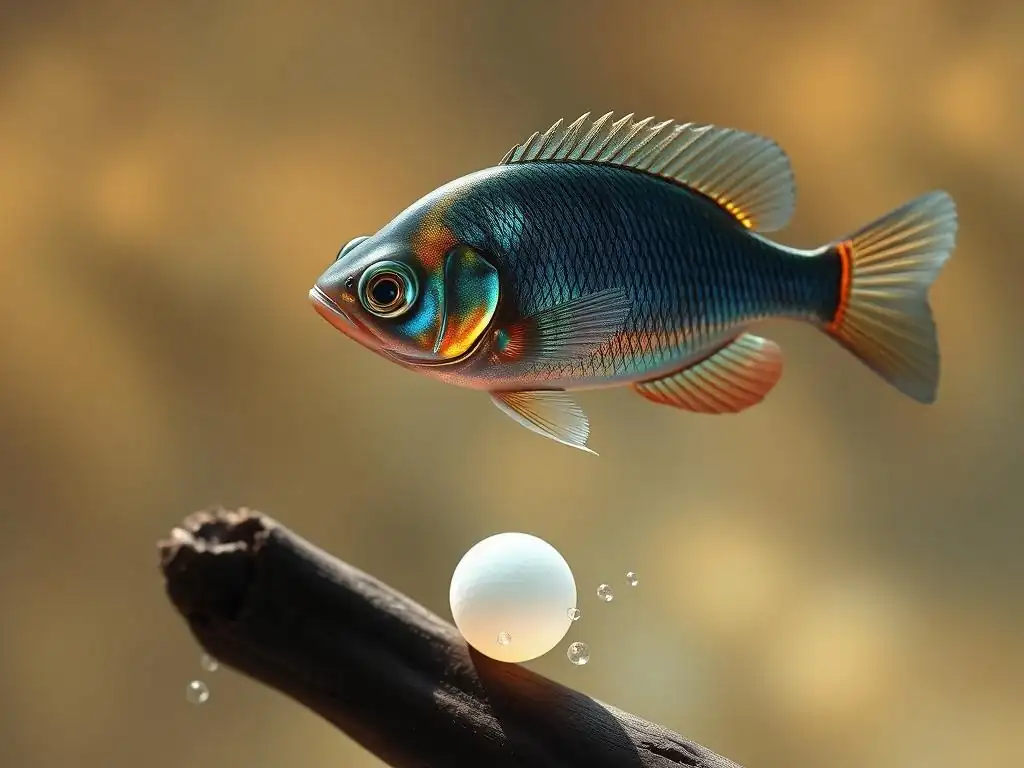
When Pearl Gouramis are breeding, the male's aggression often stems from his instinct to protect his bubble nest and future fry. To mitigate this, providing ample suitable spawning sites and dense plant cover throughout the tank is crucial. Floating plants, such as Salvinia minima, Dwarf Water Lettuce, or even artificial floating plants, offer excellent anchoring points for the male's bubble nest. These plants also provide shade and a sense of security for the male during this vulnerable period.
Furthermore, dense planting with tall, broad-leaved plants like Amazon Swords, Cryptocoryne species, or Java Fern in various areas of the tank offers the female and other tank inhabitants plenty of places to retreat and hide from the male's temporary territoriality. This allows the female to escape the male's persistent courtship and post-spawning guarding, reducing stress and preventing injury. Strategically placed plant cover is an effective, natural method of pearl gourami aggression management during breeding periods.
Separating Aggressive Individuals Temporarily
In situations where spawning-related Pearl Gourami aggression becomes severe or poses a threat to the female or other tank mates, temporary separation of the aggressive male may be necessary. This can be achieved using a breeding net or a tank divider within the main aquarium, which allows the male to continue guarding his nest while preventing him from harming other fish.
Alternatively, if a spare tank is available, the male can be temporarily moved to a separate "hospital" or "breeding" tank (e.g., a 10-gallon tank) once spawning is complete and the eggs are laid, allowing the female to recover in peace.
This temporary removal allows the male to focus solely on guarding the eggs and fry without the distraction or provocation of other fish. Once the fry are free-swimming and the male's parental duties are complete (typically a few days to a week after hatching), his aggression will naturally subside, and he can be safely reintroduced to the main tank. This direct intervention is an effective, albeit temporary, pearl gourami aggression management strategy when natural methods are insufficient.
Pearl Gourami Aggression Treatment: Step-by-Step Guide
Step 1: Observation and Identification of the Aggressor
The initial and most critical step in addressing Pearl Gourami aggression is thorough observation. Spend significant time observing your aquarium, ideally over several days, to confirm which fish is exhibiting aggressive behavior and who the targets are. Look for specific actions such as persistent chasing, fin-nipping, or body slamming.
Note if the aggression is constant or intermittent, and if it's directed at a single individual or multiple tank mates. It's also important to identify any specific triggers, such as feeding time, proximity to a certain area, or interactions with particular tank mates. Accurate identification of the aggressor and the pattern of aggression is fundamental for effective pearl gourami aggression management.
Step 2: Assessing the Severity of the Aggression
Once the aggressor is identified, assess the severity of the aggression. Is it merely brief chasing or displaying, which is often normal male behavior? Or is it escalating to actual physical harm, such as torn fins, missing scales, or visible stress (e.g., clamped fins, hiding constantly, refusing to eat) in the target fish? Mild, infrequent chasing might be tolerated, but consistent harassment leading to injury or chronic stress requires immediate intervention. The level of intervention needed for pearl gourami aggression management will depend directly on the severity of the observed behaviors.
Step 3: Implementing Environmental Changes
Begin by implementing environmental changes to alleviate stress and provide escape routes. First, ensure the tank size is adequate for all inhabitants. If not, consider upgrading. Next, add more visual barriers and hiding spots.
This can involve rearranging existing decor, adding more live plants (especially tall, dense, or floating varieties), driftwood, or rock formations. The goal is to break up sight lines and create numerous safe havens where targeted fish can retreat. For example, adding a large piece of driftwood that spans the tank can create a natural division, or planting a dense forest of Java Fern in a corner can offer a secure hiding spot. These changes often significantly reduce Pearl Gourami aggression by minimizing direct confrontations.
Step 4: Considering Tank Mate Adjustments
If environmental changes do not resolve the Pearl Gourami aggression, or if the aggression is severe from the outset, tank mate adjustments may be necessary. This could involve removing either the aggressor or the targeted fish. If the aggressor is consistently causing harm, consider rehoming it to a separate tank, or if possible, returning it to the pet store.
Alternatively, if a specific tank mate is consistently being harassed, that individual may need to be moved to a different tank for its safety. Re-evaluating the entire stocking list for compatibility is also crucial; aggressive or overly boisterous species might need to be removed and replaced with more peaceful alternatives that are better suited for a Pearl Gourami community. This step is a direct and often necessary measure for effective pearl gourami aggression management.
Step 5: Monitoring and Continued Care
After implementing changes, continuous monitoring is essential. Observe your Pearl Gouramis and their tank mates closely for several days to weeks to ensure the aggression has subsided and the fish are no longer showing signs of stress or injury. Maintain pristine water quality through regular water changes and consistent parameter testing (ammonia, nitrite, nitrate).
Ensure all fish are eating well and exhibiting natural behaviors. If aggression persists despite these interventions, further adjustments may be required, potentially including a complete overhaul of tank stocking or seeking advice from experienced aquarists. Consistent vigilance and ongoing care are key to preventing recurrence of pearl gourami aggression and maintaining a harmonious aquarium.
Preventing Future Aggression Issues with Pearl Gouramis
Proactive Measures for a Peaceful Aquarium Environment
Preventing Pearl Gourami aggression is far more effective than reacting to it. Proactive measures focus on creating an environment that inherently discourages aggressive behaviors. This begins with selecting an appropriately sized aquarium; a 30-gallon tank for a pair or 40-gallon for a small group ensures ample space, reducing territorial disputes. Furthermore, thoughtful aquascaping is crucial: incorporating a generous amount of live plants, driftwood, and rock formations creates numerous visual barriers and hiding spots. For instance, planting dense clusters of Ludwigia or Rotala can break up line-of-sight, while a well-placed piece of Mopani wood can offer shaded retreats.
Equally important is the careful selection of tank mates. Opt for peaceful, similarly sized community fish that do not have a reputation for fin-nipping or excessive boisterousness. Avoid species known to be aggressive or highly territorial. Maintaining stable and optimal water parameters (temperature 75-82°F, pH 6.0-8.0, 0 ppm ammonia/nitrite, <20 ppm nitrate) through regular water changes and robust filtration also plays a vital role. A healthy, stress-free fish is far less likely to exhibit Pearl Gourami aggression. By consistently applying these preventative strategies, aquarists can cultivate a tranquil and thriving ecosystem for their Pearl Gouramis.
Quarantine New Fish Before Introduction
A critical proactive measure in preventing the introduction of stress and potential Pearl Gourami aggression triggers is quarantining all new fish before adding them to your main display tank. A separate quarantine tank, typically 10-20 gallons, should be set up with a heater, filter, and basic decor. New fish should reside in this tank for a period of 2 to 4 weeks. This quarantine period serves multiple purposes: it allows you to observe the new fish for any signs of disease, preventing the spread of pathogens to your established aquarium inhabitants.
Crucially, it also provides an opportunity to observe the temperament and behavior of the new fish without the added stress of a new environment and established tank mates. You can identify any aggressive tendencies or unusual behaviors that might arise from stress or inherent disposition. If a new fish exhibits signs of aggression during quarantine, you can re-evaluate its suitability for your Pearl Gourami tank and potentially choose a different path, thus directly preventing future pearl gourami aggression management challenges in your main setup.
Regular Observation and Maintenance
Consistent and diligent observation, coupled with routine maintenance, is fundamental to preventing and promptly addressing any emerging Pearl Gourami aggression issues. Daily observation of your aquarium allows you to become intimately familiar with the normal behaviors of your Pearl Gouramis and their tank mates. This keen awareness enables you to quickly spot subtle changes in behavior, such as increased chasing, clamped fins, or hiding, which could be early indicators of stress or developing aggression. Early detection is key to intervening before problems escalate.
Routine tank maintenance, including weekly partial water changes, filter cleaning, and gravel vacuuming, ensures stable and pristine water quality. This consistent care minimizes environmental stressors that can contribute to aggression. Regular water parameter testing (ammonia, nitrite, nitrate) also helps maintain optimal conditions. By integrating daily observation with a strict maintenance schedule, aquarists can proactively manage their aquarium environment, keeping stress levels low and significantly reducing the likelihood of Pearl Gourami aggression becoming a persistent issue.
Pearl Gourami Behavior: Beyond Aggression
Understanding Pearl Gourami Communication
Beyond the rare instances of Pearl Gourami aggression, these fish possess a fascinating array of communication methods that contribute to their unique charm. Their most distinctive feature, the long, thread-like ventral fins, are not just for show; they are highly sensitive sensory organs used to explore their surroundings, locate food, and communicate with other fish. Pearl Gouramis will often gently touch objects or other fish with these barbels, gathering information about their environment and tank mates. This tactile communication is a primary way they interact with their world.
Visual cues also play a significant role in their communication. Males, especially, will display vibrant colors, particularly during breeding or when asserting dominance, flaring their dorsal and anal fins to appear larger. Body posture can also convey messages: a Pearl Gourami holding its head down might indicate stress or submission, while an upright, confident posture suggests well-being. Understanding these subtle forms of communication helps aquarists appreciate the nuanced social lives of these fish and better interpret their needs, extending beyond simple pearl gourami aggression management.
Recognizing Signs of a Healthy and Happy Pearl Gourami
A healthy and happy Pearl Gourami is a joy to behold and a testament to proper aquarium care. Such a fish will exhibit vibrant, iridescent colors, with the distinctive pearl-like spots clearly defined and shimmering. Their fins will be intact, erect, and free from tears or clamping, often gently flowing as they swim. They will be active and inquisitive, exploring all levels of the tank with graceful, unhurried movements, rather than frantically darting or constantly hiding. A healthy Pearl Gourami will also have clear, bright eyes and a good appetite, readily accepting appropriate foods.
Furthermore, a happy Pearl Gourami will show appropriate social behaviors for its species, engaging in gentle interaction with tank mates without signs of stress or aggression. They will not be gasping at the surface, which could indicate poor water quality or low oxygen. Observing these positive indicators confirms that your Pearl Gourami is thriving in its environment, suggesting that the conditions are optimal and that factors contributing to pearl gourami aggression are effectively being mitigated or avoided.
The Unique Personality of Pearl Gouramis: Observing Individual Differences
While general behavioral patterns exist for Pearl Gouramis, it is important for aquarists to recognize and appreciate the unique personality that each individual fish can possess. Just like people, no two Pearl Gouramis are exactly alike. Some may be naturally bolder and more curious, constantly exploring every corner of the tank, while others might be shyer, preferring to spend more time among dense plant cover. One male might be a prolific bubble nest builder, while another shows less interest in breeding.
These individual quirks contribute to the richness of the aquarium hobby. By spending time observing your specific Pearl Gouramis, you can learn their individual preferences, their favored hiding spots, their interactions with specific tank mates, and their unique responses to different stimuli. This understanding allows for more tailored care, ensuring that the aquarium environment is optimized not just for the species as a whole, but for the specific fish within it. Appreciating these individual differences helps aquarists provide a truly enriching environment, reducing stress and further minimizing the likelihood of pearl gourami aggression.
Frequently Asked Questions
How common is aggression in Pearl Gouramis?
Aggression in Pearl Gouramis is relatively rare, as they are generally considered peaceful fish. However, it can occur, especially during breeding or when kept in inappropriate tank conditions.
What are the primary causes of aggression in Pearl Gouramis?
The main causes include overcrowding, inadequate hiding places, or the presence of similar-looking fish. Breeding behavior can also trigger temporary aggression in males.
How can I identify aggression in my Pearl Gouramis?
Watch for signs like chasing, fin nipping, and constant bullying of other fish. Also, observe if a Pearl Gourami is isolating or cornering other tank inhabitants.
What size tank is recommended to minimize aggression amongst Pearl Gouramis?
A tank of at least 30 gallons is generally recommended to provide ample space and reduce territorial disputes. Larger tanks are always better, especially when keeping multiple Pearl Gouramis or other fish.
What are some effective strategies for managing aggression in Pearl Gouramis?
Ensure the tank has plenty of plants and decorations for hiding. Consider rearranging the tank to disrupt established territories, or separating aggressive individuals if necessary.
The insights shared throughout this article regarding Pearl Gourami aggression management are not merely theoretical exercises; they are essential tools for fostering thriving aquatic ecosystems in our homes. Understanding the subtle nuances of Pearl Gourami behavior, and proactively addressing potential conflicts, is paramount to ensuring the well-being of these beautiful fish and their tankmates. The responsibility of creating a harmonious environment rests squarely on the shoulders of the aquarist.
This journey into the world of Pearl Gourami behavior has highlighted the delicate balance within our aquariums. It reminds us that even seemingly peaceful creatures can exhibit unexpected aggression, and that careful observation and proactive intervention are crucial for maintaining a healthy and balanced ecosystem. The best way to avoid problems is to understand the potential for them.
This simple truth underscores the importance of continuous learning and adaptation in the ever-evolving world of aquarium keeping.
As you close this article, consider the power you hold to shape the lives of the creatures in your care. Reflect on the strategies discussed, and commit to implementing them thoughtfully and consistently. Your dedication to understanding and managing Pearl Gourami aggression will not only enhance the beauty of your aquarium but also contribute to a more compassionate and responsible approach to fishkeeping. Embrace the challenge, and create a thriving aquatic haven where all inhabitants can flourish.
Unveil a Peaceful Aquarium!
Thanks for diving deep into the world of Pearl Gourami! Now that you're equipped with the knowledge to understand and address potential aggression, it's time to take action.
Here are a few things you can do to ensure a harmonious aquarium:
- Re-evaluate your tank's environment. Is there enough space, hiding places, and are the water parameters optimal? A stressed fish is often an aggressive fish.
- Consider a temporary rearrangement of the tank decorations. This can disrupt established territories and force a re-establishment of the pecking order, sometimes leading to a more balanced dynamic.
- Share your own Pearl Gourami experiences! Have you dealt with aggression? What worked for you?
What specific change will you make in your aquarium this week to promote a more peaceful environment for your Pearl Gourami?