
Koi Swordtail Care: Replicating Their Namesake's Elegance in Your Tank

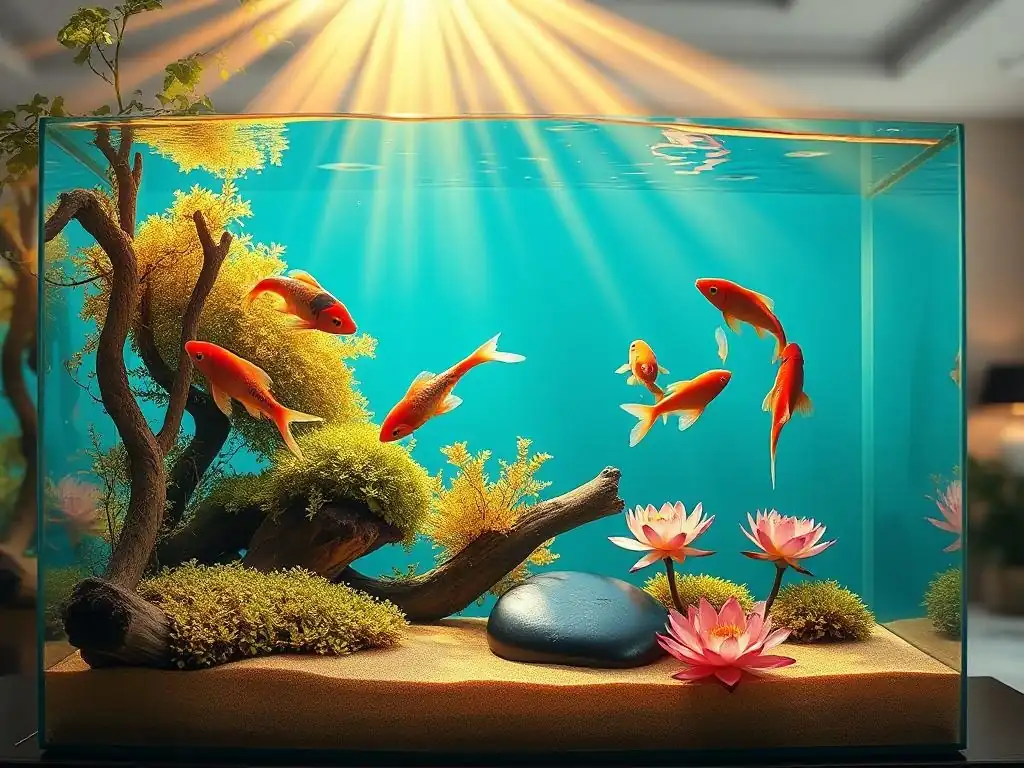
Welcome to Aquarium Mastery, where we unlock the secrets to thriving aquatic ecosystems! Ever wondered how to bring the vibrant beauty of the famed Koi carp into the smaller, more manageable world of your aquarium? Today, we dive deep into the fascinating world of the Koi Swordtail! Get ready to embark on a journey to understand and master their care with our comprehensive Koi Swordtail Care Guide – and discover how to replicate the elegance of their namesake right in your own tank. Intrigued? Let's explore!
- Koi Swordtail Care Guide: Replicating Their Namesake's Elegance in Your Tank
- Introduction to Koi Swordtails: A Freshwater Gem
- Setting Up the Ideal Koi Swordtail Tank Environment
- Koi Swordtail Diet and Nutrition: Ensuring Vibrant Colors
- Water Parameters for Koi Swordtail Well-being
- Koi Swordtail Tank Mates: Choosing Compatible Companions
- Koi Swordtail Breeding: A Rewarding Experience
- Common Koi Swordtail Diseases and Prevention
- Enhancing Koi Swordtail Colors and Patterns
- Troubleshooting Common Koi Swordtail Care Issues
- Advanced Koi Swordtail Care Techniques
- Conclusion: Mastering Koi Swordtail Care for a Thriving Aquarium
-
Frequently Asked Questions
- What are the ideal water parameters for Koi Swordtails?
- What is the best diet for Koi Swordtails to maintain their vibrant colors?
- How large of a tank is needed for a group of Koi Swordtails?
- What are some common diseases that affect Koi Swordtails, and how can I prevent them?
- Are Koi Swordtails compatible with other fish species in a community aquarium?
- Final Reflection: Embracing the Art of Aquatic Harmony
- Unleash the Koi Swordtail's Beauty in Your Aquarium!
Koi Swordtail Care Guide: Replicating Their Namesake's Elegance in Your Tank
Introduction to Koi Swordtails: A Freshwater Gem
Understanding the Appeal of Koi Swordtails for Aquarium Enthusiasts
Koi Swordtails captivate aquarium enthusiasts with their striking resemblance to their larger, pond-dwelling namesakes: the Japanese Koi carp. These freshwater fish showcase a unique and highly sought-after coloration, typically a mosaic of red, white, and black patches, meticulously developed through selective breeding. This distinct pattern, combined with the classic elongated "sword" of the male's caudal fin, creates an undeniably elegant and dynamic presence in any community tank. Their vibrant hues and active swimming patterns make them a focal point, drawing the eye and adding a sophisticated aesthetic that few other freshwater species can match.
Beyond their visual appeal, the appeal of Koi Swordtails also lies in their engaging behavior. They are active swimmers, constantly exploring their environment, which adds a lively dimension to the aquarium. For many aquarists, the challenge and reward of successfully maintaining and even breeding these beautiful fish, ensuring their colors remain vibrant and their health robust, is a significant part of the hobby's enjoyment. Their relatively hardy nature, when provided with proper Koi Swordtail Care, makes them accessible to a range of experience levels, from enthusiastic beginners to seasoned breeders.
Brief Overview of Koi Swordtail Origins and Characteristics
Koi Swordtails are not found in the wild but are a cultivated variety of the popular Green Swordtail ( Xiphophorus hellerii). This species originates from Central America, thriving in rivers and streams from Mexico to Honduras. Through generations of dedicated selective breeding, aquarists have developed the distinctive tri-color pattern that mimics the revered Koi carp, transforming a common livebearer into an aquatic work of art. This intensive breeding has resulted in the diverse range of Koi Swordtail phenotypes seen today.
Physically, male Koi Swordtails are easily identified by their prominent "sword" — an elongated lower ray of the caudal fin — which can extend their total length to approximately 4-5 inches (10-13 cm). Females, while lacking the sword, tend to be slightly larger, reaching about 5-6 inches (13-15 cm). Both sexes display the characteristic red, white, and black coloration, though the exact distribution and intensity can vary significantly between individuals. With optimal Koi Swordtail Care, including a balanced diet and stable water parameters, these fish can live for 3 to 5 years, providing long-term beauty and enjoyment.
Why Choose Koi Swordtails for Your Freshwater Aquarium?
Choosing Koi Swordtails for your freshwater aquarium offers a multitude of benefits, starting with their unparalleled visual impact. Their vibrant, koi-like patterns bring a unique splash of color and elegance that can elevate the aesthetic of any tank. Unlike many other showy fish, Swordtails are generally quite hardy and adaptable, making them a relatively forgiving species for those new to tropical fish keeping, provided fundamental Koi Swordtail Care guidelines are followed. Their active swimming habits also contribute to a lively and engaging aquatic environment.
Furthermore, Koi Swordtails are livebearers, meaning they give birth to free-swimming fry rather than laying eggs. This characteristic makes them a fascinating choice for hobbyists interested in breeding, offering a rewarding experience as they witness the development of new generations of these beautiful fish. Their potential for breeding allows enthusiasts to explore line breeding to enhance specific color patterns, adding an advanced dimension to their hobby. With proper attention to their specific needs, a comprehensive Koi Swordtail Care guide can help ensure a thriving population that adds both beauty and dynamic activity to your home aquarium.
Setting Up the Ideal Koi Swordtail Tank Environment
Tank Size Requirements for Healthy Koi Swordtails
Establishing the correct tank size is paramount for the well-being and longevity of Koi Swordtails. Due to their active swimming nature and potential adult size, a minimum tank volume of 20 gallons (approximately 75 liters) is recommended for a small group, such as one male and two to three females.
This size provides adequate swimming space and helps dilute waste products, contributing to more stable water parameters. However, considering their activity and the desire to keep multiple males (which can be territorial), a 30-gallon (113-liter) or even 40-gallon (150-liter) tank is significantly better for a larger community or breeding setup, offering ample room for territories and exploration.
When selecting a tank, prioritize horizontal footprint over vertical height. Koi Swordtails are strong swimmers that utilize the entire length of the tank, making a longer, shallower tank more suitable than a tall, narrow one of the same volume.
Overcrowding is a common issue that directly impacts Koi Swordtail Care, leading to increased stress, heightened aggression among males, and rapid deterioration of water quality. A general guideline, often applied to active fish, suggests allowing at least 1-2 gallons per inch of adult fish, ensuring that each swordtail has sufficient personal space to thrive and exhibit natural behaviors without undue stress.
Essential Aquarium Equipment for Koi Swordtail Care
Filtration Systems for Pristine Water Quality
A robust and efficient filtration system is indispensable for maintaining the pristine water quality crucial for Koi Swordtail Care. Given their active metabolism and livebearer nature, which can lead to a higher bioload, a filter capable of handling the tank's volume effectively is essential. For tanks up to 30 gallons, a powerful Hang-on-Back (HOB) filter is often sufficient, providing excellent mechanical, chemical, and biological filtration. For larger setups, or if a higher bioload is anticipated, a canister filter offers superior filtration capacity, media versatility, and often quieter operation.
Regardless of the type, aim for a filter that processes the tank's volume at least 3 to 5 times per hour. For example, a 20-gallon tank should have a filter with a flow rate of at least 60-100 gallons per hour (GPH). Mechanical media (filter floss, sponges) remove particulate waste, chemical media (activated carbon) absorb impurities and odors, and biological media (ceramic rings, bio-balls) provide vast surface area for beneficial bacteria to colonize. These bacteria are vital for converting harmful ammonia and nitrite into less toxic nitrate, a cornerstone of successful Koi Swordtail Care.
Heating and Lighting Considerations for Optimal Health
Maintaining a stable temperature is critical for Koi Swordtail well-being, as they are tropical fish that thrive within a specific range. The ideal water temperature for Koi Swordtails is between 72°F and 79°F (22°C-26°C). An submersible, adjustable aquarium heater, appropriately sized for your tank volume (typically 3-5 watts per gallon), is necessary to maintain this consistent temperature. Always use a reliable aquarium thermometer to monitor the water temperature regularly, ensuring it remains within the optimal range and preventing sudden fluctuations that can stress the fish and make them susceptible to disease.
While Koi Swordtails themselves do not have specific high-intensity lighting requirements, adequate lighting is crucial if you plan to include live plants, which greatly benefit the aquarium ecosystem. A moderate light spectrum (around 6500 Kelvin) and intensity, provided for 8 to 10 hours daily, will support healthy plant growth and enhance the vibrant colors of your Koi Swordtails. Excessive lighting, however, can lead to undesirable algae blooms, necessitating a balanced approach to lighting duration and intensity as part of comprehensive Koi Swordtail Care.
Aquascaping for Koi Swordtails: Creating a Natural Habitat
Suitable Substrates and Decorations
The choice of substrate and decorations plays a significant role in creating a comfortable and stimulating environment for Koi Swordtails. A fine to medium-sized gravel or sand substrate is suitable, allowing for easy cleaning and providing a natural base for plants if you choose to include them. A depth of 1 to 2 inches (2.5-5 cm) is generally sufficient. Darker substrates can help to make the vibrant red, white, and black patterns of Koi Swordtails stand out more prominently, enhancing their visual appeal. Avoid very coarse or sharp-edged gravel that could potentially injure the fish.
For decorations, providing ample hiding spots and visual barriers is crucial, especially in tanks with multiple males, to help diffuse potential aggression and reduce stress. Driftwood, smooth river rocks (ensuring they don't alter water chemistry significantly, e.g., non-calcareous), and artificial caves or ornaments are excellent choices. Ensure all decorations are aquarium-safe, free of sharp edges, and securely placed to prevent collapse. A well-designed aquascape with varied decor contributes significantly to the overall well-being and natural behavior of your Koi Swordtails.
Live Plants That Complement Koi Swordtails
Integrating live plants into a Koi Swordtail aquarium offers numerous benefits, contributing to a more natural, stable, and aesthetically pleasing environment. Plants absorb nitrates, oxygenate the water, and provide crucial hiding places for fry and less dominant fish, reducing stress and promoting healthier behavior. For Koi Swordtails, which are active swimmers, select hardy plant species that can withstand occasional nipping or vigorous movements.
Excellent choices for a Koi Swordtail tank include robust species like Java Fern ( Microsorum pteropus), Anubias species ( Anubias barteri and its varieties), and Amazon Swords ( Echinodorus amazonicus). These plants are relatively low-maintenance and can thrive in various water conditions.
Additionally, floating plants such as Dwarf Water Lettuce ( Pistia stratiotes) or Frogbit ( Limnobium laevigatum) can provide excellent overhead cover, which can make the fish feel more secure and also help to diffuse intense lighting. The presence of live plants is a key component of optimal Koi Swordtail Care, fostering a balanced ecosystem that supports vibrant fish health.
Koi Swordtail Diet and Nutrition: Ensuring Vibrant Colors
What Do Koi Swordtails Eat? A Balanced Dietary Approach
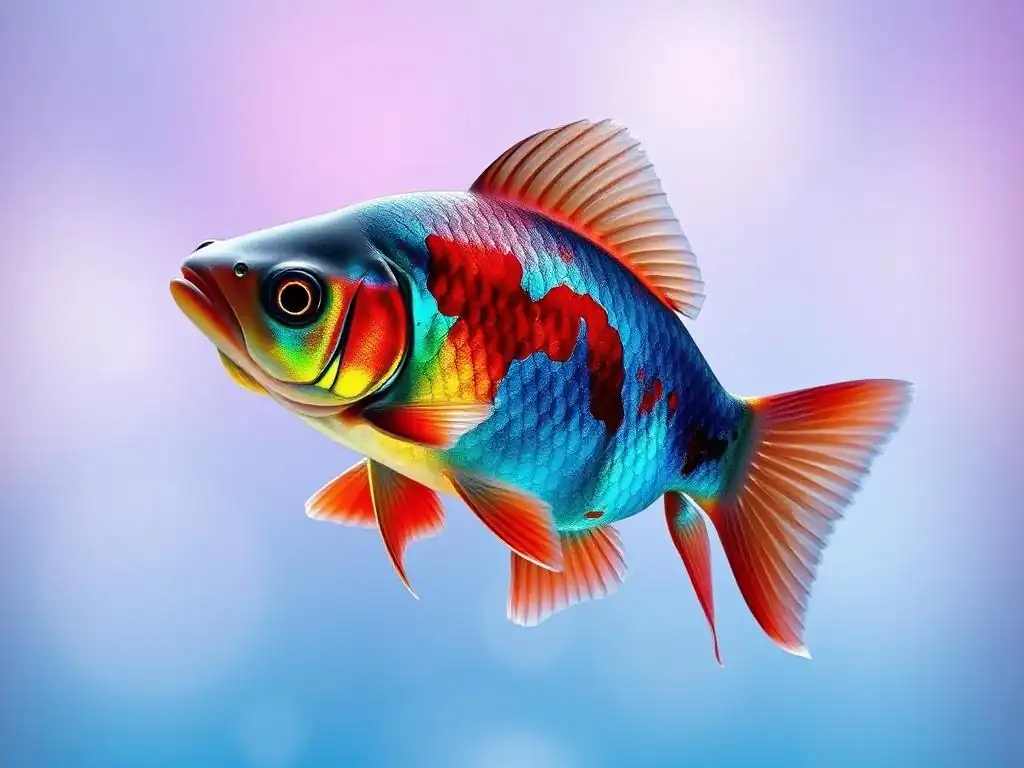
A balanced and varied diet is fundamental to ensuring the vibrant coloration, robust health, and active behavior of Koi Swordtails. As omnivores, their natural diet in the wild would consist of a mix of algae, plant matter, small invertebrates, and insect larvae. Replicating this diversity in the aquarium is crucial for comprehensive Koi Swordtail Care. Relying solely on one type of food can lead to nutritional deficiencies and dull coloration over time.
To provide a complete nutritional profile, it's essential to offer a combination of high-quality commercial foods supplemented with fresh and frozen options. This varied approach ensures they receive all necessary vitamins, minerals, and proteins. A diet rich in carotenoids, often found in spirulina and certain live/frozen foods, is particularly beneficial for enhancing their distinct red and orange pigments, making their koi-like patterns even more striking.
Recommended Foods: Flakes, Pellets, and Live/Frozen Options
For daily feeding, high-quality flake or pellet foods specifically formulated for tropical omnivores should form the backbone of their diet. Look for brands that list fish meal, spirulina, and various plant proteins among the first ingredients. Supplementing with live or frozen foods 2-3 times a week is highly recommended. Excellent options include:
- Brine shrimp: A good source of protein and excellent for conditioning.
- Bloodworms: Rich in protein and iron, enhancing red coloration.
- Daphnia: A natural laxative, good for digestion, and a natural food source.
- Tubifex worms: High in protein, but should be fed sparingly due to potential for carrying bacteria if not from a clean source.
- Vegetable matter: Blanched zucchini, spinach, or spirulina wafers can be offered to satisfy their herbivorous tendencies.
This diverse feeding strategy is a cornerstone of effective Koi Swordtail Care, directly influencing their vitality and the intensity of their signature colors.
Feeding Frequency and Portion Control for Koi Swordtails
Proper feeding frequency and portion control are vital aspects of Koi Swordtail Care, directly impacting water quality and fish health. Overfeeding is a common mistake in aquarium keeping, leading to uneaten food decaying, which spikes ammonia and nitrite levels and can cause serious health issues for your fish. It can also lead to obesity in the fish themselves, shortening their lifespan.
It is generally recommended to feed Koi Swordtails 2-3 times a day, offering small amounts that they can consume entirely within 2-3 minutes. Observe your fish during feeding; if food remains after this time, you are likely overfeeding and should reduce the portion size for subsequent meals. This approach ensures that all food is consumed, minimizing waste and maintaining cleaner water.
Fasting your fish one day a week can also be beneficial, allowing their digestive systems to clear and reducing the overall bioload on the aquarium. Consistency in feeding times also helps establish a routine, which can reduce stress for the fish.
Enhancing Koi Swordtail Colors Through Diet
The stunning red, white, and black patterns of Koi Swordtails are not just genetic; they are significantly influenced by their diet. To truly maximize and enhance their vibrant colors, particularly the reds and oranges, incorporating foods rich in natural color enhancers is crucial. Carotenoids are pigments that fish absorb from their diet and deposit in their skin cells, directly influencing their coloration.
Foods high in carotenoids include spirulina, astaxanthin (often found in specialized color-enhancing fish foods), and certain live/frozen options like krill and high-quality brine shrimp. For instance, feeding a spirulina-rich flake or pellet as a staple, supplemented with frozen bloodworms or krill a few times a week, can dramatically intensify the red and orange hues. While genetics provide the blueprint, a carefully chosen, color-enhancing diet provides the necessary building blocks for your Koi Swordtails to display their most brilliant and striking patterns, making their Koi Swordtail Care truly comprehensive.
Water Parameters for Koi Swordtail Well-being
Maintaining Optimal Water Chemistry for Koi Swordtails
Temperature, pH, and Hardness Guidelines
Maintaining stable and optimal water parameters is the cornerstone of successful Koi Swordtail Care, directly influencing their health, coloration, and longevity. Koi Swordtails thrive in tropical freshwater conditions that closely mimic their wild ancestors' natural habitats. The ideal temperature range for these fish is between 72°F and 79°F (22°C-26°C). Consistent temperature is crucial, as sudden fluctuations can cause stress and weaken their immune systems, making them susceptible to diseases.
Regarding pH, Koi Swordtails prefer slightly alkaline water, with an optimal pH range of 7.0 to 8.0. While they can tolerate a small deviation, rapid changes in pH are highly detrimental. Water hardness, measured as General Hardness (GH) and Carbonate Hardness (KH), is also important.
They prefer moderately hard to hard water, with a GH range of 10-25 dGH (180-450 ppm) and a KH range of 10-15 dKH (180-270 ppm). KH is particularly important as it acts as a buffer, helping to stabilize the pH and prevent dangerous pH crashes. Regular monitoring and adjustments, if necessary, are vital aspects of Koi Swordtail Care.
Importance of Regular Water Changes for a Healthy Aquarium
Regular water changes are arguably the most critical maintenance task in Koi Swordtail Care, playing an indispensable role in maintaining pristine water quality and overall fish health. Even with efficient filtration, harmful nitrates accumulate over time, and essential trace elements are depleted. Nitrates, while less toxic than ammonia or nitrite, can still stress fish and inhibit growth if allowed to reach high concentrations (typically above 20 ppm).
A routine schedule of partial water changes, typically 25-30% of the tank volume every one to two weeks, is highly recommended. This practice effectively dilutes accumulated nitrates, replenishes vital minerals, and removes dissolved organic compounds that contribute to poor water quality. Always use a reliable water conditioner to neutralize chlorine, chloramines, and heavy metals in tap water before adding it to the aquarium. Consistent water changes are a proactive measure that significantly reduces the risk of disease and ensures a healthy, thriving environment for your Koi Swordtails.
Monitoring Water Quality: Testing Kits and Procedures
Consistent monitoring of water quality is a non-negotiable aspect of responsible Koi Swordtail Care. Without regular testing, it's impossible to know if parameters are stable or if harmful substances are building up. Essential water parameters to test regularly include ammonia, nitrite, nitrate, pH, and temperature. Ammonia and nitrite should always read 0 ppm in a cycled aquarium; any detectable levels indicate a problem with the nitrogen cycle or overfeeding. Nitrates should be kept below 20 ppm, ideally much lower.
High-quality liquid-based test kits are far more accurate than test strips and are a worthwhile investment for any serious aquarist. Aim to test ammonia, nitrite, and nitrate weekly, especially in new setups or if fish appear stressed. pH and hardness (GH/KH) can be tested less frequently, perhaps monthly, unless you notice issues or are performing significant water source changes. Keeping a log of your test results helps identify trends and allows for prompt corrective action, ensuring the long-term health and vitality of your Koi Swordtails.
Koi Swordtail Tank Mates: Choosing Compatible Companions
Best Tank Mates for Koi Swordtails in a Community Aquarium
Selecting appropriate tank mates is crucial for a harmonious community aquarium when practicing Koi Swordtail Care. Koi Swordtails are generally peaceful fish, but males can exhibit territorial behavior towards each other, especially in smaller tanks. The ideal tank mates are similarly sized, peaceful, and thrive in similar water parameters (tropical, slightly alkaline, moderately hard water). Overly aggressive or fin-nipping species should be avoided.
Excellent choices for Koi Swordtail companions include:
- Other peaceful livebearers: Mollies, Platies, and Guppies can coexist well, though cross-breeding with Platies and Guppies is possible.
- Tetras: Larger, peaceful tetras like Neon Tetras, Cardinal Tetras, or Rummy Nose Tetras make good schooling companions.
- Rasboras: Harlequin Rasboras or Chili Rasboras are active and non-aggressive.
- Corydoras Catfish: These bottom-dwellers are peaceful, hardy, and help keep the substrate clean.
- Bristlenose Plecos: A small, peaceful pleco species that helps with algae control without bothering other fish.
- Rainbowfish: Many species of Rainbowfish are active, colorful, and peaceful, complementing swordtails well.
Always ensure adequate space and plenty of hiding spots to minimize stress in a community setup.
Fish to Avoid: Aggressive or Fin-Nipping Species
While Koi Swordtails are generally robust, certain fish species are entirely unsuitable as tank mates and should be strictly avoided. Introducing aggressive or fin-nipping fish can lead to chronic stress, physical injury, and even death for your swordtails, directly undermining all your Koi Swordtail Care efforts. Species known for their aggressive tendencies or their propensity to nip fins, particularly the elongated "sword" of male swordtails, pose a significant threat.
Fish to avoid include:
- Large, predatory cichlids: Such as Oscars, Jack Dempseys, or Arowanas, which will view swordtails as food.
- Fin-nippers: Tiger Barbs, Serpae Tetras, and some larger Gourami species can be problematic, especially with the swordtails' long fins.
- Very small or delicate fish: Extremely small fish might be intimidated or outcompeted for food, and delicate species may not tolerate the active swimming of swordtails.
- Highly territorial species: Certain Cichlids or even some larger Gouramis can become overly territorial in a community setting, stressing the swordtails.
Careful research and observation are key to preventing conflicts and maintaining a peaceful, healthy aquarium environment for your Koi Swordtails.
Considerations for Invertebrate Tank Mates
When considering invertebrate tank mates for Koi Swordtails, it's important to weigh the benefits against potential risks. Many invertebrates can be beneficial, acting as part of the clean-up crew, consuming algae, and breaking down detritus. However, some swordtails, particularly larger or more curious individuals, might view very small invertebrates as a food source.
Suitable invertebrate tank mates for Koi Swordtails often include:
- Amano Shrimp (Caridina multidentata): Excellent algae eaters, larger than many other dwarf shrimp, making them less likely to be eaten by adult swordtails.
- Nerite Snails (Neritina natalensis): Fantastic algae eaters that do not reproduce excessively in freshwater and are generally ignored by fish.
- Mystery Snails (Pomacea bridgesii): Active and engaging snails that can help clean up uneaten food.
- Cherry Shrimp (Neocaridina davidi): While generally peaceful, very small or juvenile Cherry Shrimp might be preyed upon by adult swordtails. Providing dense plant cover can increase their survival rate.
Avoid introducing invertebrates that are known to reproduce rapidly and potentially overwhelm the tank, or those that might be too delicate for the active nature of swordtails. Thorough research into the specific compatibility is an important part of comprehensive Koi Swordtail Care.
Koi Swordtail Breeding: A Rewarding Experience
Creating Breeding Conditions for Koi Swordtails
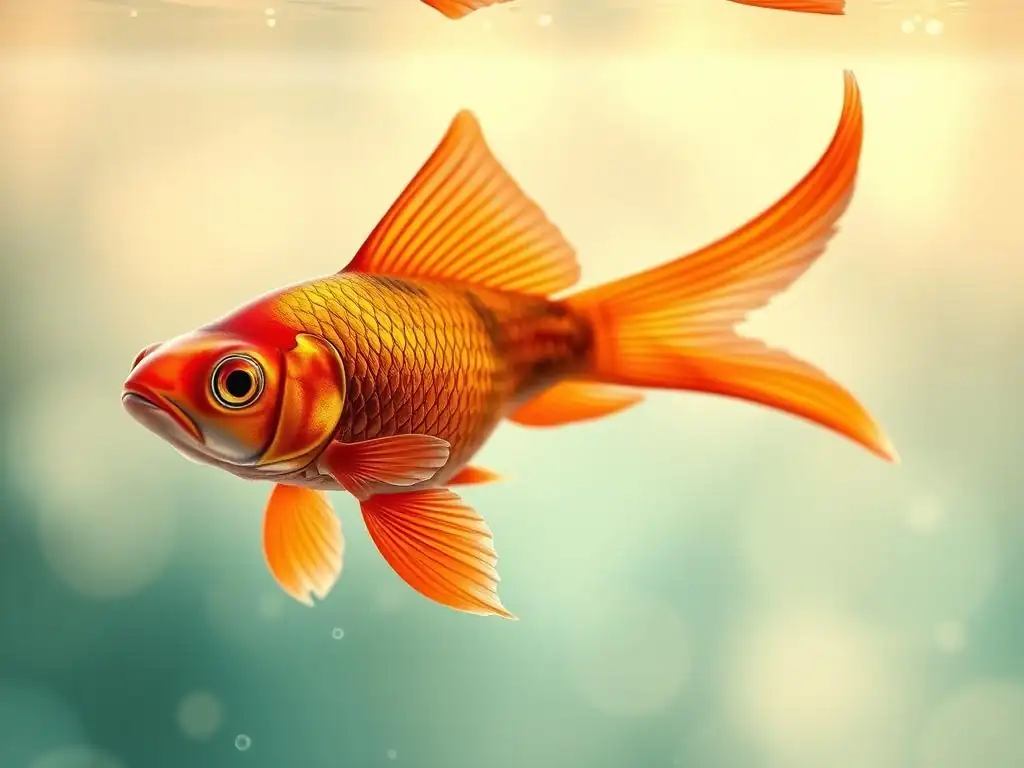
Breeding Koi Swordtails can be a highly rewarding experience for aquarists, as they are prolific livebearers. To encourage successful breeding, the primary focus of Koi Swordtail Care should be on providing optimal and stable environmental conditions. A dedicated breeding tank, typically 10-20 gallons, is often recommended to protect fry, though breeding can occur in a well-planted community tank. Ensure the water parameters are within their ideal range: temperature 75-79°F (24-26°C), pH 7.0-7.5, and moderately hard water.
A slightly elevated temperature within this range can stimulate breeding. Provide plenty of dense live plants, such as Java Moss ( Taxiphyllum barbieri) or Water Wisteria ( Hygrophila difformis), and floating plants like Hornwort ( Ceratophyllum demersum), which offer critical hiding places for newborn fry immediately after birth. A balanced and protein-rich diet, including live or frozen foods like brine shrimp and bloodworms, will condition the breeding pair and increase fertility. Maintain excellent water quality through regular small water changes to keep the environment pristine and stress-free for the breeding fish.
Identifying Male and Female Koi Swordtails
Distinguishing between male and female Koi Swordtails is relatively straightforward, primarily due to a prominent sexual dimorphism. This identification is crucial for successful Koi Swordtail breeding and for maintaining a balanced male-to-female ratio in a community tank (ideally 1 male to 2-3 females to reduce aggression towards females).
- Males: The most distinctive feature of the male Koi Swordtail is the elongated, sword-like extension of their caudal (tail) fin, which gives the species its name. This "sword" can vary in length but is always present in mature males. Additionally, males possess a modified anal fin called a gonopodium, which is slender and rod-like, used for internal fertilization. Males are often more slender and may display more intense coloration, particularly during courtship.
- Females: Female Koi Swordtails lack the "sword" extension on their tail fin, possessing a more rounded or fan-shaped caudal fin. Their anal fin is broad and fan-shaped, not modified like the male's gonopodium. Females tend to be larger and rounder in the body, especially when gravid (pregnant), showing a noticeable gravid spot near their anal fin.
The Koi Swordtail Breeding Process: From Mating to Fry
The breeding process of Koi Swordtails, typical of livebearers, is fascinating and relatively easy to observe. Mating occurs when the male uses his gonopodium to internally fertilize the female. Unlike egg-laying species, the female retains the fertilized eggs internally for a gestation period, which typically lasts between 28 to 40 days, depending on factors like temperature and diet. During this time, the female's abdomen will noticeably swell, and a dark "gravid spot" may become more prominent near her anal fin as the fry develop.
As the female approaches her delivery date, she may become more reclusive or seek out dense plant cover. She will then give birth to fully formed, free-swimming fry. A single female can produce anywhere from 20 to 100 or more fry in one brood. Immediately after birth, the fry are highly vulnerable to predation, including from their own parents. Providing ample hiding spots, such as dense live plants (e.g., Java Moss, Hornwort) or a dedicated breeding box/fry saver, is crucial for their survival. This livebearing characteristic makes Koi Swordtail Care for breeding particularly engaging for hobbyists.
Caring for Koi Swordtail Fry: Raising Healthy Young
Caring for Koi Swordtail fry requires diligent attention to diet, water quality, and protection from predation to ensure their healthy development. Immediately after birth, the fry are tiny but fully capable of swimming and seeking food. Their survival rate significantly increases if they are moved to a separate "grow-out" tank or if the breeding female is moved to a separate tank to give birth and then removed.
Feeding Koi Swordtail Fry: First Foods and Growth
For the first few days, Koi Swordtail fry can subsist on their yolk sacs, but they quickly need external food. Their small mouths necessitate very fine foods. Excellent first food options include:
- Powdered flake food: Grind high-quality adult flake food into a very fine powder.
- Live baby brine shrimp (Artemia nauplii): This is considered the gold standard. Their jerky movements trigger the fry's feeding response, and they are highly nutritious.
- Microworms: Another excellent live food source.
- Specialized fry foods: Many brands offer commercial fry foods formulated for livebearers.
Feed fry small amounts multiple times a day (3-5 times) to support their rapid growth. As they grow, gradually transition them to slightly larger foods, eventually mirroring the adult diet. Consistent feeding is a critical component of Koi Swordtail Care for juveniles.
Protecting Fry from Predation
Protection from predation is paramount for Koi Swordtail fry, as both adult fish (including their own parents) and larger invertebrates will readily consume them. In a community tank, the survival rate of fry without adequate cover is extremely low.
Effective strategies for protecting fry include:
- Dense Live Plants: Heavily planted tanks, particularly with bushy plants like Java Moss, Hornwort, or Water Wisteria, provide numerous hiding spots where fry can escape. Floating plants also offer overhead cover.
- Breeding Box/Fry Saver: A mesh or plastic breeding box placed inside the main tank allows the fry to safely emerge from the female and fall into a protected compartment, inaccessible to adult fish.
- Dedicated Fry Tank: The most effective method is to move the gravid female to a separate "birthing" tank and remove her once the fry are born. The fry can then grow out in this dedicated tank, free from any predators.
- Fine-meshed Netting: If using a separate tank, ensure the filter intake is covered with a fine mesh to prevent fry from being sucked in.
By implementing these protective measures, you can significantly increase the survival rate of your Koi Swordtail fry and ensure a successful breeding program.
Common Koi Swordtail Diseases and Prevention
Recognizing Symptoms of Illness in Koi Swordtails
Early detection of illness is crucial for effective Koi Swordtail Care and successful treatment. Healthy Koi Swordtails are active, alert, and display vibrant coloration. Any deviation from their normal behavior or appearance should raise a red flag. Observing your fish daily during feeding times is an excellent way to spot subtle changes.
Key symptoms to watch for include:
- Changes in Swimming Behavior: Lethargy, listlessness, darting, scratching against tank objects, erratic swimming, or shimmying.
- Physical Changes: White spots (like salt grains), fuzzy growths, clamped fins (fins held close to the body), frayed or ragged fins, swollen body, sunken belly, bulging eyes, or red streaks on the body/fins.
- Breathing Difficulties: Rapid gill movement or gasping at the surface.
- Changes in Appetite: Refusal to eat or spitting out food.
- Color Changes: Dullness, fading, or unusual darkening of patches.
- Behavioral Changes: Hiding more than usual, isolation from the group, or increased aggression.
Prompt identification of these signs allows for quicker intervention, significantly improving the chances of recovery for your Koi Swordtails.
Common Diseases Affecting Koi Swordtails
Like all freshwater fish, Koi Swordtails can be susceptible to various diseases, often triggered by poor water quality, stress, or the introduction of new, infected fish. Understanding the common ailments helps in swift diagnosis and treatment as part of comprehensive Koi Swordtail Care.
Ich (White Spot Disease)
Ich, caused by the parasite Ichthyophthirius multifiliis, is one of the most common and recognizable freshwater fish diseases.
- Symptoms: Appearance of small, white, salt-like spots scattered across the fish's body and fins. Fish may also flash (rub against tank objects) due to irritation, become lethargic, or exhibit clamped fins.
- Cause: Often introduced with new fish or plants, or triggered by sudden temperature fluctuations and stress.
- Treatment: Increasing water temperature gradually to 82-86°F (28-30°C) (if compatible with tank mates and plants) to speed up the parasite's life cycle, combined with a reputable Ich medication (e.g., malachite green or formalin-based treatments). Salt baths can also be effective. Treatment typically lasts 7-10 days, even after spots disappear, to ensure all parasites are eradicated.
Fin Rot
Fin rot is a bacterial infection that primarily affects the fins and tail, often caused by poor water quality, overcrowding, or injury.
- Symptoms: Fins appear ragged, frayed, or torn, with edges becoming white or reddish. In severe cases, the fins may completely disintegrate, exposing the fin rays. Fish may become lethargic and lose appetite.
- Cause: Primarily opportunistic bacteria (e.g., Pseudomonas or Aeromonas) that attack fish stressed by high ammonia/nitrite, low pH, or physical damage.
- Treatment: Immediate and rigorous water changes (25-50% daily for several days) to improve water quality. Use a broad-spectrum antibiotic or antibacterial medication specifically designed for fin rot. Ensuring proper Koi Swordtail Care, particularly excellent water conditions, is crucial for recovery and prevention.
Fungal Infections
Fungal infections typically appear as cotton-like growths on the fish's body, fins, or mouth, often secondary to an existing injury or another disease.
- Symptoms: White or grayish, fuzzy patches resembling cotton wool on the skin, fins, or eyes. Affected areas may also appear inflamed or red. Fish might become lethargic and develop clamped fins.
- Cause: Fungi (e.g., Saprolegnia) are usually present in the aquarium but only attack fish that are stressed, injured, or already weakened by other diseases or poor water quality.
- Treatment: Improving water quality through significant water changes is the first step. Treatment involves using antifungal medications available at aquarium stores. Salt baths can also be beneficial in mild cases. Addressing the underlying cause of stress or injury is essential for preventing recurrence and is a key part of holistic Koi Swordtail Care.
Preventative Measures for Maintaining Koi Swordtail Health
Prevention is always better than cure when it comes to fish health, and proactive measures are central to effective Koi Swordtail Care. By maintaining optimal conditions and following best practices, you can significantly reduce the risk of disease outbreaks in your aquarium.
Quarantine Procedures for New Fish
One of the most critical preventative measures is to quarantine all new fish before introducing them to your main display tank. A separate quarantine tank (e.g., a 10-gallon tank) should be set up with a heater, filter, and basic decor.
- Duration: Keep new fish in quarantine for at least 2-4 weeks.
- Observation: During this period, observe them closely for any signs of disease, parasites, or unusual behavior.
- Treatment: If any symptoms appear, treat them in the quarantine tank to prevent the spread of illness to your established fish.
This simple step can save your entire aquarium from devastating disease outbreaks, protecting your existing Koi Swordtails and other inhabitants.
Maintaining Clean Water Conditions
Consistently pristine water quality is the single most important factor in preventing diseases in Koi Swordtails. Poor water conditions are a primary stressor, weakening fish immune systems and making them highly susceptible to pathogens.
- Regular Water Changes: Perform 25-30% partial water changes every 1-2 weeks to dilute nitrates, remove dissolved organic compounds, and replenish trace minerals. Always use a dechlorinator.
- Effective Filtration: Ensure your filter is adequately sized and properly maintained. Clean or replace filter media regularly according to manufacturer instructions, but avoid cleaning all media at once to preserve beneficial bacteria.
- Avoid Overfeeding: Feed small amounts that fish can consume in 2-3 minutes, 2-3 times a day. Uneaten food decomposes and pollutes the water.
- Avoid Overcrowding: Ensure your tank is not overstocked, as this increases bioload and stress.
- Regular Substrate Cleaning: Use a gravel vacuum during water changes to remove detritus and uneaten food trapped in the substrate.
By adhering to these water quality management principles, you create a robust, healthy environment where your Koi Swordtails can thrive and resist common ailments.
Enhancing Koi Swordtail Colors and Patterns
Genetics and Coloration in Koi Swordtails
The captivating red, white, and black patterns of Koi Swordtails are primarily a result of specific genetic traits meticulously developed through selective breeding. Unlike wild Xiphophorus hellerii, which typically exhibit a more subdued greenish-silver body with a lateral stripe, Koi Swordtails carry genes for amelanism (lack of black pigment in certain areas, leading to white/yellow), erythrism (red pigmentation), and melanism (black pigmentation) in a distinct, piebald arrangement. The precise combination and expression of these genes determine the unique "Koi" pattern.
Breeders have focused on isolating and intensifying these traits, creating fish where patches of vibrant red and stark white are interspersed with jet-black markings, mirroring the aesthetics of Japanese Koi. This genetic foundation means that while environmental factors and diet can enhance existing colors, the fundamental pattern and potential for specific hues are predetermined by their lineage. Understanding these genetic underpinnings is key for hobbyists interested in line breeding to further refine or develop new Koi Swordtail Care patterns.
Selective Breeding for Desired Traits
Selective breeding is the cornerstone of developing and enhancing specific traits, including the intricate patterns and vibrant colors of Koi Swordtails. This process involves carefully choosing individual fish with the most desirable characteristics (e.g., intense red, clear white, distinct black markings, good body shape, strong sword) to reproduce. By repeatedly breeding these "best-in-show" individuals over generations, breeders can concentrate the genes responsible for these traits, leading to offspring with increasingly refined and consistent patterns.
For instance, a breeder might select for Koi Swordtails with a larger proportion of white or a more defined "patch" of black. This methodical approach requires patience, meticulous record-keeping, and often a dedicated breeding setup. While it's a more advanced aspect of Koi Swordtail Care, it allows enthusiasts to actively participate in shaping the aesthetics of the species and contributes to the ongoing development of new and even more stunning varieties. This process exemplifies how human intervention can guide natural selection to achieve specific aesthetic goals.
The Role of Environment in Color Development
While genetics lay the groundwork for Koi Swordtail coloration, the environment plays a crucial supporting role in allowing these genetic potentials to fully manifest. A stress-free, pristine environment is essential for fish to display their most vibrant hues. Stress, caused by poor water quality, overcrowding, aggressive tank mates, or inadequate diet, can lead to faded colors, dullness, and a general lack of vitality.
Key environmental factors influencing color intensity include:
- Water Quality: Stable parameters (temperature, pH, hardness) and consistently low levels of nitrates are paramount. Clean water reduces stress, allowing the fish to allocate energy to color production rather than fighting disease or stress.
- Diet: As mentioned, a diet rich in carotenoids (from spirulina, krill, bloodworms) directly supplies the pigments needed for red and orange coloration. A varied and nutritious diet ensures overall health, which in turn supports vibrant colors.
- Lighting: While not directly affecting pigment production, appropriate lighting (e.g., a full-spectrum LED) can make colors appear more brilliant to the human eye.
- Substrate and Background: Darker substrates and backgrounds can make the fish's colors pop by providing a strong contrast, making their patterns seem more intense.
By optimizing these environmental factors, comprehensive Koi Swordtail Care ensures that your fish not only survive but truly thrive and exhibit their full, stunning chromatic potential.
Troubleshooting Common Koi Swordtail Care Issues
Addressing Fin Nipping and Aggression
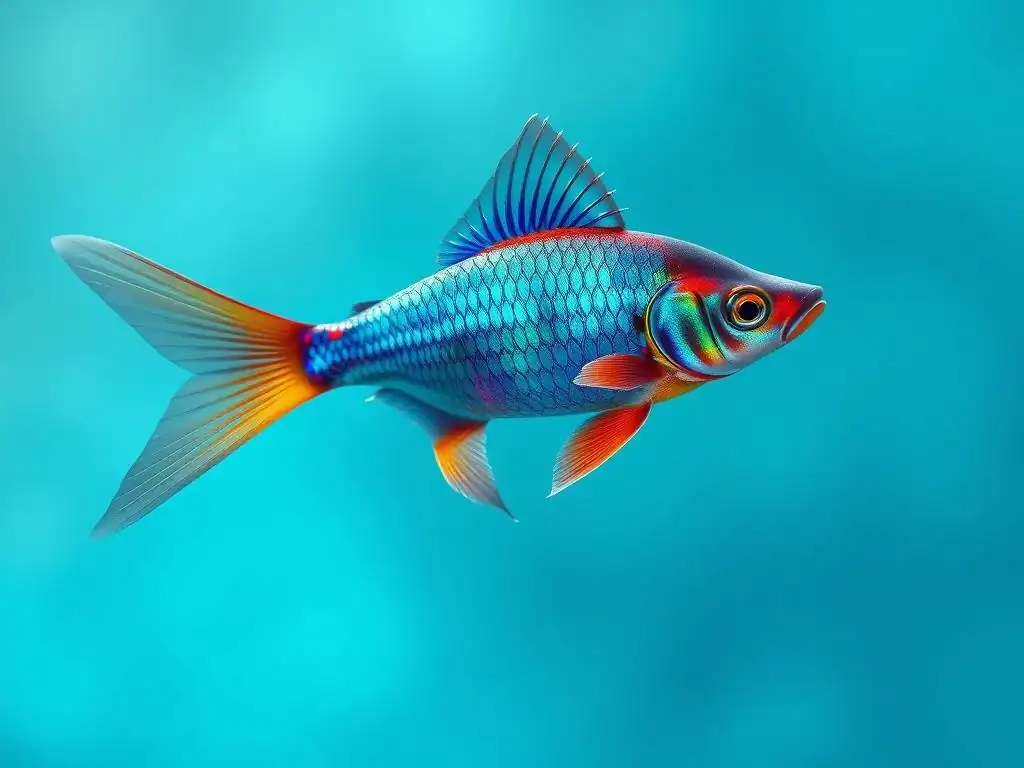
Fin nipping and aggression are common behavioral issues that can arise in Koi Swordtail tanks, particularly between males or if incompatible tank mates are present. Addressing these problems is a critical part of maintaining a peaceful and healthy aquarium. Male swordtails can be territorial, especially if multiple males are kept in a tank that is too small or lacks sufficient hiding spots and visual barriers.
To mitigate fin nipping and aggression:
- Increase Tank Size: Ensure the tank is adequately sized (at least 20-30 gallons for a small group, larger for more males or a community).
- Maintain Male-to-Female Ratio: Keep a ratio of 1 male to 2-3 females. This disperses the male's attention and reduces stress on individual females.
- Provide Hiding Spots: Incorporate plenty of dense live plants, driftwood, and rock formations to create visual breaks and hiding spots. This allows less dominant fish to escape aggression.
- Choose Compatible Tank Mates: Avoid known fin-nippers or overly aggressive species.
- Observe and Isolate: If a specific fish is consistently aggressive, consider isolating it in a separate tank temporarily or rehoming it if the behavior persists.
- Ensure Adequate Feeding: Sometimes, aggression can stem from competition for food. Ensure all fish are getting enough to eat.
Proactive Koi Swordtail Care involves creating an environment that minimizes stress and promotes harmonious cohabitation.
Dealing with Algae Blooms in the Aquarium
Algae blooms are a common nuisance in aquariums, often indicative of an imbalance in the tank's ecosystem. While some algae are natural, excessive growth can be unsightly and, in severe cases, consume oxygen at night, potentially harming fish. Addressing algae blooms is an important aspect of Koi Swordtail Care, as it reflects overall tank health.
Common causes of algae blooms include:
- Excess Nutrients: High levels of nitrates and phosphates, often from overfeeding, decaying organic matter, or infrequent water changes.
- Excessive Light: Too long a photoperiod (lights on for more than 8-10 hours) or direct sunlight exposure.
- Old Light Bulbs: As bulbs age, their spectrum shifts, sometimes favoring algae growth.
Solutions to mitigate algae:
- Reduce Nutrients: Perform more frequent or larger water changes (e.g., 50% weekly until under control). Reduce feeding amounts. Ensure thorough gravel vacuuming.
- Control Lighting: Shorten the photoperiod to 6-8 hours. Block direct sunlight.
- Add Algae Eaters: Introduce suitable tank mates like Nerite Snails or Bristlenose Plecos.
- Introduce Live Plants: Healthy, fast-growing live plants compete with algae for nutrients, naturally reducing their food source.
- Chemical Removers (as a last resort): Use only if other methods fail, as they can sometimes harm sensitive fish or beneficial bacteria. Addressing the root cause is always the best long-term solution.
Resolving Water Quality Problems
Water quality problems, such as high ammonia, nitrite, or nitrate levels, are critical issues in Koi Swordtail Care that must be resolved quickly to prevent fish illness or death. These issues typically arise from an immature nitrogen cycle, overfeeding, overcrowding, or insufficient filtration/maintenance.
To resolve water quality problems:
- Immediate Water Changes: For high ammonia or nitrite, perform a large (50-75%) water change immediately. For high nitrates, perform a 25-50% water change. Repeat daily or every other day until levels return to safe parameters (Ammonia: 0 ppm, Nitrite: 0 ppm, Nitrate: <20 ppm).
- Reduce Feeding: Temporarily stop feeding or drastically reduce food amounts to minimize waste production.
- Check Filtration: Ensure your filter is working correctly and is not clogged. Clean mechanical media if necessary, but avoid over-cleaning biological media.
- Review Stocking Levels: If the tank is overcrowded, consider rehoming some fish or upgrading to a larger tank.
- Add Beneficial Bacteria: Use a commercial beneficial bacteria supplement to help establish or boost the nitrogen cycle, especially in new or crashed tanks.
- Test Regularly: Continue daily testing until parameters stabilize to confirm the problem is resolved.
Proactive water quality management, including regular testing and maintenance, is the most effective way to prevent these issues from arising in the first place, ensuring the long-term health of your Koi Swordtails.
Advanced Koi Swordtail Care Techniques
Implementing a Regular Maintenance Schedule
Implementing a consistent and comprehensive maintenance schedule is a hallmark of advanced Koi Swordtail Care, moving beyond basic survival to fostering true thriving. A structured routine ensures stable water parameters, a clean environment, and proactive problem-solving, preventing issues before they escalate. This schedule should be tailored to your specific tank size, stocking level, and filtration system, but typically includes daily, weekly, and monthly tasks.
A robust maintenance schedule might look like this:
- Daily: Observe fish behavior and appearance. Check water temperature. Remove any uneaten food.
- Weekly (or Bi-weekly, depending on tank): Perform a 25-30% partial water change, thoroughly vacuuming the substrate. Test ammonia, nitrite, and nitrate levels. Clean the front glass to remove algae.
- Monthly (or Bi-monthly): Rinse filter media in old tank water (never tap water!) to remove detritus without killing beneficial bacteria. Inspect all equipment (heater, filter, air pump) for proper function. Trim live plants as needed.
Adhering to such a schedule significantly reduces stress on the fish, maintains excellent water quality, and helps prevent disease, allowing your Koi Swordtails to display their best colors and behaviors.
Understanding the Importance of Water Parameters
A deep understanding of water parameters goes beyond simply knowing the ideal numbers; it involves comprehending why each parameter is important and how they interrelate. This nuanced understanding is a cornerstone of advanced Koi Swordtail Care. For instance, knowing that pH is influenced by carbonate hardness (KH) and that rapid pH swings are more harmful than a stable, slightly off-ideal pH, allows for more informed decision-making.
Key parameters and their importance:
- Ammonia (NH3) & Nitrite (NO2): Highly toxic, direct indicators of an incomplete or crashed nitrogen cycle. Understanding their zero-tolerance is fundamental.
- Nitrate (NO3): Less toxic but accumulates. Regular water changes are crucial for managing it. High levels indicate insufficient maintenance.
- pH: Affects fish metabolism and susceptibility to toxins. Stability is key.
- GH (General Hardness): Measures dissolved minerals (calcium, magnesium). Important for osmoregulation and bone development.
- KH (Carbonate Hardness): Buffers pH, preventing dangerous fluctuations. Crucial for stability.
Advanced aquarists use this knowledge to proactively adjust water chemistry, anticipate problems, and respond effectively to any deviations, ensuring a consistently healthy environment for their Koi Swordtails.
Advanced Filtration Methods for Koi Swordtail Tanks
While standard HOB and canister filters are effective, advanced Koi Swordtail Care can benefit from incorporating more sophisticated filtration methods, particularly for larger tanks or those aiming for pristine water quality and stability. These methods enhance biological filtration, improve water clarity, and further reduce the need for frequent large water changes.
- Sump Systems: A separate tank (sump) located below the main aquarium, connected via plumbing. Sumps offer massive space for biological media, mechanical filtration (filter socks/floss), and sometimes chemical media (activated carbon, GFO). They increase total water volume, adding stability, and allow for equipment like heaters and protein skimmers (for saltwater, though some freshwater sumps exist) to be hidden.
- Refugiums (within sumps): A section of the sump dedicated to growing macroalgae or beneficial plants. These plants absorb nitrates and phosphates, acting as a natural filter and nutrient export system.
- Fluidized Bed Filters: Utilize a chamber with sand or other media that is constantly agitated by water flow. This maximizes surface area for beneficial bacteria, providing highly efficient biological filtration.
- UV Sterilizers: Kill free-floating algae, bacteria, and parasites in the water column, improving water clarity and reducing the risk of disease spread.
Implementing these advanced techniques signifies a commitment to providing the absolute best environment for your Koi Swordtails, pushing the boundaries of traditional aquarium keeping.
Conclusion: Mastering Koi Swordtail Care for a Thriving Aquarium
Recap of Key Koi Swordtail Care Principles
Mastering Koi Swordtail Care involves a holistic approach that prioritizes stable water parameters, a balanced diet, appropriate tank setup, and vigilant observation. We've explored the importance of a spacious tank, ideally 20-30 gallons or more for a small group, with robust filtration and stable temperatures between 72-79°F (22-26°C). Maintaining a slightly alkaline pH (7.0-8.0) and moderate to hard water (10-25 dGH) is crucial, supported by regular 25-30% water changes every 1-2 weeks. A diverse diet of high-quality flakes/pellets supplemented with live or frozen foods rich in carotenoids ensures their vibrant coloration.
Beyond these technical aspects, effective Koi Swordtail Care emphasizes creating a low-stress environment. This includes providing ample hiding spots with live plants and decor, selecting peaceful and compatible tank mates, and maintaining a healthy male-to-female ratio (1:2-3). Proactive disease prevention through quarantine of new fish and consistent observation of fish behavior are paramount. By diligently adhering to these principles, aquarists can ensure their Koi Swordtails not only survive but truly thrive, displaying their full elegance and vitality.
Enjoying the Beauty and Grace of Your Koi Swordtails
Once you've mastered the intricacies of Koi Swordtail Care, the true reward lies in the sheer enjoyment of observing these magnificent fish. Their striking red, white, and black patterns, combined with the male's flowing "sword," make them a living piece of art in your aquatic display. Watching them gracefully navigate their well-maintained habitat, interact with tank mates, and exhibit their natural behaviors is a deeply satisfying experience for any aquarist.
The active and engaging nature of Koi Swordtails brings a dynamic energy to the aquarium, making them a captivating focal point. Their unique beauty, a testament to careful selective breeding and dedicated husbandry, adds a touch of sophistication and vibrancy that can transform a simple tank into a captivating underwater landscape. With consistent attention to their needs, your Koi Swordtails will flourish, providing endless hours of aesthetic pleasure and serving as a testament to your commitment to exceptional Koi Swordtail Care.
Further Resources for Koi Swordtail Enthusiasts
For Koi Swordtail enthusiasts eager to deepen their knowledge and refine their Koi Swordtail Care practices, a wealth of resources is available to support their journey. The world of freshwater aquariums is vast, and continuous learning is key to long-term success and enjoyment.
Consider exploring the following avenues for further information:
- Specialized Forums and Online Communities: Websites dedicated to livebearers or general freshwater fishkeeping often host vibrant communities where experienced aquarists share insights, troubleshoot problems, and discuss advanced techniques.
- Aquarium Books and Journals: Comprehensive guides on freshwater fish care, livebearers, and aquascaping can provide in-depth scientific and practical knowledge.
- Local Fish Stores (LFS) and Aquarium Clubs: Engaging with knowledgeable staff at your local fish store or joining a local aquarium club can offer personalized advice, access to unique fish, and opportunities to connect with fellow hobbyists.
- Species-Specific Breeding Guides: If you're interested in line breeding or genetic aspects, seek out resources specifically detailing the genetics and breeding patterns of Xiphophorus hellerii varieties.
By continuously seeking out and utilizing these resources, you can ensure your Koi Swordtail Care remains cutting-edge, allowing you to provide the best possible environment for these elegant freshwater gems.
Frequently Asked Questions
What are the ideal water parameters for Koi Swordtails?
Koi Swordtails thrive in water temperatures between 68-82°F (20-28°C), a pH of 7.0-8.0, and a GH (general hardness) of 10-20 dGH. Maintaining stable water parameters is crucial for their health and well-being. Regular water changes of 25% weekly are also recommended.
What is the best diet for Koi Swordtails to maintain their vibrant colors?
A varied diet is key to vibrant colors. Offer them high-quality flake food supplemented with live or frozen foods like brine shrimp and bloodworms. Consider foods that are specifically formulated for color enhancement.
How large of a tank is needed for a group of Koi Swordtails?
A minimum of a 20-gallon tank is recommended for a small group (3-5) of Koi Swordtails. They are active swimmers and need ample space. Larger tanks are always better to prevent overcrowding and maintain water quality.
What are some common diseases that affect Koi Swordtails, and how can I prevent them?
Common diseases include ich (white spot disease) and fin rot. Prevention involves maintaining excellent water quality, providing a balanced diet, and quarantining new fish. Early detection and treatment are vital.
Are Koi Swordtails compatible with other fish species in a community aquarium?
Koi Swordtails are generally peaceful and compatible with other peaceful community fish of similar size and water parameter preferences. Avoid housing them with aggressive or fin-nipping species. Research compatible tank mates before introducing them.
Final Reflection: Embracing the Art of Aquatic Harmony
The journey of understanding and providing optimal Koi Swordtail Care is more than just following a set of instructions; it's about cultivating a miniature ecosystem that reflects the beauty and balance found in nature. The principles outlined in this guide, from water parameters to social dynamics, are not merely suggestions, but rather pathways to unlocking the full potential of these captivating fish, allowing them to thrive and display the vibrant colors that echo their namesake, the Koi.
This endeavor extends beyond the confines of a fish tank, influencing our appreciation for the delicate interplay of life and the responsibility we bear as custodians of these creatures. The act of nurturing Koi Swordtails becomes a microcosm of our broader relationship with the natural world, reminding us of the importance of mindful stewardship. In every walk with nature one receives far more than he seeks.
- John Muir. This quote encapsulates the profound connection we can forge with nature through even the smallest acts of care, like maintaining a healthy aquarium.
Now, as you embark on or continue your journey with Koi Swordtails, consider the deeper implications of your actions. Let the vibrant colors and graceful movements of these fish serve as a constant reminder of the beauty and fragility of life. Take the knowledge you've gained and apply it not only to your aquarium, but also to your broader interactions with the environment. Strive to create harmony, both within your tank and within the world around you, and you will find that the rewards are immeasurable.
Unleash the Koi Swordtail's Beauty in Your Aquarium!
Thanks for diving into the elegant world of Koi Swordtails! We hope you found the information valuable for enhancing your aquarium experience. Now, let's translate that knowledge into action and truly appreciate these captivating fish.
Here's how you can take the next steps:
- Boldly begin breeding Koi Swordtails! Use the tips from the article to create the perfect environment and unlock the joy of raising your own colorful generations.
- Expand your aquascaping horizons. Introduce new plants and decorations that mimic the natural habitats we discussed, observing how your Koi Swordtails interact with their enhanced surroundings.
- Share your Koi Swordtail journey with fellow enthusiasts! Post photos and stories on aquarium forums, inspire others with your success, and contribute to the collective knowledge.
What creative aquascaping ideas will you implement to best showcase the natural elegance of your Koi Swordtails?