
McCosker's Flasher Wrasse (Paracheilinus mccoskeri): Witness the Electric Courtship Display

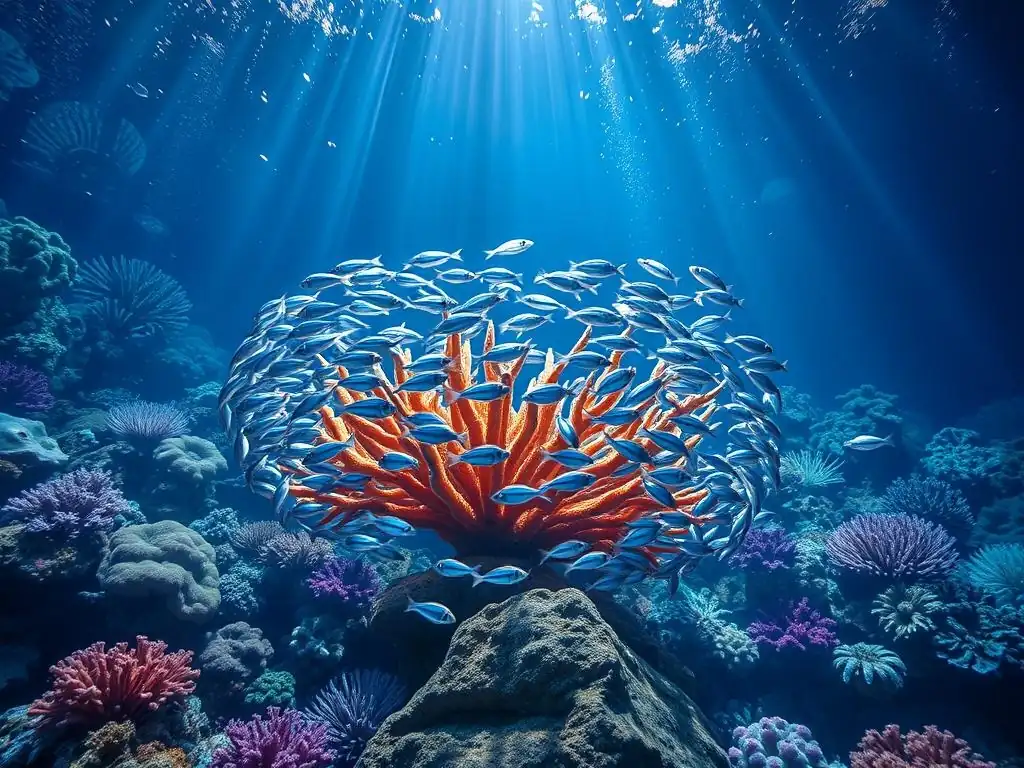
Welcome to Aquarium Mastery!
Ready to witness the electric courtship display of a truly captivating reef inhabitant? Dive in and discover comprehensive McCosker’s Flasher Wrasse care tips that will ensure your Paracheilinus mccoskeri thrives. But that's just the beginning! We'll unlock the secrets to keeping this dazzling fish happy and healthy, leaving you eager to explore the vibrant world of saltwater aquariums and everything else we have to offer!
- Understanding the Allure of McCosker's Flasher Wrasse
- McCosker's Flasher Wrasse Care Tips: A Comprehensive Guide
- Identifying a Healthy McCosker's Flasher Wrasse: What to Look For
- The Electric Courtship Display: Witnessing the Flasher Wrasse's Dance
- Tank Mates for McCosker's Flasher Wrasse: Compatibility Considerations
- Preventing Common Diseases in McCosker's Flasher Wrasses
- Breeding McCosker's Flasher Wrasse: Challenges and Possibilities
- McCosker's Flasher Wrasse: Pros and Cons for Reef Aquariums
- Where to Buy McCosker's Flasher Wrasse: Sourcing Healthy Specimens
- Conclusion: Mastering McCosker's Flasher Wrasse Care for a Vibrant Reef
- Frequently Asked Questions
- Final Reflection: Embracing the Electric Spark of Responsibility
- Ignite Your Aquarium: Embrace the Flasher Wrasse Phenomenon!
Understanding the Allure of McCosker's Flasher Wrasse
The McCosker's Flasher Wrasse, scientifically known as Paracheilinus mccoskeri, is a highly sought-after marine fish renowned for its breathtaking coloration and captivating "flashing" courtship displays. Hailing from the Indo-Pacific region, specifically found around areas like the Maldives, Indonesia, and the Philippines, this small but vibrant species brings a dynamic splash of color to any reef aquarium. Its allure lies not only in its iridescent blues, reds, and yellows but also in its generally peaceful demeanor and active swimming patterns, making it a favorite among experienced aquarists.
Unlike some of its more boisterous wrasse cousins, the McCosker's Flasher Wrasse remains relatively small, typically reaching an adult size of about 3 to 4 inches (7.5 to 10 cm). This modest size makes it suitable for a wider range of reef tank setups, provided the McCosker’s Flasher Wrasse care tips are diligently followed. Males are particularly spectacular, displaying intensified colors and extended fins during their elaborate courtship rituals, a spectacle that truly embodies the "electric" in their common name.
McCosker's Flasher Wrasse Care Tips: A Comprehensive Guide
Ideal Tank Environment for McCosker's Flasher Wrasse
Establishing the correct tank environment is paramount for the health and longevity of Paracheilinus mccoskeri. A minimum tank size of 30 gallons is often cited for a single specimen, though a 50-gallon or larger aquarium is highly recommended, especially if you plan to keep a small group (one male with several females) or if it's part of a larger community reef.
The tank should feature ample live rock structures providing numerous crevices, caves, and hiding spots, as these wrasses appreciate security and places to retreat, particularly when newly introduced or feeling threatened. An open swimming area is also crucial for them to display their natural behaviors and flashing rituals.
Beyond rockwork, the McCosker's Flasher Wrasse thrives in a well-established reef environment with moderate lighting and a good amount of water flow. While they do not require intense lighting, stable conditions are key. A secure, tight-fitting lid is an absolute necessity, as these wrasses are notorious jumpers, especially when startled or during their initial acclimation period. Many hobbyists have sadly lost a beautiful Paracheilinus mccoskeri due to an uncovered gap, highlighting the importance of this simple yet critical McCosker’s Flasher Wrasse care tip.
Diet and Feeding Recommendations for a Healthy McCosker's Flasher Wrasse
McCosker's Flasher Wrasses are primarily carnivorous and thrive on a varied diet of meaty foods. In their natural habitat, they constantly forage for small benthic invertebrates and zooplankton. In the aquarium, their diet should consist of high-quality frozen foods such as Mysis shrimp, enriched brine shrimp, copepods, and finely chopped seafood (like krill or clam). It is recommended to feed them small amounts multiple times a day, ideally two to three times, to mimic their natural grazing behavior and ensure all individuals receive adequate nutrition.
For optimal health and to encourage their vibrant coloration and natural behaviors, incorporating live foods like copepods and enriched rotifers into their feeding regimen is highly beneficial. These live offerings not only provide essential nutrients but also stimulate their natural hunting instincts. Some specimens may initially be shy eaters, and offering live foods can help entice them to feed. Ensuring a consistent and varied diet is a vital McCosker’s Flasher Wrasse care tip to prevent nutritional deficiencies and maintain their robust health.
Maintaining Optimal Water Parameters for Paracheilinus mccoskeri
Maintaining stable and optimal water parameters is critical for the long-term well-being of McCosker's Flasher Wrasse. They require pristine water quality, characteristic of a healthy reef environment. The ideal temperature range is between 72-78°F (22-26°C), with salinity maintained at 1.023-1.026 specific gravity. The pH should be stable between 8.1 and 8.4, and alkalinity (dKH) should be kept between 8-12. Crucially, ammonia and nitrite levels must always be undetectable, and nitrates should be kept as low as possible, ideally below 10-20 ppm.
Regular partial water changes are essential for maintaining these parameters and replenishing trace elements. A bi-weekly water change of 10-20% is a good general guideline, using high-quality saltwater mixed with RO/DI water. Consistent monitoring of water chemistry with reliable test kits is indispensable. Any sudden fluctuations in temperature, salinity, or pH can cause significant stress to Paracheilinus mccoskeri, making them susceptible to disease. Adhering to these water quality guidelines is a fundamental McCosker’s Flasher Wrasse care tip that underpins their overall health and vitality.
Identifying a Healthy McCosker's Flasher Wrasse: What to Look For
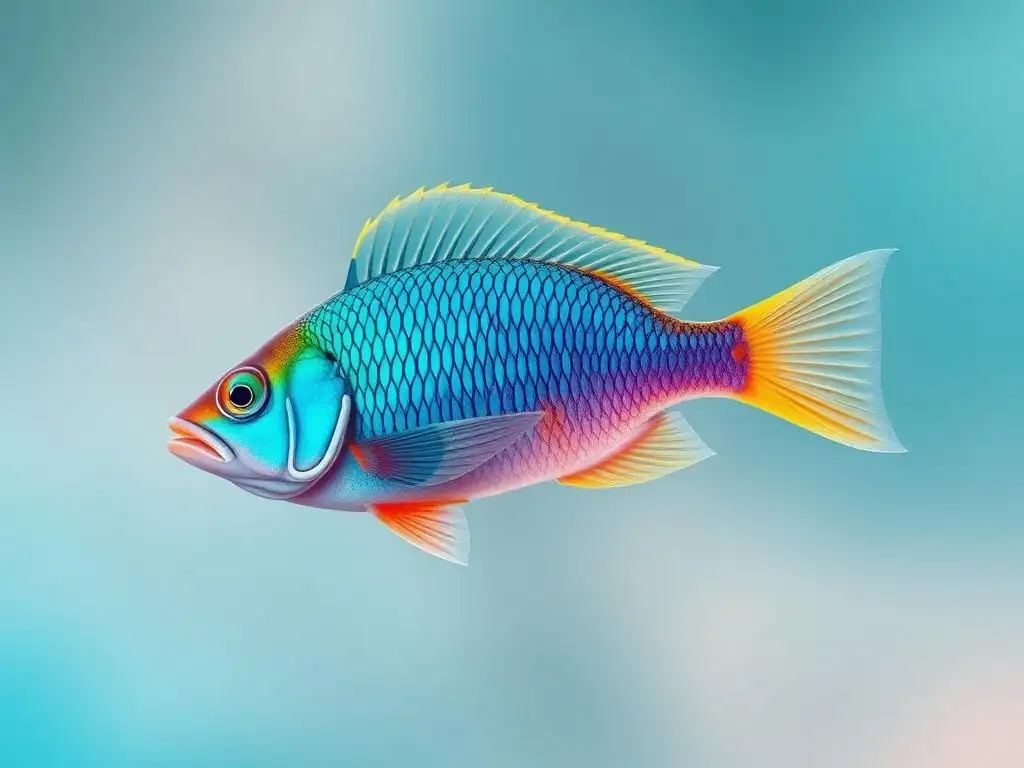
When selecting a McCosker's Flasher Wrasse, observing its behavior and physical appearance is crucial to ensure you bring home a healthy specimen. A healthy Paracheilinus mccoskeri will exhibit vibrant, intense coloration, especially the males. Their fins should be fully extended and intact, without any signs of fraying, nips, or damage. Their eyes should be clear and alert, not cloudy or sunken. Observe their swimming pattern; they should be active and inquisitive, exploring their environment with smooth, fluid movements, rather than appearing lethargic or listless.
Beyond physical attributes, a healthy McCosker's Flasher Wrasse should show a keen interest in food and readily accept offerings during feeding time. Their breathing should be regular and unlabored. Avoid fish that are hiding excessively, have clamped fins, or show any visible spots (like Ich), velvet-like coatings, or open sores. These are strong indicators of stress or disease. Taking the time to observe a fish for at least 15-20 minutes before purchase can prevent introducing health issues into your established aquarium.
The Electric Courtship Display: Witnessing the Flasher Wrasse's Dance
The "flashing" display of the McCosker's Flasher Wrasse is arguably its most captivating attribute, a stunning natural spectacle that gives the species its common name. This elaborate courtship ritual is predominantly performed by the male, transforming him into a living kaleidoscope of iridescent colors and exaggerated fin extensions. It's a rapid, almost instantaneous burst of brilliance where blues, reds, and yellows intensify dramatically, accompanied by a rapid fanning of the dorsal, anal, and pelvic fins. This display is primarily aimed at attracting females and asserting dominance over rival males.
Witnessing this electric dance is a highlight for any aquarist keeping Paracheilinus mccoskeri. The display typically lasts only a few seconds, occurring multiple times throughout the day, often peaking in the late afternoon or early evening as tank lights begin to dim, mimicking natural dusk conditions. The male will swim rapidly around the female, sometimes in tight circles, showcasing his full splendor. This behavior is a clear indicator of a happy, comfortable, and well-adjusted fish in a suitable environment.
Triggers for the McCosker's Flasher Wrasse Courtship Ritual
Several factors can trigger the mesmerizing courtship ritual of the McCosker's Flasher Wrasse. The most significant trigger is the presence of females within the tank; a single male with multiple females (a harem) often results in more frequent and intense displays. Lighting cues also play a crucial role; the displays are most commonly observed during the "magic hour" of the late afternoon or early evening, as the aquarium lights transition from full brightness to dimming, simulating the natural twilight period when these wrasses are most active in the wild.
Beyond the social and lighting aspects, the overall health and comfort of the fish are paramount. A stress-free environment with pristine water quality, ample hiding spots, and a varied, nutritious diet significantly encourages flashing behavior. When a male Paracheilinus mccoskeri feels secure and well-fed, he is more likely to engage in these energy-intensive displays. Conversely, a stressed or unhealthy fish will rarely, if ever, exhibit its full flashing potential, making the presence of these rituals an excellent indicator of successful McCosker’s Flasher Wrasse care tips implementation.
Deciphering the Flasher Wrasse's Communication Signals
The "flashing" display of the McCosker's Flasher Wrasse is a complex form of visual communication, primarily serving reproductive and territorial purposes. When a male flashes, he rapidly intensifies his body coloration, turning on his most vibrant blues, reds, and yellows in a near-instantaneous burst. Simultaneously, he extends his dorsal, anal, and pelvic fins to their maximum extent, creating an impressive silhouette. This dramatic transformation is a direct signal to females, indicating his fitness and readiness to mate, much like a peacock displaying its tail feathers.
In addition to attracting females, the flashing display also serves as a warning or assertion of dominance towards other males of the same species or similar-looking wrasses. A male Paracheilinus mccoskeri will flash to establish his territory or to deter rivals from approaching his chosen females. The rapid, almost pulsating nature of the color changes and fin movements is designed to be highly attention-grabbing. Understanding these signals allows aquarists to appreciate the intricate social dynamics at play within their reef tank.
Tank Mates for McCosker's Flasher Wrasse: Compatibility Considerations
When selecting tank mates for McCosker's Flasher Wrasse, the primary consideration should be their peaceful nature and avoidance of overly aggressive or boisterous species. Being relatively small and generally non-aggressive, Paracheilinus mccoskeri can easily become stressed or intimidated by larger, more dominant fish. They thrive in a calm, established reef environment where they won't be constantly harassed or outcompeted for food. Compatibility is a cornerstone of successful McCosker’s Flasher Wrasse care tips.
Ideal companions are those that share similar water parameter requirements and do not pose a threat of predation or excessive competition. Overcrowding should also be avoided, as it can lead to increased stress and aggression, even among otherwise peaceful species. Aim for a diverse community that allows each fish ample space and resources.
Best Tank Mates for a Peaceful Reef Aquarium with Flasher Wrasses
McCosker's Flasher Wrasses generally coexist well with a variety of peaceful reef inhabitants. Good choices include small, docile gobies such as Watchman Gobies ( Cryptocentrus cinctus) or Clown Gobies ( Gobiodon okinawae), which occupy the bottom stratum and pose no threat. Blennies, like the Tailspot Blenny ( Salarias fasciatus), are also excellent companions as they are typically reef-safe and non-aggressive. Small, peaceful tangs, such as the Yellow Tang ( Zebrasoma flavescens) in appropriately sized tanks (100+ gallons), can work, provided they are not overly dominant.
Other suitable tank mates include various species of clownfish (e.g., Ocellaris Clownfish, Amphiprion ocellaris), chromis (e.g., Green Chromis, Chromis viridis), and cardinalfish (e.g., Banggai Cardinalfish, Pterapogon kauderni). These species are generally calm and will not bother the wrasse. If keeping multiple flasher wrasses, it's best to introduce one male with several females simultaneously to establish a natural hierarchy and minimize aggression, which is a key McCosker’s Flasher Wrasse care tip for group housing.
Fish to Avoid When Keeping McCosker's Flasher Wrasses
To ensure the safety and well-being of your McCosker's Flasher Wrasse, certain fish species should be strictly avoided as tank mates. Any large, aggressive, or predatory fish poses a significant threat. This includes large angelfish, triggerfish, lionfish, groupers, and moray eels, all of which could easily prey upon or severely injure the smaller, more delicate flasher wrasse. Their size and aggressive feeding behaviors would also stress the wrasse, leading to poor health.
Furthermore, overly boisterous or fin-nipping species should also be excluded. Certain damselfish, while small, can be highly territorial and aggressive, constantly harassing the wrasse and preventing it from feeding or resting properly. Large dottybacks and some larger wrasse species (e.g., some hogfish or larger Coris wrasses) can also be problematic due to their aggressive nature or potential for competition. Maintaining a peaceful environment is crucial for successful McCosker’s Flasher Wrasse care tips application.
Preventing Common Diseases in McCosker's Flasher Wrasses
Preventing diseases in McCosker's Flasher Wrasses largely hinges on maintaining excellent water quality, providing a stable environment, and offering a nutritious diet. These wrasses, like all marine fish, are susceptible to common aquarium ailments such as marine Ich ( Cryptocaryon irritans) and Velvet disease ( Amyloodinium ocellatum), particularly when stressed by poor water conditions, sudden parameter fluctuations, or aggressive tank mates. Proactive prevention is far more effective than reactive treatment.
Regular observation of your fish is also a key preventative measure. Early detection of any behavioral or physical changes allows for prompt intervention, often before an illness becomes severe. Implementing a strict quarantine procedure for all new arrivals is arguably the single most effective McCosker’s Flasher Wrasse care tip for disease prevention, as it prevents the introduction of pathogens into your main display tank.
Recognizing Early Signs of Illness in Paracheilinus mccoskeri
Early recognition of illness in Paracheilinus mccoskeri can significantly improve treatment outcomes. Behavioral changes are often the first indicators. Look for lethargy, loss of appetite, hiding excessively (more than usual), or rapid, labored breathing. A healthy wrasse is typically active and inquisitive. Physical signs might include the presence of small white spots (Ich), a dusty or velvet-like coating (Velvet), cloudy eyes, fin clamping, frayed fins, or unusual growths or lesions on the body.
Another subtle sign of stress or illness can be a dulling or fading of their vibrant colors. While males naturally change intensity during flashing, a sustained dull appearance is concerning. Observe if the fish is scratching or rubbing against rocks or substrate, which can indicate external parasites. Any deviation from their normal behavior or appearance should prompt immediate investigation of water parameters and a thorough visual inspection of the fish.
Quarantine Procedures for New Flasher Wrasses
Quarantine is an indispensable McCosker’s Flasher Wrasse care tip for safeguarding your existing aquarium inhabitants from potential diseases carried by new arrivals. A dedicated quarantine tank (QT) of at least 10-20 gallons is recommended for a single McCosker's Flasher Wrasse. This tank should be set up with a heater, an air stone for oxygenation, and simple PVC pipes or other inert hiding spots. It does not require a complex substrate or live rock, which can absorb medications.
New wrasses should be kept in the QT for a minimum of 3-4 weeks. During this period, observe them closely for any signs of illness. Many aquarists opt for prophylactic treatment, using copper-based medications for Ich and Velvet, or broad-spectrum antibiotics if bacterial infections are suspected, even if no symptoms are visible. This preemptive approach helps ensure that only healthy, disease-free specimens are introduced into your main display tank, protecting your established ecosystem.
Breeding McCosker's Flasher Wrasse: Challenges and Possibilities
Breeding McCosker's Flasher Wrasse ( Paracheilinus mccoskeri) in a home aquarium setting is exceptionally challenging, though spawning events themselves are not uncommon in established, healthy groups. Males will frequently display to females, and actual spawning, where eggs are released and fertilized in the water column, can occur. However, raising the resulting larvae to maturity is where the significant hurdles arise, making successful captive breeding a rare achievement even for advanced hobbyists and specialized aquaculture facilities.
The primary difficulty lies in the extremely small size of the wrasse larvae. They require microscopic first foods that are often challenging to culture in sufficient quantities, such as specific sizes of rotifers and copepod nauplii. Furthermore, maintaining the precise water quality and environmental conditions necessary for these delicate larval stages is incredibly demanding. While the vibrant courtship display is a common sight, the journey from egg to juvenile McCosker's Flasher Wrasse in captivity remains largely uncharted territory for the average aquarist.
Challenges of Breeding in Captivity
The challenges of breeding McCosker's Flasher Wrasse in captivity are numerous and complex. Even if spawning occurs regularly, the microscopic size of the eggs and subsequent larvae presents the first major obstacle. These larvae are highly susceptible to changes in water quality and require a very specific diet of live, appropriately sized planktonic organisms, such as specialized rotifer strains or copepod nauplii, which must be cultured continuously. Providing these specific food sources in the correct density and at the right time is a significant logistical hurdle.
Beyond feeding, maintaining the pristine and stable water parameters essential for larval survival is incredibly difficult. Factors such as temperature, salinity, pH, and ammonia/nitrite levels must be meticulously controlled, often requiring sophisticated filtration and monitoring systems. The high mortality rate of larvae, coupled with the specialized knowledge and equipment required, means that successful captive breeding of Paracheilinus mccoskeri remains largely confined to dedicated research facilities with extensive resources and expertise in marine larval aquaculture.
McCosker's Flasher Wrasse: Pros and Cons for Reef Aquariums
Advantages of Keeping McCosker's Flasher Wrasses
The McCosker's Flasher Wrasse offers numerous advantages that make it a highly desirable addition to many reef aquariums. Foremost among these is its stunning coloration and the mesmerizing "flashing" courtship display, which provides constant visual interest and a truly unique spectacle. They are generally peaceful fish, making them excellent candidates for community reef tanks alongside other docile species. Their relatively small adult size, typically 3-4 inches, allows them to fit comfortably into medium-sized aquariums (30 gallons or more for a single specimen, larger for groups).
Furthermore, Paracheilinus mccoskeri is considered reef-safe, meaning they will not bother corals or most invertebrates, making them compatible with diverse reef setups. They are also active foragers, constantly picking at live rock for small crustaceans and other microfauna, which can be beneficial for tank hygiene. Their active swimming and curious nature add dynamic movement to the aquarium, and with proper McCosker’s Flasher Wrasse care tips followed, they can live for several years, providing long-term enjoyment.
Potential Challenges of Maintaining McCosker's Flasher Wrasses
Despite their many advantages, there are a few potential challenges associated with maintaining McCosker's Flasher Wrasses. One significant concern is their propensity for jumping, necessitating a tightly fitting lid on the aquarium to prevent escapes. They can also be somewhat shy or timid when first introduced to a new environment, requiring ample hiding spots and a calm tank setup to help them acclimate. Initial feeding can sometimes be a challenge if they are not accustomed to prepared foods, requiring patience and a varied diet including live options.
While generally hardy once established, they are sensitive to poor water quality and sudden parameter fluctuations. Maintaining pristine and stable water conditions is non-negotiable for their long-term health, requiring diligent monitoring and regular maintenance. They can also be outcompeted for food by more aggressive tank mates, so careful consideration of tank mate compatibility is crucial. Adhering to comprehensive McCosker’s Flasher Wrasse care tips is essential to mitigate these potential difficulties.
Where to Buy McCosker's Flasher Wrasse: Sourcing Healthy Specimens
When looking to acquire a McCosker's Flasher Wrasse, sourcing healthy specimens from reputable dealers is paramount to ensuring a successful addition to your aquarium. It is advisable to purchase from well-established local fish stores with a good reputation for marine livestock, or from trusted online vendors specializing in saltwater fish. A reputable dealer will have clean, well-maintained holding tanks, and the fish themselves should appear active, alert, and free of any visible signs of disease or stress.
Before making a purchase, take the time to observe the fish in the store's tank. Look for specimens that are actively swimming, have bright, vibrant coloration, and readily accept food. Inquire about how long the fish has been in the store, its feeding habits, and if it has undergone any quarantine procedures.
While captive-bred McCosker's Flasher Wrasses are extremely rare, most available specimens will be wild-caught. Prioritizing a vendor who practices responsible collection or ethical sourcing, and who places emphasis on careful acclimation and care, is a crucial McCosker’s Flasher Wrasse care tip for supporting sustainable practices and getting a robust fish.
Conclusion: Mastering McCosker's Flasher Wrasse Care for a Vibrant Reef
The McCosker's Flasher Wrasse, Paracheilinus mccoskeri, stands out as a jewel of the reef aquarium, offering unparalleled beauty and fascinating behavior, particularly its iconic "electric" courtship display. While captivating, successfully keeping this species requires a dedicated approach to its care. Adhering to comprehensive McCosker’s Flasher Wrasse care tips involves providing an ideal tank environment with ample hiding spots and moderate flow, maintaining pristine and stable water parameters, and offering a diverse, high-quality diet.
Beyond the technical aspects, understanding their social needs and ensuring compatible tank mates are equally vital for their well-being. Proactive disease prevention through diligent observation and rigorous quarantine procedures for new arrivals will safeguard your entire aquatic ecosystem. By mastering these essential care elements, aquarists can enjoy the vibrant colors and dynamic personality of the McCosker's Flasher Wrasse, transforming their reef tank into a captivating display of marine life.
Frequently Asked Questions
What are the ideal tank conditions for a McCosker's Flasher Wrasse?
McCosker's Flasher Wrasses thrive in mature reef aquariums with plenty of live rock for hiding and foraging. Maintaining stable water parameters is crucial, including a temperature range of 72-78°F and a specific gravity of 1.023-1.025.
What do McCosker's Flasher Wrasses eat?
These wrasses are primarily carnivorous and require a varied diet of small meaty foods. Offer them a mix of frozen mysis shrimp, brine shrimp, copepods, and high-quality marine flake food.
How large do McCosker's Flasher Wrasses get?
McCosker's Flasher Wrasses typically reach a maximum size of around 3-4 inches (7.6-10 cm) in captivity. Providing them with sufficient swimming space is important for their well-being.
Are McCosker's Flasher Wrasses reef safe?
Yes, McCosker's Flasher Wrasses are generally considered reef safe as they do not typically bother corals or other invertebrates. They can even help control some nuisance pests in your reef tank.
What should I know about the "electric courtship display" mentioned in the title?
The male McCosker's Flasher Wrasse will put on a vibrant and rapid color change display to attract females. This "electric courtship display" is a sign of a healthy and happy wrasse in a suitable environment.
Okay, here's a final reflection designed to resonate with readers interested in McCosker's Flasher Wrasse care, while also incorporating the requested Markdown structure and tone:
Final Reflection: Embracing the Electric Spark of Responsibility
The captivating dance of the McCosker's Flasher Wrasse, a spectacle we've explored in detail, serves as a powerful reminder of the delicate ecosystems we are privileged to observe. Understanding the nuances of their care is not merely a hobby, but a commitment to preserving the vibrant biodiversity of our oceans. The dazzling courtship display, so central to their existence, underscores the importance of providing an environment where these natural behaviors can thrive.
The journey into understanding Paracheilinus mccoskeri has undoubtedly deepened our appreciation for the intricate web of life within a reef aquarium. It's a reminder that responsible aquarists are not just keepers of fish, but stewards of miniature ecosystems. In the end, we will conserve only what we love; we will love only what we understand; and we will understand only what we are taught.
- Baba Dioum. This quote perfectly encapsulates the responsibility we bear to learn and share knowledge about these fascinating creatures.
Now, as you embark on, or continue, your journey with McCosker's Flasher Wrasses, remember that your dedication to providing optimal care directly impacts their well-being and the future of reef keeping. Let the electric flash of their courtship inspire you to continuously learn, adapt, and share your knowledge with others. By embracing this responsibility, you contribute to a world where these magnificent fish, and the ecosystems they inhabit, can continue to thrive for generations to come.
Ignite Your Aquarium: Embrace the Flasher Wrasse Phenomenon!
Thank you for diving into the vibrant world of the McCosker's Flasher Wrasse! We hope you found their dazzling courtship display as captivating as we do. Now, let's turn that fascination into action!
- Become an advocate for responsible sourcing: Commit to only purchasing sustainably sourced McCosker's Flasher Wrasses from reputable breeders.
- Delve deeper into the Paracheilinus genus: Explore other wrasse species to discover more hidden gems for your reef tank.
- Share the wonder: Spread the word about these magnificent creatures by sharing this article with fellow aquarists.
What specific color morph of McCosker's Flasher Wrasse has most inspired your next reef tank design?