
Feeding Your Lionfish: From Live Prey to Prepared Foods Successfully

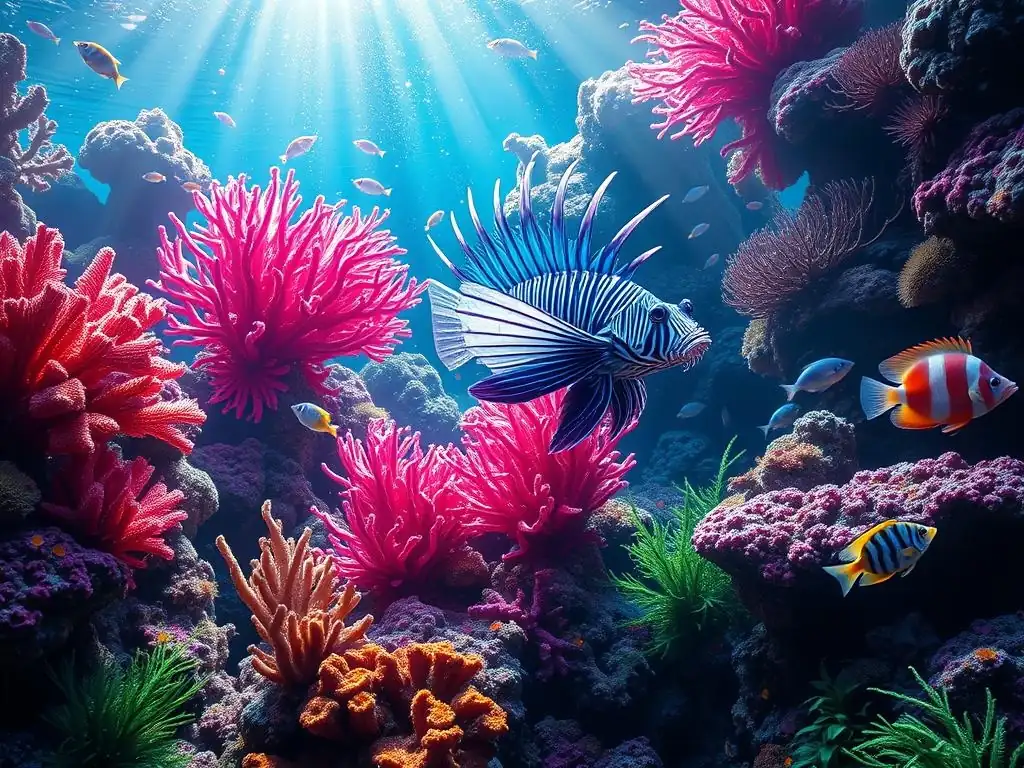
Welcome to Aquarium Mastery!
Ever wondered how to keep your majestic lionfish happy and healthy at mealtime? Dive into our Lionfish Feeding Guide Tips and discover the secrets to transitioning these stunning predators from live prey to convenient prepared foods. Unlock the techniques for ensuring a balanced diet and vibrant health for your lionfish, and let's explore the captivating world of saltwater aquarium keeping together!
- Understanding Lionfish Feeding Habits for Aquarium Success
- Transitioning Your Lionfish from Live Food to Frozen or Prepared Diets
- Lionfish Feeding Guide: Specific Tips and Techniques
- Choosing the Right Prepared Foods for Your Lionfish
- Addressing Common Lionfish Feeding Problems
- Maintaining Water Quality During Lionfish Feeding
- Advanced Lionfish Feeding Strategies
- Ensuring Long-Term Success with Your Lionfish Feeding Regimen
- Frequently Asked Questions
- Final Reflection: Cultivating a Sustainable Future for Lionfish Keeping
- Unleash Your Lionfish Feeding Mastery!
Understanding Lionfish Feeding Habits for Aquarium Success
Natural Diet and Predatory Behavior of Lionfish
Lionfish, native to the Indo-Pacific reefs, are ambush predators with a distinct hunting style. In their natural habitat, their diet primarily consists of small fish, such as gobies and blennies, and various crustaceans like crabs and shrimp. They use their elaborate pectoral fins to herd prey into a corner or disorient them before a swift strike. While their venomous dorsal spines are a formidable defense mechanism, they are not used for hunting; instead, the lionfish relies on its camouflage and surprisingly quick lunge to capture its meal.
As active predators, lionfish have a relatively high metabolic rate, necessitating frequent feeding in the wild. They are known for their ability to consume prey items that can be up to two-thirds their own body size, demonstrating their voracious appetite. For instance, a 6-inch lionfish might successfully consume a 4-inch fish. Understanding these inherent predatory behaviors is fundamental for developing an effective lionfish feeding guide in a home aquarium setting, ensuring their natural instincts are met while maintaining a healthy environment.
Why Proper Lionfish Nutrition is Crucial for Health
Proper nutrition is paramount for preventing common health issues in captive lionfish, such as lateral line erosion (LLE), fin rot, and various nutrient deficiencies. A balanced and varied diet strengthens their immune system, making them more resilient to common marine ailments like Ich or bacterial infections. A well-nourished lionfish typically exhibits vibrant, clear coloration, full and intact fins, and active, alert behavior, indicative of overall vitality.
The long-term benefits of a meticulously planned lionfish feeding guide include an extended lifespan, with many captive lionfish thriving for 10 to 15 years with optimal care, significantly more than in the wild where they face constant predation and environmental challenges. Adequate nutrition also supports optimal growth rates and reduces stress, which can otherwise compromise their health. Conversely, poor nutrition can lead to stunted growth, faded colors, and increased susceptibility to disease, highlighting the critical role of diet in their longevity and well-being.
Transitioning Your Lionfish from Live Food to Frozen or Prepared Diets
The Challenges of Feeding Live Prey Long-Term
Relying solely on live prey for lionfish feeding presents several significant challenges for the aquarist. Foremost among these is the high risk of introducing parasites and diseases, such as marine velvet or Ich, into the aquarium from feeder fish, which are often raised in less-than-ideal conditions. Furthermore, common feeder fish like goldfish or mollies are nutritionally inadequate for marine predators; they are typically high in fat and low in essential marine fatty acids and vitamins, leading to hepatic lipidosis (fatty liver disease) and other long-term health issues in lionfish.
Beyond health risks, the practicalities of feeding live prey are considerable. Maintaining a constant supply of live feeders for even one adult lionfish can add a significant weekly cost, potentially ranging from $10 to $30, depending on the feeder type and quantity. There are also ethical considerations, and the uneaten live food or waste from feeder fish can rapidly degrade water quality, contributing to elevated ammonia and nitrate levels, which are detrimental to the entire aquarium ecosystem.
Gradual Introduction of Frozen Foods: A Step-by-Step Approach
Transitioning a lionfish from live to frozen foods requires patience and consistency. Begin by offering a small, familiar live food item (e.g., a ghost shrimp or a small feeder fish) to stimulate the lionfish's feeding response. Immediately after it consumes the live prey, present a small piece of thawed frozen food, such as a silverside or a chunk of krill, on a feeding stick. This technique leverages the lionfish's active hunting mode.
Over several days to a few weeks, gradually reduce the quantity of live food while increasing the frequency and amount of frozen food offered. Use an acrylic or stainless steel feeding stick to mimic the movement of live prey, wiggling the food slightly in front of the lionfish to entice a strike. Some lionfish may require 10 to 20 attempts over a week or more to accept frozen food consistently. Persistence is key; this gradual approach is a cornerstone of a successful lionfish feeding guide.
Best Frozen Food Options for Lionfish: Nutritional Considerations
When selecting frozen foods for your lionfish, variety is crucial to ensure a balanced diet. Excellent options include whole or chopped silversides, krill, mysis shrimp, chopped squid, and various marine fish flesh such as snapper, cod, or tilapia (ensuring it is marine-grade and free of thiaminase, an enzyme found in some freshwater fish that can degrade Vitamin B1). These foods closely replicate the protein-rich diet of a wild lionfish, providing essential amino acids and fats.
Always thaw frozen foods thoroughly in a small cup of tank water or dechlorinated fresh water before feeding. Never feed frozen food directly, as it can cause internal damage or thermal shock to the lionfish's digestive system. A diverse rotation of these frozen items is essential for providing a complete nutritional profile, making it a vital component of any comprehensive lionfish feeding guide.
Nutritional Value of Silversides for Lionfish
Silversides are a popular frozen food choice for lionfish due to their availability and general acceptance. They are a good source of protein, typically comprising 60-70% of their dry weight, which is vital for a carnivorous species like the lionfish. However, silversides alone are not a complete diet. They can be relatively low in certain essential fatty acids, such as Omega-3s, and some vitamins if not gut-loaded or supplemented before freezing.
For instance, a typical 10-gram silverside may contain approximately 1.5 grams of fat, but the quality and type of these fats are critical. Therefore, while silversides can form a significant portion of the diet, they should always be supplemented by other food types or enriched with vitamin soaks to ensure a full spectrum of nutrients. Relying solely on silversides without variety or supplementation can lead to long-term nutritional deficiencies.
Supplementing Frozen Food with Vitamin Soaks
To enhance the nutritional content of frozen foods, particularly silversides or other items that may lack certain vitamins, soaking them in liquid vitamin supplements is highly recommended. Products like Selcon, Vita-Chem, or Zoecon are formulated to provide essential vitamins (e.g., A, D, E, C) and beneficial fatty acids that can be diminished during the freezing process. Soak the thawed food for 15-30 minutes in a small amount of the supplement before feeding.
This supplementation boosts the overall nutritional value of the meal, contributing significantly to the lionfish's long-term health and immune response. For example, Vitamin C (ascorbic acid) is crucial for tissue repair and disease resistance, and its levels can degrade in frozen foods over time. Regular supplementation, perhaps 2-3 times per week, ensures that your lionfish receives all necessary micronutrients, making it an indispensable lionfish feeding guide tip for optimal health.
Lionfish Feeding Guide: Specific Tips and Techniques
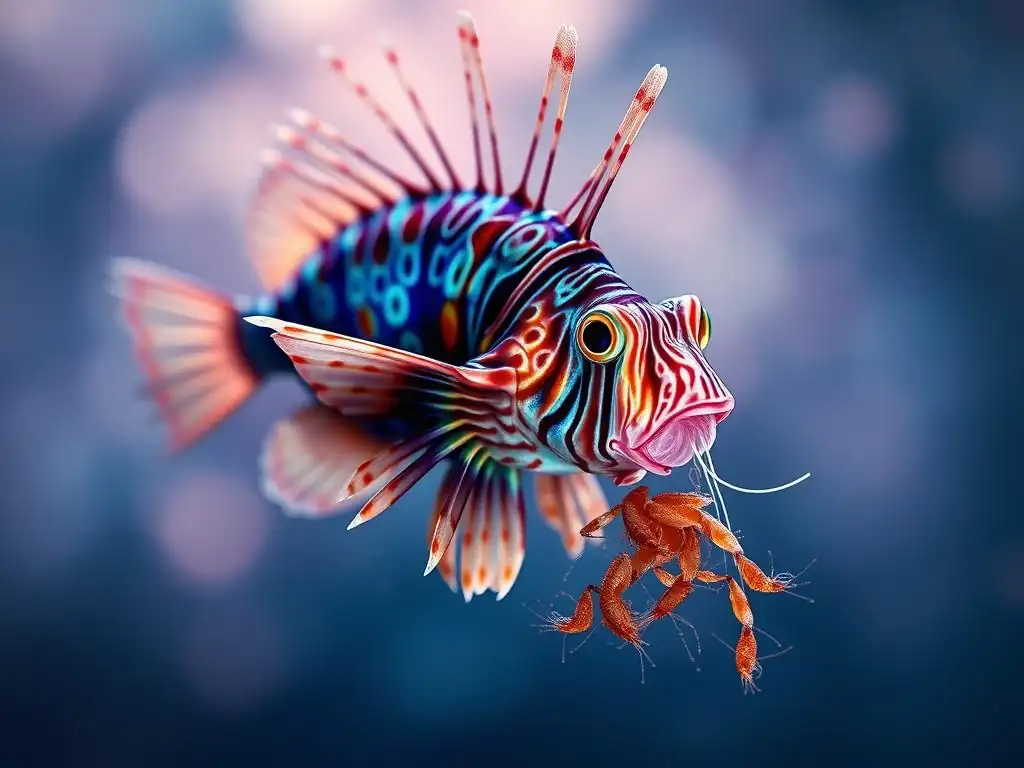
Optimizing Feeding Schedules for Lionfish Growth and Health
Optimizing the feeding schedule for your lionfish depends largely on its size and age. Juvenile lionfish (under 4 inches) typically require more frequent meals, often 1-2 times daily, to support their rapid growth. Sub-adults (4-8 inches) can be fed 3-4 times per week, while mature adults (over 8 inches) generally thrive on a schedule of 2-3 times per week. The caloric density of the food also plays a role; fattier foods may allow for less frequent feedings.
Portion control is equally critical. Feed only what your lionfish can consume in 2-3 minutes to prevent uneaten food from decaying and fouling the water. A general rule of thumb is to offer a portion roughly equivalent to the size of the lionfish's eye. Overfeeding not only compromises water quality but can also lead to obesity in lionfish, which shortens their lifespan and leads to health issues. This precise lionfish feeding guide tip helps maintain both the fish's health and tank stability.
Lionfish Feeding Techniques: Target Feeding and Training
Target feeding is an invaluable technique for lionfish in a community aquarium or even a species-specific tank. Using a feeding stick or tongs, you can present food directly to the lionfish, ensuring it gets its fair share without competition from faster tank mates. Wiggle the food slightly to simulate movement, which often triggers the lionfish's natural predatory strike. This method also minimizes food waste, which helps maintain water quality.
Lionfish are intelligent and can be trained to associate specific cues with feeding time. Consistently offering food at the same location in the tank or using a distinct visual cue, such as tapping the glass gently before presenting food, can condition them. Over time, your lionfish will learn to anticipate meals, making feeding sessions more efficient and providing an engaging interaction for the aquarist. This advanced lionfish feeding guide tip can significantly improve the feeding experience.
Encouraging Lionfish to Accept Non-Live Foods
For stubborn lionfish that initially refuse non-live foods, patience and persistence are paramount. Try offering a variety of different frozen food types, as some textures or scents may be more appealing than others. Sometimes, a brief "hunger strike" of 2-3 days, where no food is offered, can make a reluctant lionfish more receptive to frozen options; however, never starve them for extended periods, especially young or visibly thin specimens.
Another effective technique is to "scent" the frozen food. This can be done by rubbing a small piece of live ghost shrimp or krill onto the frozen food before offering it, or by soaking the frozen food in a small amount of garlic extract, which is known to be an appetite stimulant for many marine fish. Presenting the frozen food immediately after a small, familiar live meal can also help the lionfish associate the activity and scent with food, gradually transitioning them.
Recognizing Signs of a Healthy and Well-Fed Lionfish
Recognizing the signs of a healthy and well-fed lionfish is crucial for long-term success. Visually, a healthy lionfish will display vibrant, clear coloration, reflecting its species' natural patterns. Its eyes should be clear and bright, and its fins should be intact and free from fraying or cloudiness. A well-fed lionfish will have a full, rounded belly after a meal, but should not appear bloated or overly distended, which can indicate overfeeding or internal issues.
Behaviorally, a healthy lionfish will be active and alert, often curiously observing its surroundings and responding promptly to feeding cues. It will exhibit a strong, decisive feeding response, striking food quickly and consuming it fully. Consistent growth, appropriate for its age, and regular waste production (indicating proper digestion) are also good indicators. Any deviation, such as faded colors, lethargy, or persistent refusal to eat, signals that your lionfish feeding guide might need re-evaluation or that a health issue is present.
Choosing the Right Prepared Foods for Your Lionfish
Identifying High-Quality Prepared Foods for Lionfish
When selecting prepared foods like pellets or flakes for your lionfish, it's essential to choose high-quality options specifically designed for carnivorous marine fish. Look for brands that prioritize marine proteins and have a high protein content, ideally ranging from 45% to 60%. Examples of reputable brands often include Hikari Marine Carnivore Pellets or Omega One Marine Pellets, which are formulated to meet the dietary needs of predatory species.
Avoid foods with excessive amounts of fillers such as cornmeal or wheat, or those heavily reliant on artificial colors, as these offer little nutritional value. The first few ingredients listed on the label should be marine-based proteins like fish meal, squid meal, or krill meal. Furthermore, ensure the pellet or flake size is appropriate for your lionfish's mouth, as offering pieces that are too large or too small can lead to refusal or difficulty in consumption.
Reading Ingredient Labels: What to Look For in Lionfish Food
Understanding ingredient labels is vital for selecting the best prepared foods for your lionfish. Key nutritional percentages to look for include: crude protein (minimum 45%), crude fat (minimum 8-12%), crude fiber (maximum 3-5%), and moisture (maximum 8-10%). High protein and moderate fat content are crucial for these predatory fish, supporting their energy needs and muscle development.
Beyond the basic percentages, scrutinize the ingredient list for beneficial additives. Ingredients like spirulina can enhance color and provide immune support, while garlic is a known appetite stimulant and can deter some parasites. A comprehensive vitamin pre-mix is also desirable. Conversely, try to avoid foods that list ethoxyquin, BHA, or BHT as primary preservatives, opting instead for natural alternatives like Vitamin E (tocopherols) whenever possible for a healthier lionfish feeding guide.
Supplementing Prepared Foods with Vitamins and Minerals
Even the highest quality prepared foods can sometimes benefit from additional vitamin and mineral supplementation, especially if they are not the sole component of your lionfish's diet. Soaking pellets in liquid vitamin supplements, similar to those used for frozen foods (e.g., Selcon), can significantly boost their nutritional profile, ensuring your lionfish receives a complete spectrum of micronutrients. This is particularly important for vitamins that may degrade over time in dry foods.
Consider specific deficiencies or enhanced needs. For instance, iodine is important for thyroid function in marine fish, and while present in some foods, supplementation can be beneficial. Regular, but not excessive, supplementation (e.g., once or twice a week) can help fill any potential nutritional gaps and contribute to the lionfish's overall vitality, ensuring a comprehensive lionfish feeding guide strategy.
Addressing Common Lionfish Feeding Problems
Lionfish Refusal to Eat: Troubleshooting Steps
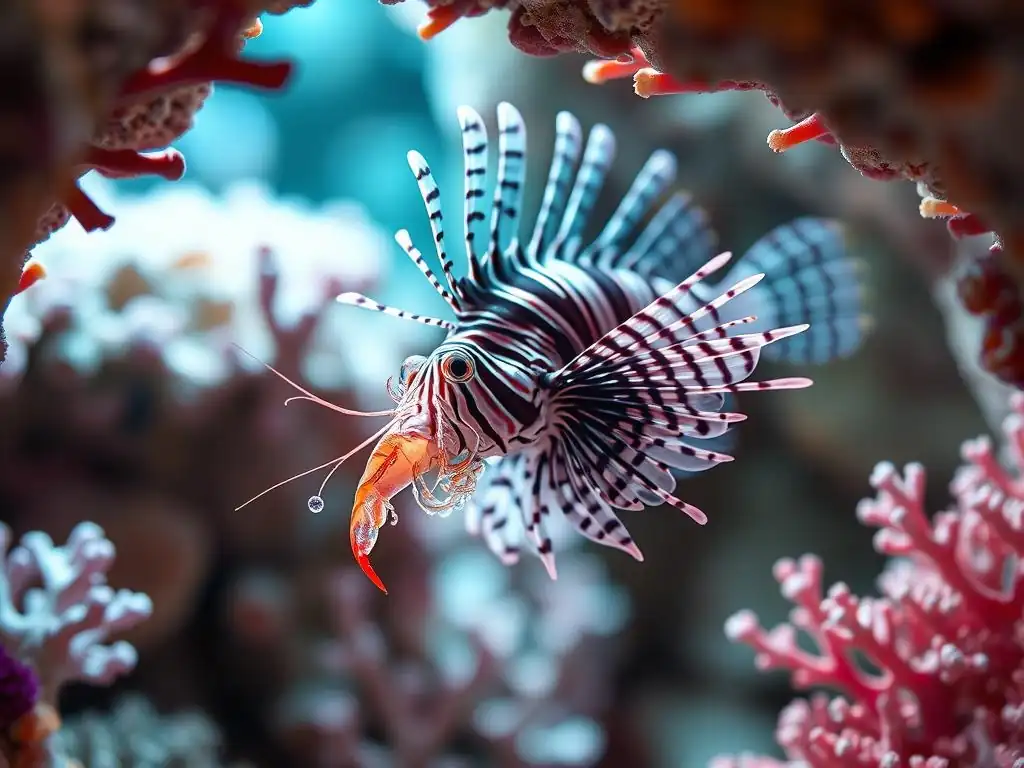
Lionfish refusal to eat can be a concerning issue, often signaling an underlying problem. Common causes include stress from a new environment, incompatible tank mates, or poor water quality. The first step in troubleshooting should always be to check all water parameters immediately: ammonia, nitrite, nitrate, salinity, and temperature. Ensure that tank mates are not intimidating the lionfish or outcompeting it for food.
If water parameters are stable and tank mates are not an issue, try offering a variety of different foods. Some lionfish are simply picky. A brief "hunger strike" of 2-3 days can sometimes make them more receptive to new foods, but never starve them for extended periods. Use appetite stimulants like garlic extract. Verify that the food size is appropriate for its mouth. If refusal persists for more than 3-5 days, especially if accompanied by other symptoms, consider consulting a marine fish veterinarian for diagnosis.
Preventing Overfeeding and Obesity in Lionfish
Overfeeding is a common pitfall in lionfish care, leading to several detrimental effects. Excess food decays rapidly, releasing ammonia and nitrite, and contributing to high nitrate and phosphate levels, which degrade water quality and promote nuisance algae growth. Beyond water quality, overfeeding leads to obesity in the lionfish itself, increasing the risk of fatty liver disease, organ damage, and a significantly reduced lifespan. An obese lionfish may appear overly rounded and lethargic.
To prevent overfeeding, strictly adhere to recommended feeding schedules and portion sizes (e.g., feeding only what can be consumed in 2-3 minutes). Promptly remove any uneaten food within 5 minutes using a siphon or turkey baster. For adult lionfish, incorporating a "fasting day" once a week can aid digestion and prevent the accumulation of excess fat. This disciplined approach is a crucial lionfish feeding guide tip for maintaining long-term health and a pristine aquarium environment.
Dealing with Aggressive Feeding Behavior
Lionfish are natural predators, and their aggressive feeding behavior, while instinctive, needs to be managed in a confined aquarium environment. This can manifest as nipping at tank mates, attempting to consume incompatible fish, or becoming overly territorial during feeding times. While it’s a natural trait, it can lead to stress or injury for other inhabitants.
To mitigate aggressive feeding, implement target feeding with a feeding stick to ensure that only the lionfish receives its food. Simultaneously, feed other tank mates in a different area of the tank to distract them and reduce competition. Ensure the lionfish is adequately fed according to its size and needs, as a consistently hungry lionfish is more likely to exhibit heightened predatory aggression. If aggression persists or is severe, re-evaluating tank mates or upgrading to a larger tank might be necessary to provide more space and reduce territorial disputes.
Maintaining Water Quality During Lionfish Feeding
The Impact of Lionfish Feeding on Aquarium Water Chemistry
Lionfish feeding, especially with large, messy meals or if uneaten food accumulates, significantly impacts aquarium water chemistry. Excess protein and organic matter from food breakdown rapidly into ammonia, then nitrite, and finally nitrate through the nitrogen cycle. This can lead to rapid spikes in ammonia (e.g., 0.1-0.2 ppm from a single large feeding if filtration is insufficient), which is highly toxic to marine fish.
Over time, consistent overfeeding or inadequate removal of waste can result in chronically high nitrate levels, often exceeding 40-50 ppm. While adult lionfish may tolerate higher nitrate levels than some other species, prolonged exposure suppresses their immune system, making them more susceptible to diseases and reducing their overall vitality. Understanding this impact is crucial for any effective lionfish feeding guide, as it directly links diet to water parameters.
Effective Water Changes and Filtration Strategies
To counteract the impact of lionfish feeding on water quality, regular partial water changes are indispensable. For a well-stocked lionfish aquarium, a 10-20% weekly or bi-weekly water change is often necessary to dilute accumulated nitrates and phosphates, while simultaneously replenishing essential trace elements that are consumed by the aquarium inhabitants. This practice is a cornerstone of maintaining a healthy marine environment.
Robust filtration is equally vital. Mechanical filtration (e.g., filter socks, sponges) effectively removes particulate matter and uneaten food before it breaks down. Biological filtration (e.g., live rock, bio-balls) provides ample surface area for beneficial bacteria to process ammonia and nitrite into less toxic nitrate. Chemical filtration (e.g., activated carbon, GFO) removes dissolved organic compounds and phosphates. A high-quality protein skimmer is particularly recommended for lionfish tanks, as it efficiently exports organic waste before it can contribute to the nitrogen cycle.
Controlling Ammonia and Nitrate Levels After Feeding
Immediate and proactive measures are essential for controlling ammonia and nitrate levels after lionfish feeding. The most critical step is the prompt removal of any uneaten food from the aquarium using a siphon or turkey baster within minutes of feeding. This prevents the organic material from decomposing and releasing harmful nitrogenous compounds.
For long-term control, ensure your aquarium is adequately cycled and mature, with a robust population of nitrifying bacteria. Consider incorporating nitrate-reducing media or establishing a refugium with macroalgae (e.g., Chaetomorpha) in the sump, which naturally consume nitrates as they grow. Regular monitoring of water parameters (e.g., weekly tests for ammonia, nitrite, and nitrate) allows you to identify and address any issues before they become critical, solidifying your lionfish feeding guide with proactive water management.
Advanced Lionfish Feeding Strategies
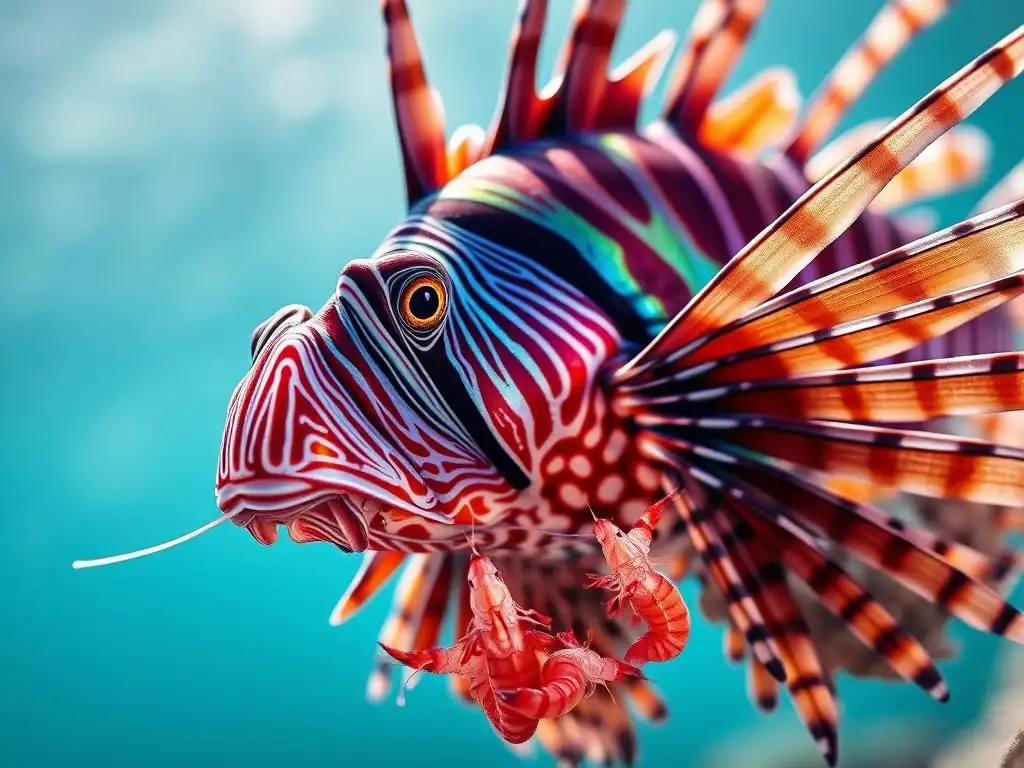
Training Lionfish to Feed from the Water Surface
Training lionfish to feed from the water surface offers significant convenience and enhances interaction with your pet. Begin by offering food on a feeding stick just below the water's surface. As the lionfish becomes accustomed to striking at the stick, gradually raise the food higher with each feeding session until it is presented directly at the surface. Lionfish are opportunistic and, with consistent training, will learn to feed from the top.
This technique not only makes feeding easier for the aquarist but also allows for better observation of the lionfish's feeding response and overall health. It reduces the chance of food sinking to the substrate and being wasted, which can contribute to water quality issues. A lionfish that readily feeds from the surface is often a sign of a well-adjusted and comfortable specimen in its captive environment.
Introducing Variety to the Lionfish Diet for Enhanced Health
While a primary food source like silversides is convenient, introducing a wide variety of food items to your lionfish's diet is crucial for enhanced health and longevity. Different prey items offer diverse nutritional profiles, ensuring a complete spectrum of essential vitamins, minerals, and fatty acids. For example, shrimp provide chitin (a form of fiber), while various types of fish flesh offer different amino acid compositions and fat profiles.
A varied diet prevents nutritional deficiencies that can arise from relying on a single food source. Consider a rotation that includes silversides, krill, mysis shrimp, chopped squid, and various marine fish (e.g., snapper, cod). For instance, feed silversides one day, krill and squid another, and a high-quality marine pellet on a third day. This varied approach is a cornerstone of a comprehensive lionfish feeding guide, promoting robust health and vibrant coloration.
Case Study: Transitioning a Wild-Caught Volitan Lionfish to Prepared Foods
A common scenario involves acquiring a wild-caught Volitan lionfish (e.g., 6 inches in length) that initially refuses anything but live ghost shrimp. For the first week, offer 2-3 live ghost shrimp daily to ensure the fish is eating and acclimating to its new environment. On day 8, offer one live ghost shrimp, and immediately after it's consumed, present a thawed silverside on a feeding stick. The lionfish may ignore it, or strike and then spit it out.
Persist with this method. On day 9, offer another ghost shrimp followed by a silverside. Over the next two weeks, gradually reduce the number of live ghost shrimp offered until they are completely eliminated, while consistently offering silversides and eventually introducing other frozen options like krill. By week 3-4, with daily attempts and consistent presentation, the lionfish successfully transitions to consuming only frozen foods, demonstrating the patience and persistence required for this critical aspect of a lionfish feeding guide.
Ensuring Long-Term Success with Your Lionfish Feeding Regimen
Monitoring Lionfish Health Through Feeding Habits
Changes in a lionfish's feeding habits are often the earliest and most reliable indicators of underlying health issues or environmental stress. A sudden refusal to eat, a noticeable decrease in appetite, or difficulty striking and swallowing food can signal problems such as poor water quality, illness (e.g., parasitic infection, bacterial infection), or even intimidation from tank mates. Prompt observation of these changes allows for early intervention.
It is highly beneficial to maintain a simple feeding log, noting the dates, types of food offered, and approximate amounts consumed. This record helps identify patterns and deviations from normal behavior. For instance, a consistent refusal to eat over a 48-hour period might immediately prompt a full water parameter check and a closer inspection of the lionfish for any visible signs of disease, making this a proactive lionfish feeding guide tip.
Adapting Your Feeding Strategy as Your Lionfish Grows
As your lionfish grows from a small juvenile to a large adult (e.g., from 3 inches to 12 inches or more), its caloric needs will increase significantly, but its feeding frequency may decrease. Larger lionfish can consume larger, less frequent meals, as their digestive systems can handle more food at once. Adjust the portion sizes accordingly; a 10-inch lionfish, for example, might require 2-3 large silversides per meal, whereas a 4-inch specimen might only need one small silverside.
Furthermore, as lionfish mature, they can handle larger pieces of food, allowing for the introduction of new, larger prey items into their diet, such as whole, appropriately sized shrimp or larger chunks of marine fish flesh. This adaptation of food size and type is a crucial part of an evolving lionfish feeding guide, ensuring their nutritional needs are met throughout their life stages.
Example of a Weekly Lionfish Feeding Schedule
For an adult lionfish (e.g., 8-10 inches), a balanced weekly feeding schedule might look like this:
- Monday: 2-3 large silversides, thawed and soaked in a liquid vitamin supplement (e.g., Selcon).
- Tuesday: Fasting day, allowing for complete digestion and preventing overfeeding.
- Wednesday: 3-4 pieces of krill and 1-2 pieces of chopped squid, providing varied texture and nutrients.
- Thursday: Fasting day.
- Friday: 2-3 large silversides or a chunk of marine fish flesh (e.g., cod, snapper), ensuring a primary protein source.
- Saturday: Fasting day.
- Sunday: A small amount of high-quality marine pellet (soaked in vitamins) or mysis shrimp, for additional variety and concentrated nutrition.
This sample schedule provides variety, incorporates essential vitamin supplementation, and includes fasting days to aid digestion and prevent obesity. Adjustments should always be made based on your individual lionfish's activity level, body condition, and the specific water parameters of your aquarium, making it a flexible and effective lionfish feeding guide.
Frequently Asked Questions
How often should I feed my Lionfish?
Lionfish should be fed 2-3 times per week as adults. Younger Lionfish may require more frequent feedings, typically every other day, to support their growth.
What types of food can I offer my Lionfish?
Initially, Lionfish often prefer live prey like ghost shrimp or feeder fish. Over time, you can train them to accept frozen or prepared foods such as silversides or krill.
How can I transition my Lionfish from live to frozen food?
Start by wiggling the frozen food on a feeding stick near the Lionfish. Gradually reduce the amount of live prey offered, increasing the presentation of the frozen food.
What are some signs that my Lionfish is not eating properly?
Look for signs like weight loss, lethargy, or a lack of interest in food. Monitor water parameters and ensure the food size is appropriate.
Are there any specific nutritional needs I should consider for my Lionfish?
Ensure their diet is varied and includes foods rich in vitamins and minerals. Supplementing with a vitamin-soaked food can help maintain their health and coloration.
Final Reflection: Cultivating a Sustainable Future for Lionfish Keeping
The journey from offering live prey to successfully transitioning lionfish to prepared foods is more than just a feeding strategy; it's a testament to our evolving understanding of responsible aquarium keeping. This shift towards sustainable feeding practices is crucial for the long-term health of our captive lionfish and the preservation of wild ecosystems. By embracing prepared foods, we actively reduce the demand for wild-caught feeder fish, mitigating the impact on vulnerable populations and promoting a more ethical approach to the hobby.
This article has hopefully illuminated the path towards a more conscientious approach to lionfish care. The ability to adapt and refine our methods, prioritizing the well-being of our animals and the health of our planet, is paramount. It reflects a growing awareness within the aquarium community, a move away from outdated practices and towards a future where conservation and captive care go hand in hand. The greatness of a nation and its moral progress can be judged by the way its animals are treated.
- Mahatma Gandhi. This quote, though often applied to broader animal welfare, resonates deeply within the context of responsible lionfish keeping.
As you embark on, or continue, your journey of lionfish care, remember that every choice matters. Consider the impact of your decisions, not just on your individual fish, but on the wider ecosystem. Let this guide serve as a catalyst for continuous learning and a commitment to providing the best possible life for your lionfish, while simultaneously contributing to a more sustainable and ethical future for the aquarium hobby. Take the knowledge you've gained and apply it with compassion and foresight, ensuring that the beauty and wonder of these magnificent creatures can be enjoyed for generations to come.
Unleash Your Lionfish Feeding Mastery!
Thank you for diving deep into the world of lionfish nutrition! We hope you’ve gained valuable insights into providing your prickly pal with a balanced and enriching diet. Now, let's turn that knowledge into action!
Here are a few steps you can take to further enhance your lionfish feeding skills:
- Start transitioning to frozen foods today! Choose a high-quality frozen food appropriate for lionfish, and begin offering it alongside live prey to encourage acceptance.
- Share your feeding triumphs (or challenges!) with other lionfish keepers. Visit your local fish store and spark up a conversation.
- Explore alternative enrichment strategies for your lionfish. Consider introducing puzzle feeders or varying the presentation of their food to stimulate their natural hunting instincts.
What's the first small change you'll make in your lionfish feeding routine this week?