
Wavemakers & SPS Tanks: Simulating Natural Reef Currents for Thriving Acropora and Montipora

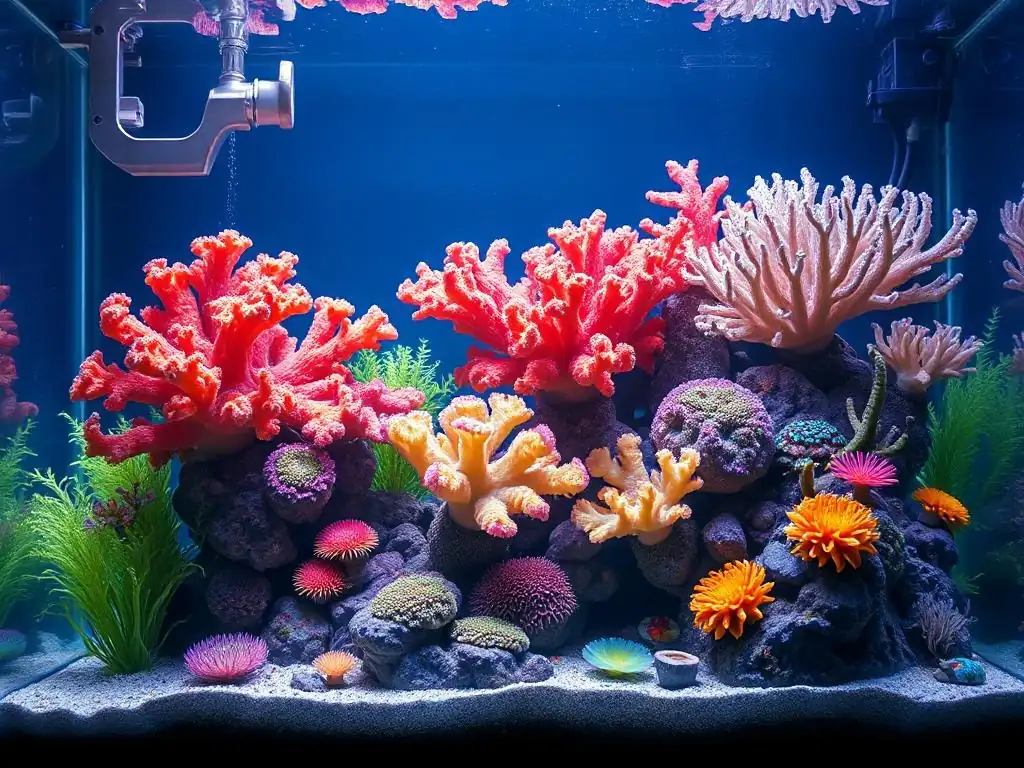
Welcome to Aquarium Mastery, where we dive deep into the art and science of thriving aquatic ecosystems! Ever wondered how to perfectly mimic the ocean's currents in your reef tank, especially when it comes to delicate SPS corals? Our latest article explores the intricacies of SPS tank wavemaker setup, unlocking the secrets to happy Acropora and Montipora. Get ready to navigate the waves and discover how to create the ideal environment for your corals to flourish!
- Understanding the Importance of Water Flow in SPS Coral Aquariums
- Choosing the Right Wavemaker for Your SPS Tank
- SPS Tank Wavemaker Setup: A Step-by-Step Guide
- Fine-Tuning Wavemaker Settings for SPS Health and Growth
- Troubleshooting Common Issues with SPS Tank Wavemaker Setup
- Advanced Techniques for SPS Coral Flow Management
- Maintaining Optimal Water Flow for Long-Term SPS Success
-
Frequently Asked Questions
- What is the primary benefit of using a wavemaker in an SPS tank?
- How many wavemakers are typically needed for an SPS tank?
- What flow rate should I aim for in an SPS tank using wavemakers?
- What are some common mistakes to avoid when setting up wavemakers in an SPS tank?
- Can I use different types of wavemakers in the same SPS tank setup?
- Final Reflection: Riding the Reef's Rhythms
- Ignite Your Reef: Design the Perfect Current for Explosive Growth!
Understanding the Importance of Water Flow in SPS Coral Aquariums
Why Strong and Varied Water Movement is Crucial for SPS Health
Strong and varied water movement is paramount for the health and vitality of Small Polyp Stony (SPS) corals like Acropora and Montipora. This dynamic flow ensures the continuous delivery of essential nutrients, such as calcium, alkalinity, and trace elements, directly to the coral polyps. Without adequate flow, a "boundary layer" of depleted water can form around the coral tissue, hindering nutrient uptake and waste expulsion, effectively suffocating the coral's metabolic processes.
Furthermore, robust water movement facilitates efficient gas exchange, removing metabolic waste products like carbon dioxide and bringing in fresh oxygen. It also prevents detritus from settling on the delicate coral tissue, which can lead to tissue necrosis, particularly in the intricate branching structures of Acropora. Consistent, turbulent flow helps maintain clean surfaces, reducing the risk of bacterial infections and undesirable algae growth that can outcompete and smother SPS colonies.
Natural Reef Environments vs. Closed Aquarium Systems: Flow Dynamics
Natural reef environments are characterized by incredibly complex and dynamic water flow patterns, driven by tides, ocean currents, and wave action. In shallow reef crests, water velocities can regularly exceed 50 cm per second, creating turbulent, multi-directional flow that is constantly changing. This continuous variation in flow intensity and direction is what SPS corals, having evolved in these conditions, thrive upon.
In contrast, closed aquarium systems inherently present a more static environment. A typical return pump, while essential for filtration, provides largely unidirectional and laminar flow, which is insufficient for the demands of SPS corals. An effective SPS tank wavemaker setup is designed to bridge this gap, replicating the chaotic yet beneficial currents found on natural reefs. Without simulating this natural variability, corals may exhibit stunted growth, poor coloration, or even tissue loss due to inadequate nutrient delivery and waste removal.
Choosing the Right Wavemaker for Your SPS Tank
Factors to Consider When Selecting a Wavemaker
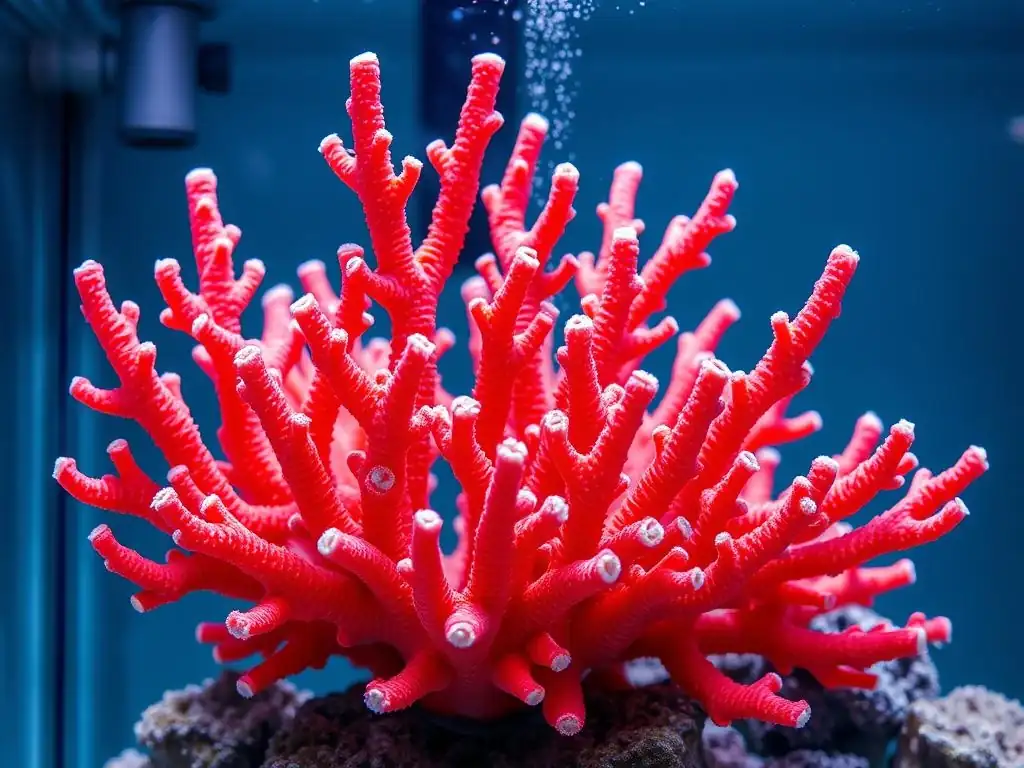
Selecting the appropriate wavemaker for your SPS tank is a critical decision that directly impacts coral health and growth. Key factors include the tank's total volume, the density of your SPS coral population, and your budget. For SPS dominant systems, a general guideline is to aim for a total flow turnover of 20 to 40 times the tank's volume per hour from wavemakers alone, in addition to return pump flow. For instance, a 100-gallon SPS tank might require wavemakers capable of collectively moving 2,000 to 4,000 gallons per hour (GPH).
Beyond raw flow volume, consider the desired flow pattern (broad vs. focused), noise levels, power consumption, and compatibility with aquarium controllers. Higher-end wavemakers often offer advanced programming options and quieter operation, which can significantly enhance the effectiveness of your SPS tank wavemaker setup. Ease of maintenance, including simple disassembly for cleaning, is also an important practical consideration for long-term success.
Types of Wavemakers for Reef Tanks: Powerheads, Gyre Pumps, and Rotating Nozzles
The market offers several types of wavemakers, each with distinct advantages for creating specific flow patterns in an SPS tank. Understanding these differences is crucial for designing an optimal SPS tank wavemaker setup. The primary types include traditional powerheads, modern gyre pumps, and unique rotating nozzles.
Powerheads: Cost-Effective and Versatile Flow Solutions
Traditional powerheads, such as those from Tunze or Sicce, are often the most cost-effective entry point for reef aquarists. They are compact, relatively versatile, and can be easily positioned to direct focused streams of water. These units are excellent for creating localized turbulent flow or for supplementing overall circulation in specific areas of the tank. For smaller SPS tanks (e.g., under 50 gallons), a pair of well-placed powerheads can provide adequate flow.
However, powerheads typically produce a more concentrated, directional flow. To achieve the broad, chaotic flow necessary for a thriving SPS tank, multiple powerheads are often required, which can sometimes lead to a cluttered appearance or create distinct high-flow "jets" rather than diffuse turbulence. While effective for certain applications, they may not offer the comprehensive, naturalistic flow patterns of more advanced wavemaker designs for large SPS dominant systems.
Gyre Pumps: Wide and Even Water Distribution
Gyre pumps, exemplified by brands like Maxspect Gyre and IceCap Gyre, represent a significant advancement in aquarium flow technology. Unlike traditional powerheads, gyre pumps are designed to produce a broad, sheet-like flow that spans the entire length of the pump. This unique characteristic allows them to generate a "gyre" or circular current within the aquarium, mimicking the large-scale water movements found in natural ocean environments.
The wide, even water distribution of gyre pumps is highly beneficial for SPS tanks, as it minimizes dead spots and ensures that even corals in lower areas of the tank receive adequate flow. Placing one or two gyre pumps on opposing sides of the aquarium can create a highly effective, oscillating current that bathes all corals in turbulent yet consistent flow, significantly improving the overall SPS tank wavemaker setup.
Rotating Nozzles: Creating Dynamic and Natural Flow Patterns
Rotating nozzles, such as those found on some return pump outlets or standalone devices like the Oceans Motions 4-Way, offer a unique approach to flow dynamics. These devices mechanically rotate or oscillate, changing the direction of water flow over time. While not standalone pumps, they work by redirecting the output of an existing pump (e.g., your return pump or a dedicated closed loop pump) to create a highly dynamic and random flow pattern.
The primary benefit of rotating nozzles is their ability to simulate the unpredictable surge and ebb of natural reef waves without requiring complex electronic programming. By constantly shifting the flow direction, they prevent corals from adapting to a single, consistent current, which promotes stronger skeletal growth and more natural polyp extension. This type of dynamic flow is particularly advantageous for sensitive Acropora species that thrive under varying and turbulent conditions.
SPS Tank Wavemaker Setup: A Step-by-Step Guide
Determining the Optimal Flow Rate for Your SPS Corals
Determining the optimal flow rate for your SPS corals is a blend of scientific guidelines and careful observation. As a general rule, SPS tanks benefit from a total flow turnover of 20 to 40 times the tank volume per hour from wavemakers. For example, a 150-gallon tank might need 3,000 to 6,000 GPH from wavemakers to create the necessary turbulent environment. However, this is a starting point; the actual optimal flow depends on coral species, colony size, and placement.
Too little flow leads to detritus accumulation, nutrient buildup, and poor gas exchange, resulting in unhealthy corals that may brown out or slowly recede. Conversely, excessive or direct laminar flow can "strip" coral tissue, causing bleaching or tissue necrosis, particularly in delicate Acropora branches. Observe your corals closely: healthy SPS will have fully extended polyps, often swaying gently in the current, while stressed corals may retract their polyps or show signs of tissue irritation.
Wavemaker Placement Strategies for Comprehensive Coverage
Effective wavemaker placement is crucial for creating comprehensive, multi-directional flow throughout your SPS tank, eliminating dead spots and ensuring all corals receive adequate circulation. A common strategy involves placing wavemakers on opposing sides of the aquarium, angled slightly towards the front glass or towards each other to create a chaotic, indirect flow. For larger tanks, using multiple smaller wavemakers rather than one or two very large ones can offer better distribution and more precise control over flow patterns.
Avoid pointing wavemakers directly at the sandbed or at specific coral colonies unless you are intentionally creating a very localized high-flow zone for a highly demanding species. Instead, aim for overall water movement that encourages detritus to remain suspended until it can be removed by the overflow or mechanical filtration. The goal of an ideal SPS tank wavemaker setup is to create a dynamic, turbulent environment that mimics a natural reef surge zone.
Avoiding Dead Spots and High-Flow Zones
Dead spots, areas within the aquarium where water flow is minimal, are detrimental to SPS corals as they lead to the accumulation of detritus, localized nutrient pockets, and potential algae outbreaks. These areas often occur behind large rock structures, in corners, or beneath densely packed coral colonies. Conversely, high-flow zones, where flow is too intense and constant, can damage delicate coral tissue, leading to stress, tissue loss, or "burning."
To avoid dead spots, employ multiple wavemakers with varying positions and angles, ensuring that every part of the tank receives some degree of flow. Utilize gyre pumps for their broad, sweeping flow that helps prevent detritus from settling. To mitigate high-flow zones, avoid directing powerful wavemakers directly at corals, especially delicate plating Montipora. Instead, use controllers to vary flow intensity and direction, creating a more diffuse and natural turbulence that doesn't overwhelm specific areas.
Optimizing Flow for Different SPS Species (Acropora, Montipora)
While SPS corals generally demand high flow, there are nuances in optimal flow requirements between different species and even within different colony shapes. Branching Acropora, for instance, typically thrive under strong, turbulent, and highly varied flow, often preferring direct but oscillating currents that sweep through their intricate branches. Their robust skeletal structure can withstand significant water movement.
Plating Montipora, on the other hand, while still requiring strong flow, can be more susceptible to direct, laminar currents that might damage their delicate plating edges. They generally benefit from broad, indirect flow that washes over their surfaces without creating localized high-pressure points. When setting up an SPS tank wavemaker, consider the specific needs of your dominant coral species and adjust pump placement and programming accordingly to ensure optimal health and growth for each colony.
Programming Wavemakers for Natural Reef Simulation
Effective wavemaker programming is the cornerstone of a successful SPS tank wavemaker setup, transforming static flow into a dynamic, life-like reef current. The aim is to avoid constant, unidirectional flow, which corals can acclimate to and which doesn't promote robust growth. Instead, utilize the various programming modes available on modern wavemakers to simulate the unpredictable ebb and flow of natural reef environments.
Start with lower intensity settings and gradually increase them over several days, observing your corals for signs of stress or improved polyp extension. Many wavemaker controllers offer preset modes like "pulse," "random," "gyre," or "tidal swell," each designed to create specific types of water movement. Experiment with these modes to find the combination that best promotes polyp extension, vibrant coloration, and clean coral surfaces, mimicking the natural rhythm of the ocean.
Understanding Different Wave Patterns and Flow Schedules
Modern wavemakers come equipped with a variety of programmable wave patterns, each designed to simulate different aspects of natural reef flow. "Pulse mode" creates a rhythmic on/off cycle, generating standing waves or surging currents that mimic tidal movements. "Random mode" continuously varies flow intensity and direction, preventing corals from becoming accustomed to a single flow pattern. "Gyre mode," often associated with gyre pumps, creates a broad, circular flow throughout the tank, effectively cleaning the sandbed and providing comprehensive circulation.
Flow schedules allow you to program different patterns and intensities at various times of the day. For example, you might program a strong, turbulent flow during the day to mimic high tide and feeding opportunities, then switch to a gentler, more laminar flow at night. Some advanced controllers even allow for lunar cycle simulation, subtly altering flow based on moon phases. These varied patterns and schedules are vital for promoting natural growth forms and overall resilience in SPS corals.
Using Controllers for Advanced Wavemaker Programming
Dedicated wavemaker controllers are indispensable tools for achieving advanced flow management in an SPS tank. These controllers, often integrated into comprehensive aquarium management systems like Apex or GHL ProfiLux, offer unparalleled precision over flow intensity, duration, and patterns. They allow users to create highly customized flow schedules, synchronize multiple pumps, and even link flow to other tank parameters.
With a controller, you can program complex scenarios, such as a "feeding mode" that temporarily shuts off pumps to allow corals to capture food, or a "storm mode" that simulates intense, short bursts of turbulent flow. You can also fine-tune the interactions between multiple wavemakers, having them alternate, pulse in unison, or create opposing currents. This level of control is fundamental for a truly optimized SPS tank wavemaker setup, providing the dynamic and varied flow that Acropora and Montipora thrive on.
Fine-Tuning Wavemaker Settings for SPS Health and Growth
Observing Coral Polyp Extension and Tissue Health
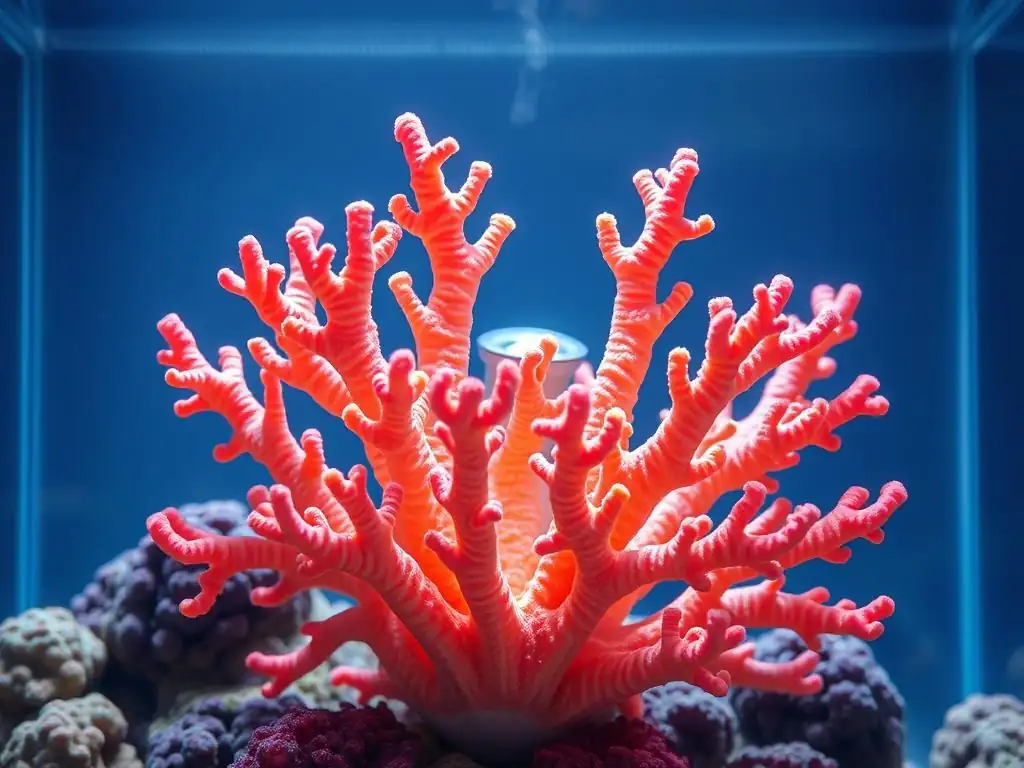
Observing the polyp extension and overall tissue health of your SPS corals is the most direct indicator of whether your wavemaker settings are optimal. Healthy Acropora and Montipora will typically exhibit good polyp extension, often "polyped out" during the day and especially at night as they feed. Vibrant coloration, smooth tissue, and active growth tips are also strong signs of a thriving coral under appropriate flow conditions.
Conversely, retracted polyps, pale or browning coloration, or signs of tissue recession (especially at the base or tips of branches) can indicate flow that is either too strong, too weak, or too unidirectional. If you notice detritus accumulating on the coral surface or within its branches, it suggests insufficient flow in that specific area. Regular, close observation allows for timely adjustments to your SPS tank wavemaker setup, preventing long-term stress.
Adjusting Flow Based on Coral Response and Algae Growth
Adjusting your wavemaker settings should be an ongoing process based on the response of your corals and the presence of undesirable algae. If an SPS coral appears stressed or bleached, try reducing the intensity or redirecting the flow slightly away from that specific colony. For instance, if a plating Montipora shows signs of tissue recession along its edges, the flow may be too laminar or direct for its delicate structure.
Conversely, if you observe detritus settling on coral branches, within rockwork crevices, or notice localized patches of nuisance algae (e.g., diatoms, cyanobacteria), it often indicates an area of insufficient flow. In such cases, increasing the overall flow, repositioning a wavemaker, or adding a smaller supplemental powerhead to target the dead spot can effectively alleviate the issue. A responsive SPS tank wavemaker setup is key to a clean and healthy display.
Monitoring Water Parameters and Nutrient Levels
While water flow is critical for SPS health, it works in conjunction with stable and optimal water parameters. Maintaining consistent alkalinity (e.g., 8.0-9.0 dKH), calcium (400-450 ppm), and magnesium (1300-1400 ppm) is paramount for skeletal growth in Acropora and Montipora. Wavemakers aid in delivering these elements to the coral, but they cannot compensate for deficiencies in the water column itself.
Furthermore, proper flow helps to transport waste to your filtration system, but it does not remove nutrients from the water. Regular monitoring of nitrates (ideally below 10 ppm) and phosphates (below 0.05 ppm) is essential. High flow can help prevent localized nutrient buildup, but effective nutrient export through protein skimming, refugiums, and water changes remains vital to prevent nuisance algae and maintain a pristine environment for SPS corals.
Troubleshooting Common Issues with SPS Tank Wavemaker Setup
Dealing with Sandstorms and Detritus Accumulation
One of the most common issues encountered with an SPS tank wavemaker setup is the dreaded "sandstorm," where powerful flow lifts and scatters the substrate. This usually occurs when wavemakers are positioned too low, directed too forcefully at the sandbed, or when the flow intensity is simply too high for the substrate grain size. To resolve this, raise the wavemakers higher in the tank, angle them away from the sand, or reduce their overall intensity.
Conversely, detritus accumulation in specific areas of the tank or on coral colonies indicates insufficient flow in those spots. This can lead to localized nutrient spikes and nuisance algae. To address this, reposition your existing wavemakers to target these dead spots, increase their intensity, or consider adding a smaller, supplemental powerhead to improve circulation in the affected area. Achieving a balance that keeps detritus suspended without disturbing the sand is key.
Addressing Noise and Vibration from Wavemakers
Wavemakers, while essential, can sometimes contribute to tank noise through mechanical vibration or impeller issues. If your wavemaker is excessively noisy, first check for any debris lodged in the impeller or motor housing, as this is a common cause. Disassemble the pump and thoroughly clean all components, ensuring the impeller spins freely without obstruction.
Vibration noise can occur if the wavemaker's magnet mount is not securely seated against the glass or if the magnet itself has deteriorated. Ensure the magnet is clean and firmly affixed. For persistent vibration, some aquarists place a thin layer of silicone or foam padding between the wet and dry sides of the magnet to dampen noise. Investing in higher-quality wavemakers that are specifically designed for quiet operation can also significantly reduce noise levels.
Preventing Wavemaker Failure and Maintenance Tips
Preventing wavemaker failure is crucial for maintaining stable flow in an SPS tank, as a sudden loss of circulation can be catastrophic for corals. The primary cause of wavemaker failure is calcium carbonate buildup and detritus accumulation on the impeller and motor components. To prevent this, regular cleaning is paramount. Aim to clean your wavemakers every 1-3 months, depending on the rate of calcium deposition in your tank.
The cleaning process typically involves unplugging the pump, removing it from the tank, disassembling it, and soaking the impeller and motor housing in a mild acid solution, such as a 50/50 mix of white vinegar and water, for several hours. After soaking, gently scrub away any remaining deposits, rinse thoroughly with fresh water, and reassemble. Regularly inspecting power cords for fraying and impeller shafts for wear will also help extend the lifespan of your wavemakers and ensure a reliable SPS tank wavemaker setup.
Advanced Techniques for SPS Coral Flow Management
Implementing a Reef Circulation System for Enhanced Stability
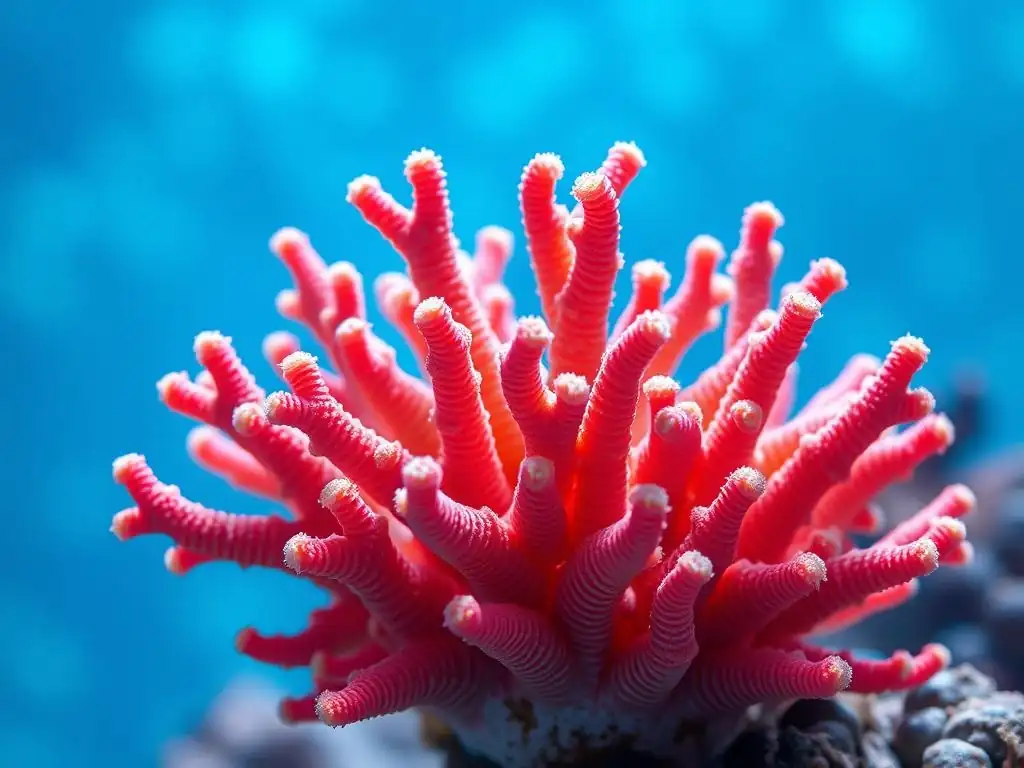
Beyond individual wavemakers, advanced aquarists often implement a comprehensive reef circulation system to achieve unparalleled flow stability and natural replication. This involves integrating various flow components: your main return pump, multiple internal wavemakers (gyres, powerheads), and potentially a closed-loop system. A well-designed circulation system ensures that water is not only moving vigorously within the display but also efficiently exchanged with the sump for filtration and heating.
For instance, a closed-loop system, which pulls water from the display and returns it without passing through the sump, can provide additional, dedicated flow that complements the wavemakers. This multi-faceted approach creates a highly dynamic and robust water column, mimicking the large-scale currents and surges found on natural reefs more effectively than relying solely on a few wavemakers. The synergy of these components ensures consistent water movement throughout the entire system.
Utilizing Multiple Wavemakers for Complex Flow Patterns
For larger or highly populated SPS tanks, utilizing multiple wavemakers allows for the creation of incredibly complex and varied flow patterns that are difficult to achieve with just one or two units. Instead of simply increasing the power of a single pump, distributing the flow across 3-4 or even more wavemakers provides greater control and allows for the creation of distinct flow zones within the tank.
For example, two large gyre pumps positioned on opposing sides can create a dominant, sweeping gyre current, while two smaller, strategically placed powerheads can provide localized turbulent flow around specific Acropora colonies that demand intense, direct movement. This multi-pump approach, combined with advanced controller programming, enables the aquarist to fine-tune the SPS tank wavemaker setup to meet the precise demands of every coral, promoting optimal growth and coloration throughout the entire display.
The Role of Return Pumps in Overall Tank Circulation
While wavemakers are primarily responsible for internal water movement and creating turbulent flow within the display tank, the return pump plays a critical role in the overall tank circulation and health of an SPS system. The return pump moves water from the sump, where essential filtration (protein skimming, refugium, reactors) occurs, back up to the display. This continuous exchange is vital for nutrient export, gas exchange, and maintaining stable water parameters.
For SPS dominant tanks, it is generally recommended that the return pump provide a turnover of 5-10 times the tank volume per hour. While this flow is typically less turbulent than that generated by wavemakers, it provides a crucial baseline flow that complements the internal circulation. For instance, in a 100-gallon tank, a 500-1000 GPH return pump might contribute approximately 10-20% of the total in-tank flow, ensuring that filtered water is constantly reintroduced and that the entire system remains dynamic.
Maintaining Optimal Water Flow for Long-Term SPS Success
Regular Wavemaker Cleaning and Maintenance
Regular cleaning and maintenance of your wavemakers are non-negotiable for long-term SPS success. Over time, calcium carbonate deposits, algal films, and detritus can accumulate on impellers, shafts, and internal components, significantly reducing the pump's efficiency and lifespan. A wavemaker operating at reduced capacity will fail to provide the necessary flow for your SPS corals, leading to stress and decline.
Aim to clean your wavemakers every 1 to 3 months, depending on the rate of buildup in your specific system. This involves carefully removing the pump from the tank, disassembling its components, and soaking them in a solution of equal parts white vinegar and water for several hours. A soft brush or cotton swab can be used to gently remove stubborn deposits. Thorough rinsing and careful reassembly will ensure your SPS tank wavemaker setup continues to perform optimally.
Monitoring Flow Rate and Adjusting as Needed
Maintaining optimal water flow is not a one-time setup but an ongoing process of monitoring and adjustment. As SPS coral colonies grow larger, they can begin to block or redirect existing flow patterns, creating new dead spots or altering the overall circulation. Similarly, shifts in rockwork, detritus accumulation, or even minor changes in equipment position can impact flow effectiveness.
Regularly observe your corals for signs of stress or improved health, and actively look for areas where detritus is settling. As your tank matures and your corals expand, you may need to adjust the position of your wavemakers, increase their intensity, or even add supplemental units to ensure that all areas of the tank, and all coral colonies, continue to receive adequate and varied flow. A proactive approach to your SPS tank wavemaker setup ensures sustained coral health.
The Importance of a Healthy Biological Filter in High-Flow Systems
While high water flow is undeniably essential for SPS corals, it is crucial to understand that it works in synergy with a healthy and robust biological filtration system. High flow helps to keep detritus suspended and transports waste products to the overflow and into the sump for processing by the biological filter. However, the flow itself does not remove ammonia, nitrite, or nitrate from the water.
A well-established biological filter, typically consisting of ample live rock, bio-media, and a protein skimmer, is responsible for converting toxic ammonia and nitrite into less harmful nitrate, and then facilitating its export. In high-flow SPS systems, where corals are actively growing and consuming nutrients, the biological filter must be highly efficient to handle the waste load. Without a healthy biological filter, even perfect flow cannot prevent nutrient buildup and water quality degradation, which are detrimental to Acropora and Montipora.
Frequently Asked Questions
What is the primary benefit of using a wavemaker in an SPS tank?
Wavemakers are crucial for SPS (Small Polyp Stony) corals because they simulate the natural reef currents that provide oxygen, nutrients, and remove waste, leading to healthier and more vibrant corals.
How many wavemakers are typically needed for an SPS tank?
The number of wavemakers needed depends on tank size and shape. Generally, aim for multiple wavemakers positioned to create turbulent, random flow throughout the tank, avoiding dead spots.
What flow rate should I aim for in an SPS tank using wavemakers?
SPS corals require high flow rates. A good starting point is around 20-40 times the tank volume per hour, but this can vary depending on the specific coral species and their placement within the tank.
What are some common mistakes to avoid when setting up wavemakers in an SPS tank?
Avoid direct, laminar flow onto corals, as this can damage them. Also, ensure wavemakers are properly positioned to avoid dead spots and create a dynamic, varied flow pattern.
Can I use different types of wavemakers in the same SPS tank setup?
Yes, using different types of wavemakers with varying flow patterns can create a more complex and natural flow environment, which is beneficial for SPS corals. This helps to avoid stagnant water pockets.
Final Reflection: Riding the Reef's Rhythms
The intricate dance of currents within a coral reef, meticulously replicated in our SPS tank wavemaker setups, is more than just a technical achievement; it's a testament to our growing understanding of the delicate ecosystems we strive to recreate. This understanding is crucial now more than ever, as natural reefs face unprecedented threats, making the success of captive environments increasingly important for conservation and education.
The journey of mastering reef currents has profoundly shaped the way we approach aquarium keeping, shifting from mere decoration to active participation in a miniature ecosystem. Witnessing the vibrant colors and robust growth of Acropora and Montipora under optimized flow is a deeply rewarding experience, a constant reminder of the power of nature's design. In nature, nothing is perfect and everything is perfect. Trees can be contorted, bent in weird ways, and they're still beautiful.
- Alice Walker. This quote resonates deeply, reminding us that even in our controlled environments, embracing the natural imperfections and complexities leads to the most stunning results.
As you consider your own SPS tank wavemaker setup, remember that you are not just building an aquarium; you are cultivating a living, breathing microcosm of the ocean. Embrace the challenge of understanding and replicating the reef's rhythms, and you will be rewarded with a thriving ecosystem that not only captivates the eye but also inspires a deeper appreciation for the fragile beauty of our planet. Let the currents guide you, and let your tank become a beacon of hope for the future of coral reefs.
Ignite Your Reef: Design the Perfect Current for Explosive Growth!
Thanks for diving deep into the art of reef currents! We hope this guide has illuminated the importance of flow for your SPS corals. Now, let's turn knowledge into action and create a thriving, vibrant reef aquarium.
Here's how to amplify the health and beauty of your wavemaker powered reef:
- Start Mapping! Sketch out your current Acropora and Montipora placement and identify "dead zones" that lack flow. Use this as a foundation for strategically adjusting your wavemakers.
- Dial-in your settings, then carefully observe your corals. Look for polyp extension and tissue health as indicators of optimal flow.
- Share your wavemaker setup! Post a video of your reef's flow patterns to a reefing forum like Reef2Reef and tag us @AquariumMastery.com.
What micro adjustments are you excited to try with your wavemakers to improve flow in your reef today?