
Aquarium Mastery's Guide to Identifying Fertile vs. Infertile Marine Fish Eggs

Welcome to Aquarium Mastery, where your underwater dreams become reality! Ever wondered how to tell the difference between a promising future fish and a dud? Dive into our comprehensive guide on Marine Fish Egg Identification and unlock the secrets to successful breeding. This is just the beginning – are you ready to discover the fascinating world of saltwater fish reproduction? Keep reading to learn more!
- Introduction to Marine Fish Egg Identification for Successful Breeding
- Fertile Marine Fish Eggs: Characteristics and Visual Cues
- Infertile Marine Fish Eggs: Identifying Signs of Non-Viability
- Tools and Techniques for Marine Fish Egg Examination
- Troubleshooting Common Issues in Marine Fish Egg Identification
- Best Practices for Maximizing Marine Fish Egg Hatching Success
- Advanced Techniques in Marine Fish Larval Rearing
- Conclusion: Mastering Marine Fish Egg Identification for a Thriving Aquarium
-
Frequently Asked Questions
- How can I tell if my marine fish eggs are fertile or infertile?
- What are some visual clues that indicate a marine fish egg is developing properly?
- Does the appearance of marine fish eggs differ between species?
- What factors can negatively impact the fertility of marine fish eggs?
- What should I do with infertile marine fish eggs in my aquarium?
- Final Reflection: The Promise of New Life
- Unveil Your Aquarium's Potential: Become a Breeding Expert!
Introduction to Marine Fish Egg Identification for Successful Breeding
Why Accurate Marine Fish Egg Identification is Crucial for Aquarium Breeding
Accurate marine fish egg identification is paramount for any aquarist aiming to successfully breed saltwater species in a home aquarium. By distinguishing between viable and non-viable eggs early on, hobbyists can significantly optimize their breeding efforts, maximizing hatch rates and ensuring the health of the entire clutch. This timely identification prevents wasted resources, such as specialized larval foods, and streamlines the incubation process, leading to more productive breeding cycles.
Furthermore, precise identification allows breeders to quickly address potential issues that might be affecting egg viability. Whether it's suboptimal water parameters, nutritional deficiencies in the parent fish, or the presence of pathogens, understanding why eggs are failing to develop enables corrective action. This proactive approach not only improves the current breeding attempt but also informs future strategies, refining the overall success rate of marine fish breeding projects.
Understanding the Challenges of Distinguishing Fertile and Infertile Fish Eggs
Distinguishing between fertile and infertile marine fish eggs can be a nuanced challenge, especially for novice aquarists. The microscopic size of many marine fish eggs, often ranging from 0.5 mm to 2 mm in diameter, necessitates the use of magnification for detailed observation. The subtle visual cues of early embryonic development can be easily missed without proper tools and a keen eye, making accurate marine fish egg identification initially difficult.
Adding to the complexity, environmental factors within the breeding tank, such as slight water turbidity or inadequate lighting, can obscure a clear view of the delicate eggs. Moreover, infertile eggs often begin to decay rapidly, sometimes within 12 to 24 hours post-spawning, quickly becoming susceptible to fungal or bacterial infections. This rapid degradation can make it challenging to differentiate between an egg that was never fertilized and one that succumbed to infection shortly after spawning.
Fertile Marine Fish Eggs: Characteristics and Visual Cues
The Ideal Appearance of Healthy, Developing Marine Fish Eggs
Healthy, developing marine fish eggs typically exhibit a distinct and consistent appearance that signals their viability. Most fertile eggs are characterized by their clear, translucent quality, allowing light to pass through them easily. They maintain a perfectly spherical or slightly oval shape, depending on the species, and appear turgid and plump, indicating proper internal pressure and hydration. For many common species like clownfish, eggs are demersal, meaning they are laid on a substrate and are adhesive, appearing as small, clear spheres firmly attached to a rock or clay pot.
Within a single clutch, healthy eggs usually display remarkable uniformity in size, often within a narrow range, for instance, 0.9 mm ± 0.1 mm for a typical clownfish egg. This consistency across the entire egg mass is a strong indicator of successful fertilization and a robust spawning event. The chorion, or outer membrane, of a healthy egg should be free from any visible blemishes, cloudiness, or foreign growths in the initial stages post-spawning.
Recognizing Embryonic Development Stages in Fertile Eggs
Accurate marine fish egg identification heavily relies on recognizing the progressive stages of embryonic development. These changes are definitive signs of fertility and indicate the egg is on its way to hatching. Observing these stages requires magnification but provides undeniable proof of viability.
Observing Cell Division: A Key Indicator of Fertility
The first and most critical indicator of a fertile marine fish egg is visible cell division, also known as cleavage. Immediately following fertilization, the single-celled zygote begins to divide rapidly, forming 2, 4, 8, 16 cells, and so on. This process typically starts within a few hours post-spawning and progresses to form a morula (a solid ball of cells), then a blastula (a hollow ball of cells), and finally a gastrula (where germ layers begin to form).
Observing these distinct cellular structures under magnification, usually within the first 12 to 24 hours after eggs are laid, confirms successful fertilization. If, after this period, an egg remains a single, undifferentiated cell, it is almost certainly infertile. This early check is crucial for efficient marine fish egg identification and for timely removal of non-viable eggs.
Identifying the Development of Eyes and Other Organs
As embryonic development progresses, more complex structures become visible within the fertile marine fish egg. One of the most easily identifiable milestones is the formation of the eyes, which typically appear as distinct black dots due to melanin deposition. For species with a 7-day incubation period, such as many clownfish, eye development often becomes clearly visible around day 3 or 4.
Beyond the eyes, a well-developed embryo will show a clear notochord (the precursor to the spinal column), somites (muscle segments that give the embryo a segmented appearance), and eventually a visible, beating heart. In the final stages before hatching, the embryo may even begin to twitch or move periodically within the egg, indicating full viability and readiness for emergence. These advanced signs are definitive markers in marine fish egg identification.
Expected Color Changes in Fertile Marine Fish Eggs
While initially clear and translucent, fertile marine fish eggs may exhibit subtle, natural color changes as development advances. These changes are usually due to the formation of pigments within the developing embryo or the utilization of the yolk sac. For instance, some eggs might develop a slight yellowish or amber tint, or even a faint reddish hue as blood vessels form in the embryo.
It is important to differentiate these natural, subtle changes from the opaque white or cloudy appearance indicative of infertile eggs. The color changes in fertile eggs are typically uniform across the entire clutch and correspond with the progression of embryonic development, unlike the patchy or pervasive discoloration associated with decay.
Size and Shape Consistency in Viable Fish Eggs
The consistency in size and shape among viable marine fish eggs within a clutch is a strong indicator of their health and fertility. Healthy eggs will maintain a uniform, typically spherical or slightly ovoid, shape throughout their development, appearing plump and firm. Any significant deviation from this expected form, such as collapse, shriveling, or an irregular, deflated appearance, points towards non-viability.
Furthermore, viable eggs within the same spawn will generally fall within a very narrow size range. For example, if a species typically lays eggs around 1.0 mm in diameter, all healthy eggs in the clutch should consistently be close to that measurement. Eggs that are noticeably smaller, larger, or misshapen compared to the majority of the clutch are often infertile or malformed and should be noted during marine fish egg identification.
Infertile Marine Fish Eggs: Identifying Signs of Non-Viability
Common Visual Indicators of Infertile Marine Fish Eggs
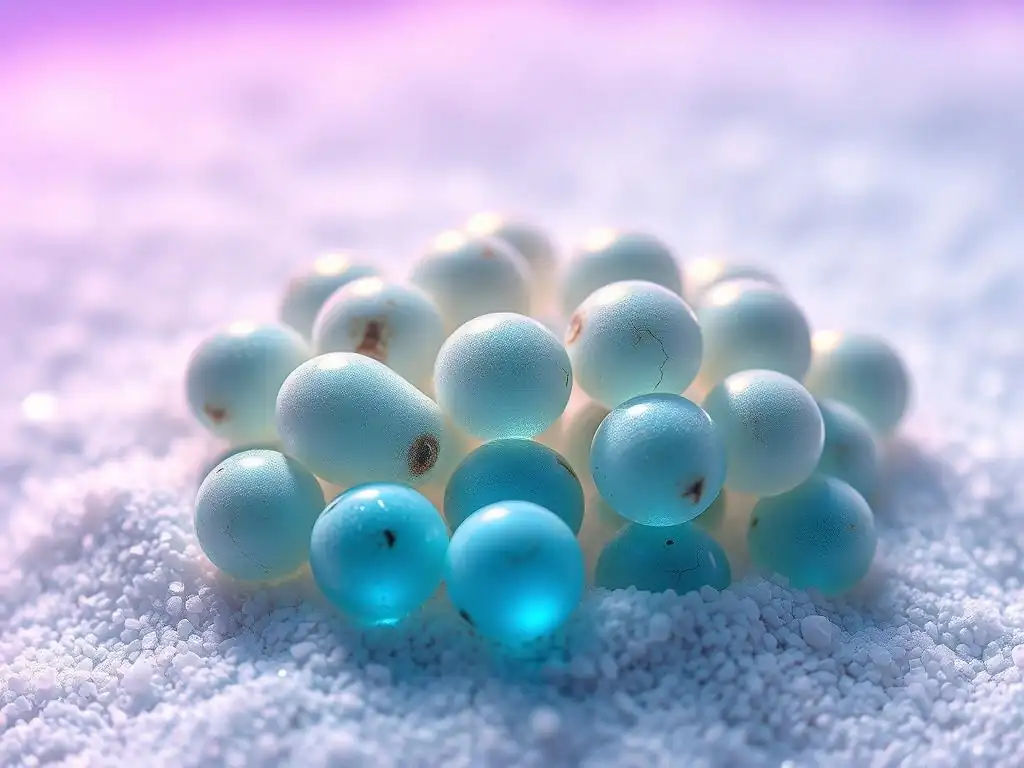
Infertile marine fish eggs are a common occurrence in breeding attempts and their prompt identification and removal are critical for the success of the remaining clutch. Unlike their fertile counterparts, non-viable eggs fail to undergo embryonic development and quickly become susceptible to decay, often becoming a breeding ground for opportunistic pathogens.
These decaying eggs pose a significant threat to the entire clutch, as fungi and bacteria can rapidly spread from dead eggs to healthy, developing ones. Recognizing the tell-tale signs of infertility allows aquarists to act swiftly, preventing widespread contamination and maximizing the chances of a successful hatch.
Cloudiness and Opacity: Warning Signs of Egg Spoilage
The most prominent and immediate visual indicator of an infertile marine fish egg is a change from its initial translucent clarity to a milky white or opaque appearance. This cloudiness is a direct result of the breakdown of cellular material and protein denaturation within the egg. Unlike fertile eggs that remain clear enough to observe internal development, infertile eggs become completely opaque, blocking light transmission.
This opacity typically begins to manifest within 12 to 36 hours after spawning. If an egg that was initially clear becomes noticeably cloudy or turns a solid white, it is almost certainly infertile or has succumbed to infection. This distinct visual change is a primary marker in marine fish egg identification for non-viable eggs.
Deformities and Irregular Shapes in Infertile Eggs
Infertile marine fish eggs often lose their original turgidity and spherical or ovoid shape, becoming visibly deformed or irregular. As the internal contents of the egg break down, it may appear shrunken, shriveled, or even partially collapsed, losing its plump, firm appearance. The outer membrane (chorion) might become wrinkled or distorted.
Contrast this with the consistent, symmetrical shape of a fertile egg. Any egg within the clutch that looks "deflated," "squished," or otherwise misshapen compared to its healthy counterparts is highly likely to be non-viable. This loss of structural integrity is a clear sign of failed development or decay.
Color Variations Indicating Egg Infertility or Decay
While healthy marine fish eggs maintain a clear or subtly tinted appearance, infertile eggs typically undergo a distinct and often stark color change. The most common color variation indicating infertility or decay is a transformation to a stark, opaque white. This is the classic sign of a "bad" or "fungused" egg.
In some advanced stages of decay, particularly if bacterial contamination is dominant, infertile eggs might also develop a grayish or brownish tint. If a fuzzy, cotton-like growth accompanies the white opacity, it definitively indicates a fungal infection, which primarily targets dead or compromised eggs but can rapidly spread. These dramatic color shifts are crucial for accurate marine fish egg identification of non-viable individuals.
Lack of Embryonic Development: A Definitive Sign of Infertility
The most definitive sign of an infertile marine fish egg is the complete absence of any visible embryonic development. Unlike fertile eggs that progress through clear stages of cell division, organ formation (like eye spots), and eventual movement, an infertile egg will remain static and undifferentiated internally.
After 24 to 48 hours post-spawning, if an egg still appears as a single, unorganized mass of yolk without any signs of cleavage or the formation of an embryonic axis, it can be confidently classified as infertile. Regular observation under magnification is essential to confirm this lack of development, providing the ultimate confirmation in marine fish egg identification.
Tools and Techniques for Marine Fish Egg Examination
Using Magnification for Detailed Egg Observation
Given the often minute size of marine fish eggs, ranging from about 0.5 mm to 1.5 mm for many species, detailed observation with the naked eye is simply insufficient for accurate marine fish egg identification. Magnification is an indispensable tool that allows aquarists to discern the subtle yet critical visual cues of fertility and development.
A good magnifying device enables the observation of early cellular divisions, the formation of delicate embryonic structures like eye spots and somites, and the earliest signs of fungal or bacterial colonization on infertile eggs. Without proper magnification, distinguishing between a healthy, developing embryo and a decaying, non-viable egg becomes a mere guesswork, severely hindering successful breeding outcomes.
Selecting the Right Magnifying Glass or Microscope
For quick, initial checks of a clutch, a high-quality jeweler's loupe with 10x to 30x magnification can be useful. However, for truly detailed and consistent marine fish egg identification, a dissecting microscope (also known as a stereo microscope) is highly recommended. A dissecting microscope with magnification ranging from 20x to 40x provides sufficient resolution to observe intricate embryonic development stages, such as the neural tube formation or even the beating heart in later stages.
Alternatively, a digital microscope connected to a computer or smartphone can offer a larger viewing screen, making it easier to share observations or capture images for future reference. These tools provide the clarity needed to confidently assess egg viability.
Proper Lighting Techniques for Clear Egg Visualization
Effective lighting is just as crucial as magnification for clear marine fish egg visualization. The goal is to illuminate the eggs in a way that highlights their transparency or opacity and reveals internal structures without causing glare. Backlighting, where light is directed from behind or below the eggs, is often the most effective method. This technique accentuates the translucency of fertile eggs and the opaqueness of infertile ones.
Using a strong, focused LED flashlight or a dedicated microscope light source is ideal. Experiment with different angles and intensities to achieve the clearest view. Avoid harsh overhead lighting that can create reflections and obscure details, making precise marine fish egg identification more challenging.
Gentle Handling and Observation Practices
Marine fish eggs are incredibly delicate and susceptible to damage from rough handling or environmental shocks. For adhesive eggs, such as those laid by clownfish or gobies, it is best to observe them in situ on their substrate whenever possible, minimizing disturbance to the breeding pair and the egg clutch. If removal is necessary for incubation, gently detach the substrate with the eggs attached.
For pelagic eggs, which float freely in the water column (e.g., some damselfish or wrasse eggs), use a wide-mouthed pipette or a turkey baster to transfer them carefully to a petri dish filled with water from the breeding tank. Minimize exposure to air and avoid any sudden temperature or salinity changes during transfer and observation. This gentle approach ensures the integrity of the delicate chorion and the developing embryo.
Water Quality Parameters and Their Impact on Egg Viability
Optimal water quality is not only essential for adult fish health but also profoundly impacts the viability and development of marine fish eggs. Suboptimal or fluctuating water parameters can lead to decreased fertilization rates, premature egg mortality, or even deformed larvae. Consistent and pristine conditions are paramount for successful marine fish egg identification and subsequent hatching.
Key parameters to monitor diligently include stable temperature, appropriate salinity, and undetectable levels of ammonia and nitrite. Even slight deviations from the ideal range can stress the delicate developing embryos, potentially leading to widespread egg loss in a clutch.
Maintaining Optimal Salinity for Egg Development
Marine fish eggs are highly sensitive to variations in salinity, as their internal osmotic balance is directly influenced by the surrounding water. Most marine species require a specific gravity range of 1.023 to 1.026 (approximately 33-35 parts per thousand or ppt) for optimal egg development. Salinity outside this narrow window can cause osmotic stress, leading to water imbalances within the egg.
If salinity is too low, eggs may swell and rupture; if too high, they may shrivel and collapse. Regular monitoring with a calibrated refractometer is crucial, especially in the incubation container, to ensure stable conditions that support healthy embryonic development and accurate marine fish egg identification.
Temperature Regulation for Successful Hatching
Temperature is another critical water quality parameter that directly influences the metabolic rate of the developing embryo and the overall incubation period. Most marine fish eggs thrive within a stable temperature range, typically between 25°C and 28°C (77°F to 82°F), although specific optimal temperatures vary by species. Consistent temperature ensures uniform development across the clutch.
Fluctuations or temperatures outside the optimal range can lead to delayed hatching, premature hatching of underdeveloped larvae, or complete egg mortality. Maintaining a stable temperature with a reliable aquarium heater and thermometer is vital for successful marine fish egg identification and for achieving high hatch rates.
Troubleshooting Common Issues in Marine Fish Egg Identification
Differentiating Between Infertile Eggs and Fungal Infections
One common challenge in marine fish egg identification is distinguishing between an egg that is simply infertile and one that has become infected with fungus. Both conditions often result in the egg turning white and opaque. However, a key differentiator lies in the texture and appearance of the opacity. An infertile egg will typically become uniformly white and opaque, possibly collapsing or shriveling, but its surface will generally remain smooth.
In contrast, a fungal infection, most commonly caused by Saprolegnia or similar aquatic fungi, will manifest as a fuzzy, cotton-like growth that visibly extends from the egg's surface. This growth can spread rapidly to adjacent healthy eggs, creating a web-like appearance. If you observe any distinct "fuzz" on an opaque egg, it's a clear sign of fungal involvement, making prompt removal even more critical.
Identifying Bacterial Contamination in Fish Egg Clutches
Bacterial contamination, while less visibly dramatic than fungal growth, can be equally devastating to a marine fish egg clutch. Unlike the distinct fuzzy growth of fungi, bacterial issues often present as a general haziness or slimy film coating the eggs or the immediate surrounding water. Individual eggs may turn a grayish or brownish hue, and the water in the incubation container might become noticeably turbid or develop an unpleasant odor.
Bacterial blooms are frequently a secondary problem, thriving on the organic matter released by decaying infertile eggs. They can rapidly proliferate, consuming oxygen and releasing toxins that compromise the viability of healthy embryos. Good water circulation, rigorous sanitation, and the swift removal of all non-viable eggs are crucial preventative measures against bacterial contamination.
Recognizing the Impact of Poor Water Quality on Egg Fertility
Poor water quality can have a profound, often subtle, impact on marine fish egg fertility and survival. If parent fish are subjected to chronic poor water conditions (e.g., elevated nitrates, fluctuating pH, or ammonia/nitrite presence), it can stress them to the point where they lay infertile eggs or eggs of compromised quality. Even if fertilization occurs, the developing embryos may suffer from osmotic shock or metabolic stress.
Eggs incubated in suboptimal water might appear opaque, fail to develop, or die prematurely, even without obvious signs of fungal or bacterial infection. This indicates an underlying environmental issue affecting the egg's ability to develop. Consistent monitoring of salinity, temperature, pH, ammonia, nitrite, and nitrate levels throughout the breeding and incubation process is paramount to ensure high egg viability and successful marine fish egg identification.
Best Practices for Maximizing Marine Fish Egg Hatching Success
Optimal Egg Collection and Incubation Techniques
For demersal marine fish eggs, such as those laid by clownfish, the optimal collection technique often involves allowing the parent fish to care for the clutch for a few days, provided they are good parents. If parental care is not desired or practical, the substrate with the eggs can be carefully removed and transferred to a dedicated incubation container. For pelagic eggs, which float freely, a fine-mesh net or an egg collector can be used to gently skim them from the water surface, ensuring minimal physical damage.
Once collected, eggs should be placed in a separate incubation container with stable, highly oxygenated water from the breeding tank. Gentle aeration, such as a small air stone placed near but not directly on the clutch, or an egg tumbler for pelagic eggs, helps prevent detritus accumulation and ensures uniform oxygenation, crucial for successful marine fish egg identification and development.
Preventing Fungal and Bacterial Growth During Incubation
Preventing fungal and bacterial growth is paramount for maximizing marine fish egg hatching success. The single most effective strategy is the prompt and meticulous removal of any infertile or visibly compromised eggs. Dead eggs are a primary food source and colonization site for fungi and bacteria, which can then rapidly spread to healthy, developing eggs. Use a fine pipette or small forceps to gently siphon or pick out any opaque, fuzzy, or otherwise non-viable eggs daily.
Additionally, maintaining pristine water quality in the incubation container through daily small water changes (10-25%) using perfectly matched, aged saltwater is essential. Some aquarists may use very dilute preventative treatments like methylene blue, but these can also stain eggs and make visual observation for marine fish egg identification more difficult.
Providing Adequate Water Circulation and Oxygenation
Adequate water circulation and oxygenation are critical for the healthy development of marine fish eggs. Proper water flow around the eggs ensures a constant supply of fresh oxygen, which is vital for the metabolic processes of the developing embryo, and helps to prevent the buildup of waste products or detritus that can suffocate the eggs.
For demersal eggs, a gentle air stone placed near the clutch, creating a subtle current, is often sufficient. For pelagic eggs, which need to remain suspended, a specialized egg tumbler or a gentle upwelling current created by an air stone placed beneath the eggs ensures uniform oxygenation and prevents them from settling and dying due to lack of oxygen. Insufficient circulation is a common cause of egg mortality, even for those initially deemed viable through marine fish egg identification.
Advanced Techniques in Marine Fish Larval Rearing

Preparing for Hatching: Setting Up the Larval Tank
As the marine fish eggs near hatching, typically indicated by a clear embryo with visible eye spots and movement, preparing the larval tank becomes the next critical step. A dedicated larval rearing tank is usually small, often 5 to 20 gallons, and should be scrupulously clean and bare-bottomed to facilitate cleaning and prevent larvae from becoming trapped or injured by decor. Filtration should be minimal and safe, such as a gentle sponge filter or simply an air stone for circulation, to avoid sucking in delicate larvae.
Ensure the tank is fully cycled and parameters match the incubation water precisely. Dim lighting is often preferred initially, and a secure lid is essential to prevent newly hatched larvae from jumping out. Having all necessary equipment, including fine air lines, heaters, and feeding implements, ready before hatching is crucial for immediate post-hatch care.
First Foods for Marine Fish Larvae: A Guide to Nutrition
Marine fish larvae are often incredibly small and require live, microscopic food sources immediately upon hatching, as their yolk sac reserves are quickly depleted. Rotifers ( Brachionus plicatilis) are the most common and often indispensable first food for many species, typically fed at high concentrations, such as 10-15 rotifers per milliliter, multiple times throughout the day. The rotifers themselves must be "gut-loaded" with nutritious phytoplankton to pass on essential fatty acids and proteins to the larvae.
As the larvae grow, their diet will progress. Within a few days to a week, they may be able to consume newly hatched Artemia (brine shrimp nauplii), followed by larger live foods, and eventually, finely crushed dry foods or frozen preparations as they undergo metamorphosis. Providing the correct size and nutritional quality of food at each stage is paramount for larval survival and development, as starvation is a leading cause of early mortality.
Monitoring Water Quality for Larval Survival
Maintaining pristine water quality is even more critical for marine fish larvae than for eggs or adult fish. Larval tanks quickly accumulate waste due to high feeding rates and the larvae's delicate nature. Daily small water changes, typically 10-25% of the tank volume, using perfectly matched, aged saltwater, are essential to dilute waste products and maintain stability.
Parameters such as ammonia, nitrite, and nitrate must be kept at undetectable levels, as larvae are extremely sensitive to these toxins. Temperature and salinity must remain absolutely stable, with no fluctuations. Any deviation or accumulation of waste can lead to rapid mass larval mortality. Vigilant monitoring with accurate test kits and swift corrective actions are vital for ensuring the survival and growth of marine fish larvae.
Conclusion: Mastering Marine Fish Egg Identification for a Thriving Aquarium
Key Takeaways for Identifying Fertile and Infertile Marine Fish Eggs
Mastering marine fish egg identification is a foundational skill for any aquarist aspiring to breed saltwater fish successfully. The key takeaways for distinguishing between viable and non-viable eggs are clear: fertile eggs are typically translucent, spherical, and exhibit progressive embryonic development, including visible cell division within the first 24 hours and the eventual formation of eye spots and other organs. They maintain a consistent size and shape within the clutch.
Conversely, infertile eggs will rapidly turn opaque white, often appearing cloudy or milky, and may become misshapen or shriveled. Critically, they show no signs of embryonic development under magnification. Prompt removal of these non-viable eggs is essential to prevent the spread of fungal and bacterial infections to healthy eggs, ensuring the best possible chances for a successful hatch.
Resources for Further Learning and Support for Marine Fish Breeding
While this guide provides comprehensive insights into marine fish egg identification, the nuances of breeding specific species can vary significantly. Aquarists are strongly encouraged to consult species-specific breeding guides and research papers for detailed information on egg characteristics, incubation periods, and larval rearing requirements for their chosen fish. For example, clownfish eggs differ in size and development time from those of certain gobies or damselfish.
Furthermore, engaging with the broader aquaculture community can provide invaluable support. Joining online forums dedicated to marine fish breeding, participating in local aquarium club meetings, or connecting with experienced breeders can offer practical advice, shared experiences, and access to advanced techniques and resources. These communities are excellent platforms for troubleshooting challenges and refining your marine fish egg identification skills, ultimately leading to a more thriving and successful breeding program.
Frequently Asked Questions
How can I tell if my marine fish eggs are fertile or infertile?
Fertile marine fish eggs generally appear clear and translucent, often with a visible embryo. Infertile eggs are usually cloudy, opaque, or discolored, indicating they are not developing.
What are some visual clues that indicate a marine fish egg is developing properly?
Look for signs of embryonic development such as visible eyespots or a developing spinal column. Also, observe if the egg is rotating within the shell, a sign of life.
Does the appearance of marine fish eggs differ between species?
Yes, egg size, shape, and color can vary significantly between different marine fish species. Researching the specific species you keep is crucial for accurate identification.
What factors can negatively impact the fertility of marine fish eggs?
Poor water quality, improper temperature, and inadequate nutrition for the parent fish can all contribute to lower fertility rates and a higher percentage of infertile eggs.
What should I do with infertile marine fish eggs in my aquarium?
Infertile eggs should be removed from the tank as soon as possible to prevent fungal or bacterial growth, which can negatively impact the water quality and the health of other fish.
Okay, here's a final reflection tailored for your article "Aquarium Mastery's Guide to Identifying Fertile vs. Infertile Marine Fish Eggs," designed to resonate with readers and encourage further engagement:
Final Reflection: The Promise of New Life
The journey of understanding marine fish egg identification, as we've explored, is not merely a technical exercise; it's a window into the delicate balance of life within our oceans and aquariums. The ability to distinguish between fertile and infertile eggs is crucial not only for successful breeding programs but also for fostering a deeper appreciation for the intricacies of marine ecosystems. This knowledge empowers aquarists and researchers alike to contribute to the conservation and propagation of these fascinating creatures.
This exploration has undoubtedly deepened our understanding of the fragility and resilience of marine life. The ability to witness and potentially influence the birth of new life is a profound experience, connecting us to the natural world in a tangible way. As Jacques Cousteau so eloquently stated: The sea, once it casts its spell, holds one in its net of wonder forever.
This wonder, fueled by knowledge and careful observation, allows us to become better stewards of our aquatic environments.
Now, armed with the knowledge of marine fish egg identification, consider the impact you can have. Whether you're a seasoned aquarist, a budding marine biologist, or simply a curious observer, take the time to appreciate the delicate dance of life unfolding before you. Observe, learn, and share your knowledge. By embracing this understanding, you contribute to a future where the wonders of the marine world continue to thrive, inspiring generations to come.
Unveil Your Aquarium's Potential: Become a Breeding Expert!
Thank you for diving into the world of marine fish egg identification! Now that you're equipped with the knowledge to distinguish between fertile and infertile eggs, it's time to put your newfound expertise into action. Let's transform your aquarium hobby into a breeding success story.
Here's how you can take the next step:
- Start your breeding log: Document the development of your eggs daily. Not only will this improve your identification skills, but it will also create a valuable resource for future breeding attempts.
- Share your success (or learning experiences) with the Aquarium Mastery community! Post pictures of your eggs, both fertile and infertile, on our forum and discuss your observations with fellow enthusiasts.
- Consider attending a local aquarium club meeting to learn practical breeding techniques from experienced hobbyists and refine your approach.
What unique observation have you made about marine fish eggs that surprised you the most? Share your insights in the comments below!