
Best Tank Mates for Zebra Danios: Peaceful Companions for Active Swimmers

Welcome to Aquarium Mastery!
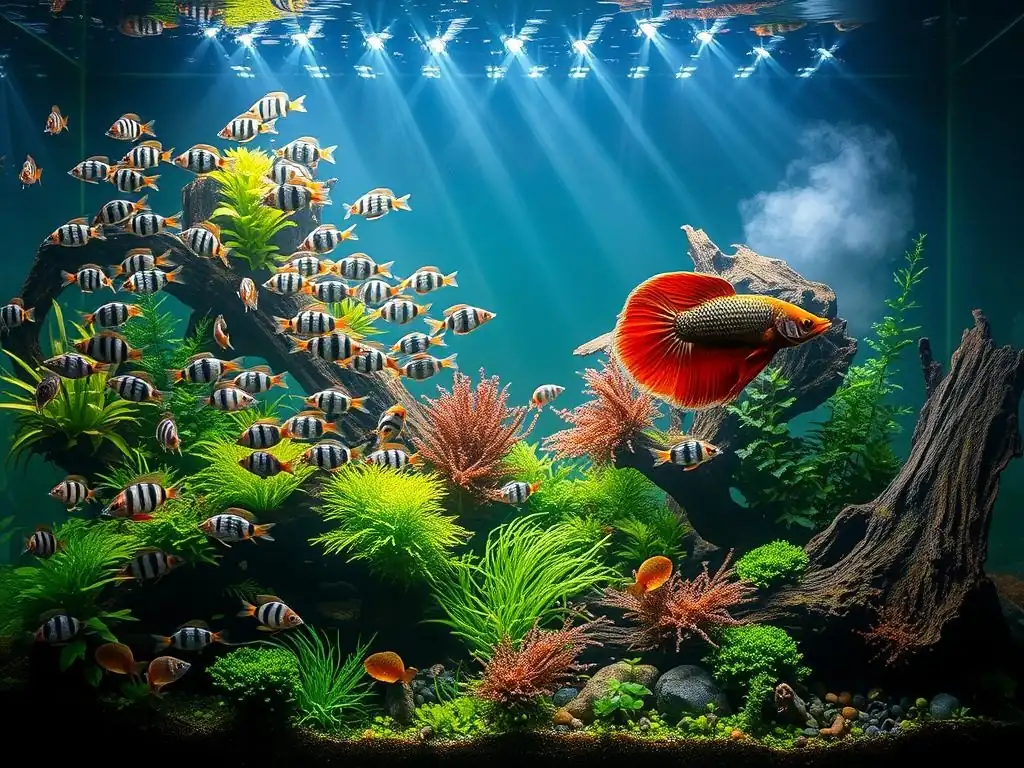
Ever wondered which fish make the perfect companions for your energetic Zebra Danios? Unlocking the secrets to a thriving community tank starts here. Dive into our guide on Zebra danio compatible aquarium fish and discover how to create a harmonious underwater world. Ready to build your dream aquarium?
- Understanding Zebra Danio Temperament and Tank Requirements
- Choosing Zebra Danio Compatible Aquarium Fish: Key Considerations
- Top Peaceful Tank Mates for Zebra Danios
- Less Suitable Tank Mates for Zebra Danios: Fish to Avoid
- Setting Up a Community Tank for Zebra Danios and Their Tank Mates
- Feeding Your Community Tank: Ensuring All Fish Thrive
- Maintaining a Healthy and Harmonious Zebra Danio Community Tank
-
Frequently Asked Questions
- What makes a good tank mate for Zebra Danios?
- Can I keep Zebra Danios with other types of Danios?
- Are there any fish I should absolutely avoid keeping with Zebra Danios?
- What size tank do I need to keep Zebra Danios with tank mates?
- What water parameters are ideal for Zebra Danios and their tank mates?
- Final Reflection: Cultivating Harmony in the Aquarium
- Unlock a Thriving Aquarium: Embrace the Community!
Understanding Zebra Danio Temperament and Tank Requirements
The Active Nature of Zebra Danios: What to Consider
Zebra Danios ( Danio rerio) are renowned for their high energy levels and constant movement within the aquarium. These small, torpedo-shaped fish typically dart through the upper and middle sections of the water column, rarely staying still for long. Their active swimming style requires ample open space in the tank, as restricted environments can lead to stress and erratic behavior. This continuous motion is a key characteristic to consider when selecting Zebra danio compatible aquarium fish, ensuring their tank mates are not overwhelmed or intimidated by their vivacious nature.
While generally peaceful, the sheer activity of Zebra Danios can sometimes be mistaken for aggression, especially if they are kept in insufficient numbers. In smaller groups (fewer than six individuals), they may exhibit fin-nipping behavior towards slower-moving or long-finned tank mates out of stress or boredom. However, in a well-established school of eight or more, their focus shifts to interacting with their own kind, significantly reducing the likelihood of bothering other fish. Understanding this dynamic is crucial for fostering a harmonious Zebra danio community tank.
Ideal Zebra Danio Tank Parameters: Water Chemistry and Temperature
Zebra Danios are remarkably hardy fish, capable of tolerating a relatively wide range of water parameters, which contributes to their popularity among aquarists. Ideally, they thrive in temperatures between 64-74°F (18-24°C), though they can withstand slightly cooler or warmer conditions for short periods. Their preferred pH range is generally between 6.5 and 7.5, with water hardness (GH) from 5 to 19 dGH. Maintaining stable parameters within these ranges is more critical than hitting exact numbers, as sudden fluctuations can cause significant stress to the fish.
Consistent water quality is paramount for the long-term health of Zebra Danios and any Zebra danio compatible aquarium fish. A well-filtered tank with regular partial water changes is essential to keep ammonia and nitrite at zero, and nitrates below 20 ppm. While they are adaptable, providing clean, well-oxygenated water mimics their natural riverine habitats and promotes robust health, vibrant coloration, and natural behaviors, making them excellent candidates for a diverse freshwater community setup.
Importance of Schooling: How Many Zebra Danios Should You Keep?
The schooling behavior of Zebra Danios is not merely a preference; it is a fundamental aspect of their well-being and natural instinct. In the wild, they form large groups for protection and social interaction. Keeping them in a school of at least six individuals is the absolute minimum recommendation for their psychological health. In smaller numbers, they become stressed, shy, and more prone to aggression towards other fish, potentially leading to fin-nipping or withdrawal.
For optimal behavior and reduced stress, a school of 8-12 Zebra Danios is highly recommended, especially in a community tank. A larger school allows them to establish a clear pecking order among themselves, diverting their playful chasing behavior internally rather than towards other species. For example, a group of 10 Zebra Danios in a 20-gallon long tank will display more natural schooling patterns and appear significantly more secure than a group of 4 in the same volume, making them better Zebra danio tank mates for other species.
Choosing Zebra Danio Compatible Aquarium Fish: Key Considerations
Compatibility Factors: Temperament, Size, and Water Parameters
When selecting Zebra danio compatible aquarium fish, three primary factors must be carefully considered: temperament, size, and water parameters. Temperament is crucial; ideal tank mates should be peaceful and non-aggressive, avoiding species that might bully the active Danios or be intimidated by them. Fish that are too large or predatory could view Zebra Danios as food, while extremely timid or slow-moving species might be stressed by the Danios' constant activity.
Size compatibility ensures that neither fish poses a threat to the other. Zebra Danios typically grow to about 2 inches (5 cm), so tank mates should be roughly similar in size or larger but still peaceful. Critically, their preferred water chemistry and temperature ranges must overlap significantly. For instance, a fish requiring highly acidic, warm water would not be a suitable Zebra danio tank mate even if its temperament matched, as maintaining conflicting parameters would compromise the health of at least one species.
Avoiding Fin-Nipping Tank Mates for Zebra Danios
While Zebra Danios themselves can exhibit fin-nipping if kept in too small numbers or in an overcrowded tank, it's equally important to avoid introducing other species that are notorious fin-nippers. Certain barbs, such as Tiger Barbs, are known for their aggressive fin-nipping tendencies and would likely harass the active Danios, leading to stress and potential injury. Even some larger tetra species can be problematic if not kept in sufficiently large schools.
The consequences of fin-nipping extend beyond mere aesthetic damage; stressed fish are more susceptible to disease, and open wounds can lead to bacterial or fungal infections. When seeking Zebra danio compatible aquarium fish, prioritize species with a documented history of peaceful community behavior. Observing the fish's behavior in the fish store before purchase can also provide clues; avoid any fish that consistently chases or nips at its tank mates.
Considering Activity Levels: Matching Energy in the Community Tank
Zebra Danios are constantly on the move, zipping around the tank with boundless energy. This high activity level is a significant factor when choosing Zebra danio compatible aquarium fish. Tank mates that are equally active and robust can thrive alongside them, while very slow-moving or shy species might become stressed, outcompeted for food, or simply overwhelmed by the Danios' constant motion.
For instance, a sedentary fish like a Betta with long, flowing fins would be a poor choice, not only due to potential fin-nipping from Danios but also because the Betta's calm demeanor would be constantly disturbed. Conversely, bottom-dwelling fish like Corydoras catfish, which occupy a different swimming level, can coexist peacefully despite the Danios' energy. Matching or complementing activity levels helps create a balanced and harmonious Zebra danio community tank where all inhabitants can thrive without undue stress.
Top Peaceful Tank Mates for Zebra Danios
Corydoras Catfish: Bottom-Dwelling Cleaners for a Balanced Tank
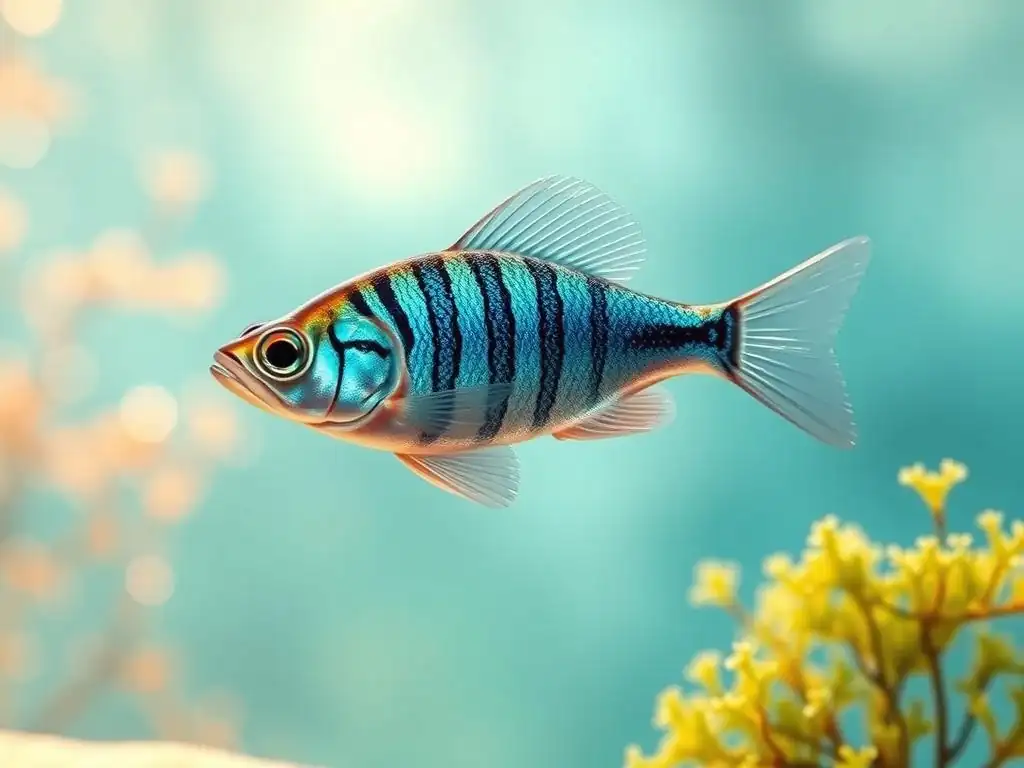
Corydoras catfish are an excellent choice for a Zebra danio compatible aquarium fish setup, primarily because they occupy a different water column. These peaceful, armored catfish are primarily bottom-dwellers, sifting through the substrate for food particles and detritus. Their calm demeanor contrasts nicely with the active Danios, and they generally ignore other fish, making them ideal community inhabitants. They are also schooling fish, requiring a minimum group of six to feel secure and exhibit natural behaviors.
Beyond their peaceful nature, Corydoras catfish contribute positively to tank cleanliness by consuming uneaten food that settles on the bottom, though they should not be relied upon as the sole "clean-up crew." They typically grow to 1-3 inches (2.5-7.5 cm) depending on the species and have a lifespan of 3-5 years with proper care. Their armored bodies also make them resilient to any accidental bumps from fast-swimming Danios, ensuring a balanced and thriving Zebra danio community tank.
Types of Corydoras Compatible with Zebra Danios
Many species of Corydoras catfish are highly compatible with Zebra Danios due to their similar water parameter preferences and peaceful temperament. Popular choices include the Bronze Corydoras ( Corydoras aeneus), which can reach up to 3 inches and are very hardy, and the Panda Corydoras ( Corydoras panda), a smaller species growing to about 2 inches with distinctive black eye patches. Another excellent option is the Pygmy Corydoras ( Corydoras pygmaeus), which only grows to about 1 inch and can be kept in larger groups in smaller tanks.
These Corydoras species thrive in temperatures ranging from 72-78°F (22-26°C) and a pH of 6.0-7.5, which overlaps perfectly with Zebra Danio requirements. They prefer soft, sandy substrate to protect their delicate barbels and appreciate plenty of hiding spots among plants or driftwood. For example, a group of 8 Bronze Corydoras will happily coexist with 10 Zebra Danios in a 20-gallon long tank, adding activity and interest to the lower levels of the aquarium.
Neon Tetras: A Classic Combination for a Vibrant Aquarium
Neon Tetras ( Paracheirodon innesi) are a classic and highly popular choice for a Zebra danio compatible aquarium fish due to their striking iridescent blue and red coloration and peaceful schooling behavior. These small fish, typically growing to about 1.5 inches (4 cm), occupy the mid-water column, creating a beautiful contrast with the faster-moving Danios in the upper levels. Their calm, synchronized swimming adds a serene element to the tank.
Like Zebra Danios, Neon Tetras are schooling fish and should be kept in groups of at least 6-10 individuals to feel secure and display their best colors. They are generally peaceful and will not bother Zebra Danios, nor will the Danios typically bother them, especially if the Danios are kept in a sufficiently large school. Their lifespan is typically 3-5 years, making them a long-term addition to a vibrant Zebra danio community tank.
Maintaining Ideal Conditions for Both Neon Tetras and Zebra Danios
Maintaining optimal water conditions is key for the long-term success of a Neon Tetra and Zebra Danio community. Both species thrive in slightly acidic to neutral water with a pH range of 6.0-7.5 and temperatures between 72-76°F (22-24°C). While Zebra Danios are quite hardy, Neon Tetras can be more sensitive to fluctuating water parameters, making stable and pristine water quality paramount. Regular 25% weekly water changes are highly recommended.
To ensure Neon Tetras feel secure in a tank with active Zebra Danios, provide ample live plants and hiding spots. Densely planted areas offer refuge and reduce stress, allowing the Neons to display their natural schooling behavior more readily. For example, a 20-gallon tank with Java Ferns, Anubias, and a school of 10 Neon Tetras alongside 8 Zebra Danios will provide both vibrant aesthetics and a healthy environment for both species.
Platy: Colorful and Peaceful Community Fish
Platies ( Xiphophorus maculatus or Xiphophorus variatus) are highly adaptable, colorful, and peaceful live-bearing fish that make excellent Zebra danio compatible aquarium fish. They come in a vast array of colors and fin types, adding significant visual appeal to a community tank. Platies typically inhabit the mid to upper levels of the aquarium, often exploring plants and decorations. They are hardy and can tolerate a wide range of water conditions, making them suitable for beginners.
Growing to an adult size of about 2-3 inches (5-7.5 cm), Platies are robust enough not to be intimidated by the active Zebra Danios. They are non-aggressive and generally mind their own business, focusing on foraging and, often, breeding. A single male Platy can be kept with multiple females to prevent undue stress on any one female due to constant breeding attempts. Their lifespan is typically 2-3 years.
Maintaining Ideal Conditions for Both Platy and Zebra Danios
Platies are quite tolerant of varying water parameters, making them a flexible choice for a Zebra danio community tank. They prefer temperatures between 70-78°F (21-26°C) and a pH range of 6.8-8.0, often leaning towards slightly alkaline water. This range overlaps well with the neutral to slightly alkaline preference of Zebra Danios, especially if the tank is kept around a neutral pH of 7.0-7.4. Good filtration and regular water changes are essential to manage waste, particularly in a tank with livebearers, which are known to be prolific breeders.
Providing a varied diet of high-quality flakes, small pellets, and occasional live or frozen foods (like brine shrimp) will keep both Platies and Zebra Danios in excellent health. While Platies are generally peaceful, it's wise to ensure adequate space, especially if you plan to keep a breeding group, as their fry can quickly add to the bioload. A 20-gallon tank can comfortably house 3-4 Platies and a school of 6-8 Zebra Danios, providing enough room for both species to thrive.
Mystery Snails: Peaceful Invertebrates That Help Clean
Mystery Snails ( Pomacea bridgesii) are large, beautiful, and peaceful invertebrates that serve as excellent Zebra danio compatible aquarium fish additions, even though they are not fish. They are highly effective at cleaning algae from tank surfaces, decorations, and plant leaves, and they also consume detritus and uneaten food, contributing significantly to tank hygiene. Their slow, deliberate movements mean they will not be bothered by the active Zebra Danios, and the Danios, in turn, will generally ignore them.
These snails can grow quite large, often reaching 2 inches (5 cm) in shell diameter, making them a substantial and visually interesting part of the clean-up crew. They have a lifespan of about 1-2 years and are known for their varied shell colors, including yellow, blue, black, and ivory. They are not known to eat healthy live plants, preferring algae and decaying matter, which is a major benefit in a planted Zebra danio community tank.
Maintaining Ideal Conditions for Both Mystery Snails and Zebra Danios
Mystery Snails are quite adaptable to the same water parameters that suit Zebra Danios, typically thriving in temperatures between 68-78°F (20-26°C) and a pH of 6.5-7.5. A crucial consideration for snails is the water hardness; they require sufficient calcium in the water to maintain healthy, strong shells. If your water is very soft, you might need to supplement calcium through specific foods or additives.
It is imperative to avoid any medications containing copper in a tank with Mystery Snails, as copper is highly toxic to invertebrates. While Zebra Danios will readily eat flake food, ensure that some sinking algae wafers or blanched vegetables (like zucchini or spinach) are provided to the snails, especially if the tank's algae supply is low. This ensures all inhabitants of your Zebra danio compatible aquarium fish setup receive adequate nutrition.
Cherry Shrimp: Peaceful Invertebrates That Help Clean
Cherry Shrimp ( Neocaridina davidi) are small, vibrant, and highly beneficial invertebrates that can be excellent Zebra danio compatible aquarium fish if certain conditions are met. They are diligent grazers of algae and biofilm, and they help consume detritus and uneaten food particles, contributing to a cleaner tank environment. Their bright red coloration adds a beautiful splash of color, especially against green plants.
These shrimp are very peaceful and typically grow to only about 1 inch (2.5 cm). While adult Zebra Danios generally do not predate on adult Cherry Shrimp, very small or newly hatched shrimp fry might be seen as a snack by the fast-moving Danios. To maximize shrimp survival, especially if you plan to breed them, provide dense plant cover, such as Java Moss or floating plants, which offer excellent hiding spots. Cherry Shrimp typically live for 1-2 years.
Maintaining Ideal Conditions for Both Cherry Shrimp and Zebra Danios
Cherry Shrimp require stable water conditions that largely overlap with Zebra Danios: temperatures between 68-78°F (20-26°C) and a pH of 6.5-7.5. Like snails, they are sensitive to copper, so copper-based medications must be avoided. They also thrive in tanks with plenty of live plants, which provide both food sources (biofilm, algae) and security. A well-established tank with stable parameters is ideal for their successful coexistence with Danios.
To ensure the shrimp thrive in a Zebra danio community tank, avoid sudden changes in water parameters during water changes. Using a drip acclimation method for new shrimp is highly recommended. While Zebra Danios will readily eat standard fish food, ensure that sinking shrimp pellets or algae wafers are provided, especially for the shrimp, to ensure they get enough to eat without being outcompeted by the faster fish. A tank with an abundance of plants, such as a 20-gallon planted setup, can comfortably house a colony of Cherry Shrimp alongside a school of Zebra Danios.
Less Suitable Tank Mates for Zebra Danios: Fish to Avoid
Larger, Aggressive Fish: Why They Don't Mix
Introducing larger, aggressive fish into a tank with Zebra Danios is generally ill-advised. Predatory species, even those that seem only slightly larger, can view the small, active Danios as a food source. For example, a fully grown Oscar ( Astronotus ocellatus), which can reach 12-14 inches, would easily consume a 2-inch Zebra Danio. Similarly, some larger cichlids, such as certain species of African Cichlids or even larger South American Cichlids like Green Terrors, possess temperaments that are far too aggressive for the peaceful Danios.
Beyond direct predation, the constant threat and stress from larger, territorial fish can cause severe distress to Zebra Danios. This chronic stress weakens their immune system, making them highly susceptible to diseases like Ich or fin rot. Even if direct attacks are not observed, the fear of a larger presence can lead to lethargy, clamped fins, and a significant reduction in their natural active behavior, ultimately shortening their lifespan in a non-compatible environment.
Slow-Moving or Long-Finned Fish: Potential Targets for Fin-Nipping
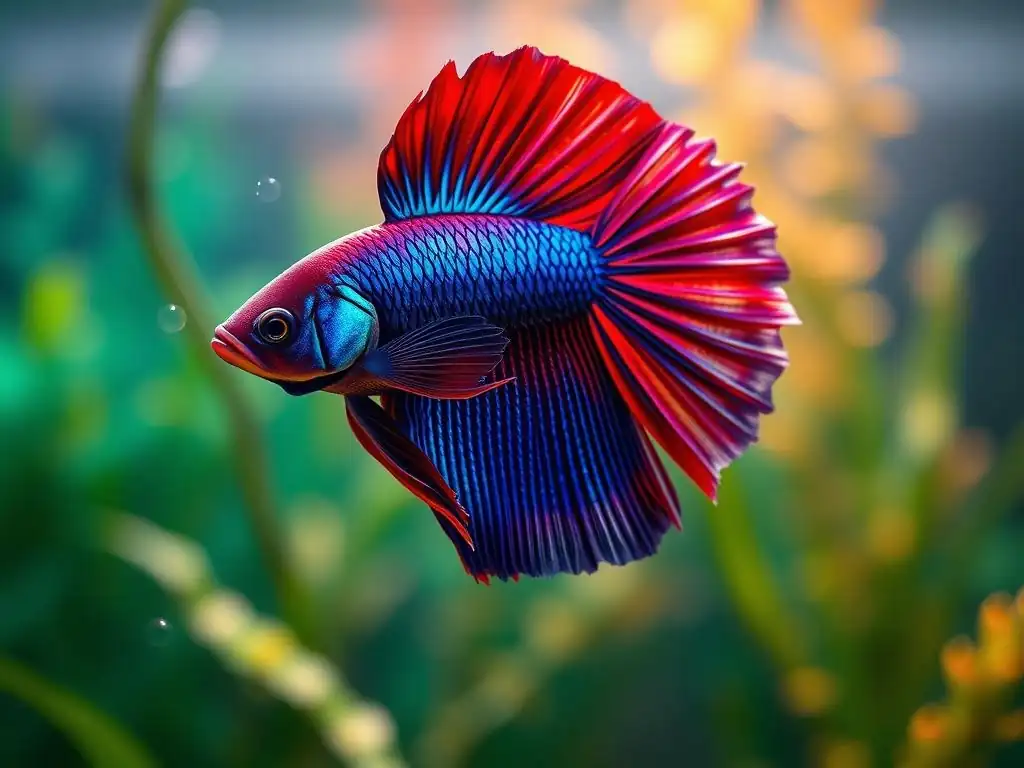
While Zebra Danios are generally peaceful, their high activity levels and tendency to playfully chase each other can turn into fin-nipping towards slow-moving fish or those with long, flowing fins. Species like Angelfish ( Pterophyllum scalare), particularly the long-finned varieties, or male Betta fish ( Betta splendens) with their elaborate tails, are highly vulnerable. The Danios might be attracted to the long fins and nip at them out of curiosity or boredom, especially if their own school is too small.
This fin-nipping behavior results in damaged fins, which not only look unsightly but also become entry points for bacterial and fungal infections. A Betta fish, for example, could suffer severe stress and fin damage from a persistent school of 8 Zebra Danios, leading to a drastically reduced quality of life and potentially fatal infections. Therefore, when considering Zebra danio compatible aquarium fish, it is crucial to avoid any species that possess delicate or extended finnage that could become a target.
Fish with Very Different Water Parameter Needs
Attempting to house fish with significantly different water parameter requirements in the same tank is a common mistake that leads to chronic stress and poor health for one or both species. While Zebra Danios are adaptable, they have specific optimal ranges for temperature, pH, and hardness. For instance, Discus fish ( Symphysodon spp.) require very soft, acidic water (pH 5.5-6.5) and high temperatures (82-86°F or 28-30°C). These conditions are far too warm and acidic for the long-term health of Zebra Danios, which prefer cooler water and a more neutral pH (6.5-7.5).
Similarly, African Cichlids from the Rift Valley lakes (e.g., Mbuna) thrive in very hard, alkaline water (pH 7.8-8.6) and temperatures around 78-82°F (26-28°C). These conditions would be highly stressful for Zebra Danios, leading to constant physiological strain and a compromised immune system. For a truly healthy and harmonious Zebra danio community tank, all inhabitants must share a substantial overlap in their ideal water chemistry and temperature ranges, preventing any species from being constantly outside its comfort zone.
Setting Up a Community Tank for Zebra Danios and Their Tank Mates
Tank Size Considerations for a Thriving Community
While a single school of 6-8 Zebra Danios can technically be housed in a 10-gallon tank, a community tank with various Zebra danio compatible aquarium fish requires significantly more space. A 20-gallon long aquarium (approximately 30 x 12 x 12 inches) is considered the absolute minimum for a small community, providing adequate horizontal swimming space for the active Danios and enough territory for bottom-dwellers like Corydoras. However, a 29-gallon or 30-gallon breeder tank is even better, offering more stability and greater flexibility for stocking.
Larger tanks are always preferable for a thriving community. A 40-gallon breeder tank, for example, provides ample room for a larger school of Zebra Danios (10-12 individuals) and several groups of compatible species, allowing for more natural behaviors and reducing potential aggression. More water volume also means greater stability in water parameters, making it easier to maintain pristine conditions and recover from minor fluctuations, which is crucial for the health of all Zebra danio tank mates.
Aquascaping for Compatibility: Creating a Balanced Environment
Effective aquascaping is vital for creating a harmonious environment for Zebra Danios and their tank mates. Given the Danios' active nature, it's essential to provide open swimming areas, particularly in the middle and upper regions of the tank. This allows them to dart and school freely, which is crucial for their well-being. Approximately 40-50% of the tank should ideally be dedicated to open space.
Conversely, Zebra danio compatible aquarium fish like Corydoras catfish, Neon Tetras, and Cherry Shrimp benefit greatly from densely planted areas, driftwood, and rock formations. These provide crucial hiding spots, resting places, and areas for foraging. For example, a fine sand substrate is ideal for Corydoras to sift through, while Java Moss offers excellent cover for Cherry Shrimp. A balanced aquascape reduces stress, provides security, and allows each species to exhibit its natural behaviors, contributing to a vibrant Zebra danio community tank.
Filtration and Water Changes: Maintaining Optimal Water Quality
Maintaining optimal water quality is the cornerstone of a healthy and thriving Zebra danio community tank. Robust filtration is essential, typically involving a hang-on-back (HOB) filter or a canister filter that provides mechanical, chemical, and biological filtration. The filter should be rated for a tank size larger than your actual aquarium to ensure efficient processing of waste produced by a diverse community. For instance, for a 20-gallon tank, a filter rated for 30-40 gallons would be appropriate.
Regular partial water changes are equally critical. For a well-stocked community tank, a weekly water change of 25-30% is a common recommendation to keep nitrates low, replenish essential minerals, and maintain stable pH. Using a gravel vacuum during water changes helps remove detritus from the substrate, further contributing to water purity. Consistent water quality minimizes stress on all Zebra danio compatible aquarium fish, reducing their susceptibility to diseases and promoting long, healthy lives.
Feeding Your Community Tank: Ensuring All Fish Thrive
Providing a Varied Diet for Zebra Danios and Their Tank Mates
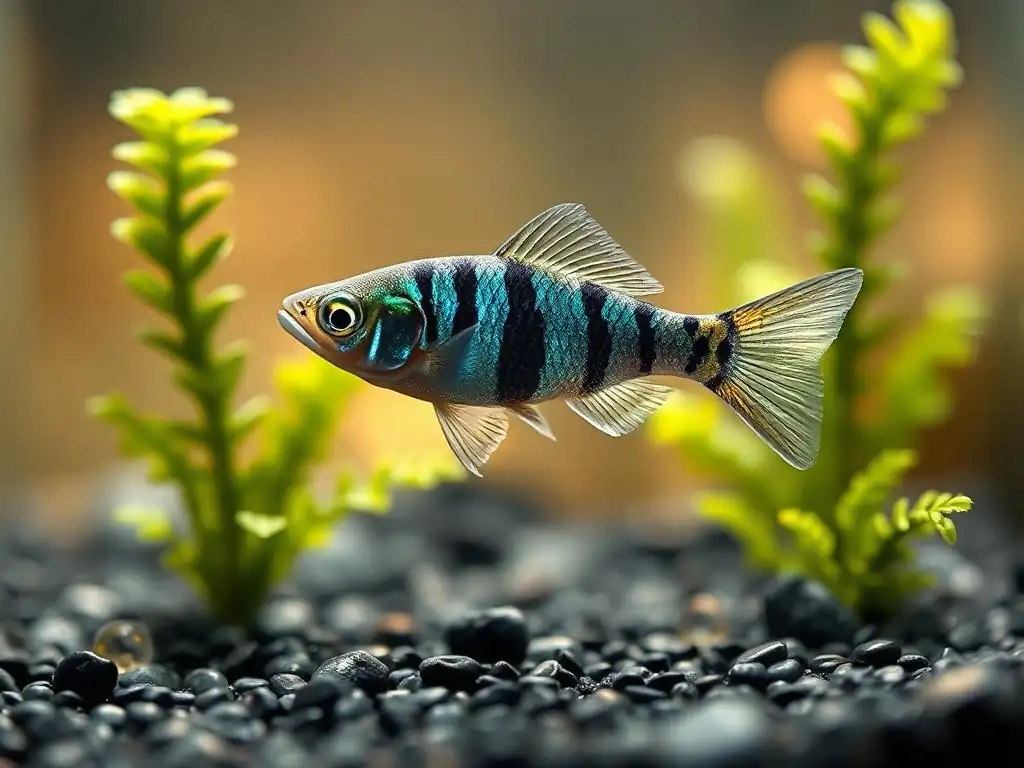
A varied and nutritious diet is paramount for the health, coloration, and longevity of Zebra Danios and their Zebra danio compatible aquarium fish. Zebra Danios are omnivores and readily accept a wide range of foods. A high-quality flake food or small pellet should form the staple of their diet, but this should be supplemented regularly with frozen or live foods such as brine shrimp, daphnia, and bloodworms. This variety ensures they receive all necessary vitamins and minerals for optimal health.
Different species in a community tank will also have specific dietary needs. For instance, bottom-dwelling Corydoras catfish require sinking pellets or wafers to ensure they receive adequate food, as the fast-moving Danios will quickly consume food in the water column. Invertebrates like Mystery Snails and Cherry Shrimp benefit from algae wafers and blanched vegetables. Providing a diverse array of foods at different levels of the tank ensures all inhabitants of your Zebra danio community tank receive proper nutrition.
Avoiding Overfeeding in a Community Aquarium
Overfeeding is one of the most common pitfalls in aquarium keeping and can quickly lead to severe water quality issues in a community tank. Uneaten food decays, releasing ammonia and nitrites, which are highly toxic to fish, even in small concentrations. This can lead to cloudy water, algae blooms, and, most importantly, stressed and sick fish. For example, a single overfeeding incident in a 20-gallon tank can cause ammonia levels to spike from 0 ppm to 2 ppm within hours.
To avoid overfeeding, feed small amounts 2-3 times a day, only what your fish can consume entirely within 2-3 minutes. Observe your fish during feeding to ensure all species are getting enough, especially the slower or bottom-dwelling Zebra danio compatible aquarium fish. Removing any uneaten food after a few minutes is also a good practice. This disciplined approach to feeding maintains pristine water quality and promotes a healthier environment for all inhabitants.
Food Recommendations for Each Tank Mate Species
Tailoring food offerings to the specific needs of each Zebra danio compatible aquarium fish species ensures that all fish thrive. For Zebra Danios, a high-quality tropical flake food supplemented with micro-pellets and small frozen foods like daphnia or baby brine shrimp is ideal. Corydoras catfish, being bottom-feeders, require sinking wafers or pellets that reach the substrate. They also appreciate occasional frozen bloodworms.
Neon Tetras thrive on crushed high-quality flakes, small pellets, and very small frozen foods like cyclops or baby brine shrimp. Platies are less picky, readily consuming tropical flakes and small pellets, and also benefit from some vegetable matter. For invertebrates, Mystery Snails will consume algae wafers, blanched vegetables (e.g., zucchini slices), and calcium-rich foods for shell health. Cherry Shrimp primarily graze on biofilm and algae but appreciate specialized shrimp pellets and occasional blanched spinach. Ensuring food reaches all tank levels and species is key for a truly balanced Zebra danio community tank.
Maintaining a Healthy and Harmonious Zebra Danio Community Tank
Observing Fish Behavior: Identifying Potential Problems Early
Regularly observing the behavior of your Zebra Danios and their tank mates is one of the most effective ways to identify potential problems early, preventing minor issues from escalating into major crises. Spend a few minutes daily watching for any deviations from normal behavior, such as lethargy, clamped fins, rapid gill movement, erratic swimming, scratching against surfaces, or changes in coloration. For instance, a Zebra Danio with faded stripes or reluctance to school might indicate stress or illness.
Early detection allows for timely intervention. If you notice a fish exhibiting signs of illness, it can be quarantined before the disease spreads to other Zebra danio compatible aquarium fish. Similarly, if aggression is observed between species, you can assess if tank size, stocking density, or aquascaping needs adjustment. A proactive approach based on keen observation is crucial for maintaining a healthy and harmonious Zebra danio community tank.
Quarantine Procedures for New Fish: Preventing Disease Introduction
Implementing a strict quarantine procedure for all new fish, including Zebra danio compatible aquarium fish, is arguably the single most important preventative measure against disease outbreaks in your main display tank. A separate, dedicated quarantine tank (typically 5-10 gallons) equipped with a heater and sponge filter should be used. New fish should be housed here for at least 2-4 weeks before being introduced to the main community.
During the quarantine period, observe the new fish closely for any signs of disease (e.g., Ich spots, fin rot, unusual growths, abnormal swimming). This allows you to treat any ailments in isolation, preventing the spread of pathogens to your established Zebra danio community tank. It also gives the new fish time to de-stress and acclimate to your water parameters, increasing their chances of successful integration. For example, a 20-gallon display tank can be wiped out by a single sick fish if not properly quarantined.
Addressing Common Health Issues in Zebra Danios and Their Tank Mates
Despite best efforts, fish can occasionally fall ill. Common health issues that may affect Zebra Danios and their tank mates include Ich (white spot disease), fin rot, fungal infections, and bacterial infections. Ich, characterized by small white spots resembling salt grains on the body and fins, is often triggered by stress or fluctuating temperatures. Fin rot, manifesting as frayed or decaying fins, is typically caused by poor water quality or injury.
The primary defense against most diseases is maintaining excellent water quality, providing a balanced diet, and ensuring a stress-free environment with Zebra danio compatible aquarium fish. If a disease is identified, prompt treatment is necessary. This may involve specific medications (e.g., copper-based for Ich, antibiotics for bacterial infections – carefully checking for invertebrate safety), increasing water temperature for Ich, or performing extra water changes. Always accurately diagnose the issue before administering treatment and follow medication instructions precisely to ensure the well-being of all inhabitants in your Zebra danio community tank.
Frequently Asked Questions
What makes a good tank mate for Zebra Danios?
A good tank mate should be peaceful and able to thrive in similar water conditions. Avoid fish that are aggressive or fin-nippers, as these can stress or harm the Zebra Danios.
Can I keep Zebra Danios with other types of Danios?
Yes, you can! Zebra Danios are generally compatible with other peaceful Danios, such as Glowlight Danios or Pearl Danios, as they share similar temperaments and environmental needs.
Are there any fish I should absolutely avoid keeping with Zebra Danios?
Avoid larger, predatory fish like Oscars or Jack Dempseys, as they will likely see Zebra Danios as food. Also avoid aggressive or territorial fish that will bully the danios.
What size tank do I need to keep Zebra Danios with tank mates?
A minimum of 20 gallons is recommended when keeping Zebra Danios with other fish. This provides enough space for the danios to school and for other fish to establish their own territories, minimizing stress.
What water parameters are ideal for Zebra Danios and their tank mates?
Zebra Danios prefer a water temperature of 64-77°F (18-25°C), a pH of 6.0-8.0, and moderate hardness. Ensure any tank mates you choose can also tolerate these conditions.
Final Reflection: Cultivating Harmony in the Aquarium
The vibrant energy of Zebra Danios, as we've explored, demands careful consideration when choosing tank mates. The key to a thriving community aquarium lies in understanding and respecting the unique needs of each species. This isn't just about preventing conflict; it's about creating an environment where every fish can flourish, showcasing the beauty of biodiversity in a miniature ecosystem.
This journey into compatible companions for Zebra Danios reflects a broader principle: the importance of mindful coexistence. Choosing the right tank mates is akin to fostering a harmonious community, mirroring our own social interactions and the need for empathy and understanding. The greatness of a nation and its moral progress can be judged by the way its animals are treated.
- Mahatma Gandhi. This quote, though about animals in general, resonates deeply with the responsibility we undertake when creating an artificial ecosystem.
Now, as you consider your own aquarium, remember the lessons we've learned. Don't just populate your tank; cultivate a community. Observe, learn, and adapt to the needs of your fish. By prioritizing compatibility and understanding, you can create not just a beautiful display, but a testament to the power of thoughtful cohabitation. Let the vibrant energy of your Zebra Danios inspire you to build a world, both in and out of the aquarium, where everyone can thrive.
Unlock a Thriving Aquarium: Embrace the Community!
Thank you for exploring the world of Zebra Danios with us! We hope this guide has empowered you with the knowledge to create a harmonious aquatic environment. Now, it's time to take the next step and bring your vision to life.
Here's how you can build upon your understanding:
- Prioritize your fish's happiness by carefully researching and selecting compatible tank mates, using our suggestions as a starting point for your own investigation.
- Share your newfound knowledge! Help fellow aquarists by sharing this article on your favorite social media platforms or aquarium forums.
- Dive deeper! Explore other fascinating freshwater species on Aquarium Mastery to continuously expand your aquatic expertise.
What combinations of Zebra Danio tank mates have you found most successful and rewarding in your aquarium? Share your experiences in the comments below!