
The Surgeon's Secret: Understanding Your Tang's Caudal Peduncle Scalpel

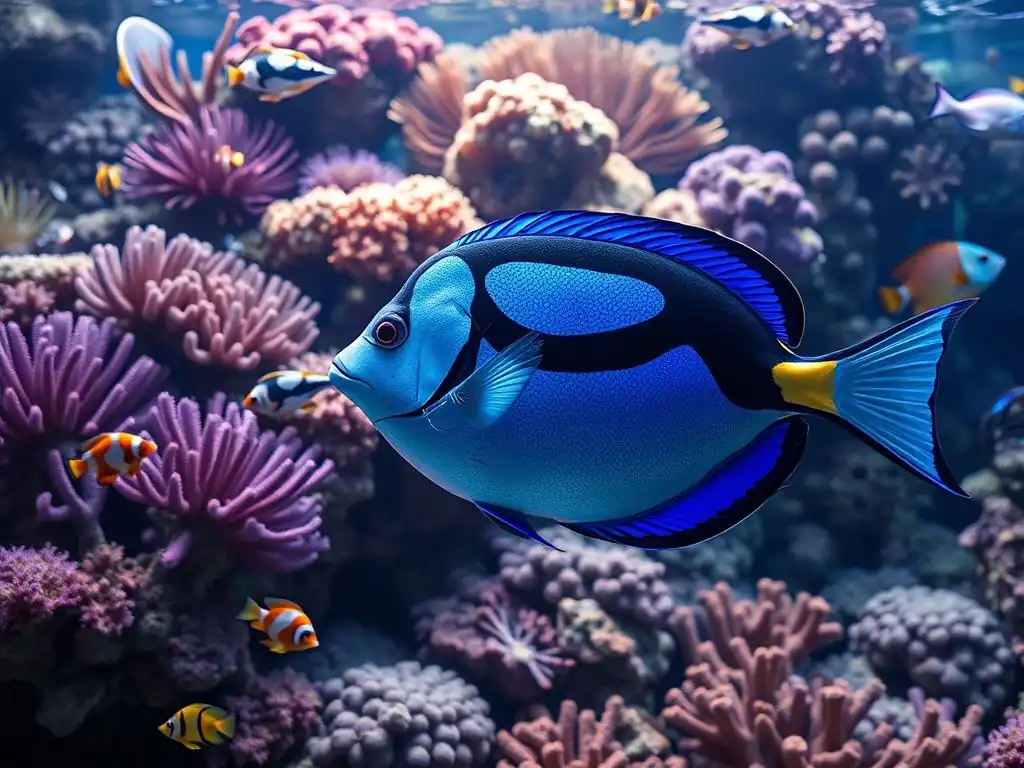
Welcome to Aquarium Mastery!
Ever wondered about that curious, blade-like feature near the tail of your saltwater tang? It's called a caudal peduncle scalpel, and understanding it is crucial for keeping your tang healthy and happy. Dive in to unravel the surgeon's secret weapon and learn how this unique characteristic impacts your fish's well-being and its interactions within your aquarium ecosystem. Ready to become a true Aquarium Master? Let's explore!
- The Surgeon's Scalpel: Understanding the Tang's Defensive Weapon
- Demystifying the Saltwater Tang's Caudal Spine: An Aquarium Care Guide
- Identifying the Caudal Spine: Species-Specific Variations
- The Caudal Spine: Defense, Aggression, and Territoriality in Tangs
- Minimizing Aggression and Preventing Injuries
- Treating and Preventing Caudal Spine Injuries
- Ethical Considerations in Tang Ownership
- Conclusion: Responsible Tang Care and Appreciation of the Caudal Spine
-
Frequently Asked Questions
- What exactly is a caudal peduncle scalpel on a Tang fish?
- Why is understanding the caudal peduncle scalpel important for aquarium owners?
- How can the caudal peduncle scalpel be used defensively by a Tang?
- What are the risks associated with a Tang's caudal peduncle scalpel in a community aquarium?
- How should I handle a Tang fish to avoid injury from its caudal peduncle scalpel?
- Final Reflection: Appreciating Nature's Precision
- Unlock the Secrets of Tang Health: Dive Deeper!
The Surgeon's Scalpel: Understanding the Tang's Defensive Weapon
Demystifying the Saltwater Tang's Caudal Spine: An Aquarium Care Guide
Understanding Tang Anatomy: The Caudal Peduncle Explained
The caudal peduncle refers to the narrow, muscular section of a fish's body that connects its main trunk to the caudal (tail) fin. This area is critical for propulsion, allowing the fish to generate powerful thrusts for rapid swimming and evasive maneuvers. In the context of tangs, also known as surgeonfish, the caudal peduncle houses a unique and distinctive anatomical feature that sets them apart from most other marine fish.
Specifically, the caudal peduncle of a saltwater tang is home to a retractable, razor-sharp bony protrusion often referred to as a "scalpel" or "caudal spine." This specialized appendage is a defining characteristic of the Acanthuridae family, to which all tangs belong. It is securely anchored within a groove on each side of the peduncle, remaining flat against the body under normal circumstances but capable of being deployed laterally when the fish feels threatened or engages in territorial disputes, making the saltwater tang caudal peduncle scalpel a formidable defensive tool.
Function of the Caudal Spine in Saltwater Tangs
The primary function of the caudal spine is defense against predators. When a tang perceives a threat, it can quickly deploy its spine by flexing its body, presenting the sharp blade to deter attackers. This maneuver, often accompanied by rapid tail movements or "flashing," can inflict significant cuts and dissuade larger fish, such as sharks or groupers, from pursuing the tang further.
Beyond predator evasion, the saltwater tang caudal peduncle scalpel plays a crucial role in intra-species aggression and territoriality within the aquarium environment. Tangs are known for their territorial nature, and they frequently use their caudal spines to establish dominance or defend feeding grounds from tank mates. A quick, sideways lash of the tail can deliver a painful cut, serving as a warning or a direct assertion of dominance over rivals.
Identifying the Caudal Spine: Species-Specific Variations
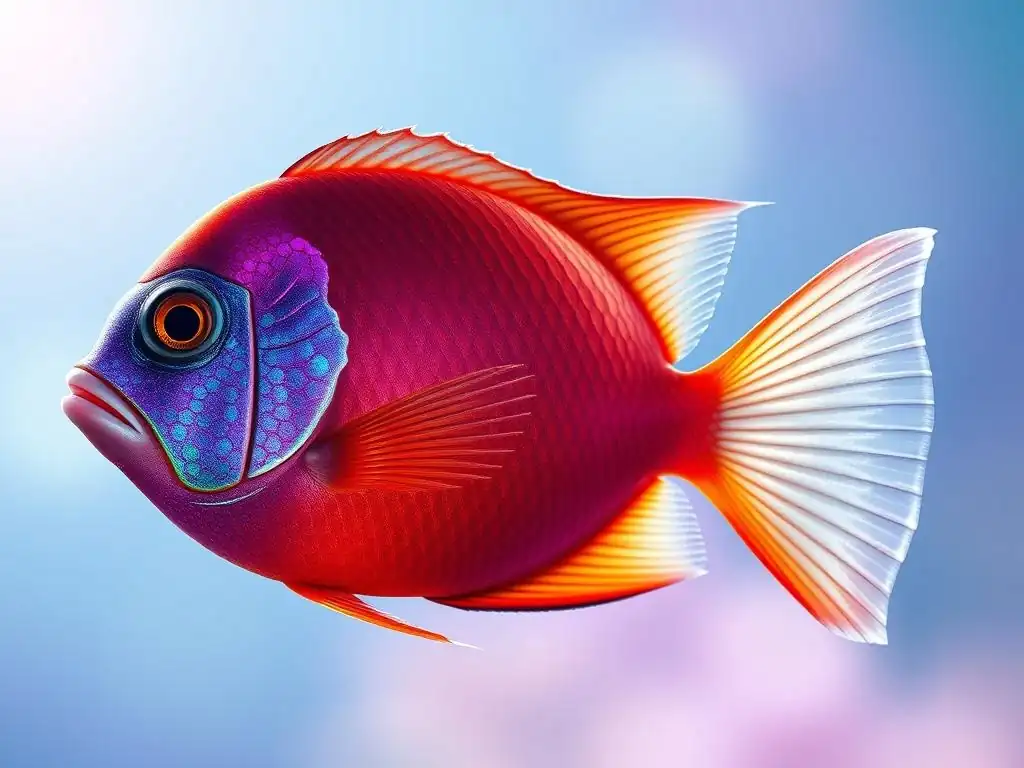
Caudal Spine Morphology Across Tang Species
While all tangs possess a caudal spine, its morphology, including size, shape, and prominence, varies significantly among different species. For instance, the popular Yellow Tang ( Zebrasoma flavescens ) is characterized by a single, prominent, and exceptionally sharp spine on each side of its caudal peduncle. This spine is typically bright yellow, matching its body coloration, making it visually distinct.
In contrast, some species, like the Naso Tangs ( Naso lituratus or Naso brevirostris ), feature two fixed, bony plates or "keels" on each side of their caudal peduncle, rather than a single retractable blade. While less blade-like than the spines of Zebrasoma or Acanthurus species, these keels are still incredibly sharp and effective for defense. Other species, such as the Powder Blue Tang ( Acanthurus leucosternon ), have a single, very sharp, and often dark-colored spine that is particularly robust and frequently employed in aggressive encounters, underscoring the diverse forms of the saltwater tang caudal peduncle scalpel.
[Visual Guide: Comparing Spines of the Yellow, Hippo, and Kole Tang]
While a true visual guide with images is not possible here, a descriptive comparison can highlight the differences in the saltwater tang caudal peduncle scalpel across common aquarium species. The Yellow Tang's spine, as mentioned, is a single, vivid yellow, razor-sharp blade that is easily observed and often deployed with striking speed. It lies flat in a groove when at rest, becoming a potent weapon when extended.
The Hippo Tang ( Paracanthurus hepatus ), often called the Blue Tang, possesses a smaller, less conspicuous spine that typically matches its dark blue or black coloration. Although less visually prominent than the Yellow Tang's, this spine is equally sharp and can inflict painful wounds, especially during territorial disputes in confined aquarium spaces.
The Kole Tang ( Ctenochaetus strigosus ), a bristletooth tang, also features a single, sharp spine on each side of its caudal peduncle, which is generally smaller and less frequently observed in aggressive displays compared to the more overtly territorial Acanthurus or Zebrasoma species, yet it remains an effective defensive mechanism.
The Caudal Spine: Defense, Aggression, and Territoriality in Tangs
How Tangs Use Their Caudal Spine for Defense
Tangs are masters of defense, and their caudal spine is their primary weapon. When threatened by a larger predator in the wild, or by an encroaching tank mate in an aquarium, a tang will often orient its body to present its side, then rapidly flick its tail, deploying the spine. This "tail-slashing" motion is incredibly quick and precise, aiming to cut or deter the perceived threat.
In the aquarium, this defensive mechanism is frequently observed during feeding times or when new fish are introduced. A dominant tang might quickly turn and lash out at a smaller, approaching fish that attempts to share its preferred feeding spot. This swift deployment of the saltwater tang caudal peduncle scalpel can result in visible cuts on other fish, leading to stress, secondary infections, and potentially even fatalities if the aggression is severe and persistent.
Recognizing and Managing Aggression in the Aquarium
Recognizing the signs of aggression in tangs is crucial for maintaining a peaceful and healthy aquarium. Common indicators include incessant chasing, flaring of fins, rapid color changes (often darkening), and the unmistakable tail-lashing behavior. Aggression is frequently triggered by insufficient tank space, competition for food, or the introduction of new tank mates, particularly those that resemble the tang's own species or occupy similar ecological niches.
For example, introducing another Acanthurus species, such as a Powder Brown Tang, into a tank already inhabited by a dominant Powder Blue Tang can almost guarantee aggressive encounters, with both fish potentially deploying their saltwater tang caudal peduncle scalpel in territorial battles. Similarly, even peaceful tangs like the Yellow Tang can become highly aggressive if kept in a tank that is too small (e.g., less than 75 gallons for an adult), leading to constant harassment of other fish and significant stress for all inhabitants.
Minimizing Aggression and Preventing Injuries
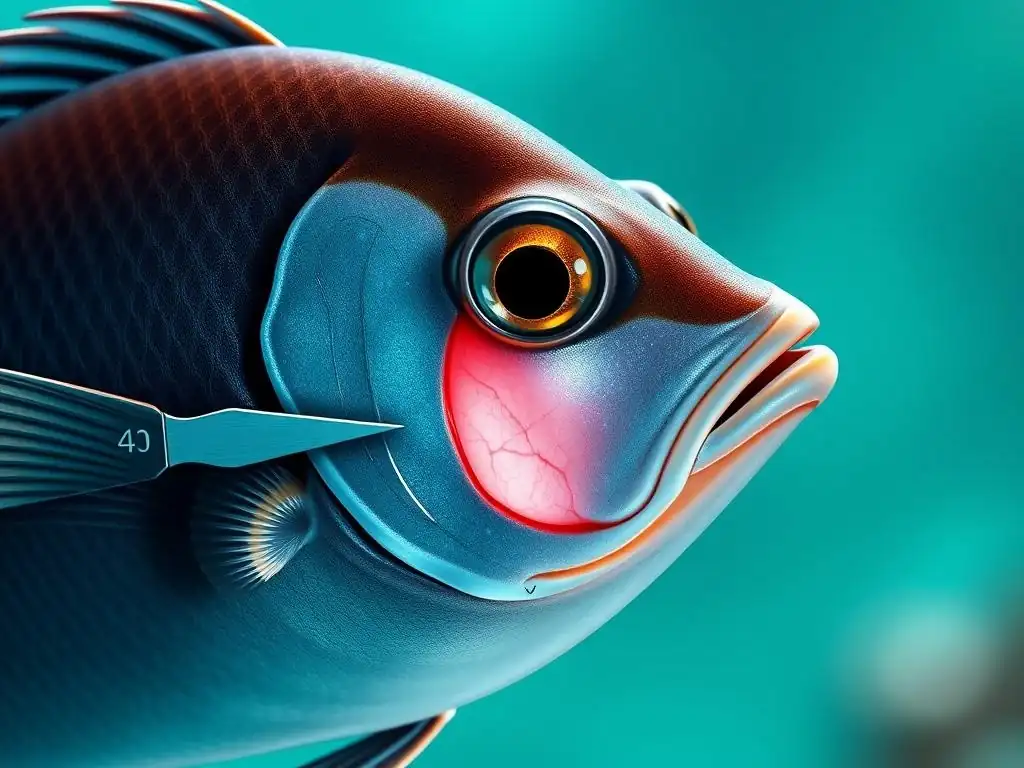
Creating a Stress-Free Environment for Tangs
Providing adequate tank size is paramount for minimizing aggression in tangs. While a juvenile Yellow Tang might appear comfortable in a 30-gallon tank, it will quickly outgrow it, reaching an adult size of 6-8 inches and requiring a minimum of 75 gallons to thrive without undue stress. For larger species like the Hippo Tang, a minimum of 180 gallons is recommended, as they can grow up to 10-12 inches and require extensive swimming space to prevent territorial disputes.
Beyond sheer volume, strategic aquascaping plays a vital role in creating a stress-free environment. Incorporate plenty of live rock to create caves, overhangs, and visual barriers. These structures allow tangs to establish individual territories and provide hiding spots for less dominant fish, effectively breaking up lines of sight and reducing direct confrontations, thereby minimizing the need for them to deploy their saltwater tang caudal peduncle scalpel.
Tank Size, Aquascaping, and Flow Considerations
To reiterate, the adult size of a tang dictates its minimum tank requirement. A majestic Achilles Tang, for instance, needs at least 125 gallons, while a large Sohal Tang ( Acanthurus sohal ) can easily require 300 gallons or more due to its aggressive nature and potential adult size of 15-16 inches. Inadequate space directly correlates with increased stress and more frequent use of the caudal spine in aggressive displays, leading to a higher incidence of injuries among tank inhabitants.
Furthermore, tangs are highly active swimmers that thrive in strong, turbulent water flow, mimicking their natural reef habitats. Incorporate multiple powerheads or wavemakers to create diverse current patterns throughout the tank. This not only keeps the tangs physically active and healthy but also helps to diffuse aggression by preventing the establishment of static territories and encouraging constant movement, reducing the likelihood of stationary conflicts where the saltwater tang caudal peduncle scalpel might be used.
Introducing New Tangs and Managing Compatibility
Introducing new tangs or any new fish into an established tank requires careful planning to minimize aggression. A common strategy is to introduce new fish after the main lights have been turned off for the evening, allowing them to acclimate without immediate harassment. Rearranging existing rockwork can also help disrupt established territories, giving all fish a fresh start in claiming new spaces.
When considering multiple tangs in one tank, choose species with different body shapes or dietary needs to reduce direct competition. For example, a Zebrasoma tang (like a Yellow Tang) might coexist better with an Acanthurus tang (like a Powder Blue Tang) than with another Zebrasoma species. However, even with careful selection, constant monitoring is essential, especially during the initial weeks. Any signs of one tang relentlessly pursuing another, particularly involving the aggressive use of the saltwater tang caudal peduncle scalpel, indicate a need for immediate intervention, such as separation or removal of one of the fish.
Treating and Preventing Caudal Spine Injuries
Recognizing Signs of Injury and Infection
Prompt recognition of caudal spine injuries is crucial for effective treatment. Look for visible cuts, abrasions, or tears on the bodies of other fish, particularly along their flanks, which are common sites for tang-inflicted wounds. These injuries often appear as clean, deep gashes. Beyond the visible wound, watch for signs of secondary infection, such as redness, swelling, white fuzzy patches (fungus), or milky cloudy areas around the injury.
Behavioral changes in the injured fish are also key indicators. An affected fish may become lethargic, exhibit clamped fins, show a loss of appetite, or begin hiding excessively. For the tang itself, inspect the caudal peduncle area for any visible damage to the spine, such as a broken tip, or signs of inflammation or infection at its base. Early detection of these signs can significantly improve the outcome of treatment for injuries sustained from a saltwater tang caudal peduncle scalpel.
Treating Wounds and Preventing Secondary Infections
Upon identifying an injured fish, the immediate priority is to isolate it, ideally in a dedicated hospital tank. This allows for focused treatment and prevents further aggression from tank mates. Maintaining pristine water quality in both the display and hospital tanks is paramount; ensure ammonia and nitrite levels are zero, and nitrates are kept below 10 ppm. Clean water significantly aids the healing process and prevents opportunistic infections.
For open wounds, consider using broad-spectrum antibacterial medications like Furan-2 or Maracyn 2, especially if signs of bacterial infection (redness, swelling, white patches) are present. Fungal infections, which often occur as secondary infections on open wounds, can be treated with appropriate antifungals. Always follow the manufacturer's dosage instructions precisely and remove activated carbon from filtration during medication to ensure efficacy. Natural remedies such as Melafix or Pimafix can offer some healing support, but they are generally not sufficient for severe injuries or established infections.
Quarantine Procedures and Medication Options
A robust quarantine (QT) protocol is the single most effective measure for preventing the introduction of diseases and reducing stress, which can lead to aggression. All new tangs, regardless of their apparent health, should undergo a minimum 4-week quarantine period in a separate tank. A QT setup of at least 20-40 gallons is recommended for most tangs, allowing for observation and treatment.
During quarantine, a common protocol involves prophylactic treatment for common parasites like marine ich and velvet using copper-based medications (e.g., Cupramine, Coppersafe) or the Hyposalinity method. Administering a broad-spectrum dewormer like praziquantel can also address internal parasites. This proactive approach ensures that when a tang enters the main display tank, it is healthy, well-acclimated, and less stressed, thereby reducing the likelihood of aggressive behaviors that necessitate the use of its saltwater tang caudal peduncle scalpel and subsequently, the risk of injuries to other fish.
Ethical Considerations in Tang Ownership
Responsible Tank Sizing and Compatibility Research
Ethical tang ownership begins with understanding and committing to their specific environmental needs, especially tank size. Many aquarists purchase juvenile tangs, unaware of their eventual adult size and the substantial tank volume required. A small, 2-inch Yellow Tang, for example, will grow to 6-8 inches and needs a minimum of 75 gallons to thrive, while a Naso Tang can reach over a foot in length, necessitating tanks of 200 gallons or more. Failing to provide adequate space leads to stunted growth, chronic stress, and heightened aggression, where the saltwater tang caudal peduncle scalpel becomes a frequently deployed weapon.
Thorough research into species compatibility is equally critical. Not all tangs can coexist peacefully, especially those of similar body shapes or from the same genus. For instance, attempting to keep multiple Acanthurus tangs (e.g., Clown Tang, Sohal Tang) in anything but an exceptionally large, multi-hundred-gallon system often results in relentless aggression and potentially fatal clashes. Understanding the temperament and specific needs of each species before purchase is a cornerstone of responsible aquarism.
Understanding the Needs of Different Tang Species
Beyond tank size and compatibility, responsible ownership requires a deep understanding of each tang species' unique dietary and behavioral requirements. Most tangs are primarily herbivores, relying heavily on a diet rich in marine algae. Providing ample amounts of nori, spirulina flakes, and other plant-based foods daily is crucial for their health and can significantly reduce aggression stemming from food competition. For example, a well-fed kole Tang ( Ctenochaetus strigosus ) is less likely to engage in territorial disputes over limited algae growth.
Furthermore, tangs are active and intelligent fish that require mental stimulation. A well-designed aquascape with diverse rockwork, strong water flow, and varied feeding opportunities encourages natural grazing behaviors and reduces boredom. A healthy, stimulated tang is generally less prone to stress-induced aggression and less likely to resort to using its formidable saltwater tang caudal peduncle scalpel on tank mates. Providing a rich, dynamic environment contributes significantly to their overall well-being and the harmony of the entire aquarium ecosystem.
Conclusion: Responsible Tang Care and Appreciation of the Caudal Spine
The saltwater tang's caudal peduncle scalpel is a marvel of natural engineering – a sharp, retractable defensive weapon that defines these iconic marine fish. While it serves a vital role in their survival in the wild, its presence in the confined environment of a home aquarium necessitates a profound understanding and commitment from the aquarist.
Responsible husbandry, encompassing appropriate tank sizing, meticulous aquascaping, careful species selection, and diligent monitoring, is paramount to minimizing aggression and preventing injuries. By appreciating the unique adaptations of tangs, including their formidable caudal spine, and providing them with an environment that meets their complex needs, aquarists can enjoy these magnificent surgeons of the reef in a healthy, thriving ecosystem.
Frequently Asked Questions
What exactly is a caudal peduncle scalpel on a Tang fish?
It's a sharp, bony spine located at the base of the tail (caudal peduncle) that Tangs use for defense against predators and rivals. It's often referred to as a "scalpel" due to its sharpness.
Why is understanding the caudal peduncle scalpel important for aquarium owners?
Knowing about the scalpel helps you handle Tangs safely during tank maintenance or relocation. You also need to be aware of its presence to prevent injuries to other fish in the aquarium.
How can the caudal peduncle scalpel be used defensively by a Tang?
Tangs can slash sideways with their tail, using the scalpel to inflict cuts on rivals or deter predators. This is most common during territorial disputes or when feeling threatened.
What are the risks associated with a Tang's caudal peduncle scalpel in a community aquarium?
The scalpel can cause serious injuries to smaller or more docile fish if the Tang becomes aggressive. Overcrowding and incompatible tankmates can increase the risk of such incidents.
How should I handle a Tang fish to avoid injury from its caudal peduncle scalpel?
Use a soft mesh net and avoid squeezing the fish. Be mindful of the tail area and wear protective gloves to prevent accidental cuts.
Okay, here's a final reflection designed to close your article "The Surgeon's Secret: Understanding Your Tang's Caudal Peduncle Scalpel," optimized for the keyword "Saltwater tang caudal peduncle scalpel" and following the structure you provided:
Final Reflection: Appreciating Nature's Precision
The intricate design of a saltwater tang's caudal peduncle scalpel, as we've explored, is far more than just a biological quirk; it's a testament to the remarkable efficiency of natural selection. Understanding this specialized feature allows us to appreciate the delicate balance within reef ecosystems and the evolutionary pressures that shape even the smallest details of marine life.
Delving into the anatomy of the tang's caudal peduncle scalpel has not only deepened our scientific understanding but also fostered a profound respect for the ingenuity of nature. This appreciation, I believe, is crucial for responsible reef keeping and conservation efforts. In the end, we will conserve only what we love; we will love only what we understand; and we will understand only what we are taught.
- Baba Dioum. This quote perfectly encapsulates the journey we've undertaken, moving from observation to understanding to, hopefully, a deeper love for these incredible creatures.
Now, armed with this knowledge of the saltwater tang's caudal peduncle scalpel, I invite you to reflect on your own relationship with the natural world. Consider how even the smallest detail, like this hidden scalpel, can reveal profound insights into the interconnectedness of life. Let this understanding inspire you to be a more informed and conscientious steward of our planet's precious marine ecosystems.
Unlock the Secrets of Tang Health: Dive Deeper!
Thanks for exploring the fascinating world of Tang anatomy and health with us! Now that you're armed with knowledge about the caudal peduncle scalpel, let's put that understanding into action.
Here are a few things you can do right now:
- Carefully Observe: Dedicate some time this week to closely observe your Tangs' caudal peduncle region. Look for any signs of injury or unusual markings. Document what you observe!
- Share Your Knowledge: Discuss the caudal peduncle scalpel and its importance with other aquarium enthusiasts on forums or social media.
- Research Synergies: Learn about symbiotic cleaner shrimps and fish that assist Tangs with parasite removal and wound care; consider if adding these is appropriate for your tank.
What subtle changes have you noticed in your Tangs that you might have overlooked before learning about the caudal peduncle scalpel? Share your observations in the comments!