
Aquarium Mastery: Troubleshooting and Overcoming Reluctant Saltwater Spawners

Welcome to Aquarium Mastery!
Ever felt the frustration of reluctant saltwater spawners? You've meticulously crafted the perfect environment, but still, no eggs? Dive in! We're tackling the common hurdles and hidden solutions to help you unlock the secrets to successful saltwater breeding. Let's explore the fascinating world of saltwater fish breeding and turn your tank into a thriving nursery!
- Understanding Reluctant Saltwater Spawning Behavior
- Environmental Factors Affecting Saltwater Fish Spawning
- Nutritional Strategies for Stimulating Saltwater Spawning
- Hormonal and Chemical Triggers for Spawning
- Addressing Social Dynamics and Compatibility Issues
- Diagnosing Specific Spawning Problems and Solutions
- Advanced Techniques for Encouraging Saltwater Spawning
- Monitoring and Recording Spawning Behavior
- Case Studies: Successful Spawning of Reluctant Saltwater Species
- Preventing Future Spawning Problems
- Conclusion: Achieving Success with Reluctant Saltwater Spawners
-
Frequently Asked Questions
- What are some common reasons why saltwater fish might be reluctant to spawn in an aquarium?
- How can I improve the water quality to encourage saltwater spawning?
- What are some key environmental factors that can influence saltwater fish spawning?
- What kind of diet should I provide to encourage successful saltwater spawning?
- Where can I find specific information about the spawning requirements of my particular saltwater species?
- Final Reflection: Nurturing Life's Delicate Dance
- Ignite the Spark: Unlock Your Saltwater Breeding Potential!
Understanding Reluctant Saltwater Spawning Behavior
Identifying Reasons for Spawn Hesitation in Saltwater Fish
Reluctant saltwater spawners often exhibit hesitation due to a confluence of factors, ranging from environmental stressors to biological incompatibilities. One primary reason is chronic stress, which can stem from unsuitable tank mates, inadequate hiding spots, or persistent fluctuations in water parameters. Studies suggest that up to 30-40% of captive marine fish pairs may experience some level of stress-induced spawning inhibition, particularly in environments that do not closely mimic their natural habitat. This stress diverts energy away from reproductive processes, leading to a cessation or reduction in gamete production.
Another significant factor is nutritional deficiency. A diet lacking essential vitamins, minerals, and highly unsaturated fatty acids (HUFAs) can severely impair reproductive health. For instance, a deficiency in Vitamin E, crucial for gonadal development, can lead to infertile eggs or sperm. Furthermore, a lack of appropriate spawning sites, such as a smooth rock for clownfish or a specific type of branching coral for damselfish, can prevent even a healthy, willing pair from laying eggs. This issue is frequently observed in home aquariums where the aquascape prioritizes aesthetics over functional breeding requirements, making reluctant saltwater spawners troubleshooting a common challenge.
Common Species Known for Spawning Challenges
Several popular marine aquarium species are frequently categorized as reluctant saltwater spawners due to their specific breeding requirements or sensitivities. Mandarinfish (Synchiropus splendidus), for example, are notoriously challenging to breed in captivity, primarily because their larvae require a constant supply of specific, tiny live copepods for survival, which are difficult to culture in sufficient quantities. Even getting the adults to spawn consistently often demands a mature refugium brimming with their preferred live food source.
Similarly, many species of seahorses (e.g., Hippocampus reidi, Hippocampus erectus) can be reluctant to breed if their environment is not perfectly tailored to their needs. They require stable, calm water, specific vertical holdfasts for courtship and mating, and a diet rich in live mysis shrimp. Angelfish (e.g., Centropyge bispinosa) and some larger wrasses also present significant challenges, often due to their complex social structures, large tank requirements, or very specific dietary demands during conditioning phases. Overcoming these hurdles often requires meticulous attention to detail and specialized reluctant saltwater spawners troubleshooting strategies.
Environmental Factors Affecting Saltwater Fish Spawning
Water Quality Parameters and Their Impact on Reproduction
Maintaining Optimal Salinity for Breeding
Maintaining a stable and optimal salinity is paramount for encouraging saltwater fish to spawn. Most marine fish thrive and reproduce best within a narrow specific gravity range, typically between 1.023 and 1.025, which closely mimics natural ocean conditions. Fluctuations outside this range, even minor ones like a daily swing of 0.002, can induce significant stress on fish, diverting their energy from reproductive processes towards osmoregulation.
Consistent salinity ensures proper cellular function, including the development of viable eggs and sperm. For instance, if salinity drops too low, fish may experience osmotic shock, which can inhibit gonad maturation and lead to a complete cessation of spawning activity. Regular testing with a calibrated refractometer, ideally daily or every other day, is crucial to prevent these detrimental shifts and support the reproductive health of reluctant saltwater spawners.
Temperature Fluctuations and Spawning Triggers
Temperature plays a critical role as an environmental cue for spawning in many marine fish species. While a stable temperature is generally preferred for overall fish health, slight, controlled fluctuations can often mimic natural seasonal changes, thereby triggering spawning behavior. For example, a gradual increase of 1-2°F (approximately 0.5-1.0°C) over several days, followed by a return to baseline, can simulate a warmer breeding season and stimulate gonadal development.
Conversely, a slight drop in temperature, also by 1-2°F, might mimic the onset of a specific season that cues spawning for other species. For instance, some damselfish species are known to respond to subtle temperature shifts. It is crucial, however, that any temperature changes are gradual and within the species' natural tolerance range to avoid stressing the fish, which would counteract the goal of encouraging reproduction in reluctant saltwater spawners.
The Importance of pH Stability in Saltwater Breeding
pH stability is another critical water quality parameter that directly impacts the reproductive success of saltwater fish. A consistent pH level, typically within the range of 8.1 to 8.4 for most marine aquariums, is essential for maintaining the overall health and metabolic processes of fish. Significant fluctuations in pH, even by as little as 0.2 units within a 24-hour period, can cause metabolic acidosis or alkalosis, leading to severe stress.
This stress can directly inhibit gonadal development and the production of viable gametes. Unstable pH can also affect the availability of essential trace elements and the efficacy of biological filtration, further compromising water quality. Regular monitoring and the use of buffering agents or a robust alkalinity system are vital to maintain consistent pH, providing a stable environment conducive to breeding for reluctant saltwater spawners.
Lighting and Photoperiod Influence on Spawning Cycles
Lighting plays a pivotal role in regulating the natural spawning cycles of many marine fish, mimicking the seasonal variations and lunar cycles found in their wild habitats. A consistent photoperiod, typically 12-14 hours of light followed by 10-12 hours of darkness, is often recommended to establish a stable biological rhythm. However, for some species, simulating specific natural light cues can be a powerful spawning trigger.
For instance, nocturnal spawners, such as certain cardinalfish or gobies, may be stimulated by a subtle lunar cycle simulation, where a very dim blue light is introduced for a few hours during the dark period. For diurnal spawners like clownfish, a consistent dawn-to-dusk cycle, sometimes with a gradual ramp-up and ramp-down of light intensity, can encourage regular spawning. Inadequate or inconsistent lighting can disrupt these natural cues, contributing to the reluctance of saltwater fish to spawn.
Tank Size and Aquascape Design for Encouraging Spawning
The physical dimensions of the aquarium and its internal design (aquascape) are fundamental to encouraging spawning, particularly for reluctant saltwater spawners. An appropriately sized tank provides sufficient space for courtship rituals, reduces aggression between potential mates, and allows for the establishment of territories. For instance, a pair of Ocellaris Clownfish might successfully breed in a 20-gallon long tank, but larger angelfish or tangs would require tanks of 100 gallons or more to feel secure enough to reproduce. Overcrowding is a common cause of spawning failure.
Beyond size, the aquascape must offer suitable spawning sites that mimic natural preferences. Clownfish prefer flat, smooth surfaces like terracotta pots, tiles, or large, flat rocks for egg deposition. Seahorses require vertical holdfasts, such as branching corals or artificial plants, to cling to during courtship and mating. Creating specific caves, ledges, or open sandbeds tailored to the species' natural habits can significantly increase the likelihood of spawning, providing the necessary security and privacy for the delicate reproductive process.
Nutritional Strategies for Stimulating Saltwater Spawning
Live Food Options to Boost Reproductive Health
Providing a diverse and high-quality diet, particularly incorporating live food options, is a cornerstone of reluctant saltwater spawners troubleshooting. Live foods closely mimic the natural diet of marine fish, stimulating their feeding response and providing superior nutritional content that is often lacking in processed foods. For instance, live copepods (e.g., Tisbe, Tigriopus, Apocyclops) are indispensable for species like Mandarinfish and seahorses, providing essential fatty acids and natural feeding instincts that stimulate gonad development.
Similarly, live mysis shrimp are an excellent source of protein and HUFAs, highly beneficial for conditioning many marine species for breeding. Brine shrimp nauplii, while less nutritionally dense on their own, can serve as a vehicle for gut-loading with essential nutrients before being fed to broodstock. The act of hunting live prey also provides mental stimulation and reduces stress, further contributing to overall reproductive health and encouraging spawning.
Supplementing Diets with Vitamins and Minerals for Breeding
Beyond live foods, strategic supplementation of diets with specific vitamins and minerals is crucial for boosting reproductive health in reluctant saltwater spawners. Vitamins E and C are particularly vital. Vitamin E (tocopherol) acts as a powerful antioxidant, protecting cell membranes and playing a direct role in gonad maturation and the viability of eggs and sperm. Studies have shown that broodstock fed diets enriched with Vitamin E often exhibit higher fertilization rates and stronger larvae.
Vitamin C (ascorbic acid) is essential for collagen synthesis, immune function, and stress reduction, all of which indirectly support reproductive success. Essential fatty acids, particularly Highly Unsaturated Fatty Acids (HUFAs) like DHA and EPA, are critical for egg quality and larval development. These can be supplied through lipid-enriched live foods or specialized liquid supplements added to frozen or dry feeds. A common approach is to soak frozen mysis or spirulina flakes in a liquid vitamin/HUFA supplement for 15-30 minutes before feeding.
Formulated Feeds Designed to Promote Spawning
While live foods and supplements are invaluable, high-quality formulated feeds specifically designed to promote spawning can provide a consistent baseline of nutrition for reluctant saltwater spawners. These specialized pellets or flakes are typically enriched with higher protein levels, balanced amino acid profiles, and elevated concentrations of key vitamins (A, C, E) and minerals like selenium and zinc, which are known to support reproductive function.
Many commercial breeding diets incorporate ingredients like spirulina, krill, and marine lipids to provide a comprehensive nutritional profile. Using such feeds consistently, often in conjunction with live food offerings, ensures that the broodstock receives a complete and balanced diet necessary for developing healthy gonads and producing viable gametes. It's important to select a feed appropriate for the species' dietary needs (e.g., herbivore vs. carnivore) and to offer it in small, frequent feedings to maximize absorption and minimize waste.
Hormonal and Chemical Triggers for Spawning
Using Hormone Treatments to Induce Spawning (Ethical Considerations)
The use of hormone treatments to induce spawning in reluctant saltwater spawners is a highly specialized technique, primarily employed in commercial aquaculture facilities and research institutions, rather than by hobbyists. Gonadotropin-releasing hormone (GnRH) analogues are the most common hormones used, as they stimulate the fish's own pituitary gland to release gonadotropins, which in turn promote the final maturation and release of eggs and sperm.
While effective, this method carries significant ethical considerations. It can be stressful for the fish, requiring careful handling and precise dosing to avoid adverse effects. There's also the risk of premature spawning, producing non-viable eggs, or long-term health issues if not administered by experienced professionals. Therefore, for the average aquarist, focusing on optimizing environmental and nutritional factors is generally a more ethical and practical approach to reluctant saltwater spawners troubleshooting.
Understanding the Role of Pheromones in Spawning
Pheromones are chemical signals released by fish into the water, playing a crucial role in communication, including sexual readiness and spawning cues. These subtle chemical signals can influence the reproductive behavior of conspecifics, either by attracting mates or, conversely, by inhibiting spawning in overcrowded or stressed conditions. For instance, a healthy, actively spawning pair might release pheromones that stimulate other pairs in the same system to begin courtship.
Conversely, in a small, overcrowded tank, fish might release stress-related pheromones or inhibitory signals that prevent spawning. Regular, substantial water changes (e.g., 20-30% weekly) can help remove accumulated inhibitory pheromones and introduce fresh water, mimicking natural rainfall or tidal events that often trigger spawning in the wild. This "fresh water effect" can sometimes be a simple yet effective tool in reluctant saltwater spawners troubleshooting, as it resets the chemical environment and removes potential deterrents to reproduction.
Ensuring Proper Male-to-Female Ratios for Successful Spawning
For many marine species, establishing the correct male-to-female ratio is critical for successful spawning. While some species, like clownfish, are protogynous hermaphrodites that form monogamous pairs (the largest fish becomes female, the second largest male), others may require specific group dynamics. For example, certain damselfish or anthias species are group spawners, where one dominant male oversees a harem of females. An incorrect ratio, such as too many males or an insufficient number of females, can lead to increased aggression or a lack of spawning cues.
For species that form pairs, ensuring a true pair bond exists is paramount. Sometimes, what appears to be a pair might be two females, or two males, or simply incompatible individuals. Observing courtship behaviors, such as quivering, fin displays, or chasing without aggression, is key. If a pair is unwilling to spawn, it might be necessary to try a different pairing or introduce new individuals to form a compatible bond, a crucial step in reluctant saltwater spawners troubleshooting.
Identifying and Resolving Aggression Among Potential Breeders
Aggression among potential breeders is a significant deterrent to spawning. Chronic stress from constant harassment can suppress a fish's immune system, divert energy from reproduction, and even lead to injury or death. Aggression can manifest as fin nipping, chasing, or territorial disputes. It's essential to observe fish behavior closely, especially around feeding times or during potential courtship attempts.
Resolution strategies include providing ample space and hiding spots within the aquascape to allow less dominant fish to retreat. Rearranging rockwork can disrupt established territories. In some cases, temporary separation using a tank divider might be necessary to allow a bullied fish to recover or to introduce fish gradually. For highly aggressive species, choosing a larger tank or selecting less aggressive tank mates might be the only long-term solution. Addressing aggression directly contributes to creating a peaceful environment where spawning can occur.
Establishing a Peaceful Tank Environment to Encourage Reproduction
A peaceful and stable tank environment is fundamental for encouraging reproduction in reluctant saltwater spawners. Constant disturbances, whether from overly active tank mates, frequent human interaction, or unstable water parameters, can induce chronic stress, which directly inhibits spawning. Fish need to feel secure and undisturbed to engage in the delicate and often vulnerable process of courtship and egg-laying.
This involves selecting tank mates carefully, ensuring they are compatible in terms of temperament and size, and do not pose a threat to the breeding pair or their potential eggs/fry. Minimizing sudden movements or loud noises around the tank, especially during known spawning times, can also make a significant difference. Providing adequate hiding spots and territories, along with consistent, high-quality care, creates a low-stress sanctuary where fish are more likely to feel comfortable enough to reproduce.
Diagnosing Specific Spawning Problems and Solutions
Egg Binding and Prevention Strategies
Egg binding, or dystocia, is a condition where a female fish is unable to release her eggs, leading to a distended abdomen and potential health complications. This can be a significant issue for reluctant saltwater spawners that are otherwise conditioned to breed. Causes often include poor nutrition leading to malformed eggs, lack of suitable spawning sites, chronic stress, or sometimes simply the fish being too old or too young to spawn efficiently.
Prevention strategies focus on providing optimal conditions. A high-quality diet rich in vitamins (especially Vitamin E) and essential fatty acids ensures proper egg development. Offering a variety of appropriate spawning substrates (e.g., flat rocks, ceramic tiles, or specific coral structures) ensures the female has a suitable place to deposit eggs. Maintaining stable, pristine water quality and a stress-free environment further reduces the risk. In severe cases, a veterinarian experienced in aquatic medicine might attempt manual stripping, but this is a last resort and highly stressful for the fish.
Infertility Issues and Potential Causes
Infertility, where a breeding pair engages in courtship but produces no viable eggs or sperm, or where eggs are laid but fail to fertilize, is another challenging problem in reluctant saltwater spawners troubleshooting. Potential causes are numerous. Nutritional deficiencies, particularly a lack of protein, vitamins, or essential fatty acids, can impair gamete quality in both males and females. For example, a male might produce insufficient or non-motile sperm.
Age can also be a factor; fish that are too young may not have mature gonads, while very old fish might have reduced fertility. Genetic incompatibility between individuals, though less common, can also contribute. Chronic stress from poor water quality, unsuitable tank mates, or inadequate space can also lead to temporary or permanent infertility. Diagnosing infertility often requires careful observation of courtship behavior, examination of unfertilized eggs, and a thorough review of diet and environmental conditions.
Low Egg Production Troubleshooting
When a breeding pair of reluctant saltwater spawners lays eggs, but the clutch size is significantly smaller than expected, it indicates a problem with egg production. This issue is often linked directly to the female's health and environmental conditions. A primary cause is insufficient or improper nutrition; the female may not be receiving enough energy or specific nutrients to produce a large, healthy batch of eggs. Increasing the frequency of feeding and enhancing the diet with high-quality live foods and vitamin supplements can often resolve this.
Environmental stress, such as unstable water parameters (temperature, salinity, pH), high nitrate levels, or constant harassment from tank mates, can also divert energy away from egg production. Ensuring pristine water quality and a peaceful environment is crucial. Additionally, for some species, the size or age of the female can influence clutch size; younger or smaller females might naturally produce fewer eggs. Providing optimal conditions consistently over several spawning cycles can help improve egg production over time.
Advanced Techniques for Encouraging Saltwater Spawning
Simulated Spawning Environments and Reef Simulations
For reluctant saltwater spawners, creating a simulated spawning environment that closely mimics their natural habitat can be highly effective. This involves designing the aquascape not just for aesthetics, but specifically for breeding purposes. For instance, species that spawn in caves, like some gobies or blennies, will benefit from carefully constructed rock formations with appropriately sized crevices. Clownfish, which typically lay eggs on flat surfaces near an anemone or host coral, can be encouraged by providing a smooth ceramic tile or a specific type of rock.
Reef simulations can involve specific types of coral structures, live rock arrangements, or even artificial decorations that provide the texture, angle, and security that a particular species prefers for egg deposition. For example, some wrasses prefer to spawn over sandy bottoms, while certain damselfish might choose a specific branching coral. By understanding the species' natural spawning site preferences and replicating them meticulously, aquarists can significantly increase the chances of successful breeding.
Using Artificial Reef Structures to Promote Spawning
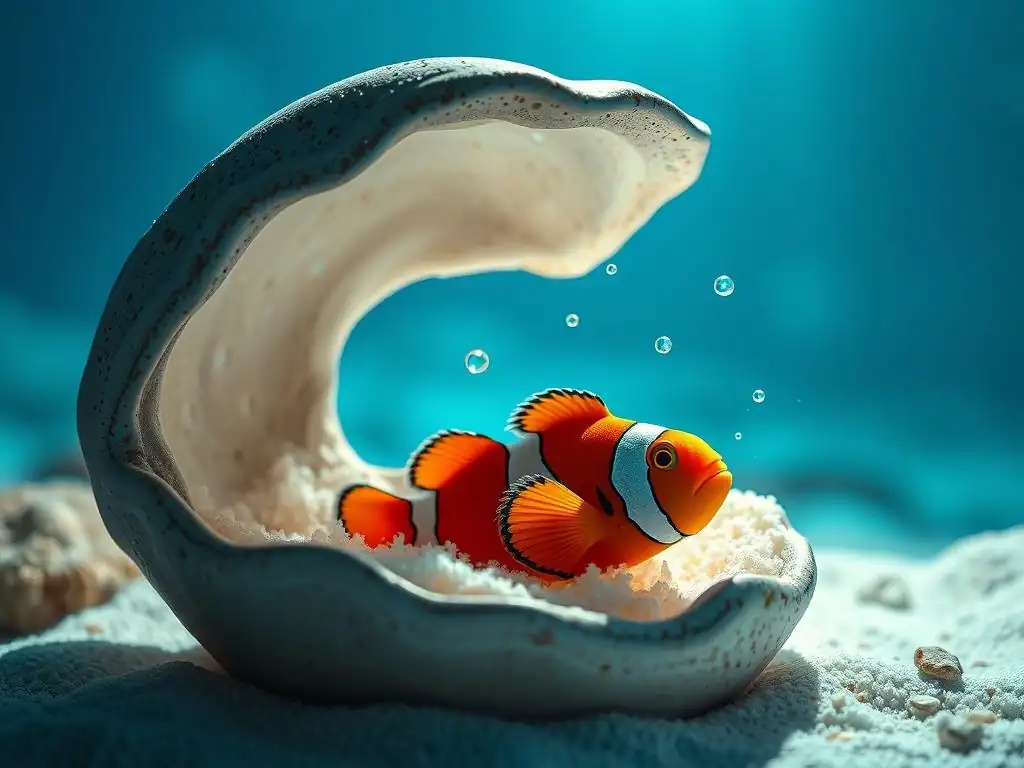
Artificial reef structures can be invaluable tools for promoting spawning in reluctant saltwater spawners, offering consistent and controlled spawning sites. Unlike live rock, which can be unpredictable in shape and surface, artificial structures can be designed with specific features that cater to the breeding habits of target species. For instance, ceramic spawning cones or tiles are widely used for clownfish, providing a smooth, easily cleaned surface for egg adhesion.
PVC pipes or specially designed ceramic caves can mimic natural crevices for cave-spawning fish. For species that broadcast spawn in open water but need cover, well-placed artificial branching corals or reef structures can provide a sense of security and reduce aggression. These structures are often easier to clean and manage in a breeding setup, allowing for better egg collection and protection from predators, contributing to higher larval yields.
Implementing Water Changes to Mimic Natural Spawning Triggers
Strategic water changes can serve as powerful environmental cues, mimicking natural phenomena that trigger spawning in the wild. A large, sudden water change (e.g., 20-30% of tank volume) can simulate heavy rainfall or a significant tidal influx, which for many coastal or reef species marks a change in season or a prime spawning opportunity. This influx of fresh, clean water also helps to remove accumulated inhibitory pheromones or metabolic waste products that might be suppressing spawning.
For some species, a slight reduction in salinity (by 0.001-0.002 specific gravity) during a water change, followed by a gradual return to normal, can mimic estuarine conditions that trigger breeding. The key is consistency and observation; maintaining a regular water change schedule (e.g., weekly or bi-weekly) can establish a rhythm that fish respond to. This method is a simple yet often effective aspect of reluctant saltwater spawners troubleshooting, as it directly impacts water chemistry and perceived environmental stability.
Monitoring and Recording Spawning Behavior
Keeping Detailed Records of Water Parameters and Spawning Attempts
Meticulous record-keeping is an indispensable tool for reluctant saltwater spawners troubleshooting. A detailed logbook should include daily or weekly readings of all critical water parameters: temperature, salinity (specific gravity), pH, alkalinity, calcium, magnesium, ammonia, nitrite, and nitrate. Any changes made to the system, such as water changes, filter maintenance, or new additions, should also be noted.
Crucially, every observed courtship behavior, spawning attempt, or actual spawning event must be recorded, including the date, time, and duration. Note any environmental conditions preceding the event (e.g., recent water change, feeding increase). Over time, these records will reveal patterns, correlations, and potential triggers or inhibitors, allowing the aquarist to fine-tune conditions and replicate successful scenarios. For instance, if spawning consistently occurs after a specific feeding regimen or a particular temperature fluctuation, this data becomes invaluable.
Using Video Monitoring to Observe Spawning Patterns
For shy or nocturnal reluctant saltwater spawners, or those with subtle courtship rituals, video monitoring can provide invaluable insights that direct observation might miss. A discreet camera set up to record during specific periods (e.g., dawn, dusk, or overnight) can capture complex spawning behaviors without disturbing the fish. Many species are more likely to spawn when they feel unobserved.
Reviewing video footage can reveal precise spawning times, specific positions or substrates used, the duration of courtship, and the exact sequence of events leading to egg release. This can help identify if a pair is indeed compatible, if the male is fertilizing the eggs, or if specific environmental cues are being missed. For example, a camera might reveal that clownfish are spawning precisely 30 minutes after the lights come on, allowing the aquarist to optimize observation or egg collection times.
Case Studies: Successful Spawning of Reluctant Saltwater Species
Case Study 1: Overcoming Mandarinfish Spawning Reluctance
A dedicated aquarist aimed to breed Mandarinfish (Synchiropus splendidus), notoriously reluctant saltwater spawners. The initial 50-gallon breeding tank, while mature, wasn't producing consistent spawns from a known male-female pair. The primary challenge was identified as insufficient live copepod availability and a lack of a truly "mature" system.
Troubleshooting & Solution: The aquarist integrated a large, heavily lit 20-gallon refugium plumbed directly into the breeding tank, cultivating a diverse population of Tisbe and Tigriopus copepods using phytoplancton. Daily feeding of concentrated live copepods, approximately 500-1000 copepods per fish, was implemented, along with a supplemental diet of enriched frozen mysis shrimp twice a day. A consistent 14-hour photoperiod was maintained, with a very dim blue light simulating moonlight for 2 hours after the main lights went off.
Within three months, the pair began spawning consistently every 2-3 nights, typically 30 minutes after lights out, releasing a small but viable clutch of pelagic eggs. The increased live food availability and mature, stable microenvironment were key.
Case Study 2: Encouraging Seahorse (Hippocampus reidi) Spawning
A pair of Hippocampus reidi seahorses in a 30-gallon species-only tank were healthy but showed no signs of breeding, despite being sexually mature. They were considered reluctant saltwater spawners in this setup. The tank had live rock and some artificial plants, but no specific structures for courtship.
Troubleshooting & Solution: The aquarist observed that the seahorses often struggled to find suitable vertical holdfasts for their courtship dance. The aquascape was reconfigured to include several tall, branching artificial corals and a "seahorse tree" made of PVC pipes covered in epoxy, providing numerous secure vertical perching and grasping points. The feeding regimen was intensified to three small meals daily of live, gut-loaded mysis shrimp, ensuring peak nutritional conditioning.
Water flow was reduced to a bare minimum to prevent stress during courtship, and a consistent temperature of 75°F (24°C) was maintained. Within six weeks, the male began to pouch up, and the pair successfully bred, producing a clutch of viable fry. The specific environmental modification for courtship and enhanced live feeding were critical to overcoming their reluctance.
Preventing Future Spawning Problems
Implementing a Proactive Breeding Program
Preventing future spawning problems in reluctant saltwater spawners begins with a proactive breeding program. This involves selecting healthy, genetically diverse broodstock from reputable sources, ensuring they are free from disease and deformities. From the outset, these fish should be housed in a dedicated breeding system that is optimized for their specific needs, rather than attempting to breed them in a general display tank.
A proactive program also includes consistent, high-quality nutrition tailored for breeding fish, regular water parameter monitoring, and meticulous record-keeping. Establishing a routine for water changes, feeding, and observation helps maintain stable conditions and allows for early detection of any issues. By focusing on preventative measures and providing ideal conditions from the very beginning, aquarists can significantly increase the likelihood of consistent spawning and reduce the need for extensive reluctant saltwater spawners troubleshooting down the line.
Maintaining a Healthy and Stress-Free Environment
The cornerstone of preventing future spawning issues is to consistently maintain a healthy and stress-free environment for the breeding pair. Chronic stress is a primary inhibitor of reproduction in marine fish, diverting energy from gonadal development and gamete production. This involves ensuring pristine water quality with stable parameters (temperature, salinity, pH, alkalinity, and minimal nitrates) through regular maintenance and robust filtration.
Furthermore, the physical environment must be tailored to the species' needs, offering appropriate tank size, sufficient hiding spots, and suitable spawning substrates. Compatible tank mates are crucial; aggressive or overly active fish can constantly stress a breeding pair. By minimizing external disturbances, providing a diverse and enriched diet, and ensuring all environmental factors are optimized, aquarists can create a sanctuary where fish feel secure enough to engage in the delicate process of reproduction, thereby mitigating the reoccurrence of reluctant saltwater spawners troubleshooting challenges.
Conclusion: Achieving Success with Reluctant Saltwater Spawners
Overcoming the challenges presented by reluctant saltwater spawners is a deeply rewarding aspect of advanced marine aquariculture. It requires a comprehensive approach that goes beyond basic husbandry, delving into the intricate details of species-specific needs, environmental triggers, and nutritional science. Success hinges on meticulous observation, systematic troubleshooting, and an unwavering commitment to providing an optimal, stress-free environment.
From fine-tuning water parameters and light cycles to offering a specialized diet rich in live foods and essential supplements, every factor plays a role. Addressing social dynamics and creating the perfect aquascape for spawning further enhances the chances of success. While some species may require advanced techniques like hormonal conditioning, for most aquarists, patience, diligent record-keeping, and a proactive approach to maintaining pristine conditions will yield the desired results. Ultimately, understanding and responding to the subtle cues of these fascinating creatures transforms the challenge of reluctant saltwater spawners troubleshooting into a profound journey of discovery and mastery.
Frequently Asked Questions
What are some common reasons why saltwater fish might be reluctant to spawn in an aquarium?
Stress, poor water quality, and improper tank parameters are major factors. Diet deficiencies and a lack of suitable spawning sites can also contribute.
How can I improve the water quality to encourage saltwater spawning?
Regular water changes are crucial. Monitor and maintain ideal levels of ammonia, nitrite, and nitrate. Ensure proper filtration and stable salinity.
What are some key environmental factors that can influence saltwater fish spawning?
Consider temperature, light cycle, and water flow. Mimicking natural spawning cues like a slight temperature increase or full moon cycles can be beneficial.
What kind of diet should I provide to encourage successful saltwater spawning?
Offer a varied diet rich in live and frozen foods. Include foods high in essential fatty acids and vitamins, especially those promoting gonadal development.
Where can I find specific information about the spawning requirements of my particular saltwater species?
AquariumMastery.com and other reputable aquarium resources offer species profiles. These profiles typically detail the specific environmental and dietary needs for successful breeding.
Final Reflection: Nurturing Life's Delicate Dance
The challenges we face in coaxing reluctant saltwater spawners to reproduce are not merely technical hurdles; they mirror the delicate balance of ecosystems and the profound responsibility we bear as custodians of marine life. The insights shared throughout this article underscore the importance of meticulous observation, adaptive strategies, and a deep respect for the intricate needs of these fascinating creatures, reminding us that success lies not just in achieving spawning, but in fostering a thriving and sustainable environment.
This journey into the world of saltwater aquarium breeding has profoundly shaped my understanding of patience and perseverance. It's a reminder that even in controlled environments, nature retains its inherent unpredictability and that our role is to facilitate, not force, its processes. The best way to find yourself is to lose yourself in the service of others.
- Mahatma Gandhi. This quote resonates deeply, as the dedication required to overcome the challenges of reluctant spawners ultimately enriches not only our understanding of marine biology but also our connection to the natural world.
Now, I invite you to reflect on your own relationship with the natural world. How can you apply the principles of patience, observation, and adaptation, learned from the challenges of reluctant saltwater spawners troubleshooting, to other areas of your life? Consider how you can contribute to the preservation of marine ecosystems, whether through responsible aquarium keeping, supporting conservation efforts, or simply spreading awareness. The future of these magnificent creatures, and indeed the health of our planet, depends on our collective commitment to understanding and protecting the delicate dance of life.
Ignite the Spark: Unlock Your Saltwater Breeding Potential!
Thank you for diving deep into the world of saltwater breeding! We hope this article has equipped you with the knowledge to tackle even the most reluctant spawners. Now, let's put that knowledge into action and witness the miracle of life in your own aquarium.
- Commit to action: Prioritize one specific adjustment discussed in the article (e.g., precise lighting adjustments, live food enrichment) and implement it this week.
- Share your experiences! Start a thread on the Aquarium Mastery forum detailing your breeding journey – the challenges, successes, and observations.
- Experiment! Try introducing an uncommon variable to your spawning setup, like a specific macroalgae or unique water flow pattern, and document the results.
What seemingly insurmountable obstacle will you conquer first in your saltwater breeding adventure?