
Raising *Cyprichromis* Fry: Tips for Success with These Delicate Young

Welcome to Aquarium Mastery!
Ever wondered how to unlock the secrets to successfully raising delicate Cyprichromis fry? These stunning fish require specialized care from the very beginning, and we're here to guide you. Dive in and discover proven Cyprichromis fry rearing tips that will help you nurture these beautiful fish from tiny fry to thriving adults. Learn what it takes to provide the perfect environment and diet – and prepare to be amazed by the results! Let's get started...
- Raising Cyprichromis leptosoma Fry: Tips for Success with These Delicate Young
- Introduction to Cyprichromis leptosoma Fry Rearing
- Essential Water Parameters for Cyprichromis leptosoma Fry Development
- Setting Up a Dedicated Cyprichromis leptosoma Fry Tank
- Feeding Cyprichromis leptosoma Fry: A Nutritional Guide
- Preventing Diseases and Maintaining Fry Health
- Monitoring Growth and Development of Your Cyprichromis leptosoma Fry
- Transitioning Fry to Larger Tanks
- Advanced Tips for Maximizing Cyprichromis leptosoma Fry Survival Rates
- Troubleshooting Common Cyprichromis leptosoma Fry Rearing Problems
- Conclusion: Achieving Success in Cyprichromis leptosoma Fry Rearing
- Frequently Asked Questions
- Final Reflection: Nurturing Life's Delicate Beginnings
- Nurture Your *Cyprichromis* Joy!
Raising Cyprichromis leptosoma Fry: Tips for Success with These Delicate Young
Introduction to Cyprichromis leptosoma Fry Rearing
Understanding the Challenges of Raising Cyprichromis leptosoma Fry
Raising Cyprichromis leptosoma fry presents a unique set of challenges compared to many other cichlid species. These open-water dwelling cichlids from Lake Tanganyika are mouthbrooders, meaning the female carries the eggs and then the fry in her mouth for an extended period, typically 3-4 weeks. While this parental care offers initial protection, once the fry are released, their small size and specific environmental requirements demand meticulous attention to detail. Successfully navigating these early stages is paramount, making effective Cyprichromis fry rearing tips essential for any aquarist hoping to breed these elegant fish.
The primary hurdles often revolve around maintaining pristine water quality, providing appropriately sized and nutritious food, and preventing the myriad of diseases that can quickly decimate a batch of vulnerable fry. Unlike some hardier cichlid fry, Cyprichromis leptosoma juveniles are highly sensitive to fluctuations in water parameters and the presence of even low levels of ammonia or nitrite. Their initial size also dictates very specific feeding strategies, as they cannot consume larger food items, necessitating the culture of live, microscopic organisms.
Why Cyprichromis leptosoma Fry are Considered Delicate
Cyprichromis leptosoma fry are considered delicate primarily due to their minute size at birth and their inherent sensitivity to environmental conditions. When first released by the female, these fry are typically only about 4-6 millimeters (0.16-0.24 inches) long, making them significantly smaller than the fry of many other cichlids. This diminutive stature means they require extremely fine, high-protein foods that are readily available in the water column, as they are not bottom feeders. The success of Cyprichromis fry rearing tips often hinges on this precise nutritional delivery.
Furthermore, their natural habitat in Lake Tanganyika, known for its remarkably stable and pristine water chemistry, has instilled in them a low tolerance for deviations. Any sudden shifts in pH, temperature, or the accumulation of metabolic waste products can quickly lead to stress, disease, and high mortality rates. Their delicate gill structures are particularly susceptible to ammonia and nitrite poisoning, which can occur rapidly in even slightly neglected fry tanks. Therefore, rigorous attention to water quality management is not just recommended but absolutely critical for the survival and healthy development of these young fish.
Essential Water Parameters for Cyprichromis leptosoma Fry Development
Maintaining Optimal Water Chemistry for Fry Growth
Maintaining optimal water chemistry is perhaps the single most important factor in the successful growth and survival of Cyprichromis leptosoma fry. These fish originate from Lake Tanganyika, which is characterized by very stable, hard, and alkaline water. Replicating these conditions is crucial for the fry, as their delicate systems are highly intolerant of fluctuations.
Ideal parameters for Cyprichromis fry rearing tips include a pH range of 8.0 to 9.0, with 8.2-8.6 being a commonly recommended sweet spot. The water should also be hard, with a General Hardness (GH) of 10-20 dGH and a Carbonate Hardness (KH) of 15-20 dKH. These levels provide essential minerals and buffering capacity, preventing dangerous pH swings.
Constant monitoring of these parameters using reliable test kits is indispensable. Ammonia and nitrite levels must remain at absolute zero, as even trace amounts are highly toxic to fry. Nitrate levels should be kept below 20 ppm, ideally much lower, through regular water changes. Many successful aquarists advocating for effective Cyprichromis fry rearing tips emphasize the use of a remineralizer specifically designed for Tanganyikan cichlids if tap water is soft, to ensure the water consistently meets these specific hardness and alkalinity requirements.
The Importance of Water Changes in Cyprichromis leptosoma Fry Tanks
Regular and consistent water changes are the cornerstone of successful Cyprichromis leptosoma fry rearing, directly contributing to maintaining the pristine water quality these delicate young require. Due to their small size and the frequent feedings necessary for rapid growth, waste products can accumulate quickly, leading to dangerous spikes in ammonia and nitrite. Small, daily water changes, typically 10-20% of the tank volume, are far more beneficial than larger, less frequent ones, as they minimize stress from drastic parameter shifts while effectively removing toxins.
When performing water changes, it is crucial to match the temperature and pH of the fresh water as closely as possible to the tank water to prevent shock. Using a dedicated siphon that allows for slow, controlled removal of water and detritus from the bottom of the tank, without disturbing the fry, is also highly recommended.
For instance, using a small air line tubing to gently vacuum the bottom can effectively remove uneaten food and waste. Adhering to a strict water change schedule is one of the most fundamental Cyprichromis fry rearing tips that can significantly improve survival rates and promote robust growth.
Temperature and pH Considerations for Healthy Fry
Temperature and pH are two critical environmental factors that directly influence the health, metabolism, and development of Cyprichromis leptosoma fry. The ideal temperature range for Cyprichromis fry is between 24°C and 27°C (75°F to 80°F). Maintaining a stable temperature within this range is vital, as fluctuations can cause significant stress, weaken their immune systems, and make them more susceptible to disease. A reliable heater with a thermostat is essential to ensure consistent conditions, especially in rooms with varying ambient temperatures.
Equally important is the maintenance of a stable, high pH. As discussed, Lake Tanganyika water is naturally alkaline, with a pH typically ranging from 8.0 to 9.0. For fry, a pH around 8.2-8.6 is optimal.
While it's important to be within this range, consistency is paramount; sudden shifts of even 0.2-0.3 pH units can be detrimental. Aquarists often use crushed coral or aragonite in the substrate or filter media to help buffer the water and maintain a stable high pH. Regularly testing both temperature and pH, ideally daily for the first few weeks, allows for prompt adjustments and is a key component of effective Cyprichromis fry rearing tips.
Setting Up a Dedicated Cyprichromis leptosoma Fry Tank
Tank Size and Dimensions for Raising a Batch of Fry
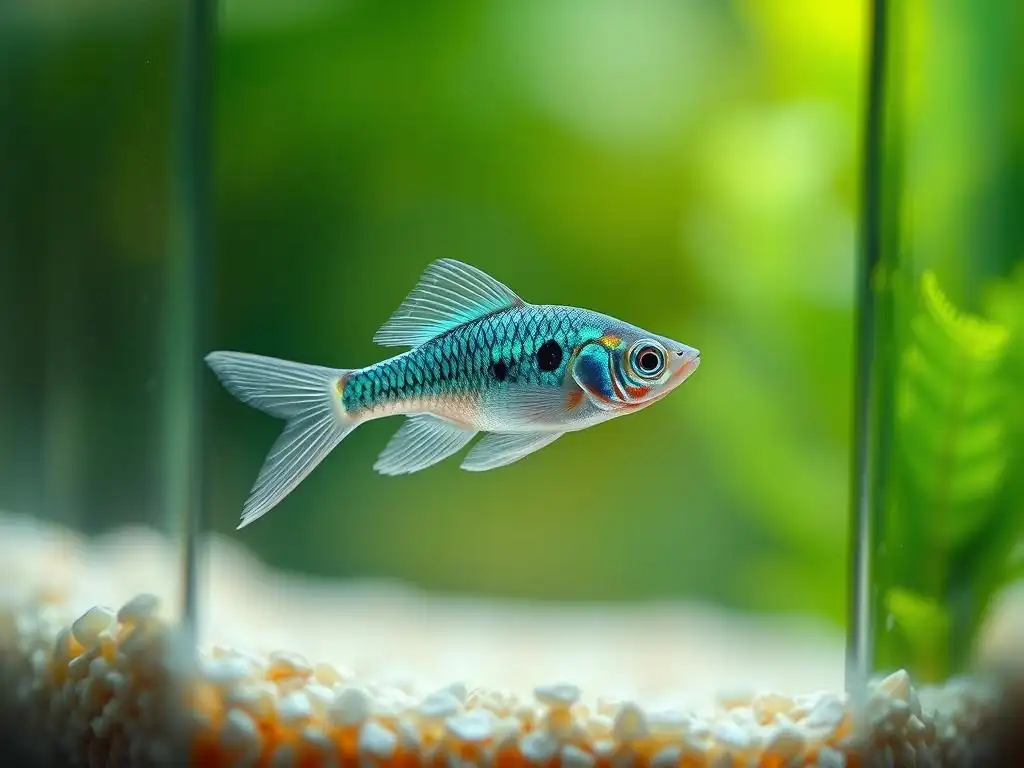
Selecting the appropriate tank size and dimensions is a critical initial step in setting up an environment conducive to successful Cyprichromis leptosoma fry rearing. While these fry are small, overcrowding can quickly lead to stunted growth, increased aggression, and poor water quality. For a single batch of Cyprichromis leptosoma fry (which can number anywhere from 10 to 40 individuals, depending on the female's size and age), a 10-gallon (approximately 38-liter) or 20-gallon (approximately 75-liter) long tank is generally recommended. A longer tank offers more swimming space and a larger surface area for gas exchange, which is beneficial for oxygenation.
The choice between a 10-gallon and a 20-gallon tank often depends on the expected number of fry and the duration they will remain in this initial setup. For instance, if you anticipate a larger batch or plan to keep them in the fry tank for several months before transitioning, a 20-gallon tank provides more stability and growing room. This allows for better dispersion of waste and more consistent water parameters, which are crucial Cyprichromis fry rearing tips for preventing stress and promoting healthy development.
Filtration Systems Suitable for Delicate Fry
Choosing the right filtration system for a Cyprichromis leptosoma fry tank is paramount to maintaining clean water without posing a threat to the tiny fish. Powerful hang-on-back filters or canister filters with strong currents are generally unsuitable, as the fry can easily be sucked in or stressed by the flow. The preferred method for delicate fry tanks, widely endorsed by experts on Cyprichromis fry rearing tips, is the use of sponge filters.
Sponge filters provide gentle mechanical filtration by trapping particulate matter and excellent biological filtration by offering a large surface area for beneficial bacteria to colonize. They are powered by an air pump, creating a gentle current that is safe for even the smallest fry.
For a 10-20 gallon fry tank, one or two appropriately sized sponge filters should provide sufficient filtration. It's also advisable to "seed" a new sponge filter by placing it in an established, healthy aquarium for a week or two before moving it to the fry tank, ensuring it has a robust colony of nitrifying bacteria from day one.
Substrate and Decoration Options for Fry Tanks
When setting up a dedicated Cyprichromis leptosoma fry tank, simplicity and functionality should guide your choices for substrate and decorations. A bare-bottom tank is often preferred by many aquarists focused on efficient Cyprichromis fry rearing tips. This makes cleaning significantly easier, allowing for the complete removal of uneaten food and waste, which is crucial for maintaining pristine water quality. A bare bottom also makes it easier to observe the fry and monitor their health and feeding behavior.
If a substrate is desired for aesthetic reasons or to provide additional buffering capacity, a very thin layer (less than 1 cm or 0.4 inches) of fine aragonite sand or crushed coral can be used. However, this necessitates more diligent siphoning to prevent detritus buildup. For decorations, minimal is best.
A few small, smooth rocks or PVC pipes can provide hiding spots and security for the fry without impeding water flow or making cleaning difficult. Avoid any sharp or rough decorations that could injure the delicate fry. The primary goal is to create a safe, clean, and easily maintainable environment that prioritizes the fry's well-being over elaborate aesthetics.
Feeding Cyprichromis leptosoma Fry: A Nutritional Guide
The Best First Foods for Newly Hatched Fry
The initial feeding stage is arguably the most critical aspect of Cyprichromis leptosoma fry rearing, as their tiny mouths and rapid growth demand highly nutritious, appropriately sized food. The undisputed best first food for newly hatched Cyprichromis leptosoma fry is freshly hatched baby brine shrimp (Artemia nauplii). These live organisms are packed with protein and essential fatty acids, and their jerky swimming motion triggers the fry's feeding response. They are small enough for even the smallest fry to consume immediately upon release from the mother's mouth.
It is crucial to hatch brine shrimp daily to ensure a constant supply of newly hatched nauplii, as their nutritional value diminishes rapidly within 24 hours of hatching. A simple brine shrimp hatchery setup, consisting of a cone-shaped container, an air pump, and a light source, can produce a continuous supply. For instance, a 2-liter soda bottle inverted can serve as an effective hatchery. Feeding only newly hatched brine shrimp for the first 1-2 weeks will significantly boost Cyprichromis fry rearing tips success by providing the essential nutrients for rapid early development.
Live Foods vs. Prepared Foods for Cyprichromis leptosoma Fry
When it comes to feeding Cyprichromis leptosoma fry, live foods generally hold a significant advantage over prepared foods, especially in the early stages. Live foods such as newly hatched baby brine shrimp, microworms, and cyclops nauplii offer superior nutritional profiles, are highly digestible, and their movement actively stimulates the fry's predatory instincts, encouraging consistent feeding. For instance, baby brine shrimp are typically around 0.4-0.5 mm in length, perfectly sized for Cyprichromis fry. The success rate with live foods, particularly brine shrimp, is dramatically higher for the first few weeks of life.
While live foods are paramount initially, as the fry grow (typically after 2-3 weeks, when they reach about 1 cm or 0.4 inches), finely crushed high-quality flake food or specialized cichlid fry pellets can be introduced. However, these should be offered in conjunction with live foods, not as a complete replacement. The key is to ensure the prepared food is ground to an extremely fine powder that the fry can easily ingest. Over-reliance on prepared foods too early can lead to nutritional deficiencies and digestive issues, which are common pitfalls that effective Cyprichromis fry rearing tips aim to avoid.
Feeding Frequency and Quantity for Optimal Growth
Optimal growth and high survival rates for Cyprichromis leptosoma fry are heavily dependent on frequent, small feedings. Due to their rapid metabolism and small stomach capacity, fry need to be fed multiple times a day to sustain their growth and energy levels. For newly released fry, it is recommended to feed them 4 to 6 times daily, or even more frequently, every 2-3 hours during daylight hours.
Each feeding should consist of a small amount of food that can be consumed within 5-10 minutes. Overfeeding, while seemingly beneficial, can quickly foul the water and lead to dangerous ammonia spikes, which are fatal to fry.
The quantity of food per feeding should be just enough to see their bellies slightly rounded, but not distended. A common practice among those providing successful Cyprichromis fry rearing tips is to observe the fry closely after feeding; if food remains on the bottom after 15 minutes, the quantity was too much. As the fry grow larger (e.g., after a month or two), the feeding frequency can gradually be reduced to 3-4 times a day, and the quantity per feeding can slightly increase. Consistent, measured feeding is a cornerstone of robust fry development.
Culturing Live Foods for Cyprichromis leptosoma Fry: Baby Brine Shrimp and Microworms
Culturing live foods at home is an indispensable practice for anyone serious about successful Cyprichromis leptosoma fry rearing, ensuring a consistent supply of highly nutritious, appropriately sized meals. Baby brine shrimp (Artemia nauplii) are the cornerstone of a fry's diet and are relatively easy to culture. A simple setup involves a cone-shaped container (like an inverted 2-liter soda bottle), saltwater (typically 1.020-1.025 specific gravity), and an air pump for aeration. Brine shrimp eggs typically hatch within 24-36 hours at temperatures between 25-28°C (77-82°F), providing a fresh batch daily.
Microworms are another excellent live food option, particularly beneficial for their continuous culture and ease of harvesting. They are nematode worms (Panagrellus redivivus) that are rich in protein and are small enough for newly hatched fry, though slightly larger than brine shrimp. Microworms can be cultured in a simple container with a substrate of oatmeal or cornmeal slurry, inoculated with a starter culture.
They reproduce rapidly and can be harvested by simply scraping them off the sides of the culture container. Incorporating the routine culture of these live foods is one of the most impactful Cyprichromis fry rearing tips for maximizing fry health and growth.
Preventing Diseases and Maintaining Fry Health
Common Diseases Affecting Cyprichromis leptosoma Fry
Cyprichromis leptosoma fry, like all delicate young fish, are highly susceptible to a range of diseases, primarily due to their immature immune systems and sensitivity to environmental stressors. The most common ailments affecting them are often linked to poor water quality or inadequate nutrition. Bacterial infections, such as fin rot or columnaris (cotton mouth disease), frequently manifest when ammonia or nitrite levels are elevated, or when uneaten food decays in the tank. Symptoms include frayed fins, white patches, or lethargy.
Ich (white spot disease), caused by the parasite Ichthyophthirius multifiliis, is another prevalent threat, particularly if new fish are introduced without quarantine or if temperature fluctuations stress the fry. This presents as small white spots resembling salt grains on the body and fins. Fungal infections can also occur, often appearing as fuzzy white growths on the skin or fins, usually as a secondary infection following injury or stress. Understanding these common threats and implementing preventative Cyprichromis fry rearing tips centered on pristine water and stable conditions is crucial for minimizing disease outbreaks.
Quarantine Procedures for New Fry
While the concept of "new fry" often implies they are born in your tank, if you ever acquire Cyprichromis leptosoma fry from another source, or if you are transitioning fry from a breeding tank to a grow-out tank where other fish might be present, proper quarantine procedures are absolutely essential. This proactive measure prevents the introduction of diseases or parasites from external sources into your main fry rearing setup or established tanks. A dedicated quarantine tank, often a simple 5-10 gallon (19-38 liter) setup with a sponge filter and heater, should be used.
Any new fry should spend a minimum of two to four weeks in this quarantine tank, during which time they should be closely observed for any signs of illness, unusual behavior, or parasites. During this period, strict water quality management is maintained, and small, frequent water changes are performed. No new fish or equipment should be introduced to the quarantine tank. This rigorous approach, while requiring patience, is a non-negotiable Cyprichromis fry rearing tip for safeguarding the health of your entire fish population and preventing devastating disease outbreaks.
Using Medications Safely in Fry Tanks
Using medications in Cyprichromis leptosoma fry tanks requires extreme caution, as young fish are significantly more sensitive to chemicals than adults. Many common fish medications, particularly those containing copper or strong dyes, can be highly toxic to fry, leading to organ damage, stunted growth, or even immediate mortality. Therefore, the first line of defense against disease should always be prevention through excellent water quality and optimal nutrition. If medication becomes absolutely necessary, it should be a last resort after all other solutions have been exhausted.
Before administering any medication, carefully research its safety for fry and always start with a reduced dosage, typically half of the recommended adult dose, observing the fry for adverse reactions. For instance, some mild antibacterial medications or salt baths (non-iodized aquarium salt, 1-2 teaspoons per gallon) might be tolerated for specific issues, but even these should be used judiciously.
It is also crucial to remove carbon filtration during treatment, as it will absorb the medication. Consulting with an experienced aquarist or veterinarian specializing in aquatic animals before medicating is one of the most important Cyprichromis fry rearing tips to prevent unintended harm.
Monitoring Growth and Development of Your Cyprichromis leptosoma Fry
Recognizing Signs of Healthy Growth
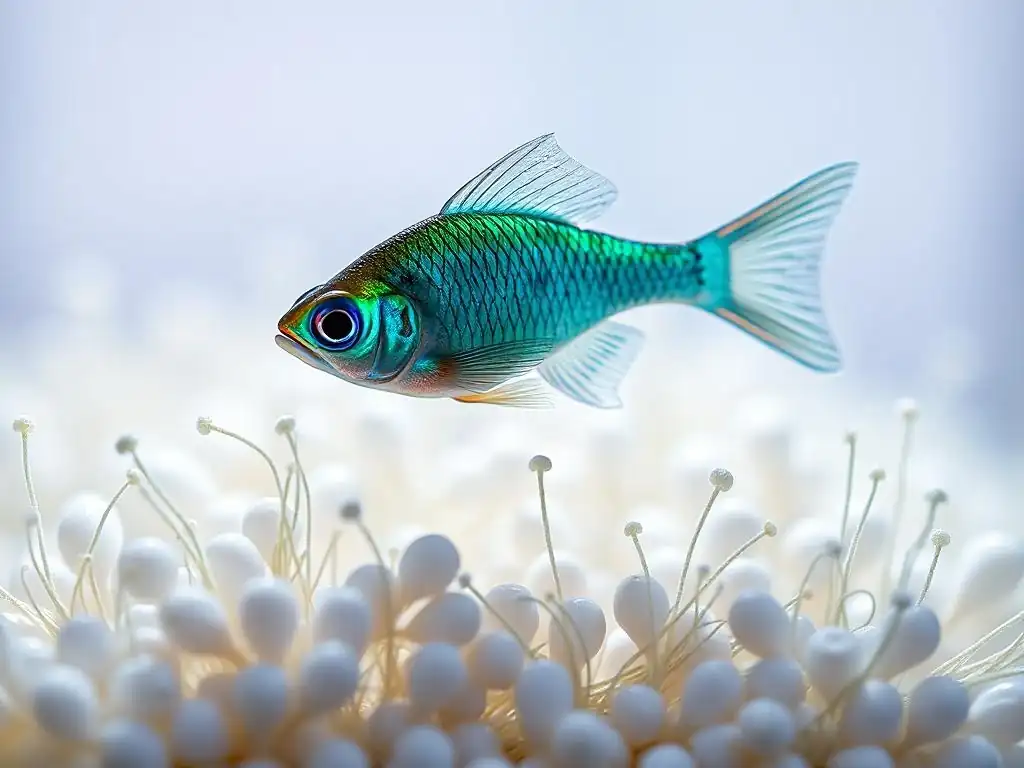
Recognizing signs of healthy growth in your Cyprichromis leptosoma fry is crucial for assessing the effectiveness of your rearing efforts and making timely adjustments. Healthy fry will exhibit consistent, steady growth, increasing noticeably in size week by week. For instance, newly released fry at 4-6mm should typically reach 1.0-1.5 cm (0.4-0.6 inches) within their first month with optimal care. They should have well-formed bodies, clear eyes, and intact, unfrayed fins. Their coloration, while initially subdued, should gradually develop, showing the characteristic patterns of their species.
Beyond physical size, healthy fry are active and alert. They will readily dart for food when offered, and their swimming behavior should be fluid and coordinated, without any signs of labored breathing or erratic movements. A good indicator is their appetite; healthy fry are always eager to eat. Observing these behaviors and physical attributes regularly allows you to gauge their well-being and is a fundamental aspect of successful Cyprichromis fry rearing tips.
Identifying and Addressing Stunted Growth
Stunted growth in Cyprichromis leptosoma fry is a serious issue that, if not addressed promptly, can lead to permanently undersized, weakened, and short-lived fish. Stunting occurs when fry fail to grow at a normal rate, often appearing significantly smaller than their siblings of the same age, sometimes with disproportionately large heads or eyes compared to their bodies. Common causes include chronic poor water quality (even low levels of ammonia or nitrite over time), inadequate nutrition (insufficient quantity or quality of food), overcrowding, or persistent stress.
To address stunted growth, the first step is to meticulously review and rectify all aspects of your Cyprichromis fry rearing tips protocol. This includes increasing the frequency and volume of water changes to ensure pristine conditions, evaluating the feeding regimen to ensure sufficient high-quality live foods are provided multiple times a day, and reducing the population density if overcrowding is an issue. Sometimes, isolating stunted individuals into a separate, clean tank with optimal conditions and focused feeding can help them catch up, though severe stunting may be irreversible.
Tracking Fry Development Through Visual Observation
Regular visual observation is an invaluable, non-invasive method for tracking the development of your Cyprichromis leptosoma fry and is a cornerstone of effective Cyprichromis fry rearing tips. Daily inspection allows aquarists to monitor growth rates, identify any signs of illness or stress, and assess feeding success. Take a few minutes each day to simply watch your fry. Are they actively swimming? Are they consuming food readily? Do their bellies appear full after feeding? Are their fins extended and intact?
Pay attention to their size progression. While exact measurements are difficult, you can note their relative growth week by week. For instance, after about two weeks, you should notice a significant increase in their overall body mass and length, perhaps reaching 7-8mm.
As they approach one month, they should be clearly recognizable as miniature Cyprichromis, exhibiting more defined body shapes and fin development. Any deviations from normal behavior, such as lethargy, clamped fins, or refusal to eat, should immediately trigger a check of water parameters and a review of your care routine. Consistent, keen observation empowers you to intervene early, often preventing minor issues from escalating into major problems.
Transitioning Fry to Larger Tanks
When to Move Fry to a Grow-Out Tank
Determining the optimal time to move Cyprichromis leptosoma fry to a larger grow-out tank is a crucial decision in their development, balancing the need for more space with their continued delicacy. Generally, Cyprichromis fry are ready for transition when they reach a size of approximately 1.5 to 2.0 centimeters (0.6 to 0.8 inches) in length, which typically occurs around 2 to 3 months of age, assuming optimal growth conditions. At this size, they are more robust, less susceptible to being preyed upon by larger tank mates (if applicable), and better equipped to handle slight environmental variations.
Moving them too early can stress them unnecessarily, while delaying the move can lead to overcrowding, stunted growth, and increased aggression within the fry group. The chosen grow-out tank should be significantly larger than the initial fry tank, ideally 20 gallons (75 liters) or more, depending on the number of fry. This provides ample swimming space, allows for more stable water parameters, and reduces waste accumulation, all of which contribute to continued healthy development. This timing is a key aspect of advanced Cyprichromis fry rearing tips for long-term success.
Acclimation Procedures for Moving Fry
Proper acclimation is paramount when moving Cyprichromis leptosoma fry from their initial rearing tank to a larger grow-out tank to minimize stress and prevent shock. A sudden change in water parameters, even if both tanks are maintained optimally, can be detrimental to their delicate systems. The drip acclimation method is highly recommended for its gradual approach, allowing the fry to slowly adjust to the new water chemistry.
To perform drip acclimation, first, siphon a small amount of water from the fry tank into a separate container with the fry. Then, set up an airline tube with a knot or control valve to slowly drip water from the new grow-out tank into the container with the fry. The drip rate should be very slow, perhaps 1-2 drops per second, aiming to double the volume of water in the fry container over a period of 1-2 hours.
Once the volume has doubled, gently net the fry and release them into the grow-out tank, discarding the old water. This meticulous process ensures a smooth transition and is a vital component of successful Cyprichromis fry rearing tips.
Maintaining Consistent Water Parameters During the Transition
Maintaining consistent water parameters throughout the transition process is arguably the most critical aspect of successfully moving Cyprichromis leptosoma fry to a larger tank. Even with careful drip acclimation, if the parameters of the grow-out tank are significantly different from the initial fry tank, the stress on the young fish can be immense. Before initiating the move, it is imperative to ensure that the pH, temperature, GH, and KH of the grow-out tank are as close as possible to those of the fry tank. Ideally, they should be identical.
This often means preparing the grow-out tank well in advance, allowing it to cycle fully and stabilize its water chemistry. Regular testing of both tanks in the days leading up to the transfer is essential to confirm parameter alignment. For instance, if the fry tank has a pH of 8.4 and the grow-out tank is at 8.0, adjustments must be made to bring them into closer alignment before the transfer. Consistency minimizes osmotic shock and allows the fry to adapt without compromising their health, cementing its place as a top Cyprichromis fry rearing tip during this critical phase.
Advanced Tips for Maximizing Cyprichromis leptosoma Fry Survival Rates
Implementing a Regular Cleaning Schedule
Implementing a rigorous and regular cleaning schedule is an advanced, yet fundamental, tip for maximizing Cyprichromis leptosoma fry survival rates. While daily water changes are essential, thorough cleaning goes beyond that. Because fry are fed frequently with small, often live, foods, detritus can accumulate rapidly on the tank bottom and within the filter media. This decaying organic matter directly contributes to ammonia and nitrite spikes, even in well-filtered tanks, and can harbor harmful bacteria.
A comprehensive cleaning schedule should include daily siphoning of the tank bottom to remove uneaten food and waste, being careful not to disturb the fry. Weekly, or bi-weekly depending on tank size and stocking density, the sponge filters should be gently rinsed in old tank water (never tap water, which can kill beneficial bacteria) to remove trapped debris without compromising the bacterial colony.
Regularly wiping down the tank glass also prevents algae buildup, ensuring clear visibility for observation. This meticulous approach to cleanliness is one of the most impactful Cyprichromis fry rearing tips for maintaining a pristine, healthy environment crucial for delicate fry.
Optimizing Lighting Conditions for Fry Health
Optimizing lighting conditions for Cyprichromis leptosoma fry health is an often-overlooked but important aspect of successful rearing. While Cyprichromis adults prefer subdued lighting in their natural open-water habitat, fry benefit from a consistent and moderate light cycle. A photoperiod of 10-12 hours of light followed by 12-14 hours of darkness is generally recommended. This consistent cycle helps establish a natural circadian rhythm for the fry, promoting healthy development and reducing stress.
Avoid overly bright lighting, which can be stressful for the fry and encourage excessive algae growth, potentially impacting water quality. A standard LED or fluorescent light fixture designed for aquariums, placed above the tank, is usually sufficient. Some aquarists even use a dimmer to gradually increase and decrease light intensity at the beginning and end of the day, mimicking natural dawn and dusk. Providing a consistent and appropriate lighting regimen is a subtle yet effective Cyprichromis fry rearing tip that contributes to the overall well-being and robust growth of your young fish.
Introducing a Small Number of Dither Fish
Introducing a small number of carefully selected dither fish into a Cyprichromis leptosoma fry grow-out tank can be an advanced strategy for promoting confidence and natural behavior, particularly as the fry mature. Dither fish are generally small, peaceful, and active species that swim openly in the water column. Their presence signals to the Cyprichromis fry that the environment is safe, encouraging them to be more outgoing and less skittish. This can lead to better feeding responses and reduced stress.
Suitable dither fish for a Cyprichromis fry grow-out tank might include a small group of peaceful, similarly sized Tanganyikan species that are not aggressive or predatory towards fry. For example, some aquarists successfully use small groups of Neolamprologus multifasciatus (Multies) or even very small, non-breeding Cyprichromis adults if the tank is sufficiently large and the fry are big enough not to be seen as food.
The key is to ensure the dither fish are absolutely non-aggressive, disease-free, and do not compete excessively for food. This nuanced Cyprichromis fry rearing tip requires careful consideration but can significantly benefit the fry's psychological well-being and overall development.
Troubleshooting Common Cyprichromis leptosoma Fry Rearing Problems
Addressing Fry Mortality Issues
Experiencing fry mortality is disheartening, but it's a common problem in Cyprichromis leptosoma fry rearing that often points to underlying issues that need immediate attention. The first step in addressing fry mortality is to meticulously test your water parameters: ammonia, nitrite, nitrate, pH, and temperature. Spikes in ammonia or nitrite are leading causes of sudden fry death, as are drastic pH swings or temperature fluctuations. If any parameters are off, immediate corrective water changes (small, frequent ones) are necessary.
Beyond water quality, consider nutrition. Are you feeding freshly hatched baby brine shrimp? Are you feeding frequently enough (4-6 times daily)? Inadequate or stale food can lead to starvation or nutritional deficiencies. Overfeeding, conversely, can lead to poor water quality. Lastly, observe for signs of disease, such as clamped fins, labored breathing, or white spots. Addressing fry mortality requires a systematic approach, reviewing every aspect of your Cyprichromis fry rearing tips protocol to identify and rectify the root cause, rather than just treating symptoms.
Identifying and Resolving Water Quality Problems
Identifying and resolving water quality problems is the single most critical aspect of troubleshooting in Cyprichromis leptosoma fry rearing, as poor water is the culprit behind most health issues and mortalities. The tell-tale signs of water quality problems include cloudy water, a foul odor, fry gasping at the surface, lethargy, clamped fins, or rapid, unexplained deaths. The first and immediate action is to perform a full suite of water tests: ammonia, nitrite, nitrate, pH, and temperature.
If ammonia or nitrite are detectable, or if nitrates are above 20 ppm, immediate action is required. Perform a 20-30% water change using temperature and pH-matched dechlorinated water. Repeat small water changes (10-20%) daily until parameters stabilize at zero for ammonia and nitrite, and low for nitrates. Review your feeding regimen to ensure you're not overfeeding.
Check your filtration: is the sponge filter clogged? Is it providing adequate biological filtration? Sometimes, adding a second sponge filter or increasing the air flow can help. Consistent monitoring and proactive maintenance are the most effective Cyprichromis fry rearing tips for preventing and resolving water quality issues.
Dealing with Aggression Among Fry
While Cyprichromis leptosoma are generally peaceful cichlids, aggression can sometimes manifest among fry, particularly as they grow larger and if the tank is overcrowded. Signs of aggression include chasing, nipping, and dominant individuals monopolizing food or prime hiding spots. This can lead to stress, injuries, and stunted growth for the less dominant fry. If you observe persistent aggression, it's a clear signal that adjustments are needed in your Cyprichromis fry rearing tips.
The primary solution for aggression among fry is to provide more space. This means moving the fry to a larger grow-out tank as soon as they are appropriately sized, or if already in a grow-out tank, considering a second larger tank to split the group. Increasing the number of hiding spots and visual barriers (e.g., more small rock formations or PVC tubes) can also help break up lines of sight and provide refuge for subordinate fry.
Ensuring all fry have equal access to food during feeding times is also important, perhaps by distributing food across the tank's surface rather than in one spot. Addressing aggression promptly ensures all fry have an equal chance to thrive.
Conclusion: Achieving Success in Cyprichromis leptosoma Fry Rearing
Achieving success in Cyprichromis leptosoma fry rearing is a rewarding endeavor that culminates in a vibrant new generation of these elegant Tanganyikan cichlids. While the initial stages present unique challenges due to the delicate nature of the fry, consistent application of proven Cyprichromis fry rearing tips can lead to remarkably high survival rates. The cornerstone of this success lies in an unwavering commitment to pristine water quality, maintained through rigorous daily water changes and gentle, yet effective, filtration.
Equally critical is the provision of an optimal nutritional regimen, beginning with freshly hatched baby brine shrimp and transitioning to a varied diet as the fry grow. Diligent observation of growth and behavior, coupled with a proactive approach to preventing and troubleshooting common issues, ensures that any problems are addressed swiftly. By meticulously managing water parameters, providing appropriate tank setups, and understanding the specific needs of these miniature marvels, aquarists can confidently navigate the complexities of Cyprichromis leptosoma propagation, contributing to the continued enjoyment and conservation of these fascinating fish.
Frequently Asked Questions
How often should I feed Cyprichromis fry?
Cyprichromis fry require frequent feedings due to their rapid growth. Aim for at least 4-6 small feedings throughout the day. This ensures they receive the necessary nutrients for proper development.
What is the best food to feed Cyprichromis fry?
The ideal diet for Cyprichromis fry consists of live foods such as newly hatched brine shrimp or microworms. You can also use high-quality powdered fry food specifically formulated for small fish.
What water parameters are crucial for Cyprichromis fry survival?
Maintaining pristine water quality is paramount. Regular small water changes are essential to remove waste and keep ammonia and nitrite levels at zero. Stable pH and temperature are also critical.
At what age can I move Cyprichromis fry to a larger tank?
Once the Cyprichromis fry are large enough to avoid being eaten by other tank inhabitants and are actively feeding on a variety of foods, usually around 1-2 inches, they can be moved. Careful observation is key.
What are some common challenges in rearing Cyprichromis fry?
Common challenges include high fry mortality due to poor water quality or inadequate nutrition. Maintaining a stable environment and preventing disease outbreaks are also crucial for success.
Final Reflection: Nurturing Life's Delicate Beginnings
The journey of raising Cyprichromis fry, as we've explored, is a delicate dance between patience and precision. The survival and thriving of these tiny fish hinges on understanding their specific needs and meticulously recreating their ideal environment. This dedication, mirrored in the broader context of conservation and responsible fishkeeping, underscores our responsibility to protect and nurture the fragile ecosystems that support all life.
This endeavor, more than just a hobby, is a testament to the interconnectedness of life. Witnessing the transformation from a minuscule fry to a vibrant, schooling fish is a profoundly rewarding experience, fostering a deeper appreciation for the intricacies of nature. It reminds us that even the smallest creatures deserve our care and attention. The greatness of a nation and its moral progress can be judged by the way its animals are treated.
- Mahatma Gandhi. This quote resonates deeply when considering the ethical responsibility we hold as keepers of these delicate lives.
Now, armed with these Cyprichromis fry rearing tips, I encourage you to embark on your own journey. Reflect on the lessons learned, not just in the context of fishkeeping, but in the broader tapestry of life. Consider how your actions, however small, can contribute to a more sustainable and compassionate world. May your efforts be rewarded with the vibrant spectacle of thriving Cyprichromis, a living testament to the power of knowledge, dedication, and a deep respect for the natural world.
Nurture Your *Cyprichromis* Joy!
Thank you for exploring the delicate world of Cyprichromis fry! Now that you’re armed with expert tips, it's time to put your knowledge into action and watch your tiny charges thrive.
Here's how to continue your Cyprichromis fry journey:
- Prioritize Infusoria Cultures: Actively cultivate your infusoria cultures and be ready to deliver the first crucial feeds.
- Experiment with different feeding schedules. Discover what yields the best growth for your fry. Observe, learn, and adapt!
- Share your Cyprichromis fry raising triumphs (and challenges!) in our Aquarium Mastery community. Let’s learn together!
What unexpected growth factor will you uncover first with your Cyprichromis fry?