
The Hermit Crab Conundrum: Which Species are Truly ReefSafe?

Welcome to Aquarium Mastery!
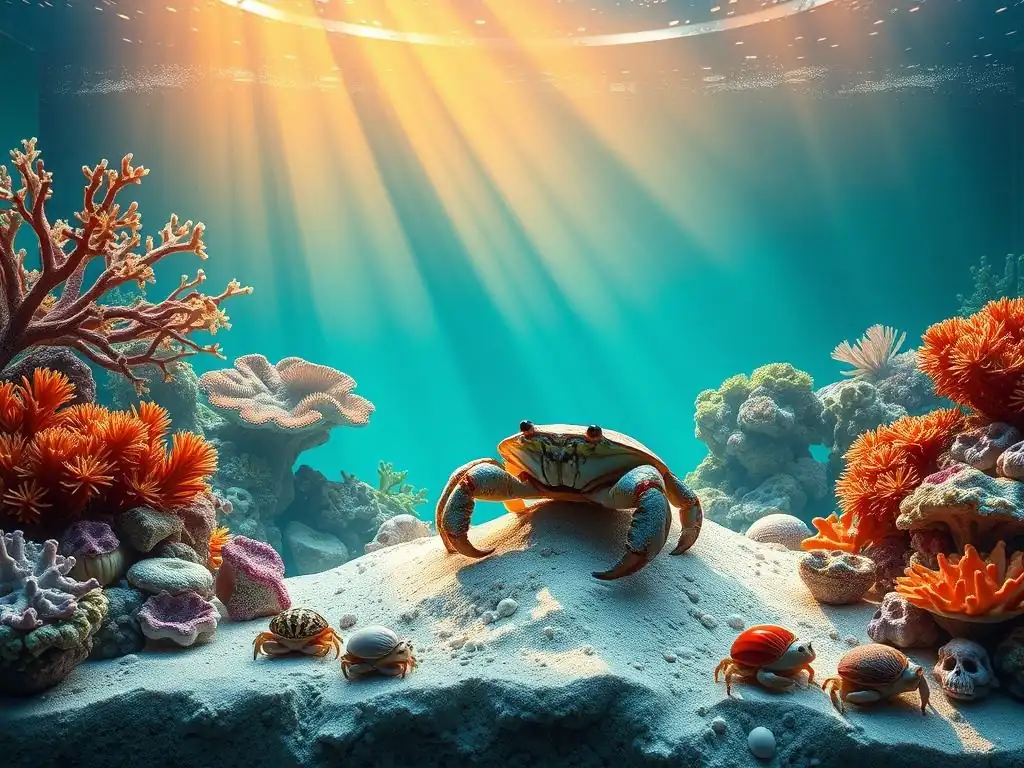
Ever wondered if those scavenging hermit crabs are actually helping or hurting your precious reef ecosystem? The answer might surprise you! Dive into our comprehensive guide and unravel the hermit crab conundrum to discover which reefsafe hermit crab species can thrive in your saltwater aquarium while keeping your corals safe and sound. Ready to build a balanced and beautiful reef? Let's explore!
- Understanding Reef Compatibility: Hermit Crabs in Reef Tanks
- Identifying Potentially Problematic Hermit Crab Behaviors
- Reef Safe Hermit Crab Species: A Detailed Guide
- Hermit Crabs to Avoid in Reef Tanks: Species Known for Predation
- Creating a Reef-Friendly Hermit Crab Environment
- Introducing Hermit Crabs to Your Reef Tank: Acclimation and Observation
- Troubleshooting Common Hermit Crab Issues in Reef Aquariums
- Conclusion: Selecting the Right Hermit Crabs for a Thriving Reef Tank
-
Frequently Asked Questions
- What exactly does "Reefsafe" mean when referring to hermit crabs?
- Why is it important to choose Reefsafe hermit crab species for a reef tank?
- What are some examples of hermit crab species generally considered Reefsafe?
- How can I ensure the hermit crabs I choose remain Reefsafe in my aquarium?
- Are there any hermit crab species I should definitely avoid for a reef aquarium?
- Final Reflection: Navigating the Reef's Tiny Ecosystem
- Ignite Your Reef Tank: Invite a Reef-Safe Hermit Crab!
Understanding Reef Compatibility: Hermit Crabs in Reef Tanks
What Does "Reef Safe" Really Mean for Hermit Crabs?
The term "reef safe" when applied to hermit crabs signifies that a particular species is highly unlikely to cause harm to corals, beneficial invertebrates, or fish within a saltwater aquarium setting. This implies that the hermit crab will primarily act as a scavenger, consuming nuisance algae, detritus, and leftover food, without exhibiting predatory behaviors towards the tank's established inhabitants.
For instance, a truly reef-safe hermit crab species, such as the Blue Leg Hermit Crab, will typically graze on diatoms and cyanobacteria on live rock and sand, rather than nipping at the polyps of a delicate SPS coral like Acropora or an LPS coral such as Euphyllia divisa (Torch Coral).
However, it is crucial to understand that "reef safe" is not an absolute guarantee, as individual temperament and specific tank conditions can influence behavior. Even generally benign species might turn problematic if stressed, underfed, or lacking essential resources like appropriately sized empty shells. For example, a Scarlet Reef Hermit Crab, while usually peaceful, might become opportunistic and attempt to "evict" a snail from its shell if no suitable alternatives are available. Therefore, diligent observation and proactive tank management are essential to ensure that any chosen reefsafe hermit crab species remains a beneficial addition to the marine ecosystem.
The Role of Hermit Crabs in a Reef Ecosystem: Algae Control and Detritus Removal
Hermit crabs play a vital role as part of a reef tank's clean-up crew, acting as efficient scavengers and detritivores. Their primary contribution lies in controlling nuisance algae and consuming decaying organic matter, which significantly contributes to maintaining water quality and the overall health of the reef environment. For example, a small group of 5-10 Clibanarius tricolor (Blue Leg Hermit Crabs) can effectively manage the proliferation of diatoms and cyanobacteria in a moderately stocked 50-gallon reef tank, preventing these unsightly algae from smothering corals or live rock.
Beyond algae consumption, these invertebrates are adept at sifting through the sand bed and picking at detritus accumulating on rocks and substrate. This continuous foraging helps aerate the sand, preventing the buildup of anaerobic pockets that can release harmful gases. They diligently consume leftover fish food, decaying plant matter, and other organic debris that could otherwise decompose and elevate nitrate and phosphate levels. This natural waste management by reefsafe hermit crab species helps to mimic the natural processes found in wild reef environments, supporting a more stable and balanced captive ecosystem.
Identifying Potentially Problematic Hermit Crab Behaviors
Hermit Crabs and Coral Predation: Identifying the Risks
While many hermit crab species are considered reef-safe, certain individuals or species can exhibit behaviors that lead to coral predation, often driven by hunger, mistaken identity, or opportunistic feeding. Identifying this risk involves understanding the signs of coral distress directly linked to hermit crab activity. For instance, if you observe tissue recession on an LPS coral like a Blastomussa wellsi or visible bite marks on the polyps of a soft coral such as Zoanthus, and a hermit crab is frequently seen perched on or near the affected area, it's a strong indicator of potential predation.
Distinguishing between a hermit crab simply walking over a coral and actively feeding is crucial. A brief transit is usually harmless, but prolonged stationary presence on polyps, especially when accompanied by visible manipulation of the coral tissue with its claws, suggests active feeding. Species that are not typically considered reefsafe hermit crab species, or even generally safe ones that are underfed, might be more prone to this behavior. For example, some larger hermit crabs might opportunistically nip at fleshy corals if their primary food sources are scarce, leading to localized tissue damage or even complete colony loss over time.
Substrate Sifting and Invertebrate Disturbance: Minimizing Negative Impacts
Hermit crabs are natural sifters, a behavior that aids in aerating the sand bed and consuming detritus, but excessive or overly aggressive sifting can lead to negative impacts on a reef tank. This disruptive behavior can displace sand-dwelling invertebrates like beneficial copepods, amphipods, or even small burrowing snails, potentially reducing the biodiversity of the clean-up crew.
For instance, a very active group of Blue Leg Hermit Crabs in a shallow sand bed (less than 2 inches deep) might constantly churn the substrate, making it difficult for burrowing snails like Nassarius species to establish themselves or for beneficial bacteria to colonize effectively.
Furthermore, larger hermit crab species or those with particularly strong claws might undermine rockwork stability by digging extensively around the base of aquascaping. While small species like the Scarlet Reef Hermit Crab generally pose minimal risk, a larger, more robust species could potentially dislodge corals or create unstable structures if not properly managed. To minimize these negative impacts, providing an adequate substrate depth (e.g., 2-4 inches for most small reef tanks) can help, as can carefully selecting sand-dwelling tank mates that are more resilient to minor disturbances.
The Importance of Shell Availability: Preventing Aggression and Unwanted Predation
The availability of appropriately sized empty shells is paramount for the well-being of hermit crabs and the harmony of a reef tank. Hermit crabs do not grow their own shells; instead, they rely on finding discarded shells of marine snails to protect their soft abdomens.
A critical shortage of suitable shells directly leads to increased aggression, primarily targeting other shelled invertebrates, with snails being the most common victims. For example, if a Blue Leg Hermit Crab outgrows its current shell and finds no larger empty ones, it may attempt to forcibly evict a Trochus or Nassarius snail from its shell, often resulting in the snail's death and the hermit crab taking its shell.
To prevent such destructive behavior, it is highly recommended to provide a continuous supply of empty shells within the aquarium. A general guideline is to offer at least 2-3 empty shells per hermit crab, ensuring a variety of sizes (slightly larger than their current shell) and shapes (e.g., cone-shaped, round-mouthed) to accommodate different preferences. These shells should be clean and free of any harmful residues. This proactive measure not only reduces inter-species aggression but also supports the natural molting process, as hermit crabs typically seek a new, larger shell immediately after shedding their exoskeleton.
Reef Safe Hermit Crab Species: A Detailed Guide
Scarlet Reef Hermit Crab ( Paguristes cadenati): A Popular Choice
Benefits of Scarlet Reef Hermit Crabs for Reef Tanks
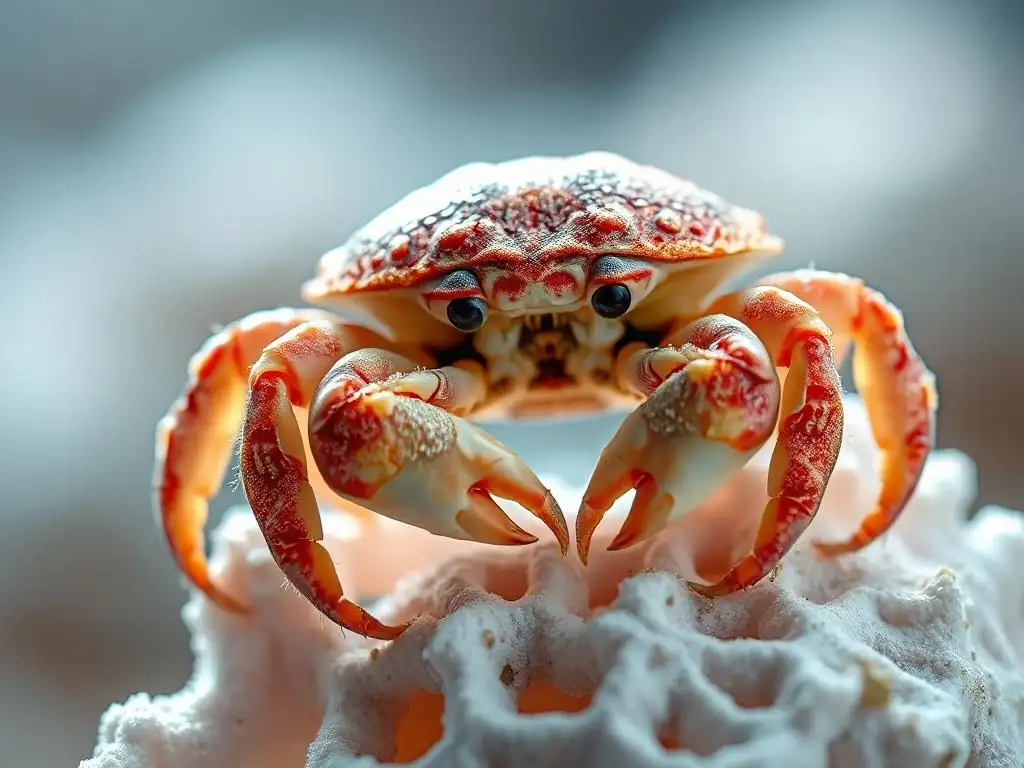
The Scarlet Reef Hermit Crab ( Paguristes cadenati) is one of the most popular and reliable reefsafe hermit crab species for marine aquariums, largely due to its vibrant coloration and beneficial scavenging habits. These crabs are easily identifiable by their bright red legs and orange antennae, providing an attractive splash of color. They are highly effective algae eaters, with a particular appetite for nuisance algae such as red slime algae (cyanobacteria) and green film algae that commonly coat live rock and aquarium glass. Their diligent foraging helps maintain a clean and aesthetically pleasing environment without disturbing corals.
Typically remaining small, reaching an adult size of about 1 to 2 inches, Scarlet Reef Hermit Crabs are generally peaceful and rarely bother corals, other invertebrates, or fish. They are active during the day, constantly moving across the rockwork and substrate, consuming detritus and uneaten food particles. For instance, a group of 3 to 5 Scarlet Reef Hermits can effectively manage moderate algae growth and detritus in a 30-gallon nano reef tank, demonstrating their efficiency as part of the clean-up crew. Their robust nature and adaptability to stable reef parameters also contribute to their popularity among aquarists.
Considerations for Keeping Scarlet Reef Hermit Crabs
While generally considered a model reefsafe hermit crab species, there are a few considerations to ensure the well-being of Scarlet Reef Hermit Crabs and prevent potential issues in a reef tank. Their continuous growth necessitates a ready supply of appropriately sized empty shells. Without these, they may become aggressive towards snails or other shelled invertebrates in an attempt to acquire new housing, as they cannot grow their own shells. Therefore, providing a variety of clean, empty snail shells slightly larger than their current one is crucial to prevent such conflicts.
Furthermore, like all invertebrates, Scarlet Reef Hermit Crabs are sensitive to sudden fluctuations in water parameters, particularly salinity and pH. Maintaining stable conditions within typical reef parameters (e.g., salinity 1.024-1.026, temperature 75-80°F) is vital for their long-term health and successful molting. Although they are good scavengers, ensuring they are not outcompeted for food by more aggressive tank mates, such as certain fish species, is also important. Supplementing their diet with small amounts of marine-based flakes or pellets can ensure they receive adequate nutrition, especially in tanks with low natural algae growth.
Blue Leg Hermit Crab ( Clibanarius tricolor): Small and Effective
Advantages of Blue Leg Hermit Crabs in Reef Aquariums
The Blue Leg Hermit Crab ( Clibanarius tricolor) is another highly recommended and widely utilized reefsafe hermit crab species, celebrated for its diminutive size and exceptional efficacy in reef aquariums. These tiny crustaceans, typically growing no larger than 1 inch, are instantly recognizable by their vibrant blue legs with red banding. Their small stature makes them ideal inhabitants for nano reef tanks, where larger species might be too disruptive. Blue Leg Hermits are voracious detritivores and opportunistic algae eaters, excelling at consuming diatoms, green film algae, and various forms of cyanobacteria that often plague new or maturing reef systems.
Their constant foraging activity helps keep live rock and sand beds free of unsightly debris and organic buildup. For example, a population of 10-15 Blue Leg Hermit Crabs can effectively patrol and clean a 75-gallon reef tank, diligently picking at microalgae and consuming leftover food particles that settle on the substrate. This active scavenging contributes significantly to nutrient export and overall water clarity, making them indispensable members of the clean-up crew. Their generally peaceful nature and minimal impact on corals further solidify their status as a top choice among reef aquarists.
Potential Drawbacks of Blue Leg Hermit Crabs
Despite their widespread acclaim as a reefsafe hermit crab species, Blue Leg Hermit Crabs do have a few potential drawbacks that aquarists should consider. One of the most common issues is their propensity to prey on snails, particularly if there is a scarcity of appropriately sized empty shells in the aquarium. When a Blue Leg Hermit outgrows its current shell and cannot find a vacant replacement, it may resort to forcibly removing a snail from its shell, leading to the snail's demise. This behavior can be mitigated by consistently providing a surplus of various empty shells.
Furthermore, due to their small size, Blue Leg Hermit Crabs can sometimes be overlooked in very large reef tanks, and they may be more susceptible to predation by larger, more aggressive fish species that might ignore bigger hermit crabs. While generally peaceful, individual Blue Leg Hermits may occasionally climb on corals. Although they rarely cause direct damage to coral tissue, their small movements can sometimes irritate sensitive polyps, causing them to retract temporarily. Regular monitoring and ensuring a diverse clean-up crew can help balance these minor considerations.
Halloween Hermit Crab ( Ciliopagurus strigatus): A Colorful Option
Halloween Hermit Crab Benefits for Detritus Removal
The Halloween Hermit Crab ( Ciliopagurus strigatus) offers a striking aesthetic appeal with its distinctive orange and black striped legs, making it a visually appealing addition to many reef tanks. Beyond their vibrant appearance, these crabs are highly valued for their efficiency in detritus removal, making them an excellent choice for maintaining a clean sand bed. Unlike some other hermit crab species that focus heavily on algae, Halloween Hermits primarily specialize in consuming leftover food, decaying organic matter, and various forms of detritus that accumulate on the substrate.
Their diligent sifting and scavenging activities help prevent the buildup of harmful organic waste, which can contribute to elevated nutrient levels in the aquarium. For instance, introducing one or two Halloween Hermit Crabs into a 50-gallon reef tank can significantly improve the cleanliness of the sand bed, reducing the need for manual siphoning in certain areas. They are generally peaceful with corals and fish, making them a reliable reefsafe hermit crab species for a diverse community tank. Their unique coloration also adds a dynamic visual element as they patrol the substrate.
Important Notes for Halloween Hermit Crab Care
While the Halloween Hermit Crab is a beneficial and colorful addition to many reef aquariums, there are several important considerations for their care to ensure they thrive and remain a reefsafe hermit crab species. These crabs can grow larger than the more common Scarlet or Blue Leg Hermits, potentially reaching 2-3 inches in size. This means they will require a consistent supply of larger, appropriately sized empty shells as they grow. Failure to provide suitable housing can lead to stress or, in rare cases, aggression towards other shelled invertebrates.
As they mature and increase in size, some individual Halloween Hermit Crabs may become more opportunistic feeders. While still primarily detritivores, a very hungry or large specimen might occasionally investigate a coral or a slow-moving snail. Therefore, diligent supplemental feeding with high-quality marine flakes, pellets, or small meaty foods (like Mysis shrimp) a few times a week is crucial to satisfy their dietary needs and reduce any potential for unwanted foraging behavior. Maintaining stable water parameters is also essential, as with all invertebrates, to support their molting process and overall health.
Other Reef-Safe Hermit Crab Options
Beyond the popular Scarlet, Blue Leg, and Halloween species, several other hermit crabs are generally considered reefsafe hermit crab species and can make valuable contributions to a reef tank's clean-up crew. The Dwarf Red Tip Hermit Crab (Clibanarius rutilus) is very similar in size and habits to the Blue Leg Hermit Crab, but features distinctive red tips on its legs. These small, active scavengers are excellent at consuming diatoms and green film algae, making them another strong candidate for nano and medium-sized reef systems.
Another notable option is the Left-Handed Hermit Crab (Calcinus laevimanus), easily identified by its significantly larger left claw. These crabs are adept at grazing on various types of algae and detritus. While generally peaceful, their larger claw can sometimes be used to assert dominance or move small pieces of rock, so careful observation is advised.
The Electric Blue Hermit Crab (Calcinus elegans) stands out with its incredibly vibrant blue legs and orange antennae. These active scavengers are effective cleaners, but they can grow larger than Blue Legs and occasionally exhibit bolder behavior, requiring ample space and a consistent supply of shells to prevent any potential issues. All these species, when properly cared for, contribute to a healthy and balanced reef environment.
Hermit Crabs to Avoid in Reef Tanks: Species Known for Predation
Emerald Crabs ( Mithrax sculptus): A Case of Mistaken Identity
Emerald Crabs ( Mithrax sculptus) are frequently marketed as reef-safe due to their reputation for consuming nuisance bubble algae ( Valonia spp. ), yet they are often a case of mistaken identity when it comes to true reef compatibility. Unlike hermit crabs, which occupy discarded shells, Emerald Crabs are true crabs, and their "reef-safe" status is highly conditional. While many aquarists report success with them, a significant number have experienced these crabs exhibiting predatory behavior towards corals, especially when their primary food source (bubble algae) is scarce or non-existent.
Emerald Crabs have been observed nipping at the fleshy polyps of LPS corals such as Euphyllia species (e.g., Frogspawn, Hammer corals) and Blastomussa, causing tissue damage and recession. They are also known to consume soft corals, including zoanthids and palythoa polyps, particularly at night.
For instance, an Emerald Crab introduced to control a minor Valonia outbreak might successfully eliminate the algae, but then turn its attention to valuable coral colonies, leading to unforeseen losses. Therefore, despite their potential benefits for bubble algae control, they carry a notable risk and are generally not recommended for delicate mixed reef systems where coral integrity is paramount.
Large Hermit Crab Species: The Risk of Coral Damage
While small hermit crab species are generally beneficial, introducing large hermit crab species into a reef tank poses a significant risk of physical damage to corals and other invertebrates. Species such as the Hawaiian Electric Blue Hermit Crab (Calcinus seurati) or various large Pagurus species can easily grow to 3-5 inches or more, and their sheer size and strength become problematic in a confined reef environment. These larger crabs possess powerful claws capable of inadvertently knocking over or dislodging frag plugs, small coral colonies, or even entire rock structures as they move across the aquascape.
Beyond accidental damage, larger hermit crabs also have increased dietary needs, making them more prone to opportunistic predation. They might view small snails, other smaller clean-up crew members, or even small, slow-moving fish as potential food sources, especially if underfed. For example, a large Pagurus samuelis could easily crush the shell of a Nassarius snail or disturb a delicate SPS coral colony like a Montipora digitata by simply walking over it. Therefore, despite their scavenging benefits, these larger species are generally unsuitable for established reef tanks where preserving delicate corals and invertebrates is a priority.
Creating a Reef-Friendly Hermit Crab Environment
Providing Adequate Shells: A Variety of Sizes and Types
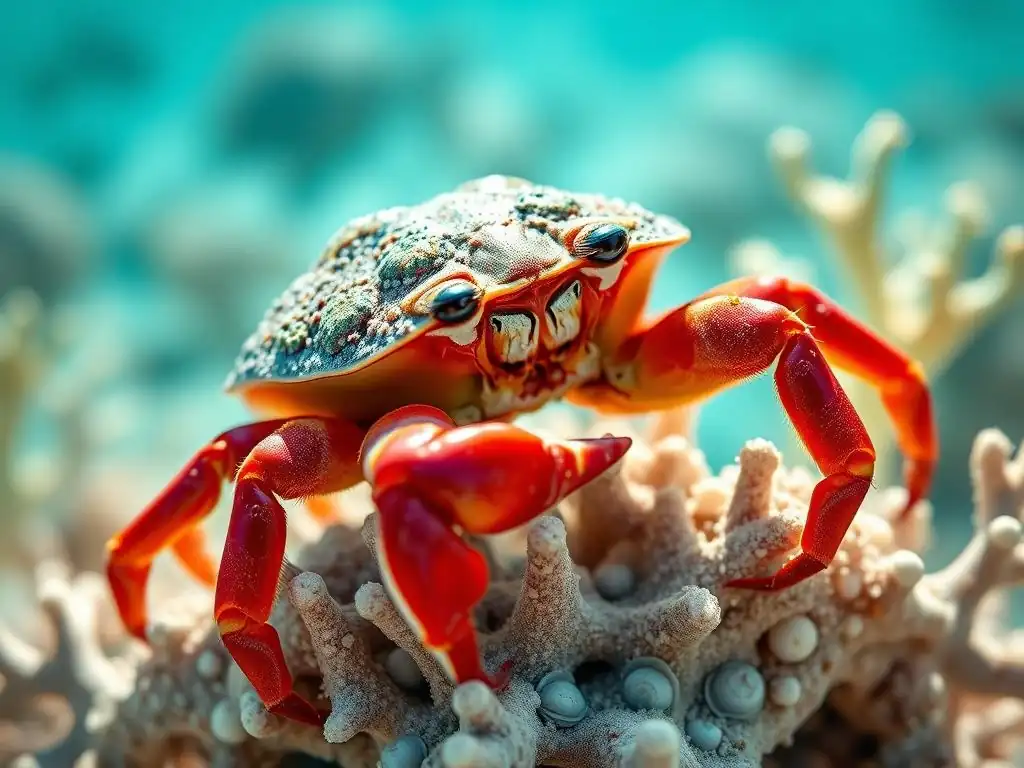
Creating a reef-friendly environment for hermit crabs crucially involves providing an ample and diverse supply of empty shells. This practice is not merely about housing but is a fundamental aspect of preventing aggression and unwanted predation within the aquarium. Hermit crabs continuously grow, and as they do, they require larger shells to accommodate their expanding bodies. Without suitable options, a hermit crab may resort to forcefully evicting a snail or another hermit crab from its shell, leading to injury or death for the original occupant.
To effectively prevent this, aquarists should aim to keep at least 2-3 empty shells per hermit crab within the tank at all times. These shells should vary in size, with some being slightly larger than the crab's current shell, and also in shape (e.g., round, conical, spiral openings) to cater to individual preferences. Reputable aquarium stores or online suppliers offer assortments of clean, marine-safe shells. Regularly replenishing this supply ensures that molting hermit crabs have immediate access to new homes, promoting peaceful cohabitation and reducing stress within the clean-up crew.
Supplementing Their Diet: Ensuring Proper Nutrition
While reefsafe hermit crab species are excellent scavengers, relying solely on tank detritus and nuisance algae may not provide sufficient nutrition for their long-term health, especially in well-maintained reef tanks with low nutrient levels. Insufficient food can lead to hermit crabs seeking alternative food sources, such as live corals or snails, thereby compromising their "reef-safe" status. For instance, a group of Scarlet Reef Hermit Crabs might efficiently clear a tank of green film algae, but once the algae is gone, they may become more opportunistic if not supplemented.
To ensure proper nutrition and reduce the likelihood of unwanted behaviors, it is advisable to supplement their diet 2-3 times per week. High-quality marine flakes, sinking pellets, or small pieces of dried nori (seaweed) are excellent choices. Occasionally offering meaty foods like frozen Mysis shrimp or brine shrimp can also provide essential proteins and fats. This supplemental feeding not only keeps the hermit crabs healthy and active but also significantly reduces their motivation to predate on other tank inhabitants, ensuring they remain beneficial members of the clean-up crew.
Maintaining Optimal Water Parameters: Promoting Hermit Crab Health
Maintaining stable and optimal water parameters is paramount for promoting the health and longevity of all reef inhabitants, including reefsafe hermit crab species. Invertebrates are particularly sensitive to fluctuations in salinity, temperature, and water chemistry, which can lead to stress, molting issues, and ultimately, death. For hermit crabs, a stable environment ensures successful molting, a critical process where they shed their old exoskeleton to grow, leaving them vulnerable during the transition.
Ideal parameters include a stable salinity of 1.024-1.026 specific gravity, a temperature range of 75-80°F (24-27°C), and a pH between 8.1-8.4. Additionally, maintaining appropriate levels of alkalinity (7-12 dKH), calcium (400-450 ppm), and magnesium (1250-1350 ppm) is crucial, as these elements are vital for shell formation and overall physiological functions. Poor water quality, characterized by elevated nitrates or phosphates, can also stress hermit crabs and make them more susceptible to disease. Regular water changes, typically 10-20% bi-weekly, help to replenish trace elements and maintain consistent parameters, fostering a robust environment for the entire reef ecosystem.
Introducing Hermit Crabs to Your Reef Tank: Acclimation and Observation
Proper Acclimation Techniques for New Hermit Crabs
Proper acclimation is a critical step when introducing any new invertebrate, including reefsafe hermit crab species, to a reef aquarium. Hermit crabs are highly sensitive to sudden changes in salinity, temperature, and pH, and improper acclimation can lead to severe stress, illness, or even death. The drip acclimation method is highly recommended as it allows for a slow and gradual equalization of water parameters between the shipping bag and the aquarium, minimizing shock to the delicate organisms.
To perform drip acclimation, first, float the sealed bag containing the hermit crab in your sump or display tank for 15-20 minutes to equalize temperature. Then, open the bag, pour its contents into a clean container (e.g., a five-gallon bucket or a small plastic tub), ensuring the hermit crab is fully submerged. Use airline tubing to create a siphon from your display tank, tying a knot in the tubing or using a flow control valve to regulate the drip rate to about 2-3 drips per second.
Allow water from the display tank to slowly drip into the container until the volume of water in the container has doubled, which typically takes 30-60 minutes. Finally, gently net the hermit crab and transfer it to the display tank, discarding the old water from the container. Avoid exposing the hermit crab to air for extended periods during transfer.
Monitoring Hermit Crab Behavior After Introduction
After successfully acclimating and introducing new reefsafe hermit crab species to your tank, vigilant observation of their behavior is essential for their long-term well-being and the harmony of your reef ecosystem. For the first few hours and days, closely monitor their activity levels and interactions with other tank inhabitants. Look for signs of stress, such as prolonged inactivity, erratic movements, or attempts to leave their shells and the water. A healthy hermit crab should quickly begin exploring its new environment, foraging for food, and potentially investigating the empty shells you've provided.
Pay particular attention to their interactions with corals and other clean-up crew members. While most reef-safe species are peaceful, individual temperaments can vary. Observe if any hermit crabs are persistently bothering corals, attempting to "evict" snails, or engaging in aggressive displays with other crabs.
For example, if a Blue Leg Hermit Crab is repeatedly seen attempting to climb into a Nassarius snail's shell, it may indicate a lack of suitable empty shells or insufficient feeding. Early intervention, such as adding more varied shells or supplementing their diet, can often prevent minor issues from escalating into significant problems, ensuring your hermit crabs remain beneficial additions.
Troubleshooting Common Hermit Crab Issues in Reef Aquariums
Shell Abandonment: Identifying and Addressing the Cause
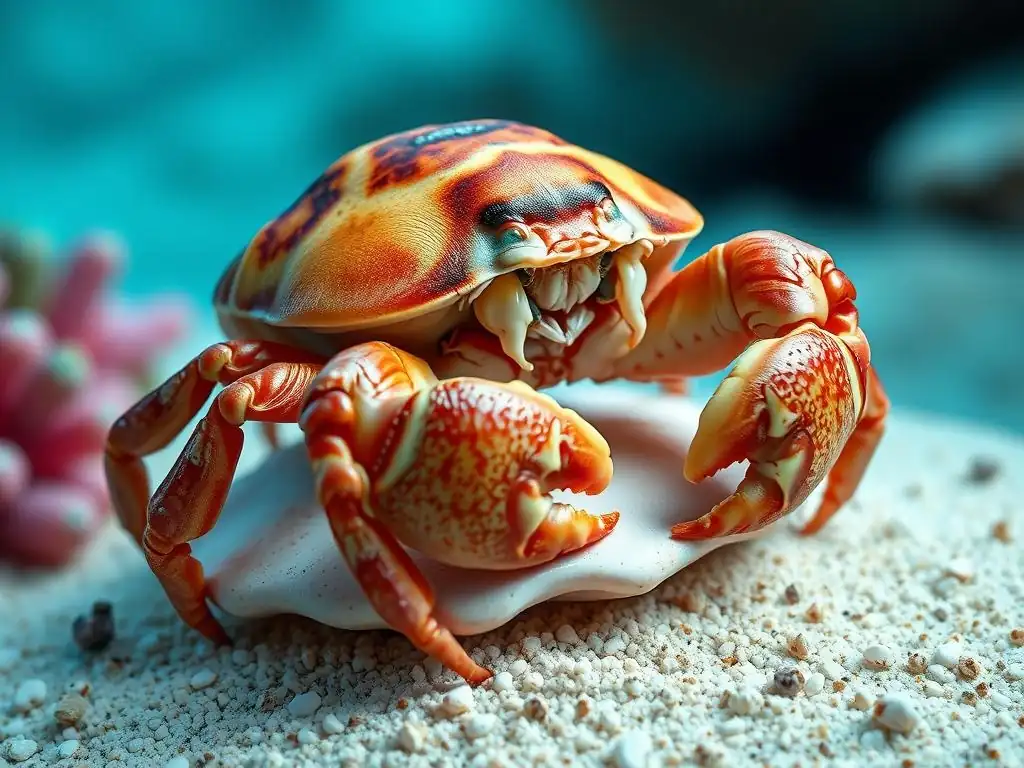
Shell abandonment is a common issue with hermit crabs and can indicate several underlying problems that need prompt attention. While temporary shell abandonment during the molting process is normal (the crab will typically re-enter its old shell or find a new one quickly), prolonged periods outside a shell, or frequent abandonment, suggest distress.
Primary causes include a lack of appropriately sized or shaped empty shells in the aquarium, poor water quality, stress from aggressive tank mates, illness, or even starvation. For instance, if a Scarlet Reef Hermit Crab leaves its shell and remains exposed for more than a few hours outside of a molting event, it's a strong indicator of an issue.
To address shell abandonment, first, test your water parameters (salinity, pH, ammonia, nitrite, nitrate) to ensure they are within optimal reef ranges. Next, verify that you have provided a sufficient variety of empty shells, ensuring some are slightly larger than the crab's current dwelling and represent different opening shapes. Observe tank mates for any signs of aggression towards the hermit crab. If the crab appears listless or withdrawn, it might be ill. Ensuring a consistent supply of supplemental food also prevents hunger from driving a crab out of its shell in search of better foraging grounds.
Aggression Towards Other Inhabitants: Prevention and Solutions
Aggression from reefsafe hermit crab species, typically directed towards snails or other hermit crabs, is almost always a result of inadequate resources, primarily a lack of suitable empty shells or insufficient food. When a hermit crab outgrows its shell and cannot find a larger vacant one, it may resort to forcibly removing a snail from its shell, often resulting in the snail's death. This is a common scenario with species like the Blue Leg Hermit Crab if shell availability is not managed.
Prevention is the most effective solution: consistently provide a diverse array of empty shells (at least 2-3 per crab, varying in size and shape) and ensure regular supplemental feeding to satisfy their nutritional needs. If aggression persists despite these measures, it might indicate an unusually aggressive individual that could pose a long-term threat to other invertebrates. In such cases, the most practical solution is to remove the offending crab from the display tank. It can be relocated to a separate quarantine tank, a less sensitive system, or rehomed to prevent further harm to your clean-up crew.
Hermit Crab Death: Determining the Cause and Preventing Future Losses
The death of a hermit crab in a reef aquarium can be attributed to various factors, and identifying the cause is crucial for preventing future losses and maintaining the health of your clean-up crew. Common reasons include improper acclimation during introduction, unsuitable or fluctuating water parameters, old age, predation by larger tank inhabitants (such as certain fish or larger crabs), starvation, or complications during the molting process. For example, if a group of newly introduced Blue Leg Hermit Crabs all perish within a day, it strongly points to an acclimation issue or severe water parameter shock.
When a hermit crab dies, promptly remove it from the tank as decaying organic matter can quickly foul water quality. Then, systematically investigate potential causes:
- Water Parameters: Test salinity, temperature, pH, ammonia, nitrite, and nitrate to ensure they are stable and within optimal ranges.
- Acclimation: Review your acclimation process for any shortcuts or rapid changes that might have occurred.
- Feeding: Evaluate your feeding regimen; are the hermit crabs receiving enough supplemental food, especially if algae levels are low?
- Predation: Observe other tank inhabitants for any signs of aggression towards the hermit crabs.
- Molting Issues: Look for signs of molting complications, such as a crab being stuck in its old shell. If multiple deaths occur, it suggests a systemic issue within the tank environment that requires immediate attention and correction.
Conclusion: Selecting the Right Hermit Crabs for a Thriving Reef Tank
Selecting the right reefsafe hermit crab species is a fundamental decision for any aquarist aiming to maintain a thriving and balanced reef aquarium. As explored, while many hermit crabs offer invaluable services as part of the clean-up crew, their "reef safe" status is often conditional and requires careful management. Key takeaways include the critical importance of species selection, ensuring a continuous supply of appropriately sized empty shells, providing adequate supplemental nutrition, and maintaining stable, optimal water parameters.
Species like the Scarlet Reef Hermit Crab ( Paguristes cadenati) and Blue Leg Hermit Crab ( Clibanarius tricolor) consistently prove to be excellent choices for their effective algae control and detritus removal, coupled with their generally peaceful demeanor. However, vigilant monitoring of their behavior after introduction is always advised to promptly address any signs of stress or aggression. By understanding the specific needs of these fascinating invertebrates and proactively creating a reef-friendly environment, aquarists can ensure their chosen reefsafe hermit crab species contribute positively to the long-term health and vibrancy of their marine ecosystem.
Frequently Asked Questions
What exactly does "Reefsafe" mean when referring to hermit crabs?
"Reefsafe" generally means a hermit crab species is unlikely to damage or consume corals or other invertebrates in a reef aquarium. They also shouldn't disturb live rock excessively.
Why is it important to choose Reefsafe hermit crab species for a reef tank?
Non-reefsafe hermit crabs can cause significant damage, including eating corals, knocking over structures, and preying on beneficial organisms like snails and small crustaceans, disrupting the delicate ecosystem.
What are some examples of hermit crab species generally considered Reefsafe?
Dwarf Blue Leg Hermit Crabs (Clibanarius tricolor) and Scarlet Reef Hermit Crabs (Pagurla samuelis) are often considered Reefsafe options due to their small size and scavenging habits. However, proper feeding is still crucial.
How can I ensure the hermit crabs I choose remain Reefsafe in my aquarium?
Provide an adequate food supply including algae and detritus, and supplement with algae wafers or other appropriate foods. Also, ensure a variety of shell sizes are available for them to move into.
Are there any hermit crab species I should definitely avoid for a reef aquarium?
Yes! Avoid larger hermit crab species like the Halloween Hermit Crab (Ciliopagurus strigatus) or Zebra Hermit Crab (Calcinus laevimanus). These are known to be aggressive and destructive to corals and other invertebrates.
The quest to maintain a thriving reef aquarium often hinges on understanding the delicate balance within. Our exploration of reef-safe hermit crab species highlights the crucial role these tiny custodians play, but also underscores the potential for unintended consequences. Choosing the right species is not merely a matter of aesthetics, but a responsibility to the entire reef ecosystem. The information presented here serves as a practical guide, empowering aquarists to make informed decisions that promote both the health of their tanks and the well-being of the creatures within.
This journey into the world of hermit crabs has illuminated the interconnectedness of life within a reef aquarium. It's a constant reminder that even the smallest inhabitants can have a significant impact, shaping the environment for all. The careful consideration we give to these creatures reflects a growing awareness of our role as stewards of these miniature ecosystems. In the end, we will conserve only what we love; we will love only what we understand; and we will understand only what we are taught.
- Baba Dioum. This quote perfectly encapsulates the importance of educating ourselves about the creatures we introduce into our aquariums.
As you consider adding these fascinating creatures to your reef, remember that knowledge is your greatest tool. Let this exploration of reef-safe hermit crabs inspire you to delve deeper into the intricacies of your own aquarium. Observe, learn, and adapt your practices to create a truly harmonious and thriving reef environment. Your dedication to responsible reefkeeping will not only benefit your own aquatic world but also contribute to a greater understanding and appreciation for the delicate beauty of our oceans.
Ignite Your Reef Tank: Invite a Reef-Safe Hermit Crab!
Thanks for exploring the fascinating world of hermit crabs and their role in reef aquariums! We hope you've gained valuable insights into choosing the right, reef-safe species. Now, let's put that knowledge into action!
Here are a few things you can do next:
- Take the Plunge: Carefully select and introduce a reef-safe hermit crab species – like the Scarlet Reef Hermit Crab – to your aquarium. Observe its behavior closely to ensure it integrates well with your existing ecosystem.
- Dive Deeper: Research compatible tank mates and optimize your reef's environment to create the perfect habitat for your new crustacean companion.
- Share Your Success (or Challenges!): Contribute to the aquarium community by sharing your experiences and photos of your reef-safe hermit crabs online.
What's one small change you'll make this week to ensure a thriving, balanced reef ecosystem for your hermit crabs and other inhabitants?