
Cleaner Shrimp (Lysmata amboinensis): The Reef Tank's Essential Medic & Groomer

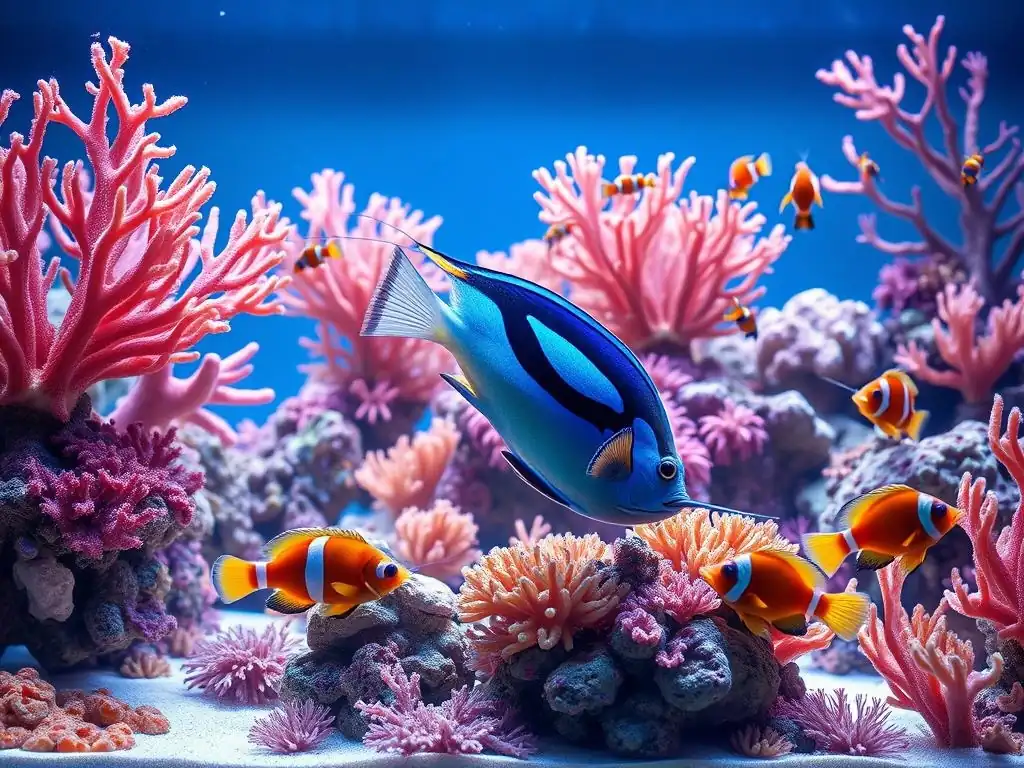
Welcome to Aquarium Mastery!
Ever wondered how to keep your reef tank sparkling clean and healthy? Delve into the fascinating world of Cleaner Shrimp tank care and discover how these vibrant little creatures can become essential members of your underwater ecosystem. Learn everything you need to know about Lysmata amboinensis, from their crucial role as natural medics to creating the perfect environment for them to thrive. Ready to unlock the secrets to a healthier, happier reef? Dive in and let's explore!
- Introduction to Cleaner Shrimp in Reef Aquariums
- Understanding Lysmata amboinensis: The Cleaner Shrimp Profile
- Cleaner Shrimp Tank Care: Essential Requirements
- Feeding Cleaner Shrimp in Your Reef Aquarium
- Cleaner Shrimp Tank Mates: Compatibility Considerations
- Cleaner Shrimp Molting: What to Expect
- Cleaner Shrimp Health and Disease Prevention
- Breeding Cleaner Shrimp: A Detailed Guide
- Troubleshooting Common Cleaner Shrimp Problems
- Purchasing Healthy Cleaner Shrimp
- Conclusion: Maximizing the Benefits of Cleaner Shrimp in Your Reef Tank
- Frequently Asked Questions
- Final Reflection: The Symbiotic Dance of Reef Life
- Embrace a Sparkling Reef: Invite a Cleaner Shrimp Today!
Introduction to Cleaner Shrimp in Reef Aquariums
The Role of Cleaner Shrimp in a Saltwater Ecosystem
Lysmata amboinensis, commonly known as the Skunk Cleaner Shrimp, plays a pivotal role in the delicate balance of a natural saltwater ecosystem. These fascinating invertebrates establish "cleaning stations" on coral reefs, where they attract various fish species by waving their distinctive long white antennae. Fish, recognizing these stations, approach the shrimp to have external parasites, dead tissue, and even fungal growths meticulously removed from their bodies, gills, and mouths. This symbiotic relationship provides a crucial service to reef fish, helping them maintain optimal health and preventing the spread of diseases within the marine environment.
Beyond their well-documented cleaning services, cleaner shrimp also contribute significantly to the overall hygiene of their habitat. They are opportunistic scavengers, constantly foraging for detritus, uneaten food particles, and other organic debris that accumulates on the reef. By consuming these waste products, they help to break down decaying matter, reducing nutrient loads and contributing to the water clarity and health of the surrounding ecosystem. This natural detritus removal capability makes them an invaluable asset, even in the absence of fish requiring their direct cleaning services.
Why Choose Cleaner Shrimp for Your Reef Tank?
Incorporating cleaner shrimp into a home reef aquarium offers a multitude of benefits for the conscientious aquarist. Their primary appeal lies in their natural ability to control external parasites like marine ich (Cryptocaryon irritans) and velvet (Amyloodinium ocellatum) on fish, acting as a living, proactive solution rather than a reactive chemical treatment. This natural pest control reduces stress on fish and helps maintain a healthier, more stable environment, minimizing the need for interventions that can disrupt the delicate biological balance of a reef system.
Furthermore, cleaner shrimp are incredibly engaging and active inhabitants, adding dynamic behavior and vibrant color to any reef tank. Their distinctive red and white stripes make them highly visible, and their bold behavior, often approaching the aquarium glass or even a hobbyist's hand, provides a unique interactive experience. They are generally peaceful invertebrates that adapt well to a wide range of reef tank conditions, making cleaner shrimp tank care relatively straightforward for both novice and experienced aquarists looking to enhance their marine setup with a functional and beautiful creature.
Understanding Lysmata amboinensis: The Cleaner Shrimp Profile
Identifying Features of the Cleaner Shrimp
The Skunk Cleaner Shrimp, Lysmata amboinensis, is easily recognizable by its striking coloration and characteristic markings. It possesses a translucent body adorned with a prominent, broad white stripe that runs along its dorsal side, from its head to its tail. This white stripe is bordered on either side by a narrower, vibrant red stripe, creating a distinct "skunk-like" appearance that gives the species its common name. The shrimp also features long, delicate white antennae, which it constantly waves to attract fish to its cleaning station.
Adult cleaner shrimp typically reach a size of about 2 to 3 inches (approximately 5 to 7.5 cm) in length, making them a suitable size for most reef aquariums. Their slender, elongated bodies are well-suited for maneuvering into tight spaces, such as fish gills or mouths, during their cleaning activities. Distinguishing Lysmata amboinensis from similar species, such as the Blood Shrimp ( Lysmata debelius), which is solid red with white spots, is crucial for proper cleaner shrimp tank care and species-specific understanding.
Natural Habitat and Behavior of Cleaner Shrimp
In their natural environment, Lysmata amboinensis thrives in the warm, clear waters of the Indo-Pacific region, spanning from the Red Sea to the South Pacific. They are typically found on coral reefs, often dwelling in crevices, under ledges, or within the protective branches of stony corals and anemones at depths ranging from a few feet to over 100 feet (around 30 meters). This preference for sheltered locations provides them with safety from predators and serves as a strategic base for their cleaning stations.
The behavior of cleaner shrimp is one of their most captivating attributes. They are diurnal, meaning they are active during the day, constantly waving their antennae to signal their presence to passing fish. When a fish approaches, the shrimp will often climb onto its host, meticulously picking off parasites and dead skin.
This symbiotic interaction is a cornerstone of their natural existence. While they can be kept singly in an aquarium, they are often found in pairs or small groups in the wild, exhibiting social behaviors and even cooperative cleaning efforts. Understanding their natural behavior is key to providing optimal cleaner shrimp tank care in a home aquarium.
Cleaner Shrimp Tank Care: Essential Requirements
Optimal Tank Size for Cleaner Shrimp
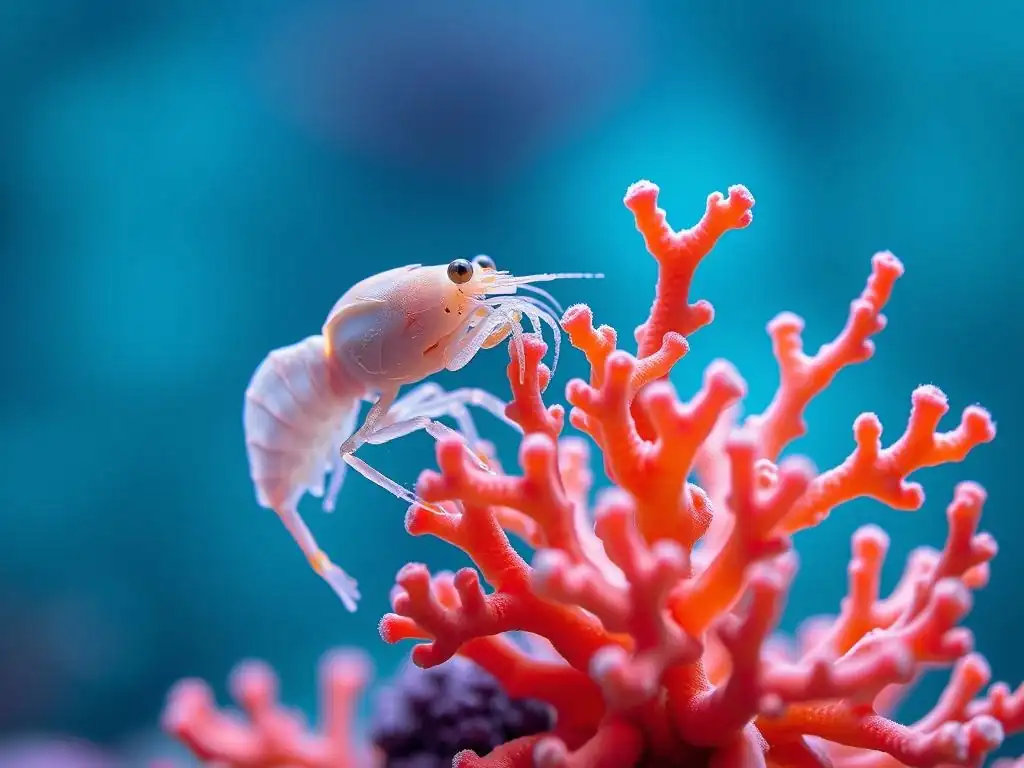
Providing an appropriately sized aquarium is fundamental to successful cleaner shrimp tank care. While a single Skunk Cleaner Shrimp can technically survive in a well-established nano tank as small as 10 gallons (approximately 38 liters), a minimum of 20 gallons (around 76 liters) is generally recommended for their long-term health and well-being. This larger volume provides greater water stability, which is crucial for sensitive invertebrates, and offers more space for the shrimp to establish territories and find adequate hiding spots, particularly during vulnerable periods like molting.
For aquariums housing multiple cleaner shrimp or a diverse community of fish and corals, a tank of 30 gallons (approximately 114 liters) or more is ideal. This allows for greater bioload capacity and ensures that all inhabitants have sufficient personal space, reducing potential stress or aggression. Ample space also supports the natural foraging and cleaning behaviors of the shrimp, allowing them to patrol the live rock and interact with tank mates without feeling confined.
Water Parameters for Healthy Cleaner Shrimp
Maintaining pristine and stable water parameters is paramount for the longevity and vitality of cleaner shrimp. These invertebrates are highly sensitive to fluctuations, making consistent monitoring and adjustments a critical aspect of cleaner shrimp tank care. Regular testing using reliable kits is essential to keep parameters within the optimal ranges.
Maintaining Stable Salinity Levels
Salinity is one of the most critical water parameters for all marine invertebrates, and cleaner shrimp are no exception. The ideal specific gravity range for Lysmata amboinensis is between 1.023 and 1.026. Sudden or drastic changes in salinity can cause severe osmotic shock, leading to stress, illness, or even death. It is recommended to use a refractometer for accurate salinity measurements, calibrating it regularly to ensure precision. When performing water changes or topping off evaporated water, always ensure that the new water is mixed to match the existing tank's salinity as closely as possible.
The Importance of Water Temperature for Cleaner Shrimp
Temperature stability is equally important for the health of cleaner shrimp. The optimal temperature range for Lysmata amboinensis is typically between 72-78°F (approximately 22-26°C). Maintaining a consistent temperature within this range is vital, as significant fluctuations can cause metabolic stress, weaken their immune system, and negatively impact their molting process. Utilizing a reliable aquarium heater with a thermostat and a thermometer for constant monitoring helps ensure the temperature remains stable, preventing stress-induced issues and promoting the shrimp's overall well-being.
pH and Alkalinity Considerations
Beyond salinity and temperature, maintaining appropriate pH, alkalinity (dKH), calcium, and magnesium levels is crucial for the skeletal health and molting success of cleaner shrimp. The ideal pH range for these invertebrates is 8.1-8.4, while alkalinity should be maintained between 8-12 dKH. Calcium levels should ideally be kept between 400-450 ppm, as calcium is a primary building block for their exoskeleton.
Magnesium, typically maintained between 1200-1350 ppm, plays a vital role in the shrimp's ability to absorb and utilize calcium effectively. Regular testing and the judicious use of supplements or a calcium reactor may be necessary to keep these parameters stable, directly impacting the success of cleaner shrimp tank care and their ability to molt and grow.
Substrate and Decor for Cleaner Shrimp
While cleaner shrimp are not particularly fussy about substrate type, preferring either sand or crushed coral, the presence of ample live rock and other decor is crucial for their well-being. Live rock provides a natural, porous structure that offers numerous crevices, caves, and hiding spots. These secure locations are essential for the shrimp to retreat to, especially during their vulnerable molting period when they shed their old exoskeleton and are soft-bodied.
Beyond safety, live rock also serves as a foraging ground for cleaner shrimp, as they pick at detritus and microfauna within its pores. Incorporating various decorative elements, such as ceramic rock structures or even small PVC pipes, can further enhance the available hiding places and contribute to a sense of security for the shrimp. A well-decorated tank with plenty of nooks and crannies ensures that your cleaner shrimp feels safe and can thrive, making it an important aspect of comprehensive cleaner shrimp tank care.
Feeding Cleaner Shrimp in Your Reef Aquarium
What Do Cleaner Shrimp Eat?
In their natural habitat, cleaner shrimp primarily subsist on external parasites, dead skin, and mucus that they meticulously remove from various fish species. This symbiotic relationship provides them with a consistent food source. However, they are also opportunistic scavengers and detritivores, constantly sifting through the substrate and live rock for uneaten food particles, algae, and various forms of organic detritus. This dual feeding strategy makes them highly adaptable and beneficial members of a reef aquarium cleanup crew.
In a home aquarium, especially one with a low bioload or very healthy fish that rarely have parasites, the natural food sources may not be sufficient to sustain cleaner shrimp. They will readily accept a variety of prepared foods. Their diet can be supplemented with high-quality sinking pellets, flakes, or small pieces of frozen foods such as mysis shrimp, brine shrimp, or finely chopped seafood like krill or silversides. Ensuring a varied diet is a key component of effective cleaner shrimp tank care, promoting their overall health and vibrant coloration.
Supplementing Their Diet
Supplementing the diet of cleaner shrimp is often necessary, even in a thriving reef tank, to ensure they receive adequate nutrition. If you observe your cleaner shrimp constantly scavenging or appearing less active, it might indicate that their natural food sources are insufficient. A balanced diet prevents nutritional deficiencies, which can lead to molting problems or a weakened immune system.
When offering supplemental foods, it's best to provide small, bite-sized portions that can be easily consumed by the shrimp. Frozen foods should be thawed before feeding. You can target feed them directly using a long pipette or turkey baster, which ensures the food reaches the shrimp and isn't immediately consumed by faster fish. This direct feeding method also allows you to observe their appetite and adjust the feeding amount accordingly.
Feeding Frequency and Amount
The frequency and amount of food required by cleaner shrimp depend largely on the availability of natural food sources within your aquarium. In a mature reef tank with a good population of fish, they may require less supplemental feeding. However, in newer tanks or those with very few fish, more frequent feeding might be necessary. A good practice is to offer a small pinch of prepared food two to three times per week, observing how quickly they consume it.
Avoid overfeeding, as excess food can degrade water quality and contribute to nutrient issues, potentially harming your tank's delicate ecosystem. If uneaten food remains in the tank for more than a few minutes after feeding, reduce the amount provided in subsequent feedings. A well-fed cleaner shrimp will be active, brightly colored, and will continue to perform its cleaning duties when opportunities arise, demonstrating effective cleaner shrimp tank care.
Cleaner Shrimp Tank Mates: Compatibility Considerations
Best Fish Tank Mates for Cleaner Shrimp
Choosing appropriate tank mates is a crucial aspect of cleaner shrimp tank care to ensure their safety and well-being. Cleaner shrimp generally coexist peacefully with a wide variety of reef-safe fish that are not aggressive predators. Ideal tank mates include most species of clownfish (e.g., Ocellaris and Percula clownfish), gobies (e.g., Watchman, Diamond, and Firefish gobies), blennies (e.g., Lawnmower and Starry blennies), and many types of tangs (e.g., Yellow, Blue, and Kole tangs). These fish often benefit directly from the shrimp's cleaning services and rarely pose a threat.
Other suitable companions include peaceful angelfish (e.g., Flame and Coral Beauty angelfish), certain peaceful wrasses (e.g., Fairy and Flasher wrasses), and cardinalfish. The key is to select fish that are not known to prey on invertebrates or that are small enough not to view the shrimp as a meal. Observing the fish's temperament and natural diet before introduction is vital. A harmonious community allows the cleaner shrimp to perform its natural behaviors without fear, making for a healthier and more enjoyable aquarium.
Incompatible Tank Mates to Avoid
While cleaner shrimp are generally robust, they are vulnerable to predation by certain fish and invertebrates. Therefore, identifying and avoiding incompatible tank mates is paramount for successful cleaner shrimp tank care. Highly predatory fish, such as lionfish, groupers, most triggerfish (especially larger species like Clown Triggerfish), large hawkfish, and some eels, should never be housed with cleaner shrimp, as they will almost certainly view the shrimp as food. Even seemingly peaceful fish can sometimes become opportunistic predators if the shrimp is small or vulnerable, particularly immediately after molting.
Other invertebrates can also pose a threat. Mantis shrimp, for example, are highly predatory and will actively hunt and kill cleaner shrimp. Large predatory crabs should also be avoided. When considering new additions to a tank with cleaner shrimp, always research the species' dietary preferences and aggression levels thoroughly. A single incompatible tank mate can quickly lead to the demise of your cleaner shrimp, undermining all efforts in comprehensive cleaner shrimp tank care.
Understanding Shrimp-Fish Relationships
The relationship between cleaner shrimp and fish is one of the most fascinating examples of symbiosis in the marine world. Fish will actively seek out cleaning stations maintained by the shrimp, often presenting themselves in specific postures (e.g., gills flared, fins extended) to indicate their readiness for cleaning. The shrimp, in turn, will meticulously pick off parasites and dead tissue, demonstrating a remarkable level of trust between predator and prey. This mutualistic interaction benefits both parties: the shrimp receives food, and the fish receives health maintenance.
However, this relationship is not without its nuances in an aquarium setting. While many fish species readily accept cleaning, some may be too aggressive or simply not interested. Conversely, a well-fed shrimp might be less inclined to actively clean if it has ample access to other food sources. Observing these interactions is key to understanding the dynamics of your specific tank. A successful shrimp-fish relationship is a testament to effective cleaner shrimp tank care and a balanced aquarium ecosystem.
Cleaner Shrimp Molting: What to Expect
The Molting Process Explained
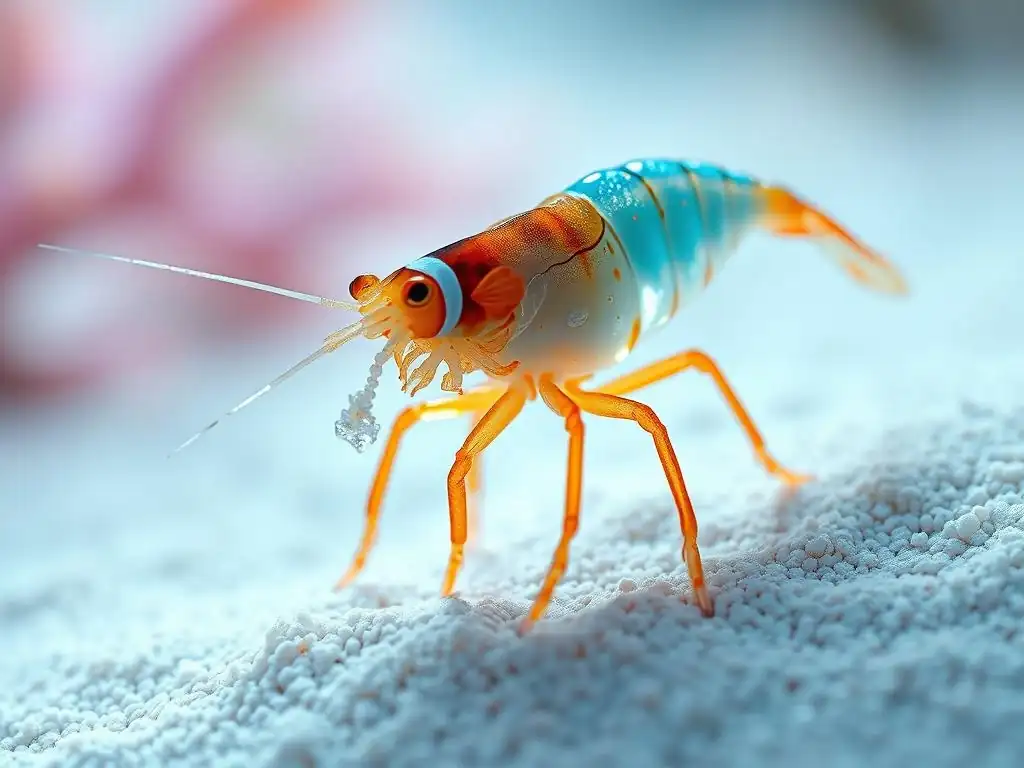
Molting is a crucial and natural physiological process for all crustaceans, including cleaner shrimp. As shrimp grow, their rigid external exoskeleton (carapace) cannot expand. Therefore, they must periodically shed this old shell to allow for growth. This process, known as ecdysis, involves the shrimp absorbing water to inflate its body, causing the old exoskeleton to split, typically along the back. The shrimp then carefully backs out of its old shell, leaving behind a complete, translucent replica of itself, called an exuvia.
Immediately after molting, the shrimp's new exoskeleton is soft and pliable, making it highly vulnerable to predators. It will typically hide for a few days while its new shell hardens. During this period, the shrimp is particularly susceptible to stress and attack, highlighting the importance of providing ample hiding spots in the aquarium. The frequency of molting varies with age and growth rate; young, rapidly growing shrimp may molt every few weeks, while mature shrimp may molt every few months.
Providing a Safe Molting Environment
Ensuring a safe environment during molting is a critical aspect of cleaner shrimp tank care. The most important provision is an abundance of secure hiding places within the aquarium. Live rock is ideal for this purpose, offering numerous crevices, caves, and overhangs where the shrimp can retreat immediately after shedding its old shell. These hiding spots provide protection from potential predators, including tank mates that might otherwise ignore the shrimp.
It is also advisable to leave the shed exoskeleton (exuvia) in the tank for at least a day or two, provided it is not causing any water quality issues. The shrimp may consume parts of its old shell to reabsorb valuable calcium and other minerals, which are essential for hardening its new exoskeleton. Removing the exuvia too quickly deprives the shrimp of this natural calcium source. Stable water parameters, particularly calcium and alkalinity, are also paramount for a successful and healthy molt.
Signs of a Successful Molt
A successful molt is indicated by several key signs. The most obvious is the presence of a complete, intact shed exoskeleton in the tank. This exuvia will look exactly like the shrimp itself but will be hollow and translucent. After molting, the shrimp will typically remain hidden for a period, usually a few days, while its new shell hardens. During this time, it is crucial not to disturb the shrimp or attempt to coax it out of its hiding spot.
Once the new exoskeleton has fully hardened, the cleaner shrimp will emerge from its hiding place, often appearing noticeably larger and with more vibrant coloration. Its antennae and legs will be fully regenerated if any were lost in previous encounters or molts. An active, brightly colored shrimp that resumes its normal cleaning and foraging behaviors after a period of hiding is a clear sign of a healthy and successful molting process, reflecting effective cleaner shrimp tank care.
Cleaner Shrimp Health and Disease Prevention
Common Diseases Affecting Cleaner Shrimp
While cleaner shrimp are generally hardy, they are not entirely immune to health issues. The most common problems affecting them are often related to poor water quality, stress, or nutritional deficiencies rather than specific pathogens. Bacterial infections can occur, often manifesting as cloudy patches on the exoskeleton, discoloration, or lethargy. These are frequently secondary infections stemming from injuries or prolonged stress. Fungal infections are less common but can appear as fuzzy growths.
Parasitic infestations are rare for cleaner shrimp themselves, as they are cleaners of parasites rather than hosts. However, internal parasites or protozoans, though uncommon, could potentially affect them if they ingest contaminated food. The most significant threat to cleaner shrimp health often comes from issues with their molting process, which can be disrupted by inadequate calcium levels, unstable water parameters, or persistent stress. Recognizing these potential issues is key to proactive cleaner shrimp tank care.
Recognizing Symptoms of Illness
Early detection of illness in cleaner shrimp is crucial for successful intervention. Common symptoms of an unhealthy cleaner shrimp include a noticeable change in behavior, such as extreme lethargy, prolonged hiding (beyond the normal molting period), or a lack of interest in food. Physical signs can include cloudy or opaque patches on the exoskeleton, particularly around the joints or gills, which may indicate a bacterial infection. Discoloration, such as a dulling of their vibrant red and white stripes, can also be a warning sign.
Other indicators of distress or illness include missing limbs or antennae that fail to regenerate after a molt, erratic swimming patterns, or difficulty molting (e.g., getting stuck in their old shell). Any significant deviation from their normal active and inquisitive behavior should prompt an investigation into water parameters, tank mate compatibility, and feeding routines. Prompt action based on these observations is a vital part of effective cleaner shrimp tank care.
Quarantine Procedures for New and Sick Shrimp
Implementing proper quarantine procedures is a cornerstone of responsible cleaner shrimp tank care and disease prevention. All new cleaner shrimp should ideally be quarantined in a separate, established tank for at least 2-4 weeks before being introduced to the main display tank. This allows time to observe the shrimp for any signs of disease, parasites, or stress without risking the health of existing tank inhabitants. During quarantine, you can also ensure the shrimp is eating well and adapting to aquarium life.
For sick shrimp, a dedicated hospital tank is invaluable. This allows for targeted treatment without exposing the main display tank's delicate ecosystem to medications, which can be harmful to corals and other invertebrates. When transferring a sick shrimp, ensure the hospital tank's water parameters are identical to the main tank to minimize additional stress. As invertebrates are highly sensitive to many common fish medications, caution is advised, and only invertebrate-safe treatments should be considered, if necessary.
Natural Remedies for Cleaner Shrimp Ailments
For cleaner shrimp, the most effective "natural remedies" for ailments primarily revolve around maintaining pristine water quality and providing optimal living conditions. A stable environment with ideal water parameters (salinity, temperature, pH, alkalinity, calcium, magnesium) is the best defense against stress and disease. Regular water changes help to dilute pollutants and replenish essential trace elements, promoting overall shrimp health.
Ensuring a varied and nutritious diet also plays a significant role in boosting the shrimp's immune system, making it more resilient to potential health challenges. If a shrimp appears unwell, the first steps should always be to thoroughly test water parameters, increase water change frequency if needed, and ensure no aggressive tank mates are causing stress. Avoid using harsh chemical medications unless absolutely necessary and specifically formulated as invertebrate-safe, as many common fish remedies contain copper or other substances lethal to shrimp.
Breeding Cleaner Shrimp: A Detailed Guide
Creating a Breeding Environment
Breeding cleaner shrimp in a home aquarium is a challenging but rewarding endeavor. While they will often breed naturally in a mature reef tank, successfully raising the larvae to adulthood is significantly more difficult. To encourage breeding, a stable and established aquarium with excellent water quality is essential. A dedicated breeding tank, ideally a separate system, offers the best chance for larval survival as it allows for precise control over water flow, lighting, and the absence of predators.
The breeding tank should have gentle water flow to prevent larvae from being swept away, and dim lighting, as larvae are phototactic (attracted to light) and can be drawn into overflows. Plenty of hiding spots for the adult shrimp, such as live rock or PVC pipes, are also beneficial. While cleaner shrimp are hermaphroditic (possessing both male and female organs), they still require a partner to mate effectively. A pair or small group in a suitable environment will often lead to successful egg production.
Identifying Male and Female Cleaner Shrimp
Lysmata amboinensis is a protandric simultaneous hermaphrodite, meaning each individual possesses both male and female reproductive organs at the same time. While they are capable of self-fertilization in theory, in practice, they typically require another shrimp for successful reproduction. This means that any two mature cleaner shrimp can pair up and breed, with both individuals potentially producing eggs.
There are no distinct external visual differences to identify "male" or "female" cleaner shrimp in the traditional sense, as they are functionally both. The presence of eggs under the pleopods (swimmerets) of one shrimp is the only definitive way to confirm that it is currently acting as the "female" in a reproductive cycle. This unique reproductive strategy simplifies the process of establishing a breeding pair, as any two healthy, mature cleaner shrimp are capable of reproducing.
The Cleaner Shrimp Breeding Process
The breeding process for cleaner shrimp typically occurs after a molt. Once a shrimp sheds its old exoskeleton, it is receptive to mating. The actual mating usually takes place at night. The "male" shrimp will transfer sperm packets (spermatophores) to the "female" shrimp. The eggs are then fertilized internally and extruded, where they are carried externally under the female's abdomen, attached to her pleopods.
The eggs are typically greenish-brown and are fanned by the female to ensure oxygenation and cleanliness. The incubation period usually lasts about 7-10 days, depending on water temperature. As the eggs develop, they gradually change color, becoming clearer just before hatching. Larval release almost always occurs at night, with the female releasing hundreds to thousands of tiny, planktonic larvae into the water column, a critical moment that requires specialized cleaner shrimp tank care for successful rearing.
Raising Cleaner Shrimp Larvae
Raising cleaner shrimp larvae is arguably the most challenging aspect of breeding these invertebrates due to their microscopic size and specific dietary requirements. The larvae are planktonic and float freely in the water column, making them highly susceptible to filtration systems and predation. They require extremely small live foods, such as phytoplankton (e.g., Nannochloropsis), rotifers (e.g., Brachionus plicatilis), and later, newly hatched Artemia nauplii, as they grow.
A dedicated larval rearing tank, often a simple, bare-bottom tank with minimal flow and no filtration that can suck up the larvae, is essential. Daily water changes with aged, perfectly matched saltwater are critical to maintain water quality. Despite best efforts, survival rates for cleaner shrimp larvae are typically very low in home aquariums due to the difficulty in providing adequate food at the right size and maintaining stable, pristine conditions for their extended larval stage, which can last several weeks.
Troubleshooting Common Cleaner Shrimp Problems
Cleaner Shrimp Disappearing Act: Why They Hide
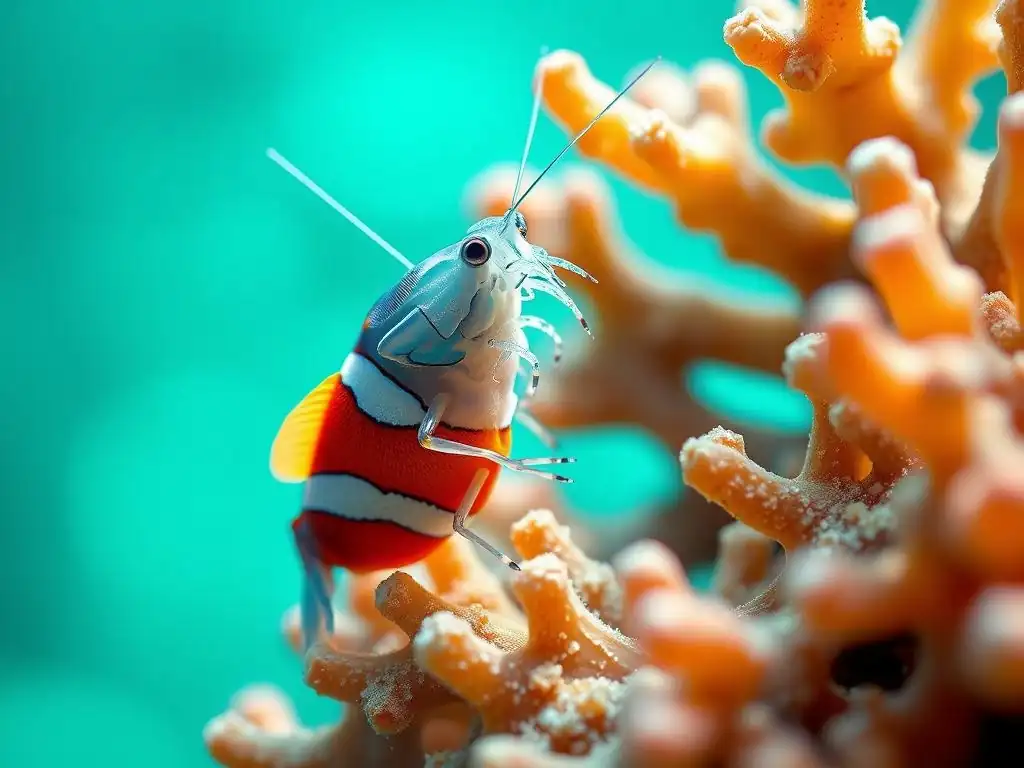
One of the most common concerns for aquarists with cleaner shrimp is their sudden "disappearance." The primary reason for a cleaner shrimp to go into hiding is typically related to its molting cycle. Immediately after shedding its old exoskeleton, the shrimp is soft-bodied and extremely vulnerable. It will instinctively seek out the most secure and secluded hiding spots in the tank, such as deep crevices in live rock, under ledges, or within rockwork, to remain safe until its new shell hardens, which can take several days.
Other reasons for hiding include stress from aggressive tank mates, poor water quality, or simply being new to the tank and still acclimating to its surroundings. If your shrimp has been missing for more than a few days and you haven't found an exuvia, carefully check all potential hiding spots, including overflows and sumps. Persistent hiding beyond the molting period should prompt a review of water parameters and tank mate compatibility as part of effective cleaner shrimp tank care.
Aggression Issues: Addressing Tank Mate Conflicts
While cleaner shrimp are generally peaceful, aggression issues can arise, though it's usually the shrimp being the victim rather than the aggressor. If fish are harassing or attempting to prey on your cleaner shrimp, the first step is to assess the compatibility of your tank mates. If the fish species is known to be predatory towards invertebrates (e.g., triggerfish, lionfish), immediate removal of the fish is necessary. If the aggression is from a generally peaceful fish, it might be due to stress, overcrowding, or a lack of adequate hiding spots for the shrimp.
In rare cases, a cleaner shrimp might exhibit aggression towards other shrimp if the tank is too small or if there is insufficient food. Ensuring proper tank size and providing enough sustenance can mitigate inter-shrimp conflicts. Adding more live rock or suitable decor can also provide additional territories and hiding places, reducing stress for all inhabitants and fostering a more harmonious environment, which is integral to cleaner shrimp tank care.
Lack of Cleaning Behavior: Potential Causes
If your cleaner shrimp is not actively performing its cleaning duties, there could be several underlying reasons. One common cause is simply that the shrimp is well-fed by the hobbyist. If it has abundant access to prepared foods, its natural drive to seek out parasites and dead skin from fish may diminish, as its primary nutritional needs are already being met. In such cases, reducing supplemental feeding might encourage more natural cleaning behavior.
Another reason could be that the fish in your tank are exceptionally healthy and simply do not have any parasites or dead skin for the shrimp to clean. This is a positive sign for your fish's health! Alternatively, the shrimp might be stressed or ill, causing it to be lethargic and uninterested in its cleaning duties. In this scenario, check water parameters and observe for any other symptoms of illness. Ensuring optimal cleaner shrimp tank care through stable water conditions and appropriate tank mates will generally encourage natural cleaning behaviors.
Purchasing Healthy Cleaner Shrimp
Selecting Reputable Suppliers
The initial health of your cleaner shrimp largely depends on selecting a reputable supplier. Whether you are purchasing from a local fish store or an online vendor, look for establishments that prioritize the health and well-being of their livestock. A good supplier will have clean, well-maintained holding tanks with clear water and no visible signs of sick or dead animals. Their staff should be knowledgeable about cleaner shrimp tank care and able to answer your questions regarding the shrimp's origin, feeding habits, and quarantine procedures.
When buying online, research reviews and look for vendors with strong guarantees on live arrival. A reputable online supplier will package the shrimp carefully to minimize stress during transit and often provide detailed acclimation instructions. Choosing a trusted source reduces the risk of introducing diseases or unhealthy specimens into your established reef tank, setting the foundation for successful long-term ownership.
Observing Shrimp Health Before Purchase
Before making a purchase, take the time to carefully observe the cleaner shrimp's health and behavior. A healthy Lysmata amboinensis should be active and alert, constantly moving its antennae and exploring its surroundings. Its coloration should be vibrant and distinct, with clear, bright red and white stripes. Avoid shrimp that appear lethargic, are constantly hiding (unless recently molted), or show signs of cloudy patches, discoloration, or missing limbs (unless they are regenerating).
Check that the shrimp's antennae are intact and that its body is free from any visible lesions, growths, or parasites. Observe how it reacts to movement or light; a healthy shrimp will typically respond by moving or waving its antennae. A thorough visual inspection ensures you are selecting a robust specimen that is more likely to thrive in your aquarium, making your cleaner shrimp tank care efforts more successful from the start.
Acclimation Techniques for New Cleaner Shrimp
Proper acclimation is arguably the most critical step when introducing a new cleaner shrimp to your aquarium, due to their extreme sensitivity to changes in salinity, pH, and temperature. The drip acclimation method is highly recommended as it allows for a very slow and gradual equalization of water parameters, minimizing stress and osmotic shock. Begin by floating the bag in your sump or tank for 15-20 minutes to equalize temperature.
Then, transfer the shrimp and its bag water into a separate container. Using airline tubing with a knot or valve, slowly drip water from your display tank into the container. Aim for a drip rate of about 1-2 drips per second.
Allow this process to continue for at least 1-2 hours, or until the volume of water in the container has at least quadrupled. Once acclimated, gently net the shrimp and place it into your display tank, discarding the water from the container. Keep the lights dim for the first few hours to further reduce stress on the newly introduced shrimp, ensuring a smooth transition and effective cleaner shrimp tank care.
Conclusion: Maximizing the Benefits of Cleaner Shrimp in Your Reef Tank
The Cleaner Shrimp ( Lysmata amboinensis) stands out as an indispensable and captivating inhabitant for any well-maintained reef aquarium. Their intrinsic role as natural parasite removers and detritivores significantly contributes to the overall health and stability of the marine ecosystem within your tank, offering a proactive and natural approach to pest control. Beyond their functional benefits, their vibrant coloration and engaging behaviors add dynamic beauty and interactive appeal, making them a true focal point for aquarists.
To truly maximize the advantages these remarkable invertebrates offer, diligent cleaner shrimp tank care is paramount. This encompasses maintaining stable and pristine water parameters, providing an appropriately sized environment with ample hiding spots, and offering a balanced diet. Understanding their molting process, selecting compatible tank mates, and implementing proper quarantine procedures are all crucial steps that ensure their longevity and well-being. By adhering to these comprehensive care guidelines, you not only foster a thriving environment for your cleaner shrimp but also enrich the entire reef community, transforming your aquarium into a more resilient, vibrant, and ecologically balanced miniature ocean.
Frequently Asked Questions
How many Cleaner Shrimp can I keep in my reef tank?
Generally, you can keep one Cleaner Shrimp per 10-20 gallons of water. Overcrowding can lead to increased stress and competition for food.
What do Cleaner Shrimp eat in a reef tank?
Cleaner Shrimp are opportunistic feeders. They consume parasites from fish, leftover food, and algae. You may need to supplement their diet with small meaty foods if food is scarce.
What are the ideal water parameters for Cleaner Shrimp?
Stable water parameters are crucial. Aim for a temperature of 72-78°F (22-26°C), a salinity of 1.023-1.025, and a pH of 8.1-8.4. Maintaining stable water chemistry is key to their health.
Are Cleaner Shrimp compatible with all reef tank inhabitants?
While generally peaceful, Cleaner Shrimp can be vulnerable to aggressive fish. Avoid keeping them with large predatory fish like triggers or groupers. Choose compatible tank mates carefully.
How often should I change the water in my Cleaner Shrimp tank?
Regular water changes are essential for maintaining water quality. Perform a 10-20% water change every one to two weeks. This helps remove accumulated nitrates and replenish trace elements.
Final Reflection: The Symbiotic Dance of Reef Life
The insights shared throughout this article highlight the crucial role Cleaner Shrimp play in maintaining a healthy and balanced reef ecosystem, a reality that extends far beyond the confines of our personal aquariums. Understanding their symbiotic relationships and specific needs is not merely about successful Cleaner shrimp tank care; it's about appreciating the delicate interconnectedness of all life within a reef environment and striving to replicate that harmony in our own miniature oceans.
The enduring appeal of Cleaner Shrimp lies not only in their vibrant colors and fascinating behavior but also in their embodiment of mutualism – a concept that resonates deeply with our own aspirations for a more cooperative and sustainable world. Observing these tiny creatures diligently tending to their larger tankmates reminds us of the power of collaboration and the benefits of selfless service. In nature, nothing exists alone.
- Rachel Carson. This quote perfectly encapsulates the essence of the reef ecosystem and the vital role each organism, including the Cleaner Shrimp, plays in its overall health and resilience.
As you consider the information presented here, I encourage you to reflect on the broader implications of responsible reef keeping. By prioritizing the well-being of these remarkable creatures and understanding their intricate needs, you are not just creating a beautiful display; you are actively participating in the preservation of a fragile and vital ecosystem. Let the lessons learned about Cleaner shrimp tank care inspire you to cultivate a deeper appreciation for the natural world and to embrace the responsibility that comes with being a steward of its wonders.
Embrace a Sparkling Reef: Invite a Cleaner Shrimp Today!
Thank you for diving into the fascinating world of Cleaner Shrimp! Now that you understand their crucial role in maintaining a healthy reef tank, it's time to consider how they can benefit your aquarium.
Here are a few ways to bring the magic of Cleaner Shrimp to your reef:
- Introduce a Cleaner Shrimp: Research reputable local breeders or aquarium stores and carefully select a healthy Lysmata amboinensis for your tank. Observing their behavior in the store is key!
- Share your cleaner shrimp stories! Engage on Aquarium Mastery's social channels using #CleanerShrimpCare and connect with fellow reef enthusiasts.
- Consider a dedicated "feeding station" for your cleaner shrimp. Experiment with offering small pieces of frozen mysis shrimp or specialized invertebrate food near their favorite hiding spot to ensure they get enough to eat beyond their cleaning duties.
What are you waiting for? Share your experience with Cleaner Shrimps below.