
Bicolor Dottyback: A Striking Fish with a Cautionary Tale for Reefs

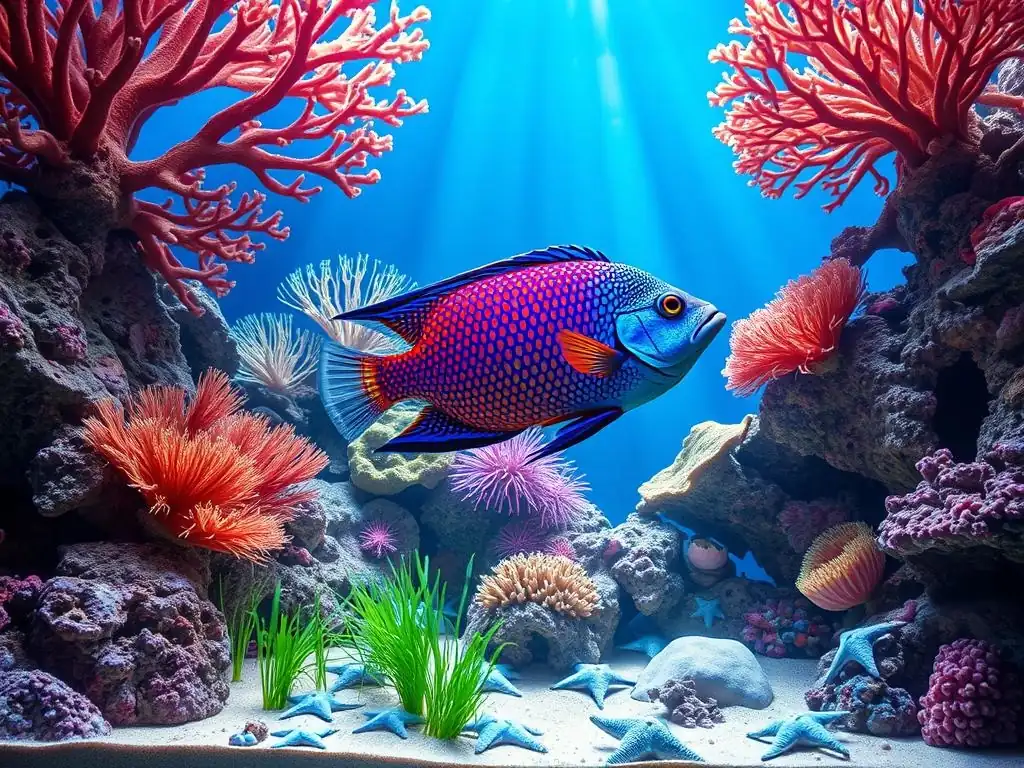
Welcome to Aquarium Mastery, where your underwater dreams become reality!
Intrigued by the vibrant hues of the reef? Dive into our comprehensive guide on Bicolor Dottyback reef tank care. But be warned! While their striking beauty can captivate, understanding their specific needs and potential impact on a reef ecosystem is crucial. Discover everything you need to know to make an informed decision and provide the best possible environment for this captivating fish. Ready to unravel the mysteries of the Bicolor Dottyback? Let's explore!
- Introduction to the Bicolor Dottyback ( Pictichromis paccagnellae)
- Understanding Bicolor Dottyback Reef Tank Compatibility
- Bicolor Dottyback Care: Essential Guidelines
- Choosing Tank Mates for Your Bicolor Dottyback
- Bicolor Dottyback Behavior: Understanding Aggression and Territoriality
- Identifying and Treating Common Bicolor Dottyback Diseases
- Bicolor Dottyback Breeding: A Challenging Endeavor
- Pros and Cons of Keeping a Bicolor Dottyback in a Reef Tank
- Alternative Reef-Safe Fish Options
- Conclusion: Making an Informed Decision About Bicolor Dottyback Reef Tank Care
-
Frequently Asked Questions
- What are the basic requirements for keeping a Bicolor Dottyback in a reef tank?
- Are Bicolor Dottybacks truly reef-safe?
- What do Bicolor Dottybacks eat, and how often should they be fed?
- What are some common health issues that affect Bicolor Dottybacks?
- What should I consider before adding a Bicolor Dottyback to my reef tank?
- Final Reflection: A Reef's Delicate Balance
- Ignite Your Reef Tank Journey!
Introduction to the Bicolor Dottyback ( Pictichromis paccagnellae)
A Colorful Addition to Saltwater Aquariums
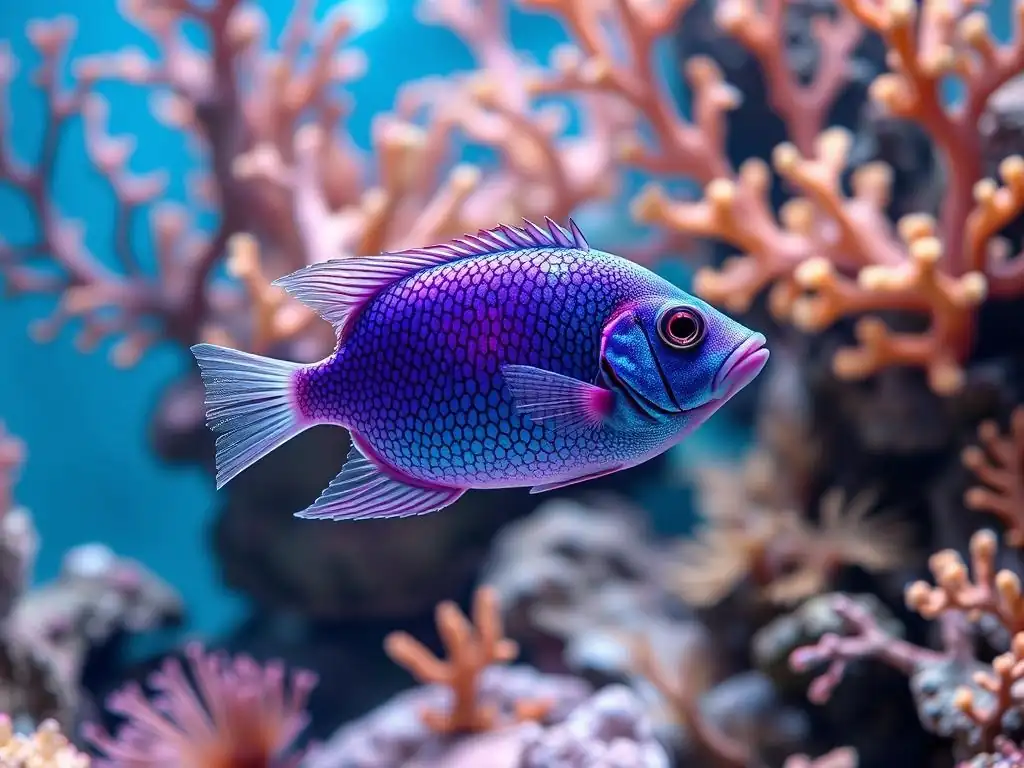
The Bicolor Dottyback, scientifically known as Pictichromis paccagnellae, is a captivating marine fish renowned for its vibrant, contrasting coloration. Typically reaching an adult size of approximately 3 inches (about 7.5 cm), this species displays a stunning magenta or purple anterior half, sharply transitioning to a brilliant yellow posterior. This striking appearance makes it a popular choice for aquarists seeking to add a dramatic splash of color to their saltwater setups.
Originating from the Indo-Pacific region, the Bicolor Dottyback naturally inhabits rocky reefs, rubble zones, and outer reef slopes at depths ranging from 3 to 45 meters. They are part of the Pseudochromidae family, known for their generally hardy nature in captivity. Their relatively small size and robust constitution contribute to their appeal, making them seemingly accessible for a variety of aquarium environments.
The Bicolor Dottyback's Reputation: Reef Safe or Reef Threat?
While undeniably beautiful, the Bicolor Dottyback carries a nuanced reputation within the reef aquarium community. Many aquarists are drawn to its striking hues, but its behavior often leads to questions regarding its compatibility with a diverse reef environment. The term "reef safe" is frequently debated when discussing this particular species, largely due to its inherent territorial and predatory instincts.
The cautionary tale surrounding the Bicolor Dottyback stems from its potential to exhibit aggression, particularly towards smaller, more docile fish and various ornamental invertebrates. While they typically leave stony and soft corals untouched, their opportunistic hunting nature can pose a significant risk to the delicate balance of a thriving reef ecosystem. Understanding these behavioral traits is crucial for responsible Bicolor Dottyback reef tank care.
Understanding Bicolor Dottyback Reef Tank Compatibility
Defining Reef Safe: What Does it Mean for Bicolor Dottybacks?
In the context of marine aquariums, the term "reef safe" primarily signifies a fish's compatibility with corals and other sessile invertebrates. A truly reef-safe species will not nip at polyps, consume coral tissue, or disturb the delicate structure of stony corals (SPS, LPS) or soft corals. On this front, the Bicolor Dottyback generally performs well; they are not known to consume or damage corals directly.
However, the definition of "reef safe" extends beyond just corals to encompass the broader reef community, including motile invertebrates like ornamental shrimp, crabs, and snails, as well as smaller, peaceful fish. It is in this broader sense that the Bicolor Dottyback's "reef safe" status becomes ambiguous. Their predatory nature and territorial aggression often conflict with the presence of these more vulnerable tank inhabitants, making comprehensive Bicolor Dottyback reef tank care a complex consideration.
Assessing the Risk: Bicolor Dottyback Behavior in Reef Aquariums
The primary risk associated with Bicolor Dottybacks in a reef aquarium is their predatory behavior towards small crustaceans. Ornamental shrimp, such as Peppermint Shrimp ( Lysmata wurdemanni), Skunk Cleaner Shrimp ( Lysmata amboinensis), and even smaller hermit crabs, are frequently reported as targets. Aquarists often find that these Dottybacks will actively hunt and consume such invertebrates, particularly at night or when the invertebrates are molting and vulnerable.
Beyond predation, Bicolor Dottybacks are highly territorial. They will establish a specific area within the rockwork and aggressively defend it from perceived intruders. This aggression can extend to new tank additions, similarly sized fish, or even fish significantly larger than themselves if they feel their territory is being invaded. This behavior makes careful Bicolor Dottyback reef tank care essential, as it can lead to stress, fin nipping, or even the death of less assertive tank mates.
Bicolor Dottyback Care: Essential Guidelines
Bicolor Dottyback Tank Size and Setup Requirements
Due to their territorial and semi-aggressive nature, a single Bicolor Dottyback requires a minimum tank size of 30 gallons (approximately 115 liters). This volume provides sufficient space for the fish to establish a territory without feeling overly confined, which can exacerbate aggression. If considering housing the Bicolor Dottyback with other fish, a larger aquarium, upwards of 50 to 75 gallons (190-285 liters), is highly recommended to provide ample swimming room and multiple territories.
The aquascape within the tank is crucial for effective Bicolor Dottyback reef tank care. Provide an abundance of live rock with numerous caves, crevices, and hiding spots. This not only mimics their natural habitat but also allows the Dottyback to establish a secure territory and provides visual barriers for other tank inhabitants, helping to mitigate potential aggression. A well-structured environment contributes significantly to the fish's overall well-being and the harmony of the tank.
Water Parameters for Optimal Bicolor Dottyback Health
Maintaining stable and appropriate water parameters is fundamental for the health and longevity of any marine fish, including the Bicolor Dottyback. They thrive in standard reef aquarium conditions. The salinity should be kept within a specific gravity range of 1.023 to 1.025. Water temperature should be consistently maintained between 74-82°F (23-28°C), and the pH level should ideally remain between 8.1 and 8.4.
Beyond these primary parameters, it is critical to ensure that ammonia and nitrite levels are undetectable (0 ppm), and nitrates are kept below 10-20 ppm. Regular water changes, typically 10-20% bi-weekly, are essential for removing accumulated nitrates and replenishing essential trace elements. Consistent monitoring with reliable test kits and adherence to a strict maintenance schedule are vital components of successful Bicolor Dottyback reef tank care.
Bicolor Dottyback Diet and Feeding Habits
Bicolor Dottybacks are carnivores in their natural habitat, primarily feeding on small invertebrates and zooplankton. In the home aquarium, they are generally eager eaters and should be offered a varied diet to ensure optimal nutrition. High-quality marine flakes and pellets formulated for carnivorous fish should form the staple of their diet.
Supplementing their dry food with a variety of frozen foods is crucial for their health and vibrant coloration. Excellent choices include Mysis shrimp, brine shrimp (enriched), finely chopped krill, and other marine-based frozen preparations. Feeding small portions two to three times per day is recommended to ensure they receive adequate nutrition without overfeeding, which can lead to water quality issues. While they readily accept food, remember their predatory nature; live foods might heighten their aggressive tendencies towards small tank mates.
Choosing Tank Mates for Your Bicolor Dottyback
Suitable Tank Mates for Bicolor Dottybacks in Reef Environments
Selecting appropriate tank mates is perhaps the most critical aspect of successful Bicolor Dottyback reef tank care. Compatible fish should be robust, semi-aggressive, or large enough to hold their own. Examples of suitable companions include many species of Damselfish (e.g., Yellowtail Damselfish, Azure Damselfish), larger Gobies (e.g., Diamond Watchman Goby, Yellow Watchman Goby), Tangs (provided the tank size is adequate, e.g., Yellow Tang), and certain Angelfish species (e.g., Coral Beauty Angelfish).
It is generally recommended to introduce the Bicolor Dottyback last into an established aquarium. This strategy can help mitigate their territorial instincts, as other fish will have already claimed their territories. Ensuring ample rockwork with numerous hiding spots and visual barriers for all inhabitants is also key to minimizing conflict and promoting a more peaceful community.
Fish to Avoid: Aggressive Tank Mates and Bicolor Dottybacks
When planning for Bicolor Dottyback reef tank care, it is equally important to identify species to avoid. Highly aggressive fish, such as some larger triggers or puffers, could potentially overpower and injure the Dottyback. Conversely, very small, shy, or delicate fish are highly susceptible to the Bicolor Dottyback's aggression and predatory nature.
Avoid keeping Bicolor Dottybacks with species like small Blennies (e.g., Tailspot Blenny, Starry Blenny), tiny Gobies (e.g., Clown Gobies), Firefish Gobies ( Nemateleotris magnifica), or other peaceful, slow-moving fish. These species are likely to be harassed, stressed, or even preyed upon. Furthermore, avoid housing multiple Bicolor Dottybacks or other Dottyback species together in tanks smaller than 75-100 gallons, as they are highly territorial towards conspecifics and similar-looking fish, leading to intense aggression.
Invertebrates and the Bicolor Dottyback: A Compatibility Guide
When it comes to corals, the Bicolor Dottyback is generally considered safe. They do not typically bother or consume coral polyps, making them compatible with a wide array of SPS, LPS, and soft corals. This is a significant advantage for reef enthusiasts focused on coral propagation and growth.
However, their compatibility with motile invertebrates is a different story. Ornamental shrimp species such as Cleaner Shrimp, Peppermint Shrimp, and Fire Shrimp are at significant risk of becoming prey, especially if the Dottyback is introduced to a tank with established shrimp. Small hermit crabs might also be targeted. While larger snails (e.g., Turbo snails, Nassarius snails) are usually safe, smaller varieties or those with soft bodies could be vulnerable. Aquarists must weigh this risk carefully during Bicolor Dottyback reef tank care planning, as many report losses of valuable invertebrates.
Bicolor Dottyback Behavior: Understanding Aggression and Territoriality
Recognizing Signs of Aggression in Bicolor Dottybacks
Understanding the behavioral cues of your Bicolor Dottyback is crucial for maintaining a harmonious reef aquarium. Signs of aggression typically include chasing other fish, nipping at fins, flaring gills and fins, or rapid, darting movements aimed at intimidating tank mates. They may also exhibit intensified color patterns when agitated or defending their territory.
A Bicolor Dottyback might claim a specific cave or rock formation as its territory and actively prevent other fish from entering or even approaching it. During feeding times, an aggressive individual may hog food, preventing shyer tank mates from getting enough to eat. Early recognition of these signs allows aquarists to intervene before prolonged stress or physical harm impacts other fish, a key aspect of proactive Bicolor Dottyback reef tank care.
Minimizing Aggression: Strategies for Keeping a Peaceful Reef Tank
Several strategies can help mitigate aggression in Bicolor Dottybacks. As previously mentioned, introducing the Dottyback last to an established tank can reduce territorial disputes. Providing ample rockwork with numerous hiding spots and visual barriers is paramount, allowing all fish to retreat and establish their own perceived safe zones. Keeping the tank well-fed also helps, as hunger can sometimes exacerbate predatory and aggressive instincts.
If aggression becomes severe, temporary removal of the Bicolor Dottyback to a "time-out" tank or fish trap for a few days can sometimes reset their behavior. Reintroducing them, especially after rearranging the aquascape in the main tank, can sometimes disrupt their established territory and reduce aggression. Ultimately, a larger tank size provides more space for all inhabitants, naturally diffusing territorial conflicts and promoting more effective Bicolor Dottyback reef tank care.
Identifying and Treating Common Bicolor Dottyback Diseases
Common Fish Diseases Affecting Bicolor Dottybacks
Like many marine fish, Bicolor Dottybacks are susceptible to common saltwater diseases if water quality is poor or if they are stressed. The most prevalent diseases include Marine Ich ( Cryptocaryon irritans), characterized by small white spots resembling salt grains on the body and fins, and Marine Velvet ( Amyloodinium ocellatum), which presents as a dusty, yellowish film. Brooklynella hostilis, a protozoan infection, can also occur, causing sloughing skin and rapid breathing.
Stress, often induced by unstable water parameters, overcrowding, or incompatible tank mates, significantly weakens a fish's immune system, making them more vulnerable to these pathogens. Proactive disease prevention through excellent water quality and appropriate tank mate selection is a cornerstone of responsible Bicolor Dottyback reef tank care.
Quarantine Procedures for New Bicolor Dottybacks
A robust quarantine procedure is indispensable for preventing the introduction of diseases into a display tank. All new Bicolor Dottybacks should be quarantined in a separate tank for a minimum of three to four weeks. This isolation period allows for close observation of the fish for any signs of illness, provides an opportunity for preemptive treatment of common parasites, and allows the fish to acclimate to captivity without the added stress of a bustling community tank.
A quarantine tank can be simple, consisting of a bare bottom, a heater, an air stone, and some PVC pipes or inert decorations for hiding. During quarantine, monitor water parameters diligently and feed a high-quality, varied diet to bolster the fish's health. This crucial step in Bicolor Dottyback reef tank care safeguards the entire aquarium ecosystem.
Treatment Options for Sick Bicolor Dottybacks
Should a Bicolor Dottyback become ill, prompt and accurate diagnosis is key. For parasitic infections like Ich and Velvet, common treatment options include copper-based medications (e.g., Cupramine, Copper Power) or hyposalinity (gradually lowering the salinity to a specific gravity of 1.008-1.009). These treatments must always be administered in a dedicated hospital or quarantine tank, as copper is highly toxic to invertebrates and can harm beneficial bacteria in the main display.
Bacterial infections may require broad-spectrum antibiotics, often administered via food or as a bath, again, only in a separate treatment tank. It is vital to follow medication instructions precisely and complete the full course of treatment. Always consult reliable sources or experienced aquarists for diagnosis and specific treatment protocols to ensure the best outcome for your Bicolor Dottyback.
Bicolor Dottyback Breeding: A Challenging Endeavor
Creating a Suitable Breeding Environment for Bicolor Dottybacks
Breeding Bicolor Dottybacks in a home aquarium is considered challenging and relatively rare, but not impossible. A dedicated breeding tank, typically 20 gallons (75 liters) or larger, is required to provide a stable and undisturbed environment. The tank should have consistent water parameters mimicking their natural habitat and include plenty of small caves, ceramic tubes, or PVC pipes that can serve as potential egg-laying sites.
To encourage spawning, a varied and high-protein diet should be provided to condition the breeding pair. Maintaining subdued lighting and minimizing external disturbances can also contribute to creating a conducive breeding atmosphere. Patience and consistent care are paramount when attempting Bicolor Dottyback breeding.
Identifying Male and Female Bicolor Dottybacks
Sexual dimorphism in Bicolor Dottybacks is not highly pronounced, making it difficult to visually distinguish males from females outside of breeding behavior. While some aquarists suggest males might be slightly larger or exhibit more intense coloration during spawning, these indicators are not always reliable. There are no definitive external physical characteristics that reliably differentiate the sexes.
The most practical approach to obtaining a breeding pair is to purchase a small group of juvenile Bicolor Dottybacks (e.g., 4-6 individuals) and allow them to pair off naturally as they mature. Once a pair forms, they will typically become very territorial and may exhibit aggressive behavior towards the other Dottybacks in the group, necessitating the removal of the non-paired fish.
The Bicolor Dottyback Breeding Process: From Spawning to Fry
Bicolor Dottybacks are egg-layers. Once a pair has formed and is conditioned, the female will typically deposit a clutch of small, adhesive eggs within a protected crevice or a chosen breeding tube. The male then fertilizes the eggs and takes on the primary role of guarding and fanning them to ensure proper oxygenation and prevent fungal growth.
The eggs usually hatch within 3 to 5 days, depending on the water temperature. The newly hatched fry are extremely small and delicate, presenting the most significant challenge in the breeding process. They require microscopic live foods, such as rotifers, initially, followed by newly hatched brine shrimp as they grow. Due to their minute size and specific feeding requirements, raising Bicolor Dottyback fry to maturity typically results in high mortality rates and requires specialized equipment and significant dedication.
Pros and Cons of Keeping a Bicolor Dottyback in a Reef Tank
Advantages of Owning a Bicolor Dottyback
- Stunning Coloration: The most compelling advantage of the Bicolor Dottyback is its incredibly vibrant and contrasting purple and yellow coloration. This striking aesthetic makes it a true centerpiece in any aquarium, adding an immediate and dramatic visual appeal that few other fish its size can match. Its bright hues can transform the look of a reef tank.
- Hardiness & Activity: Bicolor Dottybacks are generally robust and resilient fish, making them relatively easy to care for in terms of basic husbandry requirements like water parameters and diet. They are also active swimmers, constantly exploring the rockwork and adding dynamic movement to the tank, which is appealing to many aquarists.
Disadvantages and Potential Problems with Bicolor Dottybacks
- Aggression & Predation: The primary drawback is their significant potential for aggression and predation. They are known to harass, injure, or even kill smaller, peaceful fish, and they frequently prey on ornamental shrimp (e.g., Cleaner Shrimp) and small crabs. This behavior necessitates careful tank mate selection and can lead to stress or loss of other valuable inhabitants.
- Compatibility Challenges: Their territorial nature means they require adequate space and careful aquascaping to minimize conflicts. This limits the types of tank mates that can be safely housed with them, making it challenging to create a truly peaceful community reef tank. The effort required for effective Bicolor Dottyback reef tank care can be substantial.
Alternative Reef-Safe Fish Options
Exploring Other Colorful and Peaceful Reef Fish
For aquarists seeking vibrant coloration without the potential for aggression inherent in the Bicolor Dottyback, several excellent reef-safe alternatives exist. The Royal Gramma Basslet ( Gramma loreto) offers a similar purple and yellow split, but with a far more peaceful temperament, making it an ideal candidate for community reef tanks. Orchid Dottybacks ( Pseudochromis fridmani) are another popular choice, known for their striking magenta color and significantly less aggressive nature than their Bicolor cousins.
Other suitable and colorful options include various species of Blennies, such as the Tailspot Blenny ( Salarias fasciatus) or Starry Blenny ( Salarias ramosus), which are excellent algae grazers and generally peaceful. Firefish Gobies ( Nemateleotris magnifica) provide a graceful, darting presence with beautiful red and white fins. Clownfish ( Amphiprion ocellaris) are also widely popular for their hardiness and iconic appearance, typically posing no threat to corals or most invertebrates.
Comparing Bicolor Dottybacks with Other Dottyback Species for Reef Aquariums
When considering Dottybacks for a reef environment, it's crucial to differentiate between species, as their temperaments vary widely. The Orchid Dottyback ( Pseudochromis fridmani) is widely regarded as the most reef-safe Dottyback, being notably less aggressive and generally peaceful towards other fish and invertebrates, making it a preferred choice for mixed reef tanks.
Other Dottyback species, such as the Striped Dottyback ( Pseudochromis sankeyi) or the Springer's Dottyback ( Pseudochromis springeri), are also generally considered more reef-compatible than the Bicolor Dottyback, exhibiting less aggression towards tank mates. However, individual temperament can always vary, and thorough research into specific species profiles is essential. The Bicolor Dottyback stands out among its kin for its more pronounced territoriality and predatory tendencies, requiring a more cautious approach to Bicolor Dottyback reef tank care compared to its more docile relatives.
Conclusion: Making an Informed Decision About Bicolor Dottyback Reef Tank Care
The Importance of Research Before Introducing a Bicolor Dottyback
The Bicolor Dottyback is an undeniably stunning fish, capable of adding immense visual appeal to any saltwater aquarium. However, its vibrant beauty comes with a significant caveat: its often-aggressive and predatory nature. Therefore, comprehensive research is not merely a recommendation but an absolute necessity before introducing a Bicolor Dottyback into a reef tank. Understanding its specific needs, potential behavioral issues, and compatibility challenges is paramount to preventing stress and harm to existing tank inhabitants.
Aquarists must move beyond the initial visual appeal and delve into the nuances of Bicolor Dottyback reef tank care, including appropriate tank size, strategic aquascaping to provide ample hiding spots, and, most critically, careful selection of tank mates. Failing to adequately prepare for these aspects can lead to a less-than-harmonious environment, potentially resulting in the loss of valuable fish and invertebrates.
Responsible Aquarium Keeping and the Bicolor Dottyback
Responsible aquarium keeping prioritizes the well-being and health of all livestock. For the Bicolor Dottyback, this means acknowledging its inherent behavioral traits and making informed decisions that align with the capabilities of your aquarium system and the temperament of your existing inhabitants. It requires a willingness to adapt your tank setup or, if necessary, consider alternative species if the Bicolor Dottyback proves incompatible with your vision for a peaceful community reef.
While challenging, successfully keeping a Bicolor Dottyback in a reef tank is achievable with meticulous planning and ongoing observation. Its striking appearance can be a rewarding addition, provided the aquarist commits to understanding and managing its unique requirements. Ultimately, thoughtful Bicolor Dottyback reef tank care ensures not only the fish's longevity but also the overall health and stability of the entire reef ecosystem.
Frequently Asked Questions
What are the basic requirements for keeping a Bicolor Dottyback in a reef tank?
Bicolor Dottybacks need a tank of at least 30 gallons with plenty of live rock for shelter. Maintaining stable water parameters is crucial for their health and well-being.
Are Bicolor Dottybacks truly reef-safe?
While visually appealing, Bicolor Dottybacks can be aggressive towards smaller, peaceful fish and invertebrates in a reef tank. Careful consideration of tank mates is essential to avoid predatory behavior.
What do Bicolor Dottybacks eat, and how often should they be fed?
They are primarily carnivorous and will accept a variety of meaty foods like mysis shrimp, brine shrimp, and high-quality flake food. Feed them twice a day in small portions.
What are some common health issues that affect Bicolor Dottybacks?
Bicolor Dottybacks are generally hardy, but they can be susceptible to marine ich (white spot disease) and other parasitic infections. Maintaining good water quality and a stress-free environment is key to preventing disease.
What should I consider before adding a Bicolor Dottyback to my reef tank?
Assess your existing fish's temperament and size. Ensure the tank has ample hiding spots and that you are prepared to manage potential aggression towards smaller or more docile inhabitants. Consider the overall compatibility within your reef ecosystem.
Final Reflection: A Reef's Delicate Balance
The vibrant beauty of the Bicolor Dottyback, as we've explored, serves as a powerful reminder that even the most captivating creatures can present unforeseen challenges within the delicate ecosystem of a reef tank. Understanding the specific needs and potential impact of each inhabitant is paramount to responsible reef keeping. Ignoring these crucial aspects can lead to imbalances, aggression, and ultimately, the detriment of the entire reef environment.
The allure of the Bicolor Dottyback, with its striking coloration, often overshadows the need for diligent research and careful consideration. This highlights the broader responsibility we have as aquarists to prioritize the well-being of our reef systems above mere aesthetics. In the end, we will conserve only what we love; we will love only what we understand; and we will understand only what we are taught.
- Baba Dioum. This quote encapsulates the essence of responsible reef keeping: education, understanding, and ultimately, a deep respect for the intricate web of life within our tanks.
As you consider adding a Bicolor Dottyback, or any new inhabitant, to your reef tank, remember the lessons we've discussed. Let informed decision-making, guided by a commitment to the health and harmony of your reef, be your guiding principle. Embrace the challenge of creating a thriving ecosystem, and you'll find the rewards far outweigh the initial allure of any single, striking fish.
Ignite Your Reef Tank Journey!
Thanks for diving deep into the captivating world of the Bicolor Dottyback! We hope you found the knowledge valuable for understanding this striking fish. Now, let's translate that understanding into action.
Here are a few ways to continue your reef aquarium journey:
- Consider carefully whether a Bicolor Dottyback is truly the right fit for your specific reef community, prioritising the well-being of all your inhabitants.
- Share this article with a fellow reef enthusiast who's considering adding a Bicolor Dottyback to their tank!
- Explore the unique compatibility charts and species spotlights available on Aquarium Mastery, expanding your knowledge and finding the perfect matches for your existing ecosystem.
What specific challenges or unexpected behaviours have you observed in your reef tank that you'd be willing to share with the community?