
Vitamin C for Tangs: Does It Really Boost Immunity and Aid HLLE Recovery?

Welcome to Aquarium Mastery, your ultimate resource for all things aquarium! Ever wondered if a simple vitamin could be the key to a thriving saltwater tank? Dive in with us as we explore the surprising benefits of Vitamin C for Tangs, uncovering whether it truly boosts immunity and aids in HLLE recovery. Prepare to be enlightened and equip yourself with the knowledge to give your tangs the best possible care!
- Understanding the Role of Vitamin C in Tang Health
- Vitamin C and Head and Lateral Line Erosion (HLLE) in Tangs
- Administering Vitamin C to Tangs: Methods and Dosage
- Debunking Myths About Vitamin C and Tang Health
- Maximizing Vitamin C Benefits for Tangs: A Holistic Approach
- Vitamin C Supplementation in Tangs: Potential Risks and Side Effects
- Choosing High-Quality Tang Food Enriched with Vitamin C
- Conclusion: Vitamin C as a Tool for Supporting Tang Health
-
Frequently Asked Questions
- How does Vitamin C potentially benefit Tangs in aquariums?
- What forms of Vitamin C are most suitable for Tangs in a saltwater aquarium?
- Can a Vitamin C deficiency cause specific health problems in Tangs?
- How often should I administer Vitamin C to my Tangs?
- Is there a risk of overdosing Vitamin C in my Tang aquarium and are there any side effects?
- Final Reflection: Illuminating the Path to Healthier Tangs
- Ignite Your Tang's Health!
Understanding the Role of Vitamin C in Tang Health
The Importance of Vitamin C in Marine Fish Diets
Vitamin C, scientifically known as L-ascorbic acid, is an essential nutrient for nearly all living organisms, including marine fish like tangs. Unlike many mammals, fish cannot synthesize Vitamin C internally and must obtain it through their diet. This makes its inclusion in their daily food regimen non-negotiable for maintaining optimal physiological functions, ranging from collagen synthesis for healthy tissues and bones to proper immune system operation. A consistent supply is crucial for robust tang health.
A chronic deficiency of Vitamin C in a tang's diet can manifest in a variety of debilitating symptoms beyond just the commonly known Head and Lateral Line Erosion (HLLE). These can include reduced growth rates, skeletal deformities such as lordosis (curved spine) or scoliosis, fin erosion, sub-dermal hemorrhages, and a general susceptibility to stress and disease. In their natural habitats, tangs acquire ample Vitamin C from a diverse diet of various algae and small invertebrates, a complexity often difficult to fully replicate in a captive environment, highlighting the need for a Vitamin C boost tang health.
Vitamin C: A Powerful Antioxidant for Tangs
Antioxidants are compounds that inhibit oxidation, a chemical reaction that can produce free radicals, thereby damaging cells. In the context of marine fish, metabolic processes naturally generate free radicals. However, environmental stressors common in an aquarium, such as fluctuating water parameters, exposure to certain toxins, or even the stress of disease, can significantly increase the production of these harmful molecules, leading to oxidative stress at a cellular level.
Vitamin C acts as a primary water-soluble antioxidant in tangs, effectively neutralizing free radicals before they can inflict widespread cellular damage. By protecting cell membranes, proteins, and DNA from oxidative stress, Vitamin C helps maintain cellular integrity and reduces chronic inflammation. This protective role is fundamental not only for preventing degenerative conditions but also for supporting the overall resilience and vitality of the fish, contributing significantly to a healthy Vitamin C boost tang health.
How Vitamin C Contributes to a Healthy Immune System in Tangs
The immune system of a tang is a complex network of cells and processes designed to protect against pathogens and maintain health. Vitamin C plays a direct and multifaceted role in supporting this system. It is vital for the proper functioning of various immune cells, including phagocytes like macrophages and neutrophils, which are responsible for engulfing and destroying invading bacteria, viruses, and parasites. Studies have shown that adequate Vitamin C levels enhance the phagocytic activity of these cells.
Furthermore, Vitamin C influences the production of antibodies and the proliferation of lymphocytes, which are critical components of the adaptive immune response. A tang with sufficient Vitamin C reserves is better equipped to mount a strong defense against common aquarium ailments, recover more efficiently from minor infections, and withstand the physiological toll of stress. This foundational support means that Vitamin C provides a substantial boost to tang health, making them more resilient in the challenging captive environment.
Vitamin C and Head and Lateral Line Erosion (HLLE) in Tangs
What is HLLE and How Does it Affect Tangs?
Head and Lateral Line Erosion (HLLE) is a progressive and often disfiguring condition commonly observed in marine fish, particularly tangs and surgeonfish, as well as some freshwater species. It manifests as pitting, lesions, and erosion of the skin and sensory canals, typically starting around the eyes, along the lateral line, and sometimes around the mouth. In its early stages, HLLE may appear as small, depigmented spots or shallow depressions.
As HLLE progresses, these erosions can deepen significantly, exposing underlying muscle tissue and even bone. Beyond the cosmetic damage, severe HLLE makes the fish highly vulnerable to secondary bacterial or fungal infections, which can be life-threatening. The condition indicates an underlying systemic issue that compromises the fish's health and ability to heal, severely impacting its overall well-being and potentially leading to mortality if left untreated.
The Link Between Vitamin C Deficiency and HLLE in Saltwater Fish
While HLLE is widely considered a multi-factorial syndrome, meaning several elements can contribute to its onset, nutritional deficiencies—especially a chronic lack of Vitamin C—are strongly implicated as a primary driver. The hypothesis is that insufficient Vitamin C weakens the integrity of the skin and the delicate tissues of the lateral line system, making them more susceptible to breakdown. This deficiency impairs the body's ability to repair and regenerate damaged cells, leading to the characteristic erosion.
Beyond Vitamin C, other factors often associated with HLLE include poor water quality (e.g., high nitrates, stray voltage), the use of activated carbon (which some theories suggest can deplete certain trace elements or Vitamin C), and a monotonous diet lacking in essential nutrients. However, numerous anecdotal reports and some scientific observations point to a direct correlation between diets low in stable Vitamin C and the development or worsening of HLLE symptoms, making a Vitamin C boost tang health a critical preventative measure.
Can Vitamin C Supplements Reverse HLLE Symptoms in Tangs? [Evidence and Studies]
While large-scale, definitive peer-reviewed studies specifically on HLLE reversal in tangs are somewhat limited, a substantial body of anecdotal evidence from experienced aquarists and some preliminary research strongly suggests that Vitamin C supplementation can significantly aid in the recovery and reversal of HLLE symptoms. Many hobbyists have reported noticeable improvements, ranging from the halting of progression to the complete healing of superficial lesions, within weeks to months of consistent supplementation combined with other corrective measures.
The mechanism behind this observed recovery is linked to Vitamin C's role in collagen synthesis and its potent antioxidant properties. By providing sufficient Vitamin C, the fish's body is better able to repair the damaged connective tissues and skin, reduce inflammation, and combat oxidative stress that might be contributing to the erosion.
It is crucial to understand that Vitamin C supplementation is most effective as part of a holistic treatment plan that also addresses other potential contributing factors like water quality, diet diversity, and stress reduction. While deep pitting may not always fully disappear, the progression can be stopped, and surface lesions often heal, providing a significant Vitamin C boost tang health.
Administering Vitamin C to Tangs: Methods and Dosage
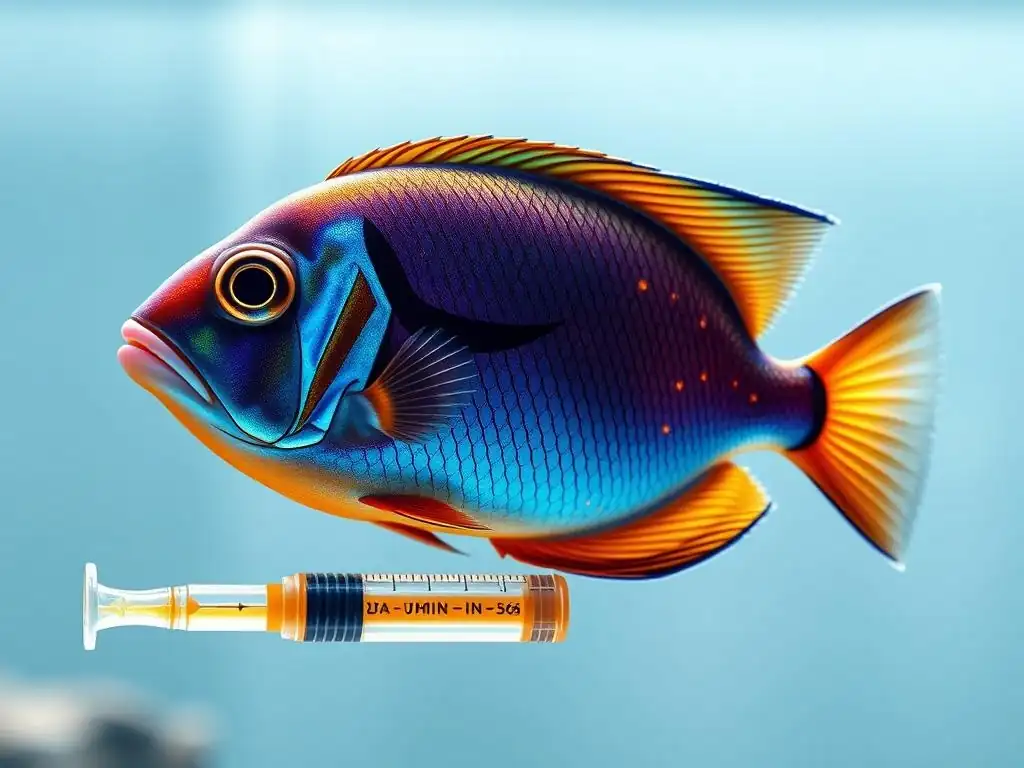
Choosing the Right Vitamin C Supplement for Your Tangs
When selecting a Vitamin C supplement for your tangs, it's vital to choose a form that is stable and bioavailable to marine fish. L-ascorbyl-2-polyphosphate (L-AP) is widely considered the most stable and effective form of Vitamin C for aquatic animals, as it resists degradation from light, heat, and water exposure far better than pure L-ascorbic acid. Many high-quality fish foods are already fortified with this stable derivative.
If you opt for a separate supplement, look for products specifically formulated for aquatic use, preferably from reputable aquarium brands. Avoid human-grade supplements unless explicitly advised by an aquatic veterinarian, as they may contain binders, fillers, or other ingredients not suitable for fish. Ensuring the supplement is designed to deliver a consistent Vitamin C boost tang health is paramount for its efficacy.
Best Practices for Adding Vitamin C to Tang Food
The most effective method for administering Vitamin C to tangs is by soaking their food directly before feeding. This ensures that the fish ingest the supplement directly, minimizing waste and degradation in the water column. For dried foods like pellets or flakes, place a small amount of food in a dedicated, clean container, add a few drops of a liquid Vitamin C supplement (or a small pinch of powder), and allow it to soak for 5-10 minutes until absorbed.
For frozen foods, allow them to thaw completely, then mix in the Vitamin C supplement before feeding. It's crucial to feed the treated food immediately after preparation, as Vitamin C degrades rapidly when exposed to air, light, and water. Preparing small, fresh batches for each feeding maximizes the potency and effectiveness of the Vitamin C boost tang health.
Water Soluble Vitamin C Options for Reef Tanks: Are They Effective?
Some aquarists consider adding water-soluble Vitamin C directly to the tank water as a method of supplementation. While certain products are marketed for this purpose, their effectiveness in delivering a significant Vitamin C boost tang health is generally limited. Vitamin C is highly reactive and degrades very quickly in saltwater, especially in the presence of light and high oxygen levels common in a reef tank.
Moreover, direct water dosing makes it difficult to ascertain how much Vitamin C is actually absorbed by the fish versus how much simply breaks down or is taken up by corals and invertebrates. Therefore, while it might offer some ambient benefit, direct dietary administration through food soaking is widely considered a far more efficient, targeted, and cost-effective method to ensure tangs receive adequate Vitamin C.
Vitamin C Dosage for Tangs: Preventing Overdosing
Vitamin C is a water-soluble vitamin, meaning that excess amounts are typically excreted by the fish's kidneys, making it relatively safe with a low risk of toxicity compared to fat-soluble vitamins. Documented cases of Vitamin C overdose in fish are rare. However, this does not mean that excessively high doses are beneficial or without potential minor issues. Wasting expensive supplements and potentially introducing minor, though usually negligible, shifts in water parameters are the primary concerns.
For specific dosage, it's always best to follow the manufacturer's guidelines for the chosen supplement. As a general guideline for food soaking, a common recommendation is often in the range of 50-100 milligrams of stable Vitamin C per kilogram of food, or a few drops of a liquid supplement per feeding, depending on its concentration. The goal is consistent, moderate supplementation rather than sporadic, high doses, ensuring a sustained Vitamin C boost tang health without undue risk.
Debunking Myths About Vitamin C and Tang Health
Myth: All Tangs Need Vitamin C Supplements
While Vitamin C is undoubtedly beneficial for tangs, the blanket statement that "all tangs need Vitamin C supplements" is a common misconception. Many high-quality marine fish foods available today are already fortified with stable forms of Vitamin C, such as L-ascorbyl-2-polyphosphate, in sufficient quantities to meet the daily nutritional requirements of healthy tangs. If a tang is thriving on a premium, varied diet, additional direct supplementation might not be strictly necessary.
Supplementation becomes particularly important for tangs on basic or less nutritious diets, those showing early signs of HLLE or other stress-related conditions, or during periods of increased physiological demand such as recovery from illness or transport stress. In these scenarios, targeted supplementation can indeed provide a crucial Vitamin C boost tang health, but it's not a universal mandate for every tang in every tank.
Myth: Vitamin C Cures All Tang Diseases
This is a dangerous myth that can lead aquarists to neglect proper diagnostic and treatment protocols. Vitamin C is not a medication; it is not an antibiotic, an antiparasitic, or an antifungal agent. It cannot directly "cure" specific diseases like marine ich (Cryptocaryon irritans), velvet (Amyloodinium ocellatum), or bacterial infections such as fin rot or Mycobacterium species. Relying solely on Vitamin C for disease treatment can lead to rapid deterioration of the fish's condition and potentially the spread of disease within the aquarium.
Instead, Vitamin C's role in disease management is primarily supportive. By strengthening the tang's immune system, it makes the fish more resilient to opportunistic pathogens and better able to recover from the stress and physiological demands of disease treatment. It helps the tang's body fight off infections more effectively and rebuild damaged tissues, providing a vital Vitamin C boost tang health but not a magical cure.
Reality: Vitamin C is a Supportive Treatment, Not a Cure-All
The reality is that Vitamin C is a powerful and valuable tool in the aquarist's arsenal for promoting overall tang health and resilience. Its well-documented roles as an antioxidant and an immune system modulator make it particularly beneficial for a species like tangs, which are prone to stress and conditions like HLLE in captivity. It helps maintain tissue integrity, supports cellular repair, and enhances the fish's natural defenses.
However, it is crucial to view Vitamin C as one component of a comprehensive care strategy, not a standalone solution for all ailments. Optimal tang health is achieved through a holistic approach that includes pristine water quality, a varied and nutrient-rich diet, appropriate tank size, compatible tank mates, and diligent observation. When integrated thoughtfully, Vitamin C provides essential support, working synergistically with these other factors to ensure a robust and long-lived tang.
Maximizing Vitamin C Benefits for Tangs: A Holistic Approach
The Importance of a Balanced Diet for Tang Health
While Vitamin C supplementation can provide a targeted boost, it must always be considered an adjunct to, not a replacement for, a well-rounded and diverse diet. Tangs are primarily herbivorous, and their captive diet should reflect this, consisting of high-quality marine algae (e.g., Nori sheets, spirulina flakes), specialized herbivore pellets or flakes, and occasional meaty foods as appropriate for their specific species. A varied diet ensures the tang receives a full spectrum of essential vitamins, minerals, amino acids, and fatty acids.
These other nutrients are just as crucial for overall immune function, tissue repair, and energy metabolism, working synergistically with Vitamin C. For instance, Vitamin A is vital for vision and epithelial tissue health, while Omega-3 fatty acids reduce inflammation. Providing a broad nutritional base ensures that the tang's body has all the necessary building blocks to utilize Vitamin C effectively, leading to truly optimal tang health.
Maintaining Optimal Water Quality for Tangs
Even the most meticulously planned diet and Vitamin C supplementation regime will be undermined by poor water quality. Tangs, like most marine fish, are sensitive to fluctuations in their environment. Maintaining stable and pristine water parameters is paramount for their health. This includes consistently low or undetectable levels of ammonia and nitrite (0 ppm), low nitrates (ideally below 20 ppm, and often much lower for sensitive species), stable salinity (e.g., 1.023-1.026 specific gravity), and a consistent temperature (typically 76-82°F, depending on species).
Regular partial water changes, efficient filtration (mechanical, biological, and chemical), and proper aquarium husbandry are essential practices. Poor water quality creates chronic stress, which directly suppresses a fish's immune system, making it more susceptible to disease and diminishing its ability to benefit from nutritional support like Vitamin C. A clean, stable environment provides the foundation upon which a Vitamin C boost tang health can truly flourish.
Identifying and Addressing Stress Factors in Your Tang's Environment
Stress is a significant contributor to weakened immunity and disease susceptibility in aquarium fish. For tangs, common stressors include an undersized aquarium (they are active swimmers and need ample space, often 100+ gallons for adult specimens), aggressive tank mates, lack of adequate hiding spots or territorial disputes, rapid or frequent fluctuations in water parameters, and overcrowding. Chronic stress leads to elevated cortisol levels, which can suppress the immune system and deplete the fish's energy reserves.
Diligent observation of your tang's behavior, coloration, and interactions with other tank inhabitants can help identify potential stressors. Addressing these issues—whether it involves rehoming an aggressive fish, providing more rockwork for shelter, or upgrading tank size—creates a more stable and secure environment. By reducing chronic stress, you enable your tang's immune system to function optimally, allowing any Vitamin C boost tang health to be fully realized and contribute to their long-term well-being.
Vitamin C Supplementation in Tangs: Potential Risks and Side Effects
Potential Interactions with Other Medications or Supplements
Generally, Vitamin C has an excellent safety profile in fish, and adverse interactions with common aquarium medications or other supplements are rare. Being water-soluble, excess Vitamin C is readily excreted, minimizing the risk of accumulation. However, it's always prudent to exercise caution when combining any new supplement with existing medications, especially those that might significantly alter water chemistry or metabolic pathways.
For instance, some strong oxidizing medications or treatments that drastically change the redox potential of the water could theoretically affect the stability or efficacy of Vitamin C. If your tang is undergoing specific medical treatment for a disease, it's advisable to consult with an experienced marine aquarist or, ideally, an aquatic veterinarian. They can provide tailored advice to ensure that any Vitamin C boost tang health is beneficial and does not inadvertently interfere with ongoing therapeutic regimens.
Monitoring Your Tangs for Adverse Reactions to Vitamin C
While adverse reactions to Vitamin C supplementation in fish are exceedingly uncommon, vigilant observation of your tangs after initiating any new supplement is always a best practice. Keep an eye out for any unusual behaviors, such as sudden lethargy, refusal to eat, rapid breathing, or signs of discomfort. These could, in very rare instances, indicate an individual sensitivity or, more likely, an issue related to the quality of the supplement or an incorrect dosage.
It is often recommended to start with a lower dose than the maximum recommended and gradually increase it, allowing the fish to acclimate. If any negative signs appear after starting supplementation, reduce the dose or temporarily halt it to see if the symptoms resolve. This proactive monitoring ensures that the Vitamin C boost tang health is genuinely beneficial and tailored to the individual needs of your fish.
Choosing High-Quality Tang Food Enriched with Vitamin C
Reading Food Labels: Identifying Vitamin C Content
When selecting commercial foods for your tangs, pay close attention to the ingredient list and the guaranteed analysis section on the food label. For Vitamin C, look for ingredients like "L-ascorbyl-2-polyphosphate," "ascorbic acid," or "stabilized Vitamin C." The presence of "L-ascorbyl-2-polyphosphate" is particularly desirable as it indicates a highly stable form that retains its potency over time, even after processing and storage.
The ingredient list typically prioritizes ingredients by weight, so the higher up Vitamin C or its derivatives appear on the list, the greater its concentration in the food. Additionally, some premium brands will specify the minimum Vitamin C content in their guaranteed analysis, often expressed in milligrams per kilogram (mg/kg). Aim for foods that clearly state a substantial Vitamin C content, ensuring a foundational Vitamin C boost tang health through their daily diet.
Reputable Brands Offering Vitamin C-Fortified Tang Food
Several reputable brands in the aquarium industry are known for producing high-quality marine fish foods that are specifically formulated to meet the nutritional needs of tangs and often include ample, stable Vitamin C. Brands such as Hikari Marine (e.g., Marine S, Seaweed Extreme), Ocean Nutrition (e.g., Formula Two, Prime Reef), Spectrum (e.g., Thera-A), and New Life Spectrum (e.g., AlgaeMAX, Thera+A) are often recommended by experienced aquarists.
These brands typically invest in research and utilize high-quality ingredients, including stable forms of Vitamin C, to ensure optimal nutrition. When choosing, consider not just the Vitamin C content but also the overall nutritional profile, suitability for herbivorous fish, and palatability. Investing in a high-quality, Vitamin C-fortified food provides a significant advantage in maintaining robust tang health and reducing the need for extensive external supplementation.
Conclusion: Vitamin C as a Tool for Supporting Tang Health
The Bottom Line: Is Vitamin C Worth It for Your Tang?
Vitamin C is unequivocally a valuable and often essential component of a comprehensive care strategy for tangs and other marine fish. Given their susceptibility to conditions like Head and Lateral Line Erosion (HLLE) and the inherent stresses of a captive environment, the antioxidant and immune-boosting properties of Vitamin C are highly beneficial. It plays a critical role in tissue repair, immune cell function, and overall resilience against environmental challenges and opportunistic pathogens.
While not a miraculous cure-all, consistent and appropriate Vitamin C supplementation, especially for tangs consuming less-than-ideal diets or those showing signs of stress or HLLE, offers significant advantages. It aids in the prevention and recovery of HLLE, strengthens the immune system, and contributes to the overall vitality of these captivating marine fish. Therefore, for most tang keepers, ensuring adequate Vitamin C is a worthwhile investment for a sustained Vitamin C boost tang health.
Optimizing Your Tang's Diet and Environment for Long-Term Health
Ultimately, the key to long-term tang health lies in a holistic approach that integrates multiple facets of care. This means providing an ample, varied, and nutrient-rich diet that ideally includes high-quality, Vitamin C-fortified foods and, where necessary, targeted Vitamin C supplementation. However, this nutritional support must be complemented by impeccable water quality, maintained through regular water changes, efficient filtration, and consistent parameter monitoring.
Furthermore, creating an environment that minimizes stress is paramount. This includes providing an adequately sized aquarium, compatible tank mates, and ample hiding spots and swimming space. By diligently attending to all these interconnected aspects—diet, water quality, and environmental enrichment—aquarists can significantly enhance their tangs' immunity, resilience, and overall vitality, leading to a vibrant, healthy, and long-lived specimen that truly thrives in their care.
Frequently Asked Questions
How does Vitamin C potentially benefit Tangs in aquariums?
Vitamin C is believed to act as an antioxidant in fish, potentially boosting their immune system and aiding in the recovery from HLLE (Head and Lateral Line Erosion).
What forms of Vitamin C are most suitable for Tangs in a saltwater aquarium?
Consider using aquarium-specific Vitamin C supplements or Vitamin C-enriched foods designed for marine fish. Avoid using human-grade supplements without careful consideration of dosage and potential additives.
Can a Vitamin C deficiency cause specific health problems in Tangs?
While not definitively proven, a lack of Vitamin C is suspected to contribute to issues like compromised immunity and potentially exacerbate the development of HLLE in Tangs.
How often should I administer Vitamin C to my Tangs?
The frequency depends on the product and the fish's condition. Generally, following the manufacturer's instructions on the supplement or food is crucial. Observe your Tangs for any signs of improvement or adverse reactions.
Is there a risk of overdosing Vitamin C in my Tang aquarium and are there any side effects?
Yes, while Vitamin C is generally considered safe, excessive amounts can potentially affect water chemistry and possibly cause stress to the fish. Start with a low dose and monitor the tank carefully.
Final Reflection: Illuminating the Path to Healthier Tangs
The exploration of Vitamin C's role in tang health, as we've seen, is more than just a scientific inquiry; it's a testament to our dedication to responsible aquarium keeping. Understanding the nuances of nutritional supplementation, particularly with Vitamin C, is now crucial for ensuring the well-being of these vibrant reef inhabitants. The evidence, while still evolving, strongly suggests a potential link between adequate Vitamin C levels and improved immunity, as well as a possible role in mitigating HLLE.
This journey into the world of tang nutrition has profoundly underscored the importance of proactive and informed care. It's not enough to simply admire these fish; we must actively strive to understand their needs and provide them with the best possible environment. As the saying goes, An ounce of prevention is worth a pound of cure,
and in the context of aquarium keeping, this rings especially true. By prioritizing proper nutrition and understanding the potential benefits of Vitamin C, we can significantly enhance the lives of our tangs.
Now, as you close this article, consider the implications of what you've learned. How can you apply this knowledge to your own aquarium practices? Are you providing your tangs with a diet rich in essential nutrients, including Vitamin C? Let this be a call to action: Commit to further research, consult with experienced aquarists, and continually refine your approach to tang care. By doing so, you contribute to a future where these magnificent creatures thrive in our care, showcasing their beauty and vitality for generations to come.
Ignite Your Tang's Health!
Thanks for exploring the power of Vitamin C with us! We hope this article has shed light on how you can potentially boost your Tang's well-being. Now, it's time to put that knowledge into action!
Here's what you can do next:
- Prioritize a Vitamin C-enriched diet for your Tang: Review your current feeding practices and consider incorporating high-quality flake or pellet food with a guaranteed Vitamin C content or, experiment with offering small pieces of fresh, organic fruits and vegetables known to be high in Vitamin C.
- Share this enlightening guide with fellow reefing enthusiasts to spread the word about Vitamin C's potential benefits for Tangs.
- Observe your Tang's behavior and coloration closely over the next few weeks, keeping a detailed log of any changes you notice.
Are you willing to commit to testing Vitamin C supplementation and diligently monitoring your Tangs to help other aquarists and hobbyist unlock these secrets of success?