
The Invasive Lionfish: Ecological Impact & Aquarium Ethics for Owners

Welcome to Aquarium Mastery!
Ever wondered about the hidden complexities behind owning a lionfish? This isn't just about adding a striking predator to your saltwater tank. We delve into the fascinating, and sometimes challenging, world of lionfish aquarium care ethics. Discover the ecological impact these captivating creatures have and explore the responsible choices you can make as an aquarist. Ready to uncover the truth and become a more informed owner? Let's dive in!
- Understanding the Lionfish: More Than Just an Aquarium Specimen
- The Ecological Impact of Invasive Lionfish
- Lionfish Aquarium Care: A Responsible Approach
- Ethical Considerations for Lionfish Owners
- Lionfish Health and Disease in Captivity
- The Future of Lionfish: Balancing Conservation and Captivity
- Lionfish Aquarium Ownership: A Commitment to Responsibility
-
Frequently Asked Questions
- How does owning a Lionfish contribute to the larger ecological problem?
- What ethical considerations should I keep in mind when deciding to keep a Lionfish?
- What are the key differences in caring for a Lionfish in a home aquarium versus its natural habitat?
- What are some ethical alternatives to owning a Lionfish that still allow me to enjoy a captivating aquarium?
- What should I do if I can no longer care for my Lionfish responsibly?
- Final Reflection: Navigating Responsibility in a Lionfish Aquarium
- Dive Deeper: Uncover Your Role in Ocean Conservation!
Understanding the Lionfish: More Than Just an Aquarium Specimen
Lionfish Profile: Origins, Appearance, and Behavior
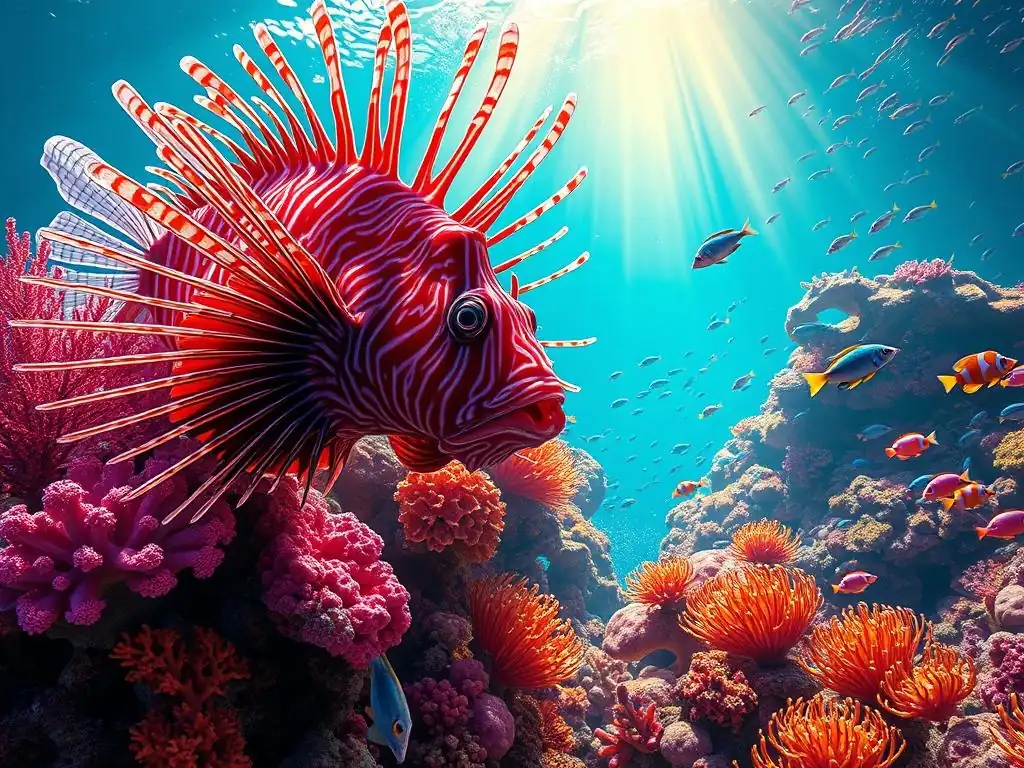
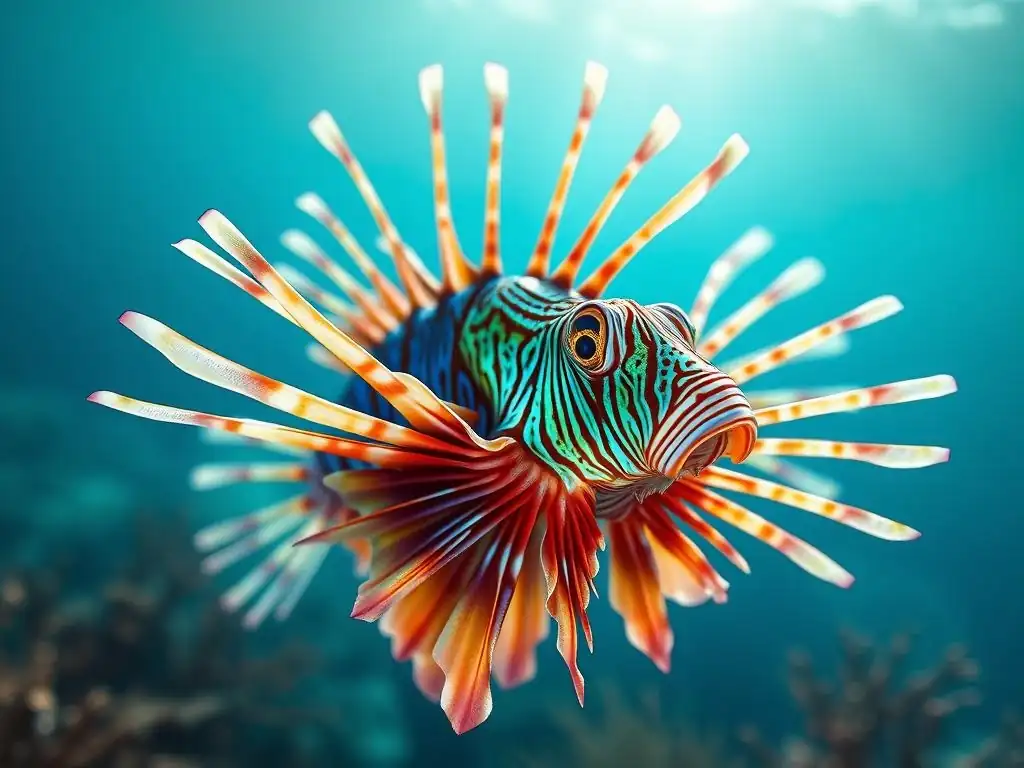
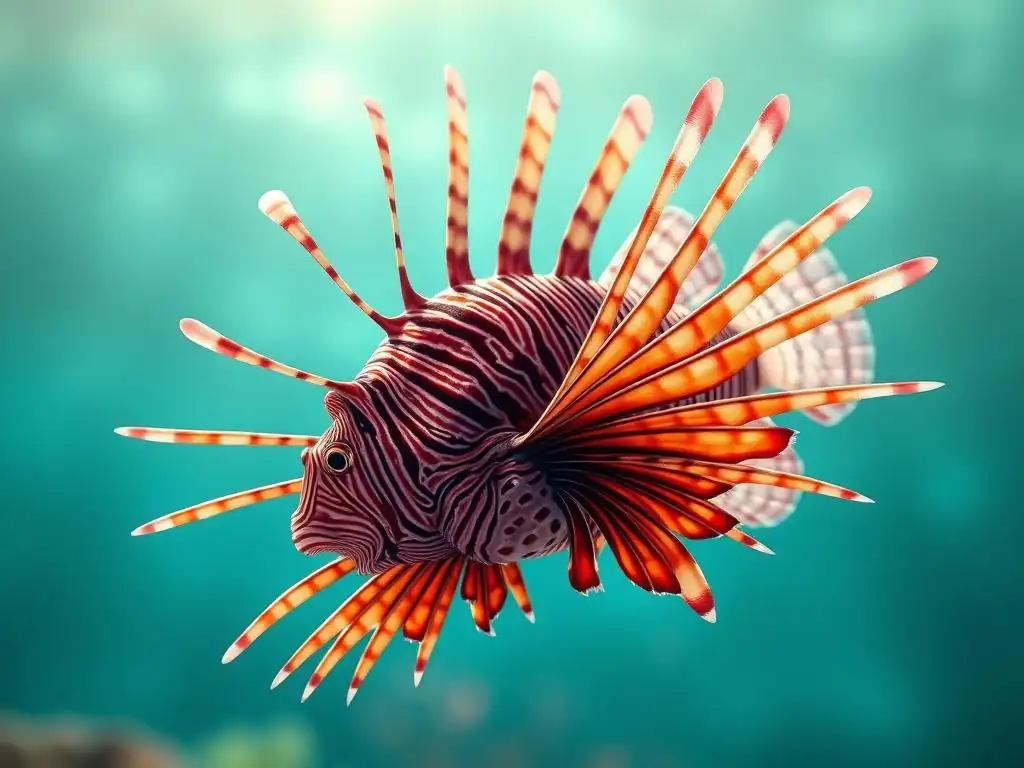
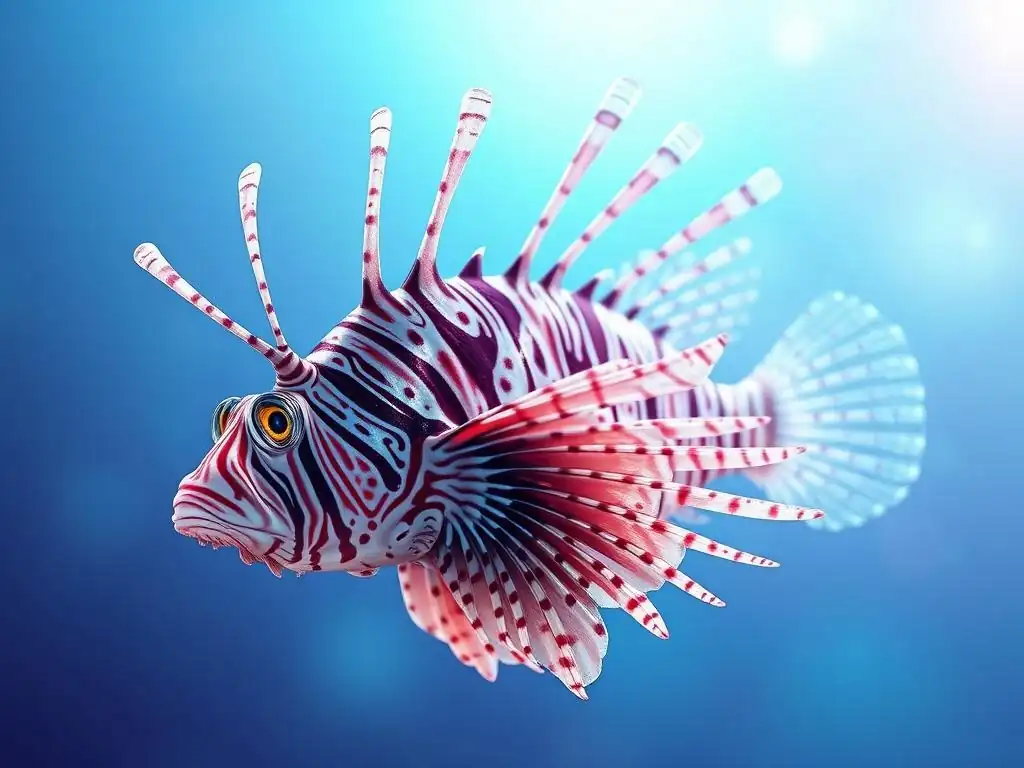
Lionfish, primarily Pterois volitans and Pterois miles, are striking marine fish native to the Indo-Pacific region, spanning from the Red Sea to the western Pacific Ocean. Their captivating appearance is characterized by elaborate, venomous spines that fan out like a lion's mane, giving them their distinctive name. These spines, while beautiful, contain a potent neurotoxin capable of inflicting painful stings, a crucial detail for anyone considering Lionfish aquarium care ethics. Their body patterns typically feature alternating bands of white, red, maroon, or brown, providing excellent camouflage among coral reefs where they are ambush predators.
Behaviorally, lionfish are predominantly solitary and nocturnal hunters, though they can be observed during the day. They employ a unique hunting strategy, often using their large pectoral fins to herd smaller fish and crustaceans into a corner before rapidly engulfing them. Their adaptability and voracious appetite contribute significantly to their success in both their native habitats and, unfortunately, as an invasive species. Understanding these inherent traits is fundamental to responsible Lionfish aquarium care ethics, as their predatory nature and venom require specific handling and housing considerations in captivity.
Lionfish in the Wild: The Invasive Species Problem
The presence of lionfish outside their native Indo-Pacific range represents one of the most significant marine invasive species crises in recent history. Their introduction into the Western Atlantic, Caribbean Sea, and Gulf of Mexico is widely believed to have stemmed from accidental or intentional releases by aquarium owners, highlighting a critical lapse in Lionfish aquarium care ethics. First sighted off the coast of Florida in the mid-1980s, their population has exploded, spreading rapidly due to a lack of natural predators in these new environments and their remarkable reproductive capabilities.
Female lionfish are prolific breeders, capable of spawning approximately every four days, releasing up to 2 million eggs per year. These eggs are contained within gelatinous masses that can drift for weeks before hatching, facilitating wide dispersal by ocean currents. This rapid reproduction, coupled with their resilience and broad dietary preferences, has allowed them to colonize diverse habitats, from shallow reefs to depths exceeding 1,000 feet. The unchecked proliferation of these invasive lionfish poses an existential threat to native marine ecosystems, underscoring the severe consequences of irresponsible actions related to Lionfish aquarium care ethics.
The Ecological Impact of Invasive Lionfish
Lionfish Predation: Devastating Effects on Reef Ecosystems
The predatory habits of invasive lionfish have had a profoundly detrimental impact on the biodiversity and health of Atlantic and Caribbean reef ecosystems. These voracious hunters consume over 70 species of marine fish and invertebrates, including ecologically important grazers like parrotfish and surgeonfish, which are vital for controlling algal growth on coral reefs.
Studies have shown that in areas heavily invaded by lionfish, the biomass of native prey fish can decline by as much as 65% within just a few years. This significant reduction in herbivorous fish populations leads to increased algal overgrowth, which can smother and kill corals, further degrading the reef structure.
Furthermore, lionfish are known to target juvenile fish that are crucial for the replenishment of commercial and recreational fisheries. For instance, they prey on the young of snapper, grouper, and other economically important species, disrupting the entire food web.
This intense predation pressure not only diminishes the number of native fish but also alters the delicate balance of the ecosystem, potentially leading to cascading effects that threaten the long-term viability of coral reefs and the livelihoods of communities dependent on them. The severity of this ecological damage directly underscores the importance of stringent Lionfish aquarium care ethics to prevent further introductions.
How Lionfish Outcompete Native Species
Beyond direct predation, invasive lionfish also outcompete native species for vital resources, contributing to the decline of indigenous marine life. Their broad diet allows them to exploit a wide range of food sources, from small fish to crustaceans, giving them a competitive edge over more specialized native predators. Additionally, lionfish exhibit a high degree of territoriality and aggression, often displacing native species from preferred habitats and hunting grounds. This competitive exclusion further stresses already vulnerable populations, making it harder for them to recover or thrive.
Their relative immunity to local predators in the invaded range is another key factor in their success. Native sharks, groupers, and moray eels, which might typically prey on similar-sized fish, have not evolved to recognize lionfish as food, partly due to their venomous spines.
This lack of natural predation allows lionfish populations to grow unchecked, consuming resources that would otherwise support native predators and their prey. The combination of efficient predation, competitive superiority, and absence of natural controls creates an ecological vacuum that lionfish fill, leading to a significant imbalance in marine ecosystems and reinforcing the need for responsible Lionfish aquarium care ethics.
Lionfish Control Efforts: Protecting Marine Biodiversity
In response to the escalating ecological crisis, numerous control efforts have been implemented across the invaded range to mitigate the impact of lionfish and protect marine biodiversity. These efforts primarily focus on physical removal, with organized lionfish derbies and spearfishing tournaments proving to be effective in reducing localized populations. For example, in the Florida Keys, consistent removal efforts have led to localized reductions of lionfish densities by over 90% in some targeted areas, demonstrating the potential effectiveness of sustained human intervention.
Beyond direct removal, research is ongoing into various innovative control methods, including the development of lionfish traps that are selective enough not to harm other species, and even exploring the use of specially trained animals. Public awareness campaigns also play a crucial role, educating divers, fishermen, and the general public about the threat posed by lionfish and encouraging their consumption as a sustainable seafood option. These multi-faceted approaches aim to suppress lionfish populations to levels that allow native ecosystems to recover, highlighting the collective responsibility required, including adherence to Lionfish aquarium care ethics, to preserve marine health.
Lionfish Aquarium Care: A Responsible Approach
Setting Up a Lionfish Aquarium: Tank Size and Water Parameters
Responsible Lionfish aquarium care ethics begin with providing an appropriate environment that caters to their specific needs. Due to their potential adult size—some species like Pterois volitans can reach up to 18 inches—a minimum tank size of 75 gallons is recommended for a single lionfish, with larger tanks (120 gallons or more) being ideal to accommodate their growth and provide ample swimming space. The aquarium should feature plenty of live rock formations with caves and overhangs, mimicking their natural reef habitat and providing hiding spots where they can retreat or ambush prey.
Maintaining stable and pristine water parameters is paramount for lionfish health. The water temperature should be kept between 75-80°F (24-27°C), salinity at 1.020-1.025 specific gravity, and pH levels between 8.1-8.4. Ammonia and nitrites must be undetectable (0 ppm), and nitrates kept below 20 ppm. A robust filtration system, including mechanical, chemical, and biological filtration, along with regular partial water changes (typically 10-20% weekly or bi-weekly), is essential to maintain these parameters. Adhering to these strict environmental requirements is a cornerstone of ethical Lionfish aquarium care ethics.
Lionfish Diet and Feeding: Nutritional Requirements and Feeding Strategies
The diet of a captive lionfish should closely mimic their natural carnivorous tendencies, focusing on a variety of meaty foods to ensure complete nutrition. High-quality frozen foods such as silversides, shrimp, squid, and chopped fish (like tilapia or cod) are excellent staples.
It's crucial to avoid feeding live feeder fish, particularly goldfish or mollies, as they lack nutritional value and can introduce diseases. Instead, target feeding with a feeding stick or tongs is recommended; this not only ensures the lionfish receives its share but also minimizes the risk of accidental stings for the owner, a key aspect of safe Lionfish aquarium care ethics.
Adult lionfish typically require feeding 2-3 times per week, while juveniles may need more frequent meals, perhaps every other day. Overfeeding should be avoided as it can lead to obesity and poor water quality. Observing the lionfish's body condition and activity levels will help determine the appropriate feeding schedule and portion size. Supplementing their diet with vitamin-enriched foods can also contribute to their long-term health and vibrant coloration. A well-thought-out feeding strategy is integral to responsible Lionfish aquarium care ethics, ensuring the well-being of these unique predators.
Lionfish Tank Mates: Compatibility Considerations
Choosing appropriate tank mates for a lionfish requires careful consideration, given their predatory nature and venomous spines. The golden rule for Lionfish aquarium care ethics regarding tank mates is: if it fits in the lionfish's mouth, it will eventually become food.
Therefore, any companion fish must be significantly larger than the lionfish's mouth and robust enough to deter aggression. Good choices often include other large, semi-aggressive to aggressive fish that are not easily intimidated, such as large groupers, moray eels (of appropriate size), triggers, or even other lionfish if the tank is sufficiently large (e.g., 200+ gallons for multiple lionfish).
Conversely, small, docile fish like gobies, blennies, and most damselfish are unsuitable as they will be seen as prey. Likewise, any inverts such as crabs, shrimp, or snails will likely be consumed. While some aquarists successfully keep lionfish with certain corals, caution is advised as the lionfish's large fins can sometimes damage delicate coral polyps. The primary concern is always the safety and well-being of all inhabitants, and a responsible approach to Lionfish aquarium care ethics dictates thorough research and careful selection to prevent predation and stress within the aquarium ecosystem.
Ethical Considerations for Lionfish Owners
Sourcing Lionfish: Avoiding Wild-Caught Specimens
A fundamental aspect of ethical Lionfish aquarium care ethics is the responsible sourcing of specimens. Given their status as an invasive species in the Atlantic and Caribbean, acquiring lionfish that have been wild-caught from these invaded regions is generally considered an ethical choice, as it contributes to their removal from threatened ecosystems. However, it is crucial to ensure that such specimens are legally and sustainably harvested. Conversely, sourcing lionfish from their native Indo-Pacific range, where they are not invasive, contributes to the demand for wild-caught ornamental fish, which can sometimes involve unsustainable collection practices.
For aquarists prioritizing a minimal ecological footprint, seeking out captive-bred lionfish, though rare, would be the most ethical option, as it places no pressure on wild populations. If captive-bred specimens are unavailable, the next best choice, from an invasive species perspective, is to purchase fish explicitly collected from invasive populations. Always inquire about the origin of the lionfish with your reputable dealer. This conscious decision in sourcing reflects a deep commitment to Lionfish aquarium care ethics and broader marine conservation efforts.
The Environmental Impact of the Aquarium Trade
The global ornamental fish trade, while providing hobbyists with diverse species, carries a significant environmental footprint, particularly concerning wild-caught specimens. The demand for unique and exotic fish, including lionfish from their native range, can lead to over-collection in delicate reef ecosystems, disrupting natural populations and potentially damaging coral habitats through destructive collection methods like cyanide fishing (though less common for lionfish). This unsustainable harvesting depletes fish stocks and reduces the genetic diversity of wild populations.
Beyond collection, the transportation of marine fish from distant oceans to home aquariums involves considerable energy consumption and carbon emissions. Furthermore, the risk of disease transmission from imported fish to native species, should a release occur, is a genuine concern. Adhering to strict Lionfish aquarium care ethics means understanding these broader impacts and making informed choices. Supporting reputable suppliers who prioritize sustainable collection, propagate captive-bred species, and adhere to best practices minimizes the negative environmental consequences associated with the aquarium trade.
Rehoming Lionfish: Responsible Alternatives to Release
One of the most critical ethical responsibilities for any lionfish owner is understanding the proper procedures for rehoming or relinquishing a fish if they can no longer care for it. Releasing any aquarium fish, especially an invasive species like the lionfish, into local waterways is strictly prohibited and carries severe environmental and legal consequences. This act directly fuels the invasive species problem and undermines all efforts at Lionfish aquarium care ethics.
Responsible alternatives to release include contacting local fish stores to inquire about their surrender policies, reaching out to local aquarium clubs or online forums for potential adopters, or contacting public aquariums or educational institutions that might have the capacity to take in the fish. Euthanasia, performed humanely by a veterinarian or experienced aquarist, is a last resort option for sick or suffering fish when no other viable rehoming solutions exist. A commitment to these responsible rehoming practices is a non-negotiable aspect of sound Lionfish aquarium care ethics, safeguarding both the animal's welfare and the marine environment.
Lionfish Health and Disease in Captivity
Common Lionfish Diseases and Treatments
While generally robust, lionfish in captivity can be susceptible to common aquarium diseases, often stemming from poor water quality, stress, or improper diet. One of the most prevalent issues is Marine Ich ( Cryptocaryon irritans), characterized by small white spots resembling salt grains on the fish's body and fins. Other common ailments include Velvet disease ( Amyloodinium ocellatum), which presents as a dusty, yellowish film, and bacterial infections, often indicated by fin rot, cloudy eyes, or lethargy. Adhering to strict Lionfish aquarium care ethics by maintaining optimal conditions significantly reduces disease risk.
Treatment protocols vary depending on the disease. For Ich and Velvet, copper-based medications or hyposalinity (gradually reducing salinity) can be effective, though copper must be used with extreme caution as it can be toxic. Bacterial infections often require broad-spectrum antibiotics, administered either through food or directly into the water, following veterinary guidance. Always quarantine new fish for at least 3-4 weeks to prevent the introduction of pathogens into the main display tank. Early detection and prompt, appropriate treatment are crucial for successful recovery, underscoring the importance of vigilance in Lionfish aquarium care ethics.
Maintaining Optimal Water Quality for Lionfish Health
Maintaining impeccable water quality is the single most important factor in preventing disease and ensuring the long-term health of lionfish. Poor water quality, particularly elevated levels of ammonia, nitrite, and nitrate, stresses the fish's immune system, making it highly susceptible to infections. Regular testing of water parameters—at least weekly—using reliable test kits is indispensable. Ammonia and nitrite should always be 0 ppm, while nitrates should be kept below 20 ppm, ideally much lower. This proactive approach is central to Lionfish aquarium care ethics.
Consistent partial water changes (10-20% weekly or bi-weekly, depending on bioload) are essential for diluting pollutants, replenishing trace elements, and maintaining stable pH and alkalinity. A robust filtration system, including mechanical filtration for particulate removal, chemical filtration (e.g., activated carbon) for organics, and ample biological filtration for the nitrogen cycle, is also critical. Adequate oxygenation, provided by surface agitation or air stones, is equally important. By diligently managing water quality, aquarists uphold their commitment to ethical Lionfish aquarium care ethics and provide a thriving environment for their fish.
Recognizing Signs of Stress in Lionfish
A responsible lionfish owner must be adept at recognizing subtle signs of stress, which often precede overt disease. Early detection allows for prompt intervention, potentially preventing a minor issue from escalating into a serious health crisis. Common indicators of stress in lionfish include changes in coloration (e.g., becoming duller or darker than usual), clamped fins, rapid or labored breathing, and lethargy or unusual hiding behavior. While lionfish are naturally somewhat reclusive, prolonged hiding or a complete lack of activity is a red flag.
Other signs of distress might include loss of appetite, flashing (rubbing against tank decorations), or erratic swimming patterns. Observing your lionfish daily during feeding times or routine tank checks is crucial for establishing a baseline of their normal behavior. If multiple signs of stress are observed, the first step should be to re-test all water parameters, followed by a thorough inspection of tank equipment and tank mates. Proactive observation and understanding these cues are vital components of conscientious Lionfish aquarium care ethics, ensuring the well-being of these fascinating creatures.
The Future of Lionfish: Balancing Conservation and Captivity
Supporting Sustainable Aquarium Practices
The future of lionfish, both in the wild and in captivity, hinges on the widespread adoption of sustainable aquarium practices. For aquarists, this means making informed choices about the origin of their fish. Prioritizing lionfish sourced from invasive populations in the Atlantic/Caribbean, or ideally, captive-bred specimens, directly supports conservation efforts by reducing demand on native Indo-Pacific populations and helping to remove invasive individuals. This approach aligns perfectly with the core principles of Lionfish aquarium care ethics.
Beyond sourcing, sustainable practices extend to the entire lifecycle of the aquarium. This includes responsible waste management, minimizing energy consumption for heating and lighting, and avoiding the use of harmful chemicals. Supporting retailers and suppliers who demonstrate transparent and ethical sourcing, participate in conservation initiatives, and educate their customers about responsible fishkeeping contributes to a healthier overall industry. By actively participating in these practices, lionfish owners can become part of the solution, rather than inadvertently contributing to environmental problems.
Educating Others About Lionfish and Invasive Species
A significant part of responsible Lionfish aquarium care ethics involves educating others about the unique challenges posed by this species and the broader issue of invasive aquatic organisms. Lionfish owners are uniquely positioned to share their knowledge and experiences, raising awareness among fellow hobbyists, friends, and family about the importance of preventing releases. This education can cover the devastating ecological impact of invasive lionfish, the proper methods for rehoming unwanted fish, and the critical need for responsible pet ownership.
Participating in local aquarium clubs, online forums, or even community events can provide platforms for sharing this vital information. Explaining how a seemingly harmless act of releasing a pet can have catastrophic environmental consequences helps to foster a greater sense of collective responsibility. By becoming advocates for invasive species prevention and promoting ethical aquarium practices, lionfish owners contribute significantly to marine conservation efforts, transforming their hobby into a force for positive change.
Research and Technology: Innovative Lionfish Control Methods
Advancements in research and technology are continuously offering new hope for managing invasive lionfish populations. Scientists are exploring various innovative control methods beyond traditional spearfishing, including the development of specialized traps that are selective for lionfish and can operate at depths inaccessible to divers. For instance, remotely operated vehicles (ROVs) equipped with capture devices are being tested to target lionfish in deeper waters where they can escape traditional removal efforts, showcasing promising preliminary results in specific deep-water reefs.
Furthermore, research into the lionfish's biology, reproductive cycles, and behavioral patterns continues to inform more effective management strategies. This includes studies on their diet and impact on specific prey species, which helps to prioritize removal efforts in critical habitats. The development of markets for lionfish as a food source also represents a technological and cultural shift, transforming a destructive invasive species into a valuable resource. These ongoing innovations, coupled with diligent Lionfish aquarium care ethics, are crucial for mitigating the long-term ecological threat posed by invasive lionfish.
Lionfish Aquarium Ownership: A Commitment to Responsibility
Making Informed Decisions as a Lionfish Keeper
Embarking on lionfish aquarium ownership is not merely about acquiring a beautiful pet; it's a profound commitment that demands informed decision-making at every stage. This begins even before purchase, with thorough research into the specific species of lionfish, its adult size, temperament, and specialized care requirements. Understanding the significant time, financial investment, and dedication required is paramount. Responsible Lionfish aquarium care ethics dictate that potential owners assess whether they can truly provide a suitable, long-term home for these unique predators.
Informed decisions also extend to tank setup, water quality management, diet, and tank mate selection, ensuring every choice prioritizes the lionfish's well-being and the stability of the aquarium ecosystem. Being proactive in learning about potential health issues and understanding appropriate treatment protocols is also key. By approaching lionfish keeping with a foundation of knowledge and a commitment to continuous learning, aquarists can ensure a rewarding experience while upholding their ethical obligations.
Ensuring the Well-being of Your Lionfish
The well-being of your lionfish is the ultimate measure of responsible ownership and the cornerstone of Lionfish aquarium care ethics. This encompasses providing an appropriately sized and meticulously maintained habitat with stable water parameters, a varied and nutritious diet, and compatible tank mates that do not cause undue stress or pose a threat. Regular observation for signs of stress or disease, coupled with prompt intervention, is vital for their health.
Beyond the physical aspects, ensuring well-being also means understanding the lionfish's natural behaviors and providing an environment that allows them to express these. This includes offering ample hiding spots and space for them to patrol. Avoiding over-handling or unnecessary stress from aggressive tank mates contributes significantly to their longevity and vitality. A commitment to the lionfish's well-being reflects a deep respect for the animal and the responsibility inherent in its care.
Contributing to the Preservation of Marine Ecosystems
While lionfish are kept in captivity, their ownership offers a unique opportunity to contribute directly to the preservation of marine ecosystems. By strictly adhering to all facets of Lionfish aquarium care ethics—from responsible sourcing (preferably invasive-caught or captive-bred) to preventing any possibility of release—aquarists play a crucial role in preventing further ecological damage. Every responsible action taken by an individual lionfish keeper ripples outwards, reinforcing the collective effort to protect our oceans.
Furthermore, sharing knowledge about the invasive lionfish problem and promoting ethical aquarium practices within the hobbyist community serves as an invaluable educational tool. Supporting conservation organizations and research efforts focused on lionfish control also allows owners to transcend mere pet keeping and become active participants in marine conservation. Ultimately, lionfish aquarium ownership, when approached with commitment and integrity, can be a powerful testament to the balance between appreciating marine life and preserving its delicate natural balance.
Frequently Asked Questions
How does owning a Lionfish contribute to the larger ecological problem?
Lionfish are an invasive species in the Atlantic. By purchasing them, you indirectly support the demand for their capture, which can further negatively impact native ecosystems if individuals are sourced irresponsibly.
What ethical considerations should I keep in mind when deciding to keep a Lionfish?
Ethically, consider the source of the fish - was it sustainably caught? Also, ensure you can provide a suitable and enriching environment that meets the lionfish's needs, and be prepared for its long lifespan.
What are the key differences in caring for a Lionfish in a home aquarium versus its natural habitat?
In an aquarium, you control the lionfish's diet and environment, unlike the wild. You must replicate water parameters and offer appropriate food sources to prevent malnutrition or disease.
What are some ethical alternatives to owning a Lionfish that still allow me to enjoy a captivating aquarium?
Consider native fish species appropriate for your tank size or responsibly bred, non-invasive alternatives. Research aquarium-bred species that offer similar aesthetic appeal without the ecological consequences of owning a Lionfish.
What should I do if I can no longer care for my Lionfish responsibly?
Never release it into the wild! Contact local aquarium societies, reputable pet stores, or public aquariums to find a suitable new home for your Lionfish, ensuring it does not become a threat to the environment.
The devastating ecological impact of invasive lionfish, as explored throughout this article, underscores the critical importance of responsible aquarium ownership. The allure of these striking creatures must be tempered with a deep understanding of the potential consequences, extending far beyond the confines of a glass tank and rippling through fragile marine ecosystems.
The ethical considerations surrounding lionfish aquarium care are not merely academic; they represent a profound responsibility to protect biodiversity. My hope is that this article has illuminated the complexities of this issue and fostered a greater awareness of the potential harm caused by even well-intentioned actions. We are tied to the ocean. And when we go back to the sea, whether it is to sail or to watch – we are going back from whence we came.
- John F. Kennedy. This quote reminds us of our inherent connection to the ocean and the imperative to safeguard its health.
Now, armed with this knowledge, I urge you to reflect on your own role in preserving our planet's delicate ecosystems. Consider the ethical implications of your choices, not just in aquarium keeping, but in all aspects of your life. Let the lessons learned from the lionfish invasion inspire you to become a more conscious and responsible steward of the natural world, ensuring a healthier future for generations to come.
Dive Deeper: Uncover Your Role in Ocean Conservation!
Thanks for exploring the fascinating world of lionfish with us! Now that you understand their ecological impact and the ethical considerations of keeping them, let's turn that knowledge into action.
Here are a few ways you can contribute to responsible aquarium practices and marine conservation:
- Prioritize reporting any lionfish sightings in non-native waters to your local environmental agency. This is crucial data for tracking and managing their spread.
- Explore supporting organizations dedicated to lionfish research and removal efforts. Consider volunteering your time or donating to help them continue their important work.
- Spread the word! Share this article and other resources with fellow aquarium enthusiasts to raise awareness about responsible pet ownership and the importance of preserving our oceans.
What specific action will you take this week to contribute to lionfish management and promote ethical aquarium keeping?