
Lemonpeel vs. Bicolor Angelfish: A Dwarf Angel Dilemma for Aquarists

Welcome to Aquarium Mastery!
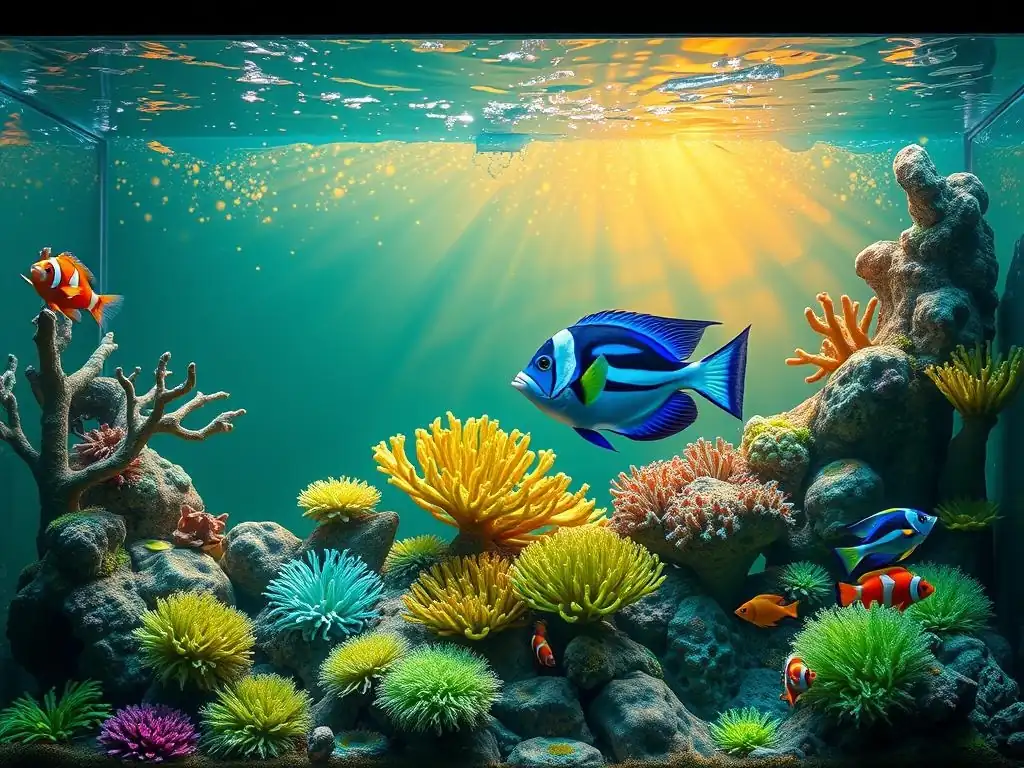
Ever wondered if that vibrant Lemonpeel Angel could really get along with a Bicolor in your reef tank? The allure of these dwarf angels is undeniable, but their compatibility can be a true puzzle. Dive in to discover the secrets behind navigating these dwarf angel compatibility issues and learn how to create a harmonious saltwater haven for your finned friends. Let's unlock the key to peaceful coexistence!
- Understanding Dwarf Angel Compatibility Issues in Saltwater Aquariums
- Lemonpeel Angelfish ( Centropyge flavissima ): Profile and Temperament
- Bicolor Angelfish ( Centropyge bicolor): Profile and Temperament
- The Core Dilemma: Lemonpeel vs. Bicolor Angelfish - Can They Coexist?
- Comparing Lemonpeel and Bicolor Angelfish: A Head-to-Head Analysis
- Strategies for Successful Coexistence: Managing Dwarf Angel Aggression
- Alternative Dwarf Angelfish for Community Reef Tanks
- Expert Aquarist Insights on Dwarf Angel Compatibility
- Conclusion: Making Informed Decisions About Dwarf Angel Compatibility
-
Frequently Asked Questions
- How common are dwarf angel compatibility issues in reef aquariums?
- Why are Lemonpeel and Bicolor angelfish often involved in compatibility disputes?
- What size aquarium is generally recommended to minimize dwarf angel aggression?
- What are some signs of dwarf angel incompatibility that aquarists should watch out for?
- Are there any strategies to successfully keep multiple dwarf angels in the same aquarium despite potential compatibility problems?
- Final Reflection: Navigating the Murky Waters of Dwarf Angel Compatibility
- Unleash Your Inner Reef Keeper!
Understanding Dwarf Angel Compatibility Issues in Saltwater Aquariums
Why Dwarf Angelfish Compatibility Matters for a Healthy Reef Tank
The compatibility of fish within a saltwater aquarium is paramount for maintaining a thriving and stress-free environment. Incompatible tank mates, particularly aggressive species like some dwarf angelfish, can lead to chronic stress, which significantly weakens fish immune systems, making them highly susceptible to diseases. Studies suggest that stress can reduce a fish's lifespan by up to 25-30% and increase the likelihood of parasitic outbreaks like marine ich ( Cryptocaryon irritans) by 50% or more. In the confined space of an aquarium, unlike the vast ocean, there's no escape from persistent aggression.
Beyond the well-being of the fish, dwarf angel compatibility issues directly impact the health of corals and other invertebrates in a reef tank. Many dwarf angels have a natural propensity to nip at corals, especially fleshy LPS (Large Polyp Stony) corals such as Trachyphyllia (Brain Corals) or Scolymia, and clam mantles. This nipping causes tissue recession, stress, and can ultimately lead to the death of expensive corals. Given that a single medium-sized LPS coral can cost upwards of $100-$300, mitigating these compatibility risks is crucial for protecting your significant investment in a reef ecosystem.
Introduction to the Lemonpeel and Bicolor Angelfish: Popular Dwarf Angels
The Lemonpeel Angelfish ( Centropyge flavissima) and the Bicolor Angelfish ( Centropyge bicolor) are two of the most visually striking and popular choices among aquarists for their vibrant colors and manageable size, typically reaching 4 to 6 inches in captivity. Both species hail from the Indo-Pacific region and are admired for their distinct patterns, making them attractive additions to many home aquariums. Their relatively small stature places them in the "dwarf" category, making them seemingly ideal for tanks where larger angelfish would be unsuitable.
However, despite their beauty, both the Lemonpeel and Bicolor Angelfish can present significant dwarf angel compatibility issues, particularly when housed together or with other members of the Centropyge genus. Their inherent territoriality, coupled with specific dietary needs and varying levels of aggression, often leads to conflicts over space and food. Understanding these nuances is key to preventing a "dilemma" in your reef tank and ensuring the peaceful coexistence of all inhabitants.
Lemonpeel Angelfish ( Centropyge flavissima ): Profile and Temperament
Identifying Features of the Lemonpeel Angelfish
The Lemonpeel Angelfish is instantly recognizable by its vivid, uniform yellow body, often described as fluorescent. This striking coloration extends to all fins, creating a bright, almost luminous appearance. A distinctive feature is the bright blue or purple ring that encircles the eye, and a similar blue outline may be present around the operculum (gill cover). This species typically grows to a maximum size of about 5.5 inches (14 cm) in the aquarium environment, making it a true dwarf angelfish.
While the overall yellow coloration is consistent, subtle variations can be observed depending on the geographic origin of the specimen. For instance, Lemonpeels collected from areas like the Cook Islands or Christmas Island are often noted for exhibiting an even more intense and saturated yellow, sometimes with a slightly broader blue eye-ring. Their streamlined, oval body shape is typical of Centropyge species, allowing them to navigate intricate reef structures with ease.
Natural Habitat and Diet of the Lemonpeel Angelfish
In the wild, the Lemonpeel Angelfish is widely distributed across the tropical Indo-Pacific Ocean. Its natural range extends from the Cocos-Keeling Islands in the eastern Indian Ocean, across Southeast Asia, to French Polynesia, and south to the Great Barrier Reef off Australia. These angelfish typically inhabit shallow lagoons and outer reef slopes, thriving at depths ranging from 10 to 100 feet (3-30 meters). They are commonly found around areas with abundant rubble, rockwork, and branching coral formations, which provide both food sources and essential hiding places.
The diet of the Lemonpeel Angelfish in its natural habitat is primarily omnivorous, consisting mainly of various forms of algae, including filamentous algae and diatoms, which they graze from rocks and coral skeletons. They also consume detritus and a small percentage of minute invertebrates. This varied diet is critical for their health and for maintaining their vibrant coloration. In captivity, a diverse diet that mimics their natural intake, incorporating both vegetable matter and protein, is essential for their long-term well-being.
Lemonpeel Angelfish Temperament: Aggression and Tank Mates
The Lemonpeel Angelfish is generally considered semi-aggressive, particularly towards other dwarf angelfish or similarly shaped and sized fish. They are known to be territorial, establishing and defending a specific area within the tank. This territoriality can manifest as chasing, fin-nipping, or even direct confrontation, which can lead to significant dwarf angel compatibility issues if not adequately addressed through tank size and aquascaping.
When selecting tank mates, it's best to pair Lemonpeels with larger, more robust, but generally peaceful species such as tangs, larger wrasses, or blennies. Housing them with other dwarf angelfish is strongly discouraged in tanks smaller than 180 gallons, as aggression often escalates to fatal levels. While generally considered "reef-safe with caution," approximately 30-40% of Lemonpeel Angelfish may develop a habit of nipping at LPS corals, soft corals, or clam mantles, especially if underfed or stressed. Close observation is always recommended.
Bicolor Angelfish ( Centropyge bicolor): Profile and Temperament
Identifying Features of the Bicolor Angelfish
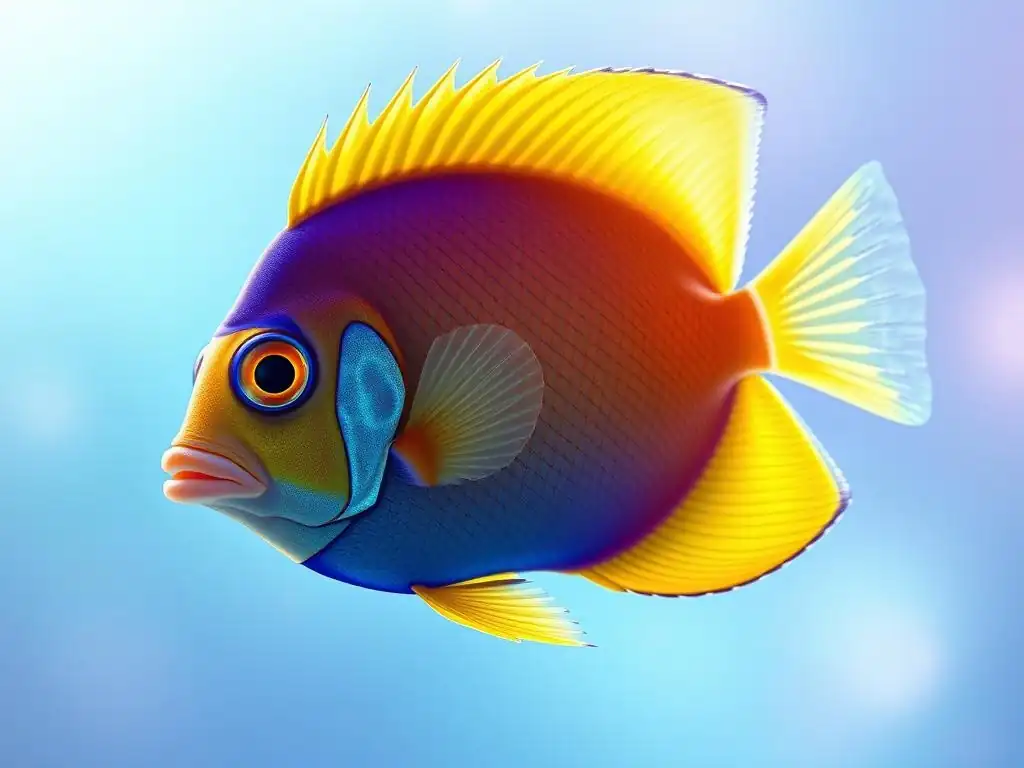
The Bicolor Angelfish lives up to its name with a striking two-toned coloration: a vibrant, deep yellow covers the anterior half of its body, including the head and the front portion of the dorsal and pectoral fins. This bright yellow sharply transitions to a rich, dark blue that covers the posterior half of the body, including the caudal (tail) fin and the rear portions of the dorsal and anal fins. A distinct blue stripe often runs vertically through the eye. Like the Lemonpeel, it typically reaches a maximum size of about 6 inches (15 cm).
This distinct pattern makes the Bicolor Angelfish unmistakable, though juveniles might occasionally be confused with other Centropyge species before their full adult coloration develops. The contrast between the yellow and blue is often quite intense, making it a highly attractive fish for display aquariums. The robustness of its body and the intensity of its colors are often good indicators of the fish's health and successful acclimation.
Natural Habitat and Diet of the Bicolor Angelfish
The Bicolor Angelfish has a broad distribution across the Indo-Pacific, ranging from the eastern coast of Africa, through the Indian Ocean, and across the Pacific to Samoa, extending north to southern Japan. Unlike the shallower preferences of some other Centropyge species, Bicolor Angelfish are typically found in deeper reef environments, often at depths of 33 to 82 feet (10-25 meters). They prefer areas with abundant coral heads, rubble, and crevices, which provide shelter and foraging grounds.
In their natural habitat, the diet of the Bicolor Angelfish is more specialized compared to the Lemonpeel. They primarily graze on sponges and tunicates, supplemented with some algae and detritus. This specialized diet is a key factor contributing to their reputation for being challenging to acclimate to captivity. Successfully maintaining a Bicolor Angelfish often requires offering a diverse diet that includes sponge-based foods or highly nutritious frozen preparations to ensure they receive adequate nutrition.
Bicolor Angelfish Temperament: A Reputation for Pickiness
The Bicolor Angelfish is widely regarded as one of the more aggressive and territorial dwarf angelfish species, particularly towards conspecifics (other Bicolors) and other Centropyge species. Their territorial nature can lead to significant dwarf angel compatibility issues in a community tank, often resulting in persistent harassment of less dominant fish.
Beyond aggression, they also have a reputation for being finicky eaters and difficult to acclimate to captive diets, which contributes to higher mortality rates during the initial period after introduction. Estimates suggest that 50% or more of Bicolors may fail to thrive long-term if not properly sourced and acclimated to prepared foods.
Their aggressive disposition means they are best kept as the sole angelfish in most home aquariums. Attempting to house them with other dwarf angelfish in tanks smaller than 200 gallons is generally ill-advised due to the high risk of fatal aggression. Furthermore, Bicolor Angelfish are notorious coral nippers, with reports indicating that up to 60-70% of individuals will nip at stony corals (both LPS and SPS) and clam mantles. This makes them a high-risk choice for established reef tanks, and their inclusion should be carefully considered.
The Core Dilemma: Lemonpeel vs. Bicolor Angelfish - Can They Coexist?
Factors Influencing Dwarf Angel Compatibility
The question of whether Lemonpeel and Bicolor Angelfish can coexist in a home aquarium is a classic dwarf angel compatibility issue that often divides aquarists. Several critical factors influence the likelihood of success. Foremost among these are the species-specific aggression levels (both interspecific, between different species, and intraspecific, within the same species), the individual temperament of each fish, and the overall size and complexity of the aquarium. The "same genus, same aggression" rule often applies to Centropyge species, indicating that members of this genus frequently exhibit territoriality towards each other, regardless of distinct color patterns.
While the distinct color patterns of the Lemonpeel and Bicolor might, in some cases, reduce direct misidentification and thus some forms of aggression, their inherent territoriality and competitive nature often override this potential benefit. Both species claim and defend territories, and when these territories overlap in a confined space, conflict is almost inevitable. Dietary competition, though less pronounced due to their slightly different natural diets, can also contribute to stress and aggression, further complicating dwarf angel compatibility issues.
Tank Size and Aquascaping: Minimizing Aggression Between Dwarf Angels
Successfully housing two territorial dwarf angelfish like the Lemonpeel and Bicolor requires a truly substantial aquarium. A minimum tank size of 125-180 gallons is often cited as the absolute bare minimum for attempting such a pairing, with significantly larger tanks (e.g., 200 gallons or more) offering a considerably higher chance of long-term success. The increased volume provides ample swimming space and allows each fish to establish a distinct territory without constant encroachment on the other's personal space.
Beyond sheer volume, meticulous aquascaping is paramount. The tank must be designed with numerous caves, overhangs, and visual breaks created by live rock. This intricate structure provides essential hiding spots and allows the less dominant fish to escape aggression, reducing chronic stress. A lack of adequate hiding spots or an open aquascape will inevitably exacerbate dwarf angel compatibility issues, leading to constant harassment, fin nipping, and potentially fatal outcomes for the weaker fish.
Introducing Lemonpeel and Bicolor Angelfish: Best Practices for Success
If attempting to house a Lemonpeel and Bicolor Angelfish together, the order and method of introduction are critical. It is generally recommended to introduce the less aggressive or smaller fish first (typically the Lemonpeel), allowing it ample time—several weeks to a month—to establish its territory before introducing the more dominant Bicolor Angelfish. Both fish should undergo a strict quarantine period of at least 4-6 weeks in a separate tank to ensure they are healthy and free of parasites before being added to the display tank.
Upon introduction of the second fish, vigilant monitoring for signs of aggression is essential. If aggression becomes problematic, techniques such as rearranging the rockwork to disrupt established territories, or using a "mirror trick" (placing a mirror against the tank for a few hours) to distract the aggressor, can sometimes help. Feeding both fish simultaneously at opposite ends of the tank can also help reduce competition for food resources. Be prepared to remove one of the fish if severe or persistent aggression occurs, as the long-term health and survival of the subordinate fish will be compromised.
Comparing Lemonpeel and Bicolor Angelfish: A Head-to-Head Analysis
Feeding Habits: Competition for Food Resources
While both Lemonpeel and Bicolor Angelfish are omnivores, their natural feeding habits present subtle differences that can lead to competition in a captive environment. The Lemonpeel Angelfish is primarily an algal grazer in the wild and generally adapts well to a wide variety of prepared foods in captivity, including high-quality spirulina flakes, marine pellets, mysis shrimp, and brine shrimp. They are typically eager eaters, making them relatively easy to feed consistently.
The Bicolor Angelfish, on the other hand, has a more specialized diet in the wild, primarily consuming sponges and tunicates. This dietary preference often makes them more challenging to acclimate to captive diets. They can be finicky eaters, sometimes refusing common aquarium foods, which can lead to malnutrition and increased stress.
When housed together, the more assertive Bicolor might outcompete the Lemonpeel for food, especially if the Lemonpeel is smaller or less dominant. Ensuring both fish receive adequate nutrition, potentially by offering different food types or feeding at multiple locations in the tank, is crucial to mitigate dwarf angel compatibility issues related to feeding.
Reef Safety: Nipping at Corals and Invertebrates
Both Lemonpeel and Bicolor Angelfish carry a reputation for potentially nipping at corals and clam mantles, making their inclusion in a thriving reef tank a calculated risk. However, there is a notable difference in the reported incidence and severity of this behavior between the two species. The Bicolor Angelfish is widely considered the higher risk, with reports suggesting that up to 60-70% of Bicolors may exhibit coral nipping, particularly towards fleshy LPS corals (e.g., Euphyllia, Acanthastrea) and the mantles of Tridacna clams.
The Lemonpeel Angelfish, while still a potential nipper, typically has a lower propensity for this behavior, with approximately 30-40% of individuals showing interest in corals. While SPS (Small Polyp Stony) corals are generally less appealing to both species due to their harder polyps, they are not entirely immune. This behavior can be exacerbated by insufficient feeding, boredom, or a lack of appropriate algal grazing surfaces. For a dedicated reef keeper, the potential for these dwarf angel compatibility issues with valuable corals should be a primary consideration.
Susceptibility to Diseases: Similarities and Differences
In terms of disease susceptibility, both Lemonpeel and Bicolor Angelfish are generally robust once fully established and acclimated to a stable aquarium environment. However, like many marine fish, they are susceptible to common saltwater maladies such as marine ich ( Cryptocaryon irritans) and velvet disease ( Amyloodinium ocellatum), especially if stressed during collection, transport, or initial introduction to a new tank. A rigorous quarantine protocol for at least four weeks is absolutely non-negotiable for both species to prevent the introduction of pathogens into the main display tank.
The Bicolor Angelfish, due to its often difficult acclimation process and specialized dietary needs, can be more prone to internal parasites and nutritional deficiencies if not provided with an appropriate and varied diet. This can weaken their immune system, making them more vulnerable to secondary infections or general malaise. Lemonpeel Angelfish, with their generally easier adaptation to captive diets, tend to maintain better overall health and resilience, assuming stable water parameters are provided. Managing these health aspects is integral to resolving potential dwarf angel compatibility issues over the long term.
Strategies for Successful Coexistence: Managing Dwarf Angel Aggression
Maintaining Optimal Water Parameters for Dwarf Angelfish
Maintaining stable and optimal water parameters is fundamental for reducing stress and aggression in any marine aquarium, particularly when dealing with potentially challenging species like dwarf angelfish. Consistent salinity levels, ideally between 1.025 and 1.026 specific gravity, are crucial. Water temperature should be kept stable within the range of 76-80°F (24-27°C). Other key parameters to monitor and maintain include pH at 8.1-8.4, alkalinity (dKH) between 8-12, calcium (Ca) at 400-450 ppm, and magnesium (Mg) at 1250-1350 ppm.
Regular water changes are paramount for preventing the buildup of nitrates and phosphates, which can stress fish and promote undesirable algal growth. A consistent regimen of 10-15% weekly water changes, or 20-25% bi-weekly, helps to replenish essential trace elements and maintain overall water quality. High water quality directly translates to healthier, less stressed fish, significantly reducing the likelihood of dwarf angel compatibility issues stemming from environmental factors.
Providing Adequate Hiding Places: Rockwork and Aquascape Design
A well-designed aquascape with an abundance of hiding places is a critical strategy for mitigating aggression, especially when attempting to house multiple territorial fish. For dwarf angelfish, this means creating numerous caves, overhangs, and crevices using live rock. Each angelfish should be able to claim its own distinct territory and have multiple escape routes if aggression occurs. This provides a sense of security and reduces direct, unavoidable confrontation.
Beyond physical hiding spots, visual barriers are equally important. Arranging live rock to create distinct zones and break up lines of sight prevents constant visual contact between dominant and subordinate fish. This design philosophy helps to diffuse aggression by allowing fish to retreat from view, reducing the continuous stress that leads to chronic dwarf angel compatibility issues. An open, sparse aquascape, by contrast, will invariably lead to heightened aggression and stress.
Diversifying the Diet: Reducing Competition for Food
A diversified feeding strategy is essential to ensure both Lemonpeel and Bicolor Angelfish receive adequate nutrition and to reduce competition that can trigger aggression. Offer a wide variety of high-quality foods several times a day, rather than one large feeding. This should include meaty foods like mysis shrimp and brine shrimp, as well as spirulina flakes, marine pellets, and specialized angelfish formulas that cater to their omnivorous needs. For the Bicolor Angelfish, specifically seek out foods containing sponge material or offer live items like copepods.
By ensuring both fish are well-fed and satiated, the likelihood of aggression stemming from resource competition is significantly reduced. Feeding at multiple points in the tank simultaneously can also help prevent one fish from dominating the food source. A well-nourished fish is generally a healthier and less aggressive fish, directly addressing one of the root causes of dwarf angel compatibility issues.
Utilizing a Refugium to Improve Water Quality
Integrating a refugium into your filtration system can provide significant benefits for managing dwarf angel compatibility issues by enhancing overall water quality and providing natural food sources. A refugium is a separate chamber or tank designed to cultivate beneficial macroalgae, such as Chaetomorpha, which effectively absorb nitrates and phosphates, thereby improving water parameters and reducing nuisance algae in the main display.
Beyond nutrient export, a refugium also serves as a thriving breeding ground for copepods and amphipods. These small crustaceans are a natural, continuous food source for many reef inhabitants, including dwarf angelfish. A constant supply of live, nutritious food can reduce stress, improve overall fish health, and potentially lessen the urge for angelfish to nip at corals due to hunger or boredom. This holistic approach contributes to a more stable and harmonious reef environment.
Alternative Dwarf Angelfish for Community Reef Tanks
Flame Angelfish ( Centropyge loricula): A Less Aggressive Option
For aquarists seeking a vibrant dwarf angelfish with potentially fewer dwarf angel compatibility issues, the Flame Angelfish ( Centropyge loricula) is an excellent alternative. Renowned for its fiery red-orange body adorned with vertical black stripes and iridescent blue highlights on its fins, it is arguably one of the most popular dwarf angelfish. Growing to about 4-5 inches (10-12 cm), it fits well into medium-sized reef tanks.
While still a Centropyge and thus capable of displaying territoriality, Flame Angelfish are generally considered less aggressive than both Lemonpeels and Bicolors. They are also more frequently "reef safe," with only an estimated 10-20% of individuals exhibiting coral nipping behavior, primarily targeting fleshy LPS or clam mantles. They are typically easier to acclimate to captivity and readily accept a wide variety of prepared foods, making them a more manageable choice for a mixed reef environment.
Coral Beauty Angelfish ( Centropyge bispinosa): A More Docile Choice
The Coral Beauty Angelfish ( Centropyge bispinosa) stands out as one of the most docile and hardy dwarf angelfish available, making it an ideal candidate for community reef tanks. Its striking coloration features a deep blue body with splashes of orange or red on its flanks, often creating a beautiful purple hue. Reaching a maximum size of about 4 inches (10 cm), it is well-suited for tanks as small as 50-70 gallons.
The Coral Beauty is highly regarded for its peaceful demeanor compared to many other Centropyge species. While no dwarf angelfish can be guaranteed 100% reef safe, the incidence of coral nipping in Coral Beauties is relatively low, typically around 15-25%. They are very adaptable to captive diets, readily accepting flakes, pellets, and various frozen foods. Their hardiness and lower aggression make them a generally safer and more recommended option for aquarists looking to avoid significant dwarf angel compatibility issues in a mixed fish and coral setup.
Expert Aquarist Insights on Dwarf Angel Compatibility
Preventing Intraspecific Aggression in Centropyge Species
Experienced marine aquarists often emphasize that the most reliable way to prevent severe dwarf angel compatibility issues within the Centropyge genus is to adhere to the "one dwarf angelfish per tank" rule, especially for aquariums under 200 gallons. The inherent territoriality of these fish means that even seemingly peaceful species can become aggressive when another Centropyge is introduced. If an aquarist insists on attempting to keep multiple dwarf angelfish, introducing all desired Centropyge species simultaneously as juveniles can sometimes reduce aggression, as no single fish has established full dominance over the entire tank.
However, even with simultaneous introduction, the risk remains substantial. In very large, highly complex systems (e.g., 300+ gallons with extensive rockwork), multiple Centropyge species might coexist successfully. This success is typically attributed to the vast amount of space, allowing each fish to claim a distinct, non-overlapping territory, and numerous visual breaks that prevent constant interaction. Despite these rare successes, the general consensus among experts is that combining Centropyge species is a high-risk endeavor fraught with potential for fatal aggression.
Case Study: A Successful Large Reef Tank with Multiple Centropyge
A notable example of successful multiple Centropyge coexistence can be observed in a well-established 300-gallon reef tank. The aquarist meticulously designed the aquascape with over 250 pounds of live rock, creating numerous caves, tunnels, and distinct zones with significant visual breaks. Over a period of 18 months, three different Centropyge species were introduced: first a juvenile Flame Angelfish, followed six months later by a Coral Beauty Angelfish, and finally, another six months after that, a Potter's Angelfish. Each fish underwent a strict 6-week quarantine period before introduction.
Initial aggression, primarily chasing and fin-flaring, was observed for approximately 1-2 weeks after each new introduction, but it eventually subsided as the new fish found its own territory. The success was largely attributed to the immense tank volume, which provided ample space for each fish to establish its personal domain, and the intricate rockwork that allowed for escape and visual separation.
Additionally, the aquarist maintained pristine water quality and fed a diverse diet three times daily, reducing competition and stress. This case demonstrates that while challenging, mitigating dwarf angel compatibility issues with multiple species is achievable under ideal and meticulously managed conditions.
Conclusion: Making Informed Decisions About Dwarf Angel Compatibility
Key Takeaways for Keeping Lemonpeel and Bicolor Angelfish
The decision to keep Lemonpeel and Bicolor Angelfish, especially together, is a significant one that requires thorough understanding of their potential dwarf angel compatibility issues. Both species are undeniably beautiful additions to a marine aquarium, but they come with inherent challenges. The Lemonpeel Angelfish, while generally easier to acclimate and feed, can be territorial and a potential coral nipper. The Bicolor Angelfish is typically more aggressive, more difficult to establish due to its specialized diet, and has a higher propensity for coral nipping.
Successful coexistence of these two species is rare and highly conditional, demanding a very large aquarium (ideally 180 gallons or more), an exceptionally intricate aquascape with abundant hiding places and visual barriers, careful introduction strategies, and a diverse, frequent feeding regimen. Without these critical elements, the likelihood of chronic stress, aggression, and potential fatalities due to dwarf angel compatibility issues is extremely high.
Ensuring a Thriving Reef Aquarium with Compatible Fish
Ultimately, the goal of any aquarist is to create a thriving and harmonious marine environment where all inhabitants can flourish. Making informed decisions about fish selection, particularly when it comes to species with known dwarf angel compatibility issues, is paramount. If space or experience is limited, opting for a single dwarf angelfish, or choosing generally more docile alternatives like the Flame Angelfish or Coral Beauty Angelfish, is often the safest and most responsible approach.
Thorough research into the specific needs and temperaments of any fish species before purchase, coupled with patience and proactive management of potential problems, will significantly contribute to the long-term success and enjoyment of your reef aquarium. By prioritizing the well-being of your aquatic inhabitants and understanding the complexities of dwarf angelfish behavior, you can ensure a beautiful and sustainable marine ecosystem.
Frequently Asked Questions
How common are dwarf angel compatibility issues in reef aquariums?
Dwarf angel compatibility issues are unfortunately quite common. Many dwarf angel species are naturally territorial and aggressive, especially towards other fish that resemble them or occupy similar niches. This often leads to stress, fighting, and even death within the tank.
Why are Lemonpeel and Bicolor angelfish often involved in compatibility disputes?
Lemonpeel and Bicolor angelfish are both dwarf angels with bold colors and similar body shapes. These similarities can trigger their territorial instincts, leading to aggressive behavior and competition for resources within the aquarium, especially in smaller tanks.
What size aquarium is generally recommended to minimize dwarf angel aggression?
A larger aquarium is always better when housing potentially aggressive dwarf angels. A tank of at least 75 gallons is generally recommended for housing a single dwarf angel, and even larger is preferred if you intend to keep multiple dwarf angels, although avoiding tankmates is often best.
What are some signs of dwarf angel incompatibility that aquarists should watch out for?
Key signs include chasing, nipping at fins, cornering, and general displays of aggression from one fish towards another. Pay attention to whether one fish is consistently stressed, hiding, or refusing to eat, as these are indicators of bullying.
Are there any strategies to successfully keep multiple dwarf angels in the same aquarium despite potential compatibility problems?
While risky, some aquarists have success by introducing all dwarf angels at the same time and ensuring ample hiding places. Overstocking the tank with other peaceful fish can also sometimes dilute aggression, but this requires careful monitoring of water parameters. A large, well-established tank with plenty of rockwork is crucial.
The complexities explored throughout this article regarding Lemonpeel and Bicolor Angelfish compatibility highlight a crucial aspect of responsible reef keeping: understanding the nuanced needs and potential conflicts within a carefully curated ecosystem. The challenges aquarists face when attempting to house these stunning, yet often territorial, dwarf angels underscore the importance of diligent research and ethical consideration before introducing any new inhabitant to a reef tank.
This ongoing "dwarf angel dilemma" has profoundly influenced the reef keeping community, forcing us to confront the ethical implications of our choices and the potential impact on these delicate creatures. My own journey into reef keeping has been shaped by these very considerations, pushing me to prioritize the well-being of my aquatic inhabitants above all else. The ultimate goal of farming isn't the growing of crops, but the cultivation and perfection of human beings.
- Masanobu Fukuoka. This quote, while about agriculture, resonates deeply with the spirit of responsible aquarists striving to create thriving, balanced ecosystems.
As you navigate the captivating world of reef keeping, remember the lessons learned about dwarf angel compatibility. Let the knowledge gained here serve as a catalyst for deeper understanding, more thoughtful planning, and a unwavering commitment to the well-being of your aquatic companions. Embrace the challenge of creating harmonious reef environments, and in doing so, contribute to the preservation and appreciation of these magnificent creatures for generations to come.
Unleash Your Inner Reef Keeper!
Thank you for diving into the world of dwarf angelfish with us! We hope this comparison has equipped you with the knowledge to make an informed decision. Now, it’s time to put that knowledge into action!
Here's how you can continue your reef keeping journey:
- Decide which dwarf angel captures your heart and research its specific needs. A little extra preparation goes a long way in ensuring a happy and healthy fish!
- Share your newfound dwarf angel expertise! Tell your aquarium community about your favorite of these two species.
- Challenge yourself: Document your setup and the angel's first month. Share it on social media using #AquariumMastery to inspire others!
Ready to create the ultimate dwarf angel haven?