
Serpae Tetra Fire: Aquarium Mastery on Igniting Spawning in These Vibrant Fish

Welcome to Aquarium Mastery!
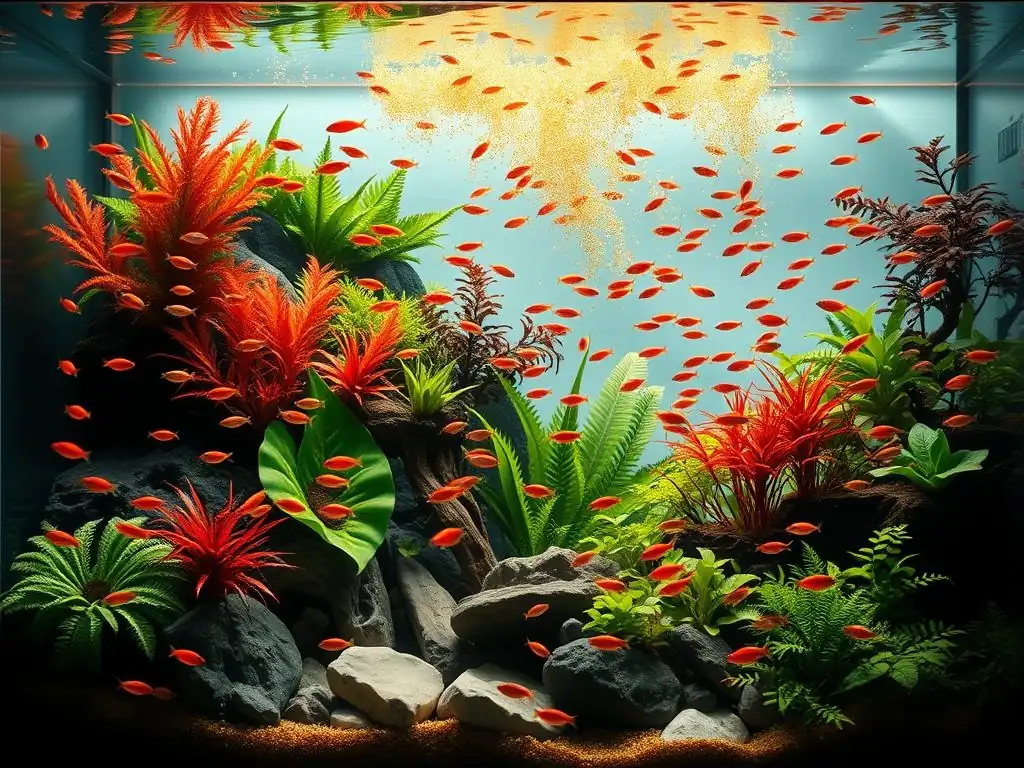
Ever wondered how to unlock the secrets to breeding the fiery Serpae Tetra? Dive into our comprehensive Serpae Tetra Spawning Guide and discover everything you need to know to successfully ignite spawning in these vibrant fish. Prepare to be amazed as we unravel the mysteries of their breeding habits and guide you through each step of the process. Ready to witness the magic? Let's get started!
- Serpae Tetra Spawning: A Comprehensive Guide
- Understanding Serpae Tetra Spawning
- Preparing Serpae Tetras for Spawning: Creating the Ideal Environment
- Identifying Breeding Pairs
- Inducing Spawning
- Egg Care and Fry Rearing
- Troubleshooting Common Problems
- Raising Healthy Serpae Tetras
- Advanced Breeding Techniques
- Recap: Successful Serpae Tetra Breeding
-
Frequently Asked Questions
- How do I distinguish between male and female Serpae Tetras?
- What are the ideal water parameters for spawning Serpae Tetras?
- What type of spawning tank setup is recommended for Serpae Tetras?
- What do Serpae Tetra eggs and fry look like, and how should I care for them?
- How long does it take for Serpae Tetra eggs to hatch and for the fry to become free-swimming?
- Final Reflection: Igniting the Spark of Life
- Unleash the Serpae Tetra Spawning Secrets!
Serpae Tetra Spawning: A Comprehensive Guide
Understanding Serpae Tetra Spawning
Introduction to Serpae Tetra Breeding
Serpae Tetras (Hyphessobrycon eques) are vibrant, active freshwater fish native to the Amazon and Paraguay River basins, popular among aquarists for their striking red coloration and schooling behavior. Breeding these captivating fish in a home aquarium can be a highly rewarding endeavor, offering a deeper understanding of their life cycle and natural instincts. While often considered a moderate challenge, a systematic approach, as outlined in this Serpae tetra spawning guide, significantly increases the chances of success.
Unlike livebearers, Serpae Tetras are egg-scattering fish that exhibit no parental care for their offspring. This means that successful breeding requires a dedicated setup to protect the delicate eggs and newly hatched fry from being consumed by the adult fish. Understanding their reproductive patterns, which often involve a "rainy season" simulation, is key to encouraging them to spawn in a controlled environment.
The Benefits of Breeding Serpae Tetras
Successfully breeding Serpae Tetras offers numerous benefits beyond the sheer satisfaction of witnessing new life. It provides aquarists with invaluable hands-on experience in fish husbandry, water chemistry management, and the intricate behavioral patterns of their aquatic inhabitants. This process deepens one's appreciation for the natural world and can even lead to a self-sustaining population of these beautiful fish within the hobby.
From a practical standpoint, breeding Serpae Tetras can be economically advantageous. It eliminates the need to purchase new fish, and surplus fry can sometimes be sold or traded with local fish stores or fellow hobbyists, helping to offset the costs of the hobby. Furthermore, by breeding these fish responsibly, aquarists contribute to the availability of captive-bred specimens, potentially reducing demand for wild-caught fish, although Serpae Tetras are already widely bred commercially.
Preparing Serpae Tetras for Spawning: Creating the Ideal Environment
Setting Up a Dedicated Breeding Tank: Size and Substrate
A separate breeding tank is paramount for successful Serpae tetra spawning, as it protects the vulnerable eggs and fry from being eaten by the parents or other tank inhabitants. A tank size of 5 to 10 gallons (approximately 19 to 38 liters) is typically sufficient for a pair or a small group of Serpae Tetras. This smaller volume allows for easier control of water parameters and concentrates spawning pheromones, which can encourage breeding behavior.
For substrate, a bare-bottom tank is often preferred for breeding Serpae Tetras because it simplifies cleaning and egg collection. However, some breeders opt for a layer of marbles or a spawning grate (egg crate) on the bottom, which allows the eggs to fall through and remain inaccessible to the egg-eating adults. Alternatively, a dark substrate can help reduce light reflection, which some breeders believe encourages spawning.
Water Parameters for Spawning Success: Temperature, pH, and Hardness
Precise water parameters are critical for inducing Serpae tetra spawning. The ideal temperature range for breeding is slightly elevated, typically between 78-82°F (25.5-27.8°C). This warmer temperature simulates the onset of the rainy season in their natural habitat, signaling favorable conditions for reproduction and fry development. A gradual increase of 2-3 degrees Fahrenheit over a few days can often trigger spawning.
Serpae Tetras are soft, acidic water spawners. For optimal egg viability and hatching rates, the pH should be maintained between 6.0 and 6.8, and the water hardness (GH) should be very soft, ideally ranging from 2 to 8 dGH (35-140 ppm). Achieving these parameters often involves using reverse osmosis (RO) water mixed with a small amount of dechlorinated tap water, or filtering through peat moss, to mimic the blackwater conditions of their native Amazonian streams.
Plant Selection for Serpae Tetra Breeding: Shelter and Spawning Sites
The inclusion of appropriate plants or spawning mops is essential in a Serpae tetra breeding setup. Fine-leaved plants such as Java Moss (Taxiphyllum barbieri), Hornwort (Ceratophyllum demersum), or Cabomba (Cabomba caroliniana) provide excellent surfaces for the adhesive eggs to attach to. These plants also offer shelter for the breeding pair and, later, for the newly hatched fry.
Beyond providing spawning sites, live plants contribute to the overall water quality by absorbing nitrates and providing a natural environment. They can also harbor infusoria, microscopic organisms that serve as an initial food source for newly hatched fry. If live plants are not feasible, commercially available spawning mops made from nylon yarn can serve a similar purpose, offering a convenient alternative for egg collection.
Conditioning Serpae Tetras: Dietary Needs and Live Foods
Conditioning, or nutritionally preparing the prospective breeding pair, is a crucial step in this Serpae tetra spawning guide. For several weeks leading up to the intended spawning, the breeding candidates should be fed a varied, high-quality diet. This diet should be rich in protein and essential nutrients to ensure the female develops healthy eggs and the male produces viable sperm.
Live foods are particularly effective for conditioning Serpae Tetras and stimulating spawning. Excellent choices include live brine shrimp, daphnia, bloodworms, and blackworms. These foods provide a natural burst of protein and fat that signals to the fish that environmental conditions are optimal for reproduction. While high-quality frozen foods can supplement their diet, live foods often provide the best trigger for spawning activity.
Identifying Breeding Pairs
Distinguishing Male and Female Serpae Tetras
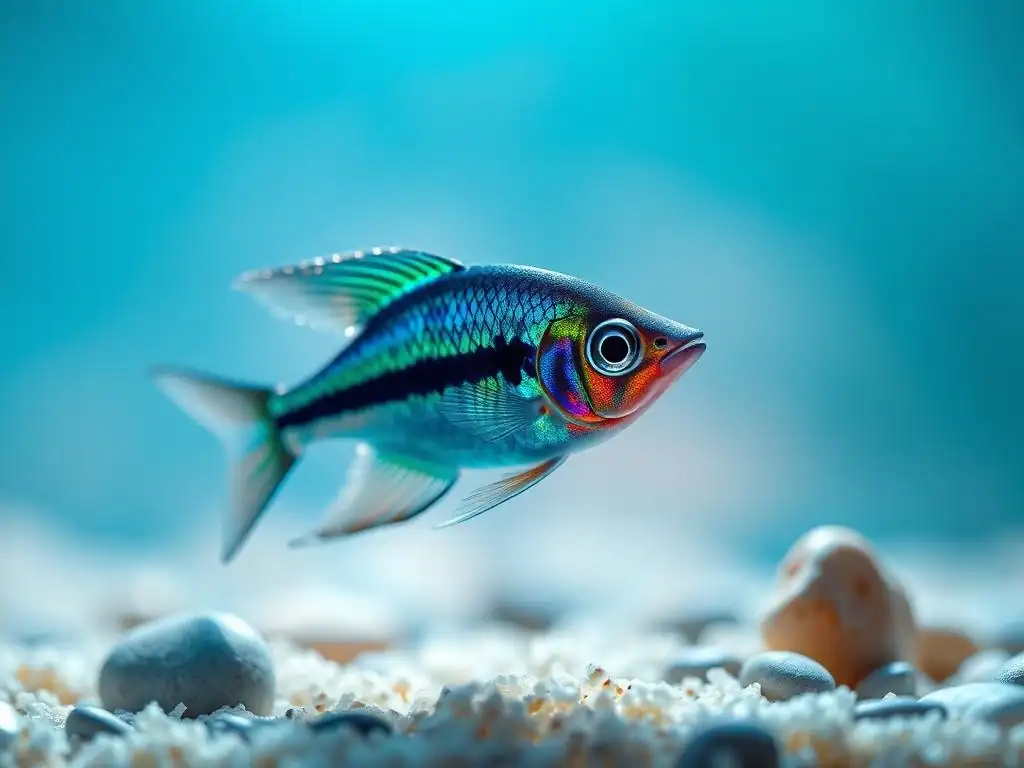
Accurately distinguishing between male and female Serpae Tetras is important for successful breeding. While not always immediately obvious, there are discernible differences. Females are generally fuller-bodied and rounder, particularly when gravid (carrying eggs), and may appear slightly larger than males. Their ventral area will often look noticeably swollen.
Males, on the other hand, tend to be more slender and torpedo-shaped. During breeding condition, their coloration may intensify, appearing more vibrant than that of the females. Behavioral cues can also help: males might display more active fin flaring and chasing behavior when ready to breed, attempting to entice females. Observing a group of Serpae Tetras for a few days can help identify the most robust and active individuals.
Choosing Healthy Breeding Stock
The health and vitality of your breeding stock directly impact the success rate of Serpae tetra spawning. Select fish that are active, alert, and display vibrant coloration. Avoid any individuals showing signs of illness, such as clamped fins, faded colors, white spots (ich), frayed fins, or any other physical abnormalities. Healthy fish are more likely to spawn successfully and produce strong, viable offspring.
Age is another important factor. Young, sexually mature adults, typically between 6 to 12 months old, are generally the best candidates for breeding. Fish that are too young may not be fully developed for reproduction, while very old fish may have reduced fertility. Observing a group of 5-6 individuals and selecting the most promising pair or trio (one female, two males) often yields the best results.
Inducing Spawning
Simulating Natural Spawning Conditions: Light, Temperature, and Water Changes
To induce Serpae tetra spawning, it is beneficial to simulate the natural conditions of their native habitat, particularly the onset of the rainy season. This involves a subtle interplay of environmental factors. As mentioned, maintaining the water temperature at the upper end of their preferred spawning range, around 78-82°F (25.5-27.8°C), is a primary trigger. Additionally, a gradual reduction in light intensity, mimicking overcast conditions, can further encourage breeding.
The most critical environmental trigger for Serpae Tetras is often a series of small, frequent water changes using cooler, soft, acidic water. Performing daily water changes of 10-20% with water that is 2-3 degrees Fahrenheit cooler than the tank water simulates rainfall. This fresh influx of soft, clean water, coupled with the slight temperature drop, strongly signals to the fish that it is an opportune time to spawn.
The Role of Live Foods in Triggering Spawning
While live foods are essential for conditioning, their role extends to directly triggering spawning behavior in Serpae Tetras. The consistent availability of nutrient-rich live foods like brine shrimp, daphnia, or microworms signals an abundance of resources, indicating that the environment is stable and capable of supporting fry. This abundance acts as a powerful biological cue for reproduction.
Feeding small amounts of live food several times a day in the breeding tank can enhance the fish's activity levels and encourage active searching and interaction, which often culminates in spawning. The pursuit of live prey can also stimulate the male's courtship display and the female's readiness to release eggs.
Monitoring for Spawning Activity: Signs and Behaviors
Once the breeding pair or group is introduced to the prepared tank and environmental conditions are optimized, it's crucial to monitor for signs of spawning activity. Serpae Tetras typically spawn in the early morning, often at dawn. The male will actively chase the female, nudging her belly and fins, guiding her towards the fine-leaved plants or spawning mop.
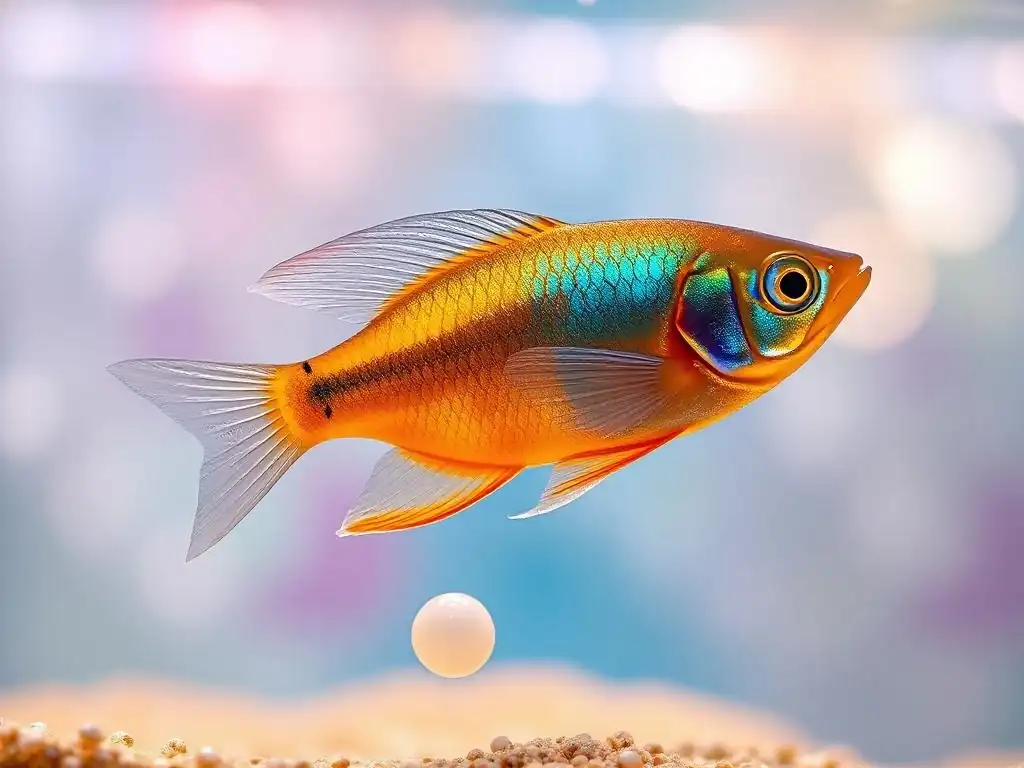
Spawning usually involves the pair shaking and quivering as eggs and milt (sperm) are simultaneously released. The eggs, which are tiny (approximately 1 mm in diameter), clear, and semi-adhesive, will scatter among the plants or fall through the spawning grate to the bottom. Observing the female appearing noticeably thinner after a period of intense activity is a strong indicator that spawning has occurred.
Egg Care and Fry Rearing
Protecting Eggs from Predation: Removing Parents
A critical step immediately after Serpae tetra spawning is to protect the eggs from predation. Serpae Tetras, like many other egg-scattering fish, have no parental instincts and will readily consume their own eggs if given the opportunity. Therefore, as soon as spawning is complete—indicated by the female appearing significantly leaner and the cessation of chasing behavior—the adult fish must be carefully removed from the breeding tank.
Use a soft net to gently transfer the parents back to their main display tank or a separate recovery tank. Minimize disturbance to the breeding tank during this process to avoid dislodging any eggs that may have adhered to plants or the tank surfaces. The rapid removal of parents is perhaps the most crucial factor in ensuring a high yield of fry from a successful Serpae tetra spawning.
Hatching Eggs: Incubation Period and Environmental Control
After the parents are removed, the Serpae tetra eggs will begin their incubation period. The hatching time is relatively short, typically occurring within 24 to 48 hours, depending on the water temperature. Warmer temperatures within the optimal range (78-82°F or 25.5-27.8°C) will generally result in faster hatching.
During incubation, maintaining stable water parameters is paramount. Avoid any sudden fluctuations in temperature or pH. Some breeders choose to keep the breeding tank in very dim light or complete darkness for the first 24 hours after spawning. This is believed to help prevent the growth of fungus on unfertilized or damaged eggs, although excellent water quality is the most effective deterrent against fungal infections.
Feeding Fry: First Foods and Growth Stages
Newly hatched Serpae tetra fry are incredibly small and delicate. For the first two to three days after hatching, they will feed on their yolk sac and remain largely immobile, often clinging to surfaces. Once they become free-swimming, typically around day three, they will require their first external food source, as their yolk sacs will be depleted.
Their initial diet must consist of microscopic organisms. Infusoria (microscopic protozoa), liquid fry foods specifically designed for egg-laying fish, or commercially prepared powdered fry food are excellent choices for the first few days. After approximately one week, when the fry have grown slightly, they can be transitioned to newly hatched brine shrimp nauplii, which are an ideal size and provide excellent nutritional value for rapid growth.
Maintaining Water Quality for Fry Development
Maintaining pristine water quality is absolutely critical for the survival and healthy development of Serpae tetra fry. They are extremely sensitive to ammonia, nitrite, and even high nitrate levels. Overfeeding is a common mistake that quickly fouls the water. Small, frequent water changes are essential: perform 10-20% water changes daily or every other day using aged, temperature-matched, and dechlorinated water.
Avoid strong filtration that could suck in or harm the delicate fry. A gentle sponge filter, seasoned in an established tank, is ideal as it provides biological filtration and gentle water movement without creating strong currents. Regularly siphon any uneaten food or waste from the bottom of the tank using a small air line tubing to prevent the buildup of harmful toxins.
Troubleshooting Common Problems
Addressing Unsuccessful Spawning Attempts
Unsuccessful Serpae tetra spawning attempts can be frustrating, but they often point to correctable issues. Common reasons for failure include incorrect water parameters, insufficient conditioning of the breeding pair, incompatibility between the chosen male and female, or stress caused by the environment. If spawning doesn't occur within a few days of setting up the tank, review all parameters.
Consider making incremental adjustments to temperature, pH, or hardness within the recommended ranges. Increase the frequency and variety of live food offerings. Sometimes, simply trying a different pair of fish or introducing a small group (e.g., two males and three females) can stimulate spawning. Patience is key; it may take several attempts for the fish to acclimate and feel secure enough to reproduce.
Preventing Egg Fungus and Diseases in Fry
Egg fungus is a common issue that can decimate a batch of Serpae tetra eggs, particularly affecting infertile eggs. The best defense is maintaining excellent water quality and providing gentle aeration. Some experienced breeders add a very small amount of methylene blue to the water as an antifungal agent, though this can stain the tank and should be used cautiously. Prompt removal of any white, opaque, or fuzzy eggs can prevent the spread of fungus to healthy eggs.
Preventing diseases in fry is primarily about maintaining impeccable water quality and avoiding overfeeding. Fry are highly susceptible to bacterial infections and parasitic outbreaks if their environment is not pristine. If disease does occur, identifying the specific ailment quickly is crucial, but many common fish medications are toxic to fry, requiring careful research or consultation with an experienced aquarist before treatment.
Managing Aggression During Spawning
While Serpae Tetras are generally considered semi-aggressive, their behavior can intensify during breeding. Males may become quite assertive in their pursuit of females, sometimes leading to excessive chasing or fin nipping. If a female appears overly stressed, hides constantly, or shows signs of physical damage, the aggression might be too severe for successful spawning.
To mitigate aggression, ensure the breeding tank has ample hiding spots, such as dense plant thickets or even small caves, allowing the female to escape the male's relentless advances. If using a pair, and aggression remains problematic, consider introducing a second female or swapping out one of the fish. Sometimes, a different male or female will prove to be a more compatible breeding partner, leading to a more harmonious Serpae tetra spawning experience.
Raising Healthy Serpae Tetras
Acclimation of Fry to the Main Tank
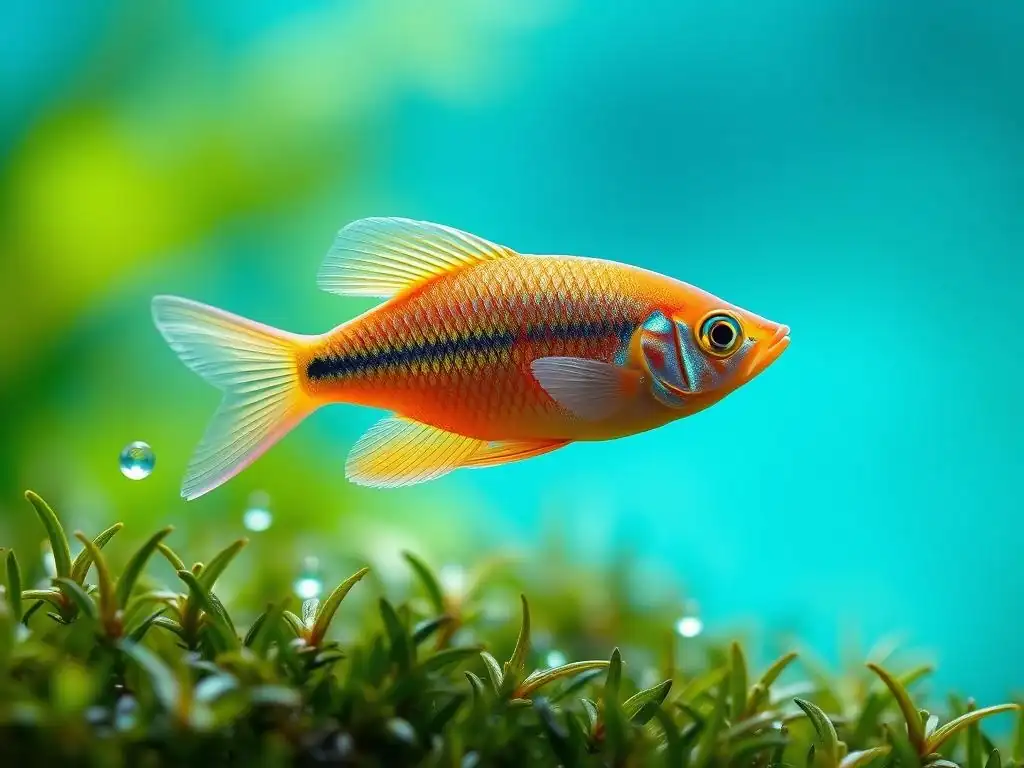
Once Serpae tetra fry have grown to a sufficient size, typically around 1 to 2 inches (2.5 to 5 cm) in length, they can be considered for transfer to a larger grow-out tank or, if appropriately sized, to the main display tank. It is crucial that the fry are large enough to not be seen as food by any existing inhabitants of the main tank. This transition should be gradual to minimize stress.
The acclimation process should be slow, preferably using the drip acclimation method over several hours, to allow the fry to gradually adjust to the new water parameters of the larger tank. Ensure the new tank is well-established, fully cycled, and provides ample hiding spots. This careful Serpae tetra spawning guide step ensures their continued health and survival in a more complex environment.
Maintaining Long-Term Health and Coloration
Maintaining the long-term health and vibrant coloration of Serpae Tetras, whether captive-bred or purchased, relies on consistent, high-quality care. A balanced diet is fundamental, consisting of high-quality flake foods, small pellets, and regular supplements of frozen or live foods like bloodworms, brine shrimp, or daphnia. This varied diet ensures they receive all necessary nutrients for their striking red hues and robust immune systems.
Regular partial water changes (25-30% weekly) are essential for keeping nitrate levels low and maintaining stable water parameters. Providing an appropriately sized tank for a school of Serpae Tetras (at least 20 gallons for a group of 6-8) and ensuring compatible tank mates also reduce stress and prevent disease, allowing them to thrive and display their full natural beauty.
Advanced Breeding Techniques
Selective Breeding for Enhanced Traits
For experienced aquarists interested in taking their Serpae tetra spawning efforts to the next level, selective breeding offers an intriguing path. This technique involves carefully choosing individuals with desirable traits—such as exceptionally vibrant coloration, larger fins, or a more peaceful temperament—to be the parents of the next generation. The goal is to enhance these specific characteristics in successive generations.
Selective breeding requires meticulous record-keeping of parentage, offspring numbers, and the expression of desired traits. While Serpae Tetras do not have as many distinct color morphs as some other species, consistent selective breeding can lead to a lineage of particularly striking or robust fish. This advanced approach requires patience, keen observation, and a thorough understanding of genetics.
Water Chemistry Manipulation for Spawning
Beyond the general guidelines for soft, acidic water, advanced Serpae tetra spawning techniques can involve more precise manipulation of water chemistry. Utilizing reverse osmosis (RO) water mixed with specific mineral additives allows for exact control over hardness and pH. Some breeders fine-tune these parameters to mimic the exact conditions of certain Amazonian tributaries during peak spawning seasons.
The gradual introduction of humic substances, such as those released by peat filtration or Indian almond leaves, can further soften the water and lower the pH, while also providing beneficial tannins. This subtle manipulation can be a powerful trigger for particularly stubborn breeding pairs, replicating the precise chemical cues that initiate spawning in their wild counterparts.
Optimizing Fry Growth Rates
Optimizing the growth rate of Serpae tetra fry is an advanced aspect of breeding that aims to produce robust, healthy juveniles as quickly as possible. This involves a multi-faceted approach: consistent, high-frequency feeding (up to 4-6 times a day) with appropriately sized, nutrient-dense foods like newly hatched brine shrimp nauplii is paramount. A constant supply of food prevents stunting and promotes rapid development.
Maintaining slightly warmer temperatures (e.g., 80-82°F or 26.7-27.8°C) within the fry tank can also accelerate their metabolism and growth. Furthermore, using a larger grow-out tank or frequently transferring fry to progressively larger tanks prevents overcrowding, which is a major inhibitor of growth. Regular, small water changes are critical to manage the increased bioload from frequent feeding and prevent growth-stunting nitrates.
Recap: Successful Serpae Tetra Breeding
Key Takeaways
Successful Serpae tetra spawning hinges on several critical factors working in harmony. The foundation is a dedicated breeding tank with the correct dimensions and substrate, ideally a bare bottom or with a spawning grate. Meticulous attention to water parameters—soft, acidic water (pH 6.0-6.8, GH 2-8 dGH) and a slightly elevated temperature (78-82°F or 25.5-27.8°C)—is non-negotiable for egg viability and hatching.
Crucially, prospective breeding pairs must be conditioned with a high-protein diet, featuring live foods, to ensure peak reproductive health. Inducing spawning often involves simulating natural cues through gradual temperature increases and daily, small water changes with cooler water. Post-spawning, immediate removal of parents is vital to protect the delicate eggs and fry, followed by rigorous water quality management and appropriate feeding for the newly hatched fry.
Further Resources for Tetra Care and Breeding
This Serpae tetra spawning guide provides a comprehensive framework, but the world of aquarium husbandry is vast and continually evolving. For those seeking to delve deeper into specific aspects, exploring additional resources can be highly beneficial. Information on cultivating infusoria cultures, performing advanced water chemistry testing, or detailed guides on specific fry diseases can further enhance your breeding success.
Engaging with online forums and local aquarium clubs offers opportunities to learn from experienced aquarists and share insights. While this guide lays a strong foundation, practical experience, coupled with continuous learning and research, will refine your skills and deepen your understanding of these fascinating fish, ensuring a rewarding journey in Serpae tetra breeding.
Frequently Asked Questions
How do I distinguish between male and female Serpae Tetras?
Male Serpae Tetras typically have a more intense red coloration and longer fins compared to females. Females are usually rounder in the abdomen, especially when ready to spawn.
What are the ideal water parameters for spawning Serpae Tetras?
The ideal parameters include a temperature of 78-82°F, a slightly acidic pH of 6.0-6.5, and very soft water. Maintaining pristine water quality is crucial for successful spawning.
What type of spawning tank setup is recommended for Serpae Tetras?
A separate breeding tank with a mesh bottom or spawning mop is highly recommended. This prevents the adults from eating the eggs. Use gentle filtration like a sponge filter.
What do Serpae Tetra eggs and fry look like, and how should I care for them?
Serpae Tetra eggs are small and nearly transparent. The fry are tiny and require infusoria or liquid fry food for the first few days, followed by baby brine shrimp.
How long does it take for Serpae Tetra eggs to hatch and for the fry to become free-swimming?
Eggs typically hatch within 24-36 hours. The fry become free-swimming about 3-4 days after hatching and begin actively searching for food.
Final Reflection: Igniting the Spark of Life
The journey into understanding and facilitating the spawning of Serpae Tetras, as explored in this guide, transcends mere aquarium keeping; it's about connecting with the fundamental rhythms of life. These vibrant fish, with their fiery hues and intricate social dynamics, offer a microcosm of the natural world within our homes. Successfully encouraging them to spawn is not just an achievement, but a testament to our understanding and respect for the delicate balance of their ecosystem.
The ability to witness and participate in the miracle of creation, even on a small scale, profoundly impacts our appreciation for the natural world. This experience has deepened my own connection to the intricate web of life and reinforced the importance of responsible stewardship. In every walk with nature one receives far more than he seeks.
- John Muir. This quote encapsulates the profound rewards of engaging with nature, whether in the wild or within the confines of our aquariums.
Now, armed with the knowledge and insights shared in this guide, I invite you to ignite your own spark of discovery. Observe, experiment, and learn from the Serpae Tetras in your care. Embrace the challenges, celebrate the successes, and remember that each spawning event is a unique opportunity to deepen your understanding and appreciation for the beauty and complexity of life. Let the fire of curiosity guide you, and may your aquarium become a vibrant testament to the power of knowledge and dedication.
Unleash the Serpae Tetra Spawning Secrets!
Thank you for diving deep into the world of Serpae Tetra breeding! We hope you’ve gained invaluable insights into igniting the spawning fire in these captivating fish. Ready to put your knowledge into action?
Here are a few things you can do right now:
- Start preparing your dedicated breeding tank by meticulously adjusting water parameters and introducing spawning media – your Serpae Tetras will thank you!
- Share your newfound Serpae Tetra spawning insights with fellow aquarium enthusiasts; help them bring the vibrant dance of life to their tanks.
- Explore less common live food options like microworms to further entice your Serpae Tetras into breeding condition – surprising their palates might just be the key!
What specific spawning media are you most excited to experiment with in your Serpae Tetra breeding tank?