
Are Leather Corals Good for Controlling Algae?

Welcome to Aquarium Mastery!
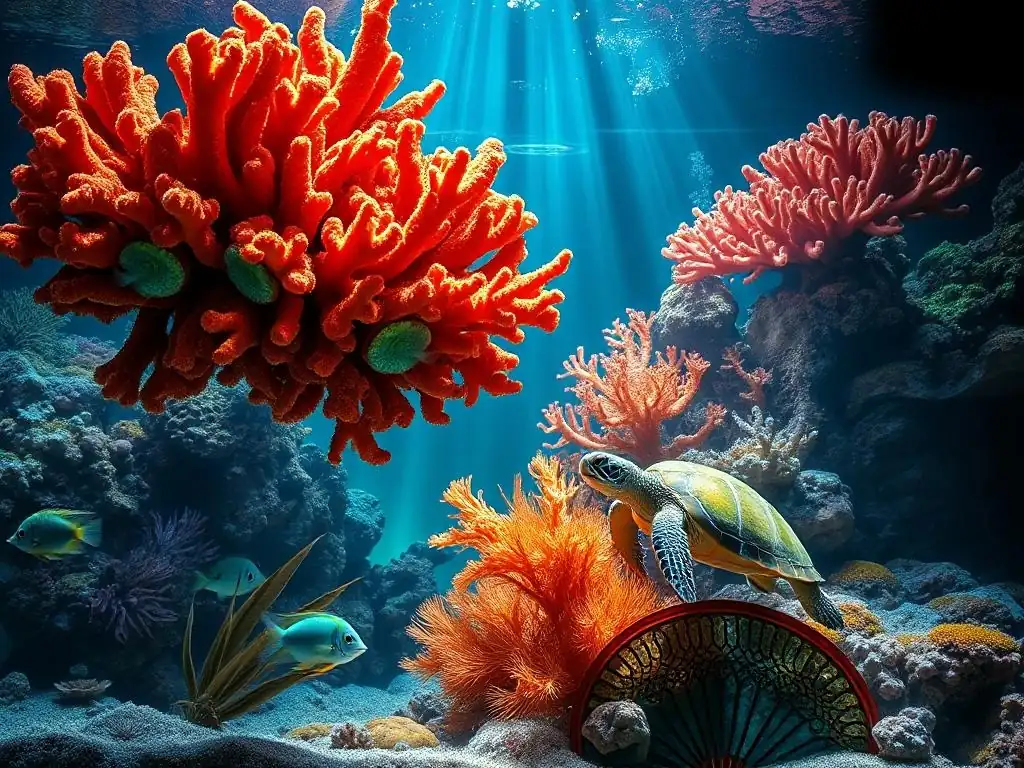
Ever wondered if those elegant, swaying leather corals could be more than just a beautiful addition to your reef tank? Dive in and discover the surprising potential of these captivating creatures for leather corals algae control. Are they a natural solution to unwanted algae blooms, or is it just a myth? Let's unravel the secrets and help you create a thriving, algae-free aquarium!
- Leather Corals and Algae Control in Reef Aquariums
- Introduction: Exploring the Role of Leather Corals in Algae Management
- Understanding Algae Growth in Reef Tanks
- Leather Corals: An Overview of Soft Corals for Reef Aquariums
- Leather Corals and Algae Control: Direct and Indirect Mechanisms
- Optimizing Leather Corals for Algae Suppression
- Algae-Eating Inhabitants for Reef Tank Balance
- Limitations of Solely Relying on Leather Corals for Algae Control
- Conclusion: Integrating Leather Corals into an Algae Management Strategy
-
Frequently Asked Questions
- Are leather corals a direct solution for algae control in my aquarium?
- How exactly do leather corals help indirectly with algae control?
- What types of algae are leather corals most effective at helping to control?
- What other factors should I consider besides leather corals for effective algae control?
- Are there any risks associated with using leather corals for algae control?
- Final Reflection: The Symbiotic Dance of Control
- Unveil Your Algae-Free Aquarium!
Leather Corals and Algae Control in Reef Aquariums
Introduction: Exploring the Role of Leather Corals in Algae Management
Reef aquariums are vibrant ecosystems, but maintaining their delicate balance often presents challenges, with nuisance algae growth being one of the most common and persistent issues for aquarists. Algae blooms can quickly diminish the aesthetic appeal of a tank and, if left unchecked, can outcompete and harm corals and other invertebrates by monopolizing essential nutrients and light. Many hobbyists seek natural methods to mitigate this problem, leading to questions about the role of various organisms in the reef environment.
Among the diverse inhabitants of a reef tank, soft corals, particularly leather corals, are often considered for their hardiness and unique appearance. A common query arises regarding their potential utility in algae control. While it's tempting to imagine a coral directly consuming unwanted algae, the relationship between leather corals and algae management is far more nuanced, involving indirect mechanisms such as chemical warfare and nutrient competition rather than direct grazing. Understanding these complex interactions is key to appreciating how leather corals can contribute to, but not solely solve, the challenge of maintaining an algae-free reef.
Understanding Algae Growth in Reef Tanks
Common Types of Reef Tank Algae
Nuisance algae in reef aquariums manifest in various forms, each posing distinct challenges. Diatom algae, often appearing as a brownish film, are common in new tanks during the cycling phase, typically fueled by silicates. Cyanobacteria, frequently misidentified as "red slime algae," are photosynthetic bacteria that form dark red, purple, or even black slimy mats, thriving in low flow areas with elevated nutrients, particularly phosphates. Hair algae, characterized by long, green strands, is a persistent problem that can quickly overrun rockwork and corals, indicating high nitrate and phosphate levels.
Beyond these, other types include green film algae, which coats glass and surfaces, and various forms of macroalgae that, while sometimes desirable in a refugium, can become invasive in the display tank if left unchecked. Each type requires a slightly different approach for effective algae control, highlighting the need for a multifaceted strategy. Understanding the specific type of algae present is the first step in diagnosing and addressing the underlying causes of its proliferation.
Factors Contributing to Algae Blooms in Aquariums
Algae blooms are primarily driven by an imbalance in the aquarium's ecosystem, with excess nutrients being the most significant contributing factor. Phosphates, often entering the tank through tap water, unfiltered foods, or decaying organic matter, are a major culprit, with levels as low as 0.05 ppm being sufficient to fuel significant algae growth. Nitrates, the end product of the nitrogen cycle, also play a crucial role; while corals can tolerate moderate nitrate levels (e.g., 5-10 ppm), higher concentrations (above 20 ppm) are strong indicators of nutrient overload and potential algae issues.
Other critical factors include excessive or inappropriate lighting – too much intensity, too long a photoperiod (e.g., more than 10-12 hours per day), or an incorrect spectrum can all encourage algae growth. Insufficient water flow creates dead spots where detritus accumulates, providing a constant food source for algae, especially cyanobacteria. Overfeeding, infrequent water changes, inadequate filtration, and neglecting to clean mechanical filtration media also contribute to nutrient accumulation, creating an ideal environment for nuisance algae to flourish, necessitating proactive algae control measures.
Leather Corals: An Overview of Soft Corals for Reef Aquariums
Popular Leather Coral Species for Reef Tanks
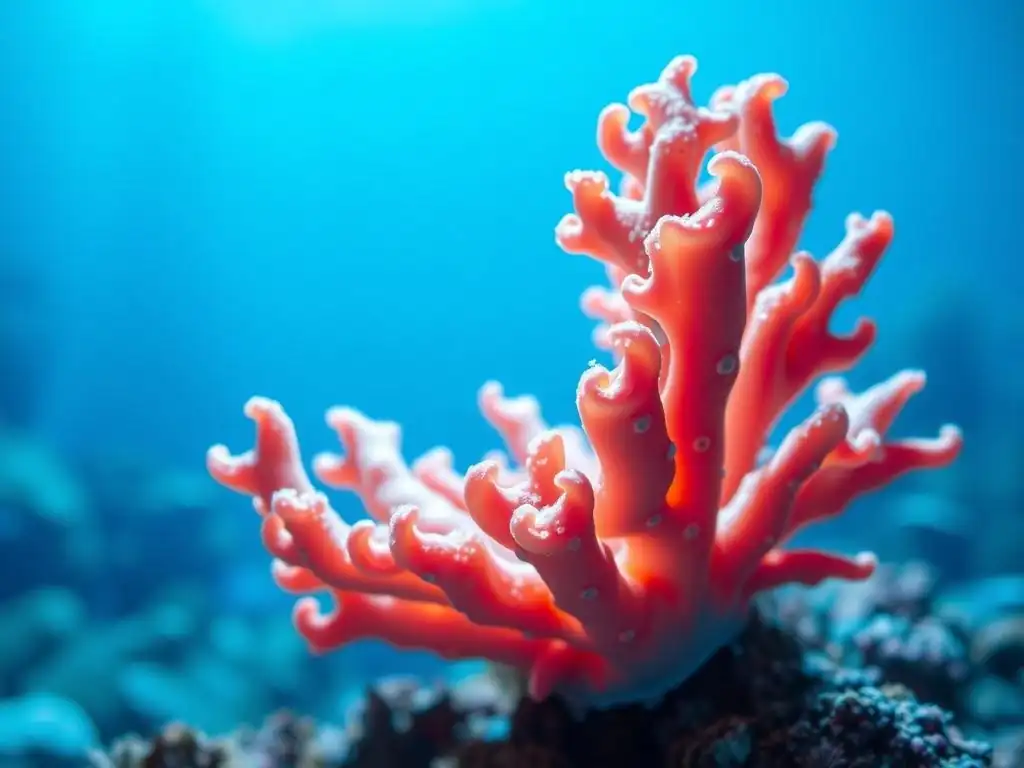
Leather corals, belonging to the family Alcyoniidae, are a diverse group of soft corals highly favored by aquarists for their robust nature and fascinating forms. Among the most popular species is the Toadstool Leather ( Sarcophyton sp.), recognizable by its mushroom-like cap and stalk, which can grow quite large, sometimes exceeding 12-18 inches in diameter in mature tanks. Finger Leathers ( Sinularia sp.) are another common choice, known for their branching, tree-like structures that can range from delicate to robust, often reaching heights of 6-10 inches.
Devil's Hand Leather ( Lobophytum sp.) features a distinctive lobed or hand-like appearance, offering a unique texture and form to the aquascape, with individual colonies potentially spreading over 8-12 inches. Kenya Tree Corals ( Capnella sp.) are also widely kept, noted for their rapid growth and graceful, branching polyps that sway in the current. These species are generally considered beginner-friendly due to their adaptability to a range of water parameters, making them excellent candidates for a mixed reef tank, and they can play an indirect role in leather corals algae control through their biological processes.
Leather Coral Care: Lighting, Flow, and Water Chemistry
Leather corals are relatively undemanding compared to their stony coral counterparts, making them suitable for a wide range of reef tank setups. They thrive under moderate lighting conditions, typically requiring a PAR (Photosynthetically Active Radiation) range of 50-150. While they can adapt to brighter light, excessive intensity may cause them to retract or shed more frequently. Moderate to strong, turbulent water flow is crucial for their health, preventing detritus accumulation and ensuring adequate nutrient delivery and waste removal. Without sufficient flow, they may appear deflated or develop unhealthy patches.
Regarding water chemistry, leather corals are tolerant of slight fluctuations but prefer stable parameters typical of a healthy reef tank. This includes a salinity of 1.025-1.026 specific gravity, a temperature range of 75-80°F (24-27°C), and stable alkalinity (8-12 dKH), calcium (400-450 ppm), and magnesium (1250-1350 ppm) levels. While they derive most of their nutrition from their symbiotic zooxanthellae, maintaining low nutrient levels—nitrates below 10 ppm and phosphates below 0.05 ppm—is vital for their long-term health and to prevent nuisance algae, which indirectly supports the concept of leather corals algae control by fostering a balanced environment.
Leather Corals and Algae Control: Direct and Indirect Mechanisms
Leather Corals and Algae Consumption: Addressing Misconceptions
A common misconception among aquarists is that certain corals, including leather corals, directly consume nuisance algae, thereby acting as a biological algae control agent in the same way a snail or fish might. This belief is inaccurate. Leather corals, like most corals, are primarily photosynthetic, relying on symbiotic zooxanthellae within their tissues to convert light energy into food. While they are also filter feeders, capturing microscopic plankton and other suspended organic particles from the water column, they do not actively graze on or consume macroscopic nuisance algae such such as hair algae or cyanobacteria.
Their feeding mechanisms are designed for microscopic food sources, not the removal of established algal mats. Therefore, relying on leather corals to directly "eat" or eliminate an algae problem is a misunderstanding of their biological function. Their contribution to leather corals algae control is through more indirect, ecological interactions within the reef system.
Allelopathy: Leather Corals' Chemical Defense Against Algae
One of the most significant indirect mechanisms by which leather corals can influence algae growth is through allelopathy. This biological phenomenon involves the release of chemical compounds, known as secondary metabolites or terpenes, into the water column to inhibit the growth of competing organisms. Leather corals, particularly species like Sarcophyton and Sinularia, are well-known for their production of these defensive chemicals. These compounds are primarily intended to deter the growth of other corals, especially faster-growing stony corals, by reducing their calcification rates or causing tissue necrosis.
However, these allelopathic chemicals can also have an inhibitory effect on certain types of nuisance algae. For instance, some studies suggest that these compounds can interfere with the metabolic processes or reproductive cycles of specific algal species. While this is a defense mechanism for the coral itself, providing a competitive advantage in a crowded reef, it can inadvertently contribute to algae control by making the immediate vicinity less hospitable for some algal forms. This effect is not a targeted algae removal strategy but rather a side effect of their natural competitive behavior.
Resource Competition: How Leather Corals Limit Algae Growth
Beyond chemical warfare, healthy and thriving leather corals can indirectly contribute to algae control through resource competition. Like all photosynthetic organisms, both corals and algae require essential nutrients such as nitrates and phosphates, as well as light, to grow and survive. In a well-stocked reef tank with a significant biomass of healthy corals, these corals will actively absorb and utilize available nutrients from the water column.
A large, robust leather coral colony, teeming with zooxanthellae, will consume nitrates and phosphates that would otherwise be available for nuisance algae. For example, a large Sarcophyton colony can significantly contribute to nutrient uptake, reducing the overall nutrient load in the water.
Similarly, a dense canopy of corals can effectively shade areas, reducing the light available for algae growth on rockwork or substrate. This competition for finite resources means that a thriving coral population naturally helps to keep nutrient levels lower and light penetration optimized for corals, thereby indirectly limiting the proliferation of unwanted algae and supporting overall leather corals algae control efforts.
Optimizing Leather Corals for Algae Suppression
Strategic Placement of Leather Corals in the Reef Tank
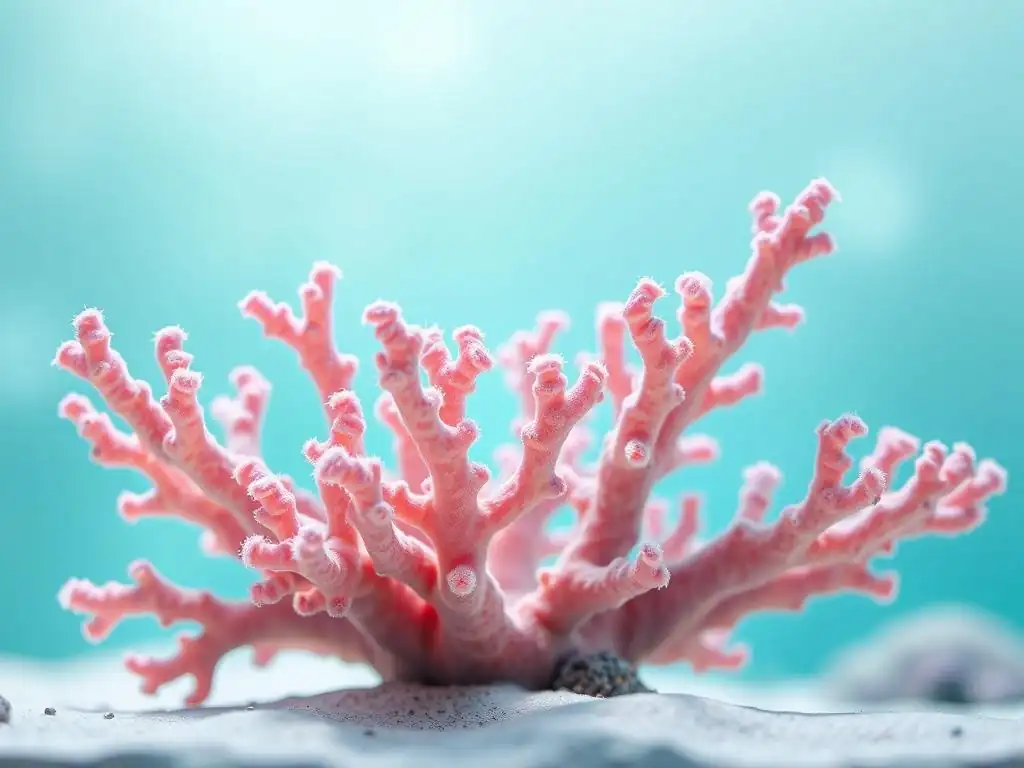
Strategic placement is crucial for maximizing the health and growth of leather corals, which in turn enhances their indirect contribution to algae control. Leather corals generally prefer moderate to strong water flow, which helps them shed their waxy cuticle and prevents detritus from settling on their surfaces. Placing them in areas with good flow ensures they remain clean and healthy, allowing them to efficiently utilize nutrients and light. For instance, positioning a Sinularia species on a higher rock structure where it receives laminar flow can promote its branching growth and expose more surface area for photosynthesis.
Consider the allelopathic nature of leather corals when positioning them. While their chemicals can suppress algae, they can also harm sensitive stony corals (SPS and some LPS). Maintain a buffer zone, typically 6-12 inches, between leather corals and more delicate corals. This prevents chemical irritation while allowing the leather coral to thrive and compete effectively for resources, thus indirectly contributing to leather corals algae control by maintaining a vibrant, healthy coral population.
Maintaining Water Quality for Coral Health and Algae Reduction
Consistent and pristine water quality is paramount for both the health of leather corals and effective algae control. Regular monitoring and maintenance of key parameters are essential. Nitrates should ideally be kept below 10 ppm, and phosphates below 0.05 ppm, as even slightly elevated levels can trigger algae blooms while stressing corals. Implementing a robust nutrient export strategy is vital, including regular water changes (e.g., 10-20% weekly or bi-weekly depending on tank bioload), efficient protein skimming, and potentially the use of a refugium with beneficial macroalgae like Chaetomorpha.
Furthermore, maintaining stable alkalinity (8-12 dKH), calcium (400-450 ppm), and magnesium (1250-1350 ppm) supports the overall health and metabolism of leather corals. When leather corals are robust and thriving, their symbiotic zooxanthellae are more efficient at photosynthesis and nutrient uptake, thereby competing more effectively with nuisance algae for available resources. This proactive approach to water chemistry is a cornerstone of effective leather corals algae control, ensuring that the environment favors coral growth over algal proliferation.
Integrating Algae Control Methods for a Balanced Ecosystem
While leather corals offer an indirect benefit, they are not a standalone solution for algae control. A truly balanced and algae-free reef ecosystem requires the integration of multiple control methods. Mechanical removal, such as siphoning out detritus during water changes, scrubbing algae from rocks, and cleaning glass daily, is fundamental. This directly removes algal biomass and the nutrients trapped within it.
Nutrient export mechanisms, beyond water changes, include the use of GFO (Granular Ferric Oxide) for phosphate removal, biopellets, or vodka dosing to foster beneficial bacteria that consume nitrates. Furthermore, introducing a diverse cleanup crew of algae-eating invertebrates and fish provides continuous biological grazing. Combining these strategies—maintaining optimal water parameters, employing mechanical removal, utilizing chemical filtration, and enlisting biological grazers—creates a comprehensive approach that allows leather corals to contribute their indirect benefits within a well-managed system, leading to long-term success in leather corals algae control.
Algae-Eating Inhabitants for Reef Tank Balance
Invertebrates for Algae Control: Snails, Hermit Crabs, and Shrimp
Invertebrates are indispensable members of a reef tank's cleanup crew, offering continuous biological algae control. Various snail species are highly effective grazers. Turbo snails ( Turbo fluctuosa) are renowned for their voracious appetite for film algae and diatoms, often reaching sizes of 2-3 inches and capable of clearing large areas quickly.
Astrea snails ( Astrea tecta) are excellent for consuming diatoms and green hair algae from rockwork and glass, though they can struggle to right themselves if flipped. Nassarius snails ( Nassarius vibex) primarily consume detritus and uneaten food from the sandbed, preventing nutrient buildup that fuels algae. For a 50-gallon tank, a general guideline might be 1-2 Turbo snails and 3-5 Astrea snails.
Hermit crabs, such as Blue Leg Hermit Crabs ( Clibanarius tricolor) and Red Leg Hermit Crabs ( Paguristes cadenati), are opportunistic scavengers that graze on algae, detritus, and cyanobacteria. They are active explorers and can reach areas snails might miss. Peppermint Shrimp ( Lysmata wurdemanni) are often introduced for Aiptasia anemone control, but they also contribute to the cleanup crew by consuming detritus and some types of nuisance algae. A diverse cleanup crew ensures that various types of algae and detritus are managed across different tank zones, complementing any indirect leather corals algae control benefits.
Algae-Eating Fish: A Complementary Approach
Certain fish species are highly effective in algae control, particularly for more persistent or widespread algal blooms. Tangs, or Surgeonfish, are perhaps the most well-known algae grazers. Yellow Tangs ( Zebrasoma flavescens) are iconic for their constant grazing on hair algae and film algae from rocks and glass, making them a popular choice for tanks 75 gallons and larger. Kole Tangs ( Ctenochaetus strigosus) are excellent at sifting through sand and rocks for detritus and diatoms, often preferred for their less aggressive nature.
Blennies are another valuable group; the Lawnmower Blenny ( Salarias fasciatus) is a dedicated herbivore that consumes large quantities of film algae and some hair algae, often seen perched on rocks. Starry Blennies ( Salarias ramosus) also contribute significantly to algae consumption.
Rabbitfish ( Siganus vulpinus, Foxface Lo) are larger, striking fish that are renowned for eating stubborn types of nuisance algae, including some macroalgae that other grazers might ignore. These fish should be introduced to tanks of appropriate size (e.g., 50 gallons for blennies, 75+ for smaller tangs, 100+ for larger tangs/rabbitfish) and fed a varied diet, including seaweed sheets, to ensure their nutritional needs are met while they contribute to the ongoing algae control efforts.
Limitations of Solely Relying on Leather Corals for Algae Control
Potential Toxicity and Mitigation Strategies
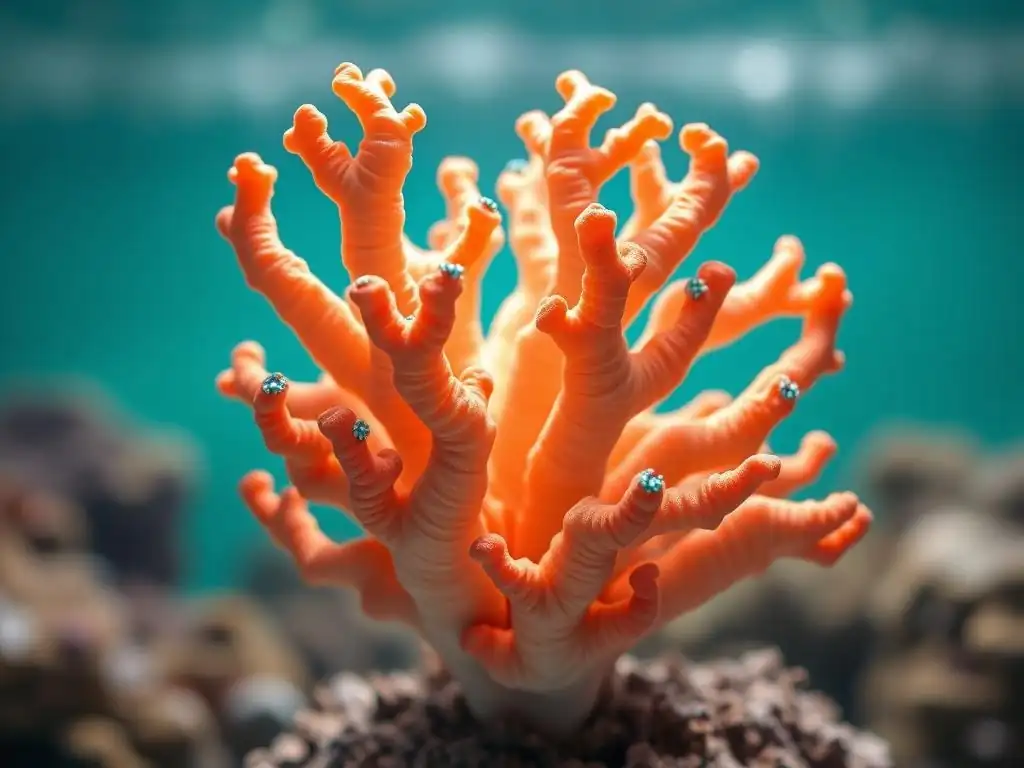
While leather corals offer indirect benefits in algae control through allelopathy, this mechanism comes with a significant caveat: the chemical compounds they release can be detrimental to other corals, particularly sensitive stony corals (LPS and SPS). These terpenes can inhibit calcification in stony corals, leading to reduced growth, tissue recession, or even death if concentrations become too high. For instance, in a 100-gallon mixed reef tank, a large Sarcophyton colony could potentially release enough compounds to negatively impact nearby Acropora colonies over several weeks without proper mitigation.
To mitigate this potential toxicity, robust chemical filtration is essential. Activated carbon is highly effective at adsorbing these organic compounds from the water column. It is recommended to run high-quality activated carbon in a media bag or reactor, replacing it every 1-2 weeks (e.g., 1 tablespoon per 10 gallons of tank volume weekly).
Strong protein skimming is also crucial, as it physically removes dissolved organic compounds before they can accumulate to harmful levels. Adequate water changes (e.g., 10-20% bi-weekly) further dilute these compounds, ensuring that the indirect leather corals algae control benefit does not come at the expense of other tank inhabitants.
Shedding and Water Quality Impacts
Leather corals periodically undergo a process known as "shedding" or "sloughing off" their outer waxy layer. This is a natural behavior, often occurring every few weeks or months, during which the coral rids itself of accumulated detritus, algae, and possibly some of its own metabolic waste products. While a sign of a healthy coral, the shedding process can temporarily impact water quality. The discarded layer, along with any trapped organic matter, can decompose if not removed or processed by filtration, leading to a temporary spike in nitrates and phosphates.
During shedding, some leather corals may also release a greater concentration of allelopathic compounds, potentially irritating other tank inhabitants. It's not uncommon for a large shedding Sarcophyton to cause other corals in a 75-gallon tank to retract or show signs of stress for a few days. To minimize these impacts, ensure excellent protein skimming during and after a shedding event, and consider performing a small water change. Good mechanical filtration (e.g., filter socks changed every 2-3 days) can also help remove the shed layer before it fully breaks down, supporting overall algae control by preventing nutrient spikes.
The Importance of a Comprehensive Algae Management Plan
Solely relying on leather corals for algae control is a misguided strategy that will inevitably lead to frustration and persistent algae issues. While they offer indirect benefits through allelopathy and nutrient competition, these mechanisms are insufficient to combat the root causes of severe algae blooms, which are almost always linked to nutrient imbalances, excessive light, or inadequate husbandry. A large tank with a significant bio-load, for example, will generate far more nitrates and phosphates than a few leather corals can effectively sequester.
A comprehensive algae management plan must integrate multiple layers of defense. This includes stringent nutrient control (low nitrates and phosphates through water changes, protein skimming, and judicious feeding), appropriate lighting schedules and intensity, robust water flow to prevent detritus accumulation, regular mechanical removal of algae, and the strategic deployment of a diverse cleanup crew (snails, hermit crabs, algae-eating fish). Leather corals can be a valuable component of this multifaceted approach, contributing to a balanced ecosystem, but they are not a standalone solution for maintaining an algae-free reef aquarium.
Conclusion: Integrating Leather Corals into an Algae Management Strategy
Leather Corals: A Valuable Component, Not a Standalone Solution
The question of "Are leather corals good for controlling algae?" is best answered with a nuanced understanding of their role. Leather corals do not directly consume nuisance algae like a grazing snail or fish. However, they are valuable inhabitants of a reef aquarium that can indirectly contribute to algae control through two primary mechanisms: allelopathy, where they release chemical compounds that can inhibit certain algal growth, and resource competition, by actively utilizing available nutrients and light that would otherwise fuel algae proliferation. For instance, a well-established colony of Lobophytum can significantly contribute to nutrient uptake in a 120-gallon tank over its lifespan.
Their robust nature and ease of care make them excellent choices for many aquarists. When thriving, they help create a more balanced ecosystem where corals can outcompete algae for essential resources. However, it is crucial to recognize that these indirect benefits are limited. Leather corals are a valuable component of a comprehensive leather corals algae control strategy, but they are not a singular solution to persistent algae problems. Their effectiveness is maximized when integrated into a broader management plan that addresses nutrient export, proper lighting, mechanical removal, and biological grazing.
Further Resources: Algae Control and Leather Coral Husbandry
For aquarists seeking to further refine their algae control strategies and enhance the health of their leather corals, a wealth of detailed information is available. Understanding the specific nutrient cycles within your aquarium, implementing advanced filtration techniques such as refugiums or biopellet reactors, and learning about the specific dietary needs and behaviors of various algae-eating invertebrates and fish can significantly improve tank conditions. Detailed guides on identifying different types of nuisance algae and their specific mitigation methods are also invaluable.
Similarly, mastering the husbandry of leather corals involves more than just basic parameters. Exploring topics like optimal fragging techniques for propagation, understanding their shedding cycles, and learning about common pests and diseases specific to soft corals can help ensure these beautiful animals thrive. For comprehensive guidance on maintaining pristine water quality, selecting the right cleanup crew, and optimizing leather coral health for long-term success in leather corals algae control and overall reef keeping, additional resources on AquariumMastery.com provide in-depth articles and guides.
Frequently Asked Questions
Are leather corals a direct solution for algae control in my aquarium?
No, leather corals are not a direct solution for algae control. While they can compete with algae for nutrients and space, they don't actively eat or remove algae.
How exactly do leather corals help indirectly with algae control?
Leather corals indirectly help by consuming nutrients that algae would otherwise use. They also release chemical compounds that can inhibit algae growth.
What types of algae are leather corals most effective at helping to control?
Leather corals are generally not species-specific in their algae control. Their primary impact is on reducing overall algae growth by competing for resources.
What other factors should I consider besides leather corals for effective algae control?
You should prioritize maintaining proper water parameters, including nutrient levels (nitrates and phosphates). Also consider lighting control, and the addition of algae eaters.
Are there any risks associated with using leather corals for algae control?
Yes, leather corals can release toxins that may negatively impact other inhabitants, especially sensitive corals. Proper water flow and filtration are crucial.
Final Reflection: The Symbiotic Dance of Control
The exploration of leather corals and their potential role in algae control underscores a critical aspect of reef aquarium management: the delicate balance of ecosystems. While not a silver bullet, understanding their contribution, however subtle, highlights the interconnectedness of life within these miniature oceans and the importance of informed choices in maintaining their health.
The ongoing debate about the effectiveness of leather corals in algae control reflects a larger conversation about our responsibility as stewards of these fragile environments. Personally, I've always been fascinated by the complex interactions within a reef tank, and this exploration reinforces the need for careful observation and a holistic approach. The health of the reef is a reflection of our understanding and commitment to its delicate balance.
This quote encapsulates the essence of responsible reef keeping and the continuous learning process it entails.
As we conclude this exploration, I invite you to reflect on your own role in maintaining the balance of your reef aquarium. Consider the subtle influences of each inhabitant, and strive to create an environment where all organisms can thrive. By embracing a mindful approach to reef keeping, we can contribute to the long-term health and beauty of these captivating ecosystems, both in our homes and in the wild.
Unveil Your Algae-Free Aquarium!
Thanks for exploring the world of leather corals and their impact on aquarium algae! We hope you’ve gained some valuable insights into managing your aquatic environment. Ready to take the next step?
- Introduce a Leather Coral to your tank and monitor its effects on algae growth carefully. Start with a smaller, hardy species and ensure proper placement and water parameters for optimal health.
- Explore alternative methods for algae control like increasing water changes or introducing algae-eating invertebrates.
- Share your experiences and observations about algae control on our forum or social media! Help others learn from your journey.
What specific algae control method are you most eager to try in your aquarium?