
Keeping Euphyllia Tentacles Extended: Tips for Happy Corals

Welcome to Aquarium Mastery!
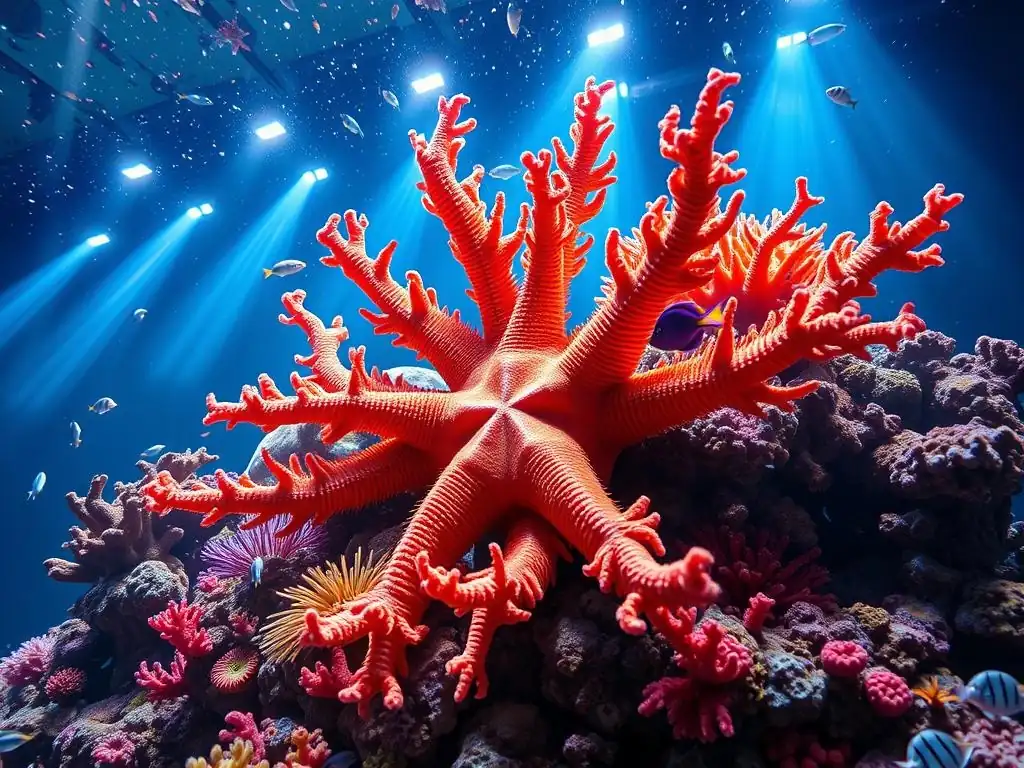
Ever wondered how to achieve that mesmerizing display of happy corals extended tentacles in your own reef tank? You're in the right place! Dive in to discover proven strategies for keeping your Euphyllia thriving and learn the secrets to a vibrant, healthy coral ecosystem. Let's unlock the beauty of your LPS coral together!
- Understanding Euphyllia Corals and Tentacle Extension
- Key Factors Influencing Euphyllia Tentacle Extension
- Troubleshooting Euphyllia Tentacle Retraction: Common Issues and Solutions
- Feeding Euphyllia for Enhanced Tentacle Health and Growth
- Preventing Future Issues and Maintaining Healthy Euphyllia Tentacles
- Conclusion: Ensuring Long-Term Health and Vibrant Tentacles for Your Euphyllia
-
Frequently Asked Questions
- How do I know if my Euphyllia coral is truly happy?
- What water parameters are crucial for Euphyllia coral health and tentacle extension?
- What kind of lighting is ideal for encouraging Euphyllia tentacle extension?
- My Euphyllia's tentacles were extended, but now they are retracted. What could be the cause?
- How often should I feed my Euphyllia coral to promote healthy tentacle growth?
- Final Reflection: The Dance of Extended Life
- Unlock Your Euphyllia's Full Potential!
Understanding Euphyllia Corals and Tentacle Extension
What are Euphyllia Corals and Why is Tentacle Extension Important?
Euphyllia corals, belonging to the family Euphylliidae, are highly popular large polyp stony (LPS) corals in the reef aquarium hobby, renowned for their vibrant colors and captivating tentacle movement. Common examples include Torch corals ( Euphyllia glabrescens), Hammer corals ( Euphyllia ancora), and Frogspawn corals ( Euphyllia divisa). These corals possess a hard, calcium carbonate skeleton covered by fleshy polyps from which their characteristic tentacles extend. The degree of tentacle extension is a primary visual indicator of a Euphyllia coral's health and happiness. When you see happy corals with extended tentacles, it signals that their environmental conditions are favorable.
The importance of tentacle extension cannot be overstated. These tentacles are not merely decorative; they are vital for the coral's survival and well-being. They serve multiple critical functions, including capturing food particles from the water column, maximizing light absorption for their symbiotic zooxanthellae, and aiding in waste removal. A lack of extension or persistent retraction suggests underlying stress, poor water quality, or potential disease, impacting the coral's ability to thrive and grow.
The Vital Role of Tentacles in Euphyllia Health and Feeding
Euphyllia tentacles play a multifaceted role in ensuring the coral's robust health and sustained growth. Primarily, they are equipped with stinging cells called nematocysts, which are used to capture microscopic plankton, small crustaceans, and other organic particles drifting in the water. This heterotrophic feeding supplements the energy derived from photosynthesis by their symbiotic algae, zooxanthellae. Efficient food capture through fully extended tentacles provides essential nutrients that support tissue growth, vibrant coloration, and overall vitality.
Beyond feeding, the tentacles' surface area is crucial for the photosynthetic process. When fully extended, they expose a larger area to light, allowing the zooxanthellae within their tissues to convert light energy into sugars more efficiently. This symbiotic relationship provides the majority of the coral's energy needs. Furthermore, the constant gentle swaying of extended tentacles helps to create microcurrents around the coral, facilitating gas exchange and preventing the buildup of waste products on the coral's surface. Maintaining happy corals with extended tentacles is therefore fundamental to their physiological processes.
Identifying Healthy vs. Unhealthy Euphyllia Tentacle Appearance
Distinguishing between healthy and unhealthy Euphyllia tentacles is crucial for early intervention and maintaining a thriving reef tank. Healthy Euphyllia tentacles are typically plump, fully inflated, and extend several inches from the coral's skeleton, often swaying gently with the water flow. For instance, a healthy Torch coral ( Euphyllia glabrescens) can display tentacles reaching up to 6-8 inches in length, while Frogspawn tentacles might extend 4-6 inches.
Their coloration should be vibrant and consistent with the species, and the polyps should appear full and fleshy, indicating a well-hydrated and stress-free state. This appearance is the hallmark of happy corals with extended tentacles.
Conversely, unhealthy Euphyllia tentacles will show clear signs of distress. These can include significant retraction, where the tentacles are shriveled, short, or pulled tightly against the skeleton. The coral's tissue might appear deflated, pale, or even translucent, indicating tissue loss or bleaching. Other warning signs include excessive mucus production, visible lesions, or the presence of brown, slimy patches, which could indicate a bacterial infection like Brown Jelly Disease. Observing these changes promptly allows aquarists to diagnose and address issues before they become severe, potentially saving the coral.
Key Factors Influencing Euphyllia Tentacle Extension
Optimizing Water Parameters for Euphyllia Health
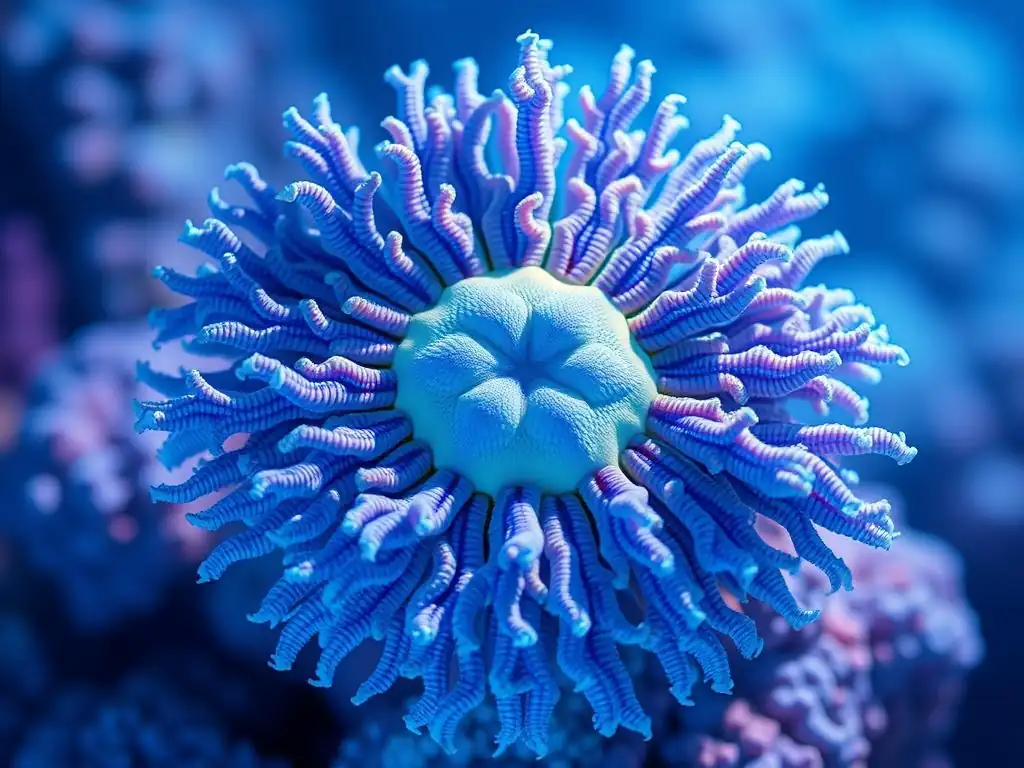
Maintaining stable and optimal water parameters is paramount for ensuring the health and full tentacle extension of Euphyllia corals. These LPS corals are sensitive to fluctuations, and consistent levels of key elements are vital for their calcification and overall physiological functions. Regular testing and precise adjustments are non-negotiable for happy corals with extended tentacles.
Maintaining Proper Alkalinity for Coral Tentacle Extension
Alkalinity, often measured in dKH (degrees of carbonate hardness), refers to the water's buffering capacity, which stabilizes pH and provides the necessary carbonate ions for coral skeletal growth. For Euphyllia corals, an ideal alkalinity range is typically between 8-12 dKH, with many aquarists aiming for a stable 9-10 dKH. If alkalinity levels are too low, calcification slows down significantly, leading to stunted growth and noticeably retracted or shriveled tentacles as the coral struggles to build and maintain its skeleton.
Conversely, excessively high alkalinity can also be detrimental, leading to precipitation of calcium carbonate and potential tissue irritation. Regular weekly testing of alkalinity is recommended, and if levels consistently drop, dosing with a balanced two-part solution or a calcium reactor can help maintain stability. Sudden swings in alkalinity, even within the acceptable range, can stress corals and cause tentacle retraction, highlighting the importance of consistency.
The Importance of Calcium and Magnesium Levels
Calcium (Ca) and Magnesium (Mg) are fundamental building blocks for the calcium carbonate skeleton of Euphyllia corals. Calcium is directly incorporated into the coral's structure, and an ideal range of 400-450 ppm is generally recommended for LPS corals. When calcium levels are insufficient, the coral's ability to grow and repair its skeleton is compromised, leading to weaker structures and reduced tentacle extension.
Magnesium plays a crucial role in preventing calcium precipitation and ensuring that calcium is bioavailable for calcification. An optimal magnesium level of 1250-1350 ppm helps maintain calcium solubility in the water, preventing it from binding with carbonates and becoming unusable. Deficiencies in magnesium can lead to unstable calcium levels and difficulty for corals to calcify effectively, directly impacting their health and the robust appearance of happy corals with extended tentacles. Consistent monitoring and supplementation are key to avoiding these issues.
Minimizing Nitrate and Phosphate Levels for Happy Euphyllia
While some level of nutrients is necessary in a reef tank, excessive nitrates (NO3) and phosphates (PO4) can be detrimental to Euphyllia corals, inhibiting their calcification and leading to tissue recession or tentacle retraction. For LPS corals, it is generally recommended to keep nitrates below 10 ppm, ideally in the 1-5 ppm range, and phosphates below 0.1 ppm, with an optimal target of 0.02-0.05 ppm. High nutrient levels can also encourage nuisance algae growth, which can compete with and smother corals.
When nutrient levels spike, Euphyllia corals often respond by retracting their tentacles and appearing stressed. This is because high phosphates, in particular, can interfere with the calcification process, making it harder for the coral to build its skeleton. Regular water changes (e.g., 10-20% bi-weekly), effective protein skimming, the use of a refugium, and phosphate-removing media like GFO (Granular Ferric Oxide) are effective strategies to keep these nutrient levels in check, ensuring the environment supports happy corals with extended tentacles.
Lighting Requirements for Euphyllia Corals and Tentacle Display
Lighting is a critical factor for Euphyllia corals, as their symbiotic zooxanthellae rely on it for photosynthesis. However, getting the intensity and spectrum just right is essential; too much or too little light can lead to stress and tentacle retraction. Euphyllia are generally considered moderate light corals, thriving best under specific conditions.
Selecting the Correct Light Spectrum for Optimal Growth
The correct light spectrum is vital for the health and vibrant coloration of Euphyllia corals. Zooxanthellae primarily utilize wavelengths in the blue spectrum (around 450-470 nm) for photosynthesis. Therefore, lighting fixtures that offer a strong blue component, such as full-spectrum LED fixtures with adjustable blue channels or T5 fluorescent bulbs with a good actinic/blue blend, are highly recommended. While white light is also important for overall visibility and growth, a dominant blue spectrum promotes better energy production within the coral.
Beyond photosynthesis, the right spectrum can also enhance the coral's natural fluorescence and pigmentation, making their tentacles appear more vibrant and aesthetically pleasing. Ensuring a balanced spectrum that mimics natural reef conditions, without being overly intense, allows the zooxanthellae to function efficiently, leading to robust tissue and encouraging happy corals with extended tentacles.
Adjusting Light Intensity to Prevent Bleaching or Recession
Light intensity, measured in PAR (Photosynthetically Active Radiation), must be carefully managed for Euphyllia. While they need light, too much can lead to bleaching, where the coral expels its zooxanthellae, resulting in a pale appearance and severe tentacle retraction. Euphyllia typically thrive in PAR values ranging from 75-150, though some may tolerate up to 200 PAR if properly acclimated. If light is too intense, tentacles may remain retracted, appear shriveled, or the coral tissue may begin to recede from the skeleton.
Conversely, insufficient light can cause the coral to stretch its polyps excessively in an attempt to capture more light, leading to a spindly appearance and often faded coloration, though tentacles may still extend. When introducing a new Euphyllia, it's advisable to place it in a lower light area of the tank or start with dimmed lights and gradually increase intensity over several weeks to allow for proper acclimation. Observing the coral's tentacle extension and coloration is the best indicator of appropriate light intensity.
Water Flow and its Impact on Euphyllia Tentacles
Water flow is another critical environmental factor that directly influences the health and tentacle extension of Euphyllia corals. They require specific flow conditions to thrive, as both too little and too much flow can cause significant stress and lead to retraction.
Achieving Ideal Water Movement for Nutrient Delivery
Euphyllia corals prefer moderate, indirect water flow. This type of flow is essential for several reasons: it delivers suspended food particles directly to the coral's tentacles, allowing for efficient nutrient uptake. It also aids in the removal of metabolic waste products from the coral's surface, preventing their accumulation which could otherwise lead to tissue irritation or disease. Furthermore, gentle water movement facilitates gas exchange at the coral's surface, ensuring adequate oxygen supply and carbon dioxide removal.
The ideal flow should cause the tentacles to sway gently and rhythmically, without being violently pushed around or constantly pressed against the coral's skeleton. A general guideline for a mixed reef might be 10-20 times the tank volume per hour, but this needs to be adjusted based on the specific placement of the coral and the type of powerheads used. When the flow is just right, you will observe happy corals with extended tentacles, gently undulating in the current, ready to capture nutrients.
Avoiding Excessive Flow That Can Irritate Tentacles
While some flow is necessary, excessive or direct laminar flow can be highly detrimental to Euphyllia corals. Strong, turbulent, or direct currents can physically damage the delicate tentacles, causing them to remain perpetually retracted as a defensive mechanism. This constant irritation can lead to tissue erosion, stress, and even RTN (Rapid Tissue Necrosis), where the coral tissue rapidly recedes from its skeleton. If tentacles appear tattered, torn, or are constantly pressed against the skeleton, the flow is likely too strong.
To mitigate this, powerheads should be positioned to create broad, turbulent flow patterns rather than direct streams. Adjusting the angle of the powerheads, using wavemakers, or placing the coral in a less turbulent area of the tank can help. Observing the coral's response to the flow is key: if tentacles are consistently retracted or damaged, adjustments are necessary to create the calm, yet dynamic, environment that encourages happy corals with extended tentacles.
Troubleshooting Euphyllia Tentacle Retraction: Common Issues and Solutions
Addressing Common Causes of Tentacle Retraction
When Euphyllia tentacles retract, it's a clear signal that something is amiss in their environment. Understanding the common culprits behind this behavior is the first step toward effective resolution. These issues can range from biological threats to environmental imbalances.
Identifying and Treating Coral Pests and Diseases
Pests and diseases are significant stressors that can cause immediate and severe tentacle retraction in Euphyllia. While less common, certain flatworms or predatory snails can irritate or feed on coral tissue, leading to defensive retraction. Visual inspection, often with the aid of a magnifying glass, can reveal these small invaders. The most notorious disease affecting Euphyllia is Brown Jelly Disease (BJD), a rapidly progressing bacterial infection that manifests as slimy, brown patches of decaying tissue. It typically causes immediate and complete tentacle retraction and tissue necrosis on affected areas.
If pests are identified, dipping the coral in a coral-safe dip solution (e.g., Lugol's iodine or a commercial coral dip) can often eradicate them. For BJD, immediate action is critical: the affected coral should be isolated, the diseased tissue siphoned off, and the coral dipped in an antibiotic solution or Lugol's. In severe cases, fragging the healthy portions of the coral away from the infected area may be the only way to save it. Prompt identification and treatment are paramount for restoring happy corals with extended tentacles.
Recognizing and Correcting Water Chemistry Imbalances
Sudden or prolonged imbalances in water chemistry are a frequent cause of tentacle retraction. Rapid drops in alkalinity, calcium, or magnesium, or spikes in nitrates and phosphates, can profoundly stress Euphyllia corals. For example, a sudden alkalinity drop of 2-3 dKH within 24 hours can shock corals, causing them to retract and appear deflated. Similarly, high nitrate levels (e.g., above 20 ppm) or phosphate levels (e.g., above 0.2 ppm) can inhibit calcification and lead to a general decline in coral health, manifesting as retracted tentacles.
The solution involves consistent and accurate water parameter testing. If an imbalance is detected, corrective actions should be taken gradually. For example, if alkalinity is low, increase it slowly over several days rather than in one large dose to avoid further shock. Small, frequent water changes (e.g., 10% weekly) can help stabilize parameters and dilute elevated nutrients. Utilizing a robust filtration system, including protein skimmers and possibly a refugium, also contributes to maintaining the stable environment required for happy corals with extended tentacles.
Managing Aggression from Other Corals
Euphyllia corals possess powerful stinging cells (nematocysts) on their tentacles, which they use for defense and to deter other corals from encroaching on their space. These corals are known for their "sweeper tentacles," which can extend significantly further than their normal feeding tentacles, particularly at night. If another coral is placed too close, the Euphyllia's sweepers can sting and damage the neighboring coral, causing tissue recession or retraction in the victim. Conversely, if a more aggressive coral stings the Euphyllia, its tentacles will retract as a defensive response.
To prevent inter-coral aggression, adequate spacing is crucial. A general rule of thumb is to allow at least 4-6 inches of clearance around Euphyllia corals, and even more for species like Torch corals that can extend sweepers up to 12 inches or more at night. Observing coral behavior, especially after lights out, can reveal instances of aggression. If aggression is suspected, simply relocating one of the corals to create more buffer space is the most effective solution, allowing both corals to display happy corals with extended tentacles.
Step-by-Step Solutions for Restoring Tentacle Extension
Once the potential causes of tentacle retraction have been identified, implementing targeted solutions can help restore your Euphyllia to full health and vibrant tentacle display. Patience and consistent effort are key to successful recovery.
Gradual Acclimation to New Tank Environments
When introducing a new Euphyllia coral to your aquarium, proper acclimation is crucial to prevent shock and subsequent tentacle retraction. This process should address both salinity/temperature and lighting. For salinity and temperature, drip acclimation over 30-60 minutes allows the coral to slowly adjust to your tank's water parameters, minimizing osmotic stress. More importantly, light acclimation is vital. New corals should initially be placed in lower-light areas of the tank or under dimmed lights, then gradually moved to their desired location or exposed to increasing light intensity over a period of several weeks.
For instance, if your main lighting system runs at 80% intensity, you might start the new Euphyllia at a location receiving 40-50% of that PAR value for the first week, slowly increasing its exposure. This gradual approach prevents photoininhibition or bleaching, allowing the zooxanthellae to adapt to the new light conditions. Proper acclimation significantly reduces stress, paving the way for happy corals with extended tentacles.
Strategic Placement within the Aquarium
The permanent placement of your Euphyllia within the aquarium directly impacts its long-term health and tentacle extension. Consideration must be given to both light and water flow. As moderate light corals, Euphyllia typically thrive in the mid-to-lower sections of the tank, away from the direct blast of high-intensity lighting. For example, if you have a powerful LED fixture, placing a Torch coral on the sand bed or lower rockwork might provide ideal PAR levels without overwhelming it.
Regarding water flow, ensure the coral is in a spot with moderate, indirect flow that causes its tentacles to sway gently, not thrash wildly. Avoid placing them directly in the path of a strong powerhead. Additionally, remember their stinging capabilities and allow ample buffer space (e.g., 6-12 inches) between your Euphyllia and other corals, especially SPS or other LPS, to prevent territorial aggression and subsequent tentacle retraction. Correct placement is fundamental for maintaining happy corals with extended tentacles.
Regular Observation and Early Intervention
Consistent and diligent observation of your Euphyllia corals is arguably the most powerful tool in preventing and resolving tentacle retraction issues. Daily visual checks allow you to spot subtle changes in tentacle extension, color, tissue integrity, or the presence of any pests or diseases before they escalate. For instance, noticing a slight shortening of tentacles for a day or two after a water change might simply indicate minor parameter fluctuation, which can be monitored. However, persistent retraction accompanied by tissue discoloration warrants immediate investigation.
Learning the individual "normal" appearance and behavior of each of your Euphyllia colonies will help you identify deviations quickly. If you notice signs of stress, perform a full set of water tests immediately. If parameters are stable, consider potential pests or aggression. Early detection of issues, whether environmental or biological, allows for prompt intervention, significantly increasing the chances of recovery and ensuring your Euphyllia remain happy corals with extended tentacles.
Feeding Euphyllia for Enhanced Tentacle Health and Growth
The Importance of Proper Coral Feeding
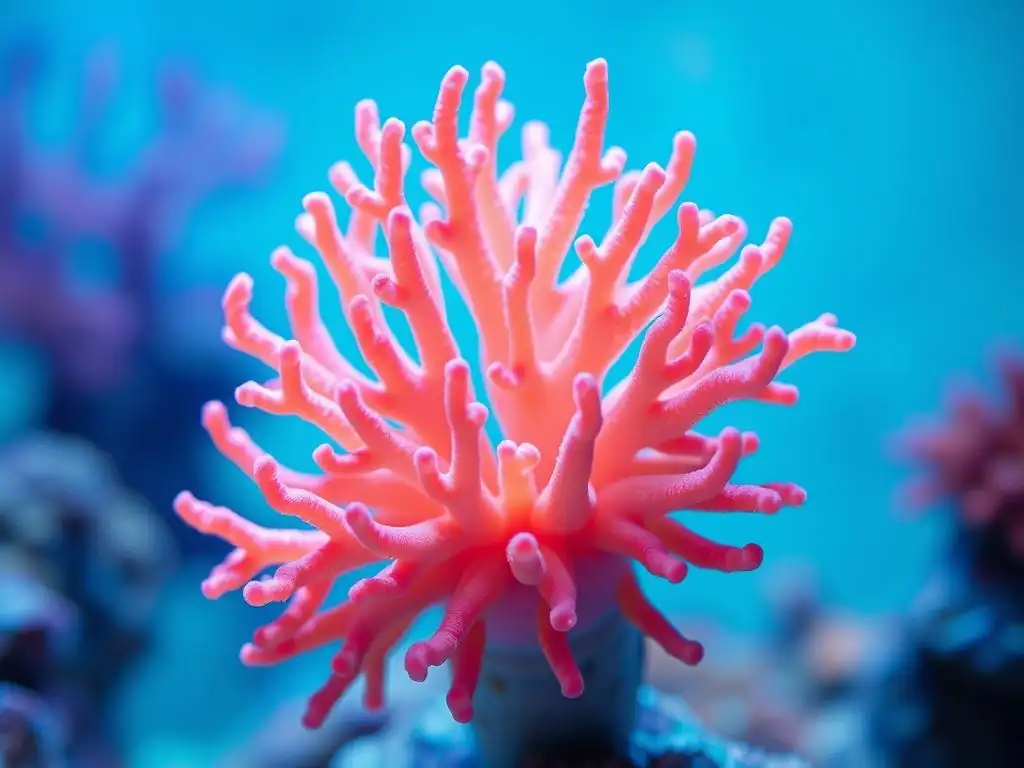
While Euphyllia corals host symbiotic zooxanthellae that provide the majority of their energy through photosynthesis, supplemental feeding is crucial for their optimal growth, vibrant coloration, and overall resilience. Euphyllia are heterotrophic, meaning they actively capture and consume food particles from the water column. Relying solely on light for their nutritional needs will often result in slower growth, reduced tentacle extension, and potentially faded colors.
Regular and appropriate feeding provides essential amino acids, fatty acids, and other organic compounds that are not fully supplied by photosynthesis alone. These nutrients are vital for tissue repair, skeletal growth, and the production of mucus and stinging cells. A well-fed Euphyllia will not only grow faster but will also exhibit fuller, more robust tissue and more consistently display happy corals with extended tentacles, indicating excellent health and vitality.
Selecting the Right Food for Euphyllia Corals
Choosing the appropriate food size and type is critical for effective feeding of Euphyllia corals. Their tentacles are designed to capture specific sizes of prey.
Target Feeding Techniques for Maximum Nutrient Uptake
Target feeding is the most efficient method to ensure your Euphyllia corals receive adequate nutrition. This involves directly delivering food to the coral's extended tentacles using a coral feeder, pipette, or turkey baster. Before feeding, it's advisable to turn off powerheads and filtration for 10-15 minutes to prevent the food from being dispersed too quickly throughout the tank. This allows the coral ample time to capture and ingest the food.
Feed your Euphyllia when their tentacles are most extended, which is often after the main lights have dimmed or completely turned off, as this mimics their natural nocturnal feeding behavior. Gently squirt the food directly onto or just above the tentacles. Observe as the tentacles grasp the food and slowly draw it towards the coral's mouth. This direct approach ensures that the nutrients reach the intended recipient, promoting the health and extension characteristic of happy corals with extended tentacles.
Understanding the Role of Zooplankton and Phytoplankton
For Euphyllia corals, zooplankton forms the primary component of their diet when target feeding. Ideal food particle sizes typically range from 50 to 500 microns, accommodating the capture capabilities of their tentacles. Excellent choices include finely chopped mysis shrimp, enriched brine shrimp nauplii, copepods, rotifers, and various commercial LPS coral foods specifically formulated with appropriate particle sizes. For instance, a finely minced mysis shrimp can be effectively consumed, providing a rich source of protein and fats.
While phytoplankton is a primary food source for many soft corals and filter feeders, its direct nutritional benefit for Euphyllia is less significant. However, adding phytoplankton to the water column can still be beneficial as it serves as a food source for the zooplankton that Euphyllia do consume, thus indirectly contributing to their diet and the overall health of the reef ecosystem. A diverse diet, with emphasis on zooplankton, ensures comprehensive nutrition for happy corals with extended tentacles.
Maintaining a Consistent Feeding Schedule
Establishing and adhering to a consistent feeding schedule is important for the long-term health and vibrant tentacle display of your Euphyllia corals. While daily feeding is not typically necessary, a frequency of 1-3 times per week is often sufficient, depending on your tank's bioload, nutrient levels, and the density of your coral population. For example, a tank with a higher coral density or fewer fish might benefit from more frequent feeding.
Consistency allows the coral to anticipate feeding times and adapt its tentacle extension accordingly, potentially leading to more robust feeding responses. However, it's crucial to avoid overfeeding, which can rapidly degrade water quality by increasing nitrates and phosphates, potentially leading to the very tentacle retraction you are trying to prevent. Observe your coral's response and adjust the feeding frequency and quantity to find the optimal balance that supports healthy growth and ensures you have happy corals with extended tentacles without compromising water quality.
Preventing Future Issues and Maintaining Healthy Euphyllia Tentacles
Regular Water Testing and Maintenance Routines
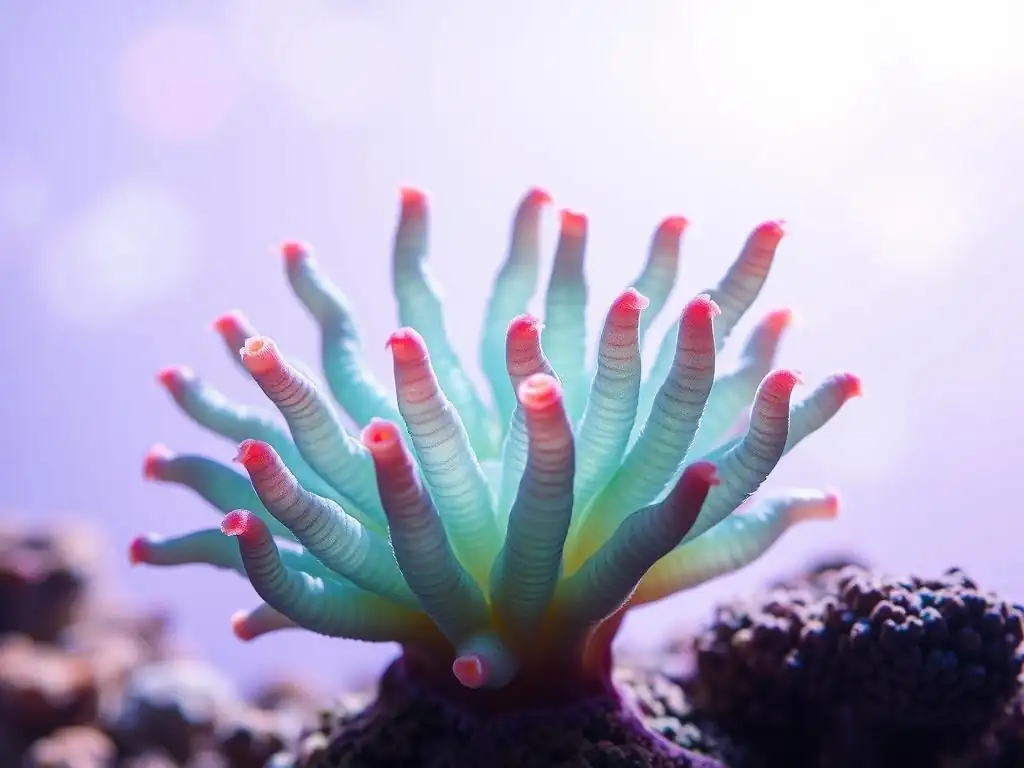
Proactive water quality management is the cornerstone of preventing future issues and ensuring the long-term health and consistent tentacle extension of your Euphyllia corals. Establishing a rigorous routine of water testing and maintenance is non-negotiable. This includes weekly checks for essential parameters such as alkalinity, calcium, magnesium, nitrates, and phosphates. For example, using a reliable test kit to confirm alkalinity is consistently within the 8-10 dKH range, or nitrates are below 5 ppm, helps catch deviations early.
Beyond testing, regular maintenance activities are crucial. This involves performing bi-weekly or monthly water changes, typically 10-20% of the tank volume, using high-quality salt mix. This replenishes trace elements and dilutes accumulated waste products. Routine cleaning of equipment like protein skimmers and powerheads, along with siphoning detritus from the substrate, also contributes to a stable and clean environment. Consistency in these routines minimizes stress on your corals, ensuring they remain happy corals with extended tentacles.
Careful Observation of Coral Behavior and Appearance
Developing a keen eye for subtle changes in your Euphyllia's behavior and appearance is one of the most effective preventative measures an aquarist can take. Daily visual inspections are critical. Look beyond just tentacle extension; observe their color vibrancy, tissue inflation, and the presence of any unusual mucus production, lesions, or areas of recession. For instance, if a previously vibrant green Torch coral starts to show pale patches, it could indicate too much light or a nutrient deficiency.
Learning the typical "normal" state for each of your Euphyllia colonies allows you to quickly identify any deviations. Pay attention to how they respond to light cycles, feeding, and water flow. Are the tentacles extending fully at night? Do they react strongly to a target feeding? Any consistent deviation from their norm warrants further investigation, whether it's re-testing parameters or checking for pests. Early detection through careful observation significantly increases the chances of successful intervention, ensuring your corals remain happy corals with extended tentacles.
Quarantine New Additions to Prevent Disease Introduction
One of the most effective strategies to prevent widespread issues in your main display tank, including those that cause tentacle retraction, is to quarantine all new coral additions. A dedicated quarantine tank (QT) allows you to observe new corals in isolation for a period of at least 3-4 weeks. During this time, you can monitor them for signs of pests, such as flatworms or predatory nudibranchs, and diseases like Brown Jelly Disease, without risking your established colonies.
Before placing a new coral into the QT, it's highly recommended to perform a coral dip using a commercial product (e.g., Revive, Bayer Advanced Complete Insect Killer) to remove any external parasites or pests that might be hitchhiking. While in quarantine, maintain stable parameters and observe closely. If any issues arise, they can be treated in the QT, preventing their introduction into your main system where they could cause significant stress and tentacle retraction across your entire Euphyllia collection. This proactive step is crucial for maintaining a healthy and vibrant reef.
Conclusion: Ensuring Long-Term Health and Vibrant Tentacles for Your Euphyllia
Maintaining happy corals with extended tentacles is a rewarding aspect of reef keeping, signifying a thriving and balanced aquarium ecosystem. The key to achieving this lies in a holistic approach that encompasses diligent attention to water chemistry, precise control over lighting and water flow, and a consistent feeding regimen. Euphyllia corals, with their captivating movement and vibrant colors, are particularly responsive to stable conditions and proper care.
By consistently monitoring essential water parameters like alkalinity, calcium, and magnesium, and keeping nitrates and phosphates in check, you provide the fundamental building blocks for healthy growth. Strategic placement that optimizes light intensity and water flow ensures their symbiotic algae can photosynthesize effectively while allowing their delicate tentacles to extend without irritation. Furthermore, supplemental target feeding delivers the vital nutrients needed for robust tissue and sustained energy.
Regular observation and a proactive approach to potential issues, including quarantining new additions, are indispensable. By adhering to these practices, you will ensure your Euphyllia corals not only survive but truly flourish, perpetually displaying their full, vibrant tentacles as a testament to their long-term health and your dedicated care.
Frequently Asked Questions
How do I know if my Euphyllia coral is truly happy?
The best indicator is observing extended tentacles! A happy Euphyllia will display fully inflated, flowing tentacles. Retracted tentacles often signal stress or poor water conditions.
What water parameters are crucial for Euphyllia coral health and tentacle extension?
Maintaining stable water parameters is key. Specifically, ensure proper alkalinity, calcium levels, and low nitrate/phosphate levels for optimal coral health.
What kind of lighting is ideal for encouraging Euphyllia tentacle extension?
Euphyllia corals generally prefer moderate lighting. Too much or too little light can cause stress, leading to tentacle retraction. Experiment to find the sweet spot for your specific tank.
My Euphyllia's tentacles were extended, but now they are retracted. What could be the cause?
Several factors could be responsible, including sudden changes in water chemistry, pests, or physical irritation. Carefully check for any signs of damage or infestation.
How often should I feed my Euphyllia coral to promote healthy tentacle growth?
While Euphyllia corals can survive through photosynthesis, supplemental feeding can significantly boost their health. Target feed them small meaty foods a few times per week.
Final Reflection: The Dance of Extended Life
The secrets to keeping Euphyllia corals happy, with their tentacles gracefully extended, are more than just a technical guide; they represent a commitment to understanding and nurturing the delicate ecosystems we bring into our homes. The vibrant dance of extended tentacles is a direct reflection of our dedication to creating a thriving aquatic environment. In a world increasingly disconnected from nature, the act of fostering these corals becomes a powerful reminder of the interconnectedness of life and the responsibility we bear to protect it.
This journey into the world of Euphyllia care has profoundly shaped our understanding of the subtle nuances that dictate the health and vitality of these creatures. Witnessing the transformation from retracted, stressed polyps to a flourishing colony with flowing tentacles is a deeply rewarding experience, a testament to the power of informed care and patient observation. As Jacques Cousteau so eloquently stated, The sea, once it casts its spell, holds one in its net of wonder forever.
This wonder extends to the miniature oceans we create within our tanks, demanding our respect and diligent attention.
Now, as you embark on your own journey with Euphyllia corals, remember that the tips shared here are not just instructions, but invitations to connect with the natural world on a deeper level. Observe, learn, and adapt, and you will be rewarded with the breathtaking beauty of happy corals, their extended tentacles swaying in a silent symphony of life. Let the pursuit of happy corals with extended tentacles be a constant reminder of the beauty and fragility of our planet, inspiring you to become a steward of its wonders, both big and small.
Unlock Your Euphyllia's Full Potential!
Thank you for diving into the world of Euphyllia care with us! Now that you're equipped with the knowledge to keep your corals thriving, it's time to put that expertise into action and witness the stunning results firsthand.
Here's how you can take the next step:
- Commit to performing a water test this week, specifically focusing on alkalinity and calcium levels, and adjust accordingly to promote optimal tentacle extension.
- Share your most breathtaking Euphyllia photo on Instagram, tagging @AquariumMastery and using #EuphylliaGoals to inspire fellow reef keepers.
- Research one unusual feeding method for Euphyllia corals, such as target feeding with live copepods, and consider experimenting (safely!) to see if it improves your coral's health.
What small change will you make today to bring even more vibrancy to your Euphyllia?