
Saving a Declining Acan Colony: An Emergency Care Guide

Welcome to Aquarium Mastery!
Is your Acan colony looking a little worse for wear? Don't panic! We understand the stress of seeing your prized corals decline. This guide dives deep into the most effective Acan colony recovery tips, offering practical advice and proven strategies to bring your vibrant Acan back to its former glory. Ready to troubleshoot and restore your reef's beauty? Let's get started!
- Saving a Declining Acan Colony: An Emergency Care Guide for Reef Aquariums
- Recognizing Acan Colony Distress Signals: Early Intervention is Key
- Immediate Acan Colony Recovery Steps: A Checklist
- Investigating the Root Cause of Acan Colony Decline
- Advanced Acan Colony Care Strategies: Promoting Healing and Growth
- Long-Term Acan Coral Health: Prevention is Better Than Cure
- Acan Colony Recovery Success Stories: Inspiration and Lessons Learned
- Frequently Asked Questions
- Final Reflection: The Resilience of Reef Life
- Revitalize Your Acan: Act Now!
Saving a Declining Acan Colony: An Emergency Care Guide for Reef Aquariums
Recognizing Acan Colony Distress Signals: Early Intervention is Key
Identifying Common Signs of Acan Coral Decline
When an Acan colony begins to decline, it often presents clear visual cues that signal distress. One of the most common indicators is tissue recession, where the coral's fleshy polyps pull back from its skeletal structure, exposing the white skeleton underneath, often starting from the base or edges. Another critical sign is a noticeable loss of vibrant coloration, with the coral appearing pale, dull, or even bleached, indicating a potential loss of symbiotic zooxanthellae.
Beyond visual changes, behavioral shifts are also vital to observe. A healthy Acan colony typically exhibits full polyp extension, especially when lights dim or during feeding times, appearing plump and robust. In contrast, a declining Acan may show shriveled, deflated polyps that fail to extend, even when food is presented. The presence of a brown, slimy, jelly-like substance on the coral's surface is an urgent warning sign of bacterial infection, often requiring immediate intervention for Acan colony recovery tips.
Understanding the Urgency: Why Prompt Action Matters
The window for successful intervention when an Acan colony is declining can be remarkably short. Acan corals, like many LPS (Large Polyp Stony) species, are susceptible to rapid tissue necrosis (RTN or STN – Rapid Tissue Necrosis or Slow Tissue Necrosis), where tissue loss can progress from a small patch to the entire colony within 24 to 48 hours. This rapid deterioration underscores the critical importance of swift and decisive action.
Delaying intervention can lead to irreversible damage, potentially resulting in the complete loss of your valuable Acan colony. The sensitive nature of Acan corals means they react quickly to adverse environmental conditions or pathogens. Early recognition of distress signals, combined with prompt and appropriate emergency care, significantly increases the chances of halting the decline and initiating a successful Acan colony recovery process.
Immediate Acan Colony Recovery Steps: A Checklist
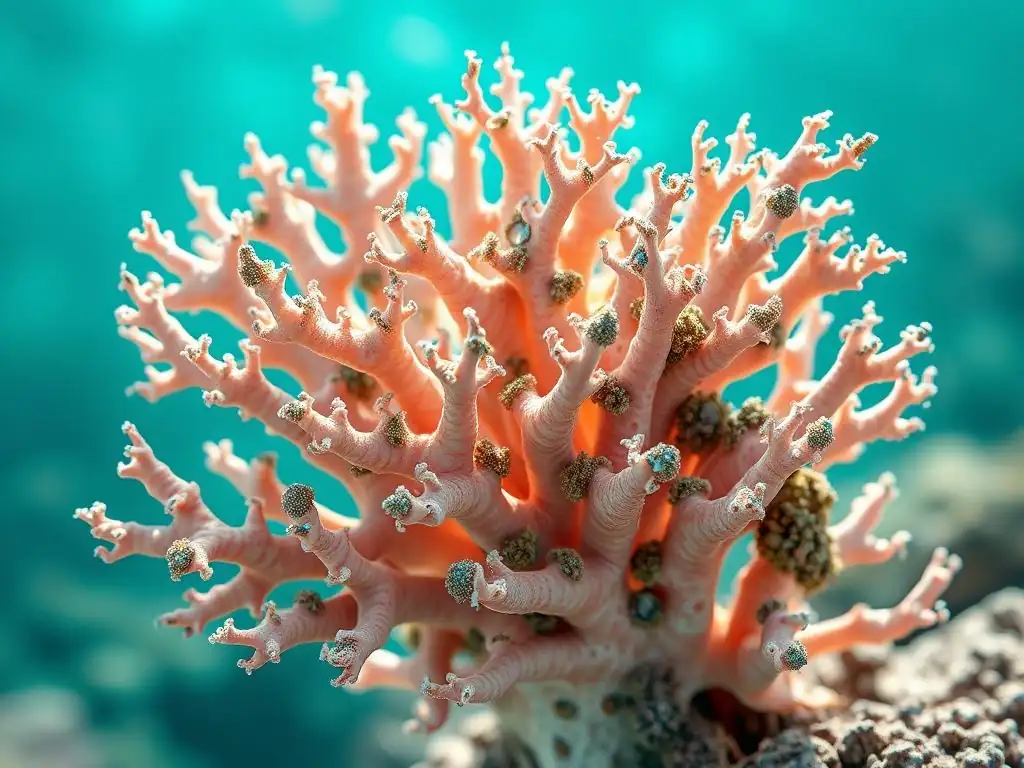
Step 1: Isolate the Affected Acan Colony (If Possible)
Isolating a declining Acan colony is often the first critical step in emergency care, particularly if the issue is suspected to be contagious (like Brown Jelly Disease) or if external stressors in the main tank are difficult to pinpoint immediately. Moving the affected coral to a dedicated quarantine tank or even a separate, clean container within the display tank (ensuring stable parameters and good flow) can prevent the potential spread of disease to other corals and allow for focused treatment without impacting the entire reef system.
When moving the coral, extreme care must be taken to minimize handling stress. Gently lift the frag plug or rock it's attached to, avoiding direct contact with the tissue as much as possible. Ensure the isolation setup maintains identical water parameters (temperature, salinity, pH) to the main tank to prevent further shock. This controlled environment is crucial for effective Acan colony recovery tips, allowing the coral to recover without competition or additional stressors.
Step 2: Gentle Cleaning and Inspection for Pests or Disease
Once isolated, a gentle cleaning and thorough inspection are paramount. Begin by gently siphoning or turkey basting around the coral's tissue with tank water to dislodge any loose detritus, algae, or potential parasites that might be irritating the coral. This physical removal can sometimes alleviate minor irritations and improve water circulation around the polyps.
Following the gentle cleaning, conduct a meticulous visual inspection, ideally with a magnifying glass and under bright light. Look for any signs of common Acan pests, such as small flatworms, nudibranchs, or tiny copepods. Also, carefully examine the tissue for discolored patches, slimy coatings, or any exposed skeleton that might indicate bacterial or fungal infections. This detailed inspection is key to identifying the root cause and implementing specific Acan colony recovery tips.
Identifying Common Acan Coral Pests
Several pests can specifically target and harm Acan corals, contributing to their decline. Flatworms, such as Prostheceraeus giesbrechti, are small, often brownish or translucent, and can be difficult to spot as they blend with the coral's tissue. They consume coral tissue, leaving behind visible bite marks or areas of recession. Similarly, certain species of nudibranchs, though less common on Acans than on SPS corals, can also prey on coral polyps, often camouflaging themselves remarkably well.
The damage inflicted by these pests can range from localized tissue recession to complete colony consumption if left unchecked. A single adult flatworm, for instance, can cause significant tissue irritation, leading to polyp retraction and stress. Regularly inspecting your Acan colonies, especially during periods of decline, for these minute invaders is a crucial step in identifying the problem and applying appropriate Acan colony recovery tips, such as a targeted coral dip.
Recognizing Signs of Acan Bacterial Infections
Bacterial infections are a significant threat to Acan colonies and often manifest rapidly. The most notorious is Brown Jelly Disease (BJD), which appears as a slimy, brownish, gelatinous substance spreading over the coral's tissue. This jelly is a collection of necrotic tissue and protozoa, and it can consume an entire colony within 24 to 48 hours if not addressed immediately. An associated foul odor is also a strong indicator of severe bacterial activity.
Other bacterial issues might present as white patches of receding tissue, often referred to as Rapid Tissue Necrosis (RTN) or Slow Tissue Necrosis (STN). Unlike BJD, which is clearly visible, RTN/STN involves the tissue simply sloughing off the skeleton. These infections are highly contagious and can quickly spread to neighboring corals if the affected Acan is not isolated. Prompt identification of these signs is vital for effective Acan colony recovery tips and preventing further loss.
Step 3: Optimize Water Parameters for Acan Health
Unstable or incorrect water parameters are among the leading causes of Acan coral decline. Immediately test all essential parameters to identify any deviations from optimal ranges. Even slight, consistent fluctuations can stress these sensitive LPS corals, hindering their ability to thrive and recover.
Once identified, make adjustments slowly and incrementally. Rapid changes to water chemistry can cause further shock to an already weakened Acan. For instance, if alkalinity is low, raise it gradually over several days rather than in one large dose. Consistent monitoring and maintaining stable conditions are paramount for successful Acan colony recovery tips.
Essential Water Parameters for Acan Frags and Colonies
For optimal health and recovery, Acan corals thrive within specific water parameter ranges. Salinity should be maintained consistently between 1.025 and 1.026 specific gravity (SG), or 35 parts per thousand (ppt), as this mirrors natural seawater conditions and is crucial for osmotic balance. Temperature stability is also vital, ideally kept between 76-78°F (24.4-25.5°C), as fluctuations can stress the coral and impact its metabolic rate.
Furthermore, pH should remain stable within the range of 8.0-8.4, supporting calcification and overall coral physiology. While Acans can tolerate some nitrates, keeping them below 10 ppm (ideally below 5 ppm) is beneficial, and phosphates should be kept as low as possible, ideally below 0.03 ppm, to prevent nuisance algae growth and direct coral inhibition. Adhering to these ranges provides a stable foundation for Acan colony recovery tips.
Addressing Alkalinity Swings Affecting Acan Corals
Alkalinity (dKH) is a critical parameter for Acan corals, directly influencing their ability to build and maintain their calcium carbonate skeleton. The ideal range for Acans is typically 7.0-8.5 dKH. However, rapid swings in alkalinity, even within this range (e.g., more than 0.5 dKH fluctuation within a 24-hour period), can be highly detrimental, leading to tissue recession, polyp retraction, or even a phenomenon sometimes called "burnt tips."
If your alkalinity is outside the optimal range or fluctuating, adjust it very slowly. For example, if it's too low, increase it by no more than 0.5-1.0 dKH per day using a balanced alkalinity supplement. Consistent daily testing and precise dosing, possibly with an automated dosing system, are recommended to maintain stability and prevent further stress during the Acan colony recovery process.
Maintaining Stable Calcium and Magnesium Levels
Calcium (Ca) and Magnesium (Mg) are fundamental building blocks for the skeletal structure of Acan corals. Calcium levels should be consistently maintained between 400-450 ppm, as it is directly used in the calcification process. If calcium levels are too low, the coral's ability to grow and repair its skeleton is severely hampered, impeding recovery.
Magnesium, ideally between 1250-1350 ppm, plays a crucial role in maintaining calcium and alkalinity stability. It prevents calcium from precipitating out of the water, making it more available for the coral. If magnesium is too low, calcium and alkalinity can become unstable, leading to problems even if they are dosed. Ensure these parameters are stable and within range, adjusting them slowly over several days if necessary, as part of comprehensive Acan colony recovery tips.
Step 4: Adjust Lighting and Flow for Acan Recovery
When an Acan colony is stressed or declining, its energy reserves are depleted, and its ability to cope with environmental stressors is significantly reduced. High light intensity and strong, direct flow can become additional burdens, exacerbating the coral's distress. Therefore, adjusting these factors is a crucial step in emergency care.
The goal is to provide a less demanding environment where the coral can allocate its energy towards healing and recovery rather than defending against overwhelming light or flow. This often means moving the coral to a more shaded area or reducing the overall intensity of the tank's lighting and ensuring water movement is gentle and indirect.
Reducing Light Intensity to Prevent Bleaching
Acan corals are typically found in moderate light environments in the wild and are susceptible to bleaching under excessively high PAR (Photosynthetically Active Radiation) levels, especially when already stressed. Bleaching occurs when the coral expels its symbiotic zooxanthellae, leading to a loss of color and a significant reduction in its primary energy source. For a declining Acan, even previously tolerated light levels might become too intense.
To aid Acan colony recovery, consider moving the affected coral to a lower-light area of the tank, perhaps on the sandbed or a shaded ledge. Aim for PAR levels of around 50-75, or even lower initially. If moving is not feasible, reducing the overall light intensity or shortening the photoperiod can also help. Gradually re-acclimate the coral to higher light levels only after it shows clear signs of recovery, typically over several weeks.
Providing Gentle, Indirect Flow for Acan Health
Proper water flow is essential for Acan corals, as it delivers nutrients, removes waste, and prevents detritus from settling on the polyps. However, strong, direct, or turbulent flow can cause significant stress, preventing polyps from fully extending, leading to tissue damage, or even ripping the tissue from the skeleton. A declining Acan is particularly vulnerable to such physical stress.
Ensure the flow around the affected Acan colony is gentle and indirect. The polyps should sway gently, allowing full extension without being constantly blasted or pushed flat against the skeleton. If powerheads are creating direct flow, adjust their position or angle. Observing the coral's polyp extension is an excellent indicator of appropriate flow; fully extended polyps suggest good conditions, while retracted or shriveled polyps might indicate too much or too little flow. This adjustment is a vital part of effective Acan colony recovery tips.
Investigating the Root Cause of Acan Colony Decline
Rule Out Common Causes of Acan Coral Problems
Once immediate recovery steps are underway, a thorough investigation into the root cause of the Acan colony's decline is essential for long-term success. Addressing symptoms without understanding the underlying problem will likely lead to recurring issues. A systematic approach to ruling out common stressors is key to effective Acan colony recovery tips.
Consider a checklist of potential culprits, moving from the most obvious and common to less frequent issues. This methodical approach ensures that no stone is left unturned in diagnosing the problem.
Overfeeding and Nutrient Imbalance
Excessive feeding, whether of fish or corals, is a frequent contributor to poor water quality and coral stress. When uneaten food or fish waste accumulates, it rapidly breaks down, leading to elevated levels of nitrates and phosphates. For Acan corals, high nitrates (e.g., consistently above 20 ppm) and phosphates (e.g., above 0.05 ppm) can directly inhibit calcification, stress the coral's metabolism, and encourage the growth of nuisance algae that can smother the coral.
To address this, re-evaluate your feeding regimen. Feed smaller amounts more frequently, ensuring all food is consumed within a few minutes. If you target feed your Acans, do so sparingly during recovery, perhaps every 2-3 days, and only small portions. Reducing overall nutrient input is a fundamental Acan colony recovery tip to prevent future declines.
Aggression from Neighboring Corals
Acan corals, while relatively peaceful, can be significantly damaged by more aggressive neighboring corals, particularly LPS species with powerful sweeper tentacles. These tentacles, often extended at night, contain nematocysts (stinging cells) that can inflict severe tissue burns on an adjacent Acan colony, leading to rapid tissue recession and ultimately death if contact persists.
Carefully observe your tank, especially after lights out, to see if any other corals are extending sweeper tentacles and making contact with your Acan. Look for white, irritated patches on the Acan where contact might have occurred. Ensure adequate spacing between corals, typically at least 4-6 inches for LPS species, to prevent chemical warfare and physical stinging. Relocating either the aggressor or the Acan may be necessary for lasting Acan colony recovery.
Water Quality Issues and Parameter Fluctuations
Even if initial tests show parameters within an acceptable range, subtle or intermittent water quality issues can severely stress Acan corals. This includes not just the major parameters like salinity, alkalinity, calcium, and magnesium, but also the presence of undesirable contaminants. Tap water, even if dechlorinated, can contain heavy metals or phosphates that accumulate over time.
Ensure you are using high-quality RO/DI water for all top-offs and water changes, and regularly check your RO/DI unit's TDS (Total Dissolved Solids) meter to ensure it's producing pure water (ideally 0 TDS). Consider if any recent changes, such as new equipment, medications, or even aerosols in the room, could have introduced toxins. Consistent monitoring and preventing any parameter fluctuations are paramount for long-term Acan colony recovery.
Testing Your Water: A Comprehensive Approach to Diagnosis
Reliable water testing is the cornerstone of diagnosing and resolving issues for a declining Acan colony. Do not rely on old test kits or assumptions. Use high-quality, reputable test kits for all essential parameters: salinity, temperature, pH, alkalinity, calcium, magnesium, nitrates, and phosphates. For persistent issues, consider testing less common parameters like trace elements, though major fluctuations in these are less common causes of rapid decline.
Beyond just getting a reading, consistency in testing is crucial. Test at the same time of day, especially for pH, which naturally fluctuates. Keep a detailed log of all your test results over time. This allows you to identify trends, daily swings, or gradual shifts that might not be apparent from a single test. Comparing your results against the ideal ranges for Acan corals will help pinpoint specific deficiencies or excesses that require immediate attention for effective Acan colony recovery tips.
Advanced Acan Colony Care Strategies: Promoting Healing and Growth
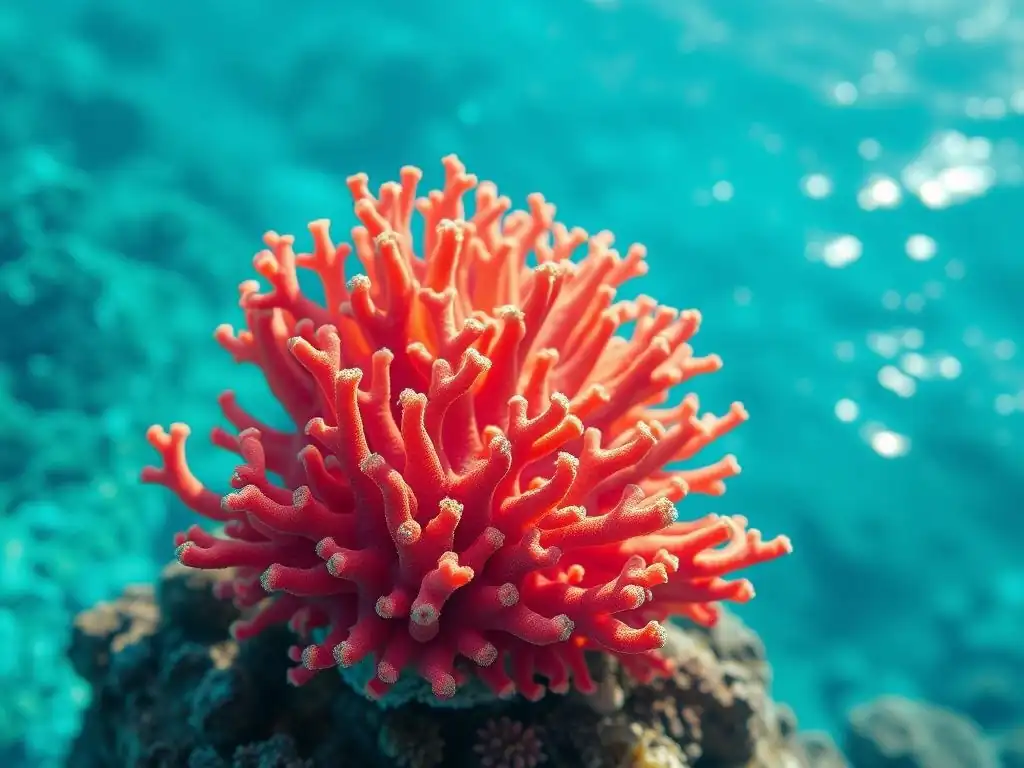
Coral Dips for Acan Treatment: A Guide to Effective Solutions
Coral dips are a valuable tool in the emergency care arsenal for a declining Acan colony, particularly when pests or bacterial infections are suspected. These solutions are designed to dislodge parasites and provide an antiseptic bath, giving the coral a chance to recover without immediate external threats.
However, it's crucial to understand that coral dips are stressful to the coral and should be used judiciously and only when a specific problem (e.g., visible pests, early signs of bacterial infection) is identified. They are not a preventative measure for healthy corals and improper use can cause further harm.
Selecting the Right Coral Dip for Your Acan's Condition
The choice of coral dip depends on the suspected ailment. Iodine-based dips, such as Lugol's solution, are broad-spectrum antiseptics that can help with general tissue disinfection and some bacterial issues. For suspected pest infestations, such as flatworms or nudibranchs, specific pest-control dips are more effective. Products like Coral Rx, Revive, or even certain agricultural insecticides (like Bayer, used cautiously and off-label by experienced aquarists) are designed to irritate and dislodge these parasites.
Always read and strictly follow the manufacturer's instructions for dosage and duration. Using too much dip or dipping for too long can severely stress or kill the coral. Some dips are more potent than others, and selecting the correct one for the specific problem is crucial for successful Acan colony recovery tips.
Properly Administering Coral Dips to Minimize Stress
Administering a coral dip correctly is vital to maximize its effectiveness while minimizing stress to the already compromised Acan colony. First, prepare a separate container with clean tank water from your display tank, ensuring it's temperature-matched. Add the recommended dosage of the coral dip to this container. Gently place the affected Acan colony into the dip solution for the prescribed duration, typically 5 to 15 minutes.
During the dip, gently agitate the coral or use a small turkey baster to direct flow over its polyps. This helps dislodge pests and ensures the dip solution reaches all areas. Observe the coral closely for any signs of extreme distress. After the dip, rinse the coral thoroughly in a separate container of clean tank water before returning it to the isolation tank or main display. Dispose of the dip water responsibly, as it may contain parasites or toxins.
Targeted Feeding for Weakened Acan Colonies
When an Acan colony is stressed or recovering, its energy reserves are often depleted, making targeted supplemental feeding a beneficial strategy to promote healing and growth. While Acans derive much of their energy from photosynthesis via zooxanthellae, direct feeding provides essential nutrients and proteins for tissue repair and calcification.
However, overfeeding can quickly degrade water quality, introducing new stressors like elevated nitrates and phosphates. Therefore, feeding must be precise and tailored to the coral's condition and the tank's nutrient export capabilities.
Best Foods for Acan Coral Recovery
Acan corals are carnivorous and will readily accept small, meaty foods. For a weakened colony, finely chopped mysis shrimp or enriched brine shrimp are excellent choices, as they are highly nutritious and easily digestible. Specialized coral foods, such as Reef Roids or other powdered coral foods, are also highly effective, providing a blend of proteins, amino acids, and fatty acids essential for recovery.
Consider liquid coral foods or phytoplankton/zooplankton blends designed for LPS corals, as these can be readily absorbed. The key is to ensure the food particles are small enough for the Acan's polyps to ingest. A varied diet, rotating between different food types, can ensure the coral receives a comprehensive nutritional profile to support its healing process, a critical element of Acan colony recovery tips.
Proper Feeding Techniques to Encourage Polyp Extension
To maximize the benefits of targeted feeding for a weakened Acan, proper technique is essential. Acans typically extend their feeding polyps more readily when tank lights are dimming or after lights out. This is the ideal time to feed. Turn off all circulation pumps briefly (5-10 minutes) to allow the food to settle directly onto the coral's polyps without being immediately washed away.
Use a turkey baster or pipette to deliver a small amount of food directly to the polyps of the affected Acan. Observe the polyps to ensure they are capturing and ingesting the food. Start with very small amounts, perhaps a few times per week, and gradually increase frequency as the coral shows signs of recovery and improved polyp extension. This direct delivery ensures the coral receives the maximum benefit without polluting the entire tank.
Monitoring and Maintaining Water Quality During Acan Recovery
During the critical period of Acan colony recovery, vigilant monitoring and scrupulous maintenance of water quality are non-negotiable. Even minor fluctuations or gradual declines in water parameters can set back the healing process or trigger a relapse in an already compromised coral. Consistency is far more important than attempting to hit perfect numbers and risking instability.
Regular testing and proactive maintenance strategies are key to providing a stable and pristine environment essential for the coral's long-term health and successful recovery.
Regular Water Changes for Acan Health
Water changes are a fundamental maintenance practice that becomes even more crucial during Acan colony recovery. They serve multiple purposes: replenishing essential trace elements that corals consume (such as iodine, strontium, and potassium), diluting and removing accumulated nitrates and phosphates, and exporting dissolved organic compounds that can stress corals.
For a struggling Acan, consider increasing the frequency of water changes, perhaps performing a 10-15% water change weekly instead of bi-weekly, provided the new saltwater is perfectly mixed, temperature-matched, and has the correct salinity. This consistent replenishment of clean, optimal water provides the best possible environment for the coral to heal and regain its vitality, a cornerstone of effective Acan colony recovery tips.
The Role of Activated Carbon in Acan Recovery
Activated carbon is an invaluable tool for maintaining pristine water quality, especially during a coral's recovery phase. It effectively removes dissolved organic compounds (DOCs), yellowing agents, and various toxins that can accumulate in a reef tank, including residual medications or chemicals. These compounds can stress corals, inhibit their growth, and contribute to overall water degradation.
Using high-quality activated carbon in a media bag or a dedicated reactor will significantly improve water clarity and reduce the burden of organic pollutants on the coral. Ensure the carbon is rinsed thoroughly before use to remove any fine dust. Replace the carbon every 2-4 weeks, as its adsorptive capacity becomes saturated over time. A continuous supply of clean, clear water provided by activated carbon creates an optimal healing environment for your Acan colony.
Long-Term Acan Coral Health: Prevention is Better Than Cure
Maintaining Optimal Water Parameters for Acan Colonies
The most effective long-term strategy for ensuring the health and vibrancy of your Acan colonies is the consistent maintenance of stable, optimal water parameters. While emergency interventions are crucial for recovery, preventing decline in the first place hinges on a proactive approach to water chemistry. Slight daily fluctuations are far more detrimental than being slightly off target but perfectly stable.
Establish a regular testing schedule for salinity, temperature, pH, alkalinity, calcium, magnesium, nitrates, and phosphates. Consider investing in automated dosing systems for alkalinity, calcium, and magnesium if your consumption is high, as this ensures precise and consistent replenishment. Regular, appropriately sized water changes (e.g., 10-15% bi-weekly) are also vital for replenishing trace elements and exporting pollutants, solidifying your Acan colony recovery tips into a preventative routine.
Regular Observation and Early Problem Detection
Daily, attentive observation of your Acan colonies is arguably the most powerful preventative measure against decline. Becoming intimately familiar with the normal appearance, polyp extension, and feeding response of your corals allows you to spot subtle changes that might indicate the very beginning of a problem, long before it escalates into a full-blown emergency.
Look for slight paleness, reduced polyp extension, or minor tissue recession that might not be immediately alarming but could be the first sign of stress. Keeping a simple coral health journal to note changes, feeding responses, and any interventions can help you track patterns and identify potential stressors before they cause significant damage. Early detection allows for minor adjustments rather than drastic emergency measures, ensuring long-term Acan colony recovery.
Choosing Compatible Tank Mates for a Thriving Reef Environment
The selection of tank mates, both fish and other corals, plays a critical role in the long-term health of your Acan colonies. Certain fish species are known coral nippers (e.g., some angelfish, butterflyfish, or triggerfish) and can cause chronic stress and damage to Acans by picking at their polyps. Research the compatibility of any fish before introducing them to your reef tank.
Equally important is ensuring adequate spacing between your Acan colonies and other corals, especially more aggressive LPS or SPS corals that possess powerful sweeper tentacles or engage in chemical warfare. A general rule of thumb is to allow at least 4-6 inches of space around LPS corals to prevent stings and tissue damage. Proactive planning of your aquascape and careful selection of inhabitants will create a harmonious environment where your Acan colonies can thrive without constant stress, preventing the need for future Acan colony recovery tips.
Acan Colony Recovery Success Stories: Inspiration and Lessons Learned
Saving an Acan from Tissue Necrosis: A Case Study
A hobbyist noticed their vibrant red Acan colony, Acanthastrea lordhowensis, rapidly developing white patches of exposed skeleton, indicative of Rapid Tissue Necrosis (RTN), following a prolonged power outage that caused a temperature drop from 77°F to 72°F. Within 12 hours, nearly 30% of the tissue had sloughed off. Immediate action was taken: the colony was gently removed and placed in a dedicated quarantine tank (QT) with stable parameters matching the display tank's normal healthy levels (77°F, 1.025 SG, 8.0 dKH).
In the QT, the Acan received a 10-minute dip in an iodine-based coral dip solution to combat potential bacterial proliferation. Gentle, indirect flow was provided, and the colony was target-fed small amounts of Reef Roids every other day. Daily 10% water changes were performed in the QT to maintain pristine conditions. Over the next two weeks, the tissue loss halted, and by the third week, new, translucent tissue began to grow over the exposed skeleton. Within two months, the colony had fully recovered, demonstrating the power of swift intervention and consistent care for Acan colony recovery.
Overcoming Algae Overgrowth on an Acan: A Case Study
A beautiful multi-colored Acan colony began to show signs of stress: polyps were retracted, and green hair algae (GHA) was visibly growing on its exposed skeleton and encroaching onto its tissue. Water tests revealed elevated phosphates at 0.15 ppm and nitrates at 25 ppm, likely due to overfeeding fish. The immediate steps for Acan colony recovery involved a gentle manual removal of the algae from the skeleton using a soft toothbrush, being careful not to damage the remaining tissue.
To address the root cause, the hobbyist reduced fish feeding by 50% and introduced a phosphate-absorbing media (GFO) into a reactor, aiming to bring phosphates below 0.03 ppm. Weekly 20% water changes were initiated to dilute nitrates. Within one week, the algae growth significantly slowed, and the Acan's polyps began to extend more fully. After three weeks, the algae had receded, and the Acan regained its vibrant coloration and full polyp extension, thriving once again thanks to a targeted approach to nutrient control.
Frequently Asked Questions
How do I know if my Acan colony is declining?
Look for signs like tissue recession, loss of color, and lack of polyp extension. These indicate stress and potential health issues in your Acan colony.
What are the most common causes of Acan colony decline?
Common causes include poor water quality (especially elevated nitrates or phosphates), unstable alkalinity, and pest infestations like Acan-eating flatworms. Addressing these is crucial for recovery.
What immediate steps can I take to help a declining Acan colony?
Perform a partial water change to improve water quality, carefully inspect the colony for pests, and consider dipping the Acan in a coral dip solution.
How important is water chemistry for Acan colony recovery?
Maintaining stable and optimal water parameters is vital. This includes alkalinity (around 8-11 dKH), calcium (400-450 ppm), and magnesium (1250-1350 ppm).
What kind of lighting and flow is best during Acan colony recovery?
Provide moderate lighting and low to moderate water flow. Intense light or strong flow can further stress a weakened Acan colony.
Final Reflection: The Resilience of Reef Life
The detailed steps outlined in this guide, from identifying the root cause of decline to implementing targeted treatments, underscore the crucial point that proactive intervention can dramatically improve the survival rate of struggling Acan colonies. In a world facing unprecedented environmental challenges, the ability to understand and respond to the needs of even the smallest reef inhabitants takes on a profound significance.
The journey of nurturing an Acan colony back to health is more than just a technical process; it's a testament to the interconnectedness of life and the power of dedicated care. Witnessing the vibrant colors return to a bleached coral is a deeply rewarding experience, reminding us of the delicate balance within our ecosystems and the responsibility we bear to protect them. We are tied to the ocean. And when we go back to the sea, whether it is to sail or to watch it, we are going back from whence we came.
- John F. Kennedy. This quote resonates deeply, highlighting our inherent connection to the marine world and the importance of preserving its beauty for generations to come.
Now, armed with these Acan colony recovery tips, I encourage you to reflect on your own role in preserving our planet's biodiversity. Consider the small changes you can make, the knowledge you can share, and the actions you can take to contribute to a healthier future for our reefs. Let the resilience of the Acan colony inspire you to cultivate your own resilience and commitment to environmental stewardship.
Revitalize Your Acan: Act Now!
Thank you for diving into our emergency care guide for declining Acan colonies. We hope you've gained valuable insights to help you save your prized coral. Now, let's turn that knowledge into immediate action!
Here are a few crucial steps you can take right away:
- Immediately perform a partial water change (10-20%) using properly mixed and aged saltwater to reduce any potential toxins or imbalances in your aquarium.
- Carefully inspect the Acan colony for any signs of pests, such as Acan Eating Flatworms (AEFW). If found, consider a coral dip with a product like Reef Dip.
- Share your Acan rescue journey! Post pictures and updates in online reefing forums. Your experiences can help other reefers learn and prevent similar issues.
What's the first thing you'll adjust in your tank to help your Acan thrive again?