
African Cichlid Biotopes: Designing a Stunning Lake Tanganyika or Malawi Haven

Welcome to Aquarium Mastery!
Dive into the vibrant world of African cichlids! Are you ready to create a breathtaking African cichlid tank setup that perfectly mimics the stunning underwater landscapes of Lake Tanganyika or Malawi? Discover the secrets to designing a thriving biotope, and prepare to be amazed by the beauty and complexity you can bring to your home aquarium. Let's unlock the secrets together!
- Understanding African Cichlid Biotopes: A Guide to Natural Aquarium Design
- Planning Your African Cichlid Tank Setup: Key Considerations
- Creating a Lake Tanganyika Biotope: A Step-by-Step Approach
-
Designing a Lake Malawi Biotope: Replicating the Mbuna Habitat
- Malawi Rockscapes: Creating Shelters and Territories for Mbuna
- Selecting Malawi Cichlid Species: Understanding Mbuna Behavior and Tank Mates
- Water Chemistry for Lake Malawi: Maintaining a Stable Alkaline Environment
- Plant Selection for Malawi Tanks: Options for a Planted Mbuna Biotope (Limited Choices)
- Essential Equipment for Your African Cichlid Biotope
- Maintaining Your African Cichlid Biotope: Long-Term Care
- Troubleshooting Common Issues in African Cichlid Tanks
- Showcase: Stunning Examples of African Cichlid Biotopes
- Achieving Aquarium Mastery: Resources for Further Learning on African Cichlids
-
Frequently Asked Questions
- What are the key differences between Lake Tanganyika and Lake Malawi African cichlid tank setups?
- What size tank is recommended for keeping African cichlids?
- What are the ideal water parameters for an African cichlid tank?
- What types of rock are best for creating a natural-looking African cichlid biotope?
- How often should I perform water changes in my African cichlid tank?
- Final Reflection: Embracing the Rhythms of the Rift Lakes
- Transform Your Tank: Create Your Dream Cichlid Paradise!
Understanding African Cichlid Biotopes: A Guide to Natural Aquarium Design
What is a Biotope Aquarium and Why Choose One for African Cichlids?
A biotope aquarium is a specialized setup designed to replicate a specific natural habitat, including the water chemistry, substrate, hardscape, and even the plant and animal species found within that particular environment. For African cichlids, choosing a biotope approach is exceptionally beneficial as it caters directly to their unique needs and behaviors, which are often highly specialized to their native Rift Lake homes. This meticulous replication significantly reduces stress on the fish, promotes natural behaviors such as breeding, and allows for a truly captivating display that mirrors a slice of their wild habitat.
The inherent aggression and territoriality of many African cichlid species, especially Mbuna from Lake Malawi, are best managed within an environment that provides ample caves and defined territories, precisely what a well-designed biotope offers. Furthermore, the distinct water chemistry requirements – high pH and hardness – of these fish are naturally supported by the correct substrate and rock choices within a biotope setup, making the maintenance of a healthy African cichlid tank setup more stable and less reliant on constant chemical adjustments.
The Appeal of Replicating Lake Tanganyika and Malawi Environments
Replicating the environments of Lake Tanganyika and Lake Malawi offers aquarists a unique opportunity to observe some of the most vibrant and behaviorally complex freshwater fish on the planet. Lake Tanganyika, the world's second-oldest and second-deepest freshwater lake, is renowned for its incredibly stable water parameters and a diverse array of cichlids, including shell dwellers, sand dwellers, and rock dwellers. A Tanganyika biotope emphasizes deep, ancient rock formations and often fine sand, providing a serene yet intricate home for species adapted to these stable conditions.
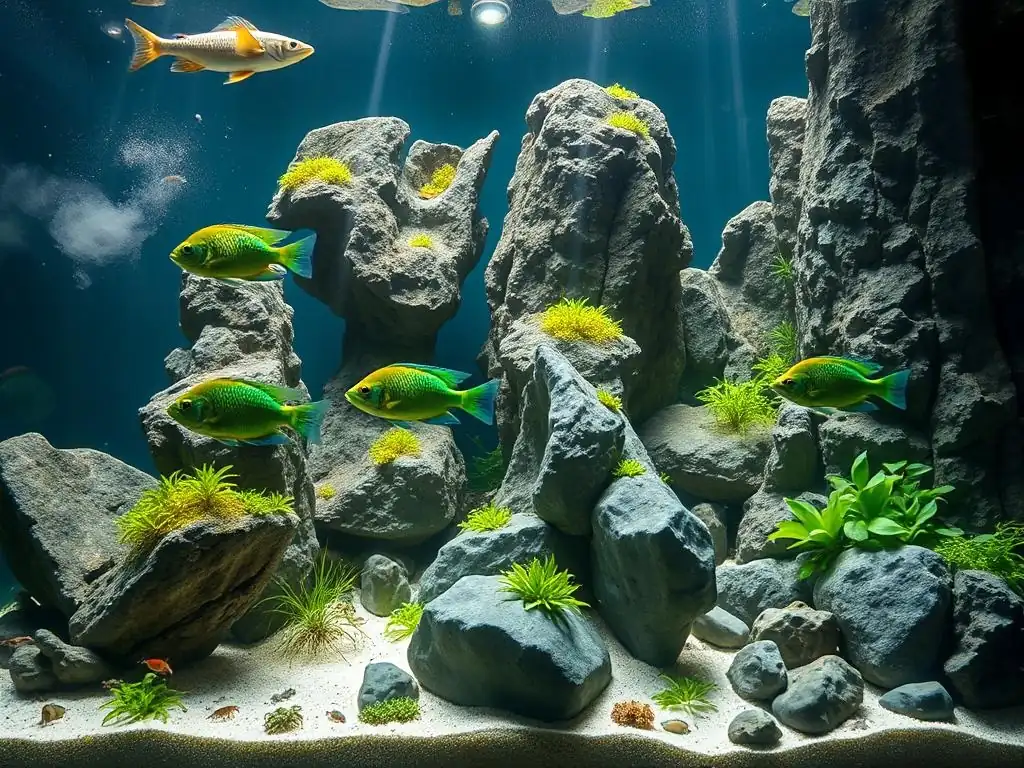
Lake Malawi, though geologically younger and shallower than Tanganyika, boasts an astonishing diversity, particularly among the rock-dwelling Mbuna cichlids. These fish are famous for their brilliant colors and aggressive territorial disputes, making a Malawi biotope a dynamic and visually stunning display. Such a setup requires extensive rockwork to create the numerous caves and territories essential for managing Mbuna aggression, while the vibrant hues of the fish stand out against the rocky backdrop, making for an impressive African cichlid tank setup.
Planning Your African Cichlid Tank Setup: Key Considerations
Tank Size and Dimensions for Optimal Cichlid Behavior
The appropriate tank size is paramount for a successful African cichlid tank setup, directly influencing fish health, aggression levels, and overall behavior. While smaller species like Tanganyikan shell dwellers (e.g., Neolamprologus multifasciatus) might thrive in a 20-gallon long aquarium, most African cichlids, especially the more active or aggressive species, require significantly larger volumes.
A minimum of a 55-gallon tank is generally recommended for a small group of smaller Mbuna, but a 75-gallon (approximately 48" L x 18" W x 21" H) or 125-gallon (approximately 72" L x 18" W x 22" H) aquarium is far more suitable for a diverse community of Malawi or Tanganyika cichlids.
Crucially, the footprint (length and width) of the tank is often more important than its height for African cichlids. A longer tank provides more horizontal swimming space and, more importantly, a greater area for establishing individual territories, which helps diffuse aggression. For example, a 75-gallon tank's 48-inch length offers significantly more usable territory than a taller, narrower tank of the same volume, making it a superior choice for an African cichlid tank setup.
Essential Filtration for African Cichlid Tanks: Maintaining Pristine Water Quality
African cichlids are known for producing a substantial bioload due to their active metabolism and sometimes messy eating habits, making robust and efficient filtration an absolute necessity. A multi-stage filtration system that incorporates mechanical, biological, and chemical media is essential for maintaining the pristine water quality these fish require. Mechanical filtration, such as sponges or filter floss, removes particulate matter, while biological media like ceramic rings or bio-balls provide vast surface area for beneficial bacteria to convert harmful ammonia and nitrites. Chemical media, such as activated carbon or Purigen, can absorb dissolved organic compounds and maintain water clarity.
Canister filters are highly recommended for African cichlid tank setups due to their large media capacity and powerful flow rates; models like the Fluval FX series or Eheim Professional filters are popular choices, often providing a turnover rate of 8-10 times the tank volume per hour. For a 75-gallon tank, this translates to needing a filter with a flow rate of 600-750 gallons per hour (GPH). For very large setups, a sump system with an overflow is an excellent option, offering superior filtration volume and flexibility, further ensuring stable water parameters crucial for African cichlid health.
Substrate Selection for Tanganyika and Malawi Cichlid Habitats
The choice of substrate plays a vital role in an African cichlid tank setup, not only for aesthetic purposes but also for maintaining the specific water chemistry of their natural habitats. For Lake Malawi biotopes, substrates such as crushed coral, aragonite sand, or specialized cichlid sands are highly recommended. These materials are calcareous, meaning they slowly dissolve and release calcium and carbonate ions into the water, effectively buffering the pH and maintaining the high alkalinity and hardness (typically pH 7.8-8.5, GH 10-20 dGH) that Mbuna and other Malawian cichlids thrive in.
In contrast, Lake Tanganyika biotopes, particularly those for shell dwellers or sand sifters, often benefit from a finer, inert sand, such as play sand or pool filter sand. While crushed coral or aragonite can still be used as a base layer to help maintain the high pH (7.8-9.0) and hardness (GH 10-18 dGH), a top layer of fine sand is crucial for species like Neolamprologus multifasciatus to dig and create their intricate shell colonies, or for Xenotilapia species to sift naturally.
This allows for natural behaviors while still supporting the necessary water parameters for a thriving African cichlid tank setup.
Creating a Lake Tanganyika Biotope: A Step-by-Step Approach
Rockwork and Hardscape: Building Authentic Tanganyika Aquascapes
Building an authentic Tanganyika biotope involves meticulously arranging rockwork to replicate the lake's unique geological formations, which are predominantly rocky and feature numerous caves and crevices. Large, stable rocks such as limestone, lace rock, or Texas Holey Rock are ideal choices, providing both aesthetic appeal and crucial hiding spots and territorial boundaries for rock-dwelling cichlids like Julidochromis and Altolamprologus. It is paramount to ensure that all rock structures are securely stacked, preferably directly on the tank bottom or on a protective egg crate layer, to prevent any collapse that could injure fish or damage the aquarium.
The design should aim to create a complex network of vertical territories and sheltered areas, mirroring the natural environment where Tanganyika cichlids establish their domains. For species like Tropheus, which graze on algae from rock surfaces, providing extensive rock coverage is also beneficial. Adequate open swimming spaces should still be maintained, particularly in the mid-water column, allowing fish to move freely and display their natural schooling or foraging behaviors within this specialized African cichlid tank setup.
Choosing Tanganyika Cichlid Species: Compatibility and Stocking Levels
Selecting the right Tanganyika cichlid species is critical for maintaining harmony and health within your biotope, as compatibility varies significantly among the lake's diverse inhabitants. It is advisable to focus on species that share similar temperaments and habitat preferences, such as combining rock-dwelling Julidochromis regani with the more open-water Cyprichromis leptosoma, or creating a dedicated shell-dweller colony with Neolamprologus multifasciatus. Avoid mixing highly aggressive species with overly docile ones, and always research the maximum size and dietary needs of each potential inhabitant.
Stocking levels for a Tanganyika biotope should be carefully considered to prevent overcrowding and reduce stress, especially given the territorial nature of many species. For example, a 75-gallon tank could comfortably house a colony of 15-20 Neolamprologus multifasciatus or a small group of 6-8 Julidochromis species. When incorporating multiple species, ensure there are enough distinct territories and hiding spots within the rockwork to minimize inter-species aggression. A well-planned African cichlid tank setup for Tanganyika prioritizes fish well-being over sheer numbers.
Water Chemistry for Lake Tanganyika: Achieving the Ideal Parameters
Maintaining precise water chemistry is non-negotiable for a successful Lake Tanganyika biotope, as these cichlids are accustomed to remarkably stable and specific parameters. The ideal pH range is typically between 7.8 and 9.0, with many aquarists aiming for 8.2-8.6. General Hardness (GH) should be between 10-18 dGH (180-320 ppm), and Carbonate Hardness (KH) should also fall within the 10-18 dKH (180-320 ppm) range. These high levels of hardness and alkalinity are crucial for the fish's osmoregulation and overall health.
To achieve and maintain these parameters, using a calcareous substrate like crushed coral or aragonite sand is highly effective, as it naturally buffers the water. If your tap water is soft, you might need to supplement with Tanganyika-specific buffer salts, which are readily available from aquarium suppliers. The water temperature should consistently be maintained between 76-80°F (24-27°C). Regular testing with a reliable liquid test kit is vital to monitor these parameters and make necessary adjustments, ensuring a stable and healthy African cichlid tank setup.
Lighting for a Tanganyika Biotope: Enhancing Color and Supporting Algae Growth
Lighting in a Lake Tanganyika biotope is generally approached with a focus on natural aesthetics rather than intense plant growth, as the deep waters of Tanganyika limit the penetration of sunlight. Moderate lighting is typically sufficient to highlight the subtle beauty of the fish and their environment. The primary goal is to provide enough illumination for observation and to subtly encourage the growth of beneficial algae on rock surfaces, which serves as a natural food source for certain Tanganyikan species, most notably the Tropheus genus.
LED light fixtures with a color temperature around 6500K are excellent choices, as they provide a natural daylight look that enhances the fish's natural coloration without being overly bright. Avoid excessively strong lighting, which can stress fish that prefer dimmer conditions and may also promote the growth of unwanted, unsightly algae species rather than the desired grazing types. A 30-watt LED fixture designed for a 4-foot tank would typically be adequate for a standard 75-125 gallon African cichlid tank setup, allowing for a balanced visual effect.
Designing a Lake Malawi Biotope: Replicating the Mbuna Habitat
Malawi Rockscapes: Creating Shelters and Territories for Mbuna
Designing a Lake Malawi biotope, particularly for Mbuna cichlids, revolves around creating an extensive and complex rockscape that mimics their natural rocky shorelines. Mbuna are highly territorial and aggressive, and providing numerous caves, tunnels, and line-of-sight breaks is crucial for diffusing aggression and allowing each fish to establish its own territory. Large, inert rocks such as Texas Holey Rock, limestone, or lava rock are excellent choices for this purpose due to their porous nature and ability to stack securely.
When constructing the rockscape, ensure that rocks are placed directly on the tank bottom or on a protective egg crate layer before adding substrate, preventing any possibility of collapse as fish dig. The rockwork should extend from the bottom to near the surface, creating vertical territories that Mbuna utilize. For a 75-gallon tank, approximately 60-80 pounds of rock might be needed to create a sufficiently dense and intricate environment, which is a hallmark of a successful African cichlid tank setup for Malawi Mbuna.
Selecting Malawi Cichlid Species: Understanding Mbuna Behavior and Tank Mates
Selecting Malawi cichlid species, especially Mbuna, requires a deep understanding of their aggressive and territorial nature to ensure a harmonious African cichlid tank setup. Mbuna are rock-dwelling herbivores or omnivores, and it's crucial to choose species with similar dietary needs and aggression levels to avoid conflicts and dietary issues. Popular choices include the vibrant Labidochromis caeruleus (Electric Yellow), the striking Pseudotropheus demasoni, and various Metriaclima species like the Red Zebra ( Metriaclima estherae).
A common strategy to manage Mbuna aggression is deliberate overstocking, where a higher density of fish (e.g., 15-25 Mbuna in a 75-gallon tank, depending on species) spreads aggression among more individuals, preventing any single fish from becoming the sole target. However, this strategy demands superior filtration and rigorous water change schedules. It is generally advisable to maintain a ratio of one male to three or four females for each species to further reduce male-on-male aggression and encourage natural breeding behaviors within your African cichlid tank setup.
Water Chemistry for Lake Malawi: Maintaining a Stable Alkaline Environment
Maintaining the correct water chemistry is paramount for a thriving Lake Malawi biotope, as these cichlids are adapted to highly alkaline and hard water conditions. The ideal pH range for Malawi cichlids is typically between 7.5 and 8.8, with many successful aquarists aiming for a stable pH of 7.8-8.5. General Hardness (GH) should be maintained between 10-20 dGH (180-360 ppm), and Carbonate Hardness (KH) between 10-15 dKH (180-270 ppm). These parameters contribute to the overall health and vibrant coloration of the fish.
To naturally buffer and maintain these high levels of alkalinity and hardness, using a substrate like crushed coral or aragonite sand is highly effective. Regular, consistent water changes with dechlorinated water that matches the tank's parameters are crucial for stability and replenishing essential minerals. Avoid sudden fluctuations in pH or hardness, as these can severely stress Malawi cichlids, making a stable African cichlid tank setup reliant on diligent water parameter management.
Plant Selection for Malawi Tanks: Options for a Planted Mbuna Biotope (Limited Choices)
Planting a Lake Malawi biotope, especially one housing Mbuna cichlids, presents significant challenges due to their propensity for grazing on and uprooting vegetation. Mbuna are primarily herbivorous, and many species will readily consume or destroy most aquatic plants. Therefore, traditional lush planted aquariums are generally incompatible with a Mbuna African cichlid tank setup, and many aquarists opt for a rock-only aquascape to maintain authenticity and avoid plant destruction.
However, if you wish to incorporate some greenery, a few robust and less palatable plant species may survive. These include Anubias species, which have tough leaves and can be attached to rocks or driftwood, and Java Fern, which also attaches to hardscape. Vallisneria, with its deep root system, can sometimes withstand Mbuna activity if securely planted. It is crucial to anchor any plants very securely, perhaps even potting them individually, to prevent them from being uprooted.
Essential Equipment for Your African Cichlid Biotope
Heaters and Thermostats: Maintaining Consistent Water Temperature
Maintaining a consistent water temperature is crucial for the health and well-being of African cichlids, as they are sensitive to fluctuations. The ideal temperature range for both Lake Tanganyika and Lake Malawi cichlids is typically between 76-82°F (24-28°C). To achieve this stability, reliable submersible heaters equipped with accurate thermostats are essential. It is generally recommended to use 3-5 watts of heating power per gallon of water.
For a standard 75-gallon African cichlid tank setup, two 150-watt heaters, placed at opposite ends of the tank, provide excellent redundancy and ensure more even heat distribution. This dual-heater approach is beneficial because if one heater fails, the other can often maintain the temperature, preventing a rapid drop that could stress the fish. Additionally, some aquarists opt for an external thermostat controller, which offers an extra layer of safety by independently monitoring and regulating the heaters.
Air Pumps and Circulation: Ensuring Oxygenation and Water Movement
Adequate oxygenation and robust water movement are vital components of a healthy African cichlid tank setup, supporting both the fish and the beneficial bacteria in the biological filter. African cichlids are active fish that require high levels of dissolved oxygen in their water. Air pumps connected to air stones or sponge filters effectively agitate the water surface, facilitating gas exchange and increasing oxygen levels throughout the tank.
Beyond aeration, strong water circulation helps prevent "dead spots" where waste can accumulate and ensures that suspended particles are directed towards the filtration system. Powerheads, such as those from Hydor Koralia or similar brands, can be strategically placed to enhance water flow, especially in heavily scaped tanks with numerous rocks. Aim for a total water turnover (from filters and powerheads combined) of 10-20 times the tank volume per hour to ensure optimal oxygenation and debris removal, contributing to a pristine environment.
Lighting Systems: Choosing the Right Spectrum and Intensity
While lighting is not as critical for plant growth in most African cichlid biotopes as it is in planted tanks, it plays a significant role in enhancing the vibrant colors of the fish and allowing for enjoyable observation. Modern LED lighting systems are highly recommended for an African cichlid tank setup due to their energy efficiency, longevity, and ability to provide a wide range of customizable spectrums and intensities.
Full-spectrum LED lights, typically with a color temperature between 6500K and 10000K, are excellent choices as they mimic natural daylight and bring out the stunning blues, yellows, and reds of Malawi and Tanganyika cichlids. Many advanced LED fixtures also offer programmable features, allowing for dawn-to-dusk simulations and moonlight settings, which can reduce stress on the fish by mimicking natural light cycles. For a 48-inch tank, an LED fixture with 30-50 watts is often sufficient to provide ample illumination without promoting excessive algae growth.
Maintaining Your African Cichlid Biotope: Long-Term Care
Regular Water Changes: Preserving Water Quality and Stability
Regular water changes are the single most important maintenance practice for preserving water quality and stability in an African cichlid tank setup. Due to their high bioload and sensitivity to nitrates, African cichlids thrive in environments with consistently low levels of pollutants. Performing weekly water changes of 25-50% of the tank volume effectively dilutes nitrates, replenishes essential minerals that are consumed or utilized, and helps maintain stable pH and hardness levels.
For a 75-gallon aquarium, this translates to changing approximately 18 to 37 gallons of water each week. Always ensure that the replacement water is dechlorinated and temperature-matched to the tank water to prevent thermal shock to the fish. Consistent water changes are far more effective than relying solely on chemical filtration to manage water parameters, providing a more natural and stable environment for your African cichlids.
Feeding African Cichlids: Nutritional Needs and Dietary Variety
The nutritional needs of African cichlids vary significantly by species, making a varied and appropriate diet crucial for their health and vibrant coloration. Mbuna from Lake Malawi are primarily herbivorous, requiring a diet rich in spirulina-based flakes or pellets. Feeding them too much protein can lead to Malawi Bloat, a common and often fatal disease. Conversely, many Tanganyikan species and some Malawian Haps and Peacocks are carnivorous or omnivorous, thriving on high-quality flakes, pellets, and frozen foods like mysis shrimp or brine shrimp.
It is essential to research the specific dietary requirements of each species in your African cichlid tank setup. Overfeeding should be strictly avoided, as it contributes to poor water quality and can lead to health issues. Feed small amounts two to three times a day, only what the fish can consume within a few minutes, to prevent excess food from decaying and polluting the water.
Monitoring Water Parameters: Testing and Adjusting as Needed
Consistent monitoring of water parameters is a cornerstone of long-term care for any African cichlid tank setup. Regular testing using a reliable liquid test kit (such as the API Freshwater Master Test Kit) for pH, ammonia, nitrite, and nitrate levels is essential. Ammonia and nitrite should always be at 0 parts per million (ppm), indicating a fully cycled and healthy biological filter. Nitrate levels should ideally be kept below 20 ppm; if they consistently rise above this, it indicates a need for more frequent or larger water changes.
Beyond the nitrogen cycle parameters, regularly check the pH, General Hardness (GH), and Carbonate Hardness (KH) to ensure they remain within the specific ranges required for your Lake Tanganyika or Malawi biotope. If parameters drift, adjustments may be needed through water changes, the addition of buffering agents, or by ensuring the substrate is adequately contributing to water chemistry. Proactive monitoring helps identify potential problems before they escalate, maintaining a stable and healthy environment.
Controlling Algae Growth: Maintaining a Clean and Healthy Environment
Algae growth is a natural part of any aquarium, and for some African cichlids, like Tropheus from Lake Tanganyika, a certain amount of algae on rocks is a beneficial food source. However, excessive or unsightly algae growth often indicates an imbalance in the African cichlid tank setup, typically stemming from high nutrient levels (nitrates, phosphates) or too much light. Addressing these root causes is key to effective algae control.
Strategies for managing algae include reducing the duration of lighting (typically 8-10 hours per day is sufficient), increasing the frequency or volume of water changes to dilute nutrients, and ensuring your filtration system is efficient. Manual removal using an algae scraper is effective for glass surfaces. While some algae-eating snails (like Nerite snails) can be introduced, be aware that some cichlids may pick at or consume them. Maintaining a clean and healthy environment through consistent maintenance practices is the best defense against problematic algae blooms.
Troubleshooting Common Issues in African Cichlid Tanks
Dealing with Aggression: Minimizing Fighting and Establishing Hierarchy
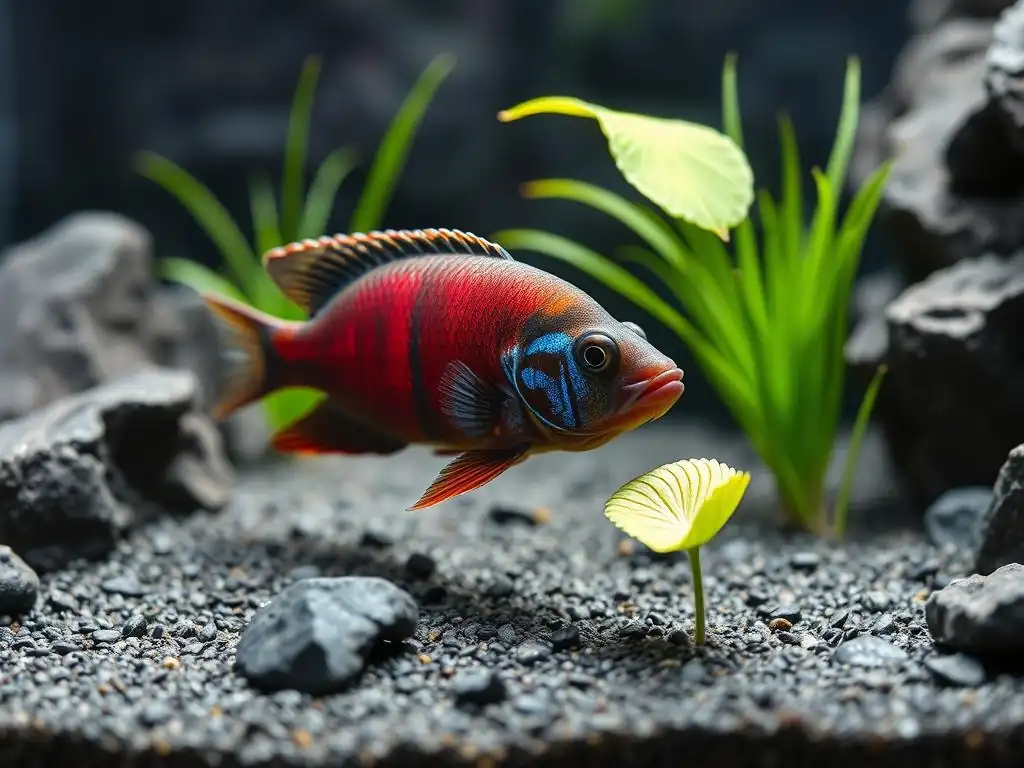
Aggression is a common challenge in African cichlid tank setups, particularly with Mbuna from Lake Malawi, due to their territorial nature. Several strategies can help minimize fighting and establish a more stable hierarchy. One widely used method is deliberate overstocking, which diffuses aggression by spreading it among a larger number of fish, preventing any single individual from being relentlessly targeted. However, this necessitates superior filtration and rigorous water changes.
Providing an abundance of complex rockwork with numerous caves, tunnels, and visual barriers is crucial, as it allows fish to establish territories and retreat when stressed. Introducing all fish to the tank simultaneously, if possible, can help prevent an established pecking order from forming that excludes new additions. Carefully selecting species with similar aggression levels and avoiding significant size differences also contributes to a more peaceful community, ensuring a healthier African cichlid tank setup.
Identifying and Treating Diseases: Common Cichlid Ailments and Remedies
African cichlids, like all fish, can be susceptible to various diseases, often exacerbated by poor water quality, stress, or improper diet. Malawi Bloat is perhaps the most common and devastating ailment, particularly for herbivorous Mbuna. Symptoms include a swollen abdomen, loss of appetite, and white, stringy feces. It is often triggered by an inappropriate diet (e.g., too much protein) or poor water conditions. Treatment typically involves medications like Metronidazole and Epsom salt, though it can be difficult to cure once advanced.
Ich (Ichthyophthirius multifiliis), or white spot disease, manifests as small white spots resembling salt grains on the fish's body and fins. It's often brought on by stress or rapid temperature changes. Treatment usually involves slowly raising the tank temperature to 82-84°F (ensuring high aeration), adding aquarium salt, or using commercially available Ich medications. Maintaining excellent water quality, providing a species-appropriate diet, and minimizing stress are the best preventative measures for any African cichlid tank setup.
Addressing Water Quality Problems: Identifying Causes and Implementing Solutions
Water quality problems are a leading cause of stress and disease in African cichlid tank setups, and prompt identification and resolution are essential. High nitrates, a common issue, typically result from insufficient water changes, overfeeding, or inadequate biological filtration. The solution involves increasing the frequency or volume of water changes, reducing feeding amounts, and ensuring your filtration system is robust enough for your bioload.
Unstable pH or hardness can occur if the buffering capacity of the substrate or water is insufficient. Using crushed coral or aragonite substrate, along with consistent water changes using conditioned water, helps maintain stable parameters. If tap water is naturally very soft, specific cichlid buffer salts may be needed. Cloudy water can indicate a bacterial bloom (often in new tanks or after overfeeding) or excessive particulate matter. Solutions include reducing feeding, improving mechanical filtration, performing water changes, and ensuring the tank is fully cycled before adding fish.
Showcase: Stunning Examples of African Cichlid Biotopes
Lake Tanganyika Biotope Aquariums: Inspiration and Design Ideas
Imagine a breathtaking 125-gallon Lake Tanganyika biotope, meticulously crafted to replicate a rocky shoreline. The substrate is a thin layer of fine, light-colored sand, with vast, intricate formations of large, inert limestone rocks dominating the landscape. These rocks are carefully stacked to create numerous caves, crevices, and vertical territories, providing ideal homes for species like Julidochromis marlieri and Altolamprologus compressiceps. In a secluded corner, a collection of empty snail shells houses a thriving colony of Neolamprologus multifasciatus, their fascinating social interactions a constant delight.
The water is crystal clear, maintained at a stable pH of 8.4 and a GH of 15 dGH, parameters crucial for these delicate fish. Lighting is moderate, enhancing the subtle patterns on the fish and the natural texture of the rocks, while allowing for minimal, natural algae growth. This African cichlid tank setup exemplifies the serene beauty and complex social structures characteristic of Lake Tanganyika, offering a truly immersive experience for the observer.
Lake Malawi Biotope Aquariums: Showcasing the Beauty of Mbuna
Picture a dynamic 180-gallon Lake Malawi biotope, a vibrant explosion of color and activity. The tank is densely packed with Texas Holey Rock, creating a literal "wall of rock" that extends from the substrate to just below the water surface. This intricate hardscape forms a maze of countless caves, tunnels, and territorial boundaries, essential for a thriving community of aggressive Mbuna cichlids. The substrate is a thick layer of crushed coral, actively buffering the water to a stable pH of 8.0 and a GH of 18 dGH.
Within this rocky fortress, a carefully selected group of Labidochromis caeruleus (Electric Yellows), Pseudotropheus demasoni, and Metriaclima estherae (Red Zebras) dart and display their brilliant hues. The tank is intentionally overstocked with a balanced male-to-female ratio (e.g., 1 male to 3-4 females per species) to diffuse aggression. Powerful filtration and strong water flow keep the water pristine, allowing the intense, full-spectrum LED lighting to highlight the vivid blues, yellows, and oranges of these magnificent fish, making this African cichlid tank setup a true spectacle of nature.
Achieving Aquarium Mastery: Resources for Further Learning on African Cichlids
Recommended Reading: Books and Articles on African Cichlids and Biotopes
For aquarists seeking to achieve true mastery in African cichlid tank setup and care, delving into specialized literature is invaluable. Books dedicated to the cichlids of the African Rift Lakes provide in-depth information on species identification, natural habitats, behavior, and specific care requirements. These resources often include detailed maps of the lakes, showcasing the various collection points and biotope variations, enriching the understanding of why specific hardscape and water parameters are crucial.
Beyond general guides, look for articles and scientific papers on the limnology and ecology of Lake Tanganyika and Lake Malawi. These academic resources can offer profound insights into the unique environmental conditions, including water chemistry profiles, geological formations, and the co-evolution of fish species, which directly inform the most authentic and successful biotope designs for an African cichlid tank setup.
Online Forums and Communities: Connecting with Experienced Cichlid Keepers
Connecting with experienced cichlid keepers through online forums and dedicated communities is an excellent way to deepen your knowledge and troubleshoot challenges in your African cichlid tank setup. Websites hosting large cichlid-specific forums provide platforms for asking questions, sharing experiences, and learning from the collective wisdom of thousands of aquarists who have successfully maintained these fish for years. These communities often feature detailed species profiles, care guides, and build logs of stunning biotope aquariums.
These online hubs can also be invaluable for finding local fish clubs or breeders, offering opportunities to acquire healthy, locally bred fish and to connect in person with fellow enthusiasts. While engaging in these communities, always cross-reference information and seek advice from multiple reputable sources to ensure accuracy and best practices for your African cichlid tank setup.
Frequently Asked Questions
What are the key differences between Lake Tanganyika and Lake Malawi African cichlid tank setups?
The primary difference lies in the rockwork and substrate. Tanganyika tanks often feature stacked rocks creating caves, while Malawi tanks need more open swimming space and finer substrate. Both require excellent filtration.
What size tank is recommended for keeping African cichlids?
Generally, a larger tank is better. A minimum of 75 gallons is recommended for a community of smaller African cichlids, but larger species need 125 gallons or more.
What are the ideal water parameters for an African cichlid tank?
African cichlids thrive in alkaline water with a pH between 7.8 and 8.6. Maintaining stable water hardness (GH and KH) is also crucial for their health.
What types of rock are best for creating a natural-looking African cichlid biotope?
Limestone and tufa rock are excellent choices, as they help buffer the water and maintain the desired pH. Avoid rocks that contain metallic elements or could leach harmful substances.
How often should I perform water changes in my African cichlid tank?
Regular water changes are essential. Aim for 25-50% water changes every one to two weeks to maintain water quality and remove accumulated nitrates.
Final Reflection: Embracing the Rhythms of the Rift Lakes
The journey of crafting an African cichlid biotope, as we've explored, is more than just setting up an aquarium; it's about recreating a slice of the vibrant and ecologically vital Rift Lakes. Today, as biodiversity faces unprecedented challenges, understanding and appreciating these delicate ecosystems becomes even more crucial. By meticulously replicating the conditions of Lake Tanganyika or Malawi, we not only create stunning displays but also foster a deeper connection to the natural world and the urgent need for its preservation.
This endeavor extends beyond mere aesthetics; it's about fostering a sense of responsibility and respect for these unique environments. The act of carefully selecting each rock, plant, and fish becomes a tangible expression of our commitment to conservation. In the end, we will conserve only what we love; we will love only what we understand; and we will understand only what we are taught.
- Baba Dioum. This quote resonates deeply, reminding us that education and appreciation are the cornerstones of effective conservation efforts.
Now, as you contemplate your own African cichlid tank setup, consider the profound impact you can have. Let your aquarium be more than just a display; let it be a conversation starter, a window into a world teeming with life, and a testament to the beauty and fragility of our planet. Embrace the challenge, immerse yourself in the details, and create a haven that not only captivates the eye but also inspires a deeper understanding and appreciation for the magnificent African Rift Lakes.
Transform Your Tank: Create Your Dream Cichlid Paradise!
Thank you for exploring the fascinating world of African cichlid biotopes with us! Now that you're armed with the knowledge to recreate the unique environments of Lakes Tanganyika or Malawi, it's time to bring your vision to life. Let's turn that inspiration into a breathtaking underwater reality.
- First, carefully select your cichlids and hardscape based on your chosen lake biotope. Don't overcrowd your tank, and ensure compatibility between species!
- Dive deeper: Research unique plant species or substrate compositions specific to regions within the lake, and experiment with replicating them on a smaller scale.
- Share your progress! Post photos and videos of your biotope's evolution on social media using #AquariumMastery and #CichlidBiotope. Inspire others to join the journey!
Ready to take the plunge and start building your incredible cichlid biotope? What unique hardscape element will you use to truly capture the essence of Lake Tanganyika or Malawi?