Saltwater Aquarium Cycling: Essential Steps for a Stable Marine Ecosystem
🌊 Master the saltwater aquarium cycling process with our expert tips to establish a stable marine ecosystem. Proper cycling is crucial for…
Read article
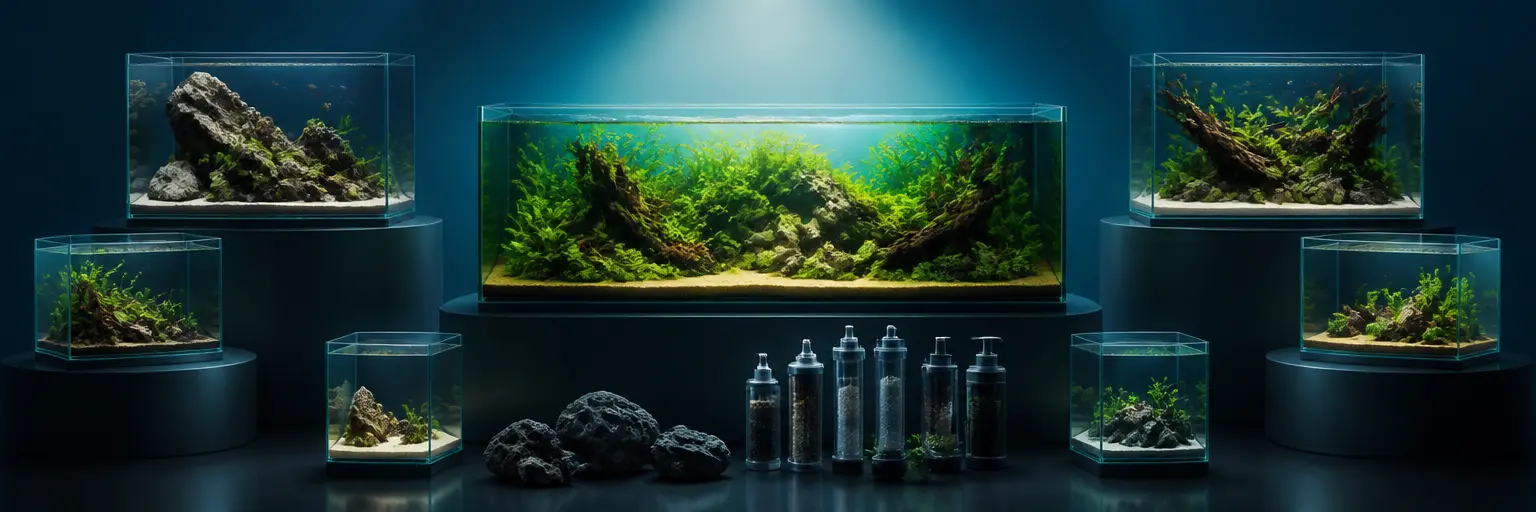
Discover how to build a thriving aquatic environment with expert guidance on aquarium setup, tank sizes, cycling, biotopes, and quarantine systems. Whether you’re starting your first freshwater or saltwater aquarium or upgrading to an all-in-one system, Aquarium Mastery helps you choose the right equipment, establish healthy water conditions, and create a stable home for your fish, plants, and invertebrates. 🐠🌿 Explore practical aquarium setup tips, beginner-friendly advice, and smart product comparisons for a successful, healthy tank.
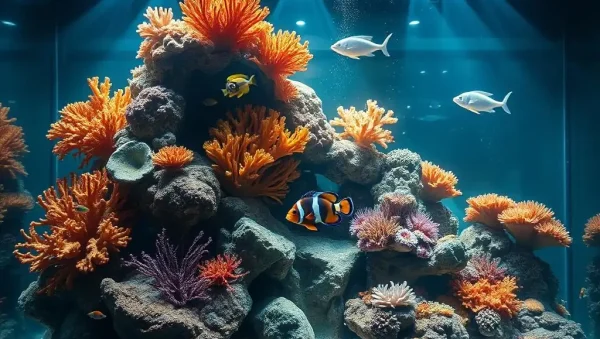
🌊 Master the saltwater aquarium cycling process with our expert tips to establish a stable marine ecosystem. Proper cycling is crucial for…
Read article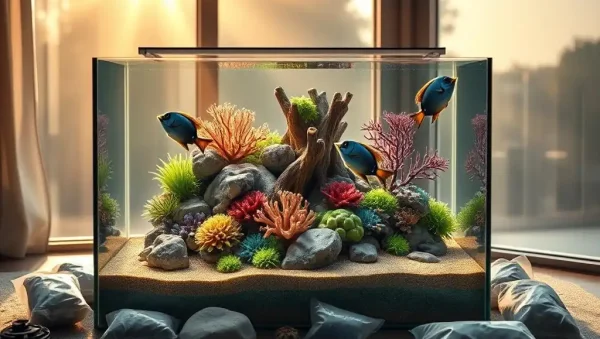
🌊 Considering a DIY aquarium kit setup? Discover whether these all-in-one solutions are a smart investment or a costly mistake, with expert…
Read article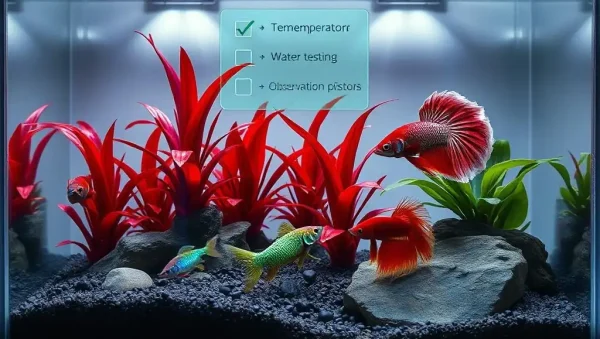
🐠 Ensure a safe introduction for your new aquarium fish with our comprehensive "New aquarium fish quarantine" protocol. Follow our step-by-step checklist…
Read article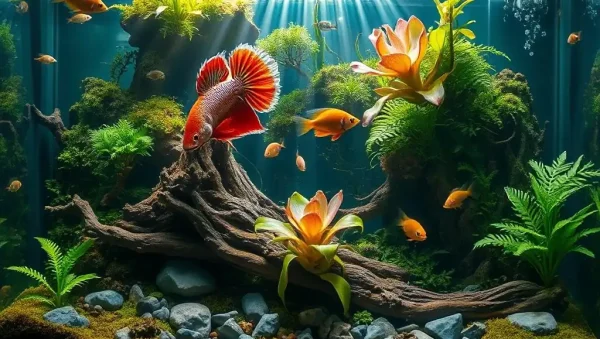
🌊 Understanding the aquarium nitrogen cycle is essential for maintaining a healthy, stable environment. This guide on AquariumMastery.com explains how proper nitrogen…
Read article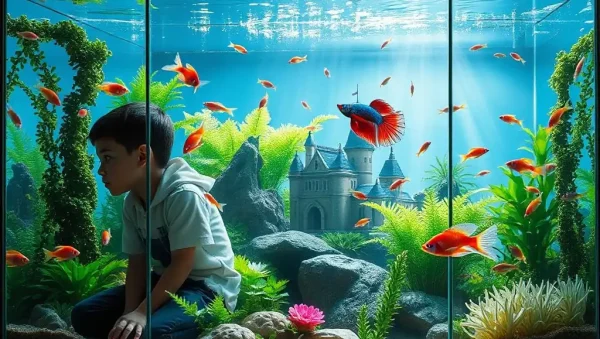
🌟 Discover the perfect Kids aquarium starter kit to ignite your child's passion for aquatic life while ensuring safety and easy maintenance.…
Read article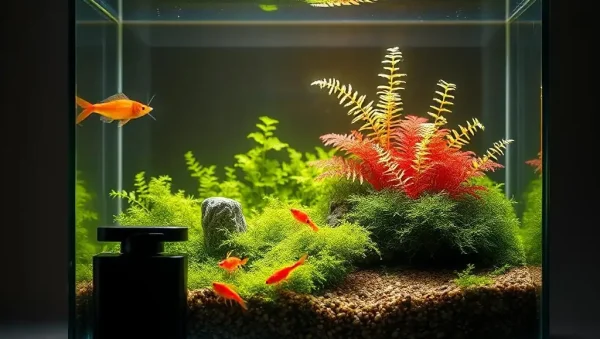
🌟 Discover the perfect 5-gallon shrimp tank starter kit to kickstart your aquatic adventure. AquariumMastery.com offers expert advice on selecting, setting up,…
Read article
🌟 Fishless cycling aquarium beginners can safely prepare their tanks without harming fish. This humane and effective method ensures a healthy environment…
Read article
🌟 Discover how easy aquarium starter kits are revolutionizing hobbyist experiences, paving the way for smarter, more integrated all-in-one systems that simplify…
Read article
🌊 Dive into AquariumMastery.com's First Aquarium Setup Guide, your comprehensive resource for transforming a box into a stunning aquatic habitat. Learn step-by-step…
Read article
🌊 Considering a DIY saltwater aquarium setup guide? Discover whether a starter kit or a DIY approach best suits your needs with…
Read article
🌟 Ensure your new fish's health by understanding "New fish quarantine symptoms." AquariumMastery.com offers expert tips on spotting early signs of illness…
Read article
🌊 Explore the benefits and challenges of AllInOne aquarium setups, highlighting common issues like Allinone aquarium setup problems, and learn how to…
Read articleAquarium Setup & Types is your complete guide to building a healthy, stable, and visually appealing freshwater or saltwater aquarium. Whether you are setting up your first fish tank, upgrading to a larger aquarium, creating a natural biotope, or comparing all-in-one systems, Aquarium Mastery provides practical advice for every stage of the process.
Explore expert guidance on aquarium tank sizes, fish tank setup, filtration, lighting, substrate, water chemistry, cycling a new aquarium, quarantine tanks, freshwater aquariums, saltwater tanks, planted tanks, nano aquariums, reef systems, and species-specific habitats. Our detailed resources help you choose compatible equipment, avoid common beginner mistakes, and create an environment where fish, shrimp, corals, and aquatic plants can thrive.
From selecting the right aquarium location to establishing beneficial bacteria and maintaining stable parameters, this category explains the fundamentals in clear, actionable steps. You will also find comparisons of aquarium starter kits and all-in-one aquarium systems, helping you make informed decisions based on budget, space, experience level, and long-term maintenance needs.
This subcategory covers the essential steps for planning and building a successful aquarium from the ground up. Learn how to choose the ideal aquarium size, tank shape, stand, filter, heater, lighting system, substrate, and decorations for freshwater and marine environments. Articles explain how tank volume affects stocking levels, water stability, maintenance requirements, and the types of fish or invertebrates you can keep.
You will also learn how to cycle an aquarium safely, establish beneficial nitrifying bacteria, test water parameters, and prevent dangerous ammonia and nitrite spikes. Additional guidance explores biotope aquariums inspired by natural rivers, lakes, and reefs, along with quarantine tank setup, disease prevention, acclimation procedures, and responsible introduction of new livestock.
This subcategory helps beginners and experienced aquarists compare convenient aquarium starter kits and all-in-one systems. Discover what is included with each setup, including tanks, built-in filtration, LED lighting, heaters, covers, stands, and accessories. Our buying guides evaluate tank capacity, equipment quality, ease of maintenance, energy efficiency, customization options, and overall value.
Whether you want a compact nano aquarium, a family freshwater fish tank, a planted aquarium, or a marine all-in-one system, these comparisons make it easier to select the right product. Expect practical recommendations for different budgets and skill levels, plus advice on which components may need upgrading as your aquarium matures.
A tank of approximately 20 to 30 gallons is often a good choice for beginners because it provides more stable water conditions than a very small aquarium while remaining manageable to maintain. The best size also depends on your available space, budget, and the fish species you plan to keep.
A fishless aquarium cycle commonly takes between four and eight weeks, although the time can vary depending on temperature, pH, filtration, beneficial bacteria products, and ammonia management. Use a reliable test kit and wait until ammonia and nitrite consistently read zero before adding fish.
A biotope aquarium recreates the natural habitat of a particular region, river, lake, or ecosystem. It typically uses matching water parameters, substrate, plants, rocks, wood, and compatible fish or invertebrates to imitate conditions found in nature.
A quarantine tank is strongly recommended, especially when adding new fish to an established aquarium. It allows you to observe new livestock, treat potential diseases, and prevent parasites or infections from spreading to your main display tank.
All-in-one aquariums can be excellent for beginners because they combine several essential components into one streamlined system. However, compare filtration capacity, lighting strength, heater compatibility, maintenance access, and upgrade potential before purchasing to ensure the system suits your long-term goals.