
Bulletproof Quarantine Protocol: A StepbyStep Checklist for All New Aquarium Arrivals

Welcome to Aquarium Mastery!
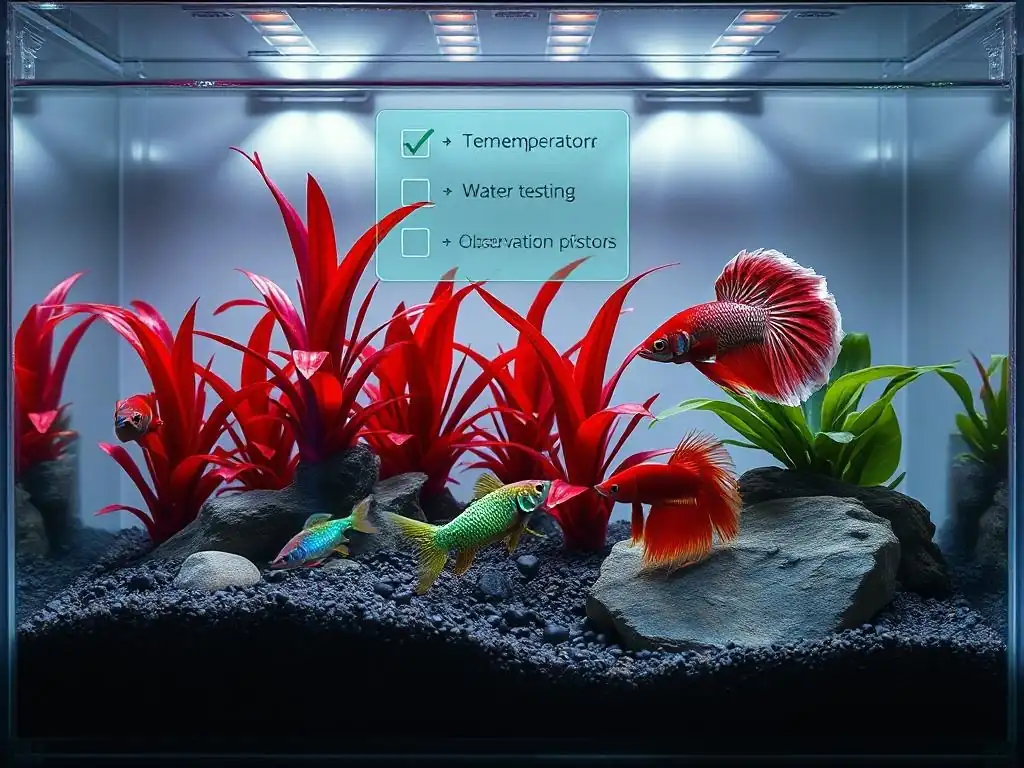
Thinking about adding new life to your underwater world? Bringing home a new fish is exciting, but are you really ready? Dive into our comprehensive guide on new aquarium fish quarantine. Discover our bulletproof, step-by-step checklist to ensure a healthy transition and protect your existing aquatic family. Don't risk a devastating outbreak – read on to learn the secrets to a successful quarantine process and unlock the full potential of your aquarium!
- Why Quarantine New Aquarium Fish is Crucial
-
Step-by-Step New Fish Quarantine Checklist for Aquarium Mastery
- Step 1: Setting Up Your Quarantine Tank - A Dedicated Hospital Tank
- Step 2: Acclimation of New Fish to the Quarantine Tank
- Step 3: Observation and Monitoring of New Aquarium Inhabitants
- Step 4: Medication and Treatment Protocols (If Necessary)
- Step 5: Extending the Quarantine Period - Patience is Key
- Step 6: Gradual Introduction to the Main Display Tank
- Maintaining a Healthy Quarantine Tank for Future New Arrivals
- Advanced Quarantine Techniques for Sensitive Species
- Troubleshooting Common Quarantine Issues
- The Ultimate Goal: Healthy, Thriving Fish in Your Aquarium
- Frequently Asked Questions
- Final Reflection: Safeguarding the Future of Our Aquariums
- Unveil Your Thriving Aquarium Future!
Why Quarantine New Aquarium Fish is Crucial
Preventing Disease Introduction to Your Main Tank
Implementing a robust new aquarium fish quarantine protocol is paramount for any responsible aquarist. Even seemingly healthy fish can harbor a range of pathogens, including bacteria, parasites, fungi, and viruses, which may be dormant or in early, undetectable stages. For instance, the highly common Ichthyophthirius multifiliis (Ich) parasite can exist as invisible tomonts in the substrate of a shipping bag, only to emerge and multiply rapidly once introduced to a new, warm environment. Without a dedicated quarantine period, these unseen threats can quickly proliferate, infecting your entire established display tank and potentially leading to widespread illness and fatalities.
Consider a scenario where a new cardinal tetra, appearing vibrant and active, carries a latent bacterial infection from its journey. Introduced directly into a bustling 55-gallon community tank with a dozen other fish, the stress of the new environment could trigger the infection, or the fish might simply act as a carrier.
Within days, other fish, particularly those already slightly stressed or with weaker immune systems, could begin to show signs of fin rot, body sores, or lethargy, all traceable back to the initially 'healthy' newcomer. This highlights why a thorough new fish quarantine is not just a recommendation but a critical preventative measure.
Protecting Existing Fish Populations from New Pathogens
The established fish in your main display tank have developed immunities to the specific microbial flora within their environment. However, they may possess no natural resistance to novel pathogens introduced by new arrivals. A pathogen that causes only mild symptoms in one species, or in a fish that has developed some resistance, could be devastating to another species within your tank.
For example, a new guppy might carry Columnaris (mouth rot), a common bacterial infection, without showing severe signs. Yet, if introduced to a tank with delicate discus fish, the Columnaris could rapidly spread and cause severe, often fatal, infections due to the discus's lower tolerance for such bacteria.
The financial and emotional investment in a well-maintained aquarium can be substantial, often hundreds or even thousands of dollars spent on livestock, equipment, and plants. A single disease outbreak, often preventable through proper aquarium fish quarantine, can wipe out years of dedicated care and significant financial outlay. Protecting these existing populations means safeguarding your entire aquatic ecosystem from unforeseen biological threats, ensuring the long-term health and stability of your cherished underwater world.
The Importance of Observation During Quarantine
The quarantine period serves as an invaluable opportunity for meticulous observation, allowing the aquarist to identify and address any issues before they escalate or spread. Without the competitive feeding and hiding behaviors of a main display tank, new fish can be closely monitored for subtle signs of stress, disease, or behavioral anomalies.
For instance, a new angelfish that appears to be eating well in a busy display tank might actually be getting outcompeted for food, leading to slow starvation and weakened immunity. In a quarantine tank, its feeding habits can be precisely observed, ensuring it receives adequate nutrition and adapts to prepared foods.
This focused observation also extends to identifying early disease symptoms. White spots of Ich, the frayed edges of fin rot, the shimmering dust of Velvet, or even subtle changes in gill movement or swimming patterns are much easier to detect in a sparsely decorated quarantine tank. This allows for prompt diagnosis and targeted treatment, often with higher success rates when intervention occurs early. An effective new aquarium fish quarantine ensures that every fish transferred to the main tank is not only physically healthy but also behaviorally adjusted and eating reliably.
Step-by-Step New Fish Quarantine Checklist for Aquarium Mastery
Step 1: Setting Up Your Quarantine Tank - A Dedicated Hospital Tank
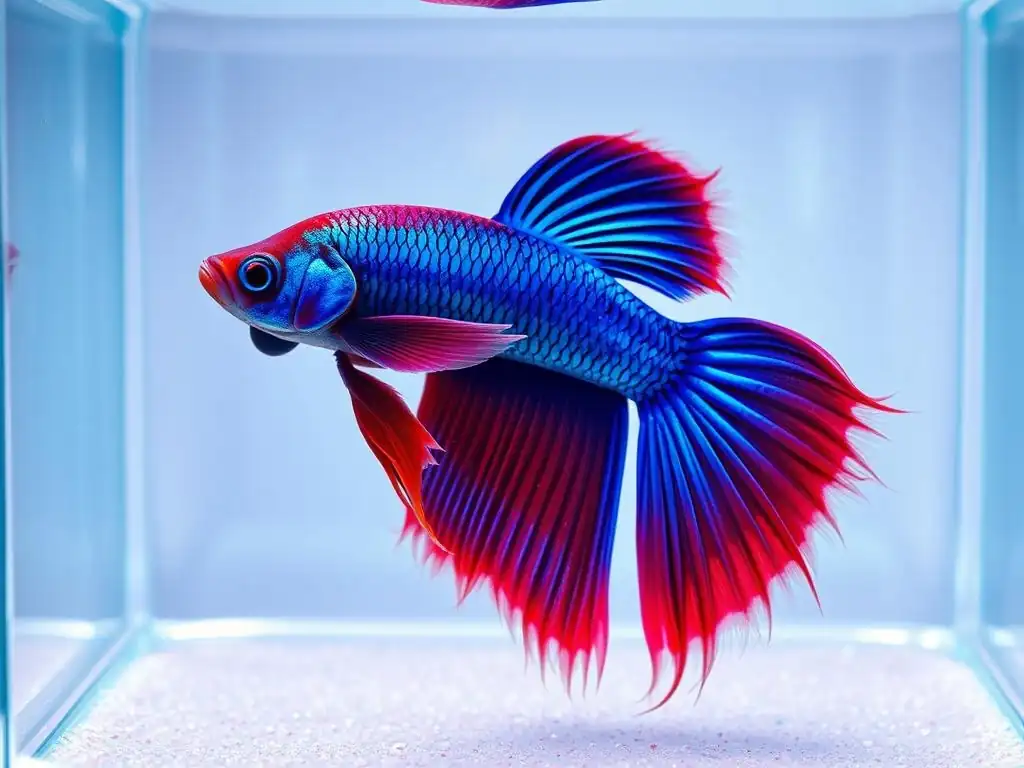
Setting up a proper quarantine tank is the foundational step in any successful new aquarium fish quarantine protocol. This dedicated "hospital tank" should be separate from your main display tank, ideally in a quiet area away from high traffic to minimize stress for the new arrivals. The simplicity of its setup is key, allowing for easy observation, cleaning, and medication.
A typical quarantine setup often consists of a bare-bottom tank, meaning no substrate, which makes it easier to spot parasites that drop off fish and simplifies cleaning. The absence of elaborate decorations also prevents medication from being absorbed by porous materials. While it might not be aesthetically pleasing, its functional design is optimized for health monitoring and treatment, making it an indispensable tool for any serious aquarist.
Choosing the Right Size Quarantine Tank for New Arrivals
The ideal size for your quarantine tank depends primarily on the size and number of fish you intend to quarantine. For most small to medium-sized freshwater fish (e.g., tetras, guppies, mollies, small cichlids), a 10-gallon (approximately 38-liter) to 20-gallon (approximately 76-liter) tank is often sufficient. This size provides adequate space for observation and movement without being excessively large, which would make medication more costly and difficult to dose accurately. For larger fish, such as adult angelfish or medium-sized oscars, a 30-gallon (113-liter) or even 40-gallon (151-liter) breeder tank might be more appropriate to prevent overcrowding and reduce stress.
It's crucial to avoid overstocking the quarantine tank, even temporarily. Overcrowding leads to rapid deterioration of water quality and increased stress, both of which can weaken a fish's immune system and make it more susceptible to disease. For example, quarantining ten small neon tetras in a 10-gallon tank is generally acceptable, but attempting to quarantine ten adult swordtails in the same tank would be detrimental due to the increased bioload and limited space. Always prioritize ample swimming room and minimal stress for the duration of the new fish quarantine period.
Essential Equipment for a Successful Quarantine Setup
A successful quarantine tank doesn't require elaborate equipment, but the right tools are critical for maintaining stable conditions and facilitating observation. Each piece serves a specific purpose in ensuring the health and well-being of your new aquatic inhabitants. Having these items readily available before new fish arrive streamlines the aquarium fish quarantine process.
A basic setup should include a reliable heater, a thermometer, a simple filter, and a tight-fitting lid. While aesthetic elements like substrate or elaborate decorations are generally avoided for ease of cleaning and observation, a few PVC pipes or plastic plants can offer essential hiding spots, reducing stress for the new fish. This minimalist approach allows for clear visibility of the fish and any potential symptoms, which is paramount during the observation phase.
Heater and Thermostat Considerations
Maintaining a stable water temperature is fundamental for reducing stress and supporting the immune system of new fish, as well as for the efficacy of certain medications. A submersible heater with an adjustable thermostat is essential for a quarantine tank.
It should be appropriately sized for the tank volume; for example, a 50-watt heater typically suffices for a 10-gallon tank, while a 100-watt heater is suitable for a 20-gallon tank. The heater should reliably maintain a consistent temperature, generally between 75°F and 78°F (24°C and 26°C) for most tropical freshwater species, unless a specific disease treatment requires a higher temperature.
Always use a separate thermometer to verify the heater's accuracy, as built-in thermostats can sometimes be imprecise. Fluctuations in temperature can be highly stressful for fish, making them more vulnerable to diseases. For instance, a sudden drop of just a few degrees could trigger an Ich outbreak in an already stressed fish. Therefore, a consistent and accurately monitored temperature is a non-negotiable aspect of effective new aquarium fish quarantine.
Filtration Needs in a Quarantine Tank
Filtration in a quarantine tank focuses primarily on biological filtration to process ammonia and nitrite, with minimal mechanical filtration to avoid removing medication. A simple sponge filter, driven by an air pump, is an excellent choice. Sponge filters provide ample surface area for beneficial bacteria, are easy to clean, and do not create strong currents that could stress new or weakened fish. Crucially, a sponge filter can be "seeded" with beneficial bacteria by placing it in your main tank's filter or sump for a few weeks prior to use, ensuring an immediate biological cycle in the quarantine tank.
Alternatively, a small hang-on-back (HOB) filter can be used, but it's important to remove any chemical filtration media (like activated carbon) during medication treatments, as carbon will absorb the medication, rendering it ineffective. Regardless of the filter type, ensure it provides adequate biological filtration to manage the bioload of the new fish, preventing toxic ammonia and nitrite spikes, which are particularly dangerous to already stressed new arrivals.
Lighting for Quarantine: Minimizing Stress
Lighting in a quarantine tank should be minimal and non-intrusive. The primary purpose of lighting in this context is to allow for observation of the fish, not for plant growth or aesthetic display. A simple, low-wattage LED fixture or even ambient room light can suffice. Excessive or bright lighting can be a significant source of stress for new fish, especially those that are already recovering from the rigors of shipping or adapting to a new environment.
Many fish species prefer subdued lighting when stressed or recovering from illness, as it mimics their natural hiding conditions. For instance, a fish suffering from velvet disease might actively avoid bright lights. Therefore, keeping the lighting dim and only turning it on when necessary for observation or feeding can greatly contribute to the fish's comfort and recovery during the new fish quarantine period, allowing them to acclimate without additional environmental pressures.
Step 2: Acclimation of New Fish to the Quarantine Tank
Proper acclimation is a critical, yet often overlooked, step in the new aquarium fish quarantine process. The water in the shipping bag can differ significantly from your quarantine tank's water in terms of temperature, pH, and total dissolved solids (TDS). Rapid changes in these parameters can induce severe stress, shock, and even death in new fish.
A gentle acclimation process minimizes this shock, allowing the fish's physiology to gradually adjust to its new environment. This careful introduction sets the stage for a successful quarantine period, reducing the likelihood of stress-induced illnesses.
Drip Acclimation: A Gentle Introduction
Drip acclimation is widely considered the safest and most effective method for introducing new fish to a quarantine tank, particularly for sensitive species. This process slowly equalizes the water parameters between the shipping bag and the quarantine tank, minimizing osmotic shock. To perform drip acclimation, first float the sealed bag in the quarantine tank for 15-20 minutes to equalize temperature.
Then, open the bag, roll down the edges to create a float, and secure it. Using an air line tubing with a knot or a control valve, siphon water from the quarantine tank into the bag, allowing it to drip slowly. A drip rate of 1-2 drops per second is often recommended.
Continue this process until the volume of water in the bag has tripled or quadrupled, which typically takes 45-90 minutes. During this time, periodically remove excess water from the bag (discarding it, not adding it to the quarantine tank) to prevent overcrowding. Once acclimation is complete, gently net the fish from the bag and transfer it to the quarantine tank, discarding all the water from the shipping bag. This meticulous process significantly reduces stress and enhances the success rate of your new fish quarantine.
Monitoring Water Parameters During Acclimation (pH, Temperature, Ammonia)
Throughout the acclimation process and the entire aquarium fish quarantine period, diligent monitoring of water parameters is essential. Before beginning acclimation, test the water in both the shipping bag and the quarantine tank for pH, temperature, and ammonia. Note any significant discrepancies. While temperature will equalize by floating the bag, pH and ammonia levels can vary widely. For instance, the pH in a shipping bag can drop due to CO2 buildup and waste products, potentially being as low as 6.0, while your quarantine tank might be at pH 7.8.
During drip acclimation, periodically re-test the water in the bag to observe the gradual shift in parameters. Once the fish is in the quarantine tank, continue daily testing for ammonia, nitrite, and nitrate for the first few days, especially if the biological filter is not fully established. Ammonia and nitrite should always be at 0 ppm. Any detectable levels indicate stress and a toxic environment, requiring immediate action such as small water changes or the use of ammonia-detoxifying products. Consistent parameter monitoring ensures a stable and healthy environment for new arrivals.
Step 3: Observation and Monitoring of New Aquarium Inhabitants
The core of any effective new aquarium fish quarantine protocol lies in meticulous observation. This period is dedicated to closely watching your new fish for any signs of illness, stress, or unusual behavior that might indicate a problem. Without the distractions of a fully stocked display tank, subtle symptoms are much easier to detect.
Dedicate time daily, preferably at the same time each day, to observe your fish. This routine helps you establish a baseline for normal behavior and quickly identify deviations. Early detection of issues can significantly increase the success rate of treatment and prevent potential outbreaks in your main display tank.
Daily Visual Inspections for Signs of Disease
Conduct thorough daily visual inspections of each new fish. Use a flashlight, even in well-lit rooms, to illuminate the fish from different angles, as some parasites like Ich can be nearly invisible without direct light. Look for any unusual spots, lesions, discolorations, or growths on the body, fins, and gills. For example, Ich presents as small, white, salt-like spots, typically less than 1mm in diameter, often first appearing on the fins. Velvet, another common parasite, manifests as a fine, yellowish or brownish dust on the fish's body, giving it a "velvety" appearance.
Also, pay close attention to the fins. Are they clamped close to the body, or are they spread naturally? Frayed or bloody fins are often indicative of fin rot, a bacterial infection. Observe the eyes for cloudiness or bulging, and the mouth for any signs of fungus or sores. Any deviation from a smooth, clear body and healthy fins warrants further investigation and potential treatment during the new fish quarantine period.
Recognizing Common Fish Diseases in Quarantine (Ich, Fin Rot, Velvet)
Familiarity with common fish diseases is crucial for prompt and accurate diagnosis during aquarium fish quarantine. Ich ( Ichthyophthirius multifiliis) is perhaps the most prevalent and recognizable external parasite, characterized by distinctive white spots resembling grains of salt. Fish with Ich will often "flash" or scratch against tank objects due to irritation. Fin Rot, on the other hand, is primarily a bacterial infection, often secondary to stress or poor water quality, causing the fins to appear ragged, frayed, or even completely eroded. The edges may be white or reddish.
Velvet disease, caused by Oodinium parasites, can be more challenging to spot initially but appears as a fine, yellowish-gold or brownish dust on the fish's body, often accompanied by rapid breathing and lethargy. Internal parasites might not show external signs but can lead to emaciation despite feeding, or stringy white feces. Recognizing these key indicators early in the quarantine tank allows for targeted and effective treatment, preventing their potential introduction and spread to your main aquarium.
Behavioral Observations: Stress, Appetite, and Activity Levels
Beyond physical symptoms, observing the behavior of your new fish provides critical insights into their health and adaptation. A healthy fish should be active, curious, and responsive to its environment, displaying species-typical swimming patterns. Observe their appetite: are they readily accepting food, or are they refusing it? A fish that is not eating for several days is a significant concern. Conversely, a fish that is constantly begging for food might indicate a problem if it's not gaining weight.
Look for signs of stress: excessive hiding, gasping at the surface (indicating gill issues or low oxygen), rapid or labored breathing, listlessness, or erratic swimming (e.g., swimming into tank walls, spiraling). For instance, a usually active species like a zebra danio that spends all its time hiding behind the heater might be severely stressed or ill. Any deviation from normal, healthy behavior should raise a red flag and prompt closer examination, as these behavioral cues are often the first indicators of underlying issues during new aquarium fish quarantine.
Step 4: Medication and Treatment Protocols (If Necessary)
One of the primary benefits of new aquarium fish quarantine is the ability to medicate fish in a controlled environment without harming sensitive invertebrates or disrupting the biological filter of your main display tank. If, despite your observations, a disease manifests, prompt and accurate treatment is essential.
It is crucial to correctly identify the disease before administering any medication. Misdiagnosis can lead to ineffective treatment, unnecessary stress on the fish, and potential harm from inappropriate chemicals. Always have a basic understanding of common fish ailments and their corresponding treatments.
Identifying the Correct Medication for Specific Diseases
Accurate diagnosis is paramount before initiating any medication during aquarium fish quarantine. Treating the wrong ailment is not only ineffective but can also add unnecessary stress to already compromised fish and waste valuable resources. For example, if you observe white spots, it is most likely Ich, which responds to antiparasitic medications containing malachite green or formalin. However, if the spots are cotton-like growths, it might be a fungal infection requiring an antifungal agent. Similarly, clamped fins and rapid breathing could indicate a parasitic issue like flukes, which would necessitate a different treatment than a bacterial infection causing fin rot.
Consult reliable fish disease identification guides, online resources, or experienced aquarists to confirm your diagnosis. Observing the specific symptoms, the fish's behavior, and the progression of the disease will help narrow down the possibilities. Only once a confident diagnosis is made should you proceed with selecting a medication specifically formulated for that particular pathogen, ensuring a higher chance of successful recovery for your new fish.
Proper Dosage and Administration of Medications
Once the correct medication is identified, adhering strictly to the manufacturer's dosage instructions is critical. Overdosing can be lethal to fish, while underdosing can render the treatment ineffective and contribute to antibiotic resistance in pathogens. For liquid medications, use a precise measuring device, such as a syringe, rather than relying on estimations. For powdered medications, accurate weighing or careful measurement according to package directions is essential. Always calculate the medication dose based on the actual water volume of your quarantine tank, not its nominal size, accounting for displacement by equipment.
Before administering, ensure you remove any activated carbon from the filter, as it will absorb most medications. Some medications also require increased aeration, so ensure your air pump is adequate. For instance, some copper-based medications used for saltwater Ich require careful monitoring of copper levels with a test kit to ensure efficacy without toxicity. Following these precise administration guidelines is a cornerstone of effective new fish quarantine treatment.
Water Changes During Medication Treatments
Water changes during medication treatments in a quarantine tank are often necessary but must be done judiciously. Many medications are designed to be effective for a specific duration (e.g., 24, 48, or 72 hours) before requiring a water change and re-dosing. Performing a water change removes spent medication, accumulated waste products, and potentially dead pathogens, thereby improving water quality and allowing for a fresh dose of medication to be added. For example, if treating with a general antibiotic that requires daily dosing after a 25% water change, ensure the new dose accounts for the fresh water added.
Conversely, some treatments, particularly those for parasitic life cycles like Ich (which often requires treatment over several days to target all life stages), may advise against water changes during the initial phase to maintain consistent medication levels. Always refer to the specific medication's instructions regarding water changes. If water quality deteriorates rapidly (e.g., ammonia spike), a partial water change may be necessary even if not specified, but be prepared to re-dose the medication accordingly to maintain therapeutic levels.
Specific Medication Recommendations for Common Diseases
While specific brand names are not recommended here, understanding the types of medications for common ailments encountered during aquarium fish quarantine is vital. For external parasites like Ich or Velvet, common treatments include medications containing malachite green, formalin, or copper (for saltwater fish, with caution). For internal parasites, metronidazole or praziquantel are often effective. Bacterial infections, such as fin rot, body sores, or Columnaris, typically require broad-spectrum antibiotics like erythromycin, nitrofurazone, or oxytetracycline.
Fungal infections, which often appear as cottony growths, respond to antifungal agents such as phenoxyethanol or medications containing malachite green. It is crucial to have a few of these general types of medications on hand as part of your new aquarium fish quarantine emergency kit. Always confirm the compatibility of medications if treating multiple issues, as some combinations can be harmful. For example, combining certain antiparasitics with antibiotics might be toxic to fish.
Step 5: Extending the Quarantine Period - Patience is Key
The success of a new aquarium fish quarantine hinges on patience. Rushing the process can negate all the effort put into the initial setup and observation. The minimum quarantine duration is a guideline, but the fish's health and behavior should always dictate the actual length.
A prolonged quarantine period provides ample time for latent diseases to manifest and for any treatments to be fully effective, ensuring that only truly healthy fish are introduced to your main display tank. This extra time is a small investment for the long-term health of your entire aquarium.
Determining the Appropriate Length of Quarantine (Minimum 4 Weeks)
A standard minimum duration for new aquarium fish quarantine is four weeks (approximately 28 days). This timeframe is generally sufficient to cover the life cycles of most common external parasites, such as Ich, which can complete its entire life cycle (from trophont on the fish to tomonts in the substrate, then free-swimming theronts seeking new hosts) within 3-28 days, depending on temperature. For example, at 78°F (26°C), Ich's life cycle is typically around 7 days. A four-week period ensures that if any parasites are present, they will manifest, and any subsequent treatment can run its course.
However, some diseases, particularly certain internal parasites or specific bacterial infections, may have longer incubation periods or require extended treatment protocols. Therefore, while four weeks is a good baseline for general new fish quarantine, be prepared to extend it based on observation and species-specific needs. For instance, wild-caught fish or species prone to specific internal parasites might benefit from a 6-8 week quarantine with prophylactic treatments.
Signs That Indicate Quarantine Should Be Extended
Several key indicators suggest that the aquarium fish quarantine period needs to be extended. The most obvious sign is the appearance of any disease symptoms during the initial four weeks. If a fish develops Ich, fin rot, or any other illness, the quarantine period should be extended for at least two to three weeks after the last visible symptom has disappeared and the full course of medication has been completed. For example, if a fish shows Ich spots on day 10, and treatment lasts 7 days, the 4-week clock effectively resets from the end of the treatment.
Other reasons to extend quarantine include persistent stress (e.g., fish not eating well, constantly hiding, or showing clamped fins), failure to adapt to prepared foods, or continued aggression towards tank mates in the quarantine setup. A fish should be eating robustly, displaying normal behavior, and be completely symptom-free for an extended period (e.g., 2-3 weeks) before transfer. Rushing a stressed or sub-clinically ill fish into your main tank is a recipe for disaster, making patience the ultimate virtue in new aquarium fish quarantine.
Step 6: Gradual Introduction to the Main Display Tank
After a successful new aquarium fish quarantine, the final step is to introduce your healthy, well-adjusted fish to their permanent home. This transition, while exciting, should be handled with care to minimize stress and prevent any last-minute issues. A gradual approach helps the fish adapt to the new environment and its inhabitants.
Even after a thorough quarantine, the change in environment, tank mates, and water parameters can be a source of stress. Therefore, taking precautions during the transfer and continuing careful observation are crucial for the long-term success of your new aquatic addition.
Matching Water Parameters Between Quarantine and Display Tank
Before transferring fish from the quarantine tank to the main display tank, it is paramount to ensure that the water parameters of both tanks are as closely matched as possible. This includes temperature, pH, and potentially hardness (GH/KH) or salinity for brackish/saltwater setups. While temperature can be equalized by floating the fish in a bag within the display tank, a better approach is to gradually adjust the quarantine tank's parameters to match the display tank's over a period of 24-48 hours.
This can be achieved by performing small, frequent water changes in the quarantine tank using water directly from the main display tank. For instance, replace 10-20% of the quarantine tank's water with display tank water every few hours.
This slow acclimation prevents osmotic shock and minimizes stress during the transfer. For example, if your quarantine tank typically runs at pH 7.0 and your display tank is pH 7.8, a sudden transfer could be fatal. By gradually blending the water, the fish slowly adjusts to the new pH, hardness, and mineral content. This final step in the new aquarium fish quarantine process ensures a smooth and stress-free transition.
Careful Observation After Transfer to the Main Tank
Even after a successful quarantine and careful parameter matching, the period immediately following transfer to the main display tank is critical for continued observation. The stress of moving, combined with adapting to a new social hierarchy and environmental cues, can sometimes trigger latent issues or make the fish vulnerable to existing pathogens in the main tank. For the first few days to a week, closely monitor the newly introduced fish for signs of stress, such as hiding excessively, clamped fins, or refusing to eat.
Also, observe the existing fish in your display tank. Are they showing aggression towards the newcomer? Is the new fish being picked on or chased? Signs of disease might also appear on existing fish if the new arrival, despite quarantine, carried a particularly resilient pathogen. Continue to monitor water parameters in the main tank, as the addition of a new bioload can sometimes cause minor fluctuations. This vigilance after the new fish quarantine process ensures the long-term health and harmony of your entire aquarium community.
Maintaining a Healthy Quarantine Tank for Future New Arrivals
A quarantine tank is not a one-time setup; it's a vital piece of equipment that should be ready for use whenever new aquatic life is introduced. Proper maintenance between uses is crucial to ensure it's always a safe and effective environment for your next new aquarium fish quarantine.
Keeping the quarantine tank clean, disinfected, and biologically active will save you time and effort in the long run, making future introductions smoother and significantly reducing the risk of disease transmission.
Regular Water Changes and Maintenance
Maintaining excellent water quality in a quarantine tank is paramount, especially since it's often a bare-bottom setup without the buffering capacity of substrate or extensive live plants. During active quarantine, regular water changes are essential to dilute nitrates, remove accumulated waste, and replenish essential minerals. A schedule of 25% water changes every 2-3 days is often recommended, depending on the bioload and feeding regimen. For example, if you are quarantining two medium-sized cichlids in a 20-gallon tank, daily small water changes might be necessary to keep ammonia and nitrite at zero, particularly if the biological filter is still maturing.
Between quarantine periods, if the tank is kept running, it should still undergo periodic water changes, perhaps weekly or bi-weekly, to maintain water quality and keep the biological filter active. If the tank is drained and stored, ensure it's thoroughly cleaned and dried to prevent biofilm buildup. Consistent water changes are a simple yet highly effective way to ensure the quarantine tank remains a pristine and low-stress environment for every new fish quarantine.
Disinfecting the Quarantine Tank After Each Use
Thorough disinfection of the quarantine tank and all its equipment after each use is critical to prevent the carryover of pathogens to future new arrivals. Even if the previous quarantined fish appeared healthy, dormant pathogens or resistant spores could remain. A common and effective disinfectant is a bleach solution (e.g., 1 part household bleach to 9 parts water).
After removing all fish and draining the tank, soak all equipment (filter, heater, thermometer, nets, siphon, airline tubing) in this solution for at least 30 minutes, or longer for heavily contaminated items. The tank itself should be filled with the solution or wiped down thoroughly.
After disinfection, rinse all items meticulously with fresh water multiple times to remove all traces of bleach. A dechlorinator (like sodium thiosulfate) can be used to neutralize any residual chlorine. Finally, allow all equipment and the tank to air dry completely for several days. This drying period is crucial, as many pathogens cannot survive desiccation. This diligent disinfection routine ensures that each new aquarium fish quarantine starts with a clean slate, free from past biological threats.
Stocking the Quarantine Tank with Established Biological Media
To prevent "new tank syndrome" and dangerous ammonia/nitrite spikes during new fish quarantine, it is highly beneficial to seed the quarantine tank with established biological media. This means having a source of beneficial nitrifying bacteria readily available. A common and effective method is to keep a spare sponge filter or a small bag of ceramic media in the sump or main filter of your established display tank. These media will constantly be colonized by beneficial bacteria.
When you need to set up the quarantine tank, simply transfer this "seeded" media to the quarantine filter. This instantly provides a robust biological filter, capable of processing ammonia and nitrite from day one, significantly reducing stress on new, delicate fish. For example, a small sponge filter that has been running in your 75-gallon display tank's sump for a month can effectively cycle a 10-gallon quarantine tank almost immediately. This proactive measure is a cornerstone of a truly bulletproof new aquarium fish quarantine protocol, ensuring stable and safe water parameters from the moment your new fish arrive.
Advanced Quarantine Techniques for Sensitive Species
While the general new aquarium fish quarantine protocol provides a solid foundation, some species or types of aquatic life require more specialized approaches. Invertebrates, corals, and wild-caught fish, in particular, often have unique sensitivities or higher pathogen loads that necessitate tailored quarantine strategies.
Understanding these advanced techniques is crucial for aquarists who venture beyond common community fish, ensuring the well-being of more delicate or exotic new arrivals.
Quarantine Considerations for Invertebrates and Corals
Quarantining invertebrates (like shrimp, snails, crabs) and corals requires a distinct approach compared to fish, primarily due to their extreme sensitivity to fish medications. Many common fish medications, particularly copper-based ones used for Ich, are highly toxic and lethal to invertebrates and corals. Therefore, a separate quarantine tank, completely isolated from any fish medication, is absolutely essential for these organisms. This dedicated new aquarium fish quarantine for invertebrates focuses purely on observation and physical removal of pests.
For corals, a quarantine period of 4-8 weeks is often recommended. During this time, they should be observed daily for pests like flatworms, nudibranchs, or predatory snails. Many aquarists employ dipping protocols (e.g., iodine dips, commercial coral dips) upon arrival to dislodge external pests, followed by thorough rinsing. For invertebrates, observation for parasites like planaria or hydra is key. The emphasis is on manual removal or specific invertebrate-safe treatments, as opposed to broad-spectrum medications.
Specialized Quarantine Protocols for Wild-Caught Fish
Wild-caught fish often present a higher risk of introducing diseases and parasites compared to commercially bred specimens, necessitating a more rigorous and often longer new aquarium fish quarantine period. These fish have been exposed to a wider array of pathogens in their natural environment and may be significantly stressed from capture and transport. A quarantine period of 6-8 weeks is generally recommended, sometimes longer, for wild-caught species.
Prophylactic treatment for common wild-caught fish ailments is often advisable. This might include a broad-spectrum antiparasitic (e.g., praziquantel for internal and external flukes, metronidazole for internal flagellates) and a broad-spectrum antibiotic, administered sequentially or in combination if compatible. For instance, many wild cichlids benefit from a course of praziquantel to address potential worm infestations. Careful observation for internal parasites (e.g., emaciation despite eating, stringy white feces) is paramount. The goal of this extended and proactive aquarium fish quarantine is to ensure these fish are robustly healthy and free of endemic parasites before introduction to a home aquarium.
Troubleshooting Common Quarantine Issues
Even with a meticulously planned new aquarium fish quarantine protocol, issues can arise. Understanding how to troubleshoot common problems like ammonia spikes, bacterial infections, or parasitic outbreaks in the quarantine tank is crucial for successful outcomes. Prompt and appropriate intervention can save the life of your new fish and prevent further complications.
Having a prepared strategy for these common challenges ensures that your quarantine period remains effective and stress-free for both you and your new aquatic inhabitants.
Dealing with Ammonia Spikes in the Quarantine Tank
Ammonia spikes are a common issue in new aquarium fish quarantine tanks, especially if the biological filter is not fully established or if the tank is slightly overstocked. Ammonia (NH3/NH4+) is highly toxic to fish, causing gill damage, stress, and making them susceptible to other diseases. Even low levels (e.g., 0.25 ppm) can be detrimental. The primary causes are uneaten food decaying and fish waste, particularly in a new setup without sufficient beneficial bacteria to convert ammonia to less toxic nitrite and nitrate.
The immediate response to an ammonia spike is a significant water change, typically 50% or more, using dechlorinated water matched to the tank's temperature. Reduce feeding or stop feeding entirely until ammonia levels drop. If the biological filter is inadequate, consider adding a bottled beneficial bacteria supplement or, ideally, a piece of established filter media from your main tank. Ammonia-detoxifying products (e.g., Prime) can temporarily neutralize ammonia's toxicity, providing a buffer until the biological filter catches up. Daily monitoring of ammonia and nitrite is critical until levels consistently read 0 ppm.
Addressing Fin Rot and Other Bacterial Infections
Fin rot, characterized by frayed, ragged, or disintegrating fins, is a common bacterial infection often seen in stressed or newly acquired fish during new fish quarantine. It's frequently a secondary infection, meaning it takes advantage of a fish weakened by poor water quality, shipping stress, or physical injury. Other bacterial infections might manifest as cloudy eyes, body sores, red streaks, or cottony growths.
The first line of defense is always to improve water quality immediately through significant water changes (e.g., 25-50% daily) and ensure stable parameters. If water quality improvement alone doesn't resolve the issue within a few days, or if the infection is severe, a broad-spectrum antibiotic designed for aquarium use (e.g., medications containing erythromycin, nitrofurazone, or sulfamethazine) may be necessary. Always follow dosage instructions precisely and complete the full course of treatment, even if symptoms improve, to prevent recurrence and antibiotic resistance.
Managing Parasitic Outbreaks During Quarantine
Parasitic outbreaks, most notably Ich (white spot disease), are among the most common reasons for a new aquarium fish quarantine. Ich manifests as small, white, salt-like spots on the fish's body and fins, often accompanied by flashing (scratching against objects) and rapid breathing. Other common parasites include Velvet (gold/brown dust), flukes (irritation, clamped fins), and internal worms (emaciation, stringy feces).
Treatment depends on the specific parasite. For Ich, common methods include increasing the water temperature (if safe for the fish, e.g., to 82-86°F / 28-30°C for some species, as heat accelerates the parasite's life cycle, making it vulnerable to medication), combined with antiparasitic medications containing malachite green, formalin, or salt (for freshwater fish, used carefully). For Velvet, copper-based medications (for saltwater) or specific anti-Oodinium treatments are used.
Internal parasites often require dewormers like praziquantel or metronidazole in food. Always treat the entire volume of the quarantine tank, remove carbon filtration, and follow the medication's full treatment cycle, as many parasites have resistant life stages.
The Ultimate Goal: Healthy, Thriving Fish in Your Aquarium
The ultimate purpose of a comprehensive new aquarium fish quarantine protocol extends far beyond simply preventing disease. It is a proactive, compassionate approach to fishkeeping that fosters a stable, vibrant, and enjoyable aquatic environment for all inhabitants.
By diligently adhering to these steps, you are not just mitigating risks; you are actively contributing to the long-term well-being and success of your entire aquarium ecosystem.
Preventing Future Disease Outbreaks
The most direct and significant benefit of a bulletproof new aquarium fish quarantine protocol is its unparalleled effectiveness in preventing future disease outbreaks in your main display tank. Introducing new fish without quarantine is akin to playing Russian roulette with your established aquatic community; even one seemingly healthy fish can carry dormant pathogens that, once introduced, can decimate an entire tank. By isolating, observing, and treating new arrivals, you essentially create a biological firewall, ensuring that any potential threats are neutralized before they ever reach your primary ecosystem.
This preventative measure saves countless hours of frantic disease treatment, avoids the emotional distress of losing beloved fish, and protects your significant financial investment in livestock and equipment. For example, a single outbreak of virulent Ich in a large reef tank can easily cost hundreds, if not thousands, of dollars in lost fish and corals, not to mention the extensive effort required for treatment. A rigorous new fish quarantine is the single best insurance policy against such devastating scenarios, safeguarding the health and stability of your aquarium for years to come.
Creating a Stress-Free Environment for Your Fish
Beyond disease prevention, the quarantine period plays a crucial role in creating a stress-free transition for new fish. The journey from breeder or wild habitat to your home is incredibly stressful, involving capture, packing, shipping in confined spaces, and exposure to fluctuating temperatures and water parameters. A dedicated aquarium fish quarantine tank provides a quiet, stable environment where new arrivals can recover from this ordeal without the added pressures of competition for food, territorial disputes with existing tank mates, or the overwhelming vastness of a large display tank.
In this controlled setting, fish can gradually acclimate to your home's water parameters and lighting cycles, adapt to prepared foods, and regain their strength. For instance, a timid species like a dwarf gourami, often stressed by aggressive tank mates, can regain its confidence and establish a feeding routine in the solitude of a quarantine tank. This period of recovery and adjustment significantly reduces their susceptibility to stress-induced illnesses, allowing them to enter your main tank healthy, robust, and ready to thrive.
Contributing to the Well-being of Your Aquarium Ecosystem
Ultimately, the rigorous practice of new aquarium fish quarantine contributes profoundly to the overall well-being and resilience of your entire aquarium ecosystem. A healthy ecosystem is one where all inhabitants are thriving, water parameters are stable, and the biological balance is robust. By introducing only thoroughly vetted and healthy fish, you minimize the risk of introducing pathogens that could destabilize this delicate balance. Disease outbreaks not only harm fish but can also stress the beneficial bacterial colonies, impact plant health, and even affect the water chemistry.
Moreover, healthy fish are more vibrant, active, and display their natural behaviors, enhancing the aesthetic appeal and enjoyment of your aquarium. This meticulous approach to new aquarium fish quarantine reflects a deep commitment to responsible fishkeeping, ensuring that every new addition is a positive contribution to a thriving, beautiful, and sustainable aquatic world.
Frequently Asked Questions
How long should I quarantine new aquarium fish?
The recommended quarantine period is at least 4-6 weeks to observe for signs of disease. This allows time for hidden illnesses to manifest and be treated before introducing them to your main tank.
Why is quarantining new fish so important?
Quarantine prevents the spread of potential diseases and parasites to your existing aquarium inhabitants. It acts as a crucial biosecurity measure, protecting your established ecosystem.
What size tank is best for a quarantine tank?
The quarantine tank size depends on the size and number of fish you plan to quarantine, but a 10-20 gallon tank is often sufficient for smaller fish. Ensure it provides adequate space and water quality.
What equipment do I need for a quarantine tank?
You will need a filter, heater, thermometer, air pump, and substrate (optional), similar to your main tank. A separate set of equipment is crucial to avoid cross-contamination.
What signs should I look for during quarantine?
Monitor new fish for any changes in behavior, such as lethargy, clamped fins, or flashing. Also, look for physical signs of illness like spots, lesions, or abnormal breathing.
Final Reflection: Safeguarding the Future of Our Aquariums
The meticulous process of quarantining new aquarium fish, as detailed in this article, isn't merely a checklist; it's an act of responsible stewardship for the delicate ecosystems we create within our homes. In a world increasingly aware of interconnectedness and the potential for disruption, understanding and implementing robust quarantine protocols is more crucial than ever to prevent the spread of disease and protect the health of our existing aquatic inhabitants.
This commitment to quarantine extends beyond the individual aquarium, influencing the broader aquascaping community. It's about fostering a culture of preventative care, where the well-being of our fish takes precedence and we collectively strive to minimize the risk of widespread outbreaks. An ounce of prevention is worth a pound of cure,
a sentiment that resonates deeply when considering the potential devastation a single infected fish can unleash upon an established aquarium.
As you embark on the exciting journey of introducing new life into your aquarium, remember that the steps outlined here are not just recommendations, but rather a testament to your dedication as a responsible aquarist. Let this guide inspire you to approach each new arrival with diligence and care, ensuring a healthy and thriving aquatic environment for years to come. Embrace the power of prevention, and together, we can safeguard the future of our beloved aquariums.
Unveil Your Thriving Aquarium Future!
Thank you for diving into the world of aquarium quarantine! We hope this checklist has empowered you with the knowledge to ensure the health and vitality of your underwater ecosystem. Now, let's put that knowledge into action.
Here's how you can take the next steps:
- Immediately start building your quarantine tank: Gather your equipment and commit to setting up a dedicated quarantine space. This is the single most important step to protect your existing aquarium!
- Dive deeper: Share your quarantine experiences! Join our Aquarium Mastery community forum and share your triumphs, challenges, and questions. Your insights can help others!
- Experiment with natural treatments: Research and implement holistic approaches to disease prevention like using Indian Almond Leaves in your quarantine tank to boost immunity.
Ready to build a quarantine tank that will protect your entire aquarium?