
Spark a Lifelong Passion: The Best (and Safest) Aquarium Starter Kits for Kids

Welcome to Aquarium Mastery!
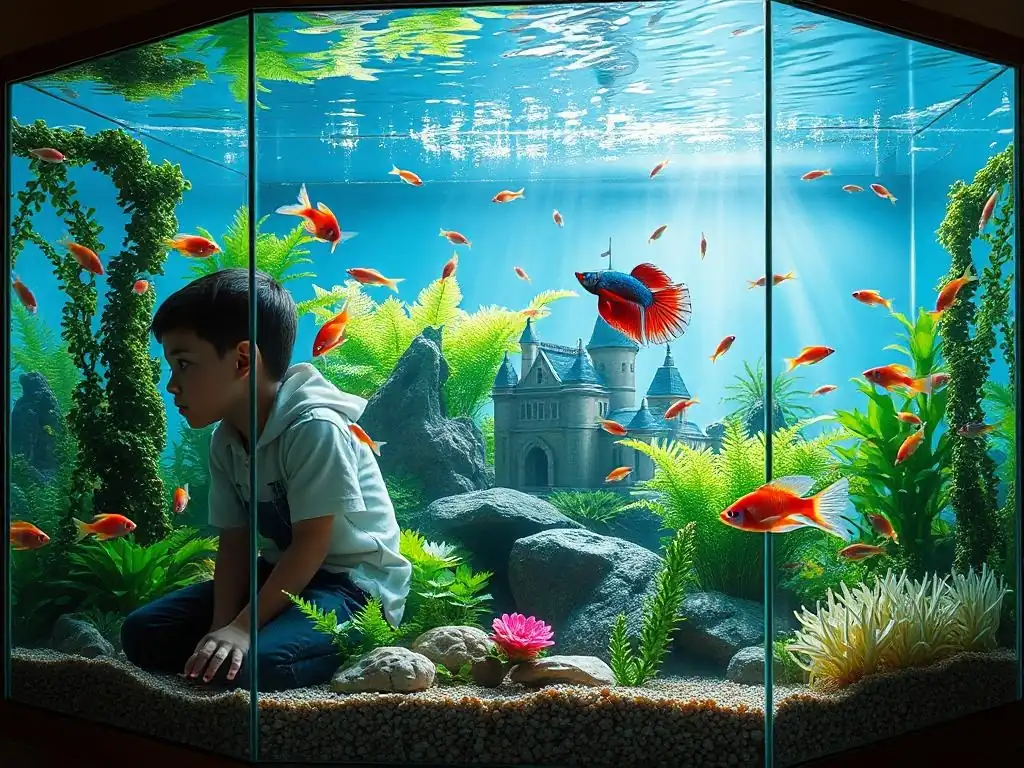
Ever wondered how to introduce the wonders of aquatic life to your little ones? This is where the journey begins! Dive in to discover the best (and safest) aquarium starter kits for kids, designed to spark a lifelong passion for the underwater world. But which kit is truly right for your child and your home? Keep reading to unlock the secrets of selecting the perfect setup and learn how to create a thriving ecosystem that's both educational and endlessly captivating!
- Why a Kids Aquarium Starter Kit is the Perfect First Pet
- Choosing the Right Kids Aquarium Starter Kit: Safety and Simplicity First
-
Top 5 Kids Aquarium Starter Kits: Reviews and Recommendations
- 1. Tetra ColorFusion Aquarium Kit: A Vibrant and Engaging Option
- 2. Fluval Flex Aquarium Kit: A Sleek and Modern Design
- 3. Aqueon NeoGlow LED Aquarium Starter Kit: Budget-Friendly and Fun
- 4. Pawhut Small Desktop Fish Tank: A Compact and Stylish Choice
- 5. Back to the Roots Water Garden Fish Tank: An Eco-Friendly Option
- Essential Accessories for Your Kid's First Fish Tank
- Setting Up Your Kids Aquarium Starter Kit: A Step-by-Step Guide
- Maintaining a Healthy Aquarium: Tips for Young Fish Keepers
- Troubleshooting Common Aquarium Problems: A Simple Guide for Kids and Parents
- The Long-Term Benefits of Fishkeeping for Kids: A Lifelong Hobby
- Frequently Asked Questions
- Final Reflection: Cultivating Wonder Through Aquatic Worlds
- Ignite Your Child's Aquatic Adventure!
Why a Kids Aquarium Starter Kit is the Perfect First Pet
The Educational Benefits of Setting Up a Fish Tank for Children
Setting up a kids aquarium starter kit offers a unique gateway into the natural world, providing a hands-on learning experience far beyond what many traditional pets can. Children gain practical knowledge about biology, chemistry, and ecology as they observe the delicate balance within their miniature aquatic ecosystem. For instance, understanding the nitrogen cycle – how fish waste turns into less harmful nitrates – teaches fundamental concepts of decomposition and nutrient cycling. This practical application of scientific principles makes abstract ideas tangible and exciting.
Beyond scientific concepts, maintaining a fish tank nurtures critical thinking and problem-solving skills. When issues like cloudy water or algae growth arise, children, with guidance, learn to identify causes and implement solutions, such as performing a water change or adjusting lighting. This process encourages observation, hypothesis testing, and the development of patience, as changes in an aquatic environment often require time to manifest. It transforms a simple pet into a living laboratory, fostering a deep curiosity about living systems.
Fostering Responsibility and Care Through Fishkeeping
Entrusting a child with a kids aquarium starter kit is an excellent way to introduce the concept of responsibility in a manageable and rewarding manner. Daily tasks like feeding the fish and weekly chores such as monitoring water levels or performing partial water changes instill a sense of duty and commitment. Unlike some other pets that require walking or extensive daily interaction, the consistent yet less physically demanding routine of fish care is often perfectly suited for younger children, allowing them to feel accomplished without being overwhelmed.
Moreover, caring for aquatic life teaches empathy and the importance of providing a suitable environment for another living creature. Children learn that their actions directly impact the well-being of their fish – from ensuring the water is clean and the temperature is stable to recognizing signs of stress or illness. This direct correlation between effort and outcome helps them understand the vital role they play in the lives of their finned friends, cultivating a compassionate attitude towards animals and the environment as a whole.
Choosing the Right Kids Aquarium Starter Kit: Safety and Simplicity First
Key Considerations for a Safe and Kid-Friendly Aquarium
When selecting a kids aquarium starter kit, safety should always be the paramount concern. Look for kits that minimize potential hazards, such as sharp edges or easily breakable components. Many beginner kits are designed with child safety in mind, featuring rounded corners and secure lids to prevent accidental spills or inquisitive fingers from accessing electrical components. It's also crucial to consider the electrical aspects; opt for kits with low-voltage pumps and integrated lighting systems that are well-sealed and rated for aquarium use, reducing the risk of electrical shock.
Beyond physical safety, the simplicity of setup and maintenance is vital for a positive first experience. A good children's fish tank kit will come with clear, easy-to-follow instructions, allowing kids (with adult supervision) to participate actively in the setup process. Features like pre-installed filtration, pre-set heaters (if applicable), and simple lighting controls make daily care less daunting. The less complex the initial setup and ongoing maintenance, the more likely a child will remain engaged and enthusiastic about their new hobby.
Size Matters: Selecting an Appropriately Sized Tank for Beginners
Choosing the correct tank size for a kids aquarium starter kit is crucial for both the fish's well-being and the child's success. While smaller tanks (e.g., 1-3 gallons) might seem appealing due to their compact footprint and lower initial cost, they are notoriously difficult to maintain stable water parameters. Fluctuations in temperature and water quality occur rapidly in smaller volumes, making them stressful for fish and challenging for beginners to manage.
For a true beginner, especially a child, a tank in the range of 5 to 10 gallons is often recommended. A 5-gallon tank provides enough water volume to maintain greater stability, allowing for a small number of beginner-friendly fish like a single betta or a few guppies. A 10-gallon tank offers even more stability and flexibility for stocking, making it more forgiving of minor errors in maintenance. This larger volume also provides more swimming space for fish, contributing to their overall health and longevity, and ultimately a more rewarding experience for the young aquarist.
Material Matters: Acrylic vs. Glass - Which is Best for Kids?
When it comes to the material of a kids aquarium starter kit, both acrylic and glass have distinct advantages and disadvantages, particularly when considering a child's involvement. Glass aquariums are generally more scratch-resistant, maintaining their clarity over time, and are often more affordable for larger sizes. However, glass is significantly heavier and, more critically, much more fragile. A dropped toy or an accidental bump could lead to cracks or shattering, posing a safety risk and a significant mess.
Acrylic aquariums, on the other hand, are considerably lighter – often about half the weight of a comparable glass tank – and remarkably more impact-resistant. They are less likely to crack or shatter if accidentally knocked over or dropped, making them a safer choice in a child's bedroom or play area. While acrylic can be more prone to scratching from abrasive cleaning tools or sharp objects, these minor imperfections are often preferable to the risk of breakage. For a durable, lightweight, and safer option for a children's fish tank kit, acrylic often emerges as the preferred material.
Top 5 Kids Aquarium Starter Kits: Reviews and Recommendations
1. Tetra ColorFusion Aquarium Kit: A Vibrant and Engaging Option
Tetra ColorFusion Features: Lights, Filter, and Easy Setup
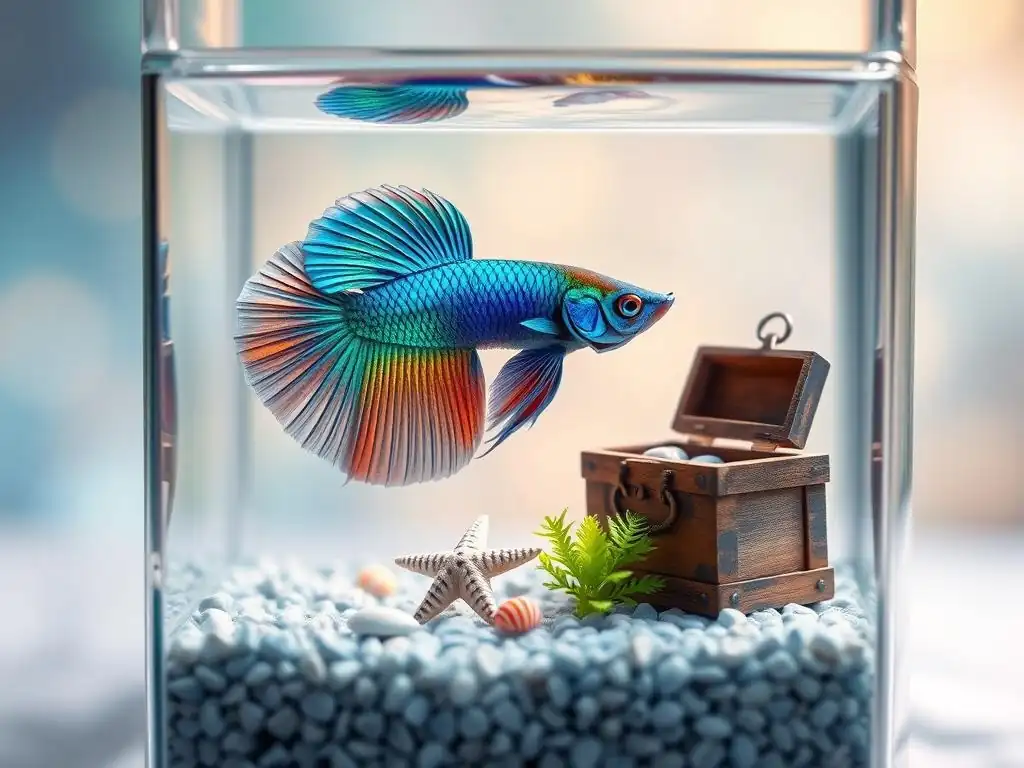
The Tetra ColorFusion Aquarium Kit is specifically designed with visual appeal and ease of use in mind, making it a highly popular kids aquarium starter kit. This kit typically includes a durable acrylic tank, often available in sizes like 1.5 or 3 gallons, though larger options exist.
Its standout feature is the vibrant color-changing LED lighting system, which allows children to cycle through various hues or select a favorite, adding an exciting dynamic to the tank's appearance. The kit also comes with a Whisper internal filter, known for its quiet operation and effective mechanical and chemical filtration, ensuring clean water for the inhabitants.
Setting up the Tetra ColorFusion is remarkably straightforward, usually requiring less than 15 minutes for the initial assembly of the tank and filter components. The instructions are typically pictorial and easy for even young children (with adult supervision) to follow. Essential items like a small sample of Tetra food and water conditioner are often included, providing everything needed to begin the aquarium journey immediately after purchasing fish and decorations.
Why the Tetra ColorFusion is Great for Young Children: Durability and Visual Appeal
The primary reasons the Tetra ColorFusion excels as a beginner aquarium for kids are its robust construction and captivating aesthetics. The acrylic tank material is inherently more resistant to impact than glass, significantly reducing the risk of breakage if the tank is accidentally bumped or a toy collides with it. This durability provides peace of mind for parents and allows children to interact more freely around their new pet.
Furthermore, the interactive LED lighting system is a major draw for young children. The ability to change colors transforms the aquarium into a dynamic centerpiece, holding their attention and sparking their imagination. This visual engagement helps foster an early connection with their aquatic pets and the world of fishkeeping, making the learning process more enjoyable and memorable. It effectively combines safety, simplicity, and sensory appeal, making it an ideal first children's fish tank kit.
2. Fluval Flex Aquarium Kit: A Sleek and Modern Design
Fluval Flex Features: Integrated Filtration and Powerful Lighting
The Fluval Flex Aquarium Kit represents a more sophisticated yet still accessible kids aquarium starter kit, particularly suited for older children or those with a budding interest in design. Available in sizes such as 9, 15, and 34 gallons, the Flex series is distinguished by its curved front design and a powerful, multi-stage filtration system cleverly hidden at the back of the tank. This integrated system includes mechanical (foam), chemical (carbon), and biological (BioMax) media, providing comprehensive water purification without visible clutter.
The lighting system is another highlight, featuring a powerful 7500K LED lamp that offers full spectrum illumination and a variety of color options, controlled via a remote. This allows for dynamic lighting effects, including a soft moonlight setting. The kit typically includes the tank, lid with integrated lighting, and the advanced filtration system, offering a complete and visually appealing package. Its thoughtful design minimizes external equipment, making for a clean, modern aesthetic.
Why the Fluval Flex Works for Older Kids: More Advanced Features, Still Easy to Maintain
While perhaps a step up from the most basic options, the Fluval Flex is an excellent kids aquarium starter kit for older children due to its blend of advanced features and manageable maintenance. The robust filtration system means less frequent intervention for water quality issues compared to simpler filters, teaching children about the importance of a healthy ecosystem without overwhelming them with complex tasks. The remote-controlled lighting system offers an engaging level of customization, appealing to a child's desire for personalization and control.
Moreover, the larger tank sizes available in the Flex series (e.g., 9 or 15 gallons) provide more stable water parameters and allow for a wider variety of fish species, expanding the educational scope. This encourages older children to research different fish requirements and compatibility, deepening their engagement with the hobby. Despite its sophisticated appearance, the core maintenance tasks remain straightforward, ensuring that the Fluval Flex remains a user-friendly and rewarding experience for the maturing young aquarist.
3. Aqueon NeoGlow LED Aquarium Starter Kit: Budget-Friendly and Fun
Aqueon NeoGlow Features: Customizable LED Lighting and Whisper-Quiet Filter
The Aqueon NeoGlow LED Aquarium Starter Kit is a fantastic entry-level option that combines affordability with engaging features, making it a strong contender for a kids aquarium starter kit. These kits are commonly found in sizes like 5, 10, or 20 gallons, providing suitable volumes for various beginner fish. A key feature is its vibrant, multi-color LED lighting system, which can be set to different static colors or a dynamic color-changing mode, similar to the Tetra ColorFusion but often in larger tank formats. This customizable lighting adds a fun and personalized touch that appeals directly to children.
Included in the kit is an Aqueon QuietFlow power filter, known for its reliable performance and low noise output. This filter effectively removes debris and toxins, maintaining clear and healthy water. The kit typically also includes a heater (for the 10-gallon and larger versions), a fish net, a thermometer, and a sample of fish food and water conditioner, providing a comprehensive package that minimizes additional purchases.
Why the Aqueon NeoGlow is a Great Starter: Simplicity and Affordability
The Aqueon NeoGlow is particularly appealing as a children's fish tank kit because of its straightforward design and accessible price point. The setup process is intuitive, allowing children to participate in assembling their new tank with minimal frustration. The QuietFlow filter system is easy to maintain, with readily available replacement cartridges, simplifying the ongoing care for young aquarists and their parents.
Its affordability makes it an excellent choice for families looking to introduce fishkeeping without a significant initial investment. Despite the budget-friendly price, the NeoGlow doesn't compromise on essential features, offering a reliable filtration system and engaging lighting. This combination of ease of use, comprehensive inclusions, and cost-effectiveness makes the Aqueon NeoGlow an ideal first kids aquarium starter kit, fostering a positive introduction to the hobby without overwhelming new keepers.
4. Pawhut Small Desktop Fish Tank: A Compact and Stylish Choice
Pawhut Desktop Fish Tank Features: Space-Saving Design and Included Accessories
The Pawhut Small Desktop Fish Tank stands out as a highly compact and aesthetically pleasing kids aquarium starter kit, perfect for settings where space is at a premium. Typically ranging from 1 to 2 gallons, these tanks are designed to fit comfortably on a desk, nightstand, or small shelf. Despite its small footprint, the Pawhut often includes essential accessories, making it a convenient all-in-one package. Common inclusions are a small internal filter for basic water circulation and purification, an LED light (sometimes with color-changing capabilities), and often a decorative plant or gravel starter pack.
The design emphasizes sleek lines and a modern appearance, often featuring a clear acrylic body with a minimalist frame. Its self-contained nature means fewer external wires or bulky equipment, contributing to its neat desktop presence. The focus is on providing a functional and visually appealing micro-aquarium experience.
Why the Pawhut is Ideal for Limited Spaces: Easy to Place and Maintain
The primary advantage of the Pawhut Desktop Fish Tank as a kids aquarium starter kit is its unparalleled compactness, making it ideal for bedrooms, dorm rooms, or any area with limited space. Its small size means it's lightweight and easy to move for cleaning or repositioning, a practical consideration for children or busy parents. While smaller tanks require more diligent water quality monitoring due to their limited volume, the Pawhut's simplicity of setup and maintenance helps mitigate this challenge.
Its "plug-and-play" nature means that basic fishkeeping can be introduced without requiring a dedicated large space or complex installation. For children who might only want one or two very small fish (like a single betta or a few small shrimp), the Pawhut offers a charming and manageable entry point into the aquatic world. It serves as an excellent beginner aquarium for kids who are just dipping their toes into the hobby and need a low-commitment, space-efficient option.
5. Back to the Roots Water Garden Fish Tank: An Eco-Friendly Option
Back to the Roots Features: Self-Cleaning Ecosystem and Organic Seeds
The Back to the Roots Water Garden Fish Tank offers a truly unique and educational approach to a kids aquarium starter kit, integrating aquaponics into a desktop setup. This innovative system typically comes in a 3-gallon size and functions as a symbiotic ecosystem. Fish waste, rich in nutrients, is pumped up to a grow tray where it fertilizes organic plant pods, such as basil or lettuce. In return, the plants filter the water, returning clean water to the fish tank below. This creates a self-cleaning cycle that significantly reduces the need for frequent water changes.
The kit includes everything needed to start: the tank, pump, grow tray, organic seed packets (e.g., basil, wheatgrass), fish food, and a coupon for a betta fish. It's designed to be a miniature, living science experiment that demonstrates the principles of sustainable agriculture and natural filtration.
Why the Back to the Roots is Educational: Teaches About Symbiosis and Sustainability
The Back to the Roots Water Garden stands out as a highly educational children's fish tank kit because it vividly demonstrates the concept of a closed-loop ecosystem and symbiotic relationships. Children learn firsthand how fish and plants can mutually benefit each other, with the fish providing nutrients and the plants purifying the water. This practical lesson in biology and environmental science is far more impactful than simply reading about it.
Furthermore, it introduces concepts of sustainability and organic gardening. Kids get to witness the entire life cycle, from planting seeds to harvesting edible herbs, all while understanding their connection to the aquatic environment below. It encourages a deeper appreciation for nature's interconnectedness and the possibilities of eco-friendly practices, making it an exceptional choice for a kids aquarium starter kit that emphasizes learning and environmental awareness.
Essential Accessories for Your Kid's First Fish Tank
Aquarium Water Conditioner: Ensuring Safe and Healthy Water
One of the most critical, yet often overlooked, accessories for any kids aquarium starter kit is aquarium water conditioner. Tap water, while safe for human consumption, contains chlorine and chloramines, chemicals added by municipalities to kill bacteria. These chemicals are highly toxic to fish, damaging their gills and potentially leading to death. A quality water conditioner instantly neutralizes these harmful substances, making tap water safe for fish.
It is absolutely essential to use water conditioner every time fresh tap water is added to the tank, whether during the initial setup or during routine water changes. Most conditioners also include ingredients that help reduce fish stress and protect their slime coat, further contributing to their overall health and well-being. Ensuring this simple step is followed consistently is fundamental to the success and longevity of a child's first aquarium.
Fish Food for Beginners: Easy-to-Digest Flakes and Pellets
Choosing the right fish food is vital for the health and vitality of the inhabitants of a children's fish tank kit. For beginner fish species like guppies, mollies, or most community fish, high-quality flake food is generally an excellent starting point. Flakes are easy for small fish to consume, float on the surface for a period before sinking, and are typically formulated to provide a balanced diet. For bettas, small pellets specifically designed for labyrinth fish are often preferred as they float longer and cater to their unique feeding habits.
When selecting food, look for brands that list fish meal, spirulina, or other high-quality protein sources as the primary ingredients. Avoid foods with excessive fillers. It's also important to remember that fish have small stomachs; a good rule of thumb for feeding is to offer only what they can consume within 2-3 minutes, once or twice a day. Overfeeding is a common mistake that can quickly lead to poor water quality and health issues.
Aquarium Decorations: Creating a Fun and Engaging Environment
Decorations play a crucial role in transforming a simple kids aquarium starter kit into a vibrant, engaging, and functional habitat. Beyond aesthetic appeal, decorations provide hiding places and territories for fish, reducing stress and promoting natural behaviors. Children can express their creativity by choosing from a vast array of options, including colorful plastic plants, whimsical ornaments like sunken treasure chests or castles, and natural-looking rocks or driftwood.
When selecting decorations, safety is paramount. Ensure all items are specifically designed for aquarium use and have no sharp edges that could injure fish. Avoid painted items unless they are explicitly labeled as aquarium-safe, as some paints can leach harmful chemicals into the water. Smooth, non-toxic gravel or sand is also essential for the substrate, providing a base for plants and a natural environment. Involving children in the selection of decorations can greatly enhance their ownership and enjoyment of their new aquatic world.
Setting Up Your Kids Aquarium Starter Kit: A Step-by-Step Guide
Preparing the Tank: Cleaning and Placement
The first step in setting up a kids aquarium starter kit is to thoroughly clean the tank and all included components. Use only warm water and a clean, dedicated cloth or sponge – never use soap or detergents, as residues can be highly toxic to fish. Rinse everything thoroughly, including the tank, lid, filter components, and any decorations.
Once clean, decide on the tank's placement. Choose a sturdy, level surface that can support the weight of the filled tank (a 10-gallon tank can weigh over 100 pounds). The location should be away from direct sunlight (to prevent excessive algae growth) and drafts, and ideally near an electrical outlet.
Before placing the tank, ensure the surface is clean and free of any debris that could scratch the tank bottom or create uneven pressure points. If the kit includes a foam leveling mat, place it under the tank. This preparation ensures a safe and stable foundation for the aquatic environment and sets the stage for a healthy home for your child's fish.
Adding Gravel and Decorations: Creating a Natural Habitat
Once the tank is clean and in its final position, it's time to add the substrate and decorations to your children's fish tank kit. First, rinse the aquarium gravel thoroughly under cool running water until the water runs clear. This removes dust and debris that could cloud the tank. Spread the gravel evenly across the bottom, creating a slight slope from back to front for a more natural look and to help debris settle for easier cleaning. A depth of about 1.5 to 2 inches is usually sufficient for most tanks.
Next, carefully arrange the decorations. Place larger items like castles or driftwood first, then position plants around them. Remember to create some hiding spots and open swimming areas for the fish. For live plants, gently bury their roots in the gravel. Once all decorations are in place, you can slowly begin to add dechlorinated water. Placing a small plate or plastic bag on top of the gravel and pouring water onto it can help prevent disturbing the substrate and decorations.
Cycling the Tank: The Most Important Step for Fish Health
Cycling the tank is arguably the most crucial step in setting up a kids aquarium starter kit, yet it's often overlooked. This process establishes a colony of beneficial bacteria in the filter and substrate that are essential for converting toxic fish waste (ammonia) into less harmful substances (nitrite, then nitrate). Without these bacteria, ammonia will quickly build up, poisoning any fish introduced to the tank. The "fishless cycle" method is highly recommended for beginners as it avoids exposing fish to harmful conditions.
To perform a fishless cycle, you'll need to add a small amount of ammonia source (e.g., pure ammonia solution or a small pinch of fish food) to the tank daily for several weeks. Use an aquarium test kit to monitor ammonia, nitrite, and nitrate levels. Ammonia and nitrite will spike and then gradually drop to zero as the beneficial bacteria colonize. Once both ammonia and nitrite consistently read zero, and nitrates are present, the tank is cycled and safe for fish. This process typically takes 3-6 weeks, requiring patience but ensuring a healthy environment from day one.
Introducing Your First Fish: Choosing Beginner-Friendly Species
After successfully cycling your kids aquarium starter kit, it's finally time for the exciting step of introducing fish! It's crucial to choose hardy, beginner-friendly species that are well-suited to the tank size and water parameters. Good choices for smaller tanks (5-10 gallons) often include a single Betta fish (Siamese fighting fish), a small group of Guppies, or a few Endler's Livebearers. For larger tanks (10 gallons+), options like Platy fish, Swordtails, or small schooling fish like Neon Tetras (in groups of 6 or more) can be considered.
When bringing new fish home, acclimate them slowly to the tank's water to minimize stress. Float the sealed bag in the tank for about 15-20 minutes to equalize temperature. Then, open the bag and slowly add small amounts of tank water into the bag over another 15-20 minutes, gradually mixing the waters. Finally, use a net to transfer the fish into the tank, discarding the bag water (do not pour it into the tank). This gradual acclimation significantly improves their chances of thriving in their new home.
Maintaining a Healthy Aquarium: Tips for Young Fish Keepers
Regular Water Changes: Keeping the Water Clean and Clear
Regular water changes are the single most important maintenance task for any kids aquarium starter kit, crucial for maintaining optimal water quality. Even with a good filter, nitrates and other dissolved solids accumulate over time, and these can become harmful to fish at high concentrations. For most beginner tanks, a weekly partial water change of 25-30% of the tank's volume is recommended. This involves siphoning out the old water (which also helps remove debris from the gravel) and replacing it with fresh, dechlorinated tap water.
Involving children in this process, such as helping measure the water or operate a gravel vacuum (with supervision), reinforces their understanding of tank hygiene. A small, dedicated bucket for aquarium water and a siphon hose make the task simple and mess-free. Consistent water changes prevent many common fish health issues and keep the water sparkling clean, making the aquarium a joy to observe.
Feeding Your Fish: Avoiding Overfeeding and Choosing the Right Food
Proper feeding is key to the health of fish in a children's fish tank kit, and avoiding overfeeding is paramount. It's a common mistake for enthusiastic young aquarists to give too much food, thinking they are being kind. However, uneaten food quickly decays, leading to a dangerous spike in ammonia and nitrite, clouding the water, and promoting algae growth. As a general rule, feed your fish only what they can consume entirely within 2-3 minutes, once or twice a day.
For most beginner fish, high-quality flake or small pellet food is suitable. It's beneficial to vary their diet occasionally with freeze-dried bloodworms or brine shrimp as a treat. Teach children to use a small pinch or a designated measuring spoon to prevent overfeeding. This simple discipline not only keeps the tank cleaner but also ensures the fish receive the right amount of nutrition without polluting their environment.
Monitoring Water Parameters: Using Test Strips to Ensure Water Quality
While regular water changes are fundamental, monitoring water parameters with an aquarium test kit provides crucial insights into the health of your kids aquarium starter kit. For beginners, liquid test kits offer the most accurate results, but convenient test strips are a good starting point for children (with adult interpretation). Key parameters to monitor include:
- Ammonia: Should always be 0 ppm (parts per million).
- Nitrite: Should always be 0 ppm.
- Nitrate: Should be kept below 20 ppm through regular water changes.
- pH: The acidity or alkalinity of the water; most beginner fish prefer a neutral pH (around 6.5-7.5).
- Temperature: Should be stable within the fish's preferred range.
Regularly testing the water, perhaps once a week, helps identify potential problems before they become serious. If ammonia or nitrite levels are detected, it indicates an issue with the beneficial bacteria colony or overfeeding, prompting immediate corrective action like a larger water change. Teaching children to use these strips fosters a deeper understanding of water chemistry and empowers them to be proactive stewards of their aquatic environment.
Troubleshooting Common Aquarium Problems: A Simple Guide for Kids and Parents
Cloudy Water: Identifying the Cause and Finding Solutions
Cloudy water is one of the most frequent issues encountered in a kids aquarium starter kit, and it can be unsettling. The cloudiness typically indicates an imbalance in the tank's ecosystem.
- New Tank Syndrome: In a newly set up tank that hasn't fully cycled, a bacterial bloom often causes milky white cloudiness as beneficial bacteria rapidly multiply to process ammonia.
- Overfeeding: Excess uneaten food decays, leading to bacterial growth and cloudiness.
- Overstocking: Too many fish produce more waste than the filter or beneficial bacteria can handle.
- Dirty Filter: A clogged or dirty filter can't effectively remove particulate matter, leading to hazy water.
To resolve cloudy water, first, test the water parameters for ammonia, nitrite, and nitrate. If ammonia or nitrite are present, perform a 25-50% water change immediately. Reduce feeding, ensuring fish consume all food within a few minutes. Check and clean the filter if it appears clogged. Avoid adding chemical clarifiers, as they often just clump particles together and can stress fish. Patience is key; with proper maintenance and time, the water clarity will usually return.
Algae Growth: Preventing and Controlling Algae Blooms
Algae growth is another common, albeit usually harmless, issue in a children's fish tank kit. While a small amount of green algae is natural and even beneficial, excessive growth can be unsightly and indicate an imbalance.
- Too Much Light: The most common cause is excessive light exposure, either from direct sunlight or leaving the aquarium lights on for too long (more than 8-10 hours a day).
- Excess Nutrients: High levels of nitrates or phosphates (from overfeeding or infrequent water changes) provide fuel for algae.
To prevent and control algae, start by reducing the amount of light the tank receives. Use a timer for the aquarium lights to ensure they are on for a consistent duration, typically 8 hours a day. Increase the frequency or volume of water changes to reduce nutrient levels. Avoid overfeeding, and consider adding a few algae-eating snails (like Nerite snails) or Otocinclus catfish, if the tank size permits and the fish are compatible. Physically scraping algae off the glass during water changes is also effective. Consistency in these practices will keep algae under control.
Sick Fish: Recognizing Symptoms and Seeking Treatment
Observing sick fish in a kids aquarium starter kit can be distressing for children and and parents alike, but recognizing symptoms early can lead to successful treatment. Common signs of illness include:
- Behavioral Changes: Lethargy, hiding more than usual, rapid breathing, rubbing against decorations, or swimming erratically.
- Physical Symptoms: White spots (Ich), clamped fins, frayed fins, bloated belly, sunken belly, fuzzy growths, or discolored patches.
- Loss of Appetite: Refusing food or spitting it out.
If a fish appears sick, the first step is always to test the water parameters (ammonia, nitrite, nitrate, pH, temperature). Poor water quality is often the primary stressor leading to illness. If any parameters are off, perform a partial water change immediately.
If the issue persists or specific symptoms like white spots (Ich) are present, research the specific disease and consider using an appropriate aquarium-safe medication, following dosage instructions carefully. Quarantining sick fish in a separate small tank, if available, can prevent the spread of disease to other inhabitants. Educating children on observation skills helps them become keen guardians of their fish's health.
The Long-Term Benefits of Fishkeeping for Kids: A Lifelong Hobby
Developing Patience, Observation Skills, and a Love for Nature
Beyond the initial excitement, maintaining a kids aquarium starter kit cultivates profound long-term benefits in children. The process of cycling a tank, waiting for water parameters to stabilize, and observing fish behaviors teaches invaluable lessons in patience. Unlike instant gratification, fishkeeping requires consistent effort and observation to see positive outcomes. Children learn to notice subtle changes in fish behavior, water clarity, or plant growth, honing their observation skills which are transferable to many aspects of life and learning.
This close interaction with a mini-ecosystem fosters a deep connection to nature and a sense of wonder about the aquatic world. They learn about different species, their habitats, and the delicate balance required for life to thrive. This early exposure often sparks a lifelong curiosity about biology, ecology, and conservation, potentially leading to further exploration in scientific fields or simply a lasting appreciation for the natural world.
Creating a Calming and Relaxing Environment
The presence of a well-maintained children's fish tank kit can have a remarkably calming and therapeutic effect on its surroundings. The gentle hum of the filter, the soft gurgle of bubbles, and the graceful, unhurried movements of fish create a tranquil focal point. Many studies suggest that observing fish can reduce stress, lower blood pressure, and improve mood, making it a beneficial addition to a child's bedroom or a family living space.
For children, especially those who might experience anxiety or restlessness, the aquarium can serve as a quiet, meditative escape. It provides a non-demanding source of focus, encouraging moments of quiet reflection and relaxation. This peaceful atmosphere contributes to a child's overall well-being, offering a serene backdrop for homework, reading, or simply unwinding after a busy day.
Continuing the Aquarium Journey: Exploring More Advanced Fishkeeping Techniques
Starting with a simple kids aquarium starter kit can be just the beginning of a fascinating and evolving hobby. As children grow and gain confidence, their interest in fishkeeping can deepen, leading them to explore more advanced techniques and concepts. This might include:
- Upgrading Tank Size: Moving to a larger tank to accommodate more fish or different species.
- Advanced Filtration: Experimenting with canister filters or sumps for superior water quality.
- Live Plants: Delving into the world of live planted aquariums, which involves understanding lighting, CO2 injection, and fertilization.
- Breeding Fish: Attempting to breed certain fish species, which teaches about reproductive cycles and genetics.
- Specific Biotopes: Creating an aquarium that replicates a specific natural habitat (e.g., an Amazonian blackwater biotope or an African cichlid lake).
The initial beginner aquarium for kids provides a solid foundation, equipping them with the knowledge and skills to tackle these more complex aspects of the hobby. It transforms a simple pet into a dynamic, lifelong pursuit that continuously offers new challenges, learning opportunities, and endless fascination, truly sparking a lifelong passion.
Frequently Asked Questions
What makes a good Kids Aquarium Starter Kit?
A good kit should be easy to set up and maintain, using safe materials suitable for children. It should also include comprehensive instructions that are simple for kids to understand and follow.
What size aquarium is best for a Kids Aquarium Starter Kit?
Smaller aquariums, typically 5-10 gallons, are ideal as they are easier to manage and less daunting for beginners. They also fit well in children's rooms without taking up too much space.
What types of fish are recommended for a Kids Aquarium Starter Kit?
Choose hardy, low-maintenance fish like Betta (Siamese Fighting Fish), White Cloud Mountain Minnows, or small Tetras. These fish are generally easy to care for and visually appealing.
How often should I clean a Kids Aquarium Starter Kit?
Regular partial water changes (around 25%) are recommended every 1-2 weeks to maintain water quality. This helps remove accumulated waste and keeps the fish healthy.
What are some common mistakes to avoid with a Kids Aquarium Starter Kit?
Avoid overfeeding the fish, overcrowding the tank, and neglecting water changes. Always research the specific needs of the fish you choose to ensure they thrive in their new home.
Final Reflection: Cultivating Wonder Through Aquatic Worlds
The journey into aquarium keeping, as we've explored, is more than just setting up a tank; it's about igniting a lifelong passion for the natural world in young minds. In a world increasingly dominated by screens, the tangible experience of caring for a miniature ecosystem offers a powerful antidote, fostering responsibility, observation skills, and a deep appreciation for biodiversity.
This exploration has deeply resonated with me, reminding me of the profound impact even a small connection with nature can have on a child's development. The joy of witnessing a tiny fish explore its new home, the wonder of watching plants grow, these are experiences that stay with us. As Jacques Cousteau so eloquently stated: People protect what they love.
And what better way to foster protection than through love and understanding, nurtured by the simple act of setting up a kids aquarium starter kit?
Now, as you consider the possibilities presented in this article, I invite you to reflect on the potential for growth and discovery that lies within each carefully chosen stone and plant. Consider the ripple effect of introducing a child to the captivating world beneath the surface. Dare to spark that lifelong passion. The ocean, and all its wonders, awaits.
Ignite Your Child's Aquatic Adventure!
Thank you for diving into the world of aquariums with us! We hope you've found the perfect starter kit to spark your child's interest in marine life. Now, let's take the plunge and turn that knowledge into action!
Here are a few things you can do next:
- Set up your new aquarium together! This is a fantastic bonding experience and a chance for your child to learn responsibility while having fun.
- Explore local fish stores together to learn about different fish breeds and their care needs. Perhaps even let your child pick out their first fish (with your guidance, of course! ).
- Share your aquarium journey! Post pictures and videos of your child's aquarium adventure on social media using #AquariumMasteryKids. Let's inspire other families to join the fun!
What's the first fish your child is most excited to add to their new aquarium?