
Top 5 Aquarium Heater Fails & How to Prevent Disaster in Your Tank (Troubleshooting)

Welcome to Aquarium Mastery!
Ever felt that creeping dread, wondering if your tank's temperature is really stable? Today, we're diving deep into a critical piece of aquarium equipment: your heater. Before a sudden cold snap spells disaster, discover the Top 5 Aquarium Heater Fails & How to Prevent Disaster in Your Tank. Intrigued? Let's troubleshoot these common problems before they cost you precious aquatic life!
- Understanding Aquarium Heater Failure: A Guide for Fish Keepers
-
Top 5 Common Aquarium Heater Problems and Solutions
- 1. Heater Not Heating: Diagnosing and Fixing a Cold Tank
- 2. Overheating: Preventing Cooked Fish and a Tank Meltdown
- 3. Heater Stuck On: Addressing Runaway Heating Issues
- 4. Inaccurate Temperature Readings: Calibrating and Monitoring Your Heater
- 5. Physical Damage: Cracks, Breaks, and Submersible Issues
- Implementing Aquarium Heater Failure Prevention Strategies
- Advanced Troubleshooting: Beyond the Basics of Aquarium Heater Problems
- Conclusion: Ensuring a Safe and Stable Environment for Your Aquatic Life
- Frequently Asked Questions
- Final Reflection: Safeguarding Aquatic Life
- Shield Your Tank: Prevent Heater Havoc Now!
Understanding Aquarium Heater Failure: A Guide for Fish Keepers
Why Aquarium Heater Malfunctions Are a Serious Threat
Aquarium heater malfunctions pose an immediate and severe threat to the delicate balance of an aquatic ecosystem. Most fish and invertebrates thrive within a very narrow temperature range, often just a few degrees Fahrenheit. For instance, popular tropical fish like Neon Tetras prefer 72-78°F, while Discus fish demand a warmer 82-86°F.
Even a deviation of 3-5°F outside this optimal range can induce significant stress, compromising the immune system and making inhabitants highly susceptible to diseases. Common ailments like Ich (white spot disease), caused by Ichthyophthirius multifiliis, can rapidly proliferate in suboptimal temperatures, leading to widespread mortality if not addressed swiftly.
The consequences of a severe temperature deviation due to a heater failure can be catastrophic. Overheating, where the temperature soars above 90°F, rapidly depletes dissolved oxygen, leading to organ damage, brain death, and mass fatalities within hours, especially in smaller tanks with limited water volume. Conversely, underheating, with temperatures dropping below 70°F for tropical species, slows fish metabolism, impairs digestion, and increases vulnerability to bacterial and fungal infections. These issues are often irreversible once advanced symptoms manifest, underscoring the critical need for robust aquarium heater failure prevention strategies to safeguard aquatic life.
The Importance of Reliable Aquarium Temperature Control
Maintaining a stable and consistent temperature is fundamental to cultivating a thriving and resilient aquatic environment. Temperature directly influences the biological processes within the aquarium, most notably the nitrogen cycle. Beneficial bacteria, such as Nitrosomonas and Nitrobacter, which convert toxic ammonia and nitrite into safer nitrate, function optimally within a specific temperature range, typically 75-85°F. Significant temperature swings can stress or even kill these vital bacterial colonies, leading to dangerous spikes in ammonia and nitrite that can poison fish and invertebrates.
Beyond biological filtration, consistent temperature control promotes the long-term health and natural behaviors of aquarium inhabitants. Stable conditions reduce chronic stress, encourage natural feeding patterns, and support successful breeding for many species. Aquatic plants also benefit, with species like Cryptocoryne thriving in consistent temperatures around 72-80°F, promoting robust growth and overall tank stability. In contrast, an unstable temperature environment leads to chronic stress, stunted growth, and a higher incidence of disease outbreaks. Therefore, effective aquarium heater failure prevention is not just about avoiding disaster, but about fostering a consistently healthy and stable home for your aquatic pets.
Top 5 Common Aquarium Heater Problems and Solutions
1. Heater Not Heating: Diagnosing and Fixing a Cold Tank
Checking Power Supply and Connections for Aquarium Heaters
When your aquarium heater fails to heat, the first step in troubleshooting is to check its power supply and connections. Begin by ensuring the heater's plug is fully inserted into a functional electrical outlet. If using a power strip, verify that the strip is switched on and that its circuit breaker hasn't tripped.
A simple test involves plugging a different, known-working appliance into the same outlet or power strip to confirm that power is available. Additionally, inspect the heater's power cord for any visible signs of damage, such as fraying, cuts, or melted spots, which could interrupt the electrical current.
Testing the Aquarium Heater Thermostat Functionality
After confirming the power supply, the next step is to assess the heater's internal thermostat. Most submersible heaters have an indicator light that illuminates when the heating element is active. Adjust the heater's temperature dial to a setting significantly higher than the current tank temperature (e.g., 85°F).
Observe if the indicator light turns on. To conduct a more controlled test, carefully unplug the heater, allow it to cool for 15-20 minutes, then place it in a separate bucket of water with a reliable thermometer. Plug it in and monitor the temperature; if it fails to heat the water or the indicator light never activates, the thermostat or heating element is likely faulty.
When to Replace Your Aquarium Heater
Aquarium heaters, like all electronic components, have a finite lifespan, typically ranging from 2 to 5 years depending on quality and usage. Signs that a heater is nearing the end of its life include erratic heating (temperature fluctuates wildly), the indicator light flickering or not illuminating consistently, visible corrosion on internal components (if the unit is transparent), or the unit feeling excessively hot to the touch even when unplugged for a short period.
Proactive replacement of aging heaters, even if they appear to be functioning, is a crucial component of aquarium heater failure prevention. Waiting for a complete breakdown can lead to dangerous temperature swings and compromise the health of your tank inhabitants.
2. Overheating: Preventing Cooked Fish and a Tank Meltdown
Identifying the Signs of an Overheating Aquarium Heater
An overheating aquarium heater can quickly turn a thriving aquatic environment into a crisis zone. The most immediate sign is a rapid and sustained rise in tank temperature, often exceeding 86-90°F. Fish in an overheated tank will exhibit rapid gill movement, gasping at the surface (due to reduced oxygen solubility in warmer water), lethargy, and sometimes erratic or panicked swimming.
Invertebrates may become inactive or attempt to climb out of the water. Overheating also stresses beneficial bacteria, potentially leading to a crash in the nitrogen cycle and subsequent ammonia spikes, which can further compound the stress on the aquatic inhabitants.
Causes of Aquarium Heater Overheating: A Comprehensive Look
The primary cause of aquarium heater overheating is a faulty internal thermostat, where the contacts weld shut, causing the heating element to remain continuously on. Another common culprit is an oversized heater for the tank volume; for example, a 300-watt heater in a 20-gallon tank is vastly excessive and can quickly raise temperatures beyond safe limits even if functioning correctly.
Improper placement can also contribute: placing a heater directly in a high-flow area can lead to localized hot spots, or conversely, if placed in an area with insufficient water circulation, the heater's internal sensor might not accurately read the overall tank temperature, leading it to overcompensate and overheat the surrounding water.
Implementing Safety Measures: Thermostat Controllers and Redundancy
To prevent catastrophic overheating, implementing robust safety measures is paramount. External digital thermostat controllers, such as the Inkbird ITC-308, are highly recommended. These devices plug into the wall, and the heater plugs into them, with a separate temperature probe placed in the tank.
The controller then provides an independent, precise temperature control, overriding the heater's internal thermostat and acting as a critical safety cutoff. Additionally, consider using redundancy: instead of one large heater, use two smaller heaters that collectively meet the tank's wattage requirements. If one fails "on," the other can be unplugged, or if one fails "off," the remaining heater can still provide some heat, significantly enhancing your aquarium heater failure prevention strategy.
3. Heater Stuck On: Addressing Runaway Heating Issues
Understanding the Risks of a Stuck-On Aquarium Heater
A heater stuck in the "on" position poses an extreme and immediate danger to all aquatic life. In a typical 10-gallon aquarium, a 50-watt heater stuck on can raise the water temperature by several degrees Fahrenheit per hour, potentially reaching lethal levels (e.g., over 90°F) within a few hours. This rapid temperature increase drastically reduces dissolved oxygen levels; for instance, oxygen saturation can drop by 10-15% for every 10°F rise above 70°F.
Such conditions lead to severe physiological stress, organ damage, and ultimately, mass mortality. Furthermore, the extreme heat can decimate beneficial bacterial colonies, causing the entire nitrogen cycle to crash and leading to toxic ammonia and nitrite spikes, compounding the crisis.
Immediate Actions to Take When an Aquarium Heater is Overheating
If you discover your aquarium heater is stuck on and the tank is overheating, immediate action is crucial. First and foremost, unplug the heater without delay. Do not attempt to remove it from the water while it's still plugged in, as this poses an electrical shock hazard and can cause the heater to shatter if exposed to air while hot.
Once unplugged, begin a gradual cooling process: perform small, frequent water changes (e.g., 10-15% every 30-60 minutes) using water that is slightly cooler than the current tank temperature, but never cold, as rapid temperature drops can shock fish. Simultaneously, increase surface agitation using an air stone or directing filter outflow towards the surface to maximize oxygen exchange, which is vital in warm water. Continuously monitor the temperature with a reliable, external thermometer until it stabilizes within a safe range.
Preventing Future Occurrences: Regular Inspection and Maintenance
Proactive measures are essential for preventing a heater from getting stuck in the "on" position. Conduct monthly visual inspections of your heater for any signs of wear, such as cracks in the glass, discolored plastic, or a constantly illuminated indicator light even when the tank is at the desired temperature. Annually, consider testing the heater's function in a separate, controlled bucket of water to verify its thermostat is cycling correctly.
Furthermore, establish a proactive replacement schedule; many experienced aquarists replace their heaters every 3-5 years, regardless of apparent function, recognizing that internal components degrade over time. This consistent vigilance and scheduled replacement are critical aspects of robust aquarium heater failure prevention.
4. Inaccurate Temperature Readings: Calibrating and Monitoring Your Heater
Why Precise Temperature is Crucial for Aquarium Health
Precise temperature control is not merely a convenience but a cornerstone of aquarium health, as even slight variations can have significant consequences. Many aquatic species have specific temperature requirements; for example, African Cichlids thrive at 78-82°F, while Fancy Goldfish prefer cooler temperatures around 68-74°F. Deviations from these optimal ranges can induce stress, weaken the immune system, and disrupt crucial biological processes like digestion and reproduction.
Moreover, the life cycles of certain pathogens, such as the Ich parasite, are temperature-dependent, and maintaining a precise, elevated temperature (e.g., 86°F for two weeks) can be a key part of their eradication strategy. Inaccurate readings can lead to prolonged exposure to suboptimal conditions, making your tank vulnerable.
Methods for Calibrating Your Aquarium Heater Thermostat
Most standard aquarium heaters do not feature a user-calibratable thermostat in the traditional sense, where you can adjust a precise numerical offset. Instead, "calibration" involves setting the heater's dial to achieve the desired temperature as measured by a reliable external thermometer. Begin by setting your heater to a mid-range temperature (e.g., 76°F). Allow at least 24 hours for the tank temperature to stabilize, as heaters work gradually.
Then, compare the tank's actual temperature using a high-quality external thermometer. Adjust the heater's dial incrementally (e.g., one degree at a time) and wait several hours or a full day for the tank to re-stabilize before re-checking. Repeat this process until your external thermometer consistently reads your target temperature. This iterative adjustment is key to ensuring proper aquarium heater failure prevention through accurate temperature maintenance.
Using External Thermometers for Accurate Temperature Monitoring
Relying solely on your heater's built-in thermometer or dial can be misleading, as these are often less accurate than external devices. To ensure precise temperature monitoring, it is highly recommended to use at least two independent, reliable external thermometers. A good combination might be a digital thermometer with a submersible probe for continuous, accurate readings and a traditional glass stick-on thermometer for cross-referencing.
Place these thermometers at different ends of the tank to identify any potential temperature stratification or "cold spots." Daily checks of these external thermometers are paramount. Consistent monitoring allows you to quickly detect any temperature drift or heater malfunction, serving as an early warning system and a vital aspect of comprehensive aquarium heater failure prevention.
5. Physical Damage: Cracks, Breaks, and Submersible Issues
Inspecting Your Aquarium Heater for Visible Damage
Physical damage to an aquarium heater is a serious hazard that can lead to electrical shock, chemical leakage, or complete failure. Regular visual inspection is crucial. Look for hairline cracks or obvious breaks in the glass tube, especially if the heater has been dropped or bumped. Check the power cord for any signs of fraying, cuts, or insulation degradation.
Examine the plastic caps and seals for any signs of melting, warping, or deterioration, which could compromise the heater's waterproof integrity. Discoloration or internal condensation might also indicate a breach. Any visible damage, no matter how minor, warrants immediate replacement as a critical step in aquarium heater failure prevention.
Safe Handling and Placement of Submersible Heaters
Improper handling and placement are common causes of physical damage to submersible heaters. Crucially, never remove a heater from the water while it is still plugged in or hot. Unplug the heater and allow it to cool for at least 15-30 minutes before handling, as sudden exposure to air when hot can cause glass heaters to shatter.
When placing the heater, ensure it is fully submerged up to the minimum water level line indicated by the manufacturer. Position it horizontally near an area of good water flow (e.g., near the filter output) for even heat distribution, or vertically in a low-flow area if tank dimensions require. Avoid burying heaters in the substrate or placing them directly against the tank glass or decor, which can create hot spots and risk damage.
Choosing Durable and Reliable Aquarium Heater Brands
Investing in durable and reliable aquarium heater brands is a proactive measure in preventing physical damage and ensuring long-term performance. Reputable brands known for their quality and safety include Eheim Jager, Fluval M-Series, Aqueon Pro, and Cobalt Aquatics Neo-Therm. When selecting a heater, look for models with safety features such as shatter-resistant quartz glass, titanium heating elements (which are virtually unbreakable and corrosion-resistant, ideal for saltwater), or non-glass designs.
Many quality heaters also feature automatic shut-off mechanisms if they are accidentally exposed to air. Researching user reviews and checking for product recalls can further inform your decision, helping you select a robust unit that contributes significantly to aquarium heater failure prevention.
Implementing Aquarium Heater Failure Prevention Strategies
Regular Aquarium Heater Maintenance Checklist
Proactive maintenance is paramount for extending the lifespan of your aquarium heater and ensuring consistent performance. Follow this checklist as a cornerstone of your aquarium heater failure prevention plan:
- [ ] Daily: Check the tank temperature using an independent, external thermometer to quickly detect any deviations.
- [ ] Weekly: Visually inspect the heater for any signs of physical damage, such as cracks, frayed cords, or discoloration.
- [ ] Monthly: Unplug the heater (and allow it to cool for 15-30 minutes) then gently remove it to clean any accumulated algae, mineral deposits, or detritus from its surface. These buildups can act as insulation, making the heater work harder and less efficiently, potentially leading to premature failure.
- [ ] Quarterly: Conduct a functional test by placing the heater in a separate bucket of water with a thermometer to verify it heats accurately and cycles on/off as expected.
- [ ] Annually/Biennially: Consider proactive replacement of older heaters (e.g., those 3-5 years in service), even if they appear functional, as internal components degrade over time.
This consistent routine is vital because even a slight film of algae or mineral deposits can reduce a heater's efficiency by 10-15%, forcing it to operate at higher internal temperatures and accelerating component degradation. Regular cleaning ensures optimal heat transfer and reduces unnecessary strain on the heating element and thermostat.
Selecting the Right Size and Type of Heater for Your Aquarium
Choosing the correct size and type of heater is a fundamental step in effective aquarium heater failure prevention. A common guideline is to use 3-5 watts per gallon of tank volume for a typical room temperature environment (around 70°F ambient). For example, a 20-gallon tank typically requires a 60-100 watt heater, while a 55-gallon tank might need 165-275 watts.
If your room is significantly cooler or you maintain fish requiring higher temperatures (e.g., Discus at 84°F), err on the side of slightly higher wattage. However, avoid excessively oversizing, as this increases the risk of rapid overheating if the thermostat malfunctions.
Beyond wattage, consider the heater type and material. Submersible heaters are the most common and efficient, allowing for full immersion and even heat distribution. Hang-on-back heaters are an option for smaller tanks but offer less precise control.
In-line heaters, integrated into canister filter plumbing, provide excellent aesthetics and even heating. Material choices include traditional glass (affordable but fragile), titanium (highly durable, corrosion-resistant, ideal for saltwater), and shatter-proof plastic/composite designs (safer but sometimes less efficient). Proper sizing and material selection minimize strain on the heater and reduce the likelihood of premature failure, forming a strong foundation for aquarium heater failure prevention.
The Role of Redundancy: Using Multiple Heaters for Safety
Implementing redundancy by using multiple smaller heaters instead of one large one is a highly effective strategy for aquarium heater failure prevention. For instance, if a 100-gallon tank requires 300 watts of heating, opt for two 150-watt heaters rather than a single 300-watt unit. This approach offers significant advantages in mitigating the impact of a heater malfunction.
If one heater fails "on," the temperature rise will be less severe and slower, allowing more time for intervention. If one fails "off," the other heater can continue to provide some heat, preventing a catastrophic temperature crash and giving you time to replace the faulty unit.
This strategy also offers improved heat distribution, especially in longer or larger tanks, reducing the likelihood of "cold spots" that can stress fish. With two heaters, you also gain increased reliability; should one unit unexpectedly cease functioning, the secondary heater acts as an immediate backup, maintaining critical temperature stability. This dual-heater setup provides an invaluable layer of protection against single points of failure, making it a cornerstone of comprehensive aquarium heater failure prevention for serious aquarists.
Advanced Troubleshooting: Beyond the Basics of Aquarium Heater Problems
Using a Digital Thermostat Controller for Precise Temperature Management
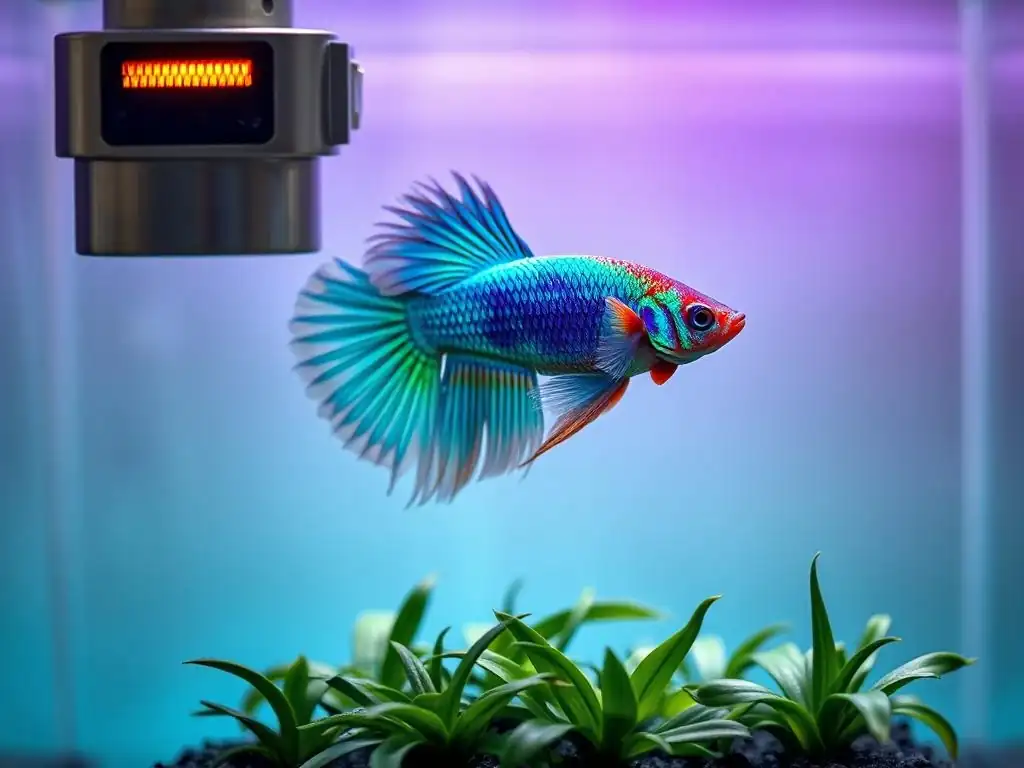
For aquarists seeking unparalleled precision and enhanced safety, a digital thermostat controller is an indispensable tool. Devices like the Inkbird ITC-308 act as an independent safeguard, plugging into your wall outlet with your heater then plugging into the controller. A separate temperature probe from the controller is placed in the aquarium, providing real-time, highly accurate temperature readings.
The controller's own thermostat then precisely regulates power to the heater, overriding the heater's often less accurate internal thermostat. This setup provides a crucial layer of aquarium heater failure prevention, as the controller can cut power if the temperature exceeds a set high limit, preventing overheating even if the heater's internal thermostat fails.
Beyond safety, these controllers offer advanced features for optimal temperature management. Many models feature dual outlets, allowing control of both heating and cooling devices (e.g., a heater and a chiller). They often include programmable temperature differentials, allowing you to set a precise range (e.g., turn heater on at 77.5°F, off at 78.5°F) for minimal temperature fluctuations. Audible alarms for out-of-range temperatures provide immediate notification of a problem. These robust control systems are particularly valuable for sensitive setups like reef tanks, planted aquariums, or breeding projects, where even minor temperature shifts can have significant adverse effects.
Understanding Heater Compatibility with Different Aquarium Types (Freshwater vs. Saltwater)
While many aquarium heaters are marketed as suitable for both freshwater and saltwater applications, understanding specific compatibility is crucial for long-term performance and safety, especially in marine environments. Saltwater's corrosive nature can accelerate the degradation of internal components and external seals, making high-quality construction paramount. For saltwater tanks, heaters made of titanium are highly recommended due to their superior corrosion resistance and durability; they are virtually unbreakable and impervious to salt creep. High-quality shatter-resistant quartz glass heaters are also suitable if specifically designed for marine use, featuring robust seals and thicker glass.
In saltwater tanks, the buildup of calcium deposits (such as coralline algae or aragonite precipitates) on the heater surface can occur more rapidly than in freshwater. These deposits act as insulation, reducing the heater's efficiency and potentially causing it to run hotter internally, accelerating wear. Therefore, regular cleaning is even more critical in marine setups. Selecting marine-grade heaters and adhering to rigorous maintenance schedules are essential components of comprehensive aquarium heater failure prevention in saltwater environments, ensuring the heater can withstand the unique challenges posed by salinity and mineral accumulation.
Dealing with Power Outages and Aquarium Heater Performance
Power outages pose a significant threat to aquarium temperature stability, especially for tropical setups. The rate at which tank temperature drops during an outage depends on several factors: room temperature, tank size, and insulation. For instance, a 50-gallon tank in a 65°F room might experience a temperature drop of 1-2°F per hour.
During an outage, avoid opening the tank lid excessively, as this helps to retain heat. While heaters are inactive, maintaining oxygenation is also vital; fish become more susceptible to low oxygen levels in cooler water due to reduced gill function. Battery-powered air pumps are an excellent investment for this purpose.
For prolonged outages, specialized solutions may be necessary. Large, expensive battery backup systems (Uninterruptible Power Supplies or UPS) can power critical equipment like heaters for a limited time. In an emergency, chemical hand warmers (the kind activated by air) can be placed outside the tank, wrapped in a towel, and pressed against the glass to provide temporary, localized heat.
Never place them directly in the water. These are temporary measures, and the primary goal during an outage is to minimize rapid temperature swings and maintain overall stability, indirectly contributing to aquarium heater failure prevention by reducing stress on the aquatic system.
Conclusion: Ensuring a Safe and Stable Environment for Your Aquatic Life
Key Takeaways for Preventing Aquarium Heater Malfunctions
Ensuring the longevity and reliability of your aquarium heater is paramount for the health and safety of your aquatic inhabitants. By adopting a proactive and informed approach, you can significantly mitigate the risks associated with heater malfunctions. The key takeaways for preventing aquarium heater failure include:
- Regular monitoring with an external thermometer is paramount. Do not rely solely on the heater's internal dial.
- Proactive maintenance and cleaning extend heater lifespan. Regularly remove algae and mineral deposits to maintain efficiency.
- Sizing and type selection are crucial for efficiency and safety. Choose a heater wattage appropriate for your tank volume and consider material suitable for your water type (e.g., titanium for saltwater).
- Redundancy (using multiple heaters) significantly enhances safety. This minimizes the impact of a single unit failing.
- External thermostat controllers offer superior precision and protection. They provide an independent safety cutoff and more accurate temperature regulation.
- Choose durable, reputable brands, especially for saltwater. Invest in quality to reduce the likelihood of premature failure.
Resources for Further Learning About Aquarium Heater Maintenance and Safety
To deepen your understanding and enhance your aquarium heater failure prevention strategies, consider exploring additional resources. Reputable aquarium forums and specialized aquatic websites offer extensive product reviews for various heater brands and external controllers, providing insights into real-world performance and common issues. Many online communities also feature detailed video guides on routine maintenance, proper placement, and troubleshooting specific heater models, offering visual instructions that can be incredibly helpful.
Furthermore, engaging with online aquarium communities or joining a local fish club can provide invaluable, real-world advice and shared experiences. Experienced aquarists often have practical tips on equipment longevity and innovative solutions for common challenges, including advanced strategies for aquarium heater failure prevention. Leveraging this collective knowledge can help you make informed decisions and maintain a stable, thriving environment for your aquatic life.
Frequently Asked Questions
What are the most common causes of aquarium heater failure?
The most frequent causes involve electrical malfunctions, thermostat issues, and physical damage to the heater itself. These can lead to overheating or complete failure to heat.
How can I prevent my aquarium heater from overheating?
Regularly monitor your tank's water temperature with a separate thermometer and ensure the heater is properly sized for your aquarium. Consider using a temperature controller as a backup.
What are some signs that my aquarium heater is failing?
Look for signs such as inconsistent water temperatures, the heater staying on constantly (even when the tank is warm), or the heater not turning on at all. Observe your fish behavior for indications of stress due to temperature changes.
How often should I replace my aquarium heater?
While a heater may last for several years, it's best practice to replace your heater every 1-2 years as a preventative measure. This reduces the risk of unexpected heater failure.
What should I do if my aquarium heater fails?
Immediately replace the malfunctioning heater with a spare. Test your water parameters to ensure they are stable and monitor your fish for signs of stress. This will help prevent further damage to your tank's ecosystem.
Final Reflection: Safeguarding Aquatic Life
The potential for aquarium heater failure is a stark reminder of our responsibility as caretakers of delicate ecosystems. As we've explored the top five heater fails and preventative measures, it's clear that vigilance and proactive maintenance are not merely suggestions, but essential components of ethical fishkeeping. The health and well-being of our aquatic companions depend on our commitment to understanding and mitigating these risks.
This topic resonates deeply because it underscores the interconnectedness of our actions and the lives we influence. The fragility of an aquarium environment highlights the broader responsibility we have to protect all ecosystems, both large and small. The greatness of a nation and its moral progress can be judged by the way its animals are treated.
- Mahatma Gandhi. This quote, while often applied to larger animals, holds equal weight when considering the lives within our glass walls.
Now, consider the lessons learned. Reflect on your own aquarium setup and the steps you can take to ensure its stability and safety. Don't wait for a near-disaster to prompt action. Embrace a proactive approach to aquarium heater failure prevention, and in doing so, become a more responsible and compassionate aquarist. Your dedication will not only protect your fish but also contribute to a greater understanding of the delicate balance of life.
Shield Your Tank: Prevent Heater Havoc Now!
Thank you for diving into our heater troubleshooting guide. We hope you’ve gained valuable insights into keeping your aquarium at the perfect temperature and avoiding common pitfalls. Ready to safeguard your underwater world?
Here’s how to take immediate action:
- Inspect your heater today. Look for any signs of damage: cracks, swelling, or corrosion. A quick visual check can prevent a future catastrophe!
- Share your tank’s temperature success story or heater horror story in the comments. Your experience can help others!
- Explore our other articles on aquarium maintenance for more tips on a thriving aquatic ecosystem.
What’s one simple step you'll take this week to ensure your aquarium heater is functioning flawlessly?