
Choosing Healthy Dwarf Gouramis: A Buyer's Guide to Spotting the Best

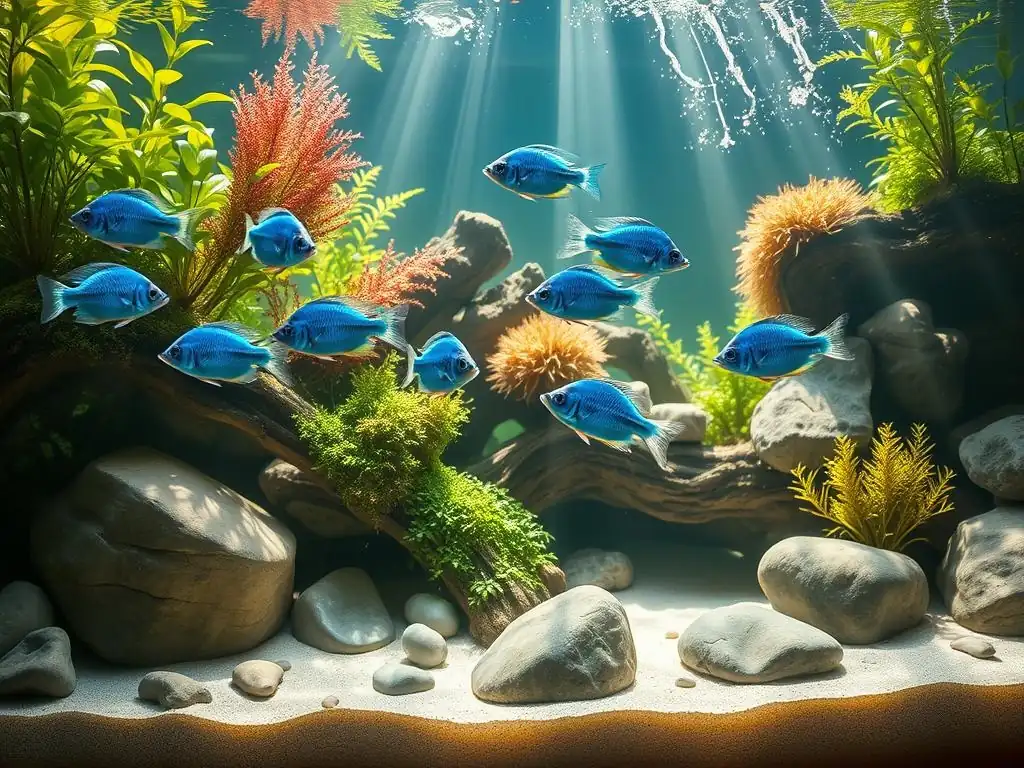
Welcome to Aquarium Mastery! Ever wondered how to ensure your dwarf gourami thrives from the moment you bring it home? Dive in to our comprehensive Healthy Dwarf Gourami Buying Guide and unlock the secrets to selecting the perfect, vibrant addition to your freshwater aquarium. Discover the tell-tale signs of a healthy fish and avoid common pitfalls. Ready to create a happy, healthy underwater world? Let's get started!
- Introduction: Selecting Vibrant & Healthy Dwarf Gouramis for Your Aquarium
- Understanding Dwarf Gourami Health: Key Indicators for Buyers
- A Step-by-Step Dwarf Gourami Buying Guide: Spotting Healthy Fish
- Avoiding Common Mistakes When Buying Dwarf Gouramis
- Post-Purchase Care: Ensuring Your Dwarf Gourami Stays Healthy
- Maintaining a Healthy Environment for Your Dwarf Gourami Long-Term
- Conclusion: Ensuring a Healthy and Happy Life for Your Dwarf Gourami
- Frequently Asked Questions
- Final Reflection: Cultivating a Thriving Aquatic Ecosystem
- Ignite Your Aquarium: Choose the Perfect Gourami!
Introduction: Selecting Vibrant & Healthy Dwarf Gouramis for Your Aquarium
Dwarf gouramis (Trichogaster lalius) are beloved inhabitants of freshwater aquariums, admired for their vibrant colors, distinctive patterns, and relatively peaceful demeanor. Their compact size, typically reaching an adult length of 2 to 3.5 inches (5 to 9 cm), makes them a popular choice for smaller community tanks, including those as compact as 10-gallon setups for a single male. However, the initial health of your dwarf gourami is paramount; starting with a robust specimen significantly reduces the likelihood of future health issues and ensures a more enjoyable fishkeeping experience.
This comprehensive article serves as your ultimate "Healthy dwarf gourami buying guide," designed to equip you with the knowledge and practical steps needed to identify and select the healthiest fish available. We will delve into key indicators of well-being, common pitfalls to avoid, and essential post-purchase care to ensure your new aquatic companion thrives. By following the advice outlined here, you can confidently choose a vibrant dwarf gourami that will flourish in your aquarium for its typical lifespan of 2 to 4 years, sometimes even longer with optimal care.
Understanding Dwarf Gourami Health: Key Indicators for Buyers
What Makes a Healthy Dwarf Gourami? Defining Key Characteristics
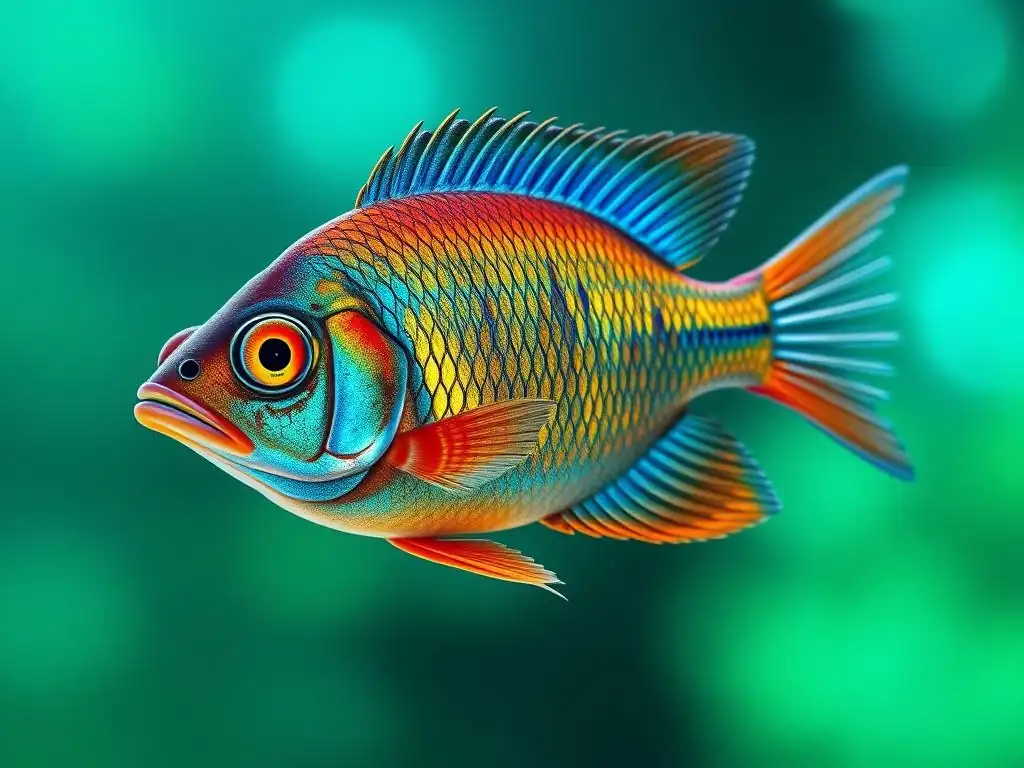
A healthy dwarf gourami is easily distinguishable by a combination of physical attributes and behavioral patterns. Physically, their colors should be vivid and well-defined, characteristic of their specific variety—whether it's the striking red and blue of a Flame Dwarf Gourami, the iridescent blue of a Powder Blue, or the subtle orange of a Honey Gourami.
Their fins, including the dorsal, anal, caudal, and especially the delicate, thread-like pelvic fins, should be fully intact, erect, and free from any tears, fraying, or white edges. Furthermore, their eyes should be clear and bright, not cloudy or sunken, and their body should appear full and well-rounded, without any signs of emaciation or bloating.
Beyond physical appearance, the behavior of a dwarf gourami offers crucial insights into its health. A healthy fish will be actively exploring its environment, showing natural curiosity and confidence. While they might occasionally seek shelter among plants or décor, they should not be constantly hiding or exhibiting extreme timidity. They should swim with purpose, maintaining good buoyancy, and respond readily to external stimuli, such as a hand approaching the tank or the presence of food. Observing these characteristics forms the foundation of any effective "Healthy dwarf gourami buying guide."
Identifying Common Dwarf Gourami Diseases Before You Buy
Before making a purchase, it's critical to be aware of common diseases that frequently affect dwarf gouramis, many of which can be visually identified in a pet store tank. One of the most prevalent is Ich (Ichthyophthirius multifiliis), characterized by small, white, salt-like spots scattered across the fish's body and fins.
Another common issue is Fin Rot, where the edges of the fins appear frayed, ragged, or discolored, often with a milky white or reddish tint, indicating a bacterial infection. Velvet disease (Oodinium) presents as a fine, dusty, gold or rust-colored coating on the fish's skin, often more visible under direct light.
More severe, though sometimes less obvious, conditions include bacterial infections leading to ulcers or open sores on the body, or fungal infections appearing as cotton-like growths. Bloating, particularly when accompanied by "pineconing" scales (scales sticking out from the body), is a strong indicator of Dropsy, a symptom of severe internal organ failure.
While Dwarf Gourami Iridovirus (DGIV) is a highly contagious and often fatal condition that may not show obvious external signs in its early stages, general lethargy, loss of appetite, and darkening of colors in a group of dwarf gouramis can sometimes be subtle indicators. Avoiding fish showing any of these symptoms is a paramount step in any "Healthy dwarf gourami buying guide."
The Importance of Choosing Reputable Dwarf Gourami Sellers
The source of your dwarf gourami plays a significant role in its initial health and long-term well-being. Opting for a reputable seller, whether a specialized aquatic store or a well-regarded local fish shop, drastically increases your chances of acquiring a healthy specimen. Reputable establishments typically maintain high standards of hygiene, ensuring their display tanks are clean, well-filtered, and not overcrowded. They often have knowledgeable staff who can answer questions about the fish's origin, typical behavior, and specific care requirements, and may even practice a quarantine period for new arrivals before selling them.
Conversely, purchasing from establishments with poor husbandry practices, such as tanks with dead fish, cloudy water, excessive algae, or fish showing clear signs of disease, is highly risky. These environments are breeding grounds for pathogens, and even seemingly healthy fish from such tanks are likely stressed and carrying latent diseases that will manifest once introduced to your home aquarium. A responsible seller will also have a fair return policy for sick fish, demonstrating their confidence in the health of their livestock. Prioritizing a trusted source is a cornerstone of a successful "Healthy dwarf gourami buying guide."
A Step-by-Step Dwarf Gourami Buying Guide: Spotting Healthy Fish
Step 1: Observing Physical Appearance - Signs of a Healthy Dwarf Gourami
Checking the Fins: Looking for Tears, Rot, and Clamped Fins in Dwarf Gouramis
When observing dwarf gouramis, pay close attention to their fins. Healthy fins should be fully extended, symmetrical, and free from any nips, tears, or fraying. The delicate, thread-like pelvic fins, which dwarf gouramis use for exploration and sensing their environment, should be intact and actively moving. Fin Rot, a common bacterial infection, manifests as ragged, tattered edges on the fins, often with a white or reddish discoloration, and indicates poor water quality or stress.
Another critical indicator is "clamped fins," where the fish holds its fins tightly against its body rather than extending them. This is a classic sign of severe stress, discomfort, or illness. A healthy dwarf gourami will typically have its dorsal and anal fins moderately extended, especially when actively swimming or interacting. Avoid any fish exhibiting clamped fins, as it almost invariably points to an underlying health issue that could be difficult to resolve.
Examining the Body: Identifying Sores, Ulcers, and Abnormal Swelling
Thoroughly inspect the dwarf gourami's entire body for any abnormalities. The skin should be smooth, without any visible lumps, bumps, or fuzzy growths. Look closely for open sores, red spots, or ulcers, which are clear signs of bacterial infections. These lesions can range from small discolored patches to deep, crater-like wounds, and indicate a compromised immune system or a highly pathogenic environment.
Abnormal swelling is another serious red flag. General bloating, especially if accompanied by scales that stick out like a pinecone, is indicative of Dropsy, a condition usually linked to severe internal organ failure and often fatal. While a slightly rounded belly might be normal after feeding, persistent or excessive swelling, particularly in the abdomen, warrants immediate concern. A "Healthy dwarf gourami buying guide" stresses that any such physical deformities are grounds to pass on the fish.
Assessing Coloration: Vibrant Colors vs. Dullness in Dwarf Gourami Health
The coloration of a dwarf gourami is a strong visual cue of its health and stress levels. Healthy dwarf gouramis, regardless of their specific variety, should display bright, vibrant, and well-saturated colors that are characteristic of their species. For instance, a healthy Male Flame Dwarf Gourami will exhibit intense red and blue stripes, while a Powder Blue will have a deep, uniform blue hue. These colors should be consistent across the body, without patchy fading.
Conversely, dull, faded, or washed-out colors are often a primary sign of stress, illness, or poor water conditions. A fish that is significantly paler than others of the same species in the tank is likely unwell or highly stressed. While some temporary color dulling can occur during transport or initial acclimation, persistent pallor in a display tank suggests a chronic issue. This observation is a quick and effective way to assess overall vitality in any "Healthy dwarf gourami buying guide."
Step 2: Assessing Behavior - Recognizing Healthy Dwarf Gourami Activity
Active Swimming vs. Lethargy: Understanding Normal Dwarf Gourami Behavior
A healthy dwarf gourami is typically active and curious. They will be seen exploring all levels of the tank, occasionally darting into cover but quickly re-emerging. Their swimming should be smooth and controlled, without any erratic movements, shimmying, or struggle to maintain buoyancy. They should be able to swim against the filter current without being visibly stressed, and their gill movements should be regular and unlabored.
Lethargy, on the other hand, is a clear warning sign. A dwarf gourami that consistently hovers motionless at the bottom of the tank, hides excessively, or floats listlessly near the surface or in a corner, is very likely unwell. Similarly, erratic swimming, darting uncontrollably, rubbing against tank decorations, or constantly gasping at the surface (despite adequate oxygenation) indicates severe distress or parasitic infestation. Observing these behavioral cues is a critical part of a "Healthy dwarf gourami buying guide."
Appetite and Feeding Habits: Ensuring Healthy Dwarf Gouramis are Eating Well
If possible, observe the fish during feeding time. A healthy dwarf gourami should display a keen interest in food and readily consume flakes, pellets, or frozen foods offered by the store staff. They should swim purposefully towards the food and eat without hesitation. A strong appetite indicates a robust digestive system and overall good health.
Conversely, a lack of interest in food, spitting out food, or a refusal to eat altogether are significant indicators of illness. A fish that appears emaciated with a sunken belly, despite being in a tank where others are eating, is likely suffering from internal parasites or a severe bacterial infection. While you might not always be able to witness feeding, if you do, it provides invaluable insight into the fish's immediate well-being.
Social Interactions: Observing How Dwarf Gouramis Interact with Tank Mates
Dwarf gouramis can exhibit varying levels of social behavior. While male dwarf gouramis can be territorial with each other, they are generally peaceful towards other species. Observe how your chosen dwarf gourami interacts with its tank mates. A healthy fish will typically hold its own, potentially establishing a small territory, but without excessive aggression or constant bullying.
Conversely, a fish that is constantly being chased, bullied, or appears extremely timid and stressed by its tank mates may be suffering from chronic stress, which compromises its immune system. Similarly, a dwarf gourami that is overly aggressive towards all other fish, even those that are not rivals, might be exhibiting unusual stress behaviors or could be a particularly dominant individual that might not suit a community tank. A balanced social interaction is key to a "Healthy dwarf gourami buying guide."
Step 3: Inspecting the Tank Environment - Evaluating Water Quality and Tank Mates
Assessing Water Clarity and Cleanliness in the Seller's Tank
The condition of the display tank itself provides significant clues about the health of the fish within. The water should be crystal clear, free from cloudiness, debris, or a strong unpleasant odor. Cloudy water often indicates a bacterial bloom, poor filtration, or overfeeding, all of which contribute to high levels of ammonia, nitrite, or nitrate – parameters highly detrimental to fish health.
Furthermore, inspect the tank for general cleanliness. Excessive uneaten food on the substrate, heavy algae growth on the glass, or visible detritus can all point to neglect and poor maintenance practices. The presence of dead fish in the tank is an absolute red flag, indicating a severe underlying problem that could affect all remaining inhabitants. A clean, well-maintained tank is a strong indicator that the fish are living in a healthy environment.
Observing Tank Mates: Identifying Potential Disease Carriers or Aggressors
Even if the specific dwarf gourami you are eyeing looks healthy, take a moment to observe its tank mates. Are other fish in the same tank displaying signs of illness, such as Ich spots, clamped fins, gasping, or visible lesions? If so, even a seemingly healthy fish may be incubating the same disease, which could manifest after you bring it home. Pathogens can spread rapidly in a closed system, and a shared water column means shared risks.
Additionally, assess the compatibility of the tank mates. Are there large, aggressive species housed with the dwarf gouramis that could be causing stress or physical harm (e.g., fin nipping)? Chronic stress from incompatible tank mates weakens a fish's immune system, making it more susceptible to disease. Choosing a fish from a well-matched community tank is a crucial aspect of a "Healthy dwarf gourami buying guide."
Questioning the Seller: Gathering Information About the Dwarf Gouramis' History and Care
A reputable seller will be transparent and knowledgeable about their livestock. Don't hesitate to ask questions about the dwarf gouramis you're interested in. Inquire about their origin (e.g., wild-caught vs. tank-bred, specific breeder), how long they have been in the store's tanks (a fish that has been in the store for at least 1-2 weeks is often more stable), and what their feeding regimen is.
You should also ask about the store's quarantine procedures for new fish arrivals, their water change schedule for the display tanks, and their policy regarding sick or deceased fish after purchase. A willingness to provide detailed answers and a clear return policy (e.g., 24-48 hours for live fish) are strong indicators of a responsible retailer who stands behind their product. This direct engagement is a vital part of any effective "Healthy dwarf gourami buying guide."
Avoiding Common Mistakes When Buying Dwarf Gouramis
Ignoring Warning Signs: The Dangers of Purchasing a Sickly Dwarf Gourami
One of the most common and costly mistakes hobbyists make is ignoring subtle or even obvious warning signs in a dwarf gourami. It can be tempting to "rescue" a fish that looks slightly off, or to purchase one that is cheaper because it's not in prime condition. However, bringing a sickly fish home is a high-risk gamble. A diseased fish can quickly spread pathogens like Ich, Fin Rot, or bacterial infections to your entire existing aquarium, potentially wiping out your established fish population.
The financial and emotional toll of treating a widespread disease outbreak far outweighs any initial savings from a discounted, unhealthy fish. Treatments can be expensive, time-consuming, and stressful for both the fish and the owner, and success is not guaranteed. A "Healthy dwarf gourami buying guide" unequivocally advises against purchasing any fish that exhibits even minor signs of illness, as the potential consequences for your entire aquatic ecosystem are severe.
Impulsive Purchases: The Importance of Research and Careful Observation
Impulsive buying is another significant pitfall. Walking into a fish store and immediately selecting the first attractive dwarf gourami without prior research or careful observation often leads to regret. Each dwarf gourami variety has specific needs regarding tank size, water parameters, and compatibility. Failing to research these needs beforehand can result in a stressed, unhealthy fish in an unsuitable environment.
Take your time at the store. Ideally, spend at least 15-20 minutes observing the fish you intend to buy, watching its behavior and physical condition. If possible, visit the store at different times of the day or on separate days to observe the fish under varying conditions. Patience and thorough observation are critical components of a successful "Healthy dwarf gourami buying guide," ensuring you make an informed decision rather than an emotional one.
Neglecting Quarantine: Protecting Your Existing Aquarium from Potential Diseases
Even if you meticulously follow every step of this "Healthy dwarf gourami buying guide" and select what appears to be a perfectly healthy fish from a reputable dealer, neglecting quarantine is a critical error. Many diseases, parasites, and bacteria can be present on a fish without showing visible symptoms for days or even weeks. These "latent" infections can explode into a full-blown outbreak once the fish is stressed by moving to a new environment or introduced to new tank mates.
A quarantine tank acts as an isolation ward, allowing you to observe the new dwarf gourami for 2-4 weeks in a separate environment. During this period, any hidden diseases are likely to manifest, allowing you to treat them without risking your main display tank. This simple, proactive step is arguably the most important safeguard against introducing pathogens and is an indispensable part of responsible fishkeeping.
Post-Purchase Care: Ensuring Your Dwarf Gourami Stays Healthy
Quarantine Procedures: Setting Up a Quarantine Tank for New Dwarf Gouramis
Upon bringing your new dwarf gourami home, the first crucial step is to place it in a dedicated quarantine tank. This tank doesn't need to be elaborate; a 5 to 10-gallon aquarium is usually sufficient for a single dwarf gourami. It should be equipped with a reliable heater to maintain a stable temperature between 77-82°F (25-28°C), a small sponge filter or hang-on-back filter for biological filtration, and a few hiding spots like PVC pipes or plastic plants to reduce stress. Substrate is often omitted for easier cleaning and observation.
The dwarf gourami should remain in this quarantine tank for a minimum of 2 to 4 weeks. This period allows sufficient time for common diseases, such as Ich (which often appears within 7-10 days of stress), to manifest. Regular small water changes (e.g., 25% every few days) should be performed, and the water parameters monitored closely. If any signs of illness appear, you can then treat the fish in isolation without exposing your main tank to medication or potential pathogens.
Monitoring for Disease: Observing Your New Gourami for Signs of Illness
During the quarantine period, diligent daily observation of your new dwarf gourami is paramount. Spend time watching its behavior, appetite, and physical appearance. Look for any changes from the healthy characteristics you identified at the store: are its fins still intact and extended? Is its color vibrant? Is it swimming actively and showing interest in food? Pay close attention to subtle changes, such as increased hiding, labored breathing, or scratching against objects.
Specifically, check for white spots (Ich), fuzzy growths (fungus), red streaks or sores (bacterial infections), or any signs of bloating or clamped fins. Early detection of disease significantly increases the chances of successful treatment. Keep a log of your observations, noting any symptoms and when they appeared. If illness is detected, research appropriate treatments or consult with an experienced aquarist or veterinarian.
Proper Acclimation: Introducing Your Dwarf Gourami to Its New Home
After a successful quarantine period, the dwarf gourami is ready to be introduced to its permanent home. Proper acclimation is vital to minimize stress, which can weaken the fish's immune system. The drip acclimation method is highly recommended: place the fish in a small container with its current water (from the quarantine tank), then slowly drip water from the main display tank into the container using airline tubing, doubling the volume over 30-60 minutes.
This gradual process allows the fish to slowly adjust to the new temperature, pH, and other water parameters of the main tank, preventing shock. Once the acclimation is complete, gently net the dwarf gourami and release it into the main tank, discarding the water from the container. Providing ample hiding spots and keeping the lights dim for the first few hours can further help the new arrival settle in without undue stress.
Maintaining a Healthy Environment for Your Dwarf Gourami Long-Term
Optimal Water Parameters: Maintaining Ideal Conditions for Dwarf Gouramis
Consistent water quality is the cornerstone of long-term health for dwarf gouramis. These fish thrive in soft to moderately hard, slightly acidic to neutral water. Ideal parameters include a temperature range of 77-82°F (25-28°C), a pH between 6.0 and 7.5, and general hardness (GH) of 5-15 dGH (89-268 ppm). Fluctuations in these parameters can cause significant stress, weakening the fish's immune system and making it susceptible to disease.
Regular water testing (e.g., weekly or bi-weekly) for ammonia, nitrite, and nitrate is crucial. Ammonia and nitrite should always be at 0 ppm, while nitrates should be kept below 20 ppm through consistent weekly or bi-weekly water changes (e.g., 25-30% of the tank volume). Using a reliable water conditioner that detoxifies chlorine, chloramines, and heavy metals is also essential during water changes.
Proper Nutrition: Feeding Your Dwarf Gourami a Balanced Diet
Dwarf gouramis are omnivores and require a varied, balanced diet to thrive. Their staple diet should consist of high-quality flake or pellet food specifically formulated for tropical fish, offered once or twice daily in small amounts that they can consume within 2-3 minutes. This prevents overfeeding, which can lead to poor water quality.
Supplement their diet with live or frozen foods 2-3 times a week. Excellent choices include bloodworms, brine shrimp, daphnia, and spirulina-enriched foods. These provide essential proteins, vitamins, and minerals that enhance their coloration, boost their immune system, and promote overall vitality. A varied diet mimics their natural foraging habits and contributes significantly to a vibrant, healthy dwarf gourami.
Tank Mate Compatibility: Choosing Suitable Companions for Dwarf Gouramis
While generally peaceful, dwarf gouramis can be territorial, especially males, and their long, delicate pelvic fins can be targets for fin-nippers. Choosing appropriate tank mates is vital for a stress-free environment. Ideal companions are peaceful, similarly sized community fish that prefer similar water parameters. Good options include various species of Tetras (e.g., Neon Tetras, Cardinal Tetras, Rummy-nose Tetras), Rasboras (e.g., Harlequin Rasboras), Corydoras catfish, and Otocinclus catfish.
Avoid aggressive or overly boisterous fish that might stress the gourami, such as Tiger Barbs or larger cichlids. Also, avoid keeping multiple male dwarf gouramis in tanks smaller than 20 gallons, as they can become highly territorial and aggressive towards each other. If keeping a pair, ensure ample hiding spots and line of sight breaks. Always research the compatibility of any potential tank mate before introducing them to your dwarf gourami's aquarium.
Conclusion: Ensuring a Healthy and Happy Life for Your Dwarf Gourami
Selecting a healthy dwarf gourami is the first, most critical step toward a successful and rewarding fishkeeping journey. By meticulously applying the principles outlined in this "Healthy dwarf gourami buying guide"—from careful observation of physical appearance and behavior to scrutinizing the seller's tank environment and asking pertinent questions—you significantly increase your chances of bringing home a robust and vibrant specimen.
Beyond the initial purchase, the commitment to proper post-purchase care, including rigorous quarantine procedures and careful acclimation, acts as a vital safeguard for your entire aquarium. Finally, maintaining optimal water parameters, providing a balanced diet, and choosing compatible tank mates are the pillars of long-term health and happiness for your dwarf gourami. By investing time and effort in these practices, you will be rewarded with a beautiful, active, and long-lived aquatic companion that truly enhances your home aquarium.
Frequently Asked Questions
How can I identify a healthy Dwarf Gourami when buying one?
Look for bright coloration, active swimming, and intact fins. Avoid individuals that are lethargic, have clamped fins, or show signs of disease.
What are some common diseases that affect Dwarf Gouramis, and how can I spot them?
Dwarf Gouramis are susceptible to Dwarf Gourami Iridovirus (DGIV), which can cause bloating, lethargy, and skin lesions. Also watch out for signs of parasites like white spots.
What size aquarium is recommended for Dwarf Gouramis?
A minimum tank size of 10 gallons is generally recommended for a single Dwarf Gourami. Larger tanks are preferable if you plan to keep multiple fish.
What water parameters are ideal for Dwarf Gouramis?
Dwarf Gouramis thrive in slightly acidic to neutral water, with a pH of 6.0 to 7.0. Maintain a stable temperature between 72°F and 82°F.
What should I feed my Dwarf Gourami?
Offer a varied diet consisting of high-quality flake food, frozen foods like bloodworms and daphnia, and live foods occasionally. This ensures proper nutrition.
Final Reflection: Cultivating a Thriving Aquatic Ecosystem
The information presented throughout this guide underscores the crucial role of informed decision-making when selecting dwarf gouramis, highlighting the importance of proactive observation and responsible purchasing in ensuring the well-being of these captivating fish. The health and vitality of these creatures directly reflects our commitment to ethical aquascaping and the creation of a balanced aquatic environment.
This journey into understanding the nuances of healthy dwarf gourami selection has not only equipped us with practical knowledge but also deepened our appreciation for the delicate balance within our aquariums. The responsibility we bear as aquarists extends beyond mere ownership; it encompasses a dedication to providing optimal care and fostering a thriving ecosystem. The greatness of a nation and its moral progress can be judged by the way its animals are treated.
- Mahatma Gandhi. This quote, while not directly about fish, resonates deeply with the ethos of responsible pet ownership and the ethical considerations that guide our actions.
Now, armed with this knowledge, I encourage you to approach your next dwarf gourami purchase with renewed awareness and a commitment to ethical aquascaping. Let the principles outlined in this guide serve as a constant reminder of the impact our choices have on the lives of these beautiful creatures. By prioritizing health and responsible sourcing, you contribute to a more sustainable and compassionate future for the aquarium hobby, enriching not only your own aquatic world but also the lives of the fish within it.
Ignite Your Aquarium: Choose the Perfect Gourami!
Thanks for diving deep into the world of Dwarf Gouramis with us! We hope you're feeling confident and ready to bring one of these vibrant fish into your aquarium. Now it's time to take action and transform your tank.
Here are some ways to get started:
- Visit your local fish store with your newfound knowledge and select a healthy Dwarf Gourami. Remember the signs of health we discussed and don't hesitate to ask questions.
- Share this guide with fellow aquarists who are considering adding a Dwarf Gourami to their community tank – spread the knowledge!
- Consider posting a picture of your newly acquired Dwarf Gourami on the Aquarium Mastery forum, so that we can admire him!
What are you most excited about when picking out your Dwarf Gourami, and will you prioritize health or color during your visit?