
Severum Growth Rate Demystified: Tracking Your Cichlid's Development

Welcome to Aquarium Mastery!
Ever wondered how fast your Severum cichlid should really be growing? This comprehensive guide dives deep into the Severum growth rate, unraveling the secrets to healthy development and providing actionable insights for every stage of their life. Prepare to unlock the mysteries of your Severum's progress and ensure they thrive in your freshwater aquarium!
- Understanding Severum Growth: A Comprehensive Guide
- Factors Influencing Severum Growth Rate
- Tracking Your Severum's Growth: A Practical Guide
- Severum Growth Stages: What to Expect
- Maximizing Severum Growth Potential: Tips and Tricks
- Common Severum Growth Problems and Solutions
- Severum Size Comparison: Different Varieties
- Conclusion: Ensuring a Healthy Growth Trajectory for Your Severum
-
Frequently Asked Questions
- What factors most significantly influence Severum growth rate?
- What is a typical Severum growth rate in the first year?
- How can I ensure my Severum reaches its full potential size?
- What are some common signs of stunted growth in Severums?
- Where can I find more detailed information on Severum care and growth monitoring?
- Final Reflection: Cultivating Patience and Appreciation
- Unlock Your Severum's Full Potential!
Understanding Severum Growth: A Comprehensive Guide
Introduction to Severum: A Popular New World Cichlid
Severums, scientifically known as Heros efasciatus (though often referred to as Heros severus in the hobby), are captivating New World cichlids originating from the Amazon basin in South America. Renowned for their vibrant coloration, which can range from various shades of green and gold to red-spotted patterns, and their distinctive "severed" bar running through their eye, these fish are a favorite among experienced aquarists. They are known for their relatively peaceful temperament compared to other large cichlids, making them a more manageable option for community tanks with appropriately sized tank mates.
As they mature, Severums develop a more pronounced body shape, often reaching impressive sizes in well-maintained aquariums. Their intelligence and interactive behavior further add to their appeal, allowing keepers to observe complex social dynamics and even hand-feed them. Understanding the typical Severum growth rate is crucial for providing the optimal environment and ensuring these magnificent fish thrive, reaching their full potential in terms of size, coloration, and overall health.
Why Severum Growth Rate Matters for Aquarium Keepers
Monitoring the Severum growth rate is more than just observing how big your fish gets; it's a vital indicator of their overall health and the suitability of their environment. A healthy Severum will exhibit a consistent and steady growth pattern, particularly during its juvenile and sub-adult phases. Stunted growth, on the other hand, can signal underlying issues such as poor water quality, inadequate nutrition, chronic stress, or disease, all of which can severely impact the fish's long-term well-being and lifespan.
Accurate knowledge of the typical Severum growth rate also helps aquarists plan for appropriate tank sizes and filtration systems. A juvenile Severum, starting at just a few inches, will rapidly outgrow smaller tanks within months. Knowing that a Severum can reach 8-10 inches (20-25 cm) in captivity allows for proactive planning, ensuring that the fish has ample space to grow and swim freely, preventing stress and promoting robust development. This proactive approach is fundamental to successful Severum care and contributes significantly to their longevity, which can be 10-15 years in optimal conditions.
Factors Influencing Severum Growth Rate
Genetics and Lineage: Impact on Severum Size
The genetic makeup of a Severum plays a foundational role in its potential maximum size and its inherent Severum growth rate. Just like in any species, individual fish inherit genetic traits from their parents that dictate their growth potential. Some Severum lineages may naturally grow larger and faster than others, even under identical environmental conditions. For instance, Severums from specific wild populations or carefully bred lines might exhibit more robust growth compared to those from less selective breeding programs.
Understanding the genetic background can be challenging for the average hobbyist purchasing fish from a local fish store. However, purchasing from reputable breeders or suppliers who can provide information about the parentage or typical adult size of their stock can offer insights into the potential growth trajectory. While genetics set the ceiling for how large a Severum can become, environmental factors are crucial in allowing the fish to reach that genetic potential. A fish with excellent genetics will still become stunted if kept in poor conditions.
Aquarium Size and Space Requirements for Optimal Growth
Adequate aquarium size is paramount for achieving a healthy Severum growth rate. Severums are relatively large cichlids that require ample swimming space and room to establish territories without constant conflict. A commonly recommended minimum tank size for a single adult Severum is 55-75 gallons (208-284 liters). However, for a pair or a small group, a tank of 90-125 gallons (340-473 liters) or larger is significantly more appropriate to ensure each fish has sufficient personal space.
Insufficient tank volume can directly lead to stunted growth. In cramped conditions, Severums experience chronic stress due to limited territory, poor water quality (due to rapid nitrate buildup), and reduced exercise. This stress inhibits their natural growth hormones, causing them to remain smaller than their genetic potential.
For example, a Severum kept in a 20-gallon tank will likely never reach its full 8-10 inch adult size, often topping out at 4-5 inches and appearing disproportionately robust for its length, a classic sign of stunting. Providing a spacious environment allows for proper muscle development, reduces stress, and facilitates the robust Severum growth rate expected for this species.
Water Quality Parameters and Severum Growth
Maintaining pristine water quality is perhaps the single most critical factor influencing the Severum growth rate and overall health. Severums are sensitive to fluctuations and accumulations of harmful compounds in their water. Consistent monitoring and timely intervention are essential to keep parameters within their ideal range, which directly supports their metabolic processes and reduces physiological stress.
The Role of Ammonia, Nitrite, and Nitrate
Ammonia (NH₃) and nitrite (NO₂) are highly toxic compounds that are byproducts of fish waste and uneaten food. Even trace amounts, such as 0.25 ppm, can cause severe gill damage, stress, and inhibit a Severum's ability to absorb nutrients, thereby directly stunting its growth. The ideal levels for both ammonia and nitrite are 0 ppm.
Nitrates (NO₃), while less toxic than ammonia and nitrite, can still be detrimental in high concentrations. Levels consistently above 20 ppm (ideally below 10 ppm) can lead to chronic stress, weakened immune systems, and a significantly reduced Severum growth rate. Regular water changes, often 25-50% weekly depending on bioload, are vital for keeping these toxins at bay and ensuring a healthy aquatic environment conducive to robust growth.
Maintaining Ideal pH Levels for Severum
Severums originate from the Amazon basin, where water is typically soft and slightly acidic. For optimal Severum growth and health, a stable pH range of 6.0 to 7.5 is recommended. While they can tolerate a slightly wider range, consistency is key; sudden fluctuations in pH can be highly stressful.
A stable pH ensures that the fish's internal systems function correctly, from enzyme activity to osmoregulation, all of which are critical for nutrient uptake and metabolic processes that drive growth. For instance, a pH that is too high (above 8.0) or too low (below 5.5) for prolonged periods can lead to metabolic acidosis or alkalosis, impacting calcium absorption and overall development, thus hindering the Severum growth rate.
Diet and Nutrition: Fueling Healthy Severum Growth
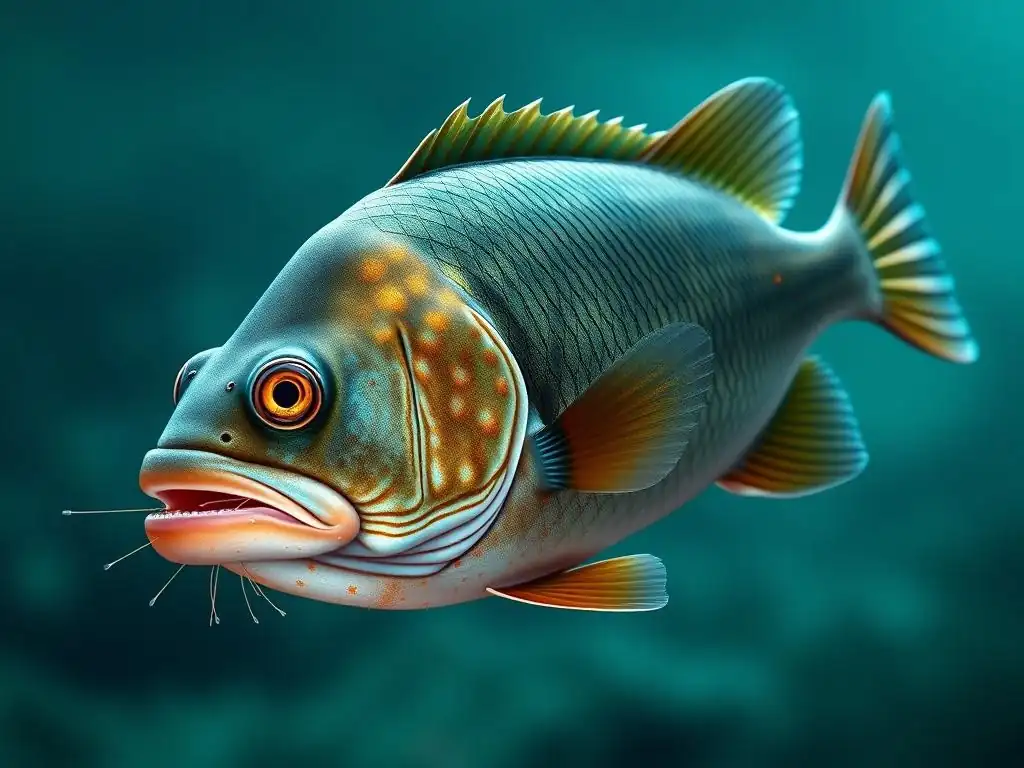
A balanced and high-quality diet is fundamental to achieving a robust Severum growth rate. These omnivorous cichlids require a diverse array of nutrients, including proteins, fats, carbohydrates, vitamins, and minerals, to support their rapid development, maintain vibrant coloration, and bolster their immune system. A diet lacking in essential components will inevitably lead to stunted growth, dull coloration, and increased susceptibility to disease.
Best Foods for Severum: A Nutritional Breakdown
The cornerstone of a Severum's diet should be a high-quality cichlid pellet or flake food, specifically formulated for larger omnivorous cichlids. Look for brands that list fish meal, spirulina, and other plant-based proteins among the first ingredients. This staple should be supplemented with a variety of other foods to ensure complete nutrition.
Live or frozen foods such as bloodworms, brine shrimp, Mysis shrimp, and chopped earthworms provide essential proteins and fats. Vegetable matter is also crucial; blanched peas, spirulina flakes, and even small pieces of zucchini or spinach can be offered. For example, a diet consisting solely of dry flakes might provide adequate protein but could lack the necessary fiber or specific micronutrients found in fresh or frozen foods, slowing the Severum growth rate over time.
Feeding Frequency and Portion Control
Juvenile Severums, which are in their most rapid growth phase, benefit from more frequent feedings – typically 2-3 times a day. As they mature into sub-adults and adults, 1-2 feedings per day are usually sufficient. The key to portion control is to offer only what the fish can consume within 2-3 minutes.
Overfeeding not only leads to uneaten food rotting in the tank, contributing to poor water quality, but it can also cause digestive issues and obesity in the fish, both of which can indirectly hinder a healthy Severum growth rate. For instance, feeding a 3-inch Severum a pinch of flakes and a few frozen bloodworms twice daily will support its rapid initial growth, while an 8-inch adult might only need a larger pinch of pellets once daily, supplemented with occasional treats.
The choice of tank mates and the overall social dynamics within the aquarium can significantly influence the Severum growth rate. While Severums are generally considered peaceful for cichlids, they are still territorial and can become stressed if housed with overly aggressive or overly timid fish. Constant stress, whether from bullying or fear, diverts energy away from growth and towards survival mechanisms.
Competition for Resources and Its Effects
In a community tank, competition for food and space can directly impact a Severum's ability to grow. If smaller or more timid Severums are housed with dominant individuals or faster-eating tank mates, they may not get sufficient food, leading to nutritional deficiencies and stunted growth.
For example, in a tank with several Severums, one dominant individual might hog the food, leaving less for the others, resulting in noticeable size differences among fish of the same age. Similarly, if the tank is overstocked, the increased bioload leads to faster water quality degradation, creating an environment that inhibits optimal Severum growth rate for all inhabitants.
Avoiding Stressful Tank Mate Combinations
Careful selection of tank mates is crucial to minimize stress and promote a healthy Severum growth rate. Avoid housing Severums with aggressive cichlids like Oscars or Flowerhorns, which can constantly harass them. Also, avoid extremely small or delicate fish that Severums might see as prey or become stressed by.
Ideal tank mates include other similarly sized, semi-aggressive cichlids (e.g., larger Geophagus species, Uaru), large tetras (e.g., Congo Tetras), or robust catfishes (e.g., Plecos, Synodontis). A well-matched community ensures a more harmonious environment, allowing Severums to feel secure, reduce energy expenditure on conflict, and dedicate more resources to healthy development and growth.
Tracking Your Severum's Growth: A Practical Guide
Measuring Your Severum's Length and Height
Accurately measuring your Severum's length and height can provide concrete data points for tracking its Severum growth rate over time. While it might seem challenging, there are several practical methods. One common technique involves placing a ruler or measuring tape against the outside of the tank glass directly behind the fish.
Wait for the Severum to swim parallel to the ruler and quickly note its length from snout to the base of the tail fin (standard length) or to the tip of the tail (total length). For height, measure from the highest point of the dorsal fin to the lowest point of the anal fin.
Another method involves using a clear plastic ruler or a piece of plastic with measurements marked on it, which can be temporarily placed inside the tank during feeding time when the fish are less skittish. For instance, a juvenile Severum might be 2 inches (5 cm) at purchase, and tracking its growth to 4 inches (10 cm) within two months indicates a healthy initial Severum growth rate of approximately 1 inch per month.
Regular measurements, perhaps monthly or bi-monthly, recorded in a logbook, will provide valuable insights into its development and help identify any deviations from the expected growth trajectory.
Documenting Growth with Photos and Videos
Visual documentation is an excellent, non-invasive way to track your Severum's growth and observe subtle changes over time. Taking regular photos or short videos of your fish, perhaps once a month, provides a clear visual record of its development. Ensure you use a consistent background or include a fixed object of known size (like a specific piece of decor) in the frame to provide a sense of scale. This method allows you to visually compare the fish's size at different stages.
For example, comparing a photograph of your Severum from three months ago with a current one can vividly illustrate how much it has grown, even without precise measurements. This visual log is not only satisfying for the aquarist but can also be a useful tool for identifying subtle signs of stunted growth or changes in body condition that might be missed with casual observation. It serves as a personal Severum growth rate guide, showing the actual progress of your specific fish.
Recognizing Signs of Stunted Growth
Recognizing the signs of stunted growth early is crucial for intervening and correcting environmental issues. A Severum suffering from stunted growth will appear disproportionate: while its body length may be significantly smaller than expected for its age, its eyes might appear overly large in comparison to its head, and its body might seem unnaturally "fat" or "chunky" for its length. This is often referred to as "fat dwarfism" or "big-headedness."
Other indicators include a lack of vibrant coloration, listlessness, or a general failure to thrive despite seemingly adequate feeding. For instance, if a 6-month-old Severum is only 3 inches long when it should typically be 5-6 inches, and it exhibits oversized eyes, this is a strong sign of stunting. Such signs warrant an immediate review of water parameters, diet, and tank conditions to identify and rectify the underlying cause, as prolonged stunting can lead to irreversible health issues and a significantly shortened lifespan.
Severum Growth Stages: What to Expect
Juvenile Severum Growth: The Rapid Phase
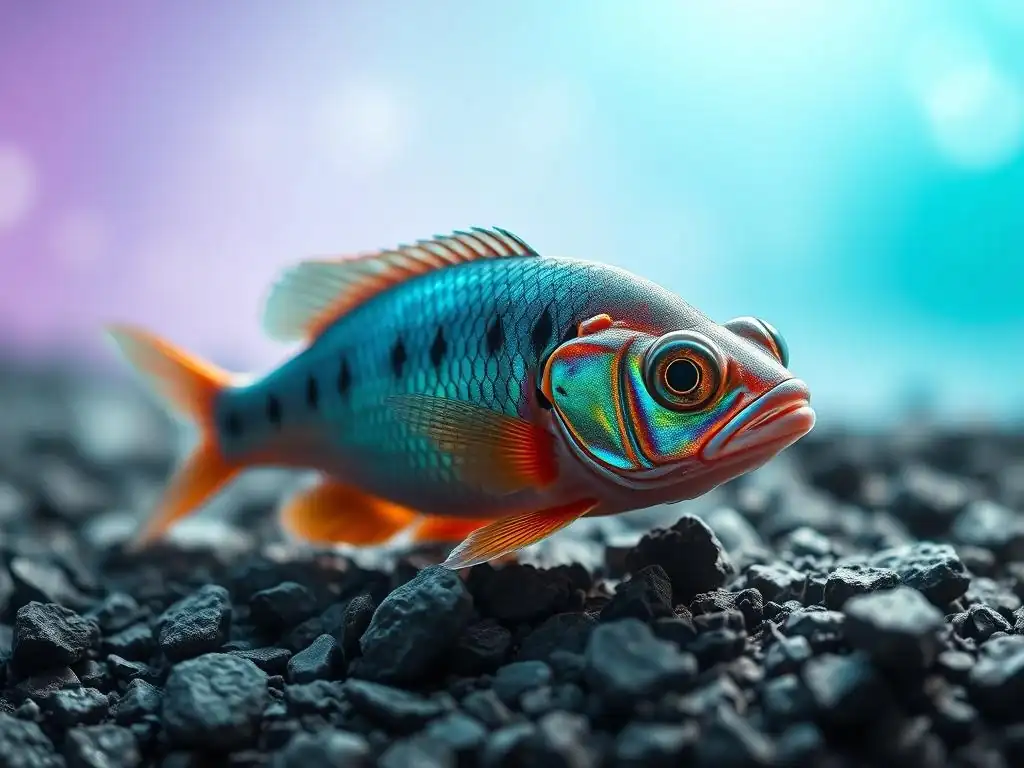
The juvenile stage of a Severum is characterized by its most rapid growth. From the time they are tiny fry until they reach approximately 4-6 inches (10-15 cm) in length, Severums can grow quite quickly under ideal conditions. During this period, which typically lasts from hatching up to about 6-12 months of age, they can grow as much as 0.75 to 1 inch (2-2.5 cm) per month. This rapid Severum growth rate is fueled by a high metabolism and the physiological drive to reach a size where they are less vulnerable to predators in the wild.
To support this accelerated development, juvenile Severums require exceptionally clean water, frequent small meals of high-protein foods, and ample space. For example, a Severum purchased at 2 inches (5 cm) could potentially double its size to 4 inches (10 cm) within two months if provided with optimal conditions. Any significant slowdown in this rapid phase is a strong indicator that something in their environment or diet needs immediate attention, highlighting the importance of a detailed Severum growth rate guide.
Sub-Adult Severum Growth: Slowing Down
As Severums transition from juvenile to sub-adult, typically between 6 months and 1.5 years of age, their Severum growth rate begins to slow down. During this phase, which sees them grow from roughly 4-6 inches (10-15 cm) up to 7-8 inches (18-20 cm), their growth becomes more gradual. Instead of rapid length increases, the fish will start to fill out, developing more muscle mass and exhibiting more mature coloration and finnage.
While still growing, the rate might decrease to about 0.5 inches (1.25 cm) per month or even less, depending on the individual fish and continued environmental quality. This stage is crucial for developing their robust adult physique. Maintaining consistent water quality, a balanced diet, and a stress-free environment remains vital to ensure they continue to develop fully and reach their near-final size without issues.
Adult Severum Growth: Reaching Full Size
Upon reaching maturity, generally around 1.5 to 2 years of age, Severums will have attained their full adult size, typically ranging from 8 to 10 inches (20-25 cm) in length, though some individuals may slightly exceed this. At this stage, the Severum growth rate slows to a negligible pace, with growth primarily focusing on maintaining body condition and potentially increasing girth or fin length rather than overall body length.
While they may continue to grow very slowly for a few more years, the significant growth spurts are over. Adult Severums require consistent care to maintain their health, vibrant colors, and long lifespan of 10-15 years. This includes regular water changes, a balanced adult diet, and a stable, spacious environment that continues to meet their needs. Reaching full adult size is a testament to successful care and adherence to a comprehensive Severum growth rate guide throughout their developmental stages.
Maximizing Severum Growth Potential: Tips and Tricks
Optimizing Water Changes for Enhanced Growth
Optimizing water changes is a cornerstone of maximizing the Severum growth rate. Regular and substantial water changes are crucial for diluting nitrates and replenishing essential minerals that are consumed or depleted over time. For growing Severums, especially juveniles, performing 25-50% water changes once or even twice a week is highly beneficial. This frequency ensures that harmful nitrogenous wastes, particularly nitrates, remain at very low levels (ideally below 10 ppm), reducing chronic stress on the fish's system.
For example, if you have a 75-gallon tank housing two growing Severums, a 25-gallon water change every 3-4 days would significantly contribute to maintaining pristine conditions. Using a high-quality water conditioner that neutralizes chlorine and chloramines is also essential during each change. Clean, fresh water allows the Severum to dedicate its metabolic energy towards growth and immune function rather than combating environmental toxins, directly supporting a superior Severum growth rate.
Implementing a Consistent Feeding Schedule
A consistent and appropriate feeding schedule is vital for fueling a healthy Severum growth rate. Young, rapidly growing Severums benefit from multiple small feedings throughout the day, while adults can thrive on one or two larger feedings. The key is to provide a varied and nutritious diet without overfeeding, which can lead to water quality issues and health problems.
For instance, feeding juvenile Severums three times a day with a mix of high-quality pellets, frozen bloodworms, and blanched peas, ensuring all food is consumed within 2-3 minutes, provides a steady supply of nutrients for constant development. As they mature, reducing this to two times a day, then eventually once daily, while maintaining diverse food offerings, will sustain their growth and health. A consistent routine helps their digestive system function optimally and ensures they receive the necessary energy for a robust Severum growth rate.
Providing Enrichment to Reduce Stress
Providing environmental enrichment plays a subtle yet significant role in promoting a healthy Severum growth rate by reducing stress. A stressed fish diverts energy from growth to coping mechanisms, hindering its development. Enrichment involves creating an engaging and secure environment that mimics their natural habitat and provides opportunities for natural behaviors.
This can include ample hiding spots using driftwood, rocks, or artificial caves, which offer security and reduce aggression among tank mates. Incorporating live plants (if they don't eat them) or robust artificial plants can also provide cover and visual barriers. For example, arranging driftwood to create distinct territories can minimize disputes between Severums or with other cichlids. A varied substrate, diffused lighting, and even slight water current can also contribute to a stimulating environment. When Severums feel secure and engaged, their stress levels decrease, allowing their energy to be fully utilized for a strong Severum growth rate.
Common Severum Growth Problems and Solutions
Addressing Stunted Growth in Severum
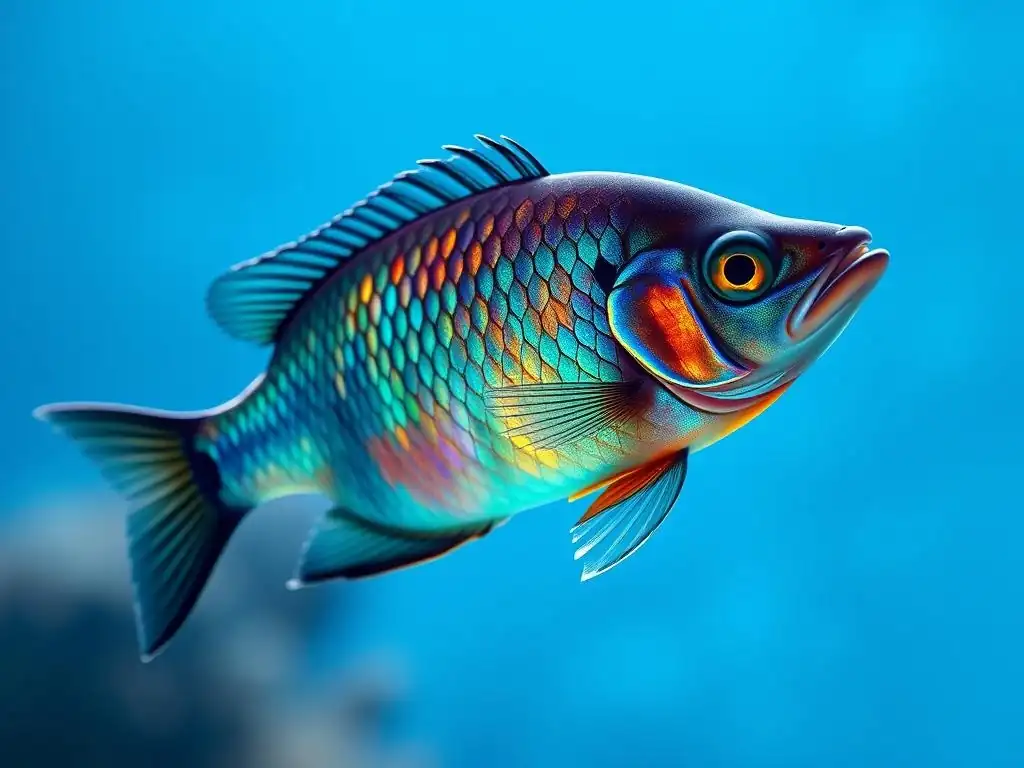
Addressing stunted growth in Severums requires a systematic approach to identify and rectify the underlying causes. The first step is to thoroughly review and test all water parameters: ammonia, nitrite, nitrate, pH, and temperature. Often, chronic exposure to even low levels of ammonia or nitrite, or consistently high nitrates (above 20 ppm), is the primary culprit. Implementing more frequent and larger water changes (e.g., 50% every other day for a week) can rapidly improve water quality.
Simultaneously, reassess the fish's diet. If it's lacking variety or nutritional value, introduce a high-quality cichlid pellet supplemented with diverse frozen and fresh vegetable matter. Ensure the tank size is adequate for the Severum's current and future size, as an undersized tank can cause irreversible stunting. For instance, if a 5-inch Severum is in a 20-gallon tank, upgrading to a 75-gallon tank immediately is crucial. Addressing these environmental and dietary factors offers the best chance of reversing or mitigating stunted growth, although severe stunting may not be fully recoverable.
Treating Diseases That Impact Growth
Certain diseases can significantly impact a Severum's ability to grow by diverting energy towards fighting infection or by damaging internal organs involved in nutrient absorption. Internal parasitic infections, such as those caused by Hexamita (often leading to "hole-in-the-head" disease), or chronic bacterial infections can severely hinder nutrient uptake and lead to emaciation and stunted growth. Symptoms like white stringy feces, lethargy, or visible lesions should prompt immediate investigation.
If a disease is suspected, a proper diagnosis is crucial, ideally by consulting with an aquatic veterinarian or an experienced fish expert. Treatment often involves specific medications administered either in the water or via medicated food. For example, Metronidazole is commonly used for Hexamita infections. Maintaining optimal water quality during treatment is paramount to support the fish's immune system and recovery. Once the disease is successfully treated, and the fish recovers, its Severum growth rate may resume, though some lost growth might not be fully regained.
Identifying and Resolving Nutritional Deficiencies
Nutritional deficiencies are a common, yet often overlooked, cause of poor Severum growth rate. An unbalanced diet, one that relies solely on a single type of food (e.g., only flakes) or lacks essential vitamins and minerals, will prevent a Severum from reaching its full growth potential. Signs of nutritional deficiency can include dull coloration, poor fin development, skeletal deformities, and, most notably, a lack of expected growth.
To resolve this, diversify the Severum's diet immediately. Ensure a high-quality cichlid pellet or stick is the staple, but supplement it regularly with a variety of frozen foods (bloodworms, brine shrimp, Mysis shrimp), live foods (earthworms), and vegetable matter (blanched peas, spirulina). For instance, if your Severum's diet has been limited to just one type of dry food, introducing a rotation of five different food types over a week can quickly provide a broader spectrum of nutrients. This comprehensive nutritional approach is key to overcoming deficiencies and promoting a healthy Severum growth rate.
Severum Size Comparison: Different Varieties
Veil Severum Growth Rate
The Veil Severum, characterized by its elongated, flowing fins, is a popular ornamental variety derived from the standard Severum. While their finnage differs significantly, the fundamental Severum growth rate and potential adult size remain largely consistent with their short-finned counterparts. A Veil Severum typically reaches an adult length of 8-10 inches (20-25 cm) from snout to tail, with the veil fins adding considerable visual length and height.
Their growth trajectory mirrors that of standard Severums: rapid growth in the juvenile stage (up to 1 inch per month), slowing down as they become sub-adults, and reaching full size around 1.5 to 2 years of age. Due to their delicate fins, Veil Severums may be more susceptible to fin nipping from aggressive tank mates, which can cause stress and indirectly affect their overall health and growth. Therefore, a calm and spacious environment is even more critical for these elegant varieties to ensure their Severum growth rate is maximized and their beautiful fins develop fully.
Koi Severum Growth Rate
Koi Severums are a selectively bred color morph, exhibiting striking patterns of orange, red, white, and black, reminiscent of Koi carp. Despite their unique coloration, their underlying genetics for growth are the same as other Severum varieties. Therefore, the Koi Severum growth rate closely follows the general Severum growth rate guide. They are expected to reach an adult size of 8-10 inches (20-25 cm) in length under optimal conditions.
Their growth from juvenile to adult phases is similar, with initial rapid spurts slowing down as they approach maturity. The vibrant coloration of Koi Severums can also serve as an indicator of health and growth; a dulling of colors might suggest stress or nutritional deficiencies that could impede their Severum growth rate. Ensuring a high-quality diet rich in color-enhancing ingredients like astaxanthin can support both their vibrant appearance and healthy development.
Zebra Severum Growth Rate
The Zebra Severum, also known as the "Banded" Severum, typically refers to Severums with prominent vertical bars or stripes across their body, often seen in wild-type or green Severum variations. These markings can become more pronounced or fade depending on the fish's mood or environment. In terms of growth, the Zebra Severum growth rate aligns perfectly with the standard Severum species profile. They will also grow to an average adult size of 8-10 inches (20-25 cm).
Their growth curve from juvenile to adult is consistent with other Severum varieties, with significant initial growth slowing as they mature. The clarity and prominence of their "zebra" stripes can sometimes be an indicator of their well-being; stressed or unhealthy fish may have faded or indistinct markings. Providing excellent water quality, a balanced diet, and a spacious, stable environment are key factors in ensuring a robust Severum growth rate for these banded beauties, allowing them to fully express their natural patterns and size.
Conclusion: Ensuring a Healthy Growth Trajectory for Your Severum
Key Takeaways for Successful Severum Growth
Ensuring a healthy Severum growth rate is a multifaceted endeavor that hinges on consistently providing optimal environmental conditions and nutrition. The primary takeaways for successful Severum growth include maintaining pristine water quality, characterized by zero ammonia and nitrite, and very low nitrates (below 10-20 ppm). Regular, substantial water changes are non-negotiable for this. Secondly, a spacious aquarium, ideally 75 gallons for a single adult and larger for groups, is crucial to prevent stunting and provide ample swimming room.
Thirdly, a diverse and high-quality diet, including cichlid pellets, frozen foods, and vegetable matter, is essential for providing all necessary nutrients for robust development. Lastly, minimizing stress through appropriate tank mates, adequate hiding spots, and a stable environment contributes significantly to the fish's ability to thrive and grow. By adhering to these principles, aquarists can guide their Severums towards their full genetic potential, ensuring they become impressive, healthy adults. This comprehensive Severum growth rate guide aims to equip hobbyists with the knowledge needed for long-term success.
Further Resources for Severum Care
For aquarists seeking to deepen their understanding of Severum care and further optimize their Severum growth rate, a wealth of resources is available. Online forums and dedicated cichlid communities provide platforms for engaging with experienced hobbyists, sharing insights, and troubleshooting specific challenges. Websites specializing in New World cichlids often feature detailed care sheets, breeding guides, and information on common diseases specific to Severums.
Books on freshwater cichlids, particularly those focusing on South American species, offer in-depth scientific and practical knowledge. Visiting local fish stores with knowledgeable staff can also provide valuable advice and access to appropriate supplies. Regularly consulting these resources will ensure that aquarists stay informed about the latest best practices in Severum husbandry, contributing to the long-term health and impressive growth of these magnificent cichlids.
Frequently Asked Questions
What factors most significantly influence Severum growth rate?
Several factors affect how quickly your Severum grows. These include water quality, diet, and tank size. Ensuring optimal conditions is crucial.
What is a typical Severum growth rate in the first year?
In their first year, Severums can grow rapidly. With proper care, they can reach 4-6 inches in length.
How can I ensure my Severum reaches its full potential size?
To maximize growth, provide a varied and nutritious diet, perform regular water changes, and maintain a sufficiently large tank.
What are some common signs of stunted growth in Severums?
Signs of stunted growth include a disproportionately small size compared to age, lack of appetite, and poor coloration.
Where can I find more detailed information on Severum care and growth monitoring?
AquariumMastery.com offers extensive resources on Severum care. You can find species profiles, maintenance schedules, and troubleshooting guides there.
Final Reflection: Cultivating Patience and Appreciation
The journey of understanding Severum growth, as we've explored, is ultimately a lesson in embracing the natural rhythms of life. What began as a quest for quantifiable data transforms into an appreciation for the unique individuality of each fish, reminding us that growth is not merely a metric, but a beautiful, unfolding process.
This understanding extends beyond the aquarium glass. Observing the subtle changes in our Severums teaches us patience and the importance of nurturing environments, a principle applicable to all aspects of our lives. The best time to plant a tree was 20 years ago. The second best time is now.
This ancient proverb resonates deeply, reminding us that consistent effort, even when results are not immediately apparent, yields profound growth over time.
Now, consider the lessons learned from this guide. How can you apply the principles of patience, observation, and nurturing to your own endeavors? Take a moment to reflect on the "growth rate" of your own projects, relationships, and personal development. Embrace the journey, celebrate the small victories, and remember that true growth, like that of a Severum, is a testament to the care and attention we provide.
Unlock Your Severum's Full Potential!
Thanks for diving deep into the world of Severum growth! We hope you've gained valuable insights into nurturing your cichlid's development. Now, it's time to put that knowledge into action!
Here are a few ways to continue your Severum journey:
- Implement a detailed growth tracking system for your Severum, including regular measurements and photo documentation to monitor its progress.
- Share your Severum's growth journey and inspire others by posting photos and updates on Aquarium Mastery's community forum or social media channels.
- Experiment with supplementing your Severum's diet with live foods known to enhance color and vitality, then share your results!
What surprising changes have you noticed in your Severum's growth or behavior recently?