
Denison Barb (Roseline Shark): Profile of the Stunning TorpedoShaped Swimmer

Welcome to Aquarium Mastery!
Curious about the dazzling Denison Barb, also known as the Roseline Shark? This torpedo-shaped swimmer is a true gem for the freshwater aquarium, but understanding its specific needs is crucial for success. Dive into our comprehensive Denison Barb profile care guide and unlock the secrets to keeping these stunning fish thriving in your own tank. Prepare to be captivated!
- Introduction to the Denison Barb: The Allure of Sahyadria denisonii
- Denison Barb Profile: Essential Information and Characteristics
- Denison Barb Care: Creating the Ideal Aquarium Environment
- Denison Barb Diet and Feeding: Providing Optimal Nutrition
- Denison Barb Tank Mates: Compatibility and Community Tank Setup
- Denison Barb Health and Disease: Prevention and Treatment
- Denison Barb Breeding: Challenges and Potential Strategies
- Purchasing Denison Barbs: Selecting Healthy Specimens
- Conclusion: Enjoying the Beauty and Activity of Denison Barbs in Your Aquarium
-
Frequently Asked Questions
- What is a Denison barb, and why is it also known as a Roseline Shark?
- What are the key considerations for providing proper Denison barb care?
- What is the ideal water chemistry for Denison barbs in an aquarium?
- What tank mates are suitable for Denison barbs in a community aquarium?
- What should I feed my Denison barbs to ensure they get adequate nutrition?
- Final Reflection: Appreciating the Denison Barb's Enduring Appeal
- Unleash Your Aquatic Passion!
Introduction to the Denison Barb: The Allure of Sahyadria denisonii
Unveiling the Denison Barb: Origins and Natural Habitat in India
The Denison Barb, scientifically known as Sahyadria denisonii, hails from the swift-flowing, oxygen-rich rivers and streams of the Western Ghats in Kerala, India. Discovered in 1865 by Francis Day, this captivating species is found primarily in the Chaliyar, Valapattanam, and Periyar rivers, where it inhabits clear, rocky stretches with dense riparian vegetation. Its natural environment is characterized by strong currents, which have shaped its streamlined, torpedo-like body, perfectly adapted for navigating turbulent waters.
These fish thrive in specific natural conditions, with water temperatures typically ranging from 65-79°F (18-26°C) and a pH level between 6.8 and 7.8. The high oxygen content and consistent water flow in their native rivers are critical factors that influence their physiological needs and behavior. Understanding these origins is fundamental for providing optimal Denison barb profile care in a home aquarium, as replicating these parameters is key to their long-term health.
Why the Denison Barb is a Popular Aquarium Choice: Striking Appearance and Active Nature
The Denison Barb's popularity in the aquarium hobby stems largely from its breathtaking aesthetic appeal. Its elongated, silver-gold body is adorned with a prominent black horizontal stripe running from the snout to the caudal fin, beautifully contrasted by a vibrant red stripe directly above it, extending from the snout to about mid-body. This distinctive coloration, combined with its active schooling behavior, makes it a dynamic and eye-catching addition to any large freshwater setup.
Beyond its visual allure, the Denison Barb is generally a peaceful species, making it a suitable candidate for well-planned community tanks. Its energetic swimming patterns provide constant movement and interest, though this activity necessitates ample space to prevent stress. Despite being considered a more advanced species for some aquarists due to its specific needs, its hardiness once properly acclimated contributes significantly to its widespread appeal. Proper Denison barb profile care ensures these fish not only survive but truly flourish, displaying their full vibrant potential.
Denison Barb Profile: Essential Information and Characteristics
Scientific Classification and Taxonomy of Sahyadria denisonii
The Denison Barb belongs to the family Cyprinidae, which includes a vast array of carps and minnows. Its full scientific classification is: Kingdom Animalia, Phylum Chordata, Class Actinopterygii, Order Cypriniformes, Family Cyprinidae, Genus Sahyadria, and Species Sahyadria denisonii. This species is also commonly known as the Roseline Shark, Red Line Torpedo Barb, and sometimes Miss Kerala, reflecting its unique appearance and geographical origin.
It's important to note the taxonomic revision that occurred in 2012, where the species was reclassified from Puntius denisonii to Sahyadria denisonii. This change highlights the ongoing scientific efforts to accurately categorize fish species and understand their evolutionary relationships. Being aware of its current scientific name is crucial for aquarists to ensure they are acquiring the correct species and to access accurate information regarding Denison barb profile care, as misidentification can lead to incorrect husbandry practices.
Physical Appearance: Identifying the Denison Barb's Striking Colors
The Denison Barb is instantly recognizable by its sleek, torpedo-shaped body, which is predominantly silver-gold, allowing it to blend seamlessly with the reflective surface of clear waters. The most striking features are the two distinct lateral stripes: a prominent black stripe that runs the entire length of its body from the tip of its snout to the tail, and a brilliant red stripe positioned directly above the black one, extending from its snout to roughly the midpoint of its body.
Further enhancing its beauty, the caudal fin (tail fin) is typically marked with yellow or orange and black patterns, adding another layer of visual interest. The intensity of these colors can vary based on the fish's health, diet, and environmental conditions. Well-cared-for Denison Barbs, receiving optimal Denison barb profile care, will display the most vivid and pronounced coloration, serving as a clear indicator of their well-being and a testament to proper aquarium management.
Size and Lifespan: How Big Do Denison Barbs Get and How Long Do They Live?
In a typical home aquarium, Denison Barbs usually attain a size of 4 to 6 inches (10 to 15 centimeters) in length. While wild specimens have been reported to grow slightly larger, reaching up to 7 inches (18 cm) in some instances, their growth in captivity is significantly influenced by tank size, diet quality, and overall water parameters. Providing ample space and a nutrient-rich diet are crucial for them to reach their full potential size.
With diligent Denison barb profile care, including stable water conditions, a balanced diet, and a stress-free environment, these fish can enjoy a relatively long lifespan. On average, Denison Barbs can live for 5 to 8 years in captivity, with some exceptionally well-cared-for individuals reportedly reaching up to 10 years. Factors such as consistent water quality, appropriate tank mates, and a varied diet play a critical role in maximizing their longevity.
Denison Barb Care: Creating the Ideal Aquarium Environment
Tank Size Requirements for a School of Denison Barbs
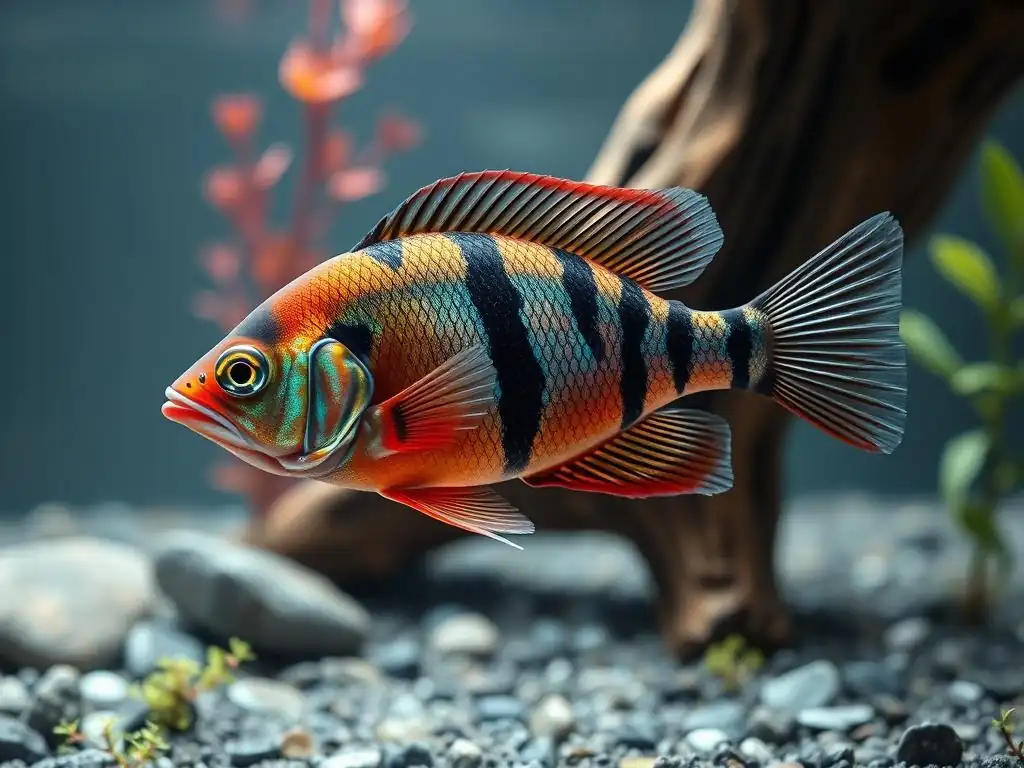
Due to their active, schooling nature and their potential adult size, Denison Barbs require a substantial aquarium. For a minimum school of 6-8 individuals, a 55-gallon (208 liters) tank is often considered the absolute bare minimum, though a 75-gallon (284 liters) or larger aquarium is highly recommended. These larger tanks provide ample swimming space, which is crucial for reducing stress and preventing aggression within the school.
The length of the tank is more important than its height for Denison Barbs, as they are horizontal swimmers that appreciate long stretches for their rapid movements. For instance, a 48-inch long 75-gallon tank offers significantly more linear swimming room than a taller, shorter tank of similar volume. Providing generous space is a cornerstone of effective Denison barb profile care, allowing these energetic fish to exhibit their natural schooling behaviors without feeling confined.
Water Parameters: Maintaining Optimal Water Quality for Denison Barbs
Maintaining pristine and stable water parameters is paramount for the health and vibrancy of Denison Barbs. The ideal temperature range is between 65-79°F (18-26°C), with a pH level of 6.8 to 7.8. They also thrive in moderately hard water, with a general hardness (GH) between 5-15 dGH and carbonate hardness (KH) between 4-10 dKH. Regular testing of these parameters using a reliable freshwater test kit is essential to monitor conditions.
Ammonia and nitrite levels must always be at zero, as these compounds are highly toxic to fish. Nitrate levels should be kept below 20 ppm through consistent weekly water changes, typically 25-30% of the tank volume. Sudden fluctuations in water chemistry are more detrimental than slightly off but stable parameters, emphasizing that consistent water quality management is the most critical aspect of Denison barb profile care.
Substrate and Decoration: Replicating the Denison Barb's Natural Environment
When setting up an aquarium for Denison Barbs, the choice of substrate is flexible, with fine to medium-sized gravel or sand being suitable options. While they do not typically burrow, a natural-looking substrate contributes to the overall aesthetic and provides a comfortable environment. The focus should be on creating a layout that mimics their swift-flowing river habitats.
Decorations should include plenty of smooth rocks and driftwood to provide visual interest and some hiding spots, without impeding their active swimming paths. Live plants, particularly hardy species that can tolerate strong currents like Anubias, Java Fern, and various types of Vallisneria, are highly beneficial. These plants offer security and break up lines of sight, reducing potential stress and contributing to a well-rounded environment for comprehensive Denison barb profile care.
Filtration and Aeration: Crucial Components for a Healthy Habitat
Given their active metabolism and preference for highly oxygenated water, a robust filtration system is non-negotiable for Denison Barbs. Canister filters or multiple hang-on-back (HOB) filters with a high gallon per hour (GPH) rating are recommended to handle their bioload and maintain excellent water clarity. Aim for a total turnover rate of at least 8-10 times the tank volume per hour to ensure efficient mechanical, biological, and chemical filtration.
Beyond filtration, strong water movement and aeration are vital to replicate their natural fast-flowing river environment. Powerheads can be strategically placed to create currents, and air stones or the spray bars from filters can ensure high dissolved oxygen levels. This combination of powerful filtration and ample aeration is a critical component of successful Denison barb profile care, directly impacting their health and vitality.
Denison Barb Diet and Feeding: Providing Optimal Nutrition
What Do Denison Barbs Eat in the Wild?
In their native habitats of the Western Ghats, Denison Barbs are omnivores, exhibiting a diverse diet that reflects the available food sources in their swift-flowing river ecosystems. Their natural diet primarily consists of various insects and their larvae, small crustaceans, and other aquatic invertebrates. They are also known to consume some plant matter, including algae and detritus, which they forage from submerged rocks and vegetation.
Their foraging behavior involves actively picking at surfaces and occasionally sifting through substrate, indicating a need for a varied and stimulating diet in captivity. Understanding these natural dietary preferences is essential for formulating a comprehensive feeding plan that supports their health and vibrant coloration, forming a key aspect of their optimal Denison barb profile care.
Recommended Aquarium Diet: Small, High-Quality Flakes and Live/Frozen Foods
For optimal nutrition in the aquarium, a high-quality staple diet of small, nutrient-rich flakes or sinking pellets specifically formulated for omnivorous tropical fish should form the foundation. Look for products that list a high protein content and include ingredients like spirulina, which provides essential plant-based nutrients and enhances color. This base diet provides the necessary vitamins and minerals for daily health.
To supplement their diet and mimic their natural foraging, it is crucial to offer a variety of live or frozen foods regularly. Excellent choices include bloodworms, brine shrimp, daphnia, and Mysis shrimp, all of which provide vital proteins and fats that contribute to their vibrant coloration and overall vigor. Periodically offering blanched vegetables like spinach or spirulina flakes can further ensure a well-rounded diet, completing the comprehensive Denison barb profile care feeding regimen.
Feeding Frequency and Portion Control for Denison Barbs
Denison Barbs are active fish with relatively high metabolisms, benefiting from multiple small feedings throughout the day rather than one large meal. It is recommended to feed them 2 to 3 times daily, providing only the amount of food they can consume within 2 to 3 minutes. This approach helps to prevent overfeeding, which can lead to digestive issues for the fish and, more critically, contribute to poor water quality.
Strict portion control is vital to maintain a healthy aquarium environment. Any uneaten food quickly breaks down, releasing ammonia and nitrites, which are harmful to fish and can destabilize water parameters. Consistency in feeding times and careful monitoring of how quickly the food is consumed are key practices in effective Denison barb profile care, ensuring both the fish's health and the cleanliness of their habitat.
Denison Barb Tank Mates: Compatibility and Community Tank Setup
Best Tank Mates for Denison Barbs: Peaceful and Similarly Sized Companions
When selecting tank mates for Denison Barbs, it's crucial to choose species that are peaceful, similarly sized, and can thrive in similar water parameters and strong current conditions. Ideal companions include other large, active, and peaceful barbs such as Rosy Barbs or Tinfoil Barbs (in very large tanks). Various species of Rainbowfish, like Boesemani or Glossolepis Rainbowfish, are also excellent choices due to their similar activity levels and preference for brisk water.
Other suitable tank mates include larger Tetras such as Congo Tetras or Lemon Tetras, and some species of Danios. For bottom dwellers, peaceful loaches like Kuhli Loaches or various Corydoras catfish species are compatible, as they occupy different tank levels and do not compete directly for space. Maintaining a school of at least 6-8 Denison Barbs themselves is paramount, as a larger group reduces individual stress and aggression, contributing to a harmonious community and effective Denison barb profile care.
Fish to Avoid: Incompatible Species for Denison Barb Aquariums
Certain fish species are incompatible with Denison Barbs and should be avoided in a community tank setup. Very small, slow-moving, or long-finned fish are generally not suitable, as Denison Barbs, especially if not kept in a sufficiently large school or tank, can exhibit fin-nipping behavior. Examples of fish to avoid include Betta fish, small Guppies, and most dwarf shrimp species, which may be viewed as food.
Furthermore, overly aggressive or highly territorial fish should also be avoided, as they can stress or injure the Denison Barbs. Large, predatory cichlids or other highly dominant species are unsuitable companions. Careful selection of tank mates is crucial for preventing conflict, minimizing stress, and ensuring the long-term well-being of all inhabitants in a community tank, forming a vital part of comprehensive Denison barb profile care.
Maintaining a Balanced Community Tank with Denison Barbs
Maintaining a balanced community tank with Denison Barbs requires careful planning and ongoing observation. As strong schooling fish, Denison Barbs must be kept in groups of at least 6, with 8-10 or more individuals being ideal. A larger school not only makes them feel more secure but also helps to diffuse any potential aggression among themselves, leading to a more natural and vibrant display of their behaviors.
Ensure the aquarium provides ample open swimming space, particularly in the mid-to-upper levels of the tank, allowing them to exhibit their characteristic rapid movements. Complement this with sufficient hiding spots created by driftwood, rocks, and dense planting, which offer security and break up lines of sight for all fish. Regular monitoring of fish behavior and interactions is essential to promptly address any signs of stress or aggression, ensuring a thriving environment central to effective Denison barb profile care.
Denison Barb Health and Disease: Prevention and Treatment
Common Diseases Affecting Denison Barbs: Identification and Symptoms
While generally considered hardy fish once acclimated to a stable environment, Denison Barbs can still be susceptible to common freshwater aquarium diseases, particularly if water quality deteriorates or they experience prolonged stress. Common ailments include Ich (Ichthyophthirius multifiliis), characterized by small white spots resembling salt grains on the body and fins. They can also suffer from Fin Rot, which presents as frayed or ragged fins, often with reddish inflammation, and various bacterial infections, leading to lethargy, clamped fins, or body sores.
Identifying diseases early is crucial for successful treatment. Symptoms to watch for include changes in behavior such as lethargy, hiding, rubbing against tank decorations, or a sudden loss of appetite. Physical signs like faded colors, visible parasites, bloating, scale protrusion, or abnormal swimming patterns (e.g., darting, spiraling) are also strong indicators of illness. Prompt detection allows for quicker intervention, which is vital for effective Denison barb profile care.
Preventing Diseases: Maintaining Water Quality and Quarantine Procedures
The most effective strategy for preventing diseases in Denison Barbs is to consistently maintain pristine water quality. This involves performing regular weekly water changes of 25-30%, ensuring robust filtration, and avoiding overfeeding, which can lead to a buildup of harmful waste products. Stable water parameters, as discussed earlier, reduce stress on the fish's immune system, making them more resilient to pathogens.
A critical preventative measure is the implementation of a strict quarantine procedure for all new fish. New Denison Barbs or any other new inhabitants should be kept in a separate, fully cycled quarantine tank for 2 to 4 weeks before being introduced to the main display aquarium. This allows for observation for any signs of disease and provides an opportunity for pre-emptive treatment if necessary, preventing the introduction of pathogens to your established community and safeguarding your comprehensive Denison barb profile care efforts.
Treating Sick Denison Barbs: Medications and Supportive Care
Upon identifying a disease in Denison Barbs, prompt and appropriate treatment is essential. For parasitic infections like Ich, specific Ich medications are available and should be used according to manufacturer instructions. Bacterial infections may require broad-spectrum antibiotics, often administered via water treatment or medicated food, depending on the severity and type of infection. Accurate diagnosis is key, so consulting an experienced aquarist or a specialized aquatic veterinarian can be beneficial for complex cases.
During any treatment period, it is crucial to maintain excellent water quality to support the fish's recovery. This often means performing more frequent small water changes and ensuring gentle, yet adequate, aeration. Providing a stress-free environment, maintaining stable temperatures, and offering high-quality, easily digestible food can further aid in their recovery. Supportive care, alongside targeted medication, significantly improves the chances of successful treatment and ensures the best possible Denison barb profile care during illness.
Denison Barb Breeding: Challenges and Potential Strategies
Breeding Denison Barbs in Captivity: Is It Possible?
Breeding Denison Barbs in a home aquarium setting is notoriously challenging and is rarely achieved by the average hobbyist. The vast majority of Denison Barbs available in the aquarium trade are either wild-caught from their native Indian rivers or commercially bred in large-scale aquaculture facilities, often employing hormone induction to stimulate spawning. This difficulty stems from their specific environmental and physiological requirements for reproduction.
The precise conditions needed to induce spawning, including very specific water parameters, temperature fluctuations, and a highly specialized diet, are difficult to replicate consistently in a home setup. Furthermore, the large tank size required for a healthy breeding group poses significant logistical challenges for many aquarists. While not impossible, successful breeding requires dedicated effort and advanced knowledge of Denison barb profile care and reproductive biology.
Spawning Behavior and Requirements for Denison Barb Reproduction
Denison Barbs are egg scatterers, meaning they broadcast their eggs freely rather than laying them in a specific nest or caring for them. In a potential breeding setup, a separate breeding tank would be necessary, equipped with fine-leaved plants, spawning mops, or a mesh bottom to protect the eggs from being eaten by the parents. The water in this tank would need to be very soft (low GH), slightly acidic (around pH 6.0-6.5), and kept at a slightly elevated temperature, typically around 78-82°F (25-28°C).
Once spawning occurs, which can be triggered by careful conditioning with live foods and precise water changes, the adult fish should be removed immediately. Denison Barbs exhibit no parental care and are known to consume their own eggs and fry. Replicating the exact natural triggers for spawning, which likely involve seasonal changes in water flow and food availability in their wild habitat, remains a significant hurdle in attempting Denison barb profile care for breeding purposes.
Raising Denison Barb Fry: Providing the Ideal Environment for Growth
If eggs successfully hatch, which typically occurs within 24-48 hours depending on temperature, the Denison Barb fry are incredibly tiny and delicate. Their initial diet must consist of infusoria or specialized liquid fry food for the first few days, transitioning to newly hatched brine shrimp or microworms as they grow larger, usually after about a week. Consistent, small feedings are crucial for their rapid development.
Maintaining pristine water quality is absolutely paramount for the survival of Denison Barb fry, as they are extremely sensitive to even minute amounts of pollutants. This necessitates frequent, small water changes using carefully conditioned water that matches the breeding tank parameters. The demanding nature of fry care further underscores why breeding Denison Barbs is a significant undertaking, requiring a high level of commitment and expertise in advanced Denison barb profile care.
Purchasing Denison Barbs: Selecting Healthy Specimens
Where to Buy Denison Barbs: Reputable Sources and Online Retailers
When purchasing Denison Barbs, it is essential to source them from reputable establishments to ensure you acquire healthy specimens. Local fish stores with clean tanks, knowledgeable staff, and a high turnover of healthy livestock are excellent options. Observe the overall health of their tanks; if other fish in the store appear diseased or stressed, it's best to look elsewhere.
Online retailers specializing in aquatic livestock can also be a viable option, often providing a wider selection and direct shipping. When buying online, ensure the retailer has a good reputation for safe shipping practices and a live arrival guarantee. Inquiring about the source of the fish, whether wild-caught or captive-bred, can also be beneficial for ethical reasons, contributing to responsible Denison barb profile care.
Identifying Healthy Denison Barbs: Signs to Look For
Identifying healthy Denison Barbs before purchase is a crucial first step in successful Denison barb profile care. Look for fish that are active, alert, and swimming confidently in a school. Their colors should be vibrant and well-defined, with the red and black stripes appearing sharp and intense. Fins should be fully extended, intact, and free of any tears, nips, or signs of fin rot.
Avoid fish that appear lethargic, are isolated from the school, have clamped fins, or show signs of labored breathing. Any visible physical abnormalities such as white spots (Ich), fungal growths, sores, bloating, or frayed scales are clear indicators of illness. Observing the entire tank for dead fish or signs of disease among other species can also provide valuable clues about the overall health of the stock.
Acclimation Process: Introducing New Denison Barbs to Your Aquarium
The acclimation process is critical for introducing new Denison Barbs to your aquarium, as they can be sensitive to sudden changes in water parameters. The drip acclimation method is highly recommended: slowly add tank water to the bag water over a period of 60-90 minutes, allowing a gradual adjustment of temperature, pH, and other parameters. This minimizes stress and reduces the risk of shock.
Once acclimated, gently net the fish and introduce them to the main tank, discarding the bag water to prevent introducing any potential pathogens or pollutants. Keep the aquarium lights dim for the first few hours after introduction to further reduce stress and allow them to settle in. Monitor their behavior closely over the next few days for any signs of distress or illness. Proper acclimation is a fundamental aspect of effective Denison barb profile care, ensuring a smooth and safe transition for your new fish.
Conclusion: Enjoying the Beauty and Activity of Denison Barbs in Your Aquarium
The Enduring Appeal of the Denison Barb in the Aquarium Hobby
The Denison Barb, or Roseline Shark, stands as a testament to the captivating beauty and dynamic activity that freshwater aquariums can offer. Its striking torpedo-shaped body, adorned with vibrant red and black stripes, combined with its energetic schooling behavior, makes it an undeniable centerpiece in any well-designed community tank. These fish bring a sense of movement and natural elegance that few other species can match, transforming a static setup into a lively aquatic display.
While their specific requirements for tank size, water parameters, and current may present a challenge for novice aquarists, the reward of witnessing these magnificent fish thrive is immense. The enduring appeal of the Denison Barb lies in its unique aesthetic and its ability to add a dynamic, natural element to the aquarium, making the dedicated effort of providing comprehensive Denison barb profile care truly worthwhile for any passionate hobbyist.
Resources for Further Learning About Denison Barb Care
The journey of providing optimal Denison barb profile care is a continuous learning process, and dedicated aquarists are always seeking to expand their knowledge. To further enhance your understanding and ensure the best environment for your Denison Barbs, it is highly recommended to consult a variety of reliable resources. Engaging with online aquarium forums and local fish clubs can provide invaluable insights from experienced hobbyists and foster a supportive community.
For more in-depth information on specific aspects of aquarium management, such as advanced water chemistry, filtration techniques, or detailed profiles of compatible plant and fish species, explore the extensive articles available on AquariumMastery.com. This website offers a wealth of knowledge structured to guide you through every facet of freshwater aquarium keeping, enabling you to refine your Denison barb profile care and ensure a thriving aquatic habitat.
Frequently Asked Questions
What is a Denison barb, and why is it also known as a Roseline Shark?
The Denison barb, scientifically Sahyadria denisonii, is a beautiful, torpedo-shaped freshwater fish known for its vibrant red stripe and black markings. It's often called a Roseline Shark due to its shark-like appearance and active swimming behavior.
What are the key considerations for providing proper Denison barb care?
Denison barbs require a large aquarium (at least 75 gallons) due to their active nature and schooling behavior. Maintaining excellent water quality and providing a varied diet are also crucial for their health and well-being.
What is the ideal water chemistry for Denison barbs in an aquarium?
Denison barbs thrive in slightly acidic to neutral water with a pH of 6.5-7.5. It's important to maintain a stable temperature between 65°F and 78°F (18°C and 26°C) and keep the water clean with regular water changes.
What tank mates are suitable for Denison barbs in a community aquarium?
Denison barbs are generally peaceful and can coexist with other similarly sized, non-aggressive fish. Good tank mates include tetras, rasboras, and peaceful bottom dwellers like Corydoras catfish.
What should I feed my Denison barbs to ensure they get adequate nutrition?
Denison barbs are omnivores and will accept a variety of foods. A balanced diet should include high-quality flake food, frozen foods like bloodworms and brine shrimp, and vegetable matter like algae wafers.
Final Reflection: Appreciating the Denison Barb's Enduring Appeal
The preceding exploration of the Denison barb, or Roseline shark, underscores its continued relevance in the aquascaping world. Understanding the nuanced needs of this stunning species is paramount to its survival and thriving in captivity. As responsible aquarists, we must actively seek and share accurate information to ensure the well-being of these magnificent fish.
The Denison barb's journey from relative obscurity to a highly sought-after species highlights the power of informed care and conservation efforts. Witnessing their vibrant colors and torpedo-shaped grace in a well-maintained aquarium is a testament to our ability to create thriving ecosystems. In the end, we will conserve only what we love; we will love only what we understand; and we will understand only what we are taught.
- Baba Dioum. This quote resonates deeply, reminding us that education is the cornerstone of conservation.
Now, consider the role you can play in ensuring the future of the Denison barb. Take the knowledge you've gained from this profile and apply it to your own aquariums, share it with fellow enthusiasts, and advocate for responsible sourcing practices. Let's work together to ensure that future generations can appreciate the beauty and wonder of the Denison barb, not just in pictures, but in thriving, healthy ecosystems.
Unleash Your Aquatic Passion!
Thank you for diving into the fascinating world of Denison Barbs! We hope you found this profile insightful and inspiring. Now, let's turn that knowledge into action and bring the beauty of these stunning fish into your life.
Here are some ways to continue your aquatic journey:
- Establish a thriving habitat for Denison Barbs by researching compatible tank mates and optimal water parameters.
- Share this article with fellow aquarists to spark conversations and build a vibrant community around responsible fishkeeping.
- Visit your local aquarium store and observe Denison Barbs in person, noting their behavior and interaction with their environment.
What unique aspects of Denison Barbs will you incorporate into your next aquarium setup?