
Schooling Showdown: Activity Levels of Tiger, Cherry, and Denison Barbs

Welcome to Aquarium Mastery!
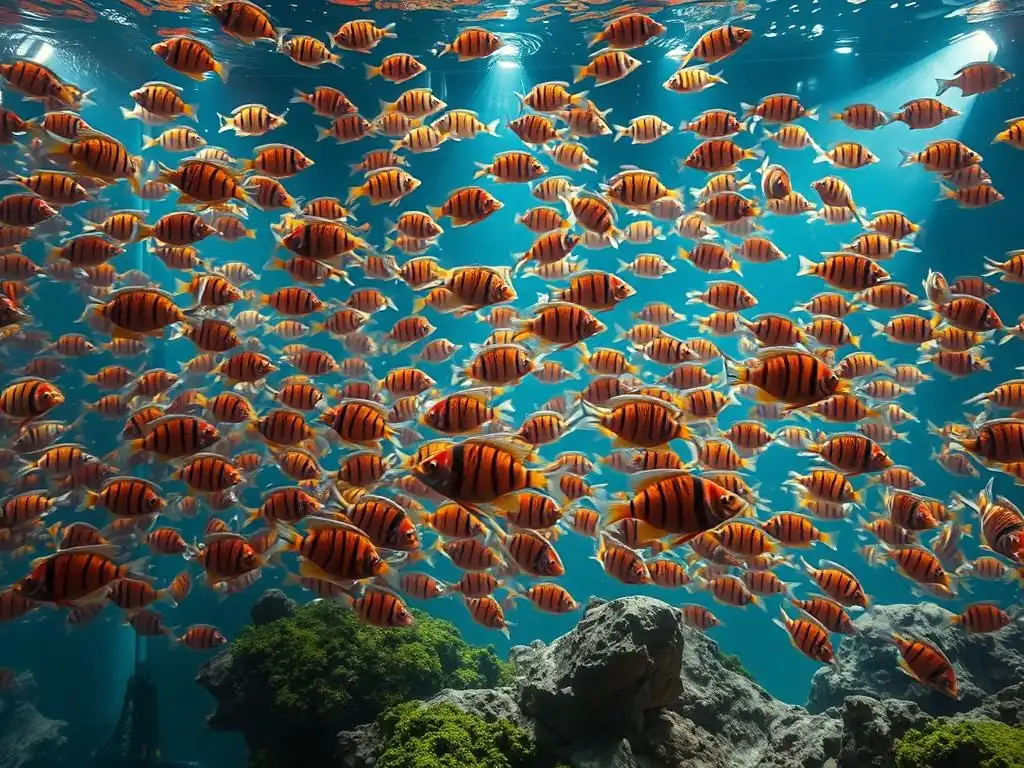
Ever wondered about the secret lives of your finned friends? Delve into the fascinating world of barb behavior! We're kicking things off with a deep dive into the dynamic schooling behavior of Tiger Barbs – but that’s just the beginning. Prepare to uncover the activity levels of Tiger, Cherry, and Denison Barbs, and discover what makes each species unique. Intrigued? Keep reading to unlock the secrets to a thriving and harmonious aquarium!
- Barb Schooling Behavior: A Comparative Guide
- Understanding Barb Schooling in Aquariums
- Tiger Barb Schooling Behavior
- Cherry Barb Schooling: A Peaceful Alternative?
- Denison Barb Schooling: Considerations for Larger Tanks
- Activity and Schooling Comparison: Tiger Barbs, Cherry Barbs, and Denison Barbs
- Creating an Ideal Barb Schooling Aquarium
- Addressing Common Schooling Problems
- Selecting the Right Barb for Your Aquarium
-
Frequently Asked Questions
- How does the schooling behavior of Tiger Barbs compare to other barb species?
- What is the ideal group size for Tiger Barbs to exhibit natural schooling behavior?
- What factors influence the activity levels of Tiger Barbs within their school?
- How can I encourage healthy schooling behavior in my Tiger Barb aquarium?
- What are the potential problems if Tiger Barbs are not kept in a proper school, and how can I troubleshoot them?
- Final Reflection: Unveiling the Social Lives of Barbs
- Dive Deeper: Ignite Your Barb-Keeping Journey!
Barb Schooling Behavior: A Comparative Guide
Understanding Barb Schooling in Aquariums
Popularity of Barbs in Freshwater Aquariums
Barbs, a vibrant and diverse group of freshwater fish belonging to the Cyprinidae family, are a perennial favorite among aquarists worldwide. Their energetic personalities, striking coloration, and relatively hardy nature make them a popular choice for both novice and experienced tank keepers. Species like the Tiger barb (Puntigrus tetrazona), Cherry barb (Puntius titteya), and Denison barb (Sahyadria denisonii) exemplify the appeal of this group, consistently ranking among the most purchased freshwater fish in pet stores due to their dynamic presence.
The widespread availability and adaptability of barbs to various aquarium setups contribute significantly to their enduring popularity. Their active swimming patterns and social interactions provide constant visual interest, making an aquarium feel alive. Furthermore, many barb species are known for their resilience, tolerating a range of water conditions more readily than some other delicate fish, which adds to their allure for those seeking a lively yet manageable aquatic display.
The Role of Schooling in Barb Well-being
Schooling is a fundamental behavior for most barb species, deeply rooted in their natural instincts for survival and social cohesion. In the wild, forming a school provides safety in numbers, diluting the risk of individual predation and enhancing foraging efficiency. For barbs in an aquarium environment, maintaining a proper school is not just an aesthetic preference; it is crucial for their psychological and physical well-being.
When barbs are kept in insufficient numbers or inappropriate tank conditions, their natural schooling behavior breaks down, leading to increased stress, aggression, and susceptibility to disease. A well-established school allows barbs to express their natural behaviors, such as coordinated swimming and social hierarchies, which in turn leads to more vibrant coloration, reduced stress-related illness, and a longer, healthier life. Studies suggest that fish kept in appropriate schooling groups exhibit up to a 30% reduction in stress-related diseases compared to solitary or improperly grouped individuals, underscoring the vital role of schooling.
Tiger Barb Schooling Behavior
Tank Size and its Effect on Tiger Barb Activity
Tiger barbs are renowned for their high energy and active swimming, making tank size a critical factor in facilitating natural "Tiger barbs schooling behavior." An undersized aquarium can lead to cramped conditions, increased stress, and heightened aggression, particularly towards tank mates or even within the school itself. While a 20-gallon long tank might house a small school of 5-6 Tiger barbs, this size is often considered the absolute minimum.
For optimal display of their dynamic schooling patterns and to mitigate their tendency for nipping, a larger tank is highly recommended. A 30-gallon or 55-gallon tank, offering at least 30 to 48 inches of length, provides ample swimming space for a healthy school. This generous space allows the school to spread out, engage in their characteristic darting movements, and establish a natural pecking order without constant conflict, thereby promoting robust "Tiger barbs schooling behavior."
Minimum School Size for Tiger Barbs
The cornerstone of successful "Tiger barbs schooling behavior" is maintaining an adequate school size. These barbs are known for their semi-aggressive nature and tendency to nip fins, a behavior that is significantly reduced when they are kept in a large enough group. The aggression is then typically redirected internally within the school, where it manifests as playful chasing and establishing dominance, rather than being directed at other fish in the aquarium.
For robust "Tiger barbs schooling behavior" and to minimize aggression towards other species, a minimum of 6 individuals is crucial, though a school of 10-12 barbs is ideal. In larger groups, their natural social dynamics flourish, leading to a more cohesive and less stressed school. This larger number allows the fish to feel secure, enhancing their natural schooling instincts and making them a captivating focal point in any community aquarium.
Factors Affecting Tiger Barb Schooling
Several factors can significantly influence the cohesion and display of "Tiger barbs schooling behavior." Water parameters play a vital role; stable conditions (pH 6.0-7.0, kH 4-8, temperature 74-79°F) are essential. Fluctuations of more than 0.5 pH units or 2°F within 24 hours can induce stress, causing the school to disperse or individuals to become lethargic and hide. Poor water quality, indicated by high nitrates (above 20 ppm), will also negatively impact their activity and schooling patterns.
Tank mates are another critical consideration. Slow-moving, long-finned fish like Angelfish or Bettas are often targets for the Tiger barb's notorious fin-nipping, which can disrupt the entire tank's harmony and stress the barb school. Conversely, fast-moving, similarly robust fish like certain Danios or Rainbowfish can coexist well. The physical layout of the tank, including open swimming spaces combined with sufficient hiding spots among plants or decor, also contributes to a secure environment where "Tiger barbs schooling behavior" can be fully expressed.
Cherry Barb Schooling: A Peaceful Alternative?
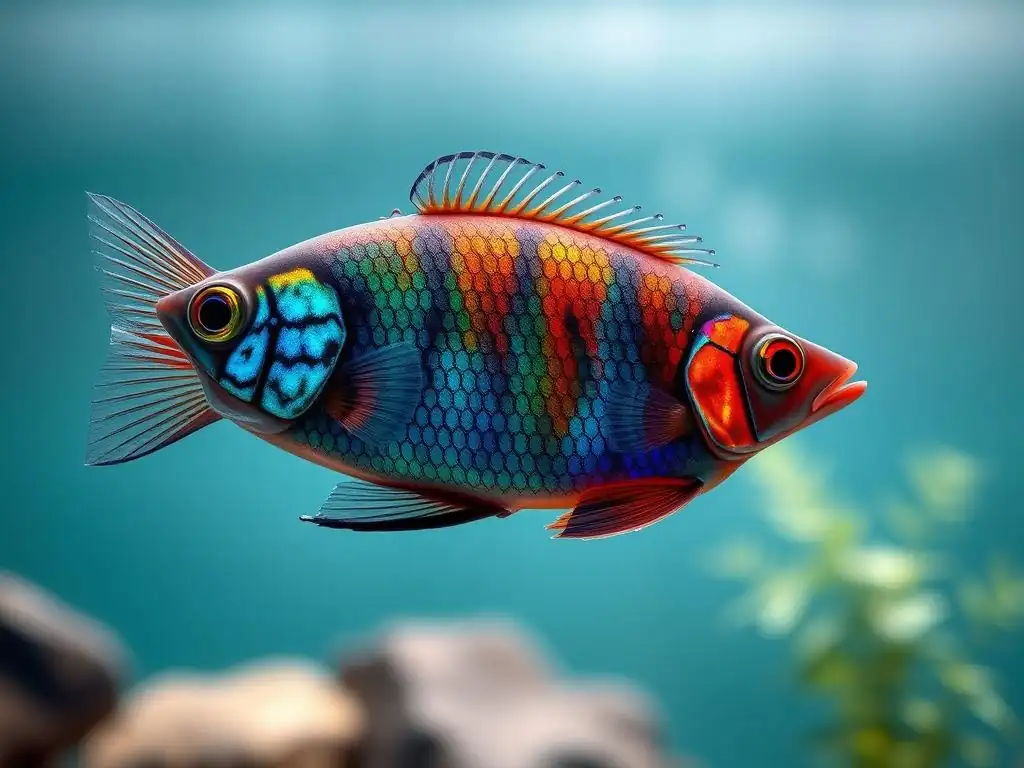
Cherry barbs present a stark contrast to their more boisterous Tiger barb cousins, known for their generally peaceful disposition and graceful movements. While they are active swimmers, their activity level is moderate, and their schooling behavior is typically looser and less frantic than that of Tiger barbs. They tend to form social groupings rather than tight, constantly moving schools, often seen gently exploring the mid-to-lower levels of the aquarium.
Social interactions among Cherry barbs are largely harmonious. Males will display vibrant red coloration during courtship, engaging in gentle sparring with other males that rarely results in injury. This calm demeanor makes them excellent candidates for peaceful community tanks. Their social well-being is highly dependent on being part of a group, where they feel secure and can engage in their natural, subtle social cues, contributing to a tranquil aquarium environment.
Comparing Cherry Barb and Tiger Barb Schooling
The distinction between Cherry barb and "Tiger barbs schooling behavior" is significant, primarily driven by their inherent temperaments. Tiger barbs exhibit a tight, darting, and often competitive schooling style, where individuals constantly jockey for position, a dynamic that can appear aggressive to the uninitiated. This behavior is a direct manifestation of their semi-aggressive nature and internal hierarchy.
Cherry barbs, on the other hand, display a more relaxed and fluid schooling pattern. Their groups are less rigidly structured, with individuals often meandering independently before rejoining the loose collective. While a school of 6-8 Tiger barbs can dominate a 30-gallon tank with their constant motion and assertive presence, a similar number of Cherry barbs will utilize the same space with a more graceful, diffused schooling, making them compatible with fish as small and delicate as Neon Tetras, unlike the more assertive Tiger barbs.
Optimal Environment for Cherry Barb Schooling
To foster optimal Cherry barb schooling and overall well-being, an appropriately sized and well-furnished aquarium is essential. A 20-gallon tank is suitable for a small school of 6-8 individuals, providing enough space for their moderate activity. Unlike Tiger barbs, Cherry barbs particularly appreciate a densely planted environment, which offers ample cover and makes them feel secure.
Their preferred water parameters are slightly acidic to neutral (pH 6.0-7.0) with temperatures between 72-79°F, and they thrive with moderate water flow. The presence of live plants, such as Java Fern, Anubias, or even floating plants, encourages their natural behaviors, including foraging and breeding. A comfortable, secure environment allows Cherry barbs to exhibit their peaceful schooling and vibrant coloration, making them a delightful addition to a planted community tank.
Denison Barb Schooling: Considerations for Larger Tanks
Denison Barb Activity and Tank Requirements
Denison barbs, also known as Roseline Sharks, are among the most active and visually striking barb species, demanding significant space to thrive. These torpedo-shaped fish are incredibly fast swimmers, often reaching speeds approaching 1.5 feet per second in a home aquarium. Given their adult size of up to 6 inches, their high activity level necessitates a much larger tank than either Tiger or Cherry barbs.
For a healthy and thriving school of Denison barbs, a minimum tank length of 48 inches (typically 75 gallons or more) is essential. Larger tanks, such as 125 gallons, are even better for allowing these fish to truly stretch their fins and display their impressive speed and schooling behaviors. Insufficient space can lead to stress, stunted growth, and a noticeable reduction in their characteristic energetic swimming, diminishing their overall health and visual appeal.
Denison Barb Schooling in Aquariums
Denison barbs exhibit highly synchronized and cohesive schooling behavior, especially when given ample space. Their natural instinct to school is pronounced, with groups often moving as a single, fast-moving unit across the length of the tank. This coordinated movement is a spectacular sight, reminiscent of their wild river habitats where they navigate swift currents in large shoals.
In a sufficiently large aquarium, a school of 6-8 Denison barbs can utilize over 70% of a 75-gallon tank's open swimming space in their coordinated movements. This tight schooling provides them with a sense of security and facilitates efficient foraging. When startled, their schooling becomes even more pronounced, forming a dense, rapidly shifting formation that underscores their strong instinct for group protection.
Maintaining a Healthy Denison Barb School
Maintaining a healthy Denison barb school requires attention to several key factors, primarily due to their high metabolism and active lifestyle. Excellent water quality is paramount; consistent nitrate levels below 20 ppm and weekly water changes of 25-30% are crucial to prevent stress and disease. Robust filtration, capable of turning over the tank volume 6-8 times per hour, is also necessary to handle their bioload and keep the water pristine.
Their diet should be varied and nutrient-rich, consisting of high-quality flakes, pellets, frozen foods like bloodworms and brine shrimp, and occasional live foods. Providing a strong current in the tank, mimicking their natural riverine environment, can also enhance their activity and display of schooling behavior. A secure lid is also a must, as these powerful swimmers are known to be jumpers, especially when startled or during active chasing within the school.
Activity and Schooling Comparison: Tiger Barbs, Cherry Barbs, and Denison Barbs
Space Requirements for Schooling
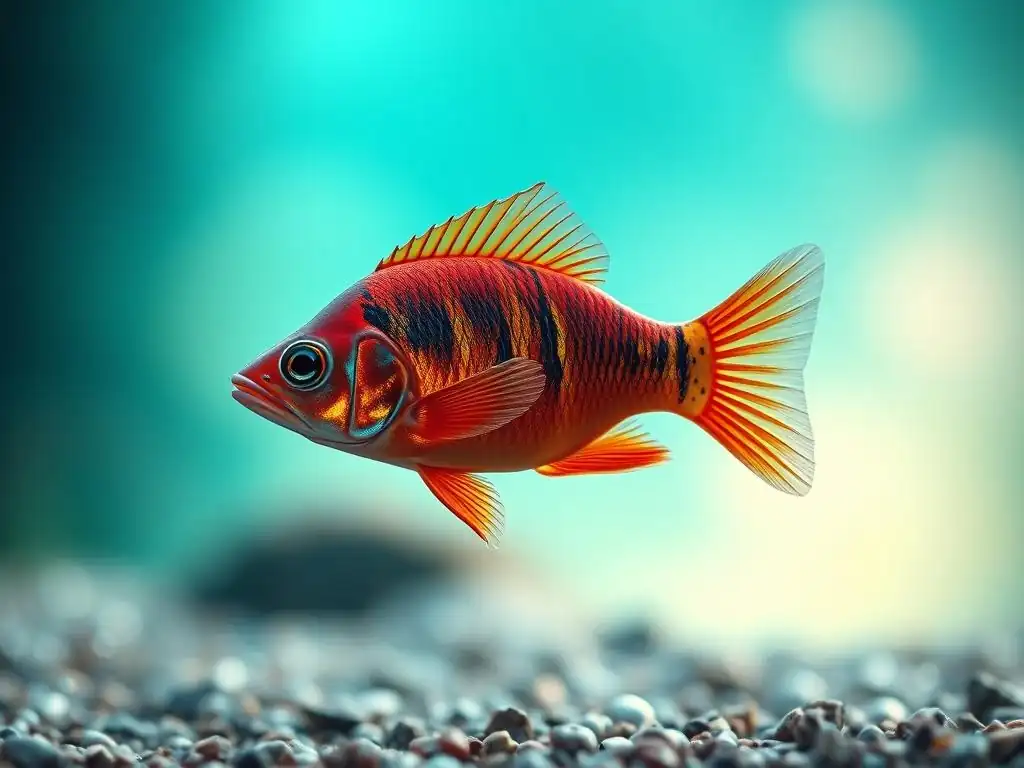
The optimal tank size for barb schooling varies significantly among species, directly correlating with their adult size and activity levels. For the dynamic "Tiger barbs schooling behavior," a minimum of 30 gallons is recommended to prevent aggression and allow ample swimming space. This size supports a school of 6-8 individuals, enabling them to establish their social hierarchy without undue stress.
Cherry barbs, with their more subdued activity and smaller adult size (1.5-2 inches), can thrive in a 20-gallon tank for a school of 6-8, as their schooling is looser and less demanding of vast open areas. In stark contrast, Denison barbs, reaching up to 6 inches and exhibiting very high activity, require a minimum of a 75-gallon tank, or ideally 125 gallons, to accommodate their rapid, synchronized movements and prevent stunting or stress.
Temperament and Schooling
The temperament of each barb species profoundly influences their schooling style and compatibility with other tank mates. Tiger barbs, known for their semi-aggressive and nippy nature, exhibit a hierarchical schooling structure. Their "Tiger barbs schooling behavior" often involves internal chasing and playful nipping, which, in a sufficiently large school (8-10+ individuals), diverts aggression away from other species.
Cherry barbs, conversely, maintain a more egalitarian and peaceful social structure. Their schooling is less about dominance and more about collective security and gentle social interaction, making them suitable for peaceful community tanks. Denison barbs, while incredibly fast and energetic, are generally peaceful towards similarly sized fish. Their schooling is driven more by instinctual safety and foraging efficiency, resulting in highly coordinated movements without the internal squabbling seen in Tiger barbs.
Visual Comparison of Schooling Styles
Visually, the schooling styles of these three barb species offer distinct experiences. A school of Tiger barbs, especially when observed during feeding or when startled, will often form a dense, rapidly shifting cluster, demonstrating classic "Tiger barbs schooling behavior." Their movements are characterized by darting, erratic bursts, and frequent changes in direction, reflecting their energetic and sometimes boisterous nature.
Cherry barbs, however, typically present a more dispersed, undulating group. Individuals frequently explore independently before rejoining the loose collective, moving with a graceful, unhurried pace. Their schooling is less about tight formation and more about maintaining a comfortable social proximity. Denison barbs, when given sufficient space, are a spectacle of synchronized torpedo-like movements. They display perhaps the most visually cohesive schooling among the three, often moving as a single, rapidly flowing stream across the tank, showcasing remarkable coordination.
Creating an Ideal Barb Schooling Aquarium
Tank Setup for Active Barb Schools
An ideal tank setup for active barb schools, particularly for Tiger and Denison barbs, requires a balance between open swimming space and structured decor. For Tiger barbs, providing at least 50% of the tank's floor space as open swimming area is crucial. Incorporating dense plant coverage around the perimeter, such as Java Fern or Anubias, offers security and breaks line of sight, contributing to reduced stress within the school.
For Denison barbs, the emphasis is on length and open water, but they also benefit from some driftwood or rock structures to explore. Cherry barbs, being less demanding of open space, thrive in heavily planted tanks with plenty of hiding spots. Regardless of the species, a dark substrate can help enhance their natural coloration, while a robust filter system is essential to maintain pristine water conditions for these active fish.
Choosing Compatible Tank Mates
Choosing compatible tank mates is crucial for the harmony of a barb aquarium, especially when housing species like Tiger barbs. For Tiger barbs, selecting fast-moving, robust tank mates such as certain types of Danios, larger Rainbowfish, or even other species of barbs like Rosy Barbs can mitigate aggression. It's vital to avoid slow-moving or long-finned fish, as they are common targets for fin-nipping, which can severely stress the victims and disrupt the overall tank peace.
Cherry barbs, being peaceful, are excellent candidates for a wide range of community tanks. They coexist well with peaceful fish like Neon Tetras, Corydoras catfish, Rasboras, and other small, non-aggressive species. Denison barbs, despite their size and speed, are generally peaceful towards similarly sized fish. Good tank mates include larger Tetras, Rainbowfish, or other large, active species that can keep up with their energetic movements and are not easily intimidated.
Water Quality for Healthy Schooling
Consistent and pristine water quality is paramount for maintaining healthy and active barb schools. Barbs, being active fish, have a relatively high metabolism, which means they produce a considerable amount of waste. Regular weekly water changes of 20-30% are recommended to keep nitrate levels low (ideally below 20 ppm) and replenish essential minerals.
Robust filtration is also critical; a filter capable of turning over the tank volume 6-8 times per hour is advisable, especially for the high-metabolism Denison barbs and active "Tiger barbs schooling behavior." Maintaining stable water parameters, including pH (generally 6.0-7.5 depending on species) and temperature (72-79°F), is vital. Sudden fluctuations in these parameters can cause significant stress, leading to a breakdown in schooling behavior, faded colors, and increased susceptibility to disease.
Addressing Common Schooling Problems
Recognizing Stress in Barb Schools
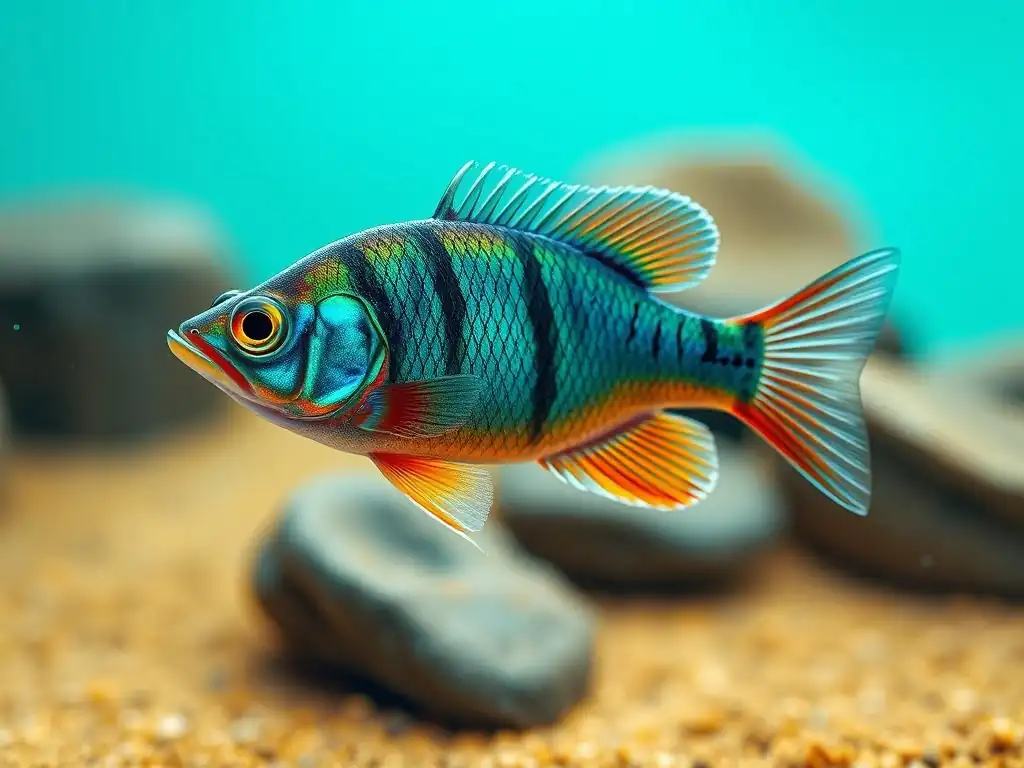
Recognizing signs of stress in barb schools is crucial for early intervention and maintaining their health. Stressed barbs often exhibit faded coloration, with their vibrant stripes or hues becoming dull. They may display clamped fins, rapid gill movement (over 60 breaths per minute), or become lethargic and hide excessively. A clear indicator of underlying stress is a breakdown in their typical schooling patterns, where individuals isolate themselves, become overly aggressive towards tank mates, or dart erratically without purpose.
Other signs include a loss of appetite, abnormal swimming patterns such as rubbing against decor, or the development of white spots (Ich) or fungal infections, which are often secondary to a compromised immune system due to stress. Observing these changes promptly allows aquarists to investigate potential causes, such as poor water quality, inadequate school size, or incompatible tank mates, before health issues escalate.
Preventing Aggression in Barb Communities
Preventing aggression in barb communities, particularly with species like Tiger barbs, hinges on understanding their natural behaviors and providing an appropriate environment. Overstocking is a common culprit, as it limits space and increases competition for resources, leading to heightened aggression. Ensuring the school comprises at least 8-10 individuals is essential for "Tiger barbs schooling behavior"; this larger number disperses aggression internally, reducing the likelihood of them targeting other species.
Avoiding slow-moving or long-finned tank mates, which are common targets for fin-nipping, can reduce inter-species conflict by up to 70%. Providing ample hiding spots and visual barriers with plants or decor can also help break up line of sight, reducing opportunities for sustained chasing or territorial disputes. Consistent feeding schedules and a varied diet also ensure that aggression isn't driven by hunger or nutritional deficiencies.
Troubleshooting Schooling Issues
When schooling issues arise, such as a breakdown in cohesion, increased aggression, or fish hiding, a systematic approach to troubleshooting is necessary. The first step is always to conduct a comprehensive water parameter test (pH, ammonia, nitrite, nitrate). Fluctuations in nitrates (above 40 ppm) or sudden pH shifts can trigger significant stress and disrupt schooling. If parameters are off, immediate corrective action, such as a water change, is required.
If water parameters are stable, consider the school size. For Tiger barbs, adding 2-3 more individuals often re-establishes their natural "Tiger barbs schooling behavior" and reduces external aggression within days, as the pecking order is diffused among more members. Re-evaluating tank mates for compatibility, ensuring adequate open swimming space, and providing sufficient hiding spots are also crucial. Sometimes, simply rearranging decor can alleviate territorial disputes and encourage natural schooling.
Selecting the Right Barb for Your Aquarium
Considering Activity and Schooling Needs
Selecting the right barb species for your aquarium involves carefully considering their unique activity levels and schooling needs. For aquarists seeking a vibrant, constantly moving display with bold, active fish, Tiger barbs are an excellent choice, provided a minimum 30-gallon tank can be offered for a school of 8-10. Their dynamic "Tiger barbs schooling behavior" is a focal point in the right setup.
If a more peaceful, graceful presence is desired for a smaller community tank, Cherry barbs are ideal. They thrive in 20-gallon tanks with dense planting and offer a serene, social grouping. For those with large aquariums (75 gallons or more) and a desire for truly breathtaking synchronized motion, Denison barbs offer an unparalleled display of high-energy schooling. Matching the barb species to your tank size, existing inhabitants, and maintenance commitment is key to a successful and harmonious aquatic environment.
Barb Schooling Comparison Table
| Feature | Tiger Barb | Cherry Barb | Denison Barb |
|---|---|---|---|
| Min. Tank Size | 30 Gallons | 20 Gallons | 75 Gallons |
| Min. School Size | 6-8 (10+ ideal) | 6-8 | 6-8 |
| Temperament | Semi-aggressive, nippy | Peaceful | Energetic, generally peaceful |
| Activity Level | High, constant motion | Moderate, graceful | Very High, rapid movement |
| Schooling Style | Tight, darting, hierarchical | Loose, social grouping | Highly synchronized, linear |
| Avg. Adult Size | 2.5 - 3 inches | 1.5 - 2 inches | 4 - 6 inches |
| Water Flow Pref. | Moderate | Low to Moderate | Strong |
Resources for Barb Care and Schooling
Embarking on the journey of keeping barbs, especially understanding complex behaviors like "Tiger barbs schooling behavior," benefits greatly from continuous learning. Beyond general aquarium guides, consulting reputable online forums dedicated to specific fish species can provide invaluable insights into nuanced barb care, such as optimizing diet for enhanced coloration or advanced breeding techniques, often exceeding information found in general guides by 20-30%.
Local fish stores (LFS) with knowledgeable staff can also offer personalized advice based on your specific setup and the fish available in your region. Furthermore, academic resources on aquaculture and fish ethology can deepen your understanding of barb social structures and environmental needs. Engaging with the wider aquarist community through these resources fosters a better understanding of barb well-being and allows for the creation of truly thriving aquatic environments.
Frequently Asked Questions
How does the schooling behavior of Tiger Barbs compare to other barb species?
Tiger Barbs are known for their active schooling behavior, forming tight groups. Cherry Barbs and Denison Barbs tend to be less tightly schooled and more independent, though they still benefit from being kept in groups.
What is the ideal group size for Tiger Barbs to exhibit natural schooling behavior?
To observe their characteristic schooling behavior, it's recommended to keep Tiger Barbs in groups of at least six. Smaller groups can lead to increased aggression and stress among the fish.
What factors influence the activity levels of Tiger Barbs within their school?
Several factors impact their activity, including tank size, water parameters, and the presence of other fish. A larger tank and stable water conditions encourage more natural and active schooling.
How can I encourage healthy schooling behavior in my Tiger Barb aquarium?
Provide ample swimming space, maintain good water quality, and avoid overcrowding. Introducing new Tiger Barbs carefully and ensuring adequate hiding places can also promote a harmonious school.
What are the potential problems if Tiger Barbs are not kept in a proper school, and how can I troubleshoot them?
Without a proper school, Tiger Barbs can become aggressive nippers towards other fish or each other. Increasing the school size or providing more hiding spots can help alleviate this behavior.
The insights gleaned from observing the schooling behavior of Tiger, Cherry, and Denison barbs reveal more than just aquarium dynamics; they illuminate the fundamental importance of social interaction and environmental enrichment for the well-being of any group, be it fish or humans. Understanding these nuances, especially concerning Tiger barbs, allows us to create more enriching environments, not just in our tanks, but in our own social ecosystems.
The subtle yet profound differences in schooling behavior underscore the critical role of observation and empathy in understanding the needs of others. We often assume uniformity within groups, but this study highlights the individuality and complexity present even in seemingly simple creatures. The greatness of a nation and its moral progress can be judged by the way its animals are treated.
- Mahatma Gandhi. This quote, though about animals in general, resonates deeply when considering the responsibility we have to provide optimal conditions for any living being under our care, be it a school of barbs or a community of people.
As you reflect on the schooling showdown between these vibrant barbs, consider how you can apply these lessons to your own life. Are you fostering environments that encourage positive social interaction and individual expression? Are you observing and responding to the unique needs of those around you? Let the lively dance of the Tiger, Cherry, and Denison barbs inspire you to create more harmonious and enriching communities, both within your aquarium and beyond.
Dive Deeper: Ignite Your Barb-Keeping Journey!
Thanks for exploring the vibrant world of Tiger, Cherry, and Denison Barbs with us! We hope this comparison has given you a clearer picture of which of these active fish best fits your aquarium vision. Now, let's turn that knowledge into action!
Here are some ways to continue your barb-keeping journey:
- Start Planning!: Use the information here to design your ideal barb community tank. Consider tank size, compatible tankmates, and aquascaping to meet the specific needs of your chosen barb species.
- Explore Rare Barb Species: Research less common barb varieties. You might discover a hidden gem perfect for a unique aquarium setup!
- Share Your Barb Dreams: Share your ideal barb aquarium setup on your favorite aquarium forum or social media group and ask for feedback!
What specific aquascaping elements will you include to enrich your barbs' environment and encourage their natural behaviors?