
The Challenge of Breeding Denison Barbs: Is It Possible in a Home Aquarium?

Welcome to Aquarium Mastery!
Ever wondered if you could unlock the secret to breeding the dazzling Denison barb right in your own home aquarium? It's a challenge many aquarists face, and achieving success isn't as straightforward as you might think. Dive in and explore the fascinating world of Denison barb breeding, uncovering the complexities and potential rewards that await! Are you ready to embark on this aquatic adventure?
- Understanding the Denison Barb Breeding Mystery
- Denison Barb Natural Habitat and Breeding Behaviors
- Key Factors for Successful Denison Barb Breeding in Captivity
- The Challenges of Raising Denison Barb Fry
- Current Breeding Methods and Success Stories (or Lack Thereof)
- Is Home Breeding of Denison Barbs Truly Possible?
- Alternatives to Breeding: Supporting Sustainable Practices
- Conclusion: The Future of Denison Barb Breeding in Home Aquariums
- Frequently Asked Questions
- Final Reflection: The Elusive Dream of Denison Barb Breeding
- Ignite Your Passion: Embark on the Denison Barb Breeding Adventure!
Understanding the Denison Barb Breeding Mystery
Why is Denison Barb Breeding So Difficult?
Denison barbs ( Sahyadria denisonii ), also known as Roseline Sharks or Red-line Torpedo Barbs, are native to the clear, fast-flowing rivers and streams of the Western Ghats mountain range in Kerala and Karnataka, India. Their natural habitat is characterized by high dissolved oxygen, strong currents, and specific water chemistry, including soft, slightly acidic to neutral water.
Replicating this complex, dynamic environment, especially the seasonal cues that trigger spawning in the wild, presents an immense challenge in the confined space of a home aquarium. They are pelagic spawners, scattering non-adhesive eggs freely into the water column, which then drift downstream, making egg collection and protection extremely difficult.
Furthermore, Denison barbs exhibit minimal sexual dimorphism, making it arduous for aquarists to reliably distinguish between males and females, particularly when they are not in breeding condition. In their natural environment, these fish are believed to undertake migratory journeys to specific spawning grounds, possibly triggered by the onset of the monsoon season, which brings changes in water parameters, temperature, and food availability. The precise combination of these environmental and potential hormonal cues is intricate and largely unknown, making consistent Denison barb breeding home aquarium attempts largely unsuccessful for hobbyists.
The Appeal of Breeding Denison Barbs at Home
The appeal of successfully achieving Denison barb breeding in a home aquarium is multifaceted, driven by both the profound challenge it presents and the potential for contributing to sustainable aquaculture. These fish are highly prized in the aquarium trade for their striking coloration and active schooling behavior, often retailing for $15-$30 USD per fish, and sometimes more for mature, well-conditioned specimens. Successfully breeding such a notoriously difficult species would represent a significant accomplishment for any dedicated aquarist, a true testament to their skill and patience.
Beyond the personal achievement, the ability to achieve Denison barb breeding in a home aquarium holds significant conservation value. A substantial portion of Denison barbs available in the global trade are still wild-caught, leading to concerns about over-collection and habitat degradation in their native Indian rivers. Establishing viable captive breeding programs, even on a small scale by hobbyists, could help reduce the reliance on wild populations, thereby alleviating pressure on their natural habitats and promoting a more ethical and sustainable hobby.
Denison Barb Natural Habitat and Breeding Behaviors
Simulating Natural Conditions for Denison Barb Reproduction
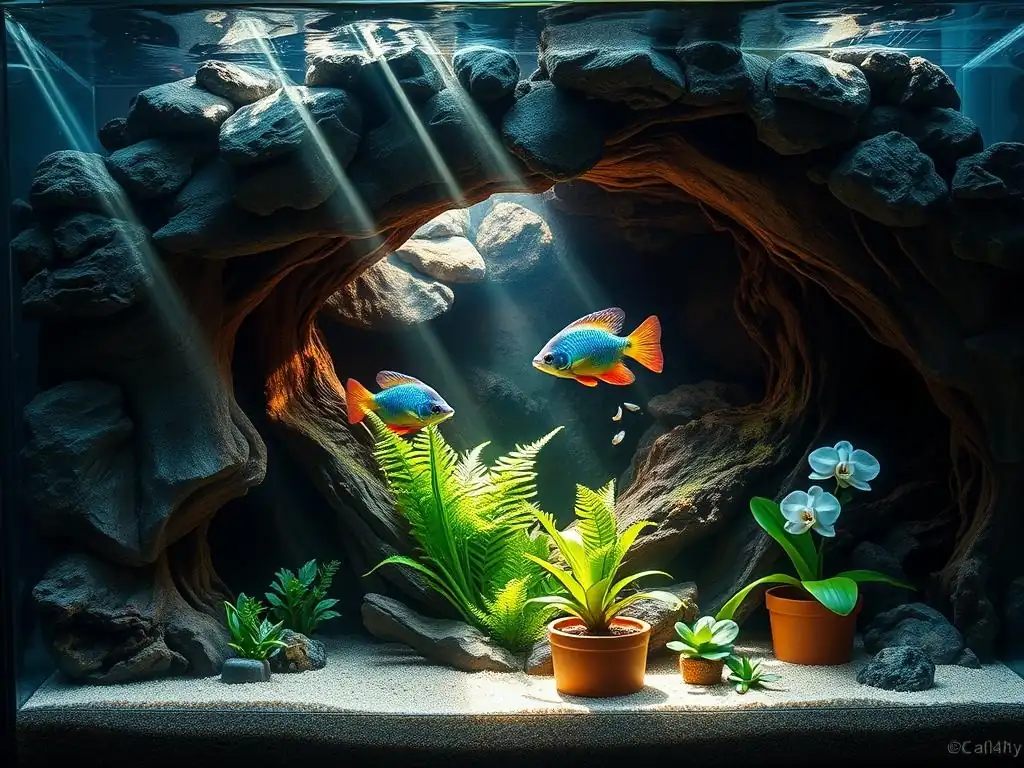
Denison barbs thrive in the swift, oxygen-rich waters of their native rivers, which are often characterized by rocky substrates, submerged roots, and dense vegetation along the banks. These environments provide both open swimming areas and sheltered spots. To encourage Denison barb breeding in a home aquarium, aquarists must attempt to simulate these conditions as closely as possible. This involves providing a strong, consistent current using powerheads or high-flow filters, ensuring exceptional oxygenation, and maintaining very stable and pristine water parameters that mimic their natural soft, neutral to slightly acidic water.
The seasonal changes, particularly the monsoon, are believed to be crucial spawning triggers. In the wild, this means a sudden influx of cooler, fresh water, increased flow, and a surge in food availability. While replicating a monsoon is impractical, aquarists might attempt large, cool water changes (e.g., 20-30% daily with water a few degrees cooler than the tank) combined with increased feeding to mimic these natural cues. However, the precise combination and duration of these changes necessary to induce spawning consistently in a home aquarium remain largely speculative.
Understanding Denison Barb Spawning Triggers
In their native habitats, Denison barbs are thought to be migratory spawners, moving upstream to specific areas during the monsoon season to breed. The complex interplay of environmental factors—such as changes in water temperature (often a slight drop), increased water flow, altered photoperiod, and an abundance of high-protein food sources—is believed to trigger their reproductive cycle. These are broad-spectrum cues that are incredibly challenging to replicate with precision and consistency within the confines of a home aquarium.
As broadcast spawners, Denison barbs release their non-adhesive eggs freely into the water column, where they drift with the current. This reproductive strategy is well-suited for large, flowing river systems but poses significant challenges in a closed system. The eggs are vulnerable to consumption by parents or other tank inhabitants, and their non-adhesive nature makes collection and transfer to a separate rearing tank difficult without specialized equipment. The lack of specific parental care further complicates the survival rates of any spawned eggs in a general home aquarium setting.
Key Factors for Successful Denison Barb Breeding in Captivity
Water Parameters: Replicating the Ideal Breeding Environment
Temperature and pH for Denison Barb Spawning
For any attempt at Denison barb breeding in a home aquarium, precise control over water temperature and pH is paramount. While they tolerate a range in community tanks, for spawning, temperatures between 22°C and 26°C (72-79°F) are generally recommended, with some anecdotal reports suggesting a slight decrease in temperature (e.g., by 2-3°C) can help trigger spawning. The pH should be maintained in a slightly acidic to neutral range, typically between 6.5 and 7.5. Stability is more critical than a specific point; sudden fluctuations can stress the fish and inhibit breeding.
Beyond temperature and pH, maintaining exceptionally low levels of nitrogenous waste is crucial. Ammonia and nitrite must be undetectable (0 ppm), and nitrates should be kept below 10-20 ppm through diligent filtration and regular water changes. High dissolved oxygen levels, ideally above 7-8 mg/L, are also essential, reflecting their natural habitat. This often necessitates powerful filtration, strong surface agitation, or the use of air stones to ensure optimal oxygen saturation for the breeding pair.
Water Hardness and Conductivity Considerations
Water hardness is another critical parameter for successful Denison barb breeding in a home aquarium. Their native waters are typically soft to moderately soft, indicating a low mineral content. For breeding purposes, a general hardness (GH) range of 4-10 dGH (degrees of General Hardness) is often cited as ideal. Carbonate hardness (KH) should also be kept relatively low, around 2-5 dKH, to allow for stable but slightly acidic pH conditions.
Conductivity, which measures the total dissolved solids (TDS) in the water, provides a comprehensive indication of water purity. For Denison barb breeding, a conductivity range of 100-300 microsiemens/cm (µS/cm) is generally recommended, aligning with the soft water conditions of their natural environment. Achieving such low hardness and conductivity often requires the use of reverse osmosis (RO) water, carefully remineralized to the target parameters, rather than relying solely on tap water, which can vary significantly in mineral content.
Tank Setup for Denison Barb Breeding
Tank Size and Dimensions for Breeding Success
A dedicated breeding tank for Denison barbs must be generously sized to accommodate their active nature and potential spawning behaviors. A tank of at least 150-200 liters (approximately 40-55 gallons) is a minimum for a small group of potential breeders, though larger tanks of 300 liters (80 gallons) or more are often recommended for increased success. Length is more important than height, with tanks measuring at least 120 cm (48 inches) providing ample swimming space and facilitating the strong water flow that mimics their natural habitat.
The tank should be designed with ease of egg collection in mind, given their broadcast spawning nature. A bare-bottom tank is often preferred, or one with a very fine, smooth substrate that won't trap eggs. Some aquarists employ a layer of coarse mesh or egg crate positioned a few inches above the bottom, allowing eggs to fall through while preventing the parents from consuming them. Strong filtration that provides both excellent mechanical and biological filtration, along with high water turnover, is essential to maintain the pristine water quality required.
Substrate and Decoration for Mimicking Natural Habitat
For Denison barb breeding in a home aquarium, the substrate choice is critical due to their pelagic spawning habits. A bare-bottom tank simplifies egg retrieval and maintenance, preventing eggs from being lost or decaying within the substrate. If a substrate is used, it should be very fine sand or smooth, small pebbles that can be easily siphoned clean, and ideally, only a very thin layer should be present.
While heavy aquascaping is not strictly necessary for spawning, providing some broad-leafed plants (such as Anubias or Java Fern attached to driftwood or rocks) or spawning mops can offer visual barriers and a sense of security for the fish. These elements can also potentially serve as surfaces for eggs, though Denison barb eggs are non-adhesive and will mostly drift. The primary focus of decoration should be to maintain open swimming space and facilitate strong water flow throughout the tank, replicating the natural riverine environment.
Diet and Conditioning for Breeding Denison Barbs
Protein-Rich Foods to Encourage Spawning
Optimal diet and conditioning are crucial prerequisites for any Denison barb breeding home aquarium endeavor. A diverse and protein-rich diet is essential to bring potential breeders into prime spawning condition. This should include a variety of high-quality live foods such as bloodworms, brine shrimp, daphnia, mosquito larvae, and blackworms. Live foods not only provide superior nutrition but also stimulate natural feeding behaviors, which can contribute to hormonal readiness for reproduction.
Supplementing live foods with high-quality frozen options like Mysis shrimp, krill, and various fortified frozen cubes will ensure a balanced intake of vitamins and minerals. High-quality commercial flakes or pellets designed for carnivorous or omnivorous tropical fish can also be included, but they should not form the bulk of the diet during the conditioning phase. Feeding multiple small meals throughout the day, rather than one large one, can help maintain consistent nutrient levels and reduce water pollution.
Live and Frozen Foods for Optimal Conditioning
For the most effective conditioning in a Denison barb breeding home aquarium scenario, the emphasis should be heavily placed on a consistent supply of live and frozen foods. Newly hatched brine shrimp (Artemia nauplii) are excellent for their high protein content and digestibility. Larger live foods like adult brine shrimp, small earthworms, or even small feeder fish (if ethically sourced and disease-free) can provide significant nutritional boosts, mimicking the diverse prey available in their natural environment.
A rotation of high-quality frozen foods is equally vital to provide a wide spectrum of nutrients. This includes frozen bloodworms, spirulina-enriched brine shrimp, cyclops, and various plankton preparations. This varied diet ensures that the fish receive all necessary amino acids, fatty acids, and vitamins for gonadal development and overall health, preparing them for the rigors of spawning. The goal is to provide a diet that signals an abundance of resources, a key trigger for reproduction in the wild.
The Challenges of Raising Denison Barb Fry
The Delicate Nature of Denison Barb Fry
Should spawning occur, the challenges associated with Denison barb breeding in a home aquarium only intensify when it comes to raising the fry. Denison barb fry are exceptionally small and delicate upon hatching, typically measuring only a few millimeters in length. Their diminutive size makes them highly vulnerable to even slight fluctuations in water parameters, requiring incredibly stable and pristine water quality with undetectable ammonia and nitrite levels, and minimal nitrates. High mortality rates are common during this initial phase.
Furthermore, their small size means they have very limited yolk sac reserves and must begin feeding almost immediately after hatching, usually within 24-48 hours. This critical period demands a constant supply of appropriately sized, highly nutritious food particles that are small enough for their tiny mouths. Any delay or inadequacy in feeding can lead to rapid starvation and widespread fry loss, making the initial days post-hatch particularly challenging for aquarists.
First Foods for Denison Barb Fry
Providing suitable first foods for Denison barb fry is paramount for their survival and growth. Due to their microscopic size, newly hatched brine shrimp nauplii are often too large for the initial feedings. For the first few days, the diet must consist of even smaller organisms. Infusoria cultures, commercially available liquid fry foods, or green water (algae-rich water) are typically necessary to provide the microscopic particles that the newly hatched fry can consume.
As the fry grow, usually within 3-5 days, they can gradually transition to newly hatched brine shrimp (Artemia nauplii). These are highly nutritious and an ideal size for slightly larger fry. Feeding should be frequent, ideally every 2-3 hours, to support their rapid metabolism and growth. Maintaining a constant presence of food in the water column is crucial, as they are continuous grazers and have little energy reserve.
Maintaining Water Quality for Fry Survival
Maintaining pristine water quality for Denison barb fry is arguably the most demanding aspect of their rearing in a home aquarium. Their extreme sensitivity to pollutants necessitates a rigorous water change regimen. Small, frequent water changes (e.g., 10-20% daily or even twice daily) using aged or reverse osmosis (RO) water are essential to dilute waste products without causing sudden shifts in temperature or chemistry that could shock the delicate fry.
Filtration in the fry rearing tank must be extremely gentle to prevent the tiny fry from being sucked into the filter intake. Air-driven sponge filters with fine pores are ideal, as they provide both mechanical and biological filtration without creating strong currents. The tank itself must be kept meticulously clean, with any uneaten food promptly siphoned out using a fine airline tubing to prevent the buildup of ammonia and nitrite, which are lethal to fry even in minute concentrations.
Current Breeding Methods and Success Stories (or Lack Thereof)
Commercial Denison Barb Breeding Practices
Commercial breeding of Denison barbs is primarily concentrated in large-scale aquaculture facilities, particularly in Southeast Asian countries such as Singapore, Indonesia, and Thailand. These operations employ sophisticated techniques that are largely inaccessible to the average home aquarist. A key component of their success is often the use of hormone induction, where mature fish are injected with synthetic gonadotropin-releasing hormone analogues (GnRHa) or pituitary extracts. These hormones reliably trigger ovulation in females and spermatogenesis in males, leading to synchronized spawning.
These commercial farms also utilize vast, purpose-built ponds or tanks with precise environmental controls, including automated systems for water quality management, temperature regulation, and high-volume water turnover. They can mimic seasonal changes in a controlled manner and manage large numbers of fry with specialized feeding regimes and infrastructure, allowing for the consistent production of Denison barbs for the global aquarium trade. This industrial scale and scientific approach significantly differentiate commercial success from home aquarium attempts.
Documented Attempts at Home Aquarium Breeding
Documented successful Denison barb breeding home aquarium attempts are exceedingly rare, with most reports being anecdotal, unverified, or describing accidental spawns in very large, well-established community tanks rather than intentional, repeatable breeding projects. There are no widely published or consistently replicable methods for hobbyists that guarantee success, unlike with many other popular aquarium fish species. Even in the few instances where spawning has been reported in a home setting, the number of eggs produced is typically very low, and the survival rate of fry to adulthood is dismally poor.
Aquarists who have claimed success often describe maintaining exceptionally large tanks (e.g., 300 liters/80 gallons or more), dedicating immense effort to pristine water quality, providing a highly varied and abundant diet, and attempting various environmental triggers such as large, cool water changes. However, these successes are often one-off events rather than consistent breeding cycles, highlighting the profound difficulty and the substantial resources required to even approach the conditions necessary for Denison barb breeding in a home aquarium.
The Role of Hormones in Commercial Breeding
Hormones play a pivotal role in the commercial breeding of Denison barbs because they effectively bypass the complex and often unknown environmental triggers required for natural spawning in a captive environment. By directly stimulating the reproductive glands, hormones like LHRHa (Luteinizing Hormone-Releasing Hormone analogue) induce the fish to spawn on demand. This allows commercial breeders to achieve predictable and high-volume egg production, overcoming the inherent difficulties of replicating natural migratory and seasonal cues.
For the average Denison barb breeding home aquarium enthusiast, the use of hormones is generally not a viable or recommended option. It requires specialized knowledge, precise dosages, and sterile administration techniques that are beyond the scope of most hobbyists. Furthermore, the ethical implications and legal restrictions surrounding the use of hormones in private aquarium settings vary by region and are often a point of contention within the hobby. The focus for hobbyists remains on environmental conditioning rather than chemical intervention.
Is Home Breeding of Denison Barbs Truly Possible?
The Reality of Limited Success
The reality regarding Denison barb breeding in a home aquarium is that consistent, repeatable success remains largely elusive for the vast majority of aquarists. While isolated incidents of spawning have been reported, achieving a significant number of surviving fry to adulthood is an exceptionally rare feat. The precise combination of environmental cues, water parameters, dietary conditioning, and the sheer scale required to mimic their natural migratory spawning behaviors makes this species one of the most challenging to breed in captivity for hobbyists.
The resources demanded—including very large dedicated tanks, an unwavering commitment to maintaining pristine and specific water quality, continuous provision of specialized live foods, and a deep understanding of fish physiology—place this endeavor beyond the practical reach of most home aquarists. For the vast majority, the effort, time, and financial investment required would far outweigh the slim chance of achieving a successful and sustainable breeding program, making it an undertaking primarily for highly experienced and extremely dedicated individuals.
The Importance of Ethical Sourcing
Given the extreme difficulty of achieving Denison barb breeding in a home aquarium, a substantial portion of the Denison barbs currently available in the aquarium trade are still wild-caught, primarily from their native river systems in India. This practice raises significant ethical concerns regarding the sustainability of wild populations and the potential ecological impact on their fragile habitats due to over-collection. As a result, ethical sourcing becomes a critical consideration for any aquarist interested in keeping this species.
For aquarists passionate about Denison barbs, prioritizing the purchase of captive-bred specimens is crucial. While these fish might be more expensive due to the advanced techniques and infrastructure required for commercial breeding, choosing captive-bred helps to reduce the demand for wild-caught individuals. This practice directly supports sustainable aquaculture and contributes to the conservation of wild populations, ensuring the long-term viability of the species both in its natural environment and within the aquarium hobby.
Alternatives to Breeding: Supporting Sustainable Practices
Promoting Responsible Fishkeeping
Given the immense challenges associated with Denison barb breeding in a home aquarium, a more practical and impactful approach for most aquarists is to focus on promoting responsible fishkeeping practices. This means providing exemplary care for the Denison barbs they already own or intend to purchase. Responsible care includes maintaining pristine water quality, offering a spacious tank (at least 55-75 gallons for a small school of 6-8 fish) with appropriate water flow, and providing a high-quality, varied diet.
Responsible fishkeepers also educate themselves on the natural history and specific needs of the species, understanding their social requirements (they are schooling fish and thrive in groups) and recognizing signs of stress or illness. By ensuring the longevity and well-being of their fish, aquarists contribute positively to the hobby's ethical standards and reduce the demand for replacement fish, indirectly supporting the conservation of wild populations by reducing collection pressure.
Buying from Reputable Breeders
The most viable and ethical alternative to attempting Denison barb breeding at home is to actively seek out and purchase fish from reputable commercial breeders. These breeders, often operating in countries with advanced aquaculture industries, possess the specialized facilities, scientific expertise, and resources—including the ability to use hormonal induction—to consistently produce captive-bred Denison barbs on a large scale. This ensures a steady supply of healthy, adaptable fish for the hobby.
While captive-bred Denison barbs might come at a higher price point compared to potentially wild-caught alternatives, the investment is justified. Opting for captive-bred specimens directly supports sustainable aquaculture practices, reduces the demand for wild-caught individuals, and helps alleviate the ecological pressure on their native river habitats in India. This conscious consumer choice is a powerful way for hobbyists to contribute to the long-term sustainability and ethical enjoyment of this magnificent species.
Conclusion: The Future of Denison Barb Breeding in Home Aquariums
Ongoing Research and Potential Breakthroughs
While successful Denison barb breeding in a home aquarium remains a significant hurdle for the vast majority of hobbyists, ongoing research into their natural biology, reproductive physiology, and specific environmental triggers offers a glimmer of hope for future breakthroughs. Advances in water chemistry control, the development of specialized diets, and a deeper understanding of their complex migratory and spawning behaviors in the wild could potentially lead to more effective techniques for captive reproduction.
However, any such breakthroughs would likely necessitate highly sophisticated setups, specialized equipment, and a level of dedication and scientific understanding far beyond the average hobbyist's capacity. For the foreseeable future, consistent, large-scale success in home breeding appears to be a distant prospect. Nevertheless, the relentless passion and experimentation of dedicated aquarists continue to push the boundaries of what is possible within the hobby.
The Dedicated Aquarist's Role in Conservation
Even if direct Denison barb breeding in a home aquarium remains largely unachievable for most, dedicated aquarists play an undeniably vital role in the broader conservation efforts for this species. By making informed purchasing decisions, specifically demanding captive-bred fish, and supporting businesses that adhere to ethical sourcing practices, hobbyists directly contribute to reducing pressure on wild populations and their fragile ecosystems.
Furthermore, by providing exemplary care for their Denison barbs, aquarists serve as ambassadors for the species, raising awareness about its needs and the importance of habitat preservation. This collective effort, focused on responsible fishkeeping, ethical consumption, and active advocacy, is crucial for the long-term sustainability of the Denison barb, ensuring that this magnificent fish continues to thrive both in its natural habitat and within the vibrant world of the aquarium hobby.
Frequently Asked Questions
Can Denison Barbs be bred in a home aquarium?
While challenging, breeding Denison Barbs in a home aquarium is possible. It requires specific conditions mimicking their natural environment and a dedicated approach to water parameters and spawning triggers. Success is not guaranteed and often requires significant effort.
What are the key challenges in breeding Denison Barbs at home?
The main challenges involve replicating their natural habitat's water flow, water chemistry, and seasonal changes. Also, the fry are very small and require specialized food and care, demanding a high level of attention.
What specific water parameters are crucial for Denison Barb breeding?
Denison Barbs need soft, acidic water with a pH around 6.0-6.5 and a low KH. Maintaining a consistent temperature between 75-80°F (24-27°C) is also essential, alongside excellent water quality.
What triggers spawning in Denison Barbs?
Simulating the monsoon season with gradual water changes using slightly cooler, softer water can trigger spawning. Providing a spawning mop or dense vegetation for egg deposition is also crucial, alongside a strong water current.
What type of food is needed for Denison Barb fry?
Denison Barb fry are extremely small and require infusoria or commercially available liquid fry food initially. As they grow, they can transition to baby brine shrimp and finely crushed flake food, ensuring high-quality nutrition for proper development.
Final Reflection: The Elusive Dream of Denison Barb Breeding
The journey into understanding the complexities of Denison barb breeding, as we've explored, highlights the significant gap between scientific understanding and practical application in the home aquarium. The persistent challenge of replicating their natural breeding conditions underscores the delicate balance required for successful captive propagation, a balance that remains largely elusive for the average hobbyist. This isn't just about keeping fish; it's about understanding and respecting the intricate needs of a species.
The continued difficulty in breeding Denison barbs in home aquariums has undeniably shaped the aquarium hobby, fueling both frustration and a persistent sense of wonder. It reminds us that not all aquatic mysteries are easily solved, and that sometimes, the most rewarding experiences come from appreciating the inherent complexities of the natural world. The real voyage of discovery consists not in seeking new landscapes, but in having new eyes.
- Marcel Proust. This quote perfectly encapsulates the shift in perspective required when facing challenges like Denison barb breeding; it's not just about finding the right method, but about understanding the fish and its environment on a deeper level.
So, where do we go from here? Let this exploration of the challenges of Denison barb breeding in the home aquarium serve as a reminder that patience, research, and a deep respect for the natural world are paramount. Embrace the challenge, continue to learn, and perhaps, one day, you will be among those who unlock the secrets to successfully breeding these magnificent fish. Let the pursuit of knowledge and the dedication to responsible aquarium keeping guide your journey.
Ignite Your Passion: Embark on the Denison Barb Breeding Adventure!
Thank you for diving into the fascinating world of Denison Barb breeding! We hope you’ve gained valuable insights and a newfound appreciation for these stunning fish. Now, let's turn that knowledge into action.
Here are a few things you can do next:
- Commit to researching and setting up a dedicated breeding tank. This is the cornerstone of any successful attempt. Consider the specific needs of Denison Barbs, including water parameters and tank setup.
- Share this article with fellow aquarium enthusiasts! Let's spread the knowledge and inspire others to take on the challenge of breeding Denison Barbs.
- Explore the Aquarium Mastery community forums and share your plans, questions, or any insights you may have. Collaboration is key to unlocking the secrets of breeding these beautiful fish!
What innovative approach will you try to replicate the ideal breeding conditions for your Denison Barbs?