
Sudden Death in Butterflyfish: Investigating Potential Causes

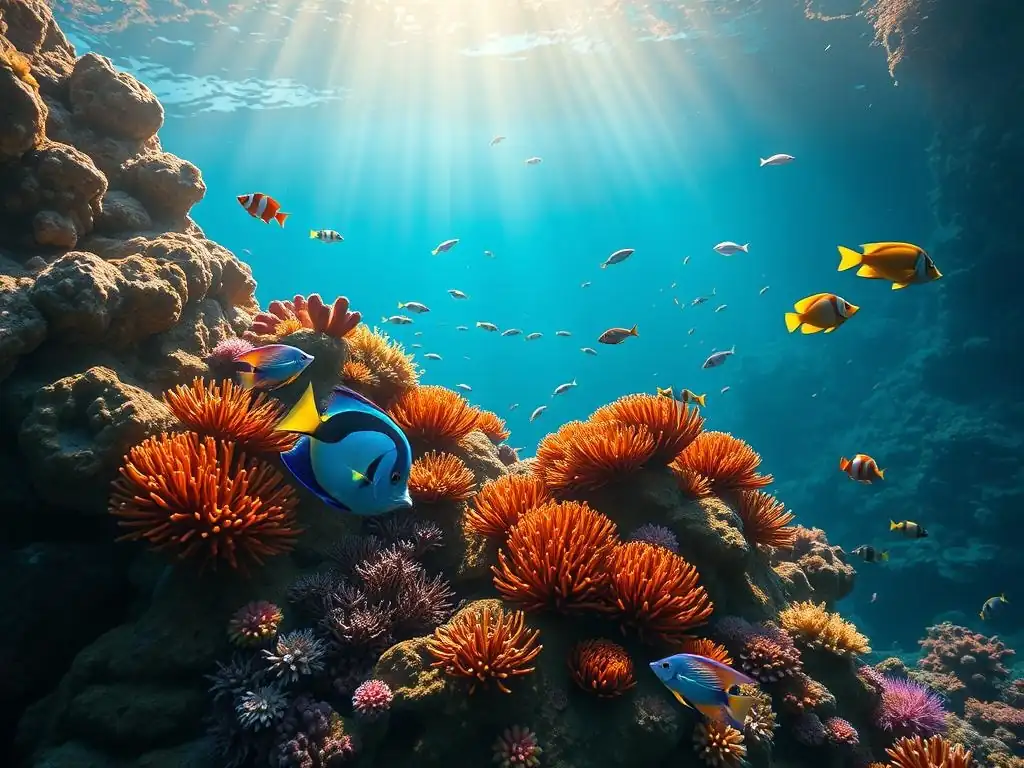
Welcome to Aquarium Mastery, your ultimate guide to thriving aquatic ecosystems!
Ever wondered what could cause the sudden, mysterious demise of your beloved Butterflyfish? You're in the right place! Dive deep with us as we unravel the potential Butterflyfish sudden death causes, exploring everything from water parameters to hidden diseases. Get ready to unlock the secrets to a healthier, happier saltwater aquarium. Let's get started!
- Understanding Butterflyfish Mortality: An Overview
- Identifying Potential Butterflyfish Sudden Death Causes
- Diagnosing the Cause of Butterflyfish Sudden Death
- Preventing Sudden Death in Butterflyfish: Proactive Measures
- Butterflyfish Sudden Death: A Summary of Key Factors
-
Frequently Asked Questions
- What are the most common reasons for sudden death in Butterflyfish?
- How can I properly acclimate a new Butterflyfish to prevent shock?
- What water parameters are critical for Butterflyfish health and longevity?
- Are there specific diseases that commonly affect Butterflyfish and lead to sudden death?
- What role does diet play in the overall health and survival of Butterflyfish?
- Final Reflection: Unraveling the Mysteries of Butterflyfish Mortality
- Ignite Your Butterflyfish Brilliance!
Understanding Butterflyfish Mortality: An Overview
The Delicate Nature of Butterflyfish in Captivity
Butterflyfish are renowned for their vibrant colors and intricate patterns, making them highly sought-after additions to saltwater aquariums. However, their beauty often belies a delicate nature that makes them particularly susceptible to the stresses of captivity. Originating from expansive coral reefs, these fish are accustomed to stable, pristine environments with abundant, diverse food sources and ample space, conditions that are challenging to replicate perfectly in a home aquarium. Their innate sensitivity to environmental shifts means even minor fluctuations can trigger significant physiological stress.
This inherent fragility is a primary reason why many Butterflyfish species, such as the Copperband Butterflyfish ( Chelmon rostratus) or the Raccoon Butterflyfish ( Chaetodon lunula), often struggle to thrive long-term in captivity. For instance, anecdotal evidence from experienced aquarists suggests that the initial survival rate for newly acquired Copperbands can be as low as 30-40% past the first month, particularly for those not accustomed to prepared foods. Their specialized feeding habits and timid disposition contribute significantly to their vulnerability, making them less resilient than many other commonly kept marine fish.
Why Butterflyfish Are Prone to Sudden Death
The delicate constitution of Butterflyfish directly contributes to their propensity for sudden death. Unlike more robust species, Butterflyfish often have a limited tolerance for suboptimal conditions, meaning that stressors can escalate rapidly into fatal issues. A sudden drop in water temperature by even 3-4°F (approximately 1.5-2°C) or a rapid pH shift, for example, can induce severe osmotic shock or metabolic distress, leading to a swift decline.
Furthermore, Butterflyfish are often cryptic in their early stages of distress. They may exhibit subtle signs of illness or stress, such as slight color fading or reduced activity, which can be easily missed until the condition becomes critical. Their high metabolic rate means that once distress sets in, their body systems can quickly become overwhelmed, accelerating the progression from minor discomfort to a fatal state within hours or a day. This rapid deterioration makes identifying the underlying Butterflyfish sudden death causes particularly challenging for aquarists.
Identifying Potential Butterflyfish Sudden Death Causes
Poor Acclimation Practices Leading to Butterflyfish Loss
Improper acclimation is one of the most significant and preventable Butterflyfish sudden death causes. When a fish is transported, it is exposed to drastic changes in water parameters, including temperature, pH, and salinity, between its shipping bag and the new aquarium. A rapid transition without gradual adjustment can induce severe osmotic shock, where the fish's internal fluid balance is catastrophically disrupted, leading to organ failure and rapid demise.
The difference in specific gravity (salinity) between the transport water and the aquarium water is a critical factor. Even a change of 0.002 in specific gravity within a short period can be profoundly stressful for a sensitive species like a Butterflyfish. For example, if the shipping bag water is at 1.018 and the tank is at 1.025, a sudden transfer can be fatal. This sudden environmental shock compromises the fish's immune system, making it highly susceptible to opportunistic pathogens present in the new environment.
Stress and Shock During Acclimation
The immediate physical and psychological stress experienced during poor acclimation is immense. Signs such as rapid gilling, erratic swimming, or complete lethargy are indicators of acute stress. The release of stress hormones, like cortisol, during this period can severely suppress the fish's immune system, leaving it defenseless against common bacteria and parasites.
This suppressed immunity means that even a fish that appears to survive the initial transfer may succumb days later to conditions it would normally fight off. The shock can also lead to internal damage that is not immediately visible, such as organ dysfunction or severe dehydration, which slowly progresses to a fatal outcome. Therefore, inadequate acclimation isn't just an immediate Butterflyfish sudden death cause but can also be a delayed trigger for mortality.
Inadequate Quarantine Procedures
Failing to quarantine new Butterflyfish arrivals before introducing them to the main display tank is another common Butterflyfish sudden death cause. Quarantine serves as a crucial buffer, allowing the fish to recover from shipping stress, be observed for signs of disease, and be treated if necessary without endangering the entire established aquarium. Many diseases, such as Marine Ich ( Cryptocaryon irritans) or Marine Velvet ( Amyloodinium ocellatum), can be carried by seemingly healthy new fish.
Once introduced to the main tank, these highly contagious pathogens can spread rapidly, infecting existing fish and further compromising the already stressed new Butterflyfish. Marine Velvet, for instance, is notorious for its rapid progression, often leading to mass mortalities within 24-72 hours if not promptly identified and treated. An unquarantined fish, weakened by transport, is highly vulnerable to these existing or newly introduced pathogens, making a dedicated quarantine period of at least four weeks essential.
Water Quality Issues and Butterflyfish Health
Maintaining pristine and stable water quality is paramount for the health of Butterflyfish, as they are exceptionally sensitive to pollutants and fluctuating parameters. Even slight deviations from ideal conditions can cause significant stress, weakening their immune system and making them susceptible to illness or sudden collapse. Poor water quality is a leading Butterflyfish sudden death cause in many captive environments.
Butterflyfish thrive in stable parameters that mimic their natural reef habitats. This means consistent levels of salinity, temperature, pH, and crucially, zero levels of toxic nitrogen compounds. Any compromise in these areas puts immediate and severe stress on their delicate systems, often leading to rapid deterioration of health.
Ammonia and Nitrite Toxicity in Butterflyfish Tanks
Ammonia (NH3/NH4+) and nitrite (NO2-) are highly toxic compounds produced during the nitrogen cycle, resulting from fish waste and decaying organic matter. Even at very low concentrations, these substances can be fatal to sensitive marine fish like Butterflyfish. For example, ammonia levels as low as 0.25 ppm can cause significant stress and gill damage, while concentrations of 0.5 ppm or higher can be acutely lethal within hours or a day.
Ammonia primarily damages the gills, impairing the fish's ability to absorb oxygen and excrete waste, leading to suffocation. Nitrite interferes with oxygen transport in the blood, causing "brown blood disease." Both toxins compromise the fish's immune system and damage internal organs, leading to rapid decline and often sudden death. Consistent monitoring and maintaining these levels at zero are non-negotiable for Butterflyfish health.
pH Imbalance and Its Impact on Butterflyfish
The pH level of saltwater aquariums, typically maintained between 8.0 and 8.4, is crucial for the biological processes of marine life. A stable pH is vital for enzyme function, osmoregulation, and proper gas exchange in fish. A sudden or significant shift in pH, even by as little as 0.5 units (e.g., from 8.2 to 7.7), can induce severe physiological stress, leading to acidosis or alkalosis, which disrupts internal bodily functions.
Such pH swings can be caused by various factors, including inadequate alkalinity buffering, excessive carbon dioxide buildup (e.g., from room air), or large, infrequent water changes. Butterflyfish, with their sensitive systems, are particularly vulnerable to these imbalances. Prolonged exposure to unstable or incorrect pH levels weakens their immune response, making them more susceptible to disease and increasing the likelihood of sudden death.
Importance of Maintaining Stable Water Parameters for Butterflyfish
Consistency in water parameters is often more critical than achieving "perfect" numbers that then fluctuate. For Butterflyfish, stability minimizes physiological stress and supports robust immune function. This means regular testing (at least weekly for ammonia, nitrite, nitrate, pH, salinity, and temperature) and prompt, but gradual, corrective action if parameters drift.
Routine maintenance, such as performing small, frequent water changes (e.g., 10-20% weekly) rather than large, infrequent ones, helps maintain this stability. Using a high-quality salt mix and purified RODI (Reverse Osmosis Deionized) water is also essential to prevent the introduction of impurities. Proactive maintenance and stability are key preventative measures against Butterflyfish sudden death causes.
Nutritional Deficiencies and Butterflyfish Sudden Death
Butterflyfish, particularly those species that are obligate corallivores or specialized invertebrate feeders in the wild, often present significant challenges in terms of diet in captivity. Many species struggle to adapt to prepared foods, and a prolonged lack of appropriate nutrition is a common Butterflyfish sudden death cause. Nutritional deficiencies weaken the fish over time, compromising their immune system, organ function, and overall resilience.
A diet lacking essential vitamins, minerals, and fatty acids can lead to a slow decline, often manifesting as emaciation, faded colors, and lethargy, before culminating in sudden collapse or susceptibility to easily preventable diseases. This gradual weakening makes them highly vulnerable to other stressors in the aquarium, creating a compounding effect that can ultimately be fatal.
Importance of a Varied Diet for Butterflyfish
Providing a varied and nutritious diet is paramount for the long-term health of Butterflyfish. It's crucial to offer a diverse range of high-quality marine-based foods, including nutrient-rich frozen options like mysis shrimp, enriched brine shrimp, finely chopped clam, squid, and high-quality marine flakes or pellets. Some specialized species may require live rock with microfauna or even specific coral polyps to thrive.
Relying on a single food type, even if readily consumed, is insufficient. For example, a diet consisting solely of unenriched brine shrimp is largely deficient in essential fatty acids and other vital nutrients, leading to long-term health issues. A varied diet ensures the fish receives a full spectrum of necessary nutrients, bolstering their immune system and overall vitality.
Recognizing and Addressing Nutritional Deficiencies
Recognizing nutritional deficiencies can be challenging, as the symptoms often overlap with those of disease or stress. Key indicators include faded coloration, a sunken belly (emaciation) despite regular feeding, lethargy, lack of growth, and poor fin condition. These subtle signs often precede more severe health complications and can ultimately contribute to Butterflyfish sudden death causes.
If deficiencies are suspected, it's important to actively try different food types and textures to stimulate feeding. Soaking foods in vitamin supplements specifically formulated for marine fish, such as Selcon or Vita-Chem, can significantly boost the nutritional content. For example, soaking frozen mysis shrimp in a vitamin supplement for 15-20 minutes before feeding can help deliver crucial nutrients that might be lacking in the fish's regular diet.
Avoiding Overfeeding and Food Spoilage
While providing ample nutrition is vital, overfeeding can paradoxically contribute to Butterflyfish sudden death causes. Excess uneaten food quickly decomposes in the aquarium, leading to dangerous spikes in ammonia and nitrite, which directly compromise water quality. This creates a toxic environment that is highly detrimental to sensitive species like Butterflyfish.
Furthermore, spoiled food, whether it's frozen food that has been thawed and refrozen multiple times or dry food left open to moisture, can introduce harmful bacteria or toxins into the tank. It is best to feed small amounts several times a day rather than one large meal, ensuring all food is consumed within a few minutes. Any thawed frozen food that isn't used immediately should be discarded, never refrozen, to prevent bacterial growth.
Disease and Parasite Infestations Affecting Butterflyfish
Butterflyfish are often highly susceptible to disease and parasitic infestations, particularly following the stress of collection, shipping, and acclimation. Their weakened immune systems make them prime targets for pathogens that might otherwise be resisted by healthier, more robust fish. If not detected and treated early, diseases can progress rapidly in these delicate fish, leading to swift mortality.
The rapid progression of certain diseases means that what might appear to be a Butterflyfish sudden death cause could actually be the culmination of a fast-acting infection. Daily observation is critical to catch the subtle early signs before the disease becomes overwhelming and untreatable.
Common Butterflyfish Diseases and Their Symptoms
Several common marine diseases frequently affect Butterflyfish. Marine Ich ( Cryptocaryon irritans) presents as small white spots resembling salt grains on the body and fins, often accompanied by scratching against decor. Marine Velvet ( Amyloodinium ocellatum) is a highly virulent dinoflagellate that appears as a fine, dusty coating, often golden or brownish, leading to labored breathing, lethargy, and rapid death. Untreated, Marine Velvet can decimate a tank within 24-72 hours.
Bacterial infections can manifest as fin rot, cloudy eyes, ulcers, or general lethargy and loss of appetite. Internal parasites, such as nematodes or cestodes, might cause emaciation despite feeding, or abnormal fecal matter. Recognizing these specific symptoms early is critical for effective intervention, as treatment success rates drop sharply once the disease is advanced.
Recognizing and Treating Parasitic Infections
Parasitic infections can be external or internal. External parasites like flukes (monogeneans) may cause rapid breathing, darting, or rubbing, with visible lesions or mucus production on the skin. Internal parasites are often harder to diagnose but might cause weight loss, listlessness, or abnormal swimming. These can be a direct Butterflyfish sudden death cause if they cause organ damage or severe malnourishment.
Treatment for external parasites often involves specific medications in a quarantine tank, such as copper-based medications for Ich and Velvet, or praziquantel for flukes. Internal parasites typically require medicated foods. It's crucial to correctly identify the parasite, as incorrect treatment can further stress the fish or be ineffective, leading to a fatal outcome.
Importance of Early Disease Detection
Given the delicate nature of Butterflyfish, early disease detection is paramount for successful treatment and preventing Butterflyfish sudden death causes. Aquarists should make it a daily habit to observe their fish closely for any changes in behavior, appetite, swimming patterns, breathing rate, or physical appearance. Even subtle deviations from normal can be the first sign of a developing issue.
Waiting until symptoms are severe often means the fish's immune system is too compromised to recover, even with aggressive treatment. A dedicated hospital or quarantine tank should always be ready for immediate transfer and treatment of sick fish, minimizing the risk of infection spreading to other tank inhabitants and providing a stress-reduced environment for recovery.
Tank Mate Compatibility and Butterflyfish Stress
The social dynamics within an aquarium play a significant role in the well-being of Butterflyfish. While generally peaceful, many Butterflyfish species are timid and can easily become stressed by aggressive or overly boisterous tank mates. Chronic stress from incompatible tank mates is a common, though often overlooked, Butterflyfish sudden death cause.
Constant harassment, even without direct physical injury, leads to a suppressed immune system, refusal to eat, and eventually, a slow decline and death. The stress weakens the fish's ability to fight off opportunistic infections and makes it more vulnerable to other environmental stressors.
Aggressive Tank Mates Causing Butterflyfish Stress
Certain fish species are inherently more aggressive or territorial and can pose a significant threat to the peace-loving Butterflyfish. Examples include many species of tangs (e.g., Yellow Tangs can be highly territorial), large angelfish, triggers, and some damselfish (especially Three Stripe Damsels, which are notoriously aggressive). These fish may chase, nip at fins, or prevent Butterflyfish from accessing food or preferred hiding spots.
This constant bullying creates a hostile environment where the Butterflyfish is perpetually on edge. The resulting chronic stress elevates cortisol levels, which in turn suppresses the immune system, making the fish highly susceptible to disease. This ongoing stress can lead to a slow decline in health, ultimately resulting in a Butterflyfish sudden death cause that might be misattributed to other factors.
Competition for Food and Territory
Even if tank mates are not overtly aggressive, they can still cause stress through competition. Faster, larger, or more assertive fish can easily outcompete a timid Butterflyfish for food, leading to malnutrition and slow starvation, even if food is offered regularly. This subtle form of competition is a common Butterflyfish sudden death cause that can go unnoticed.
Similarly, a lack of sufficient hiding spots or defined territories can lead to stress. Butterflyfish need safe havens where they can retreat and feel secure. If these spots are scarce or constantly occupied by other fish, the Butterflyfish remains exposed and vulnerable, leading to chronic anxiety and a weakened state.
Choosing Compatible Tank Mates for Butterflyfish
Careful selection of tank mates is crucial to prevent stress-related Butterflyfish sudden death causes. When planning a marine aquarium with Butterflyfish, prioritize peaceful, similarly sized species that occupy different swimming levels and do not compete directly for the same food sources. Good choices often include various gobies, blennies, certain wrasses, and peaceful cardinalfish.
It is essential to research the temperament and adult size of every potential tank mate before introduction. Ensure the aquarium size is adequate to support all inhabitants comfortably, providing ample swimming space and plenty of live rock formations for hiding and establishing individual territories. For instance, while a 75-gallon tank might support a single small Butterflyfish with very peaceful tank mates, a 125-gallon or larger system is often better suited for a community setup that includes a Butterflyfish.
Diagnosing the Cause of Butterflyfish Sudden Death
When a Butterflyfish suddenly dies, it can be a distressing event for any aquarist. While the death may seem instantaneous, there are often underlying factors that, if investigated promptly, can prevent future losses. Diagnosing the Butterflyfish sudden death cause involves a systematic review of the fish's recent behavior, the aquarium's current conditions, and any changes that have occurred.
This investigative process helps identify potential culprits, whether they are acute environmental toxins, rapid onset diseases, or chronic stressors that finally overwhelmed the fish. Understanding the root cause is crucial for implementing corrective measures and safeguarding the health of the remaining aquarium inhabitants.
Observing Butterflyfish Behavior Before Death
The first step in diagnosing a Butterflyfish sudden death cause is to recall any behavioral changes observed in the days or hours leading up to the death. Even seemingly sudden deaths often have subtle precursors that, in hindsight, indicate distress. Look for changes in swimming patterns (e.g., erratic darting, listlessness, staying at the surface or bottom), altered coloration (faded or darkened), rapid or labored breathing, loss of appetite, or increased hiding.
Note the timeline of these changes: did they appear gradually over several days, suggesting a chronic issue or slow-developing disease, or did they manifest rapidly, pointing to an acute problem like poisoning or severe shock? For example, a Butterflyfish gasping at the surface and exhibiting erratic swimming shortly after a water change might indicate ammonia or chlorine exposure, whereas a fish refusing food and becoming emaciated over weeks suggests a nutritional deficiency or internal parasite.
Examining Water Parameters Post-Mortem
Immediately after a Butterflyfish sudden death, the most critical step is to perform a comprehensive test of all essential water parameters. These include ammonia, nitrite, nitrate, pH, salinity (specific gravity), and temperature. These tests can quickly reveal if acute water quality issues were the Butterflyfish sudden death cause. For instance, a detectable level of ammonia (anything above 0 ppm) or nitrite (above 0 ppm) is a red flag for sensitive species.
A significant deviation in pH (e.g., below 8.0 or above 8.4) or a sudden temperature swing can also be lethal. If the salinity is drastically different from the ideal range (1.023-1.026), it could indicate osmotic shock. These immediate test results often provide the most direct evidence of what might have gone wrong, allowing for immediate corrective actions to protect other tank inhabitants.
Considering Recent Tank Additions or Changes
Reflect on any recent additions or changes to the aquarium environment. Did you introduce new fish, corals, or live rock without proper quarantine? New additions can introduce pathogens that rapidly overwhelm a sensitive Butterflyfish. For example, an unquarantined fish might carry Marine Ich, which can quickly spread and become a Butterflyfish sudden death cause for multiple tank inhabitants.
Consider any equipment changes or maintenance activities. Did you perform a large water change that might have caused a significant parameter swing or introduced dechlorinated tap water? Did you clean the filtration system extensively, potentially disrupting beneficial bacteria and causing an ammonia spike? Even seemingly minor alterations, such as a new light fixture or a change in feeding schedule, can cause stress in delicate fish. Thoroughly reviewing recent events can often pinpoint the most likely trigger for the sudden mortality.
Preventing Sudden Death in Butterflyfish: Proactive Measures
Preventing Butterflyfish sudden death causes requires a proactive and diligent approach to aquarium husbandry. Given their delicate nature, Butterflyfish thrive in stable, well-maintained environments that closely mimic their natural reef habitats. By implementing a series of careful measures, aquarists can significantly increase the chances of long-term success and vitality for these beautiful fish.
Consistency in care, meticulous attention to water quality, and thoughtful planning regarding diet and tank mates are the cornerstones of successful Butterflyfish keeping. These proactive steps are far more effective than reactive treatments after problems arise.
Implementing a Strict Acclimation Protocol
A strict acclimation protocol is the first and most critical step in preventing Butterflyfish sudden death causes. Upon receiving a new Butterflyfish, temperature equalization should be done by floating the bag in the aquarium for 15-20 minutes. Following this, drip acclimation is highly recommended to slowly equalize salinity and pH. This involves slowly dripping tank water into the fish's transport bag over a period of 1 to 2 hours, at a rate of about 1 drip per second, doubling the volume of water in the bag.
After acclimation, the fish should be transferred to a dedicated quarantine tank for a minimum of four weeks, without introducing any of the shipping water. This isolation period allows the fish to recover from shipping stress, be observed for signs of disease, and receive any necessary treatments without risking the main display tank. This practice significantly reduces the risk of introducing pathogens and allows the fish to adapt to prepared foods in a low-stress environment.
Maintaining Optimal Water Quality
Maintaining optimal and stable water quality is paramount for Butterflyfish health. This involves performing regular water changes, typically 10-15% weekly, using high-quality RODI (Reverse Osmosis Deionized) water mixed with a reputable marine salt brand. Consistent testing of key parameters—ammonia, nitrite, nitrate, pH, salinity, alkalinity, and temperature—is essential. Ammonia and nitrite levels should always be undetectable (0 ppm).
Ensure your filtration system is robust, including a high-efficiency protein skimmer, ample live rock for biological filtration (e.g., 1-1.5 pounds per gallon), and potentially a refugium. Avoid overstocking the aquarium, as this directly contributes to poor water quality and increased bioload. Stability is key; small, frequent adjustments are always preferable to large, infrequent ones, which can cause detrimental parameter swings that are common Butterflyfish sudden death causes.
Providing a Varied and Nutritious Diet
A varied and nutritious diet is crucial for the long-term health and resilience of Butterflyfish. Offer a diverse range of high-quality marine-based foods multiple times a day in small portions that can be consumed within a few minutes. This includes various frozen foods like mysis shrimp, enriched brine shrimp, finely chopped clam, squid, and high-quality marine pellets or flakes specifically formulated for marine fish.
Supplementing foods with vitamin preparations like Selcon or Vita-Chem is highly recommended to ensure the fish receives all essential nutrients. For example, soaking frozen foods in a vitamin supplement for 15 minutes before feeding can significantly boost their nutritional value. Observing the fish's feeding habits and adjusting the diet to ensure all food is eaten and none is left to decay will prevent both nutritional deficiencies and water quality issues.
Selecting Compatible Tank Mates
Careful selection of tank mates is vital to minimize stress, a leading Butterflyfish sudden death cause. Research the temperament and adult size of any potential tank mate thoroughly before introduction. Choose peaceful, similarly sized fish that are not known to be aggressive or overly boisterous. Avoid species that are known fin-nippers, highly territorial, or that will outcompete the Butterflyfish for food.
Ensure the aquarium provides adequate space and plenty of hiding spots and visual barriers (e.g., live rock structures) to reduce potential conflicts and allow the Butterflyfish to retreat if feeling threatened. A general rule of thumb is to introduce more aggressive fish last, if at all, to allow the more timid Butterflyfish to establish itself first.
Regular Observation and Early Intervention
Daily, consistent observation of your Butterflyfish is one of the most effective preventative measures. Spend time watching their behavior, feeding patterns, and physical appearance. Learn what their "normal" looks like, so you can quickly identify any subtle changes that might indicate stress, disease, or nutritional issues. Early detection of symptoms is critical for successful intervention.
Have a dedicated hospital tank or quarantine tank ready for immediate use. At the first sign of distress, disease, or unusual behavior, transfer the affected fish to the hospital tank for observation and treatment. Prompt action can often prevent a minor issue from escalating into a fatal one, saving your delicate Butterflyfish from a sudden demise.
Butterflyfish Sudden Death: A Summary of Key Factors
The sudden death of a Butterflyfish, while disheartening, often stems from a combination of preventable factors rather than a single mysterious cause. The primary Butterflyfish sudden death causes are intricately linked to their delicate nature and sensitivity to environmental shifts. These include improper acclimation practices, which induce severe shock; acute or chronic water quality issues, particularly elevated ammonia and nitrite or unstable pH; and prolonged nutritional deficiencies that weaken their immune system.
Furthermore, the presence of untreated diseases or parasites, often introduced without proper quarantine, and chronic stress from incompatible or aggressive tank mates significantly contribute to their vulnerability. By understanding these core Butterflyfish sudden death causes and implementing diligent proactive measures—such as strict acclimation protocols, meticulous water quality management, providing a varied diet, selecting compatible tank mates, and consistent observation for early intervention—aquarists can provide a thriving environment for these beautiful yet fragile marine inhabitants.
Frequently Asked Questions
What are the most common reasons for sudden death in Butterflyfish?
Sudden death in Butterflyfish can often be attributed to poor acclimation, stress from shipping, or pre-existing, undiagnosed health issues. These fish are particularly sensitive to changes in their environment.
How can I properly acclimate a new Butterflyfish to prevent shock?
Proper acclimation is crucial. Float the bag for temperature equalization, then slowly drip water from your tank into the bag over an hour or two to gradually adjust the water chemistry. This minimizes osmotic shock.
What water parameters are critical for Butterflyfish health and longevity?
Maintaining stable water parameters is vital. Pay close attention to salinity, pH, ammonia, nitrite, and nitrate levels. Butterflyfish are intolerant of fluctuations and require pristine water quality.
Are there specific diseases that commonly affect Butterflyfish and lead to sudden death?
Yes, diseases like Ich (white spot disease), Brooklynella, and internal parasites can quickly overwhelm Butterflyfish. Early detection and treatment are crucial, but sometimes the disease progresses too rapidly leading to sudden mortality.
What role does diet play in the overall health and survival of Butterflyfish?
A varied and nutritious diet is essential. Butterflyfish are often finicky eaters. Offer a mix of frozen, live, and high-quality flake foods appropriate for their specific feeding habits to prevent nutritional deficiencies.
Okay, here's a final reflection designed to close your article "Sudden Death in Butterflyfish: Investigating Potential Causes," optimized for the keyword "Butterflyfish sudden death causes" and adhering to the structure you provided:
Final Reflection: Unraveling the Mysteries of Butterflyfish Mortality
The investigation into butterflyfish sudden death causes reveals a complex interplay of environmental factors, biological vulnerabilities, and husbandry practices. Understanding these potential triggers is not merely an academic exercise; it's a crucial step towards preserving these vibrant jewels of the reef and ensuring the long-term health of our aquariums. The fragility of these creatures underscores the responsibility we bear as stewards of their well-being.
The prevalence of sudden death in butterflyfish highlights the delicate balance required to maintain a thriving aquatic ecosystem. This research underscores the profound connection between our actions and the health of these animals, reminding us that even seemingly minor adjustments to water parameters or diet can have devastating consequences. In the end, we will conserve only what we love; we will love only what we understand; and we will understand only what we are taught.
- Baba Dioum. This quote perfectly encapsulates the need for continued research and education to protect these vulnerable species.
As we conclude this exploration into the potential causes of sudden death in butterflyfish, I invite you to reflect on your own role in their conservation. Whether you are a seasoned aquarist or simply an admirer of these magnificent creatures, consider how you can contribute to a deeper understanding of their needs and a more sustainable future for their survival. Let us all strive to be more informed, more responsible, and more compassionate caretakers of the underwater world.
Ignite Your Butterflyfish Brilliance!
Thank you for exploring the potential causes of sudden death in butterflyfish. We hope this article has provided you with valuable insights for maintaining a healthy and vibrant aquarium. Now, let’s translate that knowledge into action!
Here are some immediate steps you can take:
- Conduct a thorough assessment of your aquarium's water parameters, specifically focusing on ammonia, nitrite, and nitrate levels. Early detection is key to prevention.
- Research and consider implementing a quarantine protocol for all new butterflyfish acquisitions, observing them closely for any signs of illness before introducing them to your main tank.
- Share this article with fellow aquarium enthusiasts and start a discussion about best practices for butterflyfish care within your local aquarium club or online forum.
What specific water testing method will you prioritize to ensure the stability of your butterflyfish's environment?