
Saddleback Butterflyfish (Chaetodon ephippium): Grandeur, Growth, and Demanding Care

Welcome to Aquarium Mastery!
Intrigued by the captivating Saddleback Butterflyfish? Their striking beauty is undeniable, but beneath the surface lies a commitment. Dive into our comprehensive guide to uncover the secrets of successful Saddleback Butterflyfish care. Are you ready to meet the demanding needs of this aquatic jewel and create a thriving habitat? Let's explore the intricacies together...
- Understanding the Saddleback Butterflyfish: An Introduction to Chaetodon ephippium
- Essential Saddleback Butterflyfish Care Requirements for a Thriving Aquarium
- Saddleback Butterflyfish Growth and Lifespan in Captivity
- Common Diseases and Health Issues
- Breeding: Challenges and Possibilities
- Advanced Care Tips
- Is This Fish Right for Your Aquarium?
- Frequently Asked Questions
- Final Reflection: Embracing the Art of Dedicated Care
- Unleash Your Inner Aquarist: Nurture Grandeur!
Understanding the Saddleback Butterflyfish: An Introduction to Chaetodon ephippium
Origin and Habitat: Indo-Pacific Region and Coral Reefs
The Saddleback Butterflyfish, scientifically known as Chaetodon ephippium, originates from the vast Indo-Pacific region. Its natural range extends from the Red Sea and East Africa, across the Indian Ocean, and throughout the Pacific to Samoa, stretching north to southern Japan and south to Australia. This species thrives in the clear waters of shallow coral reefs, lagoons, and outer reef slopes, typically found at depths ranging from 1 to 30 meters, though occasionally observed deeper. Its presence is a common sight in areas with abundant coral growth.
In their natural environment, these fish exhibit a strong association with various types of corals, particularly stony corals, which form a significant portion of their diet. They are often seen individually or in pairs, meticulously picking at polyps and small invertebrates among the intricate reef structures. Understanding this natural habitat is fundamental to replicating appropriate Saddleback Butterflyfish care requirements within a captive environment, emphasizing the need for stable, high-quality water and complex rockwork.
Physical Characteristics: Distinctive Saddle and Elongated Snout
The Saddleback Butterflyfish is renowned for its striking and distinctive appearance. Its most prominent feature is a large, rectangular black blotch, often referred to as a "saddle," located on its upper back and extending into the dorsal fin. This saddle contrasts sharply with its predominantly white or yellowish-white body, which may also feature fine, delicate black lines. The caudal fin is typically bright yellow, as are the pectoral fins, adding to its vibrant coloration.
Its body is laterally compressed and disc-shaped, characteristic of many butterflyfish species. A key adaptation for its feeding habits is its elongated snout, which allows it to probe into narrow crevices and small openings in live rock and coral structures to extract food. In the wild, Chaetodon ephippium can reach an impressive length of up to 30 cm (approximately 12 inches), though specimens in home aquariums typically remain slightly smaller, usually around 20 cm (8 inches).
The temperament of the Saddleback Butterflyfish can be described as generally peaceful towards most larger, non-aggressive fish species. However, they can exhibit semi-aggressive tendencies towards conspecifics (other Saddleback Butterflyfish) or other similar-looking butterflyfish, especially if housed in tanks that are too small or lack sufficient territory. This territorial behavior underscores the importance of adequate space and appropriate tank mates when considering Saddleback Butterflyfish care requirements.
In their natural habitat, Saddleback Butterflyfish are commonly observed either solitary or in well-established pairs, often foraging together. Occasionally, they may be seen in small, loose aggregations. In an aquarium setting, it is generally recommended to keep a single specimen unless a very large tank (e.g., 200 gallons or more) can accommodate a bonded pair, allowing ample space to mitigate potential territorial disputes. Careful consideration of their social needs is crucial for their long-term well-being.
Essential Saddleback Butterflyfish Care Requirements for a Thriving Aquarium
Tank Size and Setup: Minimum 125 Gallons with Live Rock
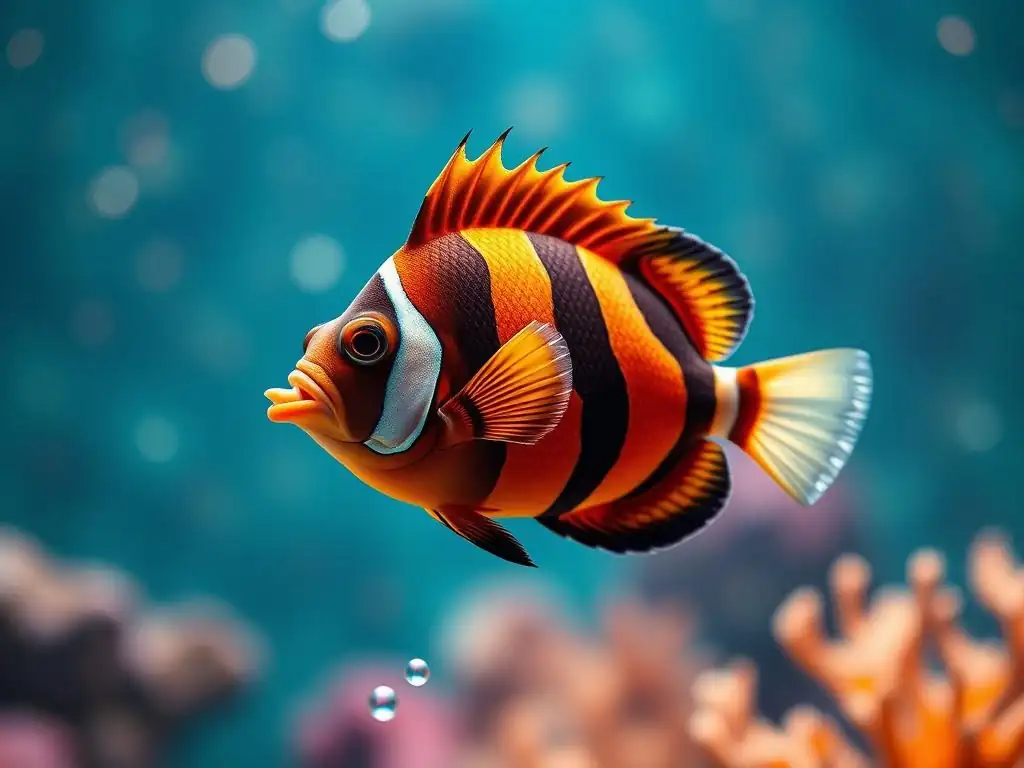
Providing adequate space is one of the most critical Saddleback Butterflyfish care requirements. A minimum tank size of 125 gallons (approximately 473 liters) is highly recommended for a single adult specimen. This substantial volume is necessary not only to accommodate their potential adult size of up to 8 inches but also to provide sufficient swimming room and dilute waste products effectively. For pairs or if housing with other large fish, an even larger aquarium, such as 180 gallons or more, becomes essential.
The aquarium setup for a Saddleback Butterflyfish should prioritize a fish-only with live rock (FOWLR) system. Abundant live rock is crucial, offering numerous hiding spots, crevices for exploration, and establishing territories. While live rock is beneficial for biological filtration and enrichment, it is important to note that the Saddleback Butterflyfish's natural diet includes coral polyps, making them unsuitable for delicate reef aquariums. The live rock should be arranged to create complex structures with open swimming areas, mimicking their natural reef environment and contributing to their comprehensive Saddleback Butterflyfish care.
Water Parameters: Maintaining Optimal Conditions
Temperature, Salinity, and pH: 72-78°F, 1.020-1.025 SG, 8.1-8.4 pH
Maintaining stable and optimal water parameters is non-negotiable for successful Saddleback Butterflyfish care. The ideal temperature range for Chaetodon ephippium is between 72-78°F (22-25.5°C). Salinity should be kept within a specific gravity of 1.020-1.025, and the pH level should consistently remain between 8.1 and 8.4. Any significant fluctuations outside these narrow ranges can induce stress, weaken their immune system, and make them susceptible to various diseases.
To ensure these parameters remain stable, regular monitoring with reliable testing equipment, such as a high-quality refractometer for salinity and accurate pH test kits, is essential. Automated heaters with thermostats are crucial for temperature stability. Consistent adherence to these parameters is a cornerstone of meeting Saddleback Butterflyfish care requirements, directly impacting their health and longevity in captivity.
Importance of Water Quality: Nitrate and Phosphate Control
Beyond basic parameters, pristine water quality with minimal pollutants is paramount for the health of Saddleback Butterflyfish. High levels of nitrates (ideally below 20 ppm, preferably below 10 ppm) and phosphates (ideally below 0.03 ppm) are detrimental, leading to stress and disease susceptibility. These pollutants can accumulate from uneaten food and fish waste, necessitating proactive management.
Regular partial water changes, typically 10-20% weekly or bi-weekly, are vital for diluting accumulated toxins and replenishing essential trace elements. Robust filtration systems, including efficient protein skimmers, adequate biological filtration (e.g., live rock, bio-media), and chemical filtration (e.g., activated carbon to remove organic compounds), are highly recommended. These measures collectively contribute to maintaining the clean, stable environment necessary for effective Saddleback Butterflyfish care.
Diet and Feeding: Meeting Nutritional Needs
Natural Diet vs. Aquarium Feeding: Corals and Invertebrates vs. Varied Diet
In their natural coral reef habitats, Saddleback Butterflyfish are primarily corallivores, feeding on the polyps of stony corals, particularly Acropora and Porites species. Their diet also includes small benthic invertebrates and filamentous algae. This specialized natural diet presents a significant challenge for aquarists, as replicating it perfectly in a home aquarium is difficult and often incompatible with traditional reef tank setups.
In captivity, a varied and high-quality diet is absolutely crucial for the long-term health and vibrant coloration of the Saddleback Butterflyfish. While they may occasionally pick at live rock or algae in the tank, they are not obligate corallivores in the sense that they must have coral to survive in captivity. However, their digestive system is adapted to a diet rich in protein and varied textures, making a diverse feeding regimen a key aspect of their Saddleback Butterflyfish care requirements.
Recommended Foods and Feeding Schedule: Frozen, Live, and Prepared Foods, Multiple Times Daily
To meet their nutritional needs, a diverse array of foods should be offered. Recommended foods include high-quality frozen preparations such as Mysis shrimp, enriched brine shrimp, finely chopped marine-based seafood (e.g., shrimp, squid, clam, mussels), and formulated marine pellets or flakes specifically designed for omnivorous marine fish. Live foods, such as blackworms or small feeder shrimp, can be particularly useful for enticing finicky eaters or newly introduced specimens.
Due to their active metabolism and continuous grazing behavior in the wild, Saddleback Butterflyfish benefit from multiple small feedings throughout the day rather than one large meal. Feeding 2-3 times daily, or even more frequently if possible, helps ensure they receive adequate nutrition and prevents rapid declines in water quality from overfeeding. This consistent and varied feeding schedule is a cornerstone of effective Saddleback Butterflyfish care.
Tank Mates: Compatibility and Considerations
Suitable Tank Mates: Larger, Peaceful Fish
Choosing appropriate tank mates is a critical aspect of Saddleback Butterflyfish care, given their semi-aggressive tendencies towards similar species and their sensitivity to stress. Suitable companions include larger, peaceful angelfish (e.g., Emperor Angelfish, Blueface Angelfish), robust tangs (e.g., Yellow Tang, Sailfin Tang), and certain non-aggressive triggerfish species that can hold their own without harassing the butterflyfish. Other good choices might include larger damselfish, hawkfish, or even some less aggressive wrasse species.
The key is to select fish that occupy different niches within the aquarium and are not easily intimidated by the butterflyfish's presence, nor are they overly aggressive themselves. Tank mates should also be able to compete for food without stressing the Saddleback Butterflyfish. Introducing all fish simultaneously or the butterflyfish last in a well-established tank can sometimes aid in smoother integration, contributing to a harmonious Saddleback Butterflyfish care environment.
Fish to Avoid: Small Invertebrates and Aggressive Species
There are several categories of tank mates that should be avoided when keeping Saddleback Butterflyfish. Small, docile fish species may be bullied or outcompeted for food, leading to stress and malnutrition. Conversely, highly aggressive species that are known to harass other fish, such as some larger triggerfish or certain predatory groupers, should also be avoided as they can cause significant stress or injury to the butterflyfish.
Crucially, due to their natural diet of coral polyps and small invertebrates, Saddleback Butterflyfish are not suitable for traditional reef aquariums housing delicate corals (both stony and soft), anemones, or small ornamental invertebrates like cleaner shrimp, snails, and hermit crabs. They will almost certainly view these as food sources, leading to their demise. Therefore, a fish-only with live rock (FOWLR) setup is almost always the preferred environment for comprehensive Saddleback Butterflyfish care.
Saddleback Butterflyfish Growth and Lifespan in Captivity
Expected Growth Rate and Size: Up to 8 Inches
While Saddleback Butterflyfish can reach an impressive size of up to 12 inches (30 cm) in the wild, their growth in captivity is typically more modest. In a well-maintained home aquarium, an adult Chaetodon ephippium generally grows to about 8 inches (20 cm) in length. The rate at which they grow is heavily influenced by several factors, including the quality and consistency of their diet, the size of their aquarium, and the overall water quality.
A spacious tank with ample swimming room and a consistent supply of varied, nutritious food will encourage healthier and potentially faster growth. Conversely, a cramped environment or an insufficient diet can stunt their growth and negatively impact their overall development. Understanding these growth factors is integral to providing long-term Saddleback Butterflyfish care that allows them to reach their healthy potential size.
Factors Affecting Lifespan: Water Quality and Diet
With optimal Saddleback Butterflyfish care, including stable and pristine water parameters, a high-quality and varied diet, and a stress-free environment, Chaetodon ephippium can live for 5-7 years in captivity, with some exceptionally well-cared-for individuals reportedly reaching up to 10 years. Their longevity is a direct reflection of the consistency and quality of the care they receive.
Conversely, poor water quality (e.g., high nitrates, fluctuating pH), an inadequate or repetitive diet, or persistent stress from unsuitable tank mates or an undersized aquarium can drastically reduce their lifespan, sometimes to just a few months or a year. Continuous dedication to their specific environmental and nutritional needs is the most significant factor in ensuring a long and healthy life for these beautiful fish, making diligent Saddleback Butterflyfish care paramount.
Common Diseases and Health Issues
Identifying Signs of Illness: Loss of Appetite and Fin Rot
Like all marine fish, Saddleback Butterflyfish are susceptible to various diseases, particularly if stressed by poor water quality or inadequate nutrition. Common signs of illness include listlessness, clamped fins held close to the body, rapid or labored breathing, and visible external parasites such as white spots (Ich, Cryptocaryon irritans) or a dusty film (Velvet, Amyloodinium ocellatum). Other indicators might include cloudy eyes, frayed or deteriorating fins (fin rot), or unusual growths and lesions on the body.
A sudden and unexplained loss of appetite is often one of the earliest and most critical indicators of stress or underlying illness in Chaetodon ephippium. Daily observation of their behavior, swimming patterns, and feeding responses is therefore crucial for early detection. Prompt identification of these signs allows for quicker intervention, significantly improving the prognosis and reducing the intensity of Saddleback Butterflyfish care related to health management.
Preventative Measures: Quarantine and Water Changes
Prevention is always more effective than treatment when it comes to fish health. Implementing a strict quarantine protocol for all new fish, including Saddleback Butterflyfish, is paramount. A dedicated quarantine tank should be used for a minimum of 3-4 weeks, allowing observation for signs of disease and prophylactic treatment if necessary, preventing the introduction of pathogens into the main display aquarium.
Beyond quarantine, maintaining excellent water quality through consistent and diligent practices is the best defense against disease. Regular partial water changes, robust filtration, and avoiding overfeeding are essential. A stable, clean, and low-stress environment strengthens the fish's immune system, making it more resilient to potential health challenges and significantly reducing the need for intensive Saddleback Butterflyfish care due to illness.
Treatment Options: Copper-Based Medications and Antibiotics
When Saddleback Butterflyfish do fall ill, various treatment options are available, though they should always be administered with caution. For common parasitic infections like Ich or Velvet, copper-based medications or hyposalinity (lowering salinity to 1.008-1.009 specific gravity) can be effective. However, butterflyfish, including Chaetodon ephippium, can be sensitive to copper, so dosing must be precise and closely monitored, ideally in a separate hospital tank.
Bacterial infections, often manifested as fin rot, body lesions, or internal issues, may require broad-spectrum antibiotics. These are typically administered in a hospital tank to avoid harming the main display tank's beneficial bacteria. It is highly advisable to consult with a marine aquarium expert or a veterinarian experienced in aquatic health before administering any medications to ensure the correct diagnosis and the safest, most effective Saddleback Butterflyfish care approach.
Breeding: Challenges and Possibilities
Understanding Breeding Behavior: Difficult in Captivity
Breeding the Saddleback Butterflyfish ( Chaetodon ephippium) in a home aquarium setting is exceedingly rare and has not been widely documented as successful among hobbyists. This species is an open-water, egg-scattering spawners, meaning they release eggs and sperm directly into the water column, which then float freely as planktonic larvae. This contrasts with species that lay eggs on a substrate or care for their young.
The primary reasons for the difficulty in captive breeding stem from several factors: the need for specific environmental cues to induce spawning, the vast space requirements for a breeding pair to feel secure enough to reproduce, and the extremely challenging task of raising the minute, planktonic larvae. These factors place breeding Chaetodon ephippium far beyond the scope of typical Saddleback Butterflyfish care in a home aquarium.
Setting Up a Breeding Tank: Not Typically Attempted
Given the significant challenges and low probability of success, setting up a dedicated breeding tank for Saddleback Butterflyfish is not typically attempted by home aquarists. The resources and expertise required are comparable to those found in public aquariums or specialized marine aquaculture facilities.
If such an endeavor were to be considered, it would necessitate an extremely large, meticulously controlled system capable of mimicking oceanic conditions, including specific currents and lighting cycles. Furthermore, a dedicated larval rearing setup with specialized live food cultures (e.g., rotifers, copepods) for the microscopic fry would be indispensable. This level of specialization makes breeding Saddleback Butterflyfish an undertaking that far exceeds standard Saddleback Butterflyfish care requirements for most hobbyists.
Advanced Care Tips
Acclimation Process: Drip Acclimation
Proper acclimation is a critical, yet often overlooked, step in successful Saddleback Butterflyfish care. Due to their sensitivity to changes in water parameters, a slow and gradual acclimation process is highly recommended. Drip acclimation, where aquarium water is slowly dripped into the fish's transport bag over an extended period (at least 1-2 hours), is the preferred method. This allows the fish to gradually adjust to the new temperature, salinity, and pH levels, minimizing shock and stress.
To further reduce stress during this vulnerable period, it is beneficial to dim the aquarium lights during acclimation and for the first few hours after the fish has been introduced into the display tank. This provides a calmer environment for the new arrival to settle in and explore its surroundings without being overwhelmed, significantly contributing to the initial success of Saddleback Butterflyfish care.
Addressing Finicky Eating Habits: Live Foods and Patience
Saddleback Butterflyfish can sometimes be finicky eaters, especially when first introduced to a new aquarium or if they are stressed. To encourage feeding, it is often effective to offer a variety of highly palatable foods immediately upon introduction. Live foods such as enriched brine shrimp, blackworms, or small feeder shrimp can often stimulate a feeding response in reluctant specimens.
Patience is a virtue when dealing with finicky eaters. It may take several days for a new Saddleback Butterflyfish to settle in and begin accepting prepared foods. Continue to offer small, frequent meals of various appealing options. Observing which foods they show interest in and slowly transitioning them to a balanced, varied diet of frozen and prepared foods is a key part of advanced Saddleback Butterflyfish care. Persistence and a calm environment are essential for overcoming initial feeding challenges.
Case Study: Successful Long-Term Care with a Focus on Diet
A compelling example of successful long-term Saddleback Butterflyfish care involves a hobbyist who maintained a healthy Chaetodon ephippium for over 7 years in a 180-gallon fish-only with live rock (FOWLR) aquarium. The success was primarily attributed to a meticulously managed feeding regimen and pristine water quality. The fish was fed a diverse diet consisting primarily of high-quality frozen Mysis shrimp, enriched brine shrimp, and a premium marine pellet specifically formulated for omnivorous marine fish. Food was offered 3-4 times daily in small portions to mimic natural grazing behavior and ensure constant nutrient intake.
Furthermore, consistent weekly 15% partial water changes were performed, effectively keeping nitrates below 10 ppm and phosphates undetectable. The fish was introduced to the system via a thorough 4-week quarantine period, ensuring it was healthy and disease-free. It was housed with robust, peaceful tank mates, including a Yellow Tang ( Zebrasoma flavescens) and a Foxface Rabbitfish ( Siganus vulpinus), which provided companionship without aggression. This case highlights that diligent attention to diet and water quality are paramount Saddleback Butterflyfish care requirements for longevity.
Is This Fish Right for Your Aquarium?
Assessing Your Experience Level: Experienced Aquarist Required
The Saddleback Butterflyfish is undeniably a magnificent addition to a marine aquarium, but its beauty comes with demanding care requirements. This species is not recommended for novice aquarists. Its specialized dietary needs, potential sensitivity to fluctuating water parameters, and specific tank mate considerations make it suitable only for experienced marine hobbyists who possess a solid understanding of saltwater aquarium husbandry, water chemistry, and fish health.
Prior experience with large marine setups, including managing complex filtration systems and maintaining stable environments, is essential. The commitment required to provide consistent, high-quality Saddleback Butterflyfish care goes beyond basic aquarium maintenance, demanding vigilance and proactive problem-solving skills.
Evaluating Your Aquarium's Suitability: Large Tank and Stable Parameters Needed
Before acquiring a Saddleback Butterflyfish, it is crucial to objectively evaluate your existing aquarium's suitability. The primary requirement is a sufficiently large aquarium, with a minimum of 125 gallons for a single specimen, and preferably larger if considering tank mates or a pair. The tank must be well-established, with a mature biological filter capable of handling the bioload and maintaining highly stable water parameters consistently.
Crucially, prospective owners must understand that a traditional reef tank with delicate stony or soft corals is unsuitable. The Saddleback Butterflyfish's natural diet includes coral polyps, and it will likely consume any ornamental invertebrates. A fish-only with live rock (FOWLR) system, providing ample hiding spots and open swimming space, is the ideal environment to meet the complex Saddleback Butterflyfish care requirements.
Long-Term Commitment: Demanding Care and Specialized Diet
Owning a Saddleback Butterflyfish represents a significant long-term commitment. This is not a "set-and-forget" species; it requires continuous, diligent care for many years, potentially a decade. Its specialized diet necessitates regular access to a variety of high-quality frozen and prepared foods, and its need for pristine water quality means consistent water changes and robust filtration are non-negotiable.
While challenging, the reward of witnessing the grandeur and unique personality of a thriving Saddleback Butterflyfish in a well-maintained aquarium is immense. However, prospective owners must be prepared to dedicate the time, resources, and attention necessary to provide continuous, high-level Saddleback Butterflyfish care, ensuring its well-being and longevity in captivity.
Frequently Asked Questions
How difficult is it to care for a Saddleback Butterflyfish?
Saddleback Butterflyfish are considered difficult to care for due to their specialized dietary needs and sensitivity to water quality. They are best suited for experienced aquarists.
What size aquarium is recommended for a Saddleback Butterflyfish?
A minimum tank size of 125 gallons is recommended. This is to provide ample swimming space and territories to reduce aggression within the aquarium environment.
What do Saddleback Butterflyfish eat?
They require a varied diet consisting of live rock, frozen foods (such as mysis shrimp and brine shrimp), and high-quality flake foods. Feeding multiple times a day is usually necessary.
Are Saddleback Butterflyfish reef safe?
Generally, they are considered not reef safe. They may nip at corals and invertebrates, making them unsuitable for most reef tanks.
What are some common health problems that affect Saddleback Butterflyfish?
Common issues include ich (white spot disease), parasites, and nutritional deficiencies. Maintaining stable water parameters and providing a proper diet are key to preventing these problems.
Final Reflection: Embracing the Art of Dedicated Care
The journey of understanding the Saddleback Butterflyfish, as we've explored, underscores a crucial point: true appreciation lies in acknowledging the demands of nurturing. While their vibrant beauty captivates us, responsible ownership hinges on a deep commitment to meeting their intricate care requirements. This isn't just about keeping a fish alive; it's about fostering an environment where they can truly thrive, showcasing their natural grandeur.
The dedication required to successfully care for a Saddleback Butterflyfish mirrors the dedication needed in many aspects of life. It reminds us that beauty often comes with responsibility, and that the most rewarding experiences are those we invest in deeply. The best and most beautiful things in the world cannot be seen or even touched - they must be felt with the heart.
- Helen Keller. This sentiment resonates profoundly when considering the delicate balance required to maintain a healthy and happy Saddleback Butterflyfish.
As you reflect on the Saddleback Butterflyfish and its demanding care, consider the areas in your own life where dedicated effort yields the greatest rewards. Are you willing to embrace the challenges that come with nurturing something beautiful, whether it's a fish, a relationship, or a personal project? Let the lessons learned from understanding the Saddleback Butterflyfish inspire you to cultivate a deeper appreciation for the art of dedicated care and the profound impact it can have.
Unleash Your Inner Aquarist: Nurture Grandeur!
Thank you for diving into the fascinating world of the Saddleback Butterflyfish. We hope you've gained a deeper appreciation for the beauty and complexity these creatures bring to a marine aquarium. Now, let's turn that knowledge into action!
Here are a few ways to continue your journey:
- Commit to further research and meticulous planning before considering a Saddleback Butterflyfish for your aquarium. Ensure your setup meets their demanding needs.
- Explore the possibility of supporting sustainable aquaculture practices. Research breeders specializing in Butterflyfish to reduce the impact on wild populations.
- Share your newfound knowledge! Educate other hobbyists about the specific requirements of Saddleback Butterflyfish to promote responsible fishkeeping.
What aspects of Saddleback Butterflyfish care will you prioritize to create a thriving environment?