
Humu Humu Triggerfish (Rhinecanthus rectangulus): Hawaii's State Fish in Your Tank

Welcome to Aquarium Mastery!
Ever dreamt of bringing a vibrant slice of the Hawaiian reef right into your living room? Dive in and discover everything you need to know about Humu Humu Triggerfish care – from their playful personalities to their specific tank requirements. Get ready to unlock the secrets to keeping this iconic beauty thriving in your saltwater aquarium and find out if it's the right fish for you!
- Understanding the Humu Humu Triggerfish: An Introduction to Hawaii's Reef Icon
-
Humu Humu Triggerfish Care: Essential Guidelines for a Healthy Life
- Tank Size and Setup for Humu Humu Triggerfish: Creating an Ideal Environment
- Water Parameters for Rhinecanthus rectangulus: Maintaining Optimal Conditions
- Humu Humu Triggerfish Diet and Feeding: What to Feed Your Hawaiian Trigger
- Humu Humu Triggerfish Temperament and Tank Mates: Choosing Compatible Species
- Maintaining a Healthy Humu Humu Triggerfish: Preventing and Treating Common Issues
- Breeding Humu Humu Triggerfish: Challenges and Possibilities
- Where to Buy Humu Humu Triggerfish: Selecting a Healthy Specimen
- Humu Humu Triggerfish: Pros and Cons of Keeping This Hawaiian Gem
- Conclusion: Is the Humu Humu Triggerfish Right for Your Aquarium?
- Frequently Asked Questions
- Final Reflection: The Enduring Allure of the Reef
- Dive Deeper: Transform Your Aquarium into a Hawaiian Reef!
Understanding the Humu Humu Triggerfish: An Introduction to Hawaii's Reef Icon
Origin and Natural Habitat of the Humu Humu Triggerfish
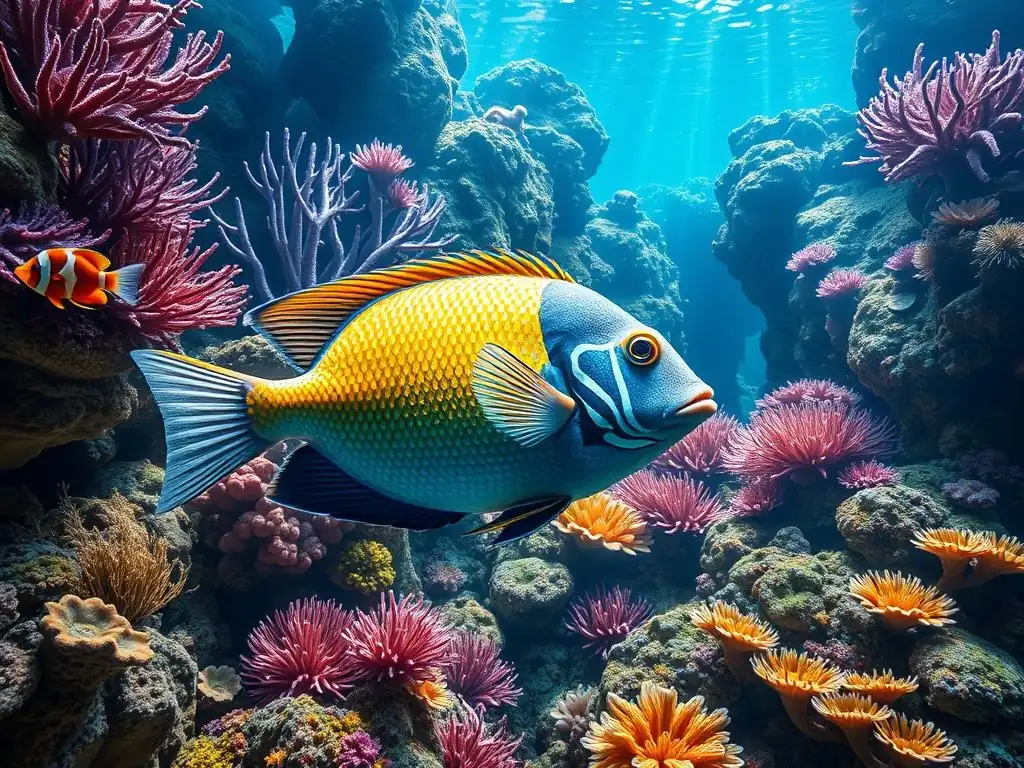
The Humu Humu Triggerfish, scientifically known as Rhinecanthus rectangulus, hails from the vast Indo-Pacific region, with a significant presence in the warm, clear waters surrounding the Hawaiian Islands, where it holds the esteemed title of state fish. Its natural range extends from East Africa across the Indian Ocean to the central Pacific, including diverse coral reef ecosystems. These captivating fish are typically found in shallow coastal areas, often inhabiting lagoons, outer reef slopes, and areas with rubble and rocky outcrops.
In their native environment, Humu Humu Triggerfish thrive in depths ranging from approximately 1 to 20 meters (about 3 to 65 feet), though they can occasionally be spotted deeper. They are highly territorial and use the intricate structures of the reef for shelter, especially at night or when threatened. Their diet in the wild primarily consists of various benthic invertebrates, including crustaceans, mollusks, and echinoderms like sea urchins, which they expertly crush with their powerful jaws and specialized teeth.
Identifying the Rhinecanthus rectangulus: Distinctive Features and Appearance
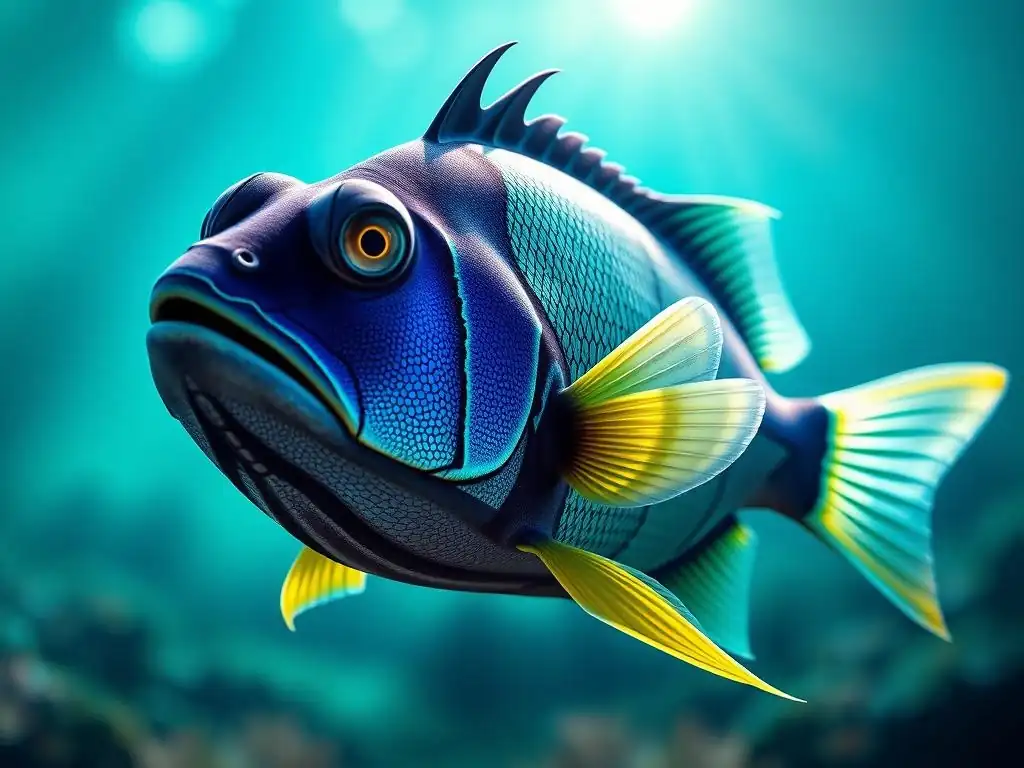
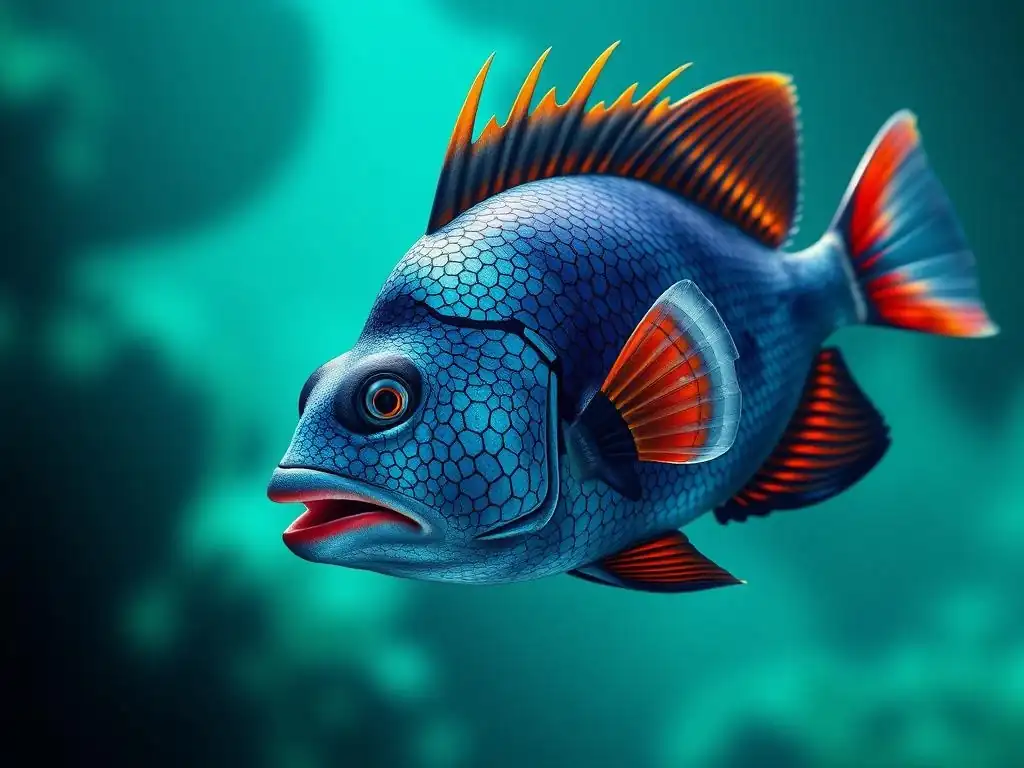
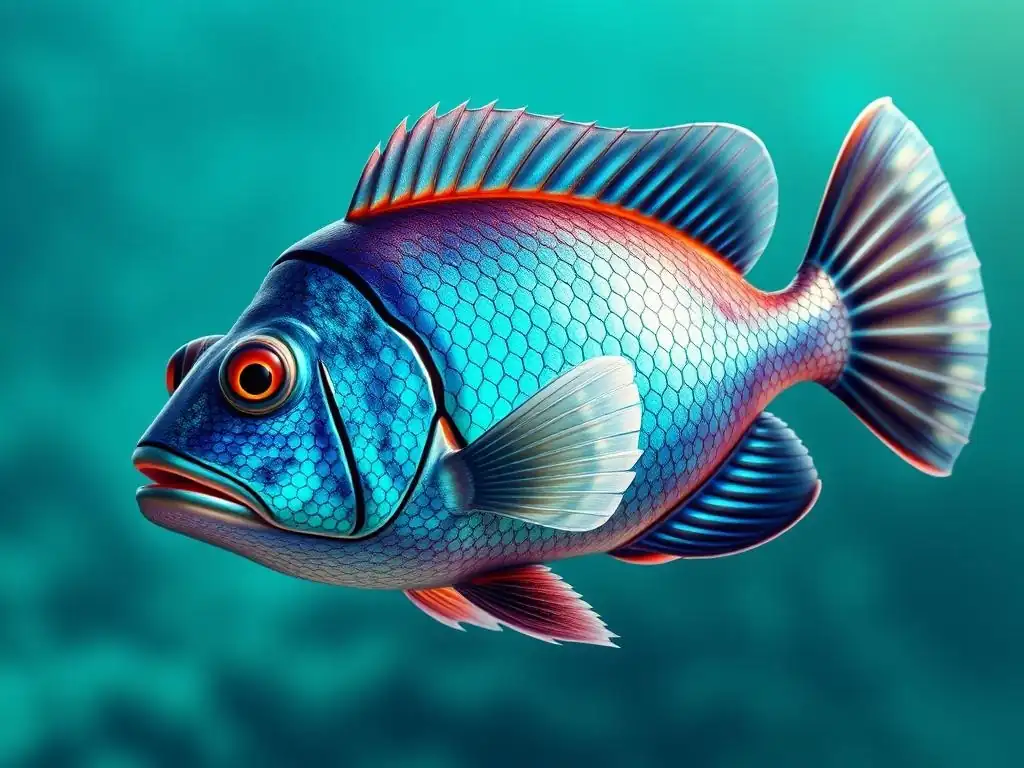
The Rhinecanthus rectangulus is instantly recognizable by its striking and complex geometric pattern, which gives it the common name "Reef Triggerfish." Its body is predominantly white or light grey, adorned with bold black and yellow markings. A prominent black band runs vertically behind the eye, and another distinct black triangle-like patch covers the posterior half of its body, bordered by a vibrant yellow band near the caudal fin. Its mouth is small and upturned, while its eyes are set high on its head, allowing for a wide field of vision.
These fish possess a robust, laterally compressed body, typical of the triggerfish family. Their dorsal fin features a unique "trigger" mechanism: the first spine can be locked upright by the second spine, allowing the fish to wedge itself into crevices for protection, making it incredibly difficult for predators to dislodge. Adult Humu Humu Triggerfish can reach a maximum size of about 12 inches (approximately 30 cm) in length, though they are often seen smaller in the aquarium trade, usually around 6 to 8 inches.
Why Keep a Humu Humu? The Allure of this Tropical Fish
Keeping a Humu Humu Triggerfish offers aquarists a unique blend of vibrant aesthetics and engaging personality. Their bold coloration and intricate patterns make them a standout centerpiece in any appropriately sized saltwater aquarium, constantly drawing the eye with their distinct appearance. Beyond their visual appeal, these fish exhibit a remarkable level of intelligence and curiosity, often interacting with their owners and observing their surroundings with keen interest.
Furthermore, the Humu Humu Triggerfish is known for its hardiness once established in a stable environment, making Humu Humu Triggerfish care a rewarding experience for dedicated aquarists. With proper Humu Humu Triggerfish care, including a well-maintained tank and a suitable diet, these Hawaiian triggers can live for a considerable time in captivity, often reaching lifespans of 5 to 10 years or even longer. Their active swimming patterns and inquisitive nature contribute significantly to the dynamic life of a large marine aquarium.
Humu Humu Triggerfish Care: Essential Guidelines for a Healthy Life
Tank Size and Setup for Humu Humu Triggerfish: Creating an Ideal Environment
Effective Humu Humu Triggerfish care begins with providing an adequately sized aquarium. Due to their potential adult size of up to 12 inches and their active, territorial nature, a minimum tank size of 125 gallons (approximately 473 liters) is recommended for a single adult Humu Humu Triggerfish. Larger tanks, upwards of 180 gallons (about 680 liters), are even better for long-term health and to help mitigate potential aggression, especially if considering tank mates. Ample swimming space is crucial, as these fish are constantly exploring.
The tank setup should mimic their natural reef habitat, incorporating plenty of live rock to create caves, crevices, and hiding spots. These structures serve as essential territories and provide security for the fish, allowing them to retreat when stressed or sleep at night. Ensure that the rockwork is stable and securely stacked, as Humu Humu Triggerfish are known for their ability to rearrange decor, sometimes dislodging unsecured items. A sand or crushed coral substrate is suitable, and robust filtration, including a powerful protein skimmer, is vital to manage the bioload of these messy eaters.
Water Parameters for Rhinecanthus rectangulus: Maintaining Optimal Conditions
Maintaining stable and optimal water parameters is paramount for successful Humu Humu Triggerfish care. These Hawaiian triggers thrive in conditions that closely replicate their natural reef environment. The specific gravity (salinity) should be kept between 1.020 and 1.025, ideally around 1.023-1.024. Temperature should be consistently maintained within the range of 75-82°F (24-28°C), with minimal fluctuations. A reliable heater and thermometer are essential tools for this.
The pH level should remain stable between 8.1 and 8.4, indicative of healthy marine water. Additionally, parameters such as alkalinity (8-12 dKH), calcium (400-450 ppm), and magnesium (1200-1350 ppm) should be monitored and maintained to support overall water quality and stability, even if the triggerfish itself doesn't directly utilize these as corals would.
Nitrates should be kept as low as possible, ideally below 20 ppm, and ammonia and nitrites should always be at zero. Regular water changes, typically 10-20% bi-weekly or monthly, are crucial for diluting pollutants and replenishing essential trace elements, contributing significantly to long-term Humu Humu Triggerfish care.
Humu Humu Triggerfish Diet and Feeding: What to Feed Your Hawaiian Trigger
Recommended Foods for Humu Humu Triggerfish
A varied and nutritious diet is a cornerstone of excellent Humu Humu Triggerfish care. In their natural habitat, Rhinecanthus rectangulus are carnivores that feed on a wide array of benthic invertebrates. In the home aquarium, their diet should primarily consist of meaty foods. Excellent choices include frozen Mysis shrimp, krill, chopped squid, clams, and various types of marine flesh. It's also beneficial to offer a high-quality marine pellet or flake food specifically designed for carnivorous fish, though these should not be the sole dietary component.
To replicate their natural foraging behavior and provide necessary roughage for dental health, incorporate foods with hard shells, such as ghost shrimp (if available and safe), or small pieces of clam on the half-shell. This helps wear down their continuously growing teeth, preventing overgrowth that could impede feeding. Supplementing their diet with vitamin-enriched foods can further boost their immune system and overall vitality, ensuring comprehensive Humu Humu Triggerfish care.
Feeding Frequency and Portion Control for Triggerfish
Proper feeding frequency and portion control are vital for maintaining the health and ideal weight of your Humu Humu Triggerfish. For juvenile or smaller specimens, feeding 2-3 times per day is generally recommended to support their growth. As they mature, feeding once daily, or even every other day, may suffice, depending on their activity level and overall condition. The key is to offer an amount of food that can be consumed entirely within a few minutes, preventing excess food from decaying and negatively impacting water quality.
Overfeeding should be avoided as it can lead to digestive issues, obesity, and a significant increase in nutrient load in the aquarium, contributing to elevated nitrates and algae growth. Observing your fish's body condition – a slightly rounded belly after feeding, but not perpetually bloated – will help you fine-tune portion sizes. A consistent feeding schedule, combined with a varied diet, will ensure your Humu Humu Triggerfish receives the necessary nutrients for a long and healthy life.
Humu Humu Triggerfish Temperament and Tank Mates: Choosing Compatible Species
Aggression Levels and Compatibility Considerations
The Humu Humu Triggerfish is renowned for its strong personality and, at times, aggressive and territorial nature. While individual personalities vary, Rhinecanthus rectangulus generally displays moderate to high levels of aggression, especially towards smaller, more docile fish or those with similar body shapes. Their powerful jaws and sharp teeth are designed for crushing shells, making them capable of inflicting significant damage on tank mates, particularly invertebrates like crabs, shrimps, and snails, which they view as food.
They are also known to nip at corals, often tearing off polyps or even entire sections, making them unsuitable for most reef aquariums. When considering tank mates, it's crucial to understand that the Humu Humu Triggerfish will establish a dominant presence and may harass or injure fish that cannot defend themselves or hold their own. Therefore, careful planning and observation are essential components of Humu Humu Triggerfish care when integrating them into a community tank.
Suitable Tank Mates for Humu Humu Triggerfish
Given their temperament, suitable tank mates for the Humu Humu Triggerfish must be robust, semi-aggressive, and large enough to not be considered prey. Good candidates include other large, active fish such as certain Tangs (e.g., Yellow Tang, Sailfin Tang), large Angelfish (e.g., Emperor Angelfish, Queen Angelfish), Groupers, and some species of large Wrasse. It's often advisable to introduce the triggerfish last into a well-established tank with existing, larger inhabitants, as this can sometimes help reduce its territorial aggression.
Care must be taken even with suitable tank mates, as individual triggerfish can vary in temperament. Monitoring interactions closely during the initial weeks is crucial. Providing plenty of hiding spots and rockwork can help diffuse aggression by allowing all fish to establish their own territories and retreat when necessary, contributing to better Humu Humu Triggerfish care in a community setting.
Unsuitable Tank Mates to Avoid
A wide range of marine life should be strictly avoided as tank mates for the Humu Humu Triggerfish due to their predatory nature and aggression. Any small, peaceful, or slow-moving fish, such as Gobies, Blennies, Damsels, or small Dottybacks, are highly likely to become targets or even food. Similarly, all invertebrates, including ornamental shrimp (e.g., Cleaner Shrimp, Peppermint Shrimp), crabs, snails, and starfish, are almost guaranteed to be eaten or harassed.
Coral species, both soft and stony, are also generally unsuitable. While some aquarists attempt to keep them in FOWLR (Fish Only With Live Rock) tanks that feature hardy, non-palatable corals, the risk of the triggerfish nipping at and damaging corals is extremely high. Therefore, a dedicated fish-only or FOWLR setup without delicate invertebrates or corals is strongly recommended for optimal Humu Humu Triggerfish care.
Maintaining a Healthy Humu Humu Triggerfish: Preventing and Treating Common Issues
Recognizing Signs of Illness in Humu Humu Triggerfish
Vigilant observation is a key aspect of proactive Humu Humu Triggerfish care, allowing for early detection of potential health issues. A healthy Rhinecanthus rectangulus is typically active, alert, and displays vibrant coloration. Signs of illness can manifest in various ways, including changes in behavior such as lethargy, hiding excessively, or erratic swimming. A loss of appetite or refusal to eat is also a significant indicator of distress.
Physical symptoms to watch for include cloudy eyes, visible lesions, white spots (like salt grains, indicative of Ich), cloudy patches on the skin, fin rot, or frayed fins. Labored breathing, rapid gill movements, or scratching against tank decor can also signal parasites or poor water quality. Any deviation from their normal appearance or behavior warrants immediate investigation and, if necessary, isolation in a hospital tank to prevent the spread of disease and facilitate specific treatment.
Common Diseases Affecting Rhinecanthus rectangulus and Their Treatments
While generally hardy, Humu Humu Triggerfish can still fall victim to common marine aquarium diseases, often triggered by stress, poor water quality, or the introduction of new, infected fish. Ich (Cryptocaryon irritans) and Marine Velvet (Amyloodinium ocellatum) are two of the most prevalent parasitic diseases, presenting as small white spots or a dusty appearance on the body and fins, respectively. These are highly contagious and can be fatal if left untreated. Treatments often involve copper-based medications or hyposalinity (gradually lowering salinity).
Bacterial infections, often secondary to stress or injury, can manifest as fin rot, ulcers, or cloudy eyes. These usually require broad-spectrum antibiotic treatments, often administered in a hospital tank to avoid harming beneficial bacteria in the main display. Maintaining pristine water conditions, a balanced diet, and a stable environment are the best preventative measures for good Humu Humu Triggerfish care, significantly reducing the likelihood of these common ailments.
Quarantine Procedures for New Humu Humu Triggerfish
Implementing a strict quarantine protocol for all new arrivals, including Humu Humu Triggerfish, is one of the most critical steps in preventing disease outbreaks in your main display tank. A separate quarantine tank, ideally 20-30 gallons (approximately 75-113 liters) for a juvenile trigger, should be set up with basic filtration, a heater, and PVC pipes for hiding spots. This tank should not share water or equipment with the main display.
New Humu Humu Triggerfish should be housed in quarantine for a minimum of 3-4 weeks, or even longer, depending on their health. During this period, observe them closely for any signs of illness. Prophylactic treatments for common parasites like Ich are often recommended during this phase, even if no symptoms are present, to ensure any latent parasites are eradicated before introduction to the main system. This diligent approach to Humu Humu Triggerfish care protects your existing fish population and promotes long-term success.
Breeding Humu Humu Triggerfish: Challenges and Possibilities
Understanding the Breeding Behavior of Rhinecanthus rectangulus
In their natural habitat, Humu Humu Triggerfish exhibit specific breeding behaviors. They are known to form monogamous pairs during spawning periods, typically engaging in pelagic spawning, where eggs and sperm are released into the water column to drift with the currents. The female Rhinecanthus rectangulus will lay her eggs on the substrate, often in a depression or sandy patch, and both parents may guard the nest fiercely against intruders.
Once the eggs hatch, the larvae are planktonic, drifting in the open water for an extended period before settling onto the reef as tiny juveniles. This larval stage is a critical and highly challenging phase for captive breeding efforts, primarily due to the minute size of the larvae and their specific dietary requirements. Understanding these natural behaviors is the first step, albeit a challenging one, in any attempt at captive Humu Humu Triggerfish breeding.
Captive Breeding Challenges of Humu Humu Triggerfish
Captive breeding of Humu Humu Triggerfish, like many other marine species, presents significant challenges and remains largely unsuccessful on a commercial scale. One major hurdle is the difficulty in reliably sexing these fish, as there are no obvious external differences between males and females outside of spawning periods. Additionally, while they may form pairs, their inherent aggression can make maintaining a breeding pair in an aquarium extremely difficult, often resulting in one fish dominating or harming the other.
The most substantial challenge, however, lies in rearing the larval stage. Humu Humu Triggerfish larvae are exceptionally small, requiring microscopic live feeds that are difficult to culture in sufficient quantities. Their prolonged planktonic stage also means they are highly susceptible to environmental fluctuations and require very specific water parameters and gentle flow. While there have been isolated reports of successful captive spawning, consistent and widespread captive breeding of Rhinecanthus rectangulus for the aquarium trade remains an elusive goal, making wild-caught specimens the primary source for Humu Humu Triggerfish care in home aquariums.
Where to Buy Humu Humu Triggerfish: Selecting a Healthy Specimen
Choosing a Reputable Source for Your Triggerfish
When deciding where to purchase a Humu Humu Triggerfish, selecting a reputable source is paramount for ensuring you acquire a healthy specimen and support responsible practices. Opt for local fish stores with knowledgeable staff who can provide information about the fish's origin, how long it has been in their care, and its feeding habits. Observe the store's overall tank maintenance; clean, well-kept tanks with healthy-looking fish are good indicators of a responsible dealer.
Online retailers can also be a viable option, but thorough research into their reputation, shipping practices, and live arrival guarantees is crucial. Look for reviews from other aquarists and ensure they have a transparent policy regarding sick or deceased fish. A reputable source will prioritize the health of their livestock, which directly contributes to successful Humu Humu Triggerfish care in your home.
Identifying Healthy Humu Humu Triggerfish at the Store
Before making a purchase, take ample time to observe the specific Humu Humu Triggerfish you intend to buy. A healthy specimen will be active and alert, swimming freely and inquisitively around its tank. Its coloration should be vibrant and true to its species, without any faded or dull patches. Check for clear eyes, intact fins without any tears or signs of rot, and a robust body shape, avoiding any fish that appear emaciated or bloated.
Observe if the fish is eating readily when offered food; a good appetite is a strong sign of health. Also, look for any visible signs of disease, such as white spots (Ich), cloudy film, or open sores. Avoid fish that are constantly hiding, gasping at the surface, or exhibiting erratic swimming patterns. A thorough visual inspection is a crucial step in ensuring you bring home a healthy fish, setting the foundation for successful Humu Humu Triggerfish care.
Acclimation Process for New Humu Humu Triggerfish
Proper acclimation is a critical step in introducing your new Humu Humu Triggerfish to its new home, minimizing stress and preventing shock. The drip acclimation method is highly recommended for marine fish due to its gentle approach to gradually equalize water parameters. Begin by floating the sealed bag in your aquarium for 15-20 minutes to equalize temperature. Then, open the bag and slowly add tank water to the bag over a period of 30-60 minutes, using an airline tube and a drip valve to create a slow drip.
Once the water volume in the bag has tripled, carefully net the fish and transfer it to your display tank, discarding the bag water (never add it to your main tank). It's advisable to dim the aquarium lights during and immediately after acclimation to reduce stress on the new arrival. Observe the fish closely over the next few hours and days, ensuring it settles in well. This careful acclimation process significantly improves the chances of a smooth transition and long-term success in Humu Humu Triggerfish care.
Humu Humu Triggerfish: Pros and Cons of Keeping This Hawaiian Gem
Advantages of Owning a Humu Humu Triggerfish
Owning a Humu Humu Triggerfish offers several compelling advantages for the dedicated marine aquarist. Foremost among them is their striking aesthetic appeal; their unique geometric patterns and vibrant coloration make them an undeniable focal point in any large saltwater aquarium. Beyond their beauty, these fish possess a captivating personality. They are intelligent, curious, and often interactive, learning to recognize their owners and displaying engaging behaviors that make them truly rewarding to observe.
Furthermore, the Humu Humu Triggerfish is known for its hardiness once established, making it a relatively resilient species for those committed to providing proper Humu Humu Triggerfish care. They are generally robust and less susceptible to minor water parameter fluctuations than some other delicate marine species, provided their basic needs for tank size, diet, and water quality are consistently met. Their active swimming and inquisitive nature also add a dynamic energy to the aquarium environment.
Disadvantages of Owning a Humu Humu Triggerfish: Considerations Before You Buy
Despite their many appealing qualities, there are several significant disadvantages and considerations that potential owners must weigh before acquiring a Humu Humu Triggerfish. The primary concern is their aggressive and territorial nature. They are known to harass, injure, or even kill smaller, more docile, or similarly shaped tank mates. Their powerful jaws can easily crush shells, making them a severe threat to most invertebrates, including ornamental shrimp, crabs, and snails, which they will likely consume.
Another major drawback is their incompatibility with most reef aquariums. Humu Humu Triggerfish are notorious for nipping at and consuming corals, making them unsuitable for tanks housing delicate stony or soft corals. Their large adult size also necessitates a substantial aquarium, typically 125 gallons or more, which requires a significant investment in space, equipment, and ongoing maintenance. Therefore, responsible Humu Humu Triggerfish care requires a dedicated fish-only or FOWLR (Fish Only With Live Rock) setup and careful consideration of tank mate compatibility.
Conclusion: Is the Humu Humu Triggerfish Right for Your Aquarium?
The Responsibility of Caring for a Rhinecanthus rectangulus
Deciding whether the Humu Humu Triggerfish is the right addition to your aquarium hinges on a thorough understanding of the responsibility involved in their care. The Rhinecanthus rectangulus is not a fish for the novice aquarist or for those with smaller tanks or delicate reef setups. It demands a significant commitment to providing a large, species-appropriate environment, consistent water quality, and a varied, carnivorous diet. Their aggressive tendencies necessitate careful planning of tank mates, ensuring only robust and similarly tempered fish are housed alongside them.
Ultimately, successful Humu Humu Triggerfish care requires dedication, research, and a willingness to meet their specific needs. If you possess a large, well-established fish-only or FOWLR aquarium and are prepared for the unique challenges and rewards that come with keeping such a charismatic and powerful fish, the Humu Humu Triggerfish can be an incredibly engaging and long-lived inhabitant, truly becoming the jewel of your marine display.
Further Resources for Humu Humu Triggerfish Care
For those committed to providing the best possible Humu Humu Triggerfish care, continued learning and engagement with the aquarist community are invaluable. Numerous online forums dedicated to saltwater aquariums offer platforms to ask questions, share experiences, and learn from seasoned hobbyists who have successfully kept these Hawaiian triggers. These communities often provide practical advice on troubleshooting common issues, refining feeding strategies, and managing aggression.
Additionally, comprehensive books on marine fish identification and care, as well as specialized guides on predatory saltwater fish, can offer deeper insights into the biology, behavior, and specific requirements of the Rhinecanthus rectangulus. Regularly consulting reputable aquarium resources ensures you stay informed about the latest best practices in Humu Humu Triggerfish care, helping you maintain a thriving and healthy environment for this magnificent species.
Frequently Asked Questions
How difficult is it to care for a Humu Humu Triggerfish?
Humu Humu Triggerfish are considered moderately difficult to care for. They require specific water parameters and can be aggressive towards tank mates, making them unsuitable for beginner aquarists.
What size tank is required for a Humu Humu Triggerfish?
A Humu Humu Triggerfish needs a large aquarium, ideally 180 gallons or more. This provides sufficient swimming space and helps to minimize aggression towards other fish.
What type of diet does a Humu Humu Triggerfish require?
They have a varied diet consisting of meaty foods like crustaceans, mollusks, and small fish. Supplementing with high-quality marine pellets is also essential for their health.
Are Humu Humu Triggerfish reef safe?
No, Humu Humu Triggerfish are not reef safe. They are known to eat invertebrates and disturb corals, making them unsuitable for reef aquariums.
What are some common health problems affecting Humu Humu Triggerfish?
Common issues include ich (white spot disease) and bacterial infections. Maintaining pristine water quality and providing a proper diet are crucial for preventing these problems.
Final Reflection: The Enduring Allure of the Reef
The vibrant colors and unique personality of the Humu Humu Triggerfish, as we've explored in this article, are not just captivating in their natural Hawaiian reef habitat, but also translate into a compelling, albeit demanding, presence in the home aquarium. Understanding the nuances of Rhinecanthus rectangulus care is more crucial now than ever, as responsible aquarists strive to replicate the delicate balance of the ocean within the confines of glass, ensuring the well-being of these iconic creatures.
The Humu Humu Triggerfish, beyond its scientific classification, represents a deeper connection to the Hawaiian culture and the fragile beauty of coral reefs. My own fascination with this fish began with a childhood visit to the Waikiki Aquarium, an experience that instilled a lifelong appreciation for marine biodiversity. We are tied to the ocean. And when we go back to the sea, whether it is to sail or to watch it, we are going back from whence we came.
- John F. Kennedy. This quote resonates deeply when considering the responsibility we bear in preserving the Humu Humu and its natural environment.
As you consider adding a Humu Humu Triggerfish to your aquarium, or simply admire its image, remember the lessons we've discussed. Let this article serve as a reminder that responsible care, informed by knowledge and respect, is paramount. Embrace the challenge of providing a thriving environment for this remarkable fish, and in doing so, contribute to the preservation of its legacy for generations to come.
Dive Deeper: Transform Your Aquarium into a Hawaiian Reef!
Thank you for exploring the fascinating world of the Humu Humu Triggerfish with us! We hope this article has inspired you to appreciate the beauty and unique needs of this Hawaiian icon. Now, let’s turn that inspiration into action!
- Critically assess your current tank's compatibility: Do you have the space, filtration, and temperamentally suitable tank mates for a Humu Humu? Ensuring its well-being is paramount.
- Share this article with fellow reef enthusiasts! Let's spread awareness and responsible fish keeping practices.
- Research sustainable aquaculture options for acquiring your Humu Humu. Supporting responsible breeders helps protect wild populations.
What specific steps will you take this week to either improve your tank's suitability or advocate for the responsible care of Humu Humu Triggerfish?