
7 Bulletproof ReefSafe Invertebrates to Start Your CleanUp Crew

Welcome to Aquarium Mastery!
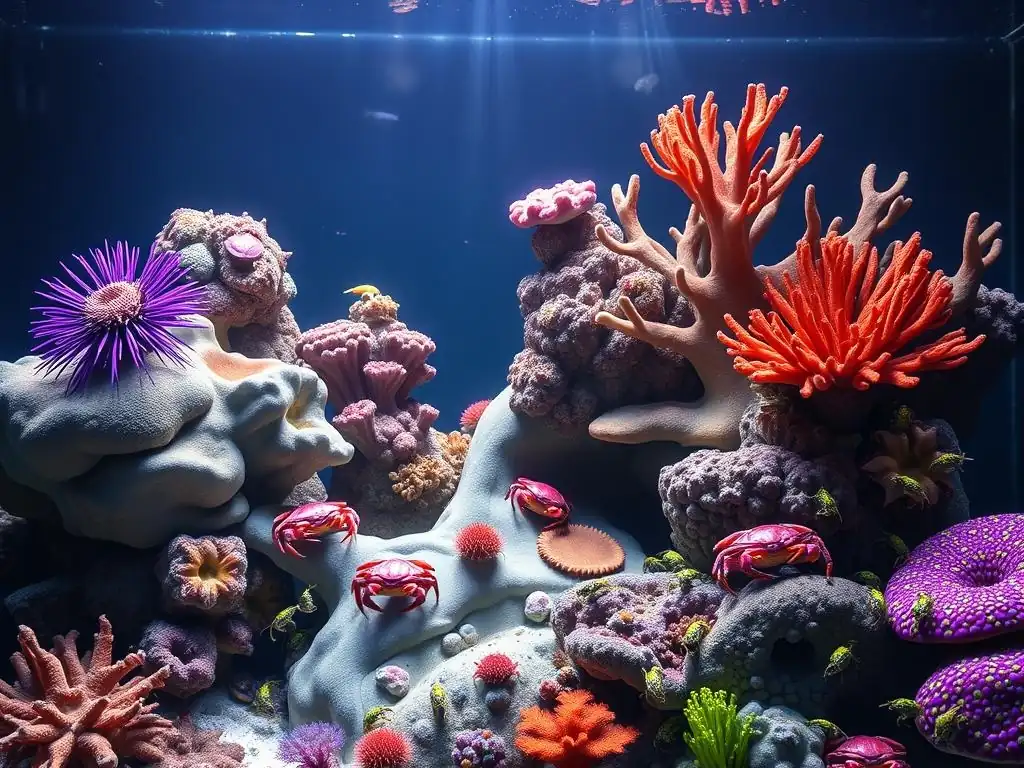
Dive into the fascinating world of reef aquariums! Ever wondered how to build a thriving ecosystem without the constant worry of coral-nipping critters? Our Reef Safe Invertebrate Guide is your key to unlocking a balanced and beautiful reef. Get ready to meet 7 bulletproof inverts perfect for starting your cleanup crew and discover how they can transform your saltwater tank. Intrigued? Let's explore!
- Understanding the Importance of a Clean-Up Crew in Reef Tanks
- Reef-Safe Invertebrate Guide: Top 7 Choices for Your Aquarium
- #1: Nassarius Snails: The Sand Bed Stirrers
- #2: Cerith Snails: Algae Grazers for Glass and Rock
- #3: Nerite Snails: Effective Algae Control in Reef Tanks
- #4: Astrea Snails: Reliable Algae Eaters for Reef Systems
- #5: Hermit Crabs (Dwarf Varieties): Detritus and Algae Consumers
- #6: Brittle Stars: Detritus Removers and Reef Tank Scavengers
- #7: Peppermint Shrimp: Aiptasia Anemone Control and More
- Maintaining a Healthy Invertebrate Clean-Up Crew
- Conclusion: Building a Thriving Reef Ecosystem with Invertebrates
-
Frequently Asked Questions
- What are reef-safe invertebrates, and why are they important for a reef tank?
- What are some examples of "bulletproof" reef-safe invertebrates suitable for beginners?
- How do I choose the right number of invertebrates for my reef tank size?
- What specific water parameters are crucial for keeping reef-safe invertebrates healthy?
- Where can I find more detailed information on the specific care requirements of each reef-safe invertebrate species?
- Final Reflection: The Unseen Architects of Reef Harmony
- Dive Deeper: Cultivate Your Reef's Ecosystem!
Understanding the Importance of a Clean-Up Crew in Reef Tanks
What is a Reef Tank Clean-Up Crew and Why Do You Need One?
A reef tank clean-up crew (CUC) refers to a group of invertebrates, primarily snails, crabs, and shrimp, specifically chosen for their ability to consume undesirable organic matter, detritus, and various forms of nuisance algae within a marine aquarium. Their primary purpose is to act as natural janitors, mimicking the ecological roles found on natural coral reefs where a diverse array of organisms continuously process waste and maintain environmental balance. Without a robust CUC, a closed system like a reef tank can quickly accumulate waste, leading to nutrient imbalances and unsightly outbreaks.
The necessity of a CUC in a reef tank stems from the fundamental difference between a natural ocean environment and a confined aquarium. In the vast ocean, detritus and algae are constantly processed by a multitude of organisms, and water flow disperses waste effectively.
In an aquarium, however, waste products from fish food, fish waste, and decaying organic matter can rapidly build up, fueling the growth of nuisance algae such as diatoms, cyanobacteria, and hair algae. A well-chosen clean-up crew actively consumes these unwanted elements, significantly reducing the manual labor required for tank maintenance and helping to prevent costly and frustrating water quality issues.
The Role of Invertebrates in Maintaining a Healthy Reef Ecosystem
Invertebrates are pivotal in maintaining the delicate balance of a healthy reef ecosystem within an aquarium. Different species specialize in distinct roles, collectively contributing to nutrient cycling and overall tank stability. For instance, various snails tirelessly graze on algae from glass, live rock, and substrate, preventing its overgrowth, while certain crabs and brittle stars are expert scavengers, consuming uneaten food and detritus that settles in hard-to-reach areas. This continuous biological processing helps to convert harmful organic waste into less noxious forms, effectively reducing the bioload on the filtration system.
Beyond simple waste removal, the activities of these invertebrates foster a more stable and resilient environment for corals and fish. Their constant grazing and sifting actions prevent the stratification of detritus in the sand bed, which can lead to anaerobic pockets and the release of harmful compounds like hydrogen sulfide.
By actively consuming nuisance algae, they also compete with more desirable photosynthetic organisms, ensuring that corals receive adequate light and nutrients. Studies have indicated that a well-stocked CUC can reduce the concentration of nitrates and phosphates in a reef system by a noticeable margin, sometimes contributing to a 10-20% reduction in typical nutrient levels when combined with proper husbandry.
Benefits of a Thriving Invertebrate Clean-Up Crew: A Summary
The advantages of incorporating a thriving invertebrate clean-up crew into your reef aquarium are multifaceted and significant. Firstly, they drastically reduce the need for manual cleaning, such as scraping algae off glass or siphoning detritus from the sand bed, saving aquarists considerable time and effort. Secondly, their continuous waste consumption directly contributes to improved water quality, helping to stabilize parameters and prevent the spikes in nitrates and phosphates that can stress corals and fish. This proactive approach to nutrient control is a cornerstone of successful reef keeping.
Furthermore, a diverse and active CUC enhances the aesthetic appeal of the tank by keeping surfaces clean and promoting a natural, vibrant appearance. Certain invertebrates also act as natural pest control agents; for example, specific shrimp species are renowned for their ability to consume problematic Aiptasia anemones. Ultimately, investing in a robust and varied reef safe invertebrate guide for your CUC leads to a more resilient, less problematic, and visually stunning reef tank, embodying a truly symbiotic relationship between the aquarist and their marine ecosystem.
Reef-Safe Invertebrate Guide: Top 7 Choices for Your Aquarium
Introduction to Bulletproof Reef Invertebrates
When establishing or enhancing a reef aquarium, selecting the right clean-up crew is paramount. The term "bulletproof" in this context refers to invertebrates that are exceptionally hardy, consistently effective in their cleaning roles, and, crucially, pose virtually no threat to corals, other invertebrates, or fish within a reef environment. This reef safe invertebrate guide focuses on species that are known for their resilience to typical reef tank parameters, their ability to withstand the stresses of shipping and acclimation, and their consistent performance in consuming various forms of nuisance algae and detritus.
The invertebrates highlighted in this guide are ideal for both novice and experienced aquarists seeking to build a robust and reliable clean-up crew. They represent foundational species that have proven their worth over decades in the hobby, offering predictable behavior and reliable cleaning services. By focusing on these "bulletproof" choices, aquarists can minimize risks associated with incompatible or overly delicate species, ensuring a smoother journey towards a balanced and thriving reef ecosystem.
Criteria for Selecting Invertebrates for a Clean-Up Crew
Selecting the appropriate invertebrates for your reef tank's clean-up crew involves careful consideration of several key criteria to ensure their effectiveness, safety, and longevity within your specific system. The foremost criterion is absolute reef-safety; any chosen invertebrate must not pose a threat to corals, sessile invertebrates, or fish.
This means avoiding species known to nip at polyps, consume beneficial microfauna, or exhibit aggressive tendencies towards other tank inhabitants. For instance, while some larger hermit crabs are excellent scavengers, certain species like the Red Leg Hermit Crab (Paguristes cadenati) are generally considered safer and less likely to bother snails than, say, a large Halloween Hermit Crab (Ciliopagurus strigatus).
Secondly, effectiveness in consuming specific types of algae or detritus is crucial. Different invertebrates specialize in different tasks; some are excellent glass cleaners, others are sand-sifters, and some target specific nuisance algae. Thirdly, hardiness and adaptability to typical reef tank water parameters (e.g., salinity of 1.025-1.026, alkalinity 8-12 dKH, calcium 400-450 ppm) are vital for their survival and performance. Lastly, availability in the aquarium trade and a reasonable price point often factor into selection. A well-rounded reef safe invertebrate guide emphasizes diversity to cover all cleaning niches, ensuring comprehensive waste management and algae control across the entire aquarium.
#1: Nassarius Snails: The Sand Bed Stirrers
Why Nassarius Snails are Essential for Reef Aquariums
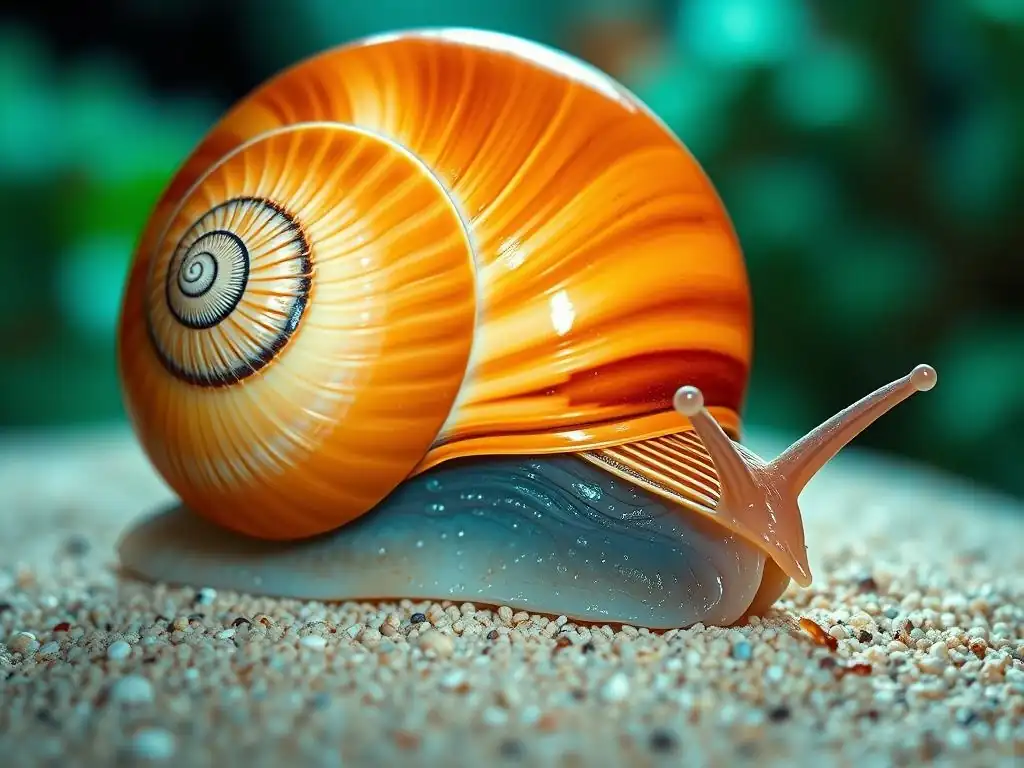
Nassarius snails, particularly species like Nassarius vibex or Nassarius distortus, are indispensable members of any reef aquarium clean-up crew due to their unique habit of burrowing into and sifting through the sand bed. This behavior is crucial for maintaining the health of the substrate. As they move through the sand, they consume detritus, uneaten food, and decaying organic matter that settles within the substrate.
This constant stirring prevents the formation of anaerobic pockets, which are areas of oxygen depletion where harmful gases like hydrogen sulfide can accumulate. Hydrogen sulfide is highly toxic to fish and corals, and its release can crash an entire system.
Beyond preventing anaerobic zones, the sifting action of Nassarius snails helps to keep the sand bed clean and visually appealing, preventing the buildup of unsightly detritus that can fuel nuisance algae growth. Their quick response to food entering the tank, often emerging from the sand en masse within seconds of food hitting the water, makes them highly efficient at cleaning up excess nutrients before they can dissolve and contribute to water quality issues.
A general guideline is to stock approximately one Nassarius snail per 1-2 gallons of tank volume for optimal sand bed maintenance, though this can vary based on feeding habits and tank size.
Nassarius Snail Care: Feeding, Habitat, and Compatibility
Nassarius snails are relatively easy to care for, making them an excellent choice for a reef safe invertebrate guide for beginners. They thrive in standard reef tank parameters: salinity of 1.025-1.026, temperature between 72-78°F (22-26°C), and stable alkalinity, calcium, and magnesium levels. Their primary diet consists of detritus and uneaten food found in the sand bed. In mature tanks with a consistent feeding schedule for fish and corals, supplemental feeding is rarely necessary. However, in newly established tanks or those with very light bioloads, offering small sinking pellets or flakes occasionally can ensure they remain well-fed.
Their ideal habitat is a sand bed of at least 1-2 inches in depth, allowing them sufficient substrate to burrow and sift. They are entirely reef-safe, posing no threat to corals, other invertebrates, or fish. In fact, their nocturnal nature and tendency to remain buried until food is present make them a discreet yet highly effective component of the clean-up crew. Compatibility with other tank inhabitants is excellent, as they are peaceful and primarily focus on their detritivorous activities, making them a cornerstone of any healthy reef ecosystem.
Identifying Different Types of Nassarius Snails
While many species of Nassarius snails are available in the aquarium trade, the most commonly encountered and recommended types for reef tanks are generally identified by their size and shell characteristics. Nassarius vibex, often referred to as the "Super Tongan Nassarius" or "Bumble Bee Nassarius" (though true Bumble Bee snails are different), is a popular choice. These are typically small, reaching about 0.5 to 0.75 inches (1.2-1.9 cm) in shell length, with a distinctive conical shell that is often mottled brown and cream. They are known for their rapid response to food and their diligent sand-sifting.
Another common variety is Nassarius distortus, which can grow slightly larger, up to 1 inch (2.5 cm), and often has a more elongated, somewhat twisted shell. Regardless of the specific species, the defining characteristic of a reef-safe Nassarius snail is its proboscis, a long, snorkel-like feeding tube that it extends to sniff out and consume food particles from the sand. Aquarists should ensure they are purchasing true Nassarius snails and not similar-looking but potentially predatory snails, although this is rare with reputable suppliers. Their consistent burrowing behavior is the best indicator of their identity and beneficial role.
#2: Cerith Snails: Algae Grazers for Glass and Rock
Cerith Snails: The Algae-Eating Powerhouses
Cerith snails ( Cerithium species) are among the most versatile and effective algae grazers for reef aquariums, earning them a top spot in any comprehensive reef safe invertebrate guide. These snails are highly efficient at consuming a wide range of nuisance algae, including diatoms, cyanobacteria (red slime algae), and various forms of green hair algae, from the tank glass, live rock, and even the sand bed.
Their conical shells and active grazing habits make them an invaluable asset for maintaining a pristine reef environment. Unlike some other snail species, Cerith snails are adept at navigating both smooth surfaces and intricate rockwork, ensuring comprehensive algae control throughout the tank.
Their constant grazing not only keeps surfaces clean but also helps to prevent algae from establishing a firm foothold, which can be challenging to remove once mature. A common stocking density for Cerith snails is approximately one snail per 2-3 gallons of tank volume, depending on the severity of algae growth and the overall bioload. In addition to algae, they will also consume detritus and uneaten food particles, contributing to the overall cleanliness of the system. Their hardiness and peaceful nature make them a foundational component of any effective clean-up crew.
Optimal Water Parameters for Cerith Snails
Cerith snails are remarkably tolerant and adaptable, thriving within the standard water parameters typical of a well-maintained reef aquarium. They require stable salinity levels, ideally between 1.025 and 1.026 specific gravity, and a temperature range of 72-78°F (22-26°C). Like all marine invertebrates, they are sensitive to sudden fluctuations in pH, alkalinity, calcium, and magnesium, but they are generally robust once properly acclimated. Maintaining consistent parameters is key to their long-term health and activity.
It is crucial to ensure that ammonia and nitrite levels are undetectable, and nitrates should be kept as low as possible, ideally below 10-20 ppm for optimal invertebrate health. While they are resilient, prolonged exposure to poor water quality will eventually stress them. Adequate lighting is also important, not directly for the snails, but because it promotes the growth of the algae they consume, ensuring a continuous food source. Providing enough surface area of live rock and sand will also give them ample space to graze and forage.
Recognizing Healthy Cerith Snail Behavior
Recognizing the behavior of healthy Cerith snails is straightforward and indicates a thriving clean-up crew. Healthy Ceriths are highly active, constantly moving across the glass, live rock, and sand bed, diligently grazing on algae. You will frequently observe them with their foot extended, adhering firmly to surfaces, and their mouthparts visibly scraping away at algae. If you notice a sudden decrease in activity, snails retracting into their shells for extended periods, or falling off surfaces, it could be an indicator of declining water quality, insufficient food, or the presence of a predator.
Another sign of healthy behavior is their ability to right themselves if they accidentally fall or are knocked over. A snail that remains upside down for too long is often stressed or dying. Their shells should appear clean and free of excessive algal growth, which can sometimes indicate they are not actively grazing enough or that the tank has an overwhelming algae problem. Observing consistent movement and active feeding is the best way to confirm that your Cerith snails are contributing effectively to your reef tank's cleanliness.
#3: Nerite Snails: Effective Algae Control in Reef Tanks
Nerite Snails: A Beginner-Friendly Reef Invertebrate
Nerite snails ( Nerita species, often marine varieties like Nerita tessellata) are highly regarded as one of the most effective and beginner-friendly algae grazers for reef tanks. They are particularly adept at consuming tough green spot algae and other film algaes that adhere firmly to tank glass and smooth rock surfaces. Their small, often mottled shells and persistent grazing habits make them an excellent addition to any reef safe invertebrate guide. Unlike some other snails, Nerites are less prone to falling off surfaces and are generally very hardy, making them suitable for aquarists of all experience levels.
Their primary diet consists of diatoms, green film algae, and other microscopic algae that grow on hard surfaces. They are not known to consume macroalgae or nuisance hair algae as readily as Cerith snails, but their specialization in film algaes makes them a valuable complement to a diverse clean-up crew. A typical stocking recommendation is one Nerite snail per 5-10 gallons of tank volume, depending on the algae load. Their consistent grazing helps maintain crystal-clear viewing panes and prevents the unsightly buildup of stubborn algae.
Preventing Nerite Snails from Escaping Your Tank
One common characteristic of Nerite snails, particularly in the genus Nerita, is their tendency to climb out of the water line and even escape the aquarium if given the opportunity. This behavior is natural for many intertidal species, as they are accustomed to living in areas where they are periodically exposed to air. While not harmful to the snail in the short term (they can survive out of water for several hours if conditions are humid), it can lead to them drying out and perishing if they fall outside the tank.
To prevent escapes, ensure your aquarium has a tight-fitting lid or cover. If your tank has an open-top design, consider using a mesh or screen top. Additionally, keep the water level slightly below the tank's rim to create a barrier. While they are excellent climbers, they generally won't cross a dry, exposed lip of several inches. Regularly check the tank's edges for any signs of snails attempting to climb out, and gently return them to the water if found. This simple precaution ensures their safety and continued contribution to your clean-up crew.
Addressing Common Nerite Snail Issues
While Nerite snails are generally hardy, aquarists may encounter a few common issues. The most frequent concern is their tendency to lay tiny, white, sesame-seed-like eggs on tank glass, rockwork, and equipment. These eggs are notoriously difficult to remove and typically do not hatch in saltwater conditions, as Nerite snails require brackish or freshwater environments for their larval stage. While aesthetically unpleasing to some, these egg casings are harmless and will eventually degrade or be consumed by other detritivores.
Another issue can be a lack of sufficient food. If your tank is exceptionally clean with minimal algae growth, Nerite snails may starve. In such cases, supplementing their diet with algae wafers or blanched vegetables (like zucchini or lettuce) can be beneficial, though this is less common in established reef tanks with fish feeding. Finally, like all snails, they are highly sensitive to copper-based medications, which are lethal to invertebrates. Always remove Nerite snails, and the entire clean-up crew, before treating your tank with copper or other invertebrate-toxic chemicals.
#4: Astrea Snails: Reliable Algae Eaters for Reef Systems
Astrea Snails: The Low-Maintenance Clean-Up Crew Member
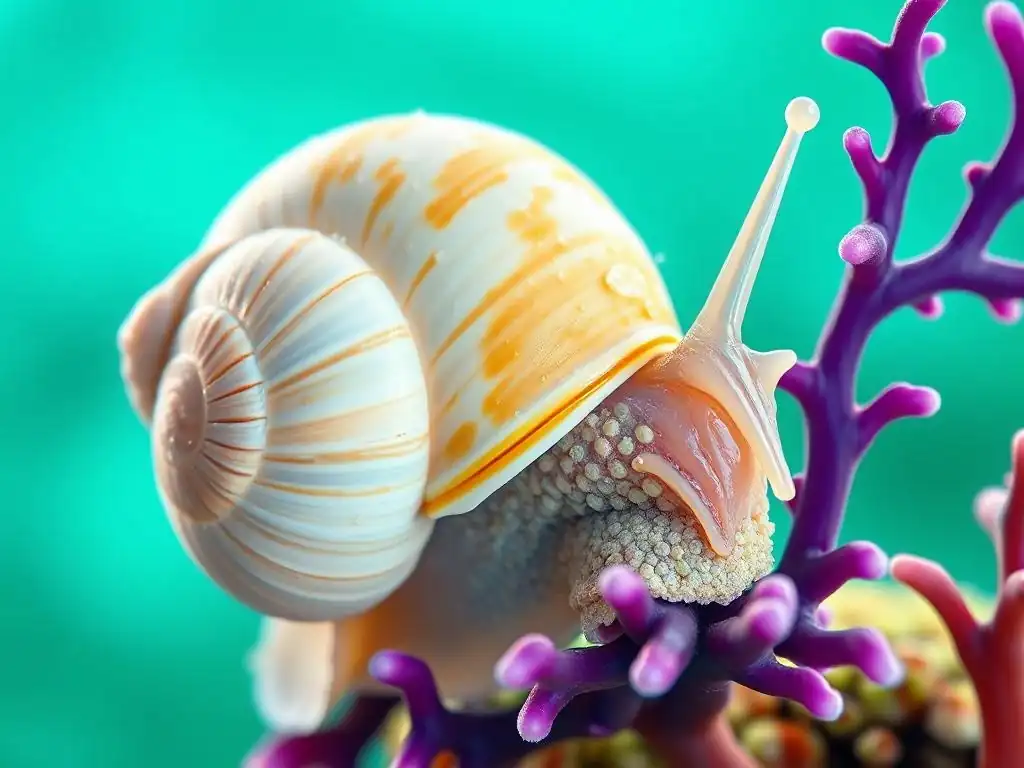
Astrea snails ( Astrea tecta or Astrea undosa) are a cornerstone of many reef tank clean-up crews, prized for their effective grazing on green hair algae, diatoms, and other film algaes on live rock and tank glass. Their conical, often spiraled shells and broad, flat foot allow them to cling firmly to surfaces, even in high flow areas, making them incredibly efficient at their job.
They are generally considered low-maintenance and highly resilient, making them an excellent choice for a robust reef safe invertebrate guide. Unlike some other snail species, Astreas tend to stay active during the day, providing a visible contribution to the tank's cleanliness.
These snails are particularly adept at cleaning the crevices and irregular surfaces of live rock, where other grazers might struggle. A typical stocking density ranges from one Astrea snail per 5-10 gallons of tank volume, depending on the algae load. Their continuous grazing helps prevent the rapid proliferation of nuisance algae, contributing significantly to nutrient export and maintaining the aesthetic appeal of the reef system. Their hardiness and peaceful nature make them a reliable and long-term asset.
Identifying Different Species of Astrea Snails
While often simply called "Astrea snails" in the aquarium trade, there are several species within the Astrea genus that are commonly sold. The most prevalent is Astrea tecta, sometimes referred to as the "Turban Snail" due to its distinct, conical, often spiraled shell that resembles a turban. These shells typically range from 0.5 to 1.5 inches (1.2-3.8 cm) in diameter and are usually a mottled brown, green, or grey. Astrea undosa is another common species, often slightly larger and with a more pronounced, wavy pattern on its shell.
Distinguishing features generally include the shape of the shell and their robust foot. Unlike some other snails that may have a trapdoor (operculum) that completely seals them inside, Astrea snails have a more rudimentary operculum. A key behavioral identifier is their tendency to fall off surfaces and struggle to right themselves if they land upside down. While they are excellent grazers, aquarists should periodically check their tank for any upturned Astreas and gently flip them over to prevent starvation.
Supplementing the Diet of Astrea Snails
In a well-established reef tank with a healthy algae population, Astrea snails typically find sufficient food through their natural grazing. However, in tanks with very low algae levels, or if the tank is heavily stocked with other grazers, it may become necessary to supplement their diet to ensure their long-term health and survival. A starving Astrea snail will become lethargic, reduce its grazing activity, and eventually perish.
If supplemental feeding is required, offering high-quality algae wafers or spirulina flakes can provide them with the necessary nutrients. These can be placed directly on the rockwork or substrate where the snails can easily access them. Blanched vegetables like zucchini slices or romaine lettuce, weighted down to prevent floating, can also be offered periodically. It's important to monitor the amount of supplemental food to avoid overfeeding, which can lead to nutrient spikes. Observing their activity levels is the best indicator of whether their natural food sources are sufficient.
#5: Hermit Crabs (Dwarf Varieties): Detritus and Algae Consumers
Reef-Safe Hermit Crabs: Choosing the Right Species
When adding hermit crabs to a reef tank, selecting dwarf, truly reef-safe varieties is crucial to prevent harm to corals, other invertebrates, and small fish. Large hermit crabs can be opportunistic predators, known to attack snails for their shells or even nip at corals.
However, dwarf species like the Blue Leg Hermit Crab ( Clibanarius tricolor), Red Leg Hermit Crab ( Paguristes cadenati), and the Scarlet Reef Hermit Crab ( Paguristes digueti) are generally excellent detritus and algae consumers. They are active scavengers, tirelessly sifting through sand and rockwork to find uneaten food, decaying organic matter, and various forms of nuisance algae.
These dwarf species typically remain small, usually under an inch (2.5 cm) in leg span, making them less of a threat to tank inhabitants. Their vibrant colors also add visual interest to the aquarium. A general guideline is to stock one dwarf hermit crab per 5-10 gallons of tank volume, though this can be adjusted based on the tank's bioload and detritus accumulation. They are a highly valuable component of a balanced reef safe invertebrate guide for comprehensive waste management.
Providing Empty Shells for Hermit Crab Growth
A critical aspect of caring for hermit crabs in a reef tank is providing an ample supply of appropriately sized empty shells. Hermit crabs do not grow their own shells; instead, they find and inhabit discarded snail shells or other suitable hollow objects. As they grow, they need to upgrade to larger shells. Without a sufficient selection of empty shells, hermit crabs may become stressed, stunted, or, most problematically, they may attack and kill snails (including your valuable clean-up crew members) to take their shells.
It is recommended to always have several empty shells available in the tank, in various sizes slightly larger than the shells your hermit crabs currently inhabit. A good rule of thumb is to provide 2-3 empty shells per hermit crab. The type of shell is also important; conical or spiral-shaped shells are generally preferred. Common options include empty snail shells from species like Ceriths or Nerites, or purchased shells from aquarium suppliers. Regularly inspect your tank for dead snails and add new empty shells as your crabs grow to ensure a harmonious environment.
Hermit Crab Compatibility with Other Reef Inhabitants
Dwarf reef-safe hermit crabs are generally compatible with most other reef tank inhabitants, including corals, fish, and other invertebrates, provided they have a steady supply of empty shells and food. They are peaceful scavengers and will typically ignore healthy corals. However, it's worth noting that even the most "reef-safe" hermit crabs can occasionally be opportunistic. A very hungry hermit crab might attempt to scavenge on a dying or stressed coral polyp, or inadvertently knock over small coral frags as they move across the rockwork.
They coexist well with most small, peaceful fish and other clean-up crew members like snails and shrimp. However, larger, aggressive fish species may view small hermit crabs as food. Similarly, some larger invertebrates like certain predatory crabs or mantis shrimp will prey on hermit crabs. Always introduce new inhabitants cautiously and observe interactions. By providing adequate food and a variety of empty shells, you significantly reduce the likelihood of any negative interactions, allowing these useful scavengers to thrive in your reef ecosystem.
#6: Brittle Stars: Detritus Removers and Reef Tank Scavengers
Brittle Stars: Effective Detritus Control in Reef Aquariums
Brittle stars, particularly the smaller, more common varieties like the Green Brittle Star ( Ophiarachna incrassata - though this one can be predatory and should be avoided in most CUCs, Ophiuroids are the general group) or the more desirable Micro Brittle Star ( Ophiothrix species), are highly effective detritus removers and scavengers in reef aquariums. Unlike some of their larger, more predatory cousins, the smaller, non-predatory brittle stars are excellent additions to a reef safe invertebrate guide.
They are primarily nocturnal, using their long, flexible arms to search for and consume uneaten food, fish waste, and other decaying organic matter that settles in the sand bed and among the live rock.
Their ability to reach into tight crevices and under rockwork, areas often inaccessible to other clean-up crew members, makes them invaluable for comprehensive waste management. By diligently consuming detritus, they contribute significantly to nutrient export and help prevent the buildup of organic material that can lead to water quality issues. A well-stocked tank might have one brittle star per 20-50 gallons, depending on the species and the bioload, ensuring that no food goes to waste.
Understanding the Feeding Habits of Brittle Stars
The feeding habits of reef-safe brittle stars are primarily detritivorous and omnivorous, making them excellent scavengers. They use their five slender, often spiny arms to explore their surroundings. When they encounter a food particle, they use their tube feet, located on the underside of their arms, to grasp it and move it towards their central mouth, which is located on the underside of their disc-shaped body. Their diet consists of a wide range of organic matter, including uneaten fish food, fish waste, decaying plant matter, and even small amounts of algae.
While they are efficient scavengers, it's important to differentiate between the small, beneficial micro brittle stars and larger, potentially predatory species. The smaller species, often seen with arms no more than a few inches long, are generally harmless. Larger species, such as the Green Brittle Star (which can reach over 10 inches), can be opportunistic predators on small fish or other invertebrates, especially if underfed. Always research the specific brittle star species before introducing it to your reef tank to ensure it aligns with the "reef-safe" criteria.
Ensuring a Safe Environment for Brittle Stars
Ensuring a safe environment for brittle stars primarily involves providing plenty of live rock with crevices and hiding spots, and maintaining stable water parameters. Brittle stars are sensitive to sudden changes in salinity and temperature, so slow and careful acclimation is essential. They require typical reef tank conditions: salinity 1.025-1.026, temperature 72-78°F (22-26°C), and undetectable ammonia/nitrite. They are also highly intolerant of copper-based medications, which are lethal to all echinoderms.
Predator control is another key aspect. Some fish, such as triggerfish or puffers, may view brittle stars as a food source and attempt to nip at their arms. While brittle stars can regenerate lost arms, constant predation will stress and eventually kill them. Providing ample hiding spots within the rockwork allows them to retreat during the day and forage safely at night. A well-established sand bed also offers a place for them to burrow if they are a sand-dwelling species, contributing to their overall security and well-being.
#7: Peppermint Shrimp: Aiptasia Anemone Control and More
Peppermint Shrimp: The Aiptasia-Eating Specialists
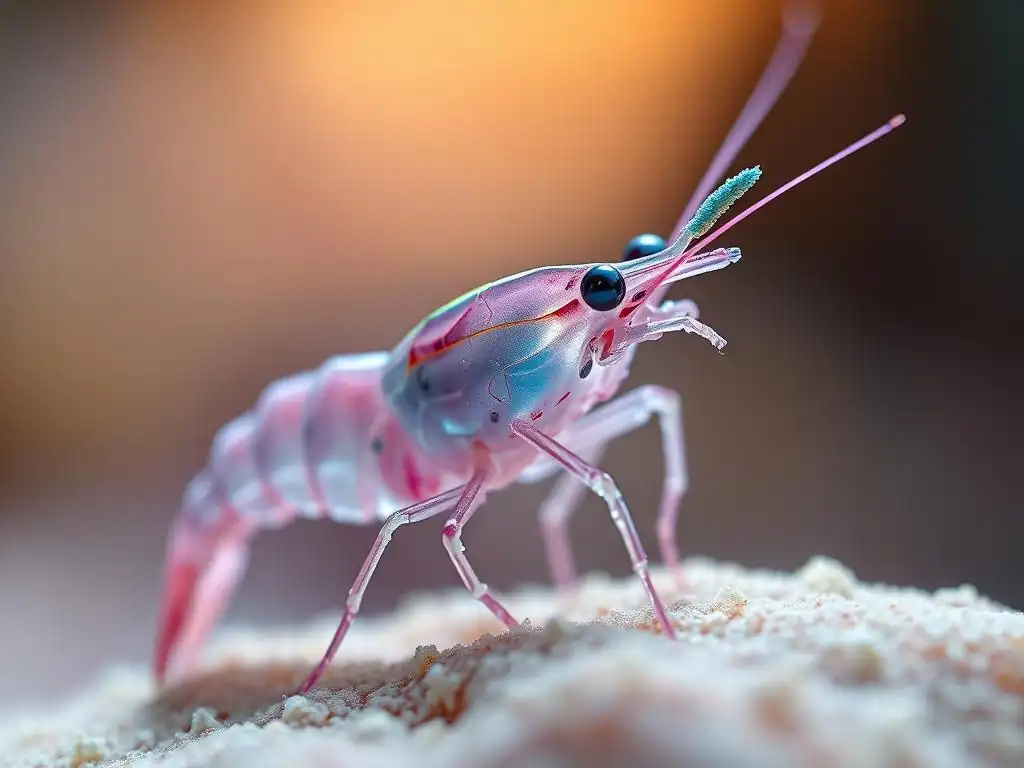
Peppermint shrimp ( Lysmata wurdemanni) are highly sought after in the reef aquarium hobby primarily for their remarkable ability to consume Aiptasia anemones, a common and often problematic pest in reef tanks. Aiptasia anemones can proliferate rapidly, sting corals, and detract from the tank's aesthetics. While not every Peppermint Shrimp will target Aiptasia, many individuals will actively seek out and consume these nuisance anemones, making them an invaluable natural solution within a reef safe invertebrate guide. Their effectiveness often increases with numbers; introducing 2-3 shrimp for a moderate Aiptasia problem can yield better results than a single individual.
Beyond Aiptasia control, Peppermint Shrimp are also excellent scavengers, consuming uneaten food, detritus, and even some types of nuisance algae. They are relatively small, typically reaching about 2-3 inches (5-7.5 cm) in length, and are generally peaceful, making them compatible with most reef tank inhabitants. Their active foraging contributes to the overall cleanliness of the tank, helping to manage nutrient levels and prevent the buildup of organic waste.
Identifying True Peppermint Shrimp
Accurate identification of Peppermint Shrimp is crucial, as some similar-looking shrimp species, such as the Camel Shrimp ( Rhynchocinetes durbanensis), are often mislabeled and sold as Peppermint Shrimp. Camel Shrimp are not reef-safe and are known to pick at corals and anemones, making them a poor choice for a reef tank clean-up crew. The key distinguishing feature of a true Peppermint Shrimp ( Lysmata wurdemanni) is its transparent to reddish body with distinct, narrow, broken white or red stripes that run horizontally along its body, especially noticeable on its carapace and tail.
In contrast, Camel Shrimp have a hump on their back (hence the name "camel") and their stripes are typically continuous and more pronounced, often in shades of red and white. Additionally, the rostrum (the pointed projection between their eyes) of a Peppermint Shrimp is relatively straight, while a Camel Shrimp's rostrum usually curves upwards. Always purchase Peppermint Shrimp from a reputable dealer and inspect the shrimp carefully to ensure you are getting the correct species for your reef tank.
Supplementing the Diet of Peppermint Shrimp When Aiptasia is Scarce
While Peppermint Shrimp are famous for their Aiptasia-eating habits, it's important to understand that they are opportunistic omnivores. If your tank has a limited supply of Aiptasia, or once the Aiptasia population has been brought under control, these shrimp will require supplemental feeding to thrive. Without sufficient food, they may become stressed, lose their vibrant coloration, or even begin to pick at corals out of hunger, although this is rare for true Lysmata wurdemanni and more common with misidentified species.
To supplement their diet, offer small pieces of high-quality frozen foods such as mysis shrimp, brine shrimp, or finely chopped seafood. They will also readily consume sinking pellets and flakes. It is beneficial to feed them small amounts several times a week, especially if you observe them scavenging less or appearing lethargic. Providing them with a consistent food source ensures they remain healthy, active, and continue to contribute to the overall cleanliness of your reef aquarium, even when their primary "job" of Aiptasia control is complete.
Maintaining a Healthy Invertebrate Clean-Up Crew
Water Quality: Crucial for Invertebrate Health
Maintaining pristine water quality is paramount for the health and longevity of your invertebrate clean-up crew. Invertebrates, particularly snails and shrimp, are far more sensitive to fluctuations and pollutants in water parameters than most fish. Stable salinity (1.025-1.026 specific gravity), consistent temperature (72-78°F / 22-26°C), and undetectable levels of ammonia and nitrite are non-negotiable. Even slight elevations in ammonia or nitrite can be lethal to these delicate organisms.
Furthermore, nitrates should be kept as low as possible, ideally below 10-20 ppm, and phosphates should be minimized (below 0.03 ppm). High levels of these nutrients, while not immediately lethal, can stress invertebrates, reduce their activity, and shorten their lifespan. Regular water changes (10-20% bi-weekly or monthly), proper filtration, and consistent monitoring of water parameters using reliable test kits are essential practices to ensure your clean-up crew thrives and effectively performs its duties. A healthy CUC is a direct reflection of a well-maintained reef system.
Avoiding Copper-Based Medications in Reef Tanks
A critical rule for any reef aquarist is to strictly avoid the use of copper-based medications in a tank containing invertebrates. Copper, even in very low concentrations, is highly toxic and lethal to all invertebrates, including your entire clean-up crew (snails, crabs, shrimp, brittle stars), corals, and other beneficial microfauna. It is commonly used to treat parasitic infections in fish, such as Ich ( Cryptocaryon irritans), but its use in a reef tank will result in a catastrophic loss of your invertebrate population.
If a fish in your reef tank requires copper treatment, it must be removed to a separate quarantine or hospital tank for medication. Even after treatment, the copper can leach into the rock and substrate, making it unsafe for invertebrates to be reintroduced for an extended period, sometimes months. Always read medication labels carefully and opt for invertebrate-safe alternatives if treatment is absolutely necessary within the main display tank. This is a non-negotiable aspect of any comprehensive reef safe invertebrate guide.
Predator Control: Protecting Your Invertebrate Clean-Up Crew
Protecting your invertebrate clean-up crew from predation is vital for their long-term survival and effectiveness. While the invertebrates recommended in this guide are generally hardy, certain fish species can pose a significant threat. For example, large wrasses, triggerfish, puffers, and some larger angelfish are notorious for preying on snails, crabs, and shrimp. Even seemingly benign fish can occasionally nip at or consume smaller invertebrates if they are hungry or if the invertebrate is showing signs of weakness.
Before introducing any new fish to your reef tank, research its compatibility with invertebrates thoroughly. Providing ample hiding spots within the live rock can offer refuge for your clean-up crew, especially during the night when some fish are more active predators. Maintaining a consistent feeding schedule for your fish can also reduce their inclination to hunt your invertebrates. If you observe consistent predation, you may need to consider relocating the offending fish to a different system or adjusting your clean-up crew stocking to include more resilient or larger species that are less likely to be preyed upon.
Conclusion: Building a Thriving Reef Ecosystem with Invertebrates
Choosing the Right Invertebrates for Your Specific Reef Tank Needs
Building a thriving reef ecosystem hinges significantly on selecting the right clean-up crew tailored to your specific tank's needs. This reef safe invertebrate guide has highlighted seven "bulletproof" species, each offering distinct advantages in algae control, detritus consumption, and overall tank cleanliness. When making your selections, consider the size of your aquarium, the existing bioload, the types of nuisance algae you are encountering, and the specific substrate you employ. For instance, tanks with deep sand beds will benefit immensely from Nassarius snails, while those with persistent film algae on glass will find Nerite and Astrea snails invaluable.
A diverse clean-up crew is always more effective than a monoculture. By combining species that specialize in different niches—such as sand sifting, glass grazing, rock cleaning, and scavenging—you create a comprehensive biological team that addresses all aspects of waste management. Begin with a smaller number of invertebrates and observe their impact, gradually adding more if needed. This allows you to fine-tune your clean-up crew population to match your tank's unique requirements, ensuring optimal performance without overstocking.
Observing and Adjusting Your Clean-Up Crew Over Time
The health and effectiveness of your clean-up crew are not static; they require ongoing observation and occasional adjustment. Regularly monitor your invertebrates for signs of stress, such as inactivity, retracted bodies, or shells covered in algae. Pay close attention to the types and amounts of nuisance algae and detritus accumulating in your tank. If you notice an increase in a particular type of algae, it might indicate a need for more specialized grazers. For example, a sudden boom in green hair algae might necessitate adding more Astrea or Cerith snails.
Similarly, if you find your clean-up crew members are dying off frequently, it could signal water quality issues, lack of food, or predation, prompting you to investigate and address the root cause. Conversely, if your tank becomes exceptionally clean and you notice your invertebrates are less active or appear thin, it might be a sign of insufficient food, in which case supplemental feeding or a reduction in CUC numbers might be necessary. This continuous cycle of observation, assessment, and adjustment is key to maintaining a balanced and healthy reef ecosystem.
Further Resources for Reef Invertebrate Care
For aquarists seeking to deepen their knowledge and enhance their reef invertebrate care practices, a wealth of resources is available. Online forums and communities dedicated to reef keeping offer platforms for asking questions, sharing experiences, and learning from seasoned hobbyists. Reputable aquarium books and scientific journals provide in-depth information on specific species' biology, behavior, and care requirements. Many online retailers and local fish stores also offer detailed care sheets for the invertebrates they sell, often based on extensive practical experience.
Additionally, understanding the basic principles of marine water chemistry, nutrient cycling, and biological filtration will significantly aid in providing an optimal environment for your clean-up crew. Exploring topics such as refugiums, macroalgae cultivation, and advanced filtration methods can also indirectly benefit your invertebrates by contributing to a more stable and nutrient-controlled system. By continuously educating yourself and applying best practices, you can ensure your clean-up crew thrives, providing invaluable services to your beautiful reef aquarium for years to come.
Frequently Asked Questions
What are reef-safe invertebrates, and why are they important for a reef tank?
Reef-safe invertebrates are animals without backbones that won't harm your coral or other delicate reef inhabitants. They are important because many act as a natural cleanup crew, consuming algae and detritus.
What are some examples of "bulletproof" reef-safe invertebrates suitable for beginners?
The article mentions several, but some examples include certain types of snails, hermit crabs, and starfish, chosen for their hardiness and reef-safe behavior. These are easy to care for and contribute to a healthy aquarium.
How do I choose the right number of invertebrates for my reef tank size?
The number of invertebrates needed depends on the size of your tank and the amount of waste produced. Overstocking can lead to nutrient imbalances, so start with a small number and monitor your water parameters.
What specific water parameters are crucial for keeping reef-safe invertebrates healthy?
Maintaining stable water parameters is essential. Key parameters include salinity, pH, alkalinity, and temperature. Regular testing and adjustments are necessary for the invertebrates' well-being.
Where can I find more detailed information on the specific care requirements of each reef-safe invertebrate species?
AquariumMastery.com offers detailed species profiles and maintenance schedules for various reef-safe invertebrates. You can also find information in reputable aquarium books and online forums.
Final Reflection: The Unseen Architects of Reef Harmony
The delicate balance of a reef aquarium hinges on the often-overlooked contributions of its invertebrate inhabitants. Understanding and selecting reef-safe invertebrates is not just a matter of aesthetic preference, but a fundamental pillar of a thriving ecosystem. The choices we make in stocking our tanks directly impact the health and stability of the entire reef environment, highlighting the responsibility aquarists bear as stewards of these miniature oceans.
This guide has hopefully illuminated the path to a more balanced and sustainable reef aquarium. The ongoing success of reef keeping relies heavily on our ability to mimic natural processes, and a well-chosen cleanup crew is paramount in achieving this. In nature, there are no rewards or punishments; there are consequences.
- Robert Ingersoll. This quote resonates deeply with the reef keeping hobby, where our actions, whether informed or negligent, directly shape the fate of our underwater worlds.
As you embark on or continue your reef keeping journey, remember the vital role these small creatures play. Consider the impact of your choices, not just on the immediate aesthetics of your tank, but on the long-term health and biodiversity of your reef. Let this guide serve as a starting point, inspiring you to delve deeper into the fascinating world of reef invertebrates and cultivate a vibrant, thriving ecosystem within your own home.
Dive Deeper: Cultivate Your Reef's Ecosystem!
Thank you for exploring the fascinating world of reef-safe invertebrates! Now that you've discovered some hardy additions for your cleanup crew, it's time to take action and witness the benefits firsthand.
- Start your adventure by selecting one of these 7 ReefSafe Invertebrates to introduce into your aquarium this week. Carefully consider your tank's current inhabitants and needs to make the best choice.
- Delve further into invertebrate care by researching their specific dietary requirements to optimize the health of your cleanup crew.
- Share this article with fellow reef enthusiasts and discuss your experiences or planned invertebrate additions within the aquarium community.
Which of these amazing creatures will be the first to join your cleanup crew, and how do you envision it transforming your reef tank's health?