
Unveiling the Best ReefSafe Blennies for Personality and Algae Control

Welcome to Aquarium Mastery!
Ever wondered how to add a splash of personality and keep algae at bay in your reef tank? Dive in and explore our guide to ReefSafe blennies for algae control. Discover which of these charming characters are not only safe for your coral but also excel at keeping your aquarium pristine. Prepare to unlock the secrets of these fascinating fish and find the perfect addition to your saltwater paradise!
- Unveiling the Best Reef-Safe Blennies for Algae Control and Personality
- Introduction to Reef-Safe Blennies: Natural Algae Grazers
-
Top Reef-Safe Blennies for Algae Control and Unique Personalities
- The Bicolor Blenny (Ecsenius bicolor): A Reef Tank Algae Controller
- The Tailspot Blenny (Ecsenius stigmatura): A Peaceful Algae Grazer
- The Midas Blenny (Ecsenius midas): Color and Algae Control
- The Lawnmower Blenny (Salarias fasciatus): The Algae Eating Machine
- The Starry Blenny (Salarias ramosus): A Unique Algae Controller
- Selecting the Right Reef-Safe Blenny: Key Considerations
- Caring for Your Reef-Safe Blenny: Ensuring a Healthy Life
- Integrating Your New Blenny into the Reef Ecosystem
- Conclusion: Benefits of Reef-Safe Blennies
-
Frequently Asked Questions
- What are ReefSafe blennies, and why are they beneficial for a reef aquarium?
- Which blenny species are considered the best for both personality and algae control in a reef tank?
- How do I properly acclimate a ReefSafe blenny to my existing reef aquarium?
- What type of algae do ReefSafe blennies typically consume, and what should I do if they aren't eating enough of it?
- What are some potential compatibility issues to consider when introducing a ReefSafe blenny to my reef tank?
- Final Reflection: A Thriving Reef, A Thriving Future
- Unlock Your Reef's Potential: Start Thriving Today!
Unveiling the Best Reef-Safe Blennies for Algae Control and Personality
Introduction to Reef-Safe Blennies: Natural Algae Grazers
Why Choose a Reef-Safe Blenny for Algae Control?
Choosing a reef-safe blenny for your marine aquarium offers a multifaceted approach to maintaining a healthy and aesthetically pleasing environment, particularly when it comes to managing nuisance algae. These small, characterful fish are natural grazers, actively consuming various types of algae that can quickly overwhelm a reef tank if left unchecked.
Unlike chemical solutions that can be temporary or disruptive to the delicate reef ecosystem, a blenny provides continuous, biological ReefSafe blennies algae control without impacting coral health or water chemistry. Their diligent grazing habits not only keep unsightly algae at bay but also contribute to the overall nutrient export cycle within the tank, preventing phosphate and nitrate buildup.
Furthermore, beyond their invaluable role in algae management, reef-safe blennies bring significant personality and visual interest to an aquarium. Their unique behaviors, such as perching on rocks, darting between crevices, and displaying curious expressions, make them captivating inhabitants. Many species exhibit distinct patterns and vibrant colors, adding dynamic beauty to the reef scape. Incorporating these algae-eating blennies for reefs allows aquarists to leverage a natural, sustainable method for tank cleanliness while simultaneously enriching the tank's biodiversity and observer experience.
Understanding Blenny Temperament and Reef Tank Compatibility
Understanding the temperament of various blenny species is crucial for ensuring their successful integration into a reef tank, especially when considering them for ReefSafe blennies algae control. While generally peaceful towards most tank mates, many blennies are territorial, particularly towards conspecifics or fish with similar body shapes and dietary needs.
For instance, two blennies of the same species in a smaller tank (under 50 gallons) can often lead to aggression and stress, sometimes resulting in the demise of the weaker individual. It's generally recommended to keep only one blenny per tank unless the aquarium is exceptionally large (100+ gallons) and offers ample hiding spots and distinct territories.
Compatibility with corals and invertebrates is a primary concern for any "reef-safe" designation. The blennies highlighted in this guide are known for their non-aggressive nature towards corals, anemones, and most ornamental invertebrates, focusing their grazing efforts predominantly on algae.
However, individual personalities can vary, and some blennies might occasionally nip at fleshy corals or clam mantles, particularly if their primary food source (algae) is insufficient. Observing their behavior during the initial weeks after introduction is vital to confirm their suitability for your specific reef ecosystem, ensuring they truly contribute to ReefSafe blennies algae control without causing harm to other inhabitants.
Top Reef-Safe Blennies for Algae Control and Unique Personalities
The Bicolor Blenny (Ecsenius bicolor): A Reef Tank Algae Controller
Bicolor Blenny Algae Eating Habits
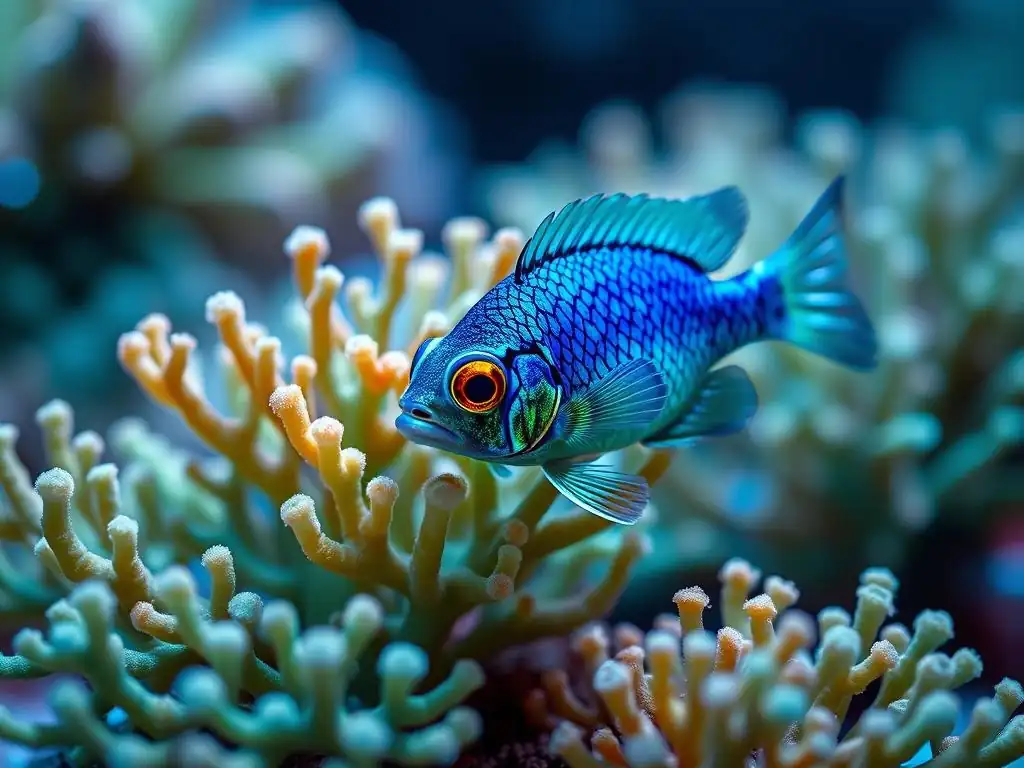
The Bicolor Blenny (Ecsenius bicolor) is a highly popular choice among aquarists seeking effective ReefSafe blennies algae control due to its voracious appetite for various forms of nuisance algae. This species primarily targets filamentous algae, diatoms, and some types of cyanobacteria that commonly plague reef tanks. They are active grazers, spending much of their day meticulously picking at rockwork and tank surfaces, contributing significantly to the cleanliness of the aquarium. Their continuous grazing action helps to prevent algae blooms from taking hold, maintaining a balanced ecosystem.
While their diet is predominantly herbivorous, Bicolor Blennies are also known to consume small invertebrates and detritus found within the algae mats, making them efficient detritivores as well. A single Bicolor Blenny, typically growing to about 4 inches (10 cm) in length, can effectively manage algae in tanks ranging from 20 to 50 gallons, provided there's an adequate supply of natural algae. If algae levels become low, it's crucial to supplement their diet with marine-based flakes, pellets, and frozen foods like spirulina brine shrimp or mysis shrimp to ensure their nutritional needs are met.
Bicolor Blenny Temperament and Tank Mate Compatibility
The Bicolor Blenny exhibits a unique blend of personality and territoriality, making it an engaging, yet specific, addition to a reef tank. They are known for their inquisitive nature, often perching on prominent rocks or coral branches, observing their surroundings with curious eyes. While generally peaceful towards most other fish species, they can become territorial with other blennies, especially those of similar size or body shape, and sometimes with gobies. It is strongly advised to keep only one Bicolor Blenny per tank unless the aquarium is exceptionally large (100 gallons or more) with abundant rockwork to establish distinct territories.
Compatibility with corals and invertebrates is excellent, upholding their reef-safe designation. They pose no threat to LPS (Large Polyp Stony) or SPS (Small Polyp Stony) corals, anemones, clams, or other ornamental invertebrates, focusing solely on their algae-grazing duties. Ideal tank mates include peaceful community fish such as clownfish, peaceful gobies (if the tank is large enough to prevent territorial disputes), chromis, and small wrasses. Avoid housing them with aggressive or much larger fish that might intimidate or outcompete them for food and space.
The Tailspot Blenny (Ecsenius stigmatura): A Peaceful Algae Grazer
Tailspot Blenny Algae Consumption and Reef Safety
The Tailspot Blenny (Ecsenius stigmatura) is a highly sought-after species for its peaceful demeanor and effective ReefSafe blennies algae control capabilities. These charming blennies are primarily herbivorous, with a strong preference for filamentous algae, diatoms, and detritus that accumulate on live rock and substrate. Their small mouth and diligent grazing habits allow them to meticulously clean surfaces, making them excellent candidates for smaller reef tanks where nuisance algae can be a persistent issue. They spend their days meticulously picking at surfaces, contributing to a cleaner and healthier tank environment.
Unlike some other blenny species, the Tailspot Blenny is particularly known for its gentle nature, making it exceptionally safe for even the most delicate reef environments. They do not typically bother corals, clams, or other sessile invertebrates. Their diet is almost exclusively algae-based in the wild, and in captivity, they are highly effective at keeping various types of green and brown algae in check. While they are proficient algae eaters, it's important to supplement their diet with high-quality marine flakes, pellets, and occasional offerings of nori or spirulina if the natural algae supply in the tank diminishes.
Tailspot Blenny Care Requirements and Ideal Tank Size
Caring for a Tailspot Blenny is relatively straightforward, making them an excellent choice for both novice and experienced reef aquarists. Due to their smaller size, typically reaching about 2.5 to 3 inches (6-7.5 cm), they can thrive in nano reef tanks as small as 10-15 gallons, though a 20-gallon tank or larger is ideal to provide ample grazing surface and swimming space. The aquarium must be well-established with plenty of live rock offering numerous crevices, holes, and perching spots, as these blennies love to hide and observe their surroundings from a secure vantage point.
Optimal water parameters for the Tailspot Blenny include a temperature range of 72-78°F (22-26°C), salinity of 1.023-1.026 specific gravity, pH between 8.1-8.4, and alkalinity maintained at 8-12 dKH. Good water quality and stable parameters are paramount for their long-term health. While generally peaceful, they can be territorial with other blennies or similar bottom-dwelling fish in smaller enclosures. Therefore, it's usually best to keep only one Tailspot Blenny per tank to prevent stress and aggression, ensuring they can focus on their important algae control duties.
The Midas Blenny (Ecsenius midas): Color and Algae Control
Midas Blenny Algae Grazing Behavior
The Midas Blenny (Ecsenius midas) is a striking addition to any reef tank, renowned not only for its vibrant golden-yellow coloration but also for its valuable contributions to ReefSafe blennies algae control. While not as specialized in algae consumption as a Lawnmower Blenny, the Midas Blenny is an omnivore with a significant herbivorous component to its diet. They will actively graze on filamentous algae, diatoms, and detritus found on live rock and glass surfaces. Their constant foraging helps to keep these surfaces clean and contributes to the overall aesthetic appeal of the aquarium.
Unlike some purely herbivorous blennies, Midas Blennies also readily accept a variety of prepared foods, including high-quality marine flakes, pellets, and frozen foods like mysis shrimp, brine shrimp, and spirulina-enriched preparations. This adaptability in diet makes them less reliant on a constant supply of natural algae compared to some other blennies for reef tank algae management. However, providing a healthy growth of algae in the tank and supplementing with plant-based foods such as nori sheets will encourage their natural grazing behaviors and ensure a balanced diet.
Midas Blenny Social Behavior and Reef Compatibility
The Midas Blenny is known for its relatively peaceful and inquisitive social behavior, making it a generally compatible inhabitant for a diverse reef aquarium. They are active swimmers for blennies, often seen darting between rockwork and open water, which adds dynamic movement to the tank. While they typically grow to about 5 inches (12.5 cm) in length, they require a minimum tank size of 30 gallons, with 50 gallons or more being ideal to provide ample swimming space and territories. Like other blennies, they appreciate numerous hiding spots and perching points within the rockwork.
In terms of compatibility, Midas Blennies are considered highly reef-safe, posing no threat to corals, anemones, or most invertebrates. They generally coexist well with a wide range of peaceful to semi-aggressive tank mates, including clownfish, chromis, wrasses, and other non-blenny species.
However, caution should be exercised when introducing them with other blennies, especially those of similar size or appearance, as territorial disputes can arise. It is best to keep only one Midas Blenny per tank unless the system is very large and offers distinct territories for each individual, ensuring their role in ReefSafe blennies algae control is maintained without conflict.
The Lawnmower Blenny (Salarias fasciatus): The Algae Eating Machine
Lawnmower Blenny's Appetite for Algae
The Lawnmower Blenny (Salarias fasciatus), also widely known as the Algae Blenny, is perhaps the most celebrated species for its unparalleled ability in ReefSafe blennies algae control. Its common name is a direct testament to its relentless and efficient grazing habits. This blenny species possesses a specialized comb-like set of teeth perfectly adapted for scraping various types of algae from live rock, substrate, and tank walls. They are particularly effective against hair algae, diatoms, and some forms of green film algae, which can quickly become problematic in a maturing reef tank.
A single adult Lawnmower Blenny, which can grow up to 5 inches (12.5 cm) in length, can significantly reduce algae growth in a tank as large as 50 gallons, and often larger. Their continuous grazing helps to maintain a pristine appearance and prevents the accumulation of nutrient-exporting algae. It's important to note that their diet is almost exclusively herbivorous, meaning they rely heavily on the natural algae growth within the aquarium. If the tank is too clean or the algae supply becomes scarce, they can quickly starve, highlighting the need for dietary supplementation.
Lawnmower Blenny Considerations: Tank Size and Diet
While the Lawnmower Blenny is an exceptional algae-eating blenny for reefs, its specific dietary needs and tank size requirements must be carefully considered for its long-term health and success. Due to their large appetite for algae, a minimum tank size of 30 gallons is recommended for a juvenile, with 50 gallons or more being ideal for an adult, to ensure a consistent and adequate supply of natural algae. Tanks with insufficient algae can lead to malnourishment.
When natural algae levels are low, it is crucial to supplement their diet with marine-based vegetable matter. This includes offering sheets of dried nori (seaweed) clipped to a rock or feeding clip, spirulina flakes, or algae wafers. Some Lawnmower Blennies can be finicky eaters and may initially refuse prepared foods, making a well-established tank with ample algae growth paramount for their introduction.
They are generally peaceful towards other fish but can be aggressive towards other blennies or fish with similar body shapes if the tank is too small or lacks sufficient territories. This consideration is vital to ensure effective ReefSafe blennies algae control without undue stress on the blenny or other tank inhabitants.
The Starry Blenny (Salarias ramosus): A Unique Algae Controller
Starry Blenny's Distinctive Appearance and Algae Grazing
The Starry Blenny (Salarias ramosus) is another excellent choice for ReefSafe blennies algae control, recognized for its unique mottled coloration resembling a starry night sky and its diligent grazing habits. Similar to its close relative, the Lawnmower Blenny, the Starry Blenny is a highly effective herbivore, primarily consuming various types of nuisance algae, including filamentous green algae, diatoms, and some brown algae that grow on live rock and tank surfaces. Their constant picking and scraping action contribute significantly to keeping the aquarium clean and free from unsightly algal blooms.
These blennies are known for their patient and thorough grazing, often spending extended periods meticulously cleaning a single patch of rockwork. Their specialized mouth structure allows them to efficiently remove stubborn algae, making them a valuable asset in maintaining the aesthetic and ecological balance of a reef tank. Growing up to about 6 inches (15 cm) in length, a single Starry Blenny can effectively manage algae in tanks of 50 gallons or more, making them suitable for larger reef setups where their grazing impact can be substantial.
Starry Blenny's Reef Tank Needs and Water Parameters
To ensure the health and effectiveness of a Starry Blenny in a reef tank, specific environmental conditions must be met. Given their adult size and constant grazing needs, a minimum tank size of 50 gallons is recommended, with larger tanks (75+ gallons) providing an even better environment with ample live rock for grazing and hiding. The tank should be mature and well-established, offering a stable supply of natural algae for them to graze upon. Abundant live rock with numerous crevices and perching spots is essential, as these blennies spend most of their time resting on or moving between rocks.
Optimal water parameters for the Starry Blenny are consistent with most reef tank inhabitants: stable temperatures between 72-78°F (22-26°C), salinity of 1.023-1.026 specific gravity, pH levels between 8.1-8.4, and alkalinity maintained at 8-12 dKH. While primarily algae eaters, their diet should be supplemented with marine-based vegetable matter like nori, spirulina flakes, and algae wafers, especially if the tank's natural algae supply dwindles.
They are generally peaceful towards most tank mates but can be aggressive towards other blennies or similar bottom-dwelling fish, thus it's best to keep only one Starry Blenny per system to maximize their ReefSafe blennies algae control contribution without conflict.
Selecting the Right Reef-Safe Blenny: Key Considerations
Assessing Your Tank's Algae Problem: Which Blenny is Best?
Selecting the optimal ReefSafe blenny for algae control begins with a thorough assessment of the specific algae problem prevalent in your aquarium. Different blenny species exhibit preferences for various types of algae, making a targeted selection more effective.
For instance, if your tank is plagued by unsightly filamentous green hair algae or pervasive brown diatoms, the Lawnmower Blenny (Salarias fasciatus) or Starry Blenny (Salarias ramosus) are often the most highly recommended choices due to their specialized grazing teeth and voracious appetites for these types. These species are true algae-eating machines and can significantly reduce the biomass of these common nuisance algae.
Conversely, if your primary concern is maintaining general tank cleanliness, preventing film algae buildup on glass, or dealing with smaller patches of detritus-laden algae, a Bicolor Blenny (Ecsenius bicolor) or Tailspot Blenny (Ecsenius stigmatura) might be more suitable. These blennies are excellent for routine maintenance and offer the added benefit of unique personalities and smaller sizes, fitting well into tanks where space might be a premium.
The Midas Blenny (Ecsenius midas) also contributes to algae control while offering vibrant coloration, but its grazing habits are less intense than the dedicated "lawnmowers." Understanding the specific algae type helps narrow down the most effective blenny candidate for your ReefSafe blennies algae control strategy.
Evaluating Tank Size and Blenny Compatibility
Tank size is a critical factor when choosing a ReefSafe blenny for algae control, as it directly impacts the blenny's well-being and its ability to thrive. Smaller blennies like the Tailspot Blenny (reaching about 2.5-3 inches) can comfortably inhabit tanks as small as 10-15 gallons, provided there is ample live rock for grazing and hiding.
However, larger species such as the Lawnmower Blenny or Starry Blenny, which can grow to 5-6 inches, require a minimum of 30-50 gallons to ensure sufficient grazing surface area and adequate swimming space. An undersized tank can lead to stress, aggression, and insufficient food supply for these dedicated grazers.
Compatibility with existing tank inhabitants is equally important. While all the blennies listed are considered reef-safe with corals and most invertebrates, their interactions with other fish, especially other blennies or similar bottom-dwelling species, must be carefully considered. Most blennies are territorial and should ideally be kept singly in tanks under 100 gallons to prevent conflicts.
Introducing a blenny into a tank with aggressive tank mates can also lead to stress and inhibit their natural behavior. Carefully researching the specific temperament of your chosen blenny and its potential tank mates will ensure a harmonious environment and effective ReefSafe blennies algae control.
Understanding Blenny Dietary Needs
Understanding the specific dietary needs of your chosen ReefSafe blenny for algae control is paramount for its long-term health and effectiveness. While all blennies mentioned are known for their algae-grazing capabilities, the degree of their reliance on natural algae versus supplemental foods varies. Species like the Lawnmower Blenny and Starry Blenny are almost exclusively herbivorous and require a constant supply of natural filamentous and diatom algae within the tank. If the tank is too "clean" or the algae supply diminishes, these blennies can quickly starve, even if other foods are offered, as they may not recognize them as food.
For these dedicated grazers, it is essential to supplement their diet with high-quality marine-based vegetable matter, such as dried nori sheets (seaweed) clipped to the tank glass, spirulina-enriched flakes, and algae wafers. Offering these supplements ensures they receive adequate nutrition, especially during periods of low natural algae growth.
Omnivorous blennies like the Bicolor Blenny and Midas Blenny are more adaptable and will readily accept a wider variety of foods, including frozen mysis shrimp, brine shrimp, and high-quality marine pellets, in addition to their algae grazing. Regardless of the species, a diverse diet is key to maintaining a healthy and vibrant blenny that effectively contributes to ReefSafe blennies algae control.
Caring for Your Reef-Safe Blenny: Ensuring a Healthy Life
Setting Up the Ideal Reef Tank Environment
Providing Rockwork and Hiding Places
Creating an ideal environment for your ReefSafe blenny for algae control necessitates ample and strategically placed rockwork. Blennies are known for their perching behavior, spending a significant portion of their day resting on rocks, observing their surroundings. Therefore, the aquarium should be aquascaped with a generous amount of live rock, arranged to form numerous crevices, caves, and overhangs. These structures serve multiple purposes: they provide essential hiding spots for the blenny to retreat when stressed or resting, offer distinct territories, and critically, present vast surfaces for algae growth, which is their primary food source.
The rockwork should be stable and secure, preventing any collapse, especially since blennies, particularly the larger species, can sometimes dislodge smaller pieces as they graze or move about. Incorporating varying heights and textures within the rockscape will enhance the blenny's comfort and engagement, allowing them to explore and establish their preferred perching spots.
For blennies that prefer to burrow, such as some smaller Ecsenius species, a sand bed of at least 2-3 inches (5-7.5 cm) deep provides an additional sense of security and a place for them to retreat if needed, further contributing to their overall well-being and effectiveness in ReefSafe blennies algae control.
Maintaining Optimal Water Parameters
Maintaining optimal and stable water parameters is absolutely critical for the health and longevity of any ReefSafe blenny for algae control. Like all marine inhabitants, blennies are sensitive to fluctuations in water chemistry, and poor water quality can lead to stress, disease, and a compromised immune system. Key parameters to monitor and maintain consistently include temperature, salinity, pH, and alkalinity. The ideal temperature range for most blennies is between 72-78°F (22-26°C), mimicking their natural tropical habitats. Salinity should be kept stable between 1.023 and 1.026 specific gravity, ideally using a high-quality refractometer for accurate readings.
pH levels should be maintained within a healthy range of 8.1-8.4, and alkalinity (dKH) between 8-12 dKH, both of which are vital for coral health and overall reef ecosystem stability. Regular water changes, typically 10-20% bi-weekly or monthly depending on tank size and stocking density, are essential for removing nitrates, phosphates, and other accumulated pollutants. Furthermore, ensuring good water circulation and oxygenation prevents stagnant areas and supports a healthy environment. Consistent monitoring with reliable test kits and prompt adjustments will ensure your blenny thrives, performing its vital algae control duties effectively.
Feeding Your Blenny: Supplementing Algae
While ReefSafe blennies for algae control are renowned for their natural grazing habits, relying solely on tank-grown algae for their nutrition can be insufficient, especially in a well-established or larger tank where algae might be less abundant. It is crucial to supplement their diet to ensure they receive a complete nutritional profile and avoid malnourishment. For highly herbivorous species like the Lawnmower Blenny or Starry Blenny, providing marine-based vegetable matter is paramount.
This includes offering sheets of dried nori (seaweed), spirulina flakes, or algae wafers. These can be clipped to the tank glass or placed on a rock using a feeding clip, allowing the blenny to graze naturally.
Even omnivorous blennies, such as the Bicolor or Midas Blenny, which also consume small invertebrates, benefit significantly from a varied diet. In addition to plant-based foods, offer high-quality marine pellets and frozen foods like mysis shrimp, brine shrimp (preferably enriched), and finely chopped seafood. It's important to observe your blenny's feeding behavior closely; if they appear thin or are not actively grazing, it's a clear sign that supplemental feeding needs to be increased or diversified. A well-fed blenny will be more active, vibrant, and effective in its ReefSafe blennies algae control role.
Recognizing and Addressing Common Blenny Health Issues
Recognizing common health issues in your ReefSafe blenny for algae control is crucial for prompt intervention and ensuring its long-term well-being. Like all fish, blennies can be susceptible to parasitic infections such as marine ich (Cryptocaryon irritans) or velvet disease (Amyloodinium ocellatum), particularly if stressed or introduced into a tank with existing pathogens. Symptoms often include white spots on the body and fins, rapid breathing, flashing (rubbing against objects), and lethargy.
Bacterial infections may manifest as fin rot, cloudy eyes, or ulcers. Nutritional deficiencies, often due to insufficient algae or lack of supplemental feeding, can lead to faded coloration, emaciation, and a weakened immune system.
Addressing these issues typically involves isolating the affected blenny in a hospital tank for treatment with appropriate medications, avoiding direct treatment in the main reef tank to protect corals and invertebrates. Prevention is always better: implementing a proper quarantine protocol for all new arrivals (usually 4-6 weeks) can significantly reduce the risk of introducing diseases. Maintaining pristine water quality, providing a balanced and varied diet, and ensuring a stress-free environment with ample hiding spots and appropriate tank mates will bolster your blenny's immune system, allowing it to remain healthy and continue its vital ReefSafe blennies algae control duties effectively.
Integrating Your New Blenny into the Reef Ecosystem
Acclimation Procedures
Proper acclimation is a crucial step for successfully integrating your new ReefSafe blenny for algae control into your established reef ecosystem. The goal is to slowly equalize the water parameters (temperature, salinity, and pH) between the transport bag and your aquarium, minimizing stress on the fish. The drip acclimation method is highly recommended for blennies and other sensitive marine inhabitants due to its gradual nature. Begin by floating the sealed bag in your sump or tank for 15-20 minutes to equalize temperature.
After temperature equalization, open the bag, roll down the edges to create an air pocket, and secure it to the side of a bucket or container. Use an airline tube and a small knot or airline valve to create a slow drip from your display tank into the bucket, aiming for 1-2 drips per second. Allow the water volume in the bucket to double, then remove about half of the water and continue the drip process until the volume doubles again.
This entire process should ideally take 45-60 minutes. Once acclimated, gently net the blenny (avoiding transferring the bag water into your tank) and release it into your aquarium, ensuring a smooth transition for your new blennies for reef tank algae management.
Monitoring Blenny Behavior and Adjusting Tank Conditions
After introducing your new ReefSafe blenny for algae control, diligent monitoring of its behavior is paramount for its successful integration and long-term health. For the first few days to a week, observe the blenny closely for signs of stress, such as clamped fins, rapid breathing, hiding excessively, or refusing to eat. Pay attention to its interactions with existing tank mates; while blennies are generally peaceful, territorial disputes can arise, especially with other blennies or similar bottom-dwelling fish. Ensure it is actively grazing on algae and, if supplementing, accepting prepared foods.
Based on your observations, be prepared to adjust tank conditions or intervene if necessary. If the blenny appears stressed or is being harassed, consider adding more hiding spots, rearranging rockwork to create new territories, or, in severe cases, separating the aggressive tank mate. If the blenny isn't grazing adequately, increase supplemental feeding and ensure the food type is appealing. Stable water parameters, as discussed previously, are also critical, and any deviations should be promptly corrected. Proactive monitoring and timely adjustments will help your blenny settle in comfortably, allowing it to effectively perform its duties in ReefSafe blennies algae control.
Preventing Aggression and Ensuring Peaceful Coexistence
Preventing aggression and ensuring peaceful coexistence within your reef tank is vital for the well-being of your ReefSafe blenny for algae control and the entire community. While blennies are generally non-aggressive towards corals and most invertebrates, their territorial nature towards conspecifics or fish with similar body shapes (like other blennies or some gobies) can lead to conflict. The most effective strategy is to avoid housing multiple blennies in the same tank unless it is very large (100+ gallons) and offers ample distinct territories and hiding spots.
When introducing a blenny, ensure it is one of the last fish added to the tank, especially if you have existing semi-aggressive species. This allows the blenny to establish itself without immediately being perceived as a threat. Providing abundant live rock with numerous crevices and caves is crucial, as these serve as vital hiding spots and territorial markers, reducing stress and potential confrontations.
Maintaining a diverse mix of fish sizes and shapes can also help minimize aggression, as it reduces direct competition for resources or territory. By carefully planning your stocking list and providing an enriched environment, you can ensure your blenny thrives and contributes effectively to ReefSafe blennies algae control without undue stress.
Conclusion: Benefits of Reef-Safe Blennies
Achieving Algae Control
The primary and most celebrated benefit of introducing ReefSafe blennies for algae control into your marine aquarium is their exceptional ability to manage nuisance algae. Species like the Lawnmower Blenny, Starry Blenny, Bicolor Blenny, Tailspot Blenny, and Midas Blenny are natural grazers that actively consume various types of algae, including unsightly hair algae, diatoms, and film algae.
Their continuous grazing action effectively prevents algae blooms from taking hold, maintaining a clean and aesthetically pleasing reef scape without the need for harsh chemicals or excessive manual scrubbing. This biological approach to algae management is sustainable, eco-friendly, and contributes to the overall stability of the tank's ecosystem by removing excess nutrients.
Beyond their direct consumption, the constant foraging of these algae-eating blennies for reefs also helps to aerate the substrate and rockwork, further contributing to a healthier environment. They act as a living cleanup crew, diligently working to keep surfaces pristine. The presence of a dedicated algae grazer reduces the workload on filtration systems and helps to export nutrients from the water column, mitigating issues like high nitrates and phosphates. Ultimately, a well-chosen reef-safe blenny provides a consistent, natural, and highly effective solution for achieving and maintaining superior ReefSafe blennies algae control in your prized marine aquarium.
Enhancing Reef Tank Biodiversity
Beyond their indispensable role in ReefSafe blennies algae control, these captivating fish significantly enhance the biodiversity and visual appeal of a reef tank. Blennies introduce a unique behavioral dynamic, with their characteristic perching, darting movements, and curious personalities. Each species exhibits distinct patterns and colors, from the vibrant gold of the Midas Blenny to the intricate speckles of the Starry Blenny, adding a layer of visual richness to the aquatic landscape. Their presence creates a more dynamic and engaging viewing experience for the aquarist, transforming the tank into a vibrant, living ecosystem.
Furthermore, integrating blennies for reef tank algae management contributes to a more balanced and complete mini-ecosystem. As natural predators of algae and detritivores, they fill an ecological niche that complements other tank inhabitants, promoting a healthier food web and nutrient cycle.
Their generally peaceful nature (when housed appropriately) allows them to coexist harmoniously with corals and a wide array of invertebrates, ensuring that the tank remains a thriving, diverse community. The addition of a reef-safe blenny not only provides practical benefits in tank maintenance but also elevates the overall biological complexity and aesthetic beauty of the marine aquarium, making it a truly rewarding addition.
Frequently Asked Questions
What are ReefSafe blennies, and why are they beneficial for a reef aquarium?
ReefSafe blennies are a type of fish known for their peaceful temperament and their tendency to graze on algae growth. They're beneficial because they help keep your reef tank clean without harming corals or other invertebrates, providing natural algae control.
Which blenny species are considered the best for both personality and algae control in a reef tank?
Several blenny species excel, including the Lawnmower Blenny (excellent algae eater) and the Tailspot Blenny (known for its charming personality). The Bicolor Blenny is also a good option, but requires careful observation as it can sometimes nip at corals.
How do I properly acclimate a ReefSafe blenny to my existing reef aquarium?
Acclimation is crucial. Float the bag in the tank for 15-30 minutes to equalize temperature. Then, slowly drip acclimate the blenny over 1-2 hours to adjust it to your tank's water chemistry before releasing it.
What type of algae do ReefSafe blennies typically consume, and what should I do if they aren't eating enough of it?
They primarily consume hair algae and diatoms. If algae control isn't sufficient, supplement their diet with algae wafers or blanched vegetables like zucchini.
What are some potential compatibility issues to consider when introducing a ReefSafe blenny to my reef tank?
Avoid housing multiple blennies of the same species in a small tank, as they can be territorial. Be mindful of fish with similar body shapes or feeding habits, as they may compete for resources.
Final Reflection: A Thriving Reef, A Thriving Future
The vibrant ecosystems we strive to create within our reef tanks are a testament to our dedication to marine life. The selection of reef-safe blennies for algae control isn't just about aesthetics or convenience; it's about actively participating in the delicate balance of a miniature ocean, ensuring the health and longevity of our coral and other inhabitants. This commitment to responsible reef keeping resonates deeply with the growing awareness of our impact on the natural world.
This journey into the world of blennies has underscored the importance of informed choices in our aquariums. Understanding the unique personalities and algae-eating habits of these fascinating fish allows us to create a more harmonious and sustainable environment. As we learn to appreciate the intricate roles each creature plays, we become better stewards of our reefs, both captive and wild. In the end, we will conserve only what we love; we will love only what we understand; and we will understand only what we are taught.
- Baba Dioum.
Now, as you consider adding a blenny to your reef, remember that you are not just acquiring a pet, but welcoming a vital member into a complex ecosystem. Let the knowledge gained here inspire you to further research, observe, and adapt your practices to ensure the well-being of your reef. Embrace the challenge of creating a thriving underwater world, and in doing so, contribute to the preservation of the real reefs that inspire us all.
Unlock Your Reef's Potential: Start Thriving Today!
Thank you for exploring the fascinating world of reef-safe blennies with us! We hope this article has given you valuable insights into choosing the perfect algae-eating companion for your aquarium. Now, let's put that knowledge into action.
Here are some next steps to take:
- Begin researching which blenny species best suits your tank's specific algae issues and community. Don't rush this - the right choice makes all the difference!
- Explore local fish stores or online retailers specializing in reef-safe fish to check their current blenny availability and ask about their quarantine protocols.
- Share this article with fellow reef keepers and discuss your blenny plans – a second opinion can be invaluable!
Ready to transform your reef with the personality and algae-eating power of a blenny? Which species are you most excited to research further, and what tank parameters are you considering for your new finned friend?