
Aquascaping for Angelfish: Creating a Natural & Secure Habitat with Live Rock

Welcome to Aquarium Mastery!
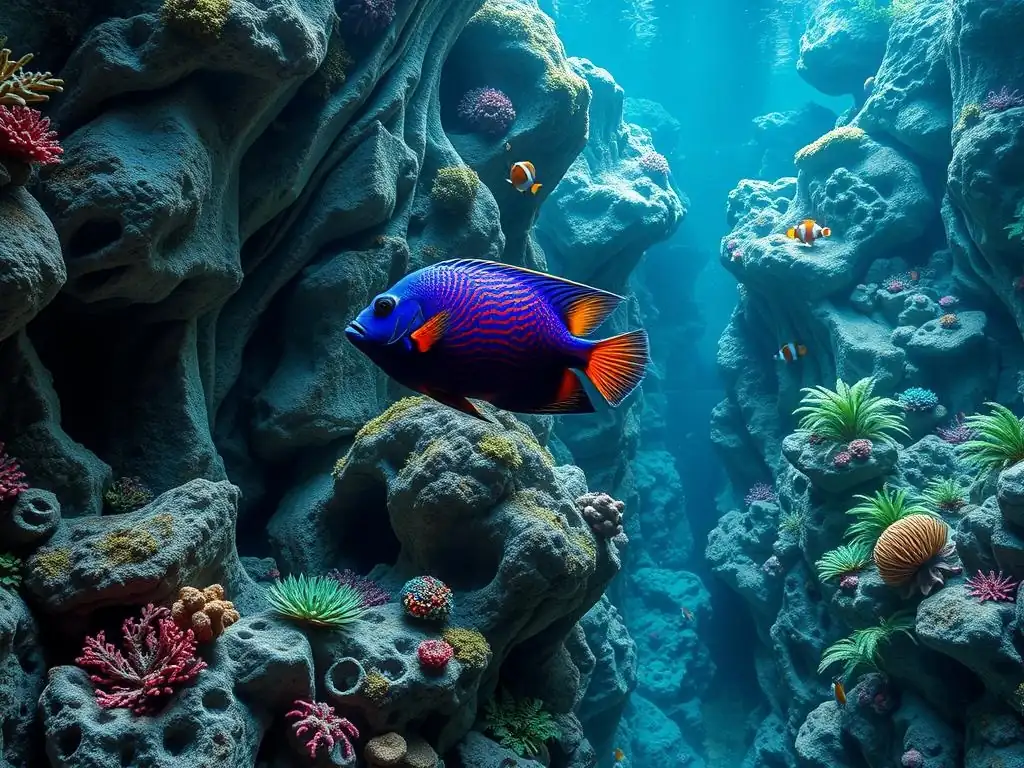
Ever wondered how to create the perfect underwater haven for your majestic Angelfish? Dive in and uncover the secrets of Angelfish aquascaping with live rock. We'll guide you through crafting a stunning, secure, and thriving habitat that will keep your Angelfish happy and healthy. Prepare to transform your saltwater aquarium into a breathtaking masterpiece!
- Aquascaping for Angelfish: Creating a Natural & Secure Habitat
- Understanding Angelfish Aquascaping Needs
- Selecting Suitable Aquascaping Materials for Angelfish Aquariums
- Designing an Angelfish-Friendly Aquascape
- Essential Aquascaping Techniques for Angelfish Tanks
- Compatible Tank Mates for Angelfish in an Aquascaped Tank
- Maintaining Your Angelfish Aquascape
- Advanced Aquascaping Techniques for Angelfish
- Troubleshooting Common Angelfish Aquascaping Issues
-
Frequently Asked Questions
- How does using live rock benefit Angelfish in an aquarium?
- What type of aquascaping is best suited for Angelfish, considering their swimming habits?
- Can I use live rock in both freshwater and saltwater aquariums for Angelfish?
- How much live rock should I add to my Angelfish aquarium?
- What are some potential problems associated with using live rock and how can I prevent them?
- Final Reflection: Cultivating Underwater Harmony
- Transform Your Tank: Bring the Amazon Home for Your Angels!
Aquascaping for Angelfish: Creating a Natural & Secure Habitat
Understanding Angelfish Aquascaping Needs
The Importance of Aquascaping for Angelfish Well-being
Aquascaping plays a pivotal role in the health and psychological well-being of angelfish. A thoughtfully designed habitat significantly reduces stress, which is a common precursor to disease in aquarium fish. By providing adequate hiding spots, visual barriers, and appropriate swimming lanes, aquascaping mimics their natural environment, encouraging natural behaviors such as foraging, schooling, and even breeding. This reduction in stress is crucial, as chronic stress can suppress the immune system, making angelfish more susceptible to common ailments like Ich or fin rot.
Furthermore, a well-aquascaped tank fosters a sense of security for angelfish, particularly for submissive individuals or breeding pairs. In an environment lacking proper cover, dominant angelfish may relentlessly harass weaker tank mates, leading to injury or even death. Conversely, a tank rich with tall plants and driftwood provides refuge, allowing all inhabitants to coexist more peacefully. This contributes not only to the individual fish's health but also to the overall stability and enjoyment of the aquarium ecosystem.
Mimicking Natural Habitats: Angelfish in the Wild (Amazon Basin Focus)
Freshwater angelfish (Pterophyllum species) originate from the slow-moving, heavily vegetated waters of the Amazon Basin in South America. Their natural habitat is characterized by submerged roots, fallen branches, dense stands of aquatic plants, and areas of open water where they can navigate freely. The water is often soft and acidic, with a prevalence of tannins released from decaying organic matter, which gives the water a tea-stained appearance. This environment provides both shelter from predators and ample foraging opportunities among the leaf litter and plant roots.
Recreating this biotope in an aquarium involves focusing on vertical elements like tall plants and driftwood to simulate submerged tree branches. A fine sand or very small gravel substrate is ideal, mimicking the riverbed. While this article primarily focuses on freshwater Angelfish aquascaping, it's important to note that marine angelfish (e.g., Pomacanthidae family) have entirely different habitat requirements, typically thriving among coral reefs and live rock structures that provide complex hiding spots and foraging grounds. Understanding the specific natural environment is key to successful Angelfish aquascaping.
Angelfish Behavior and Aquascaping Considerations (Territoriality & Spawning)
Angelfish exhibit distinct behaviors that directly influence aquascaping decisions. As juveniles, they often school together, but as they mature and pair off, they become increasingly territorial, especially during spawning periods. A breeding pair will claim a specific area of the tank, aggressively defending it against intruders. This territoriality necessitates the inclusion of visual breaks and multiple hiding spots within the aquascape to diffuse aggression and allow other fish to escape confrontation.
For spawning, angelfish prefer flat, vertical surfaces such as broad plant leaves (e.g., Amazon Sword), driftwood, or even the aquarium glass. Designing the aquascape to include several such surfaces at varying heights can encourage breeding and provide options for pairs. Additionally, providing ample vertical space is crucial, as angelfish are tall-bodied fish that need room to maneuver and display their elegant fins without obstruction. A tank with a minimum height of 18-24 inches (approximately 45-60 cm) is generally recommended to accommodate their growth and natural posture.
Selecting Suitable Aquascaping Materials for Angelfish Aquariums
Recommended Substrates: Sand vs. Gravel
The choice of substrate is a fundamental aspect of Angelfish aquascaping, influencing both aesthetics and fish health. Fine sand, such as play sand or specialized aquarium sand, is an excellent choice as it closely mimics the natural riverbeds where angelfish are found. It is gentle on their delicate barbels, which they use for foraging, and prevents injuries that coarser substrates might cause. Sand also provides a suitable medium for rooting plants and allows beneficial bacteria to colonize effectively. A substrate depth of 2-3 inches (5-7.5 cm) is typically sufficient for plant growth and substrate-dwelling bacteria.
Alternatively, fine-grained gravel can be used, particularly for tanks heavily planted with root-feeding species. Gravel provides better anchorage for plant roots and allows for easier cleaning of detritus compared to very fine sand, which can compact. However, it's crucial to select smooth, non-abrasive gravel to prevent injury to angelfish fins and mouths. Regardless of the choice, ensure the substrate is inert and will not alter water parameters such as pH or hardness, which are critical for angelfish health, ideally maintaining a pH between 6.0 and 7.5.
Choosing the Right Plants for Angelfish: Broadleaf Varieties
For effective Angelfish aquascaping, broadleaf aquatic plants are highly recommended due to their ability to provide shade, cover, and ideal spawning surfaces. Species like the Amazon Sword (Echinodorus amazonicus or similar varieties), Anubias (Anubias barteri, A. nana), and Cryptocoryne (Cryptocoryne wendtii, C. undulata) are excellent choices. Amazon Swords, with their large, sturdy leaves, offer significant visual barriers and are prime sites for angelfish to lay eggs. They can grow quite tall, reaching heights of 12-20 inches (30-50 cm), making them suitable for the vertical space angelfish require.
Anubias and Cryptocoryne species are also beneficial, offering smaller, but dense, foliage that provides excellent hiding spots for submissive fish or fry. Anubias is particularly versatile as it can be attached to driftwood or rocks, rather than planted directly in the substrate, allowing for flexible aquascaping. When selecting plants, consider their light requirements and ensure they are compatible with the angelfish's preferred water parameters. Healthy plant growth contributes to water quality by absorbing nitrates, further benefiting the angelfish.
Selecting Driftwood and Root Systems for a Natural Look
Driftwood and root systems are indispensable elements in Angelfish aquascaping, contributing significantly to a naturalistic and secure environment. These materials mimic the submerged branches and roots found in the Amazon Basin, providing complex structures for angelfish to explore, hide within, and establish territories around. Types such as Malaysian driftwood, Mopani wood, and Spiderwood are popular choices. Malaysian driftwood, for example, is dense and sinks readily, offering a solid foundation for your scape, while Mopani wood often has interesting shapes and two-tone coloration.
Beyond aesthetics, driftwood offers functional benefits. It slowly releases tannins into the water, which can lower pH and slightly soften water, mimicking the blackwater conditions angelfish prefer. These tannins also have mild anti-bacterial and anti-fungal properties, contributing to fish health. When arranging driftwood, aim to create crevices, overhangs, and vertical elements that break up sightlines and provide ample visual barriers, which are crucial for reducing aggression among territorial angelfish. Always ensure driftwood is properly cured and pre-soaked to prevent excessive discoloration of the water and to ensure it sinks before adding it to the aquarium.
Designing an Angelfish-Friendly Aquascape
Planning Your Aquascape Layout: Key Principles (Vertical Space & Open Areas)
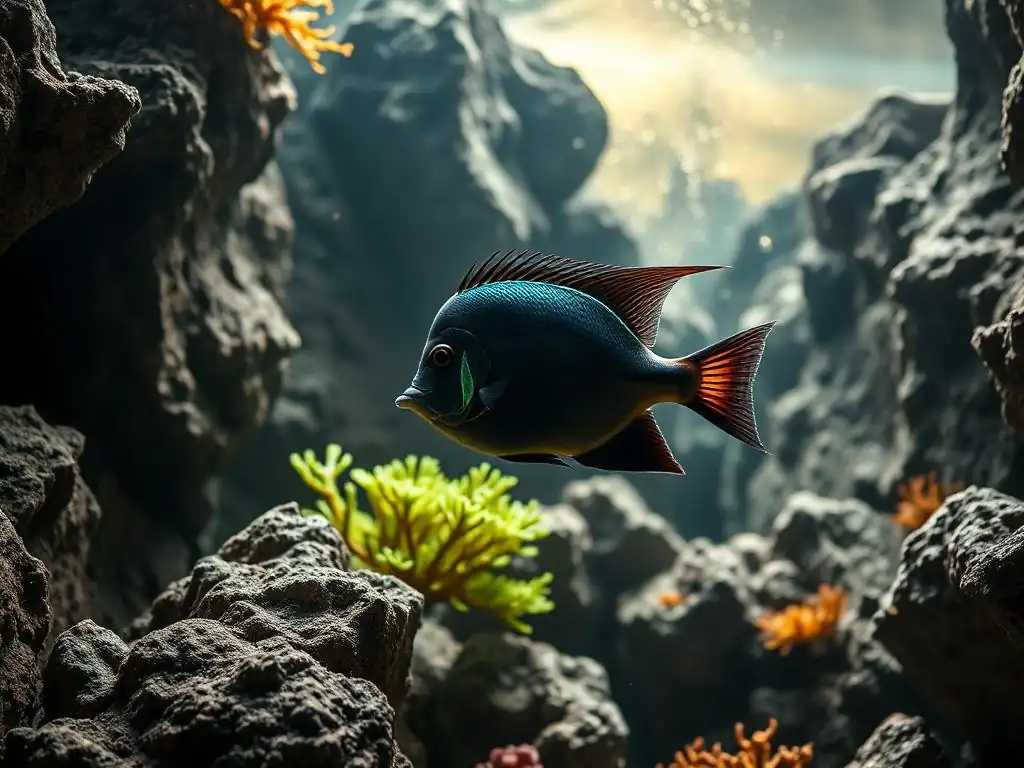
Effective Angelfish aquascaping necessitates a layout that balances vertical elements with ample open swimming space. Angelfish are tall-bodied and require significant vertical room to move comfortably without damaging their fins. Incorporate tall plants, large pieces of driftwood, or stacked rocks that extend towards the water surface to utilize this vertical dimension. These elements serve as visual barriers, breaking up the line of sight across the tank and reducing aggression by allowing fish to retreat from dominant individuals.
Simultaneously, it is crucial to leave generous open areas for angelfish to swim freely and display their elegant finnage. Over-crowding the tank with decor can restrict movement, lead to stress, and even physical injury. A common approach is to concentrate dense planting and hardscape elements towards the back and sides of the aquarium, leaving the front and center clear for swimming. This design principle, often incorporating the "rule of thirds," creates a visually appealing aquascape that is also highly functional for angelfish behavior.
Creating Hiding Places for Angelfish Security (Caves & Dense Plantings)
The provision of numerous secure hiding places is paramount in Angelfish aquascaping to ensure the well-being of all tank inhabitants. Angelfish, particularly submissive individuals or those not part of a breeding pair, require safe zones where they can retreat from aggression or simply rest without feeling exposed. Caves can be fashioned from strategically placed driftwood, rock formations, or even ceramic decorations, offering dark, enclosed spaces. These refuges are vital for reducing stress and preventing injury from more dominant tank mates.
Dense plantings, especially those with broad leaves or thick stems like Amazon Swords or Vallisneria, also serve as excellent hiding spots. These plant thickets provide visual cover and a sense of security, allowing angelfish to feel safe while still being part of the tank's environment. When designing, ensure that these hiding places are accessible but also offer sufficient visual obstruction. For instance, a group of three or more mature angelfish often benefits from at least two distinct, well-hidden areas where they can retreat to avoid conflict.
Open Swimming Space: Balancing Decor with Open Water
Achieving a harmonious balance between decorative elements and open swimming space is a hallmark of successful Angelfish aquascaping. While hiding places and visual barriers are essential, angelfish also need unencumbered areas to swim, especially given their large size and flowing fins. A tank that is too densely packed with plants and hardscape can impede their movement, leading to stress, fin damage, and a generally uncomfortable living environment. Aim to dedicate at least 40-50% of the tank's floor space to open water, particularly in the mid-to-upper regions where angelfish spend most of their time.
This balance can be achieved by arranging taller decor and plants towards the back and sides of the aquarium, creating a sense of depth and allowing the front and center to remain clear. For example, a 55-gallon angelfish tank might feature a large piece of driftwood or tall Amazon Swords at one end, with open space spanning the majority of the tank's length, punctuated by smaller, strategically placed plant groups. This design allows angelfish to exhibit their natural swimming patterns, promotes good water circulation, and provides a clear view for observation.
Aquascaping for Water Flow and Filtration (Filter Placement & Circulation)
Proper water flow and effective filtration are critical for maintaining a healthy Angelfish aquarium, and aquascaping plays a direct role in optimizing these aspects. When placing hardscape elements like driftwood and rocks, consider how they will impact water circulation. Poorly placed decor can create "dead spots" in the tank where water flow is minimal, leading to the accumulation of detritus, algae growth, and anaerobic conditions. These stagnant areas can significantly degrade water quality and harm fish health.
To ensure optimal water flow, position your filter intake and output strategically. The output should be directed to create a gentle, broad flow across the tank, avoiding overly strong currents that can stress angelfish, which prefer calmer waters. Arrange plants and decor to guide this flow, ensuring that water reaches all areas of the tank without creating excessive turbulence. For instance, placing tall plants or driftwood slightly away from the filter output can help diffuse the flow, providing a more uniform distribution of oxygenated water and nutrients throughout the aquascape.
Essential Aquascaping Techniques for Angelfish Tanks
Arranging Plants for Optimal Growth and Aesthetics
Arranging plants effectively in Angelfish aquascaping involves considering both the health of the plants and the overall aesthetic appeal of the tank. For optimal growth, ensure each plant receives adequate light and nutrients. Taller plants like Amazon Swords should be placed at the back or sides to avoid shading smaller plants. Mid-ground plants such as Cryptocorynes can create a lush transition, while foreground plants like dwarf sagitaria might be used, though angelfish typically occupy the upper water column. Proper spacing is crucial; overcrowding can lead to nutrient competition and poor growth.
Aesthetically, group plants in odd numbers for a more natural look and vary heights and textures to create visual interest. For instance, a cluster of Amazon Swords at one end can serve as a strong focal point, complemented by driftwood and then transitioning to lower-growing plants. When planting, ensure roots are gently spread out in the substrate and not bunched up.
For plants like Anubias, attach them to driftwood or rocks rather than burying their rhizome in the substrate, as this can cause rot. Regular trimming is essential to maintain shape, promote new growth, and prevent plants from overgrowing the tank.
Securing Driftwood and Rocks: Preventing Disruption
Properly securing driftwood and rocks is a vital Angelfish aquascaping technique to prevent accidental disruptions that could harm fish or damage the tank. Driftwood, especially new pieces, often floats initially. To secure it, you can bury a portion of it deep into the substrate, weigh it down with rocks (temporarily or permanently), or attach it to a heavy slate tile using aquarium-safe silicone or plastic zip ties. For larger, more complex structures, consider using multiple anchor points to ensure stability.
Rocks, while generally heavier, also need careful placement to prevent collapses, especially if stacking. Always place rocks directly on the bottom glass, not on the substrate, to prevent fish from digging underneath and destabilizing them. For any stacked rock formations, use aquarium-safe silicone to bind them together, creating a secure, stable structure that cannot topple over.
This is particularly important with active fish like angelfish that can inadvertently dislodge unsecured decor. While this guide focuses on freshwater Angelfish aquascaping, for marine Angelfish aquascaping, live rock structures are typically secured with specialized glues or epoxies to create intricate, stable reef formations.
Creating a Natural-Looking Substrate Slope
Creating a natural-looking substrate slope is an advanced Angelfish aquascaping technique that significantly enhances the visual depth and realism of your aquarium. By gently sloping the substrate from higher at the back to lower at the front, you create an illusion of greater depth, making the tank appear larger and more expansive. This subtle elevation change mimics natural riverbeds and adds dynamic interest to the scape, drawing the viewer's eye into the scene.
Beyond aesthetics, a substrate slope can offer practical benefits. The deeper substrate at the back provides more room for the roots of larger background plants, allowing them to anchor more securely and draw nutrients more effectively. The shallower front allows for easier cleaning and better visibility of the fish and any foreground elements. To maintain the slope over time, especially with active fish, consider using substrate barriers or strategically placed rocks and driftwood to help hold the gradient in place. Regular maintenance during water changes can also help reshape and preserve the desired slope.
Compatible Tank Mates for Angelfish in an Aquascaped Tank
Choosing the Right Fish and Invertebrates (Community Fish & Peaceful Bottom Dwellers)
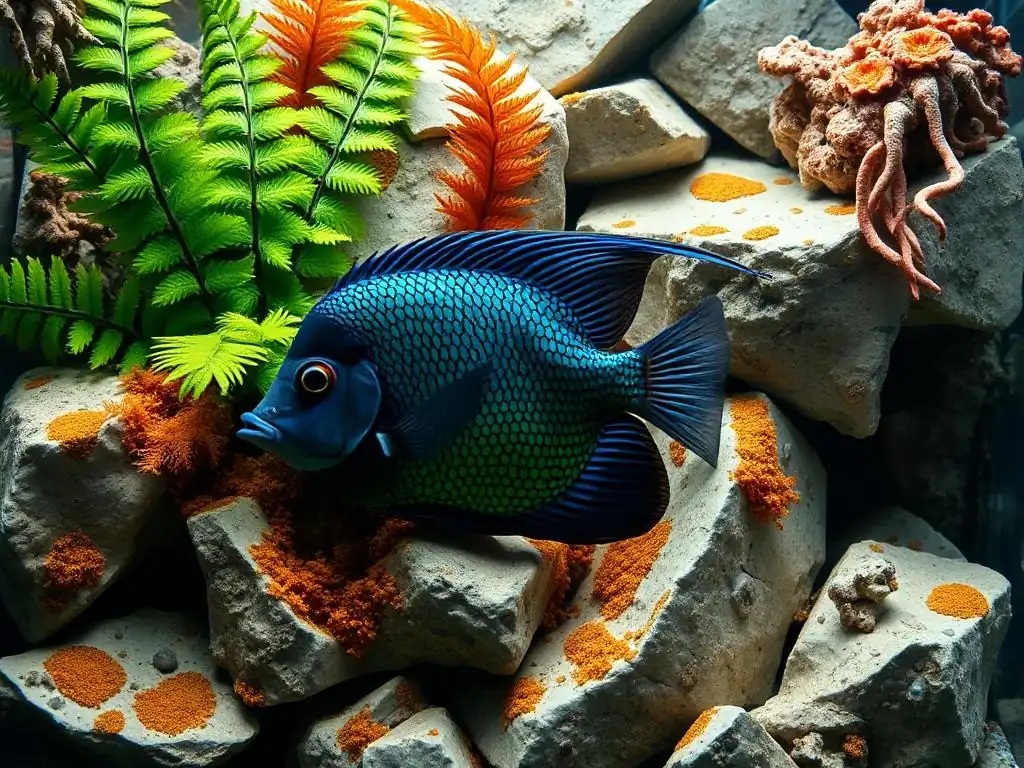
Selecting appropriate tank mates is crucial for a harmonious Angelfish aquascape, focusing on species that are compatible in terms of temperament, size, and water parameters. Ideal companions for angelfish are typically peaceful, similarly sized community fish that do not nip fins. Good choices include larger tetras such as Congo Tetras or Lemon Tetras, which are too big for angelfish to consider prey. Rainbowfish varieties, known for their peaceful nature and vibrant colors, also make excellent tank mates.
Peaceful bottom-dwellers are also highly compatible, as they occupy a different water column, minimizing direct interaction. Corydoras catfish species (e.g., Panda Cory, Bronze Cory) are excellent scavengers that help keep the substrate clean without bothering angelfish. Bristlenose Plecos are another good option for algae control, remaining relatively small and peaceful. Avoid very small fish like Neon Tetras, as they may become a meal for adult angelfish, and ensure all tank mates thrive in the same soft to moderately hard, slightly acidic to neutral water conditions (pH 6.5-7.5, temperature 76-82°F or 24-28°C) that angelfish prefer.
Avoiding Aggressive or Fin-Nipping Species
To maintain peace in your Angelfish aquascape, it is essential to avoid aggressive or fin-nipping species that could stress or injure your angelfish. Angelfish have long, flowing fins that are particularly vulnerable to nipping, which can lead to infection and severe stress. Species notorious for fin-nipping include Tiger Barbs, Serpae Tetras, and certain types of Danios. Even if they don't directly nip, highly active or boisterous fish can intimidate angelfish, causing them to hide and become withdrawn.
Furthermore, steer clear of overly aggressive cichlids or very large, boisterous fish that could outcompete angelfish for food or territory. While angelfish are cichlids themselves and can be territorial, especially when breeding, they are generally peaceful towards similarly sized, non-aggressive tank mates. Introducing fish that are overly dominant or prone to bullying will disrupt the serene environment created by your aquascape, leading to constant stress for your angelfish and potentially preventing them from exhibiting their natural behaviors and vibrant colors.
Considering the Bio-load and Tank Size
When populating an Angelfish aquascape, carefully considering the bio-load and ensuring adequate tank size are critical for long-term success. Angelfish are relatively large fish, with adults reaching heights of 6-8 inches (15-20 cm) or more. A single pair of angelfish typically requires a minimum of a 29-gallon tank, while a small group of 4-6 juveniles will need at least a 55-gallon aquarium to thrive and allow for their eventual growth and territoriality. Overstocking leads to increased waste production, which can quickly overwhelm the filtration system and lead to poor water quality.
The combined bio-load of angelfish and their tank mates must be within the capacity of your filtration system to maintain stable water parameters (low ammonia, nitrite, and nitrate). Insufficient tank size or excessive bio-load will result in chronically high nitrate levels, frequent algae blooms, and stressed fish prone to disease.
Always research the adult size of all potential inhabitants and plan your stocking levels conservatively. A good rule of thumb is to allow at least 1 gallon of water per inch of adult fish, although for angelfish and similar large species, more space is always better to ensure adequate swimming room and reduce aggression.
Maintaining Your Angelfish Aquascape
Regular Water Changes and Testing (pH, Ammonia, Nitrite, Nitrate)
Consistent maintenance is paramount for the health of an Angelfish aquascape, with regular water changes and diligent water parameter testing forming its cornerstone. Angelfish thrive in stable water conditions, ideally with a pH between 6.5 and 7.5, ammonia and nitrite at 0 ppm, and nitrates below 20 ppm. Performing weekly water changes of 25-30% is generally recommended for most established angelfish tanks. This practice effectively removes accumulated nitrates, replenishes essential minerals, and maintains water clarity, directly contributing to the fish's vitality and disease resistance.
Routine testing of water parameters provides crucial insights into the tank's health. Using a reliable liquid test kit, monitor ammonia, nitrite, and nitrate levels weekly, especially in newly set up tanks or if fish appear stressed. Additionally, periodically check pH and water hardness (GH/KH) to ensure they remain within the angelfish's preferred range. Any significant deviation can indicate underlying issues, such as overfeeding or insufficient filtration, allowing for timely intervention before problems escalate and impact the delicate balance of your Angelfish aquascape.
Pruning and Maintaining Aquatic Plants
Maintaining the aquatic plants within your Angelfish aquascape is essential for both aesthetic appeal and overall tank health. Regular pruning prevents plants from becoming overgrown, which can block light to lower leaves, restrict swimming space for angelfish, and create excessive organic waste. Use sharp, dedicated aquarium scissors to trim dead or decaying leaves, as these can quickly break down and contribute to nitrate buildup. For stem plants, prune the tops to encourage bushier growth, and replant the trimmed sections to propagate new plants.
Beyond pruning, ensure plants receive adequate nutrients. While a rich substrate helps, supplemental liquid fertilizers or root tabs may be necessary, especially for heavily planted tanks. Observe plant health for signs of nutrient deficiencies, such as yellowing leaves (iron deficiency), stunted growth (general nutrient lack), or pinholes (potassium deficiency). Healthy plant growth is vital not only for the visual beauty of the Angelfish aquascape but also for their role in absorbing nitrates and providing oxygen, contributing significantly to a stable and thriving environment for your angelfish.
Monitoring Angelfish Health and Behavior
A crucial aspect of maintaining a thriving Angelfish aquascape involves vigilant monitoring of your angelfish's health and behavior. Daily observation allows you to detect subtle changes that can signal stress, disease, or aggression before they become severe. Healthy angelfish will exhibit vibrant coloration, active swimming, and a good appetite. They should swim gracefully through the tank, utilizing the open spaces and interacting with their environment. Any deviation from these norms warrants closer inspection.
Look for signs such as clamped fins, labored breathing, white spots (Ich), frayed fins, or unusual swimming patterns (e.g., darting, rubbing against decor). Changes in behavior, such as hiding excessively, refusing food, or increased aggression towards tank mates, can also indicate underlying issues. Early detection of problems allows for prompt intervention, whether it's adjusting water parameters, treating a disease, or modifying the aquascape to reduce stress. Consistent monitoring ensures your angelfish remain healthy and display their full beauty within their carefully crafted habitat.
Addressing Common Aquascaping Problems (Algae & Plant Deficiencies)
Even in a well-maintained Angelfish aquascape, common problems like algae blooms and plant nutrient deficiencies can arise, requiring specific interventions. Algae, while a natural part of any aquatic ecosystem, can become problematic when it grows excessively, indicating an imbalance in light, nutrients, or water quality. Green spot algae often points to insufficient phosphate or CO2, while hair algae can signal excess light or nitrates. Addressing these issues typically involves reducing light duration, increasing water changes, or adjusting nutrient dosing.
Plant nutrient deficiencies are another frequent challenge. Yellowing leaves on older growth might indicate a lack of nitrogen, while new growth turning pale or yellow often points to iron deficiency. Holes in leaves or stunted growth can suggest potassium or other micronutrient deficiencies. Resolving these issues involves targeted fertilization with liquid supplements or root tabs, ensuring a balanced nutrient profile. Regular water testing and observation are key to diagnosing these problems accurately, allowing you to fine-tune your Angelfish aquascaping maintenance routine for optimal health and aesthetics.
Advanced Aquascaping Techniques for Angelfish
Creating a Biotope Aquarium for Angelfish (Amazon River Theme)
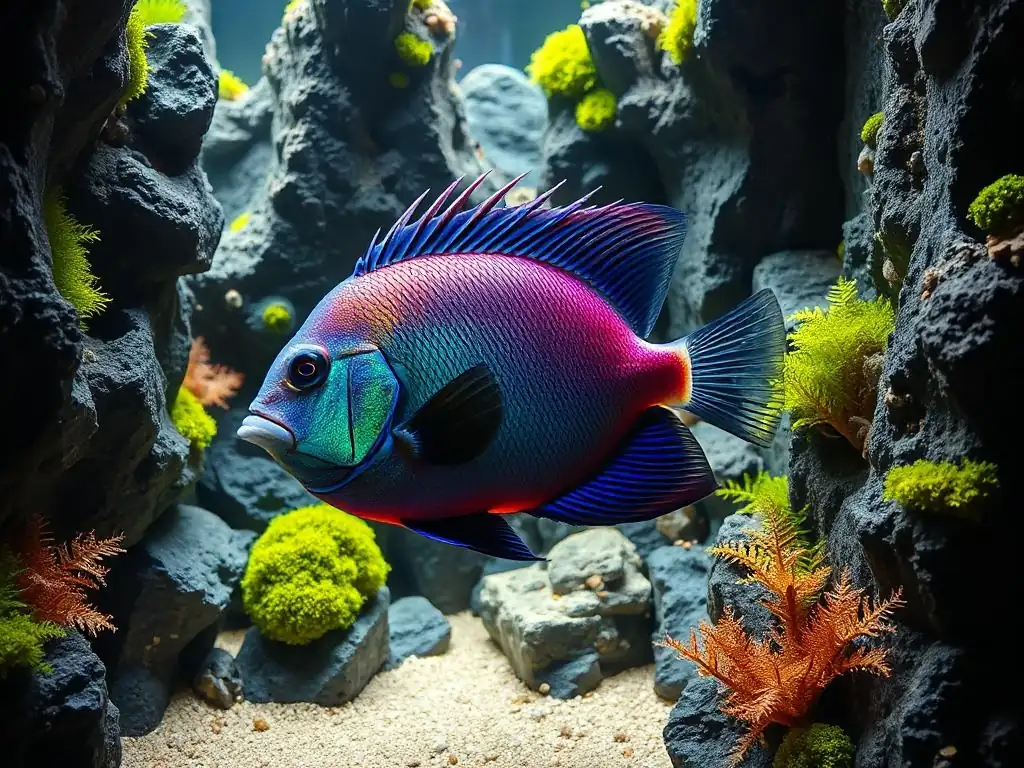
For dedicated aquarists, creating a biotope aquarium represents an advanced Angelfish aquascaping technique that meticulously replicates the natural Amazon River environment. This approach goes beyond mere aesthetics, aiming to provide an ecologically accurate habitat that promotes the most natural behaviors and optimal health for angelfish. A true Amazon biotope would feature a fine sand substrate, dense plantings of specific Amazonian aquatic plants like various Echinodorus (Amazon Swords), Vallisneria, and Cabomba.
Hardscape elements would consist of copious amounts of driftwood, mimicking submerged tree roots and branches, often accompanied by leaf litter (e.g., Catappa leaves, oak leaves) on the substrate. The water itself would be soft, acidic (pH 6.0-7.0), and stained with tannins, replicating the "blackwater" conditions of their native rivers. Lighting would be subdued to simulate the filtered light reaching the riverbed through dense canopy. This immersive Angelfish aquascaping approach provides a truly authentic and enriching environment, allowing angelfish to display behaviors rarely seen in more generic setups, such as foraging through leaf litter and displaying natural schooling patterns.
Implementing CO2 Injection for Plant Growth
Implementing CO2 (carbon dioxide) injection is an advanced Angelfish aquascaping technique primarily aimed at fostering lush, vigorous aquatic plant growth. While not strictly necessary for all plants, CO2 supplementation significantly boosts photosynthesis, leading to faster, healthier, and more vibrant plant development. This is particularly beneficial for demanding plant species or in heavily planted tanks where natural CO2 levels are insufficient. A robust plant mass contributes to water quality by consuming nitrates and provides abundant natural cover for angelfish.
CO2 systems typically involve a pressurized CO2 cylinder, a regulator for precise dosing, a diffuser to dissolve the gas into the water, and a drop checker to monitor CO2 levels. Proper CO2 levels (around 20-30 ppm) must be maintained to avoid stressing fish, as excessive CO2 can lower pH too rapidly or deprive fish of oxygen. Integrating CO2 injection requires careful monitoring and adjustment, but for aquarists aiming for a high-density, thriving planted Angelfish aquascape, it can yield stunning results in plant health and overall tank appearance.
Utilizing Aquascaping Tools for Precision
Utilizing specialized aquascaping tools is an advanced technique that allows for greater precision and ease in designing and maintaining your Angelfish aquascape. These tools enable aquarists to perform intricate tasks without disturbing the tank's inhabitants or structure. Long-handled straight and curved scissors are indispensable for pruning plants, reaching deep into the tank to trim leaves or stems without getting your hands wet. This precision prevents unnecessary plant damage and maintains the desired shape of your aquatic foliage.
Long tweezers or forceps, typically 10-18 inches (25-45 cm) in length, are invaluable for planting delicate foreground plants, arranging small pieces of decor, or retrieving detritus from hard-to-reach areas. Their fine tips allow for precise placement of plants without disturbing the substrate or uprooting nearby vegetation. Other useful tools include substrate shapers for sculpting natural slopes, and glass cleaners with long handles for maintaining pristine tank walls. Investing in quality aquascaping tools not only makes maintenance easier but also enables the creation of more refined and aesthetically pleasing Angelfish aquascapes.
Troubleshooting Common Angelfish Aquascaping Issues
Dealing with Algae Blooms
Algae blooms are a pervasive issue in many aquariums, including Angelfish aquascapes, indicating an imbalance in the ecosystem. Common types include green spot algae (small, circular dots on glass and slow-growing leaves), hair algae (long, stringy green strands), and black brush algae (BBA, dark, tufted growths). The primary culprits are often excessive light duration or intensity, overfeeding, or high nutrient levels (nitrates and phosphates). To combat green spot algae, consider increasing phosphate dosing if plants are deficient, or reducing light.
For hair algae and BBA, a multi-pronged approach is often necessary. Reduce lighting to 8-10 hours per day, ensure proper CO2 levels if injecting, and increase water changes (e.g., 50% weekly for a few weeks) to lower nutrient concentrations. Manual removal of algae during water changes is also crucial. Introducing algae-eating tank mates like Otocinclus catfish or Amano shrimp can help, but they are a supplement, not a solution to the underlying imbalance. Addressing the root cause, whether it's light, nutrients, or maintenance practices, is key to controlling algae in your Angelfish aquascape.
Aggression among angelfish, particularly as they mature or form breeding pairs, can be a common issue, and aquascaping plays a significant role in mitigating or exacerbating it. If your angelfish are frequently fighting, chasing, or nipping fins, it may indicate insufficient hiding places or a lack of visual barriers in the aquascape. A tank that is too open allows dominant fish to see and harass others constantly, leading to stress and injury. Ensure your Angelfish aquascaping provides ample line-of-sight breaks using tall plants, driftwood, or rock structures.
For instance, if a breeding pair is isolating a large section of the tank, adding tall, dense plants or a large piece of driftwood in the middle can create a new visual barrier, allowing other fish to find refuge on the opposite side. Overcrowding can also lead to aggression due to limited personal space; ensure your tank size is adequate for the number of angelfish and their tank mates. Sometimes, rearranging the aquascape can reset territories and reduce conflict. Introducing new fish simultaneously can also help distribute aggression, but ensure the tank is large enough to accommodate them.
Managing Plant Nutrient Deficiencies
Managing plant nutrient deficiencies is essential for maintaining a vibrant and healthy Angelfish aquascape, as unhealthy plants contribute to poor water quality and diminish aesthetic appeal. Common deficiencies manifest as specific symptoms: yellowing of older leaves often indicates a lack of nitrogen, while yellowing of new growth points to iron deficiency. Stunted growth or small leaves can signal insufficient macronutrients like nitrogen, phosphorus, or potassium. Pinholes or melting leaves are frequently a sign of potassium deficiency.
To address these issues, first ensure your substrate is nutrient-rich or supplemented with root tabs, especially for heavy root feeders like Amazon Swords. For water column feeders, or to correct widespread deficiencies, use a comprehensive liquid fertilizer that provides both macro and micronutrients. Monitor your plants closely after dosing and adjust quantities as needed. Regular water changes help replenish some trace elements, but specific deficiencies often require targeted supplementation. Consistent observation and understanding plant nutrient requirements are key to a flourishing Angelfish aquascape.
Frequently Asked Questions
How does using live rock benefit Angelfish in an aquarium?
Live rock provides natural filtration, biological stability, and creates hiding places for Angelfish, reducing stress and mimicking their natural environment.
What type of aquascaping is best suited for Angelfish, considering their swimming habits?
Angelfish need open swimming areas along with rock structures to explore and seek refuge. A balance between these is crucial for their well-being.
Can I use live rock in both freshwater and saltwater aquariums for Angelfish?
Live rock is primarily used in saltwater aquariums. Freshwater Angelfish require different aquascaping elements, such as plants and driftwood.
How much live rock should I add to my Angelfish aquarium?
A good rule of thumb is to use approximately 1-2 pounds of live rock per gallon of water. This allows for adequate filtration and habitat creation.
What are some potential problems associated with using live rock and how can I prevent them?
Live rock can introduce unwanted hitchhikers or nutrient imbalances. Proper curing and quarantine procedures are essential to prevent issues.
Final Reflection: Cultivating Underwater Harmony
The principles of aquascaping, particularly when tailored for the majestic angelfish and enhanced with the natural beauty of live rock, extend far beyond mere aesthetics. They represent a commitment to creating a thriving ecosystem, a miniature world where beauty and functionality intertwine to support life. This approach, prioritizing the well-being of our aquatic companions, resonates deeply with the growing awareness of responsible pet ownership and the interconnectedness of all living things.
This journey into angelfish aquascaping has underscored the profound impact we can have on the lives of our aquatic pets. Understanding their needs, replicating their natural environment, and fostering a sense of security are not just acts of care, but acts of creation, shaping a miniature world that reflects our respect for nature. In nature, nothing is perfect and everything is perfect. Trees can be contorted, bent in weird ways, and they're still beautiful.
- Alice Walker. This quote reminds us that the beauty of a natural aquascape lies not in sterile perfection, but in the organic, evolving harmony it provides.
Now, as you consider your own aquascaping endeavors, I invite you to reflect on the power you hold to shape a vibrant and healthy environment for your angelfish. Embrace the challenge of creating a space where they can thrive, a space that mirrors the beauty and complexity of their natural habitat. Let the principles of angelfish aquascaping with live rock guide you, not just in building a beautiful tank, but in fostering a deeper connection with the natural world and the creatures we share it with.
Transform Your Tank: Bring the Amazon Home for Your Angels!
Thanks for diving into the world of aquascaping for Angelfish! We hope this article sparked inspiration for crafting a beautiful and natural habitat for your finned friends. Ready to put your newfound knowledge into action? Here are a few steps you can take right now:
- Start planning your aquascape design! Consider the plants, rocks, and driftwood that will best replicate the Angelfish's natural Amazonian environment.
- Explore local aquarium stores for unique live rock pieces that add character and biological filtration to your tank. Don't be afraid to get creative!
- Share your initial aquascaping ideas and sketches with the Aquarium Mastery community! Get feedback and inspiration from fellow Angelfish enthusiasts.
What's the first element you'll add to your aquascape to create a more comfortable and enriching environment for your Angelfish? Share your thoughts below!