
The Ultimate Algae Eating Crew: Ranking Tangs for Superior Algae Control

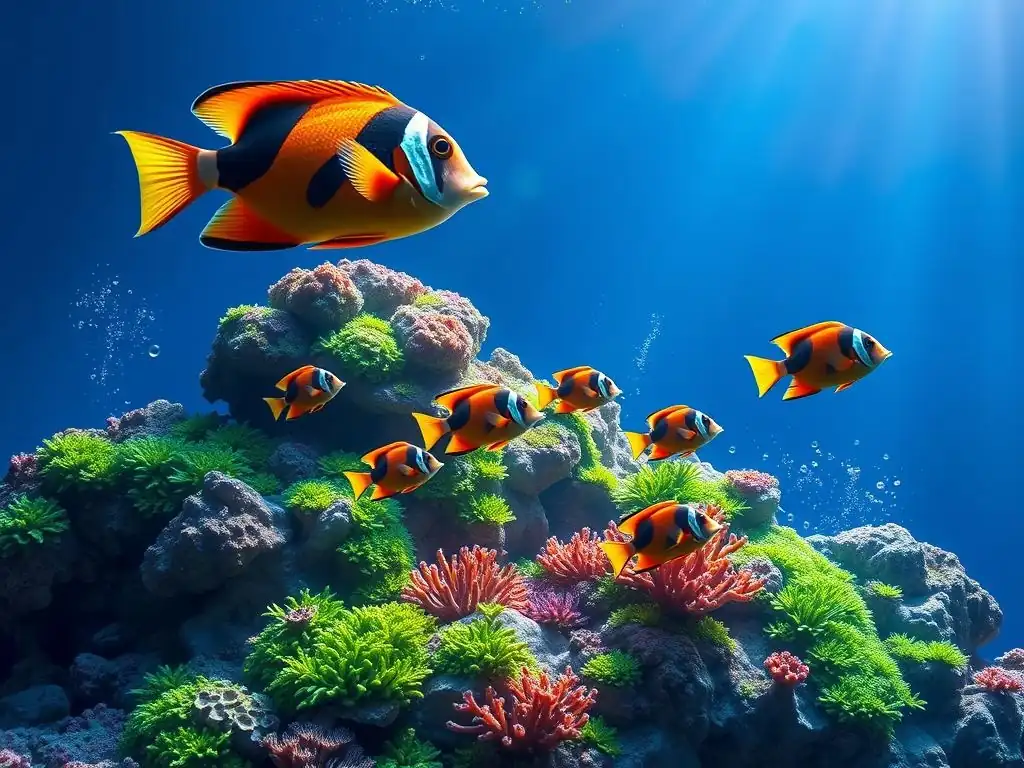
Welcome to Aquarium Mastery!
Ever wonder which tangs reign supreme in the battle against algae? We're diving deep into the vibrant world of saltwater aquariums to bring you the definitive guide on ranking tangs algae control. Discover which species are the most effective algae-eating powerhouses, and get ready to create a pristine, thriving reef environment. Curious to find out which tang tops the list? Let's find out!
- Introduction: Mastering Algae Control with Tangs in Your Saltwater Aquarium
- Ranking Tangs for Algae Control Effectiveness: A Comprehensive Guide
- Factors Influencing Algae Consumption in Tangs
- Choosing the Right Tang for Your Aquarium: Key Considerations
- Preventing Algae Blooms: Proactive Algae Control Strategies
- Conclusion: Achieving Superior Algae Control with the Right Tang Species
-
Frequently Asked Questions
- How effective are tangs at controlling algae in a saltwater aquarium?
- Which tang species are considered the best for algae control, specifically in a reef tank environment?
- What size aquarium is generally recommended for keeping a tang species primarily for algae control?
- Besides algae, what else should I feed tangs to ensure they receive a balanced diet and thrive in my aquarium?
- Are there any potential downsides to keeping tangs for algae control, and how can I mitigate them?
- Final Reflection: The Unseen Symphony of the Reef
- Unleash the Power of Tangs: Transform Your Tank Today!
Introduction: Mastering Algae Control with Tangs in Your Saltwater Aquarium
Why Tangs are Excellent Algae Eaters for Reef Tanks
Tangs, belonging to the family Acanthuridae, are renowned in the saltwater aquarium hobby for their vibrant colors and, critically, their voracious appetite for various types of algae. Their natural diet in the wild consists primarily of marine algae and detritus, making them invaluable members of a reef tank's clean-up crew.
Unlike many other herbivorous fish that might only graze occasionally, tangs are almost continuously picking at rockwork and substrate, effectively keeping nuisance algae in check. This constant grazing behavior is a key factor in their effectiveness, providing a biological solution to one of the most persistent challenges in reef keeping.
The digestive systems of tangs are specifically adapted for processing plant matter, featuring long guts that allow for efficient nutrient extraction from fibrous algae. This physiological adaptation means they are not just nibblers but dedicated grazers, capable of consuming significant quantities of algae daily.
For instance, a healthy adult Yellow Tang can spend over 70% of its active time grazing, meticulously cleaning surfaces. This inherent drive to consume algae makes them a cornerstone species for maintaining a balanced and aesthetically pleasing saltwater environment, significantly contributing to the overall health and stability of the ecosystem by reducing excess nutrients bound in algal blooms.
Understanding Algae Growth in Saltwater Aquariums and the Role of Herbivores
Algae growth in saltwater aquariums is a natural process, but when it becomes excessive, it can quickly turn into an unsightly and problematic nuisance. Common types of nuisance algae include diatoms, film algae, hair algae, bubble algae, and cyano-bacteria. These outbreaks are often triggered by an imbalance in nutrient levels, specifically high nitrates and phosphates, coupled with adequate light. While proper husbandry practices like regular water changes, effective filtration, and nutrient export methods are crucial for prevention, biological controls, such as the introduction of active herbivores, play a vital role in managing existing algae and preventing future blooms.
Herbivorous fish, particularly tangs, act as living vacuum cleaners, constantly grazing on algal films and strands that accumulate on live rock, sand beds, and tank glass. They help to break down and consume the algae before it can establish itself or spread aggressively. Without sufficient herbivorous pressure, algae can quickly outcompete corals and other desirable invertebrates for light and space, potentially smothering them and degrading water quality.
A well-chosen contingent of algae-eating tangs can significantly reduce the need for manual scrubbing and chemical treatments, offering a sustainable and natural approach to maintaining a pristine reef tank. This biological control is a cornerstone of effective ranking tangs algae control strategies.
Ranking Tangs for Algae Control Effectiveness: A Comprehensive Guide
Top-Tier Algae Eating Tangs: The Most Effective Species
The Yellow Tang (Zebrasoma flavescens): A Reef Tank Algae Control Powerhouse
The Yellow Tang is arguably the most popular and widely recognized tang in the hobby, not just for its iconic bright yellow color but also for its exceptional algae-eating capabilities. Originating from the reefs of Hawaii and the Pacific, this species is a relentless grazer, spending the majority of its day picking at various types of algae, including green hair algae, film algae, and diatoms.
Its small, brush-like teeth are perfectly adapted for scraping algal films from live rock and glass surfaces. Many aquarists report a noticeable reduction in nuisance algae within weeks of introducing a healthy Yellow Tang to their system.
Beyond its efficiency, the Yellow Tang is relatively hardy and adaptable, making it a suitable choice for a wide range of established reef tanks, typically requiring a minimum of 75 gallons for a single adult. Its continuous grazing activity not only controls algae but also contributes to the overall health of the ecosystem by preventing nutrient buildup.
For instance, in a 90-gallon tank experiencing moderate green hair algae, a single Yellow Tang can often keep the growth in check, reducing the need for frequent manual removal by up to 50% or more, thus solidifying its position as a top-tier choice for ranking tangs algae control.
The Kole Tang (Ctenochaetus strigosus): A Master of Diatom and Film Algae Removal
The Kole Tang, also known as the Bristletooth Tang or Yellow Eye Kole Tang, is a highly effective algae eater specializing in diatom and film algae. Unlike the broad-spectrum grazing of the Yellow Tang, the Kole Tang possesses unique bristle-like teeth, which it uses to meticulously scour surfaces for microalgae, cyanobacteria, and detritus. This makes them particularly adept at keeping tank glass, powerheads, and smooth rock surfaces free of the unsightly brown and green films that often plague new or imbalanced tanks. Their methodical grazing patterns ensure thorough coverage of surfaces.
Hailing from the Indo-Pacific, Kole Tangs are generally more peaceful than many other tang species, making them excellent community tank inhabitants for systems 70 gallons or larger. They are often observed "licking" the rockwork clean, removing thin layers of biofilm that other grazers might miss. For example, in a 75-gallon reef tank struggling with persistent brown diatom blooms after a nutrient spike, a Kole Tang can significantly clear the affected areas within days, demonstrating its precision in targeting specific types of nuisance algae. Their specialized feeding habit makes them indispensable for comprehensive ranking tangs algae control.
The Bristletooth Tangs (Ctenochaetus spp. ): Fine-Tuning Algae Grazing
The genus Ctenochaetus encompasses several species known as Bristletooth Tangs, including the Kole Tang ( C. strigosus), Tomini Tang ( C. tominiensis), Chevron Tang ( C. hawaiiensis), and Twospot Bristletooth Tang ( C. binotatus). While the Kole and Tomini are often singled out, the entire group shares a common characteristic: specialized bristle-like teeth designed for scraping fine film algae, diatoms, and detritus from surfaces. Their mouths are uniquely adapted to sift through sand and detritus, making them excellent at cleaning the substrate as well as rockwork.
Each species within the Ctenochaetus genus offers slight variations in temperament and adult size, but their core function as meticulous grazers remains consistent. For instance, the Chevron Tang, though more expensive and requiring larger tanks (120+ gallons), is an incredibly effective and beautiful algae eater, especially for early-stage algal films. These tangs are not typically as effective against long, fibrous hair algae as Zebrasoma species, but their precision in removing thin, pervasive films makes them crucial for maintaining pristine surfaces and contributing significantly to detailed ranking tangs algae control.
Mid-Range Algae Grazers: Good Contributors to a Clean Aquarium
The Scopas Tang (Zebrasoma scopas): A Versatile Algae Grazer for Larger Tanks
The Scopas Tang, also known as the Brown Tang, is a close relative of the Yellow Tang and shares many of its excellent algae-grazing qualities. While perhaps not as iconic as its yellow counterpart, the Scopas Tang is a very effective and consistent grazer of various types of green and brown algae, including hair algae and film algae.
They are active swimmers and feeders, constantly picking at live rock and tank surfaces. Their adaptability in diet and relatively robust nature make them a reliable addition to larger reef systems, typically requiring a minimum of 90-100 gallons due to their potential adult size of up to 8 inches.
Scopas Tangs exhibit a similar grazing pattern to Yellow Tangs, utilizing their small mouths to scrape algae from hard surfaces. They are known to be quite territorial, especially towards other tangs of similar shape or size, which is a consideration for tank planning.
However, their consistent grazing pressure on established algae growth contributes significantly to maintaining a clean environment. In a 120-gallon mixed reef tank, a Scopas Tang can effectively manage widespread green film algae across the rockwork, reducing the need for weekly manual scrubbing to perhaps once every few weeks, proving its value in ranking tangs algae control efforts.
The Tomini Tang (Ctenochaetus tominiensis): Peaceful and Effective Algae Control
The Tomini Tang is another excellent Bristletooth Tang species known for its relatively peaceful temperament and effective algae-grazing habits. Unlike some of its more boisterous relatives, the Tomini Tang is often a more community-friendly choice, making it suitable for a wider range of mixed reef tanks, provided there is adequate space (minimum 70 gallons).
They are highly effective at cleaning diatoms, film algae, and detritus from live rock and sand beds, utilizing their specialized bristle-like teeth. Their smaller adult size, typically around 5-6 inches, also makes them a more viable option for tanks where larger tangs might be too cumbersome.
Tomini Tangs are often seen sifting through the sand or meticulously grazing over rockwork, contributing to both algae control and substrate cleanliness. They are particularly valuable for tanks experiencing persistent brown or green film algae on glass and decor.
For example, in a 75-gallon tank with a thriving soft coral population and minor film algae issues, a Tomini Tang can keep the glass remarkably clear with minimal intervention. While they might not tackle thick strands of hair algae as aggressively as a Yellow Tang, their consistent effort against common nuisance films makes them a strong contributor to overall ranking tangs algae control.
Less Effective Algae Eating Tangs: Supplementing Their Diet is Key
The Hippo Tang (Paracanthurus hepatus): More Than Just a Pretty Face - Algae Contribution
The Hippo Tang, or Blue Tang, is undeniably one of the most iconic and visually stunning fish in the marine aquarium hobby, famous for its vibrant blue body and yellow tail. While they are indeed herbivores and will graze on algae, their effectiveness as primary algae controllers is often overstated. Hippo Tangs primarily consume zooplankton in the wild, supplementing their diet with macroalgae.
In an aquarium setting, they will pick at some film algae and larger leafy macroalgae, but they are not the relentless grazers that Zebrasoma or Ctenochaetus species are. They require a very large tank, typically 180 gallons or more for an adult, due to their potential size of up to 12 inches.
Their contribution to algae control is more opportunistic than dedicated. They will graze on softer, easier-to-reach algae, but they won't meticulously scour every surface for diatoms or aggressively tackle stubborn hair algae.
Therefore, while they add aesthetic appeal and contribute somewhat to the tank's cleanliness, a Hippo Tang should not be relied upon as the sole or primary algae-eating solution for a system. Their diet in captivity must be heavily supplemented with high-quality marine-based foods, including nori, spirulina flakes, and mysis shrimp, to ensure their nutritional needs are met and to encourage any natural grazing behavior, which is crucial for comprehensive ranking tangs algae control.
The Sailfin Tang (Zebrasoma veliferum/desjardinii): Algae Grazing Habits and Requirements
Sailfin Tangs, encompassing both the Pacific Sailfin ( Zebrasoma veliferum) and the Red Sea Sailfin ( Zebrasoma desjardinii), are magnificent fish known for their impressive dorsal and anal fins that can be extended like sails. These species are indeed herbivorous and will graze on various types of algae, including hair algae and film algae, similar to their Yellow Tang cousins.
However, their sheer size potential—up to 15 inches for the Pacific Sailfin—means they require massive aquariums, typically 250 gallons or more, making them unsuitable for most home aquarists. Their grazing habits, while consistent, are often spread over a much larger surface area, which might dilute their perceived effectiveness in smaller, more densely populated tanks.
While a Sailfin Tang will actively graze, its impact on widespread nuisance algae in a home aquarium might be less concentrated than that of a smaller, equally voracious species in a proportionally sized tank. They are excellent for keeping larger display tanks clean of general algal films, but their specialized needs and aggressive territoriality towards other tangs often limit their practical application for targeted algae control in typical setups.
Their diet, like all tangs, must be supplemented with high-quality vegetable matter, such as nori, multiple times a day to ensure proper nutrition and to encourage their natural grazing behaviors, which is a key part of ranking tangs algae control for these larger species.
Factors Influencing Algae Consumption in Tangs
Tank Size and Population Density: Optimizing Algae Eating Capacity
The size of the aquarium and the density of its fish population significantly influence a tang's effectiveness as an algae eater. A tang, particularly a Zebrasoma or Ctenochaetus species, requires ample swimming space and sufficient rockwork to graze upon. For instance, a Yellow Tang in a 75-gallon tank will have a proportionally larger area to cover with its grazing than the same tang in a 180-gallon tank.
If the tank is too small for a particular tang species, stress can lead to reduced feeding and compromised health, diminishing their algae-eating capacity. Overcrowding, on the other hand, can lead to aggressive interactions among fish, further stressing tangs and diverting their energy from grazing.
Furthermore, the availability of grazing surfaces directly correlates with algae consumption. A tank with extensive live rock aquascaping offers more surface area for algae to grow and for tangs to graze.
In contrast, a sparsely decorated tank might not provide enough natural food sources to keep a tang constantly occupied, potentially leading to increased aggression or a reliance on supplemental feeding. For optimal algae control, it is crucial to match the tang species to an appropriately sized aquarium, ensuring enough territory for the fish and ample surfaces for algae to grow and be grazed upon, thus maximizing their contribution to ranking tangs algae control.
Water Quality and Algae Growth: Maintaining a Healthy Environment for Algae Control
Maintaining pristine water quality is paramount for both the health of the tangs and the overall control of algae in a saltwater aquarium. High levels of nitrates and phosphates are primary culprits for nuisance algae blooms. Even the most voracious algae-eating tang cannot keep up with an explosion of algae fueled by chronically poor water parameters.
For example, if phosphate levels consistently exceed 0.03 ppm or nitrates rise above 10-20 ppm, algae will likely grow faster than any tang can consume it. Tangs themselves can also be negatively impacted by poor water quality, becoming susceptible to diseases like Ich, which can severely reduce their appetite and activity levels.
Optimal water parameters, including stable temperature (around 76-78°F), salinity (1.025-1.026 specific gravity), and balanced alkalinity, calcium, and magnesium, create an environment less conducive to nuisance algae growth and more conducive to healthy fish. Regular testing and consistent nutrient export methods (such as protein skimming, refugiums, and water changes) are essential. When water quality is maintained, algae growth is naturally suppressed, allowing the tangs to effectively manage the residual growth and prevent outbreaks. This holistic approach, combining excellent husbandry with biological control, is key to successful ranking tangs algae control.
Supplementing Tang Diets: Ensuring Nutritional Needs are Met
While tangs are exceptional algae eaters, relying solely on tank algae for their nutritional needs is often insufficient, especially in well-maintained aquariums where nuisance algae might be scarce. A varied and balanced diet is crucial for the long-term health and vibrant coloration of tangs, and it also encourages their natural grazing behaviors.
High-quality marine-based dried seaweed (nori), spirulina flakes, and specialized tang pellets should be offered multiple times a day. For instance, a Yellow Tang in a 90-gallon tank should receive a clip of nori daily, in addition to grazing on tank algae, to ensure it gets enough fiber and essential nutrients.
Supplementing their diet not only prevents malnutrition but also helps to prevent aggression, as a well-fed tang is generally a happier and less stressed fish. Furthermore, a varied diet strengthens their immune system, making them more resilient to common diseases.
While they will still graze on tank algae, the supplemental feeding ensures they receive all necessary vitamins and minerals, which might not be sufficiently present in the limited types of algae growing in an aquarium. This strategic feeding approach is vital for maximizing their algae-eating potential and ensuring their overall well-being, directly impacting the effectiveness of ranking tangs algae control.
Choosing the Right Tang for Your Aquarium: Key Considerations
Tank Size Requirements for Different Tang Species
Selecting the appropriate tang species for an aquarium fundamentally hinges on meeting its specific tank size requirements. Housing a tang in an undersized tank is a leading cause of stress, stunted growth, disease susceptibility, and increased aggression. For instance, a Yellow Tang ( Zebrasoma flavescens) requires a minimum of 75 gallons to thrive, offering sufficient swimming space and grazing surfaces.
A Kole Tang ( Ctenochaetus strigosus) can be comfortable in a 70-gallon system. In contrast, a Blue Tang ( Paracanthurus hepatus) needs at least 180 gallons, and a Sailfin Tang ( Zebrasoma veliferum) demands 250 gallons or more due to their large adult sizes and active swimming habits.
These minimums are not arbitrary; they account for the fish's adult size, territorial needs, and activity levels. An adult tang that reaches 10-12 inches in a tank designed for 6-inch fish will quickly become stressed, leading to poor health and a diminished ability to graze effectively. Before acquiring any tang, research its maximum adult size and ensure your aquarium can comfortably accommodate it for its entire lifespan. This foresight is critical for the tang's welfare and its consistent contribution to algae management, forming a foundational aspect of successful ranking tangs algae control.
Compatibility with Other Fish and Invertebrates
The temperament of tangs can vary significantly between species and even among individuals, making compatibility with other tank inhabitants a crucial consideration. Many tangs, especially those within the Zebrasoma genus, can be territorial, particularly towards other tangs or fish with similar body shapes. For example, adding two Zebrasoma species (like a Yellow Tang and a Scopas Tang) to the same tank without careful planning and sufficient space often leads to aggression. A general rule of thumb is to add tangs of different genera or species with distinct body shapes to minimize conflict.
Furthermore, while tangs are generally reef-safe and do not bother corals or most invertebrates, some larger species might occasionally nip at fleshy corals if underfed or bored. It's also important to consider the existing fish population; a new tang should not be introduced into a tank with highly aggressive established residents. Researching the specific temperament of the chosen tang species and planning the order of introduction can greatly reduce stress and aggression. A harmonious tank environment ensures that tangs can focus on their primary role of algae grazing, contributing effectively to overall ranking tangs algae control.
Algae Type and Availability: Matching Tangs to Specific Algae Problems
Different tang species have preferences for specific types of algae, making it important to match the tang to the prevalent algae problem in your aquarium. For instance, if you are battling pervasive green hair algae, a Yellow Tang ( Zebrasoma flavescens) or a Scopas Tang ( Zebrasoma scopas) would be excellent choices, as they are known for their voracious appetite for filamentous algae. These species possess mouths designed to pluck and scrape longer strands.
Conversely, if your tank is plagued by unsightly brown diatoms or thin film algae on the glass and rockwork, a Bristletooth Tang, such as the Kole Tang ( Ctenochaetus strigosus) or Tomini Tang ( Ctenochaetus tominiensis), would be more effective. Their specialized bristle-like teeth are perfectly adapted for meticulously scraping these finer, softer algal layers.
While most tangs will graze on a variety of algae, understanding their specific dietary preferences ensures maximum effectiveness. Observing the type of algae present in your tank and then selecting a tang known to target that specific type is a highly strategic approach to effective ranking tangs algae control.
Preventing Algae Blooms: Proactive Algae Control Strategies
Maintaining Proper Water Parameters to Minimize Algae Growth
Proactive algae control begins with diligent maintenance of stable and optimal water parameters. Nuisance algae thrive on excess nutrients, particularly nitrates and phosphates. Keeping these parameters as low as possible is the first line of defense. Ideally, phosphates should be undetectable or below 0.03 ppm, and nitrates should be below 10-20 ppm, especially in reef tanks. Regular testing with reliable kits allows aquarists to monitor these levels and take corrective action if they begin to rise.
Beyond nutrient levels, maintaining stable temperature (76-78°F), salinity (1.025-1.026), alkalinity (8-12 dKH), calcium (400-450 ppm), and magnesium (1250-1350 ppm) also contributes to a healthy, balanced ecosystem that naturally suppresses algae growth. Fluctuations in these parameters can stress corals and beneficial bacteria, creating opportunities for opportunistic algae to flourish. By consistently providing an ideal environment, the conditions for rampant algae growth are minimized, allowing any introduced algae-eating tangs to effectively manage what little algae does appear, reinforcing the overall strategy for ranking tangs algae control.
Utilizing a Refugium for Natural Algae Control
A refugium is an invaluable tool for natural algae control and nutrient export in a saltwater aquarium. This separate, dimly lit chamber, often plumbed into the main display tank's sump, serves as a safe haven for beneficial macroalgae (like Chaetomorpha or Ulva) and micro-invertebrates. The macroalgae rapidly absorb nitrates and phosphates from the water column as they grow, effectively competing with nuisance algae in the main display. When the macroalgae are periodically harvested, these absorbed nutrients are physically removed from the system, preventing them from fueling undesirable algae blooms.
Moreover, a refugium provides a stable environment for copepods and amphipods to reproduce without predation. These tiny crustaceans serve as a natural food source for many fish and corals, and they also contribute to the clean-up crew by consuming detritus and microalgae. By incorporating a robust refugium into the system, aquarists can significantly reduce nutrient levels, promote biodiversity, and lessen the burden on their algae-eating tangs, creating a more stable and resilient environment. This biological filtration method is a cornerstone of advanced ranking tangs algae control.
Implementing Regular Water Changes and Protein Skimming
Regular water changes and effective protein skimming are fundamental practices for preventing algae blooms by consistently removing accumulated nutrients and organic waste. Routine water changes, typically 10-20% weekly or bi-weekly, dilute and export nitrates, phosphates, and other dissolved organic compounds that fuel algae growth. For example, in a 100-gallon system, a 15-gallon weekly water change can remove a significant portion of dissolved pollutants, preventing them from building up. This fresh, clean saltwater also replenishes essential trace elements consumed by corals and other inhabitants.
Protein skimmers, on the other hand, physically remove organic waste before it breaks down into nitrates and phosphates. By creating a foam of tiny bubbles, they collect dissolved organic compounds at the air-water interface, where they are then exported as skimmate. A properly sized and maintained protein skimmer can drastically reduce the organic load in the water, significantly limiting the food source for nuisance algae. Combined, these methods create a strong foundation for nutrient control, making the job of algae-eating tangs much more manageable and contributing significantly to effective ranking tangs algae control in the long term.
Conclusion: Achieving Superior Algae Control with the Right Tang Species
Summarizing the Best Tangs for Algae Control in Saltwater Aquariums
Achieving superior algae control in a saltwater aquarium is a multi-faceted endeavor, and the strategic inclusion of the right tang species is undeniably a cornerstone of this success. For broad-spectrum, relentless grazing on hair algae and general film algae, the Yellow Tang ( Zebrasoma flavescens) stands out as a top-tier choice, renowned for its consistent activity and hardiness in tanks 75 gallons and larger.
For those battling persistent diatoms, cyanobacteria, and fine film algae on surfaces, the Bristletooth Tangs, particularly the Kole Tang ( Ctenochaetus strigosus) and Tomini Tang ( Ctenochaetus tominiensis), offer specialized and meticulous cleaning, thriving in systems 70 gallons and up.
While species like the Scopas Tang ( Zebrasoma scopas) provide versatile grazing for larger tanks (90+ gallons), and even the beautiful but less dedicated Hippo Tang ( Paracanthurus hepatus) contributes to general algae removal in very large setups (180+ gallons), the key lies in matching the tang's specific grazing habits and size requirements to the aquarium's needs and the prevalent algae type. A thoughtful selection, backed by proper tank size and compatibility considerations, ensures that these vibrant herbivores become invaluable members of your clean-up crew, driving effective ranking tangs algae control.
Sustainable Algae Management: A Holistic Approach to a Healthy Reef Tank
Ultimately, sustainable algae management transcends merely adding an algae-eating tang; it embodies a holistic approach to maintaining a healthy and balanced reef tank ecosystem. While tangs are powerful biological tools for consuming existing algae, their effectiveness is amplified when integrated into a comprehensive strategy that prioritizes prevention. This includes diligently maintaining optimal water parameters by regularly testing and correcting nutrient levels, ensuring efficient nutrient export through robust protein skimming, and utilizing natural filtration methods like refugiums with macroalgae.
Furthermore, proper feeding practices, including supplementing tang diets with high-quality marine vegetation, are crucial for their long-term health and sustained grazing activity. By understanding the specific needs of each tang species and proactively addressing the root causes of algae growth, aquarists can create a stable environment where nuisance algae is kept at bay without constant manual intervention. This integrated strategy, where the right tang species complements diligent husbandry, leads to a thriving, aesthetically pleasing, and biologically balanced saltwater aquarium, demonstrating the pinnacle of effective ranking tangs algae control.
Frequently Asked Questions
How effective are tangs at controlling algae in a saltwater aquarium?
Tangs are highly effective algae eaters, making them a valuable addition to many saltwater aquariums. However, their effectiveness depends on the specific tang species and the type of algae present.
Which tang species are considered the best for algae control, specifically in a reef tank environment?
Some top choices include the Yellow Tang, the Kole Tang, and the Bristletooth Tang. These species are known for their voracious appetites and ability to graze on a variety of algae types.
What size aquarium is generally recommended for keeping a tang species primarily for algae control?
Tangs require sufficient swimming space, with larger species needing significantly larger tanks. A minimum of 75 gallons is often recommended, but some species need considerably more.
Besides algae, what else should I feed tangs to ensure they receive a balanced diet and thrive in my aquarium?
While tangs consume algae, they also need a varied diet including seaweed sheets, frozen foods, and high-quality flake or pellet food. This ensures they get all the necessary nutrients for optimal health.
Are there any potential downsides to keeping tangs for algae control, and how can I mitigate them?
Tangs can be aggressive towards other fish, especially other tangs, and may outcompete other herbivores for food. Proper planning, a sufficiently sized tank, and careful species selection are key to mitigating these issues.
Final Reflection: The Unseen Symphony of the Reef
The insights shared in this ranking of tangs for algae control are more than just a guide for aquarium enthusiasts; they represent a deeper understanding of the delicate balance within a reef ecosystem. The ability to effectively manage algae growth is crucial, not only for the aesthetic appeal of a saltwater tank, but also for the health and survival of its inhabitants. The choices we make in our aquariums reflect our responsibility to mimic and respect the natural world.
This exploration into the algae-eating prowess of tangs has highlighted the intricate web of life that thrives beneath the surface. It's a reminder that even seemingly small decisions, like choosing the right fish, can have a profound impact on the well-being of an entire ecosystem, be it a miniature reef in our living room or the vast ocean itself. In nature, nothing exists alone.
- Rachel Carson. This quote encapsulates the interconnectedness we strive to understand and replicate within our own aquariums, and the importance of responsible stewardship.
Now, consider the power you hold to create a thriving, balanced environment. Let this ranking of tangs for algae control be more than just a list; let it be a catalyst for mindful decision-making. Reflect on the responsibility you undertake when bringing a piece of the ocean into your home. Choose wisely, observe diligently, and contribute to the unseen symphony of the reef, ensuring its beauty and vitality for generations to come.
Unleash the Power of Tangs: Transform Your Tank Today!
Thanks for diving into the world of tangs and algae control! We hope you've found some valuable insights to keep your aquarium thriving. Now, it's time to put that knowledge into action and create a healthier, more vibrant underwater ecosystem.
Here are some steps you can take right now:
- Prioritize Algae Control: Select the ideal Tang for your tank based on its size, species, and the type of algae you're facing. Start by researching the specific dietary needs of your chosen Tang to ensure a healthy and balanced diet beyond just algae.
- Explore alternative algae control methods. Research specific snails, crabs or even chemical filtration to optimize your tank.
- Share your Tang experiences! Join our Aquarium Mastery community and share your algae-busting success stories, or ask questions about challenges you're facing.
Ready to welcome a new Tang to your aquarium or fine-tune your algae control strategy?