
Kiri Triggerfish/Bursa Trigger (Sufflamen bursa): The Boomerang Trigger's Unique Charm


Welcome to Aquarium Mastery, aquarist!
Ever been captivated by a fish with a personality as vibrant as its colors? The Kiri Triggerfish, also known as the Bursa Trigger, is just that. With its distinctive boomerang shape and engaging behavior, it's a fascinating addition to any saltwater aquarium. But is it the right fit for your tank? Dive into our comprehensive Kiri Triggerfish care guide to uncover everything you need to know about this unique species, from its specific needs to compatible tank mates. Get ready to unlock the secrets to thriving with this charming and challenging beauty!
- Bursa Triggerfish (Sufflamen bursa): Care Guide
- Introduction to the Bursa Triggerfish (Sufflamen bursa)
- Bursa Triggerfish Care Guide: Essential Information
- Bursa Triggerfish Diet and Feeding
- Bursa Triggerfish Temperament and Tank Mates
- Identifying and Treating Common Bursa Triggerfish Diseases
- Setting Up the Ideal Bursa Triggerfish Aquarium
- Bursa Triggerfish vs. Other Triggerfish Species
- Breeding Bursa Triggerfish: Challenges
- Purchasing Bursa Triggerfish: Selecting a Healthy Specimen
- The Allure of the Bursa Triggerfish: Summary
-
Frequently Asked Questions
- What are the key considerations when setting up an aquarium for a Kiri Triggerfish?
- What type of diet is best for maintaining the health of a Kiri Triggerfish?
- Are Kiri Triggerfish reef safe?
- What are common health issues that affect Kiri Triggerfish?
- How aggressive are Kiri Triggerfish, and what tank mates are suitable?
- Final Reflection: Appreciating the Boomerang's Beauty
- Unlock the Secrets of Triggerfish Keeping!
Bursa Triggerfish (Sufflamen bursa): Care Guide
Introduction to the Bursa Triggerfish (Sufflamen bursa)
An Overview of the Bursa Triggerfish
The Bursa Triggerfish, scientifically known as Sufflamen bursa, is a captivating marine fish native to the Indo-Pacific region, spanning from East Africa to the Hawaiian and Society Islands. Often referred to as the Kiri Triggerfish or Boomerang Triggerfish due to a distinctive dark, boomerang-shaped marking behind its pectoral fins, this species inhabits outer reef slopes and lagoons at depths ranging from approximately 10 to 300 feet (3 to 90 meters). Its body coloration typically features shades of grey to brown, often with lighter undersides and subtle patterns that help it blend into its natural rocky environment.
Growing up to an average adult size of about 10 inches (25 cm) in captivity, though capable of reaching slightly larger sizes in the wild, the Bursa Triggerfish possesses the characteristic robust body, small mouth, and powerful teeth common to triggerfish. Its lifespan in a well-maintained home aquarium can range from 5 to 10 years, making it a long-term commitment for dedicated aquarists. Understanding these fundamental characteristics is the first step in providing comprehensive Kiri Triggerfish care.
Why the Bursa Triggerfish is a Popular Choice
The Bursa Triggerfish's popularity among saltwater aquarists stems from its striking appearance, active swimming habits, and engaging personality. Unlike some more aggressive triggerfish species, the Bursa Trigger often exhibits a slightly more moderate temperament, though it remains a fish that demands respect and careful consideration of tank mates. Its unique boomerang marking provides a visually appealing focal point in a large FOWLR (Fish Only With Live Rock) aquarium, drawing attention with its distinct pattern and coloration.
Beyond aesthetics, the Bursa Triggerfish is known for its intelligence and curious nature, often interacting with its environment and even its owner. This behavioral richness makes it a highly rewarding species for experienced aquarists seeking a dynamic and hardy marine inhabitant. The demand for a detailed Kiri Triggerfish care guide reflects the desire of hobbyists to successfully keep this fascinating and resilient species, ensuring its long-term health and vibrancy in a captive environment.
Bursa Triggerfish Care Guide: Essential Information
Optimal Water Parameters for Bursa Triggerfish Health
Maintaining stable and optimal water parameters is paramount for the health and longevity of the Bursa Triggerfish. These fish thrive in conditions that mimic their natural marine environment. Key parameters include a temperature range of 74-79°F (23-26°C), a specific gravity of 1.020-1.025, and a pH level between 8.1 and 8.4. Consistency within these ranges is more critical than hitting exact numbers, as sudden fluctuations can induce significant stress and compromise the fish's immune system.
Regular testing of water parameters is a non-negotiable aspect of effective Kiri Triggerfish care. Weekly or bi-weekly checks for ammonia, nitrite, nitrate, and alkalinity are recommended using reliable test kits. Ammonia and nitrite should always be undetectable (0 ppm), while nitrates should be kept below 20 ppm, ideally much lower for optimal health. Maintaining stable alkalinity (8-12 dKH) also contributes to pH stability and overall water quality, directly impacting the fish's well-being.
Tank Size and Setup Recommendations for Bursa Triggerfish
Given their potential adult size of 10 inches and active swimming nature, a single Bursa Triggerfish requires a substantial aquarium. A minimum tank size of 125 gallons (approximately 473 liters) is recommended for a single adult specimen, with 180 gallons (681 liters) or larger being preferable to provide ample swimming space and reduce stress. If considering housing with compatible tank mates, an even larger aquarium, such as 250 gallons (946 liters) or more, becomes necessary to accommodate territorial behaviors and provide sufficient room for all inhabitants.
The tank setup should prioritize robust rockwork that creates numerous caves, crevices, and hiding spots. Bursa Triggerfish appreciate secure places to retreat, especially when feeling threatened or resting. Ensure all rock structures are stable and cannot be toppled by a powerful fish. A secure, heavy-duty lid is also essential, as triggerfish are known for their ability to jump out of open aquariums, particularly when startled.
Maintaining Water Quality for Healthy Triggerfish
Excellent water quality is the cornerstone of any successful Kiri Triggerfish care guide. Due to their carnivorous diet and active metabolism, Bursa Triggerfish produce a significant bioload, necessitating robust filtration. A high-quality protein skimmer is indispensable for removing organic waste before it breaks down into harmful nitrates. Complementary biological filtration, such as live rock in a sump or a large canister filter with bio-media, is crucial for converting ammonia and nitrite.
Regular partial water changes are vital for diluting nitrates and replenishing essential trace elements. A general guideline is to perform 20-25% water changes bi-weekly or 10-15% weekly, depending on bioload and nitrate levels. Using high-quality reverse osmosis/deionized (RO/DI) water mixed with a good marine salt blend ensures that no unwanted pollutants are introduced. Consistent water quality maintenance directly translates to a healthier, more vibrant Bursa Triggerfish less susceptible to disease.
Bursa Triggerfish Diet and Feeding
Dietary Needs of a Bursa Triggerfish
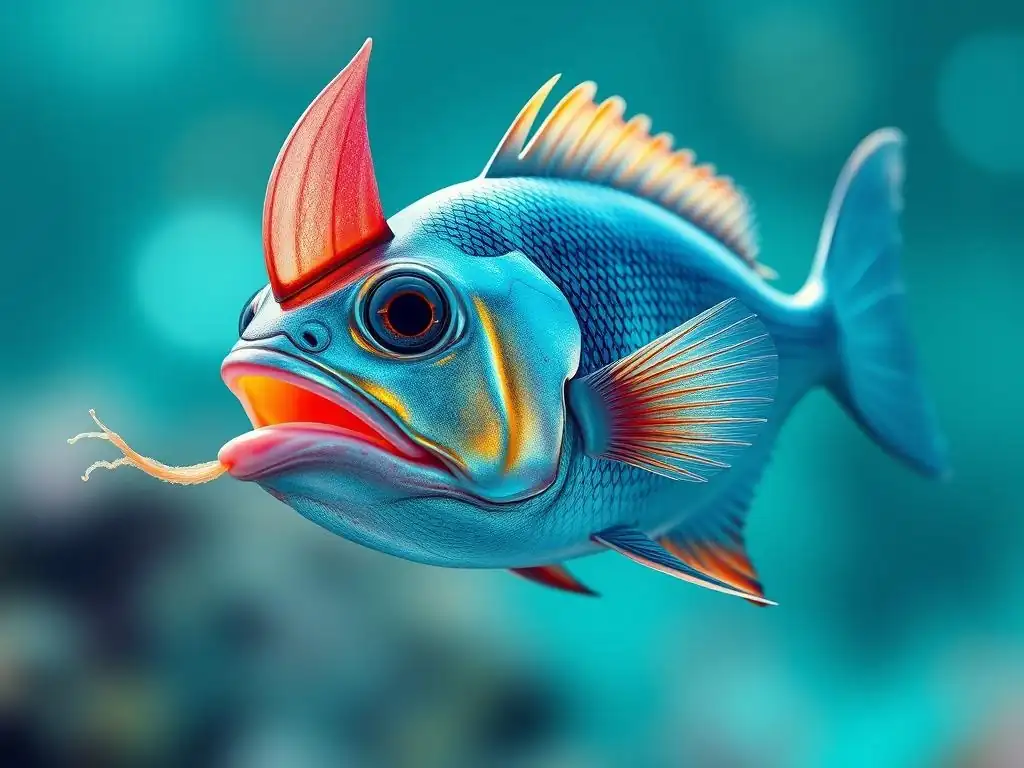
The Bursa Triggerfish is a carnivore, and a diverse, high-quality diet is crucial for its long-term health and vibrant coloration. Their natural diet consists of various invertebrates, including crustaceans, mollusks, and echinoderms. In the home aquarium, this translates to offering a wide range of meaty foods such as krill, mysis shrimp, silversides, squid, clams, and mussels. Whole or chopped seafood from the grocery store (e.g., shrimp, scallops) can also be offered, ensuring it is unseasoned and unpreserved.
It is particularly important to include hard-shelled foods in their diet, such as unshelled shrimp or small pieces of clam with the shell attached. Triggerfish possess strong, continuously growing teeth, and hard-shelled foods help to naturally wear down these teeth, preventing overgrowth and potential feeding difficulties. High-quality marine pellets or flakes formulated for carnivorous fish can supplement their diet but should not form its sole basis.
Feeding Schedule and Portion Sizes
For juvenile Bursa Triggerfish, feeding 2-3 times a day in smaller portions is ideal to support their rapid growth. Adult specimens typically thrive on 1-2 feedings per day. The key is to offer only what the fish can consume within a few minutes. Overfeeding not only leads to wasted food and nutrient pollution in the tank, which degrades water quality, but it can also cause digestive issues and contribute to obesity in the fish.
Conversely, underfeeding can lead to stunted growth, nutrient deficiencies, and increased aggression towards tank mates due to hunger. Observe your Bursa Triggerfish's body condition; it should be full but not bloated. Adjust portion sizes based on the fish's activity level, size, and the presence of other tank inhabitants. A well-fed Kiri Triggerfish is generally a happier and healthier one.
Supplementation for a Balanced Diet
While a varied diet covers most nutritional needs, occasional supplementation can further enhance the health of your Bursa Triggerfish. Foods enriched with essential vitamins, such as Vitamin C and B vitamins, can boost their immune system and overall vitality. Products like Selcon or Vita-Chem, which are vitamin and fatty acid supplements, can be soaked into frozen foods before feeding.
Calcium and iodine are also important for marine fish, particularly for bone structure and thyroid function. While these are typically maintained through regular water changes and a high-quality salt mix, ensuring that their diet includes foods rich in these elements (e.g., certain types of algae if they pick at them, or via fortified foods) can be beneficial. A balanced diet with strategic supplementation is a cornerstone of effective Kiri Triggerfish care.
Bursa Triggerfish Temperament and Tank Mates
Understanding Bursa Triggerfish Temperament
The Bursa Triggerfish, while generally considered less aggressive than infamous species like the Clown Triggerfish, is still a semi-aggressive to aggressive marine fish. They are territorial and possess powerful jaws and teeth, which they will readily use if they feel threatened or are competing for resources. Their individual temperament can vary significantly, with some specimens being relatively docile for a triggerfish, while others display more pronounced aggression.
They are not considered reef-safe. Their natural diet includes crustaceans and mollusks, meaning any small invertebrates such as shrimp, crabs, snails, and even some corals will be viewed as potential food items. They may also nip at the fins of slower-moving or long-finned fish. Understanding this inherent predatory and territorial nature is crucial when planning a Kiri Triggerfish care guide and selecting tank mates.
Compatible Tank Mates for Bursa Triggerfish
Selecting appropriate tank mates for a Bursa Triggerfish requires careful consideration. Ideal companions are large, robust, fast-moving, and similarly tempered marine fish that can defend themselves. Good examples include larger angelfish (e.g., Emperor, Queen, Blueface), tangs (e.g., Yellow, Kole, Sailfin), puffers (e.g., Dogface, Porcupine), groupers, and other triggerfish of similar size and disposition (though this can be risky and requires very large tanks).
Avoid any small, delicate, or slow-moving fish, as they will likely become targets or food. Similarly, all ornamental shrimp, crabs, snails, and most corals are unsuitable. If a Bursa Triggerfish is to be kept in a community setting, it should typically be one of the last fish introduced to the aquarium, allowing other inhabitants to establish their territories first.
Minimizing Aggression in a Community Tank
Several strategies can help minimize aggression in a tank containing a Bursa Triggerfish. Firstly, provide an adequately sized aquarium with plenty of rockwork, caves, and visual breaks to establish distinct territories and reduce direct confrontation. Ensuring the triggerfish is well-fed and offering food frequently (but in appropriate portions) can also reduce food-related aggression.
Introducing the Bursa Triggerfish last, after all other tank mates have settled in, can sometimes help prevent it from becoming overly dominant from the start. Closely observe tank dynamics, especially during feeding times. Be prepared with a contingency plan, such as a separate quarantine or holding tank, in case aggression becomes unmanageable and compromises the well-being of other fish. Consistent observation is a key part of any Kiri Triggerfish care guide when housed in a community.
Identifying and Treating Common Bursa Triggerfish Diseases
Recognizing Symptoms of Illness in Bursa Triggerfish
Early detection of illness is critical for successful treatment in Bursa Triggerfish. Common symptoms of disease include lethargy, loss of appetite, rapid or labored breathing, clamped fins (held close to the body), abnormal swimming patterns (e.g., darting, rubbing against decor, listing), and changes in coloration (e.g., fading, darkening, or blotches). Visible signs such as white spots (Ich), white film (Velvet), cloudy eyes, frayed fins, or open sores also indicate health issues.
Stress is a primary underlying cause of disease in marine fish, often stemming from poor water quality, incompatible tank mates, or inadequate nutrition. Therefore, understanding and addressing potential stressors is as important as recognizing the symptoms themselves. A vigilant aquarist who regularly observes their fish will be better equipped to notice subtle changes that signify the onset of illness, allowing for prompt intervention.
Common Diseases and Treatment Options
Bursa Triggerfish are susceptible to common marine fish diseases. Marine Ich (Cryptocaryon irritans) presents as small white spots resembling salt grains. Treatment often involves copper-based medications, hyposalinity (reducing salinity, though controversial), or transfer to a fallow display tank while the fish is treated in a quarantine tank. Marine Velvet (Amyloodinium ocellatum) is more dangerous, appearing as a dusty, yellowish film. It requires immediate treatment with copper or formalin-based medications.
Bacterial infections, such as fin rot or body sores, manifest as reddened areas, frayed fins, or open lesions. These typically require broad-spectrum antibiotics administered in a quarantine tank. Head and Lateral Line Erosion (HLLE), characterized by pitting and erosion of the head and lateral line, is often linked to poor water quality, inadequate diet (especially vitamin C deficiency), or prolonged exposure to activated carbon. Improving water quality and diet are key to recovery. Always follow product instructions carefully when administering medications.
Quarantine Procedures for New and Sick Fish
A dedicated quarantine tank (QT) is an indispensable tool for effective Kiri Triggerfish care and disease prevention. All new fish, including Bursa Triggerfish, should be quarantined for a minimum of 3-4 weeks before introduction to the main display tank. A QT should be a simple setup: a bare-bottom tank with a heater, sponge filter (seeded with beneficial bacteria), and PVC pipes or non-porous decorations for hiding spots.
During quarantine, observe the fish for any signs of disease, ensure it is eating well, and proactively treat for common parasites like Ich and Velvet with appropriate medications (e.g., a prophylactic copper treatment). If a fish in the main display tank shows signs of illness, it should be immediately moved to the QT for observation and treatment to prevent the spread of disease to other inhabitants. This systematic approach significantly reduces the risk of introducing pathogens into a healthy aquarium.
Setting Up the Ideal Bursa Triggerfish Aquarium
Substrate, Rockwork, and Decoration Recommendations
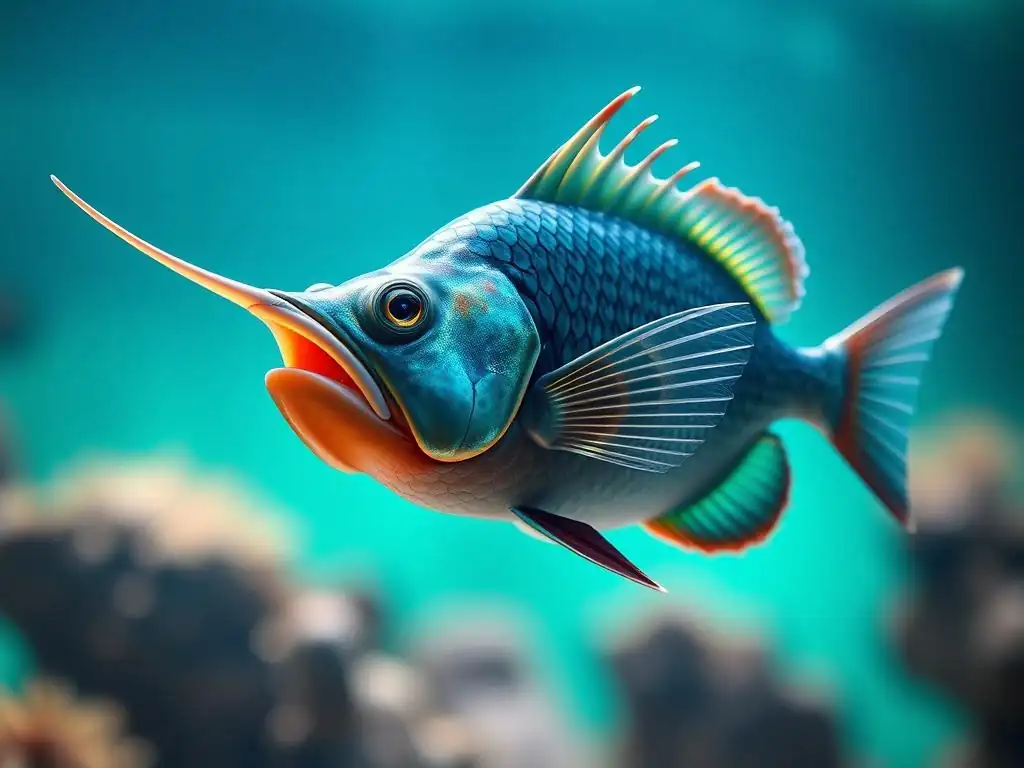
For a Bursa Triggerfish aquarium, the choice of substrate is not as critical as for some other species, as they are primarily open-water swimmers. A sand bed or fine gravel can be used, but a bare bottom is also acceptable and can simplify cleaning and disease management. The most crucial aspect of the setup is the rockwork. Bursa Triggerfish require ample, stable rock structures that create numerous caves, crevices, and overhangs. These provide essential hiding spots and territories, which are vital for reducing stress and minimizing aggression.
When arranging rockwork, ensure all structures are securely stacked and cannot be easily toppled by a powerful fish that might dig or ram against them. Live rock can provide biological filtration, but dry rock can also be used and aquascaped before curing. Decorations should be non-toxic and robust. Avoid anything with sharp edges that could injure the fish, and ensure items are heavy enough not to be moved or knocked over by the triggerfish.
Filtration and Circulation Needs
Given the Bursa Triggerfish's carnivorous diet and significant bioload, robust filtration is paramount for maintaining pristine water quality. A high-efficiency protein skimmer is essential for removing dissolved organic waste before it can break down into nitrates. This should be combined with excellent biological filtration, which can be provided by a generous amount of live rock (1-1.5 lbs per gallon) in the display tank or a sump, or through dedicated bio-media in a large canister filter. Mechanical filtration, such as filter socks or sponges, should also be employed and cleaned or replaced regularly to remove particulate matter.
Strong water circulation is also beneficial for a Bursa Triggerfish tank, mimicking the natural currents of their reef environment. Aim for a flow rate of 10-20 times the tank volume per hour. This helps oxygenate the water, distribute nutrients, and keep detritus suspended for removal by mechanical filtration. Powerheads or wavemakers should be securely mounted and positioned to create varied flow patterns without creating dead spots or excessive turbulence that stresses the fish.
Lighting Requirements for a Bursa Triggerfish Tank
The lighting requirements for a Bursa Triggerfish tank are relatively straightforward, as the fish itself does not have specific needs beyond a natural day/night cycle. The primary purpose of lighting in a FOWLR (Fish Only With Live Rock) setup is aesthetic enjoyment and observation of the fish. Moderate intensity LED or fluorescent lighting that provides a pleasing spectrum for viewing is generally sufficient.
If you choose to incorporate photosynthetic live rock or hardy macroalgae within the tank for additional biological filtration or aesthetic appeal, then the lighting intensity and spectrum should be adjusted to meet their specific needs. However, for the Kiri Triggerfish itself, any standard aquarium lighting that provides a clear view of the tank and its inhabitants will suffice, allowing its unique colors and patterns to be appreciated.
Bursa Triggerfish vs. Other Triggerfish Species
Comparing Bursa Triggerfish to Other Triggerfish
The triggerfish family (Balistidae) is diverse, comprising species with a wide range of temperaments and sizes. The Bursa Triggerfish ( Sufflamen bursa) generally falls into the moderately aggressive category, making it distinct from both the notoriously aggressive species and the more docile ones. For instance, the infamous Clown Triggerfish ( Balistoides conspicillum) is known for its extreme aggression and territoriality, often making it suitable only for species-specific tanks or with very large, equally aggressive tank mates. The Bursa is typically less overtly hostile than the Clown Trigger, but still requires careful consideration.
Conversely, species like the Blue Throat Triggerfish ( Xanthichthys auromarginatus) are often considered reef-safe and exhibit a much milder temperament, making them suitable for a broader range of community tanks. The Bursa Triggerfish is larger and significantly more predatory than these milder species. Its semi-aggressive nature means it can coexist with robust tank mates in a sufficiently large system, but it will not tolerate small, docile, or delicate fish, nor any invertebrates it perceives as food.
Unique Characteristics of the Bursa Triggerfish
Beyond its distinctive temperament, the Bursa Triggerfish possesses several unique characteristics that set it apart. The most prominent is the "boomerang" shaped dark marking located just behind its pectoral fin, which gives it one of its common names. This marking is a reliable identifier for the species and adds to its visual appeal. Its body shape is also somewhat more elongated and streamlined compared to the bulkier, more compressed bodies of some other triggerfish species like the Undulated Triggerfish ( Balistapus undulatus).
Furthermore, the Bursa Triggerfish is often noted for its relative hardiness and adaptability to captive conditions once properly acclimated. This makes it a more forgiving option for experienced aquarists looking for a triggerfish compared to some of the more delicate or demanding species. Its intelligence and active behavior also contribute to its unique charm, providing a dynamic and engaging presence in a marine aquarium. This blend of attributes makes a dedicated Kiri Triggerfish care guide particularly valuable.
Is a Bursa Triggerfish Right for Your Aquarium?
Deciding if a Bursa Triggerfish is the right addition to your aquarium involves a realistic assessment of your setup and experience. Firstly, you must have a tank of at least 125-180 gallons for a single specimen, with even larger volumes necessary for community setups. Secondly, you need to be prepared for a fish with a semi-aggressive, predatory nature, meaning it is not suitable for reef tanks or tanks with small, peaceful, or slow-moving fish. Your existing or planned tank inhabitants must be robust and capable of holding their own.
If you are an experienced marine aquarist who appreciates intelligent, active, and visually striking fish, and you are committed to providing a large, stable environment with appropriate tank mates and a varied carnivorous diet, then the Bursa Triggerfish can be an incredibly rewarding choice. Its unique patterns, engaging personality, and relative hardiness make it a fantastic centerpiece for a dedicated FOWLR system, provided you adhere to a comprehensive Kiri Triggerfish care guide.
Breeding Bursa Triggerfish: Challenges

Reproductive Behavior of Sufflamen bursa
Information regarding the specific reproductive behavior of Sufflamen bursa in the wild is somewhat limited, and successful captive breeding has not been widely documented, if at all. Like many other triggerfish species, Bursa Triggerfish are believed to be pelagic spawners in their natural habitat, meaning they release their eggs and sperm into the open water column, where fertilization occurs. The eggs are then left to drift with the currents as part of the plankton.
Observations of triggerfish in the wild suggest that some species may form temporary pairs during spawning, while others exhibit more solitary behaviors. Given their territorial nature, it is likely that a pair, if formed, would defend a specific area during the spawning period. However, detailed studies on the specific courtship rituals, egg characteristics, or larval development of the Bursa Triggerfish are scarce, making their reproductive biology largely a subject of ongoing scientific interest rather than established aquarium practice.
Difficulties of Breeding in Captivity
The challenges associated with breeding Bursa Triggerfish in captivity are considerable, contributing to the rarity of captive-bred specimens. Firstly, their large adult size necessitates extremely spacious breeding tanks, often beyond the capacity of typical home aquariums. Identifying and pairing compatible male and female individuals, which may also exhibit aggression towards each other outside of spawning cues, is another significant hurdle. Inducing spawning behavior requires precise environmental triggers, including water parameters, temperature, lighting cycles, and dietary cues, which are poorly understood for this specific species.
Even if spawning occurs, the subsequent challenge lies in successfully raising the larvae. Triggerfish larvae are typically minute, requiring highly specific live food sources (e.g., rotifers, copepod nauplii) of appropriate size and nutritional value, which are difficult to culture in sufficient quantities. The high mortality rates of marine larvae in general further compound these difficulties, making the captive breeding of Bursa Triggerfish an advanced, largely unachieved goal for both hobbyists and commercial operations.
Future Research Possibilities
Given the challenges, future research into the reproductive biology of Sufflamen bursa holds significant potential. Efforts could focus on detailed observations of their spawning in natural environments to identify key environmental triggers and behaviors. In controlled aquaculture settings, research could explore various pairing strategies, hormonal induction methods, and the development of specialized larval rearing techniques, including appropriate first foods and water quality management for their delicate early life stages.
Collaboration between large public aquariums, marine research institutions, and potentially commercial aquaculture facilities could lead to breakthroughs. Success in breeding Bursa Triggerfish in captivity would not only advance our understanding of this fascinating species but also contribute to conservation efforts by reducing reliance on wild-caught specimens for the aquarium trade. Such advancements would also enrich the Kiri Triggerfish care guide with new insights into their life cycle.
Purchasing Bursa Triggerfish: Selecting a Healthy Specimen
Choosing a Reputable Source
When considering adding a Bursa Triggerfish to your aquarium, selecting a reputable source is paramount. This could be a well-established local fish store with a strong track record for healthy marine fish, or a reputable online vendor known for their ethical sourcing and excellent animal husbandry. A reputable dealer will typically have clean, well-maintained holding tanks, clearly labeled fish, and knowledgeable staff who can provide detailed information about the fish's origin, feeding habits, and specific Kiri Triggerfish care requirements.
Inquire about their quarantine procedures for new arrivals. Stores that quarantine their fish for several weeks before selling them significantly reduce the risk of introducing diseases into your home aquarium. Also, ask about their return policy in case the fish develops health issues shortly after purchase. A transparent and responsible dealer is your best ally in acquiring a healthy and adaptable Bursa Triggerfish.
Assessing Health Before Purchase
Before making a purchase, spend at least 15-20 minutes observing the Bursa Triggerfish you intend to buy. Look for key indicators of health:
- Activity: The fish should be active and alert, swimming freely and exploring its environment. Avoid fish that are lethargic, sitting on the bottom, or hiding excessively (unless recently fed or startled).
- Appearance: Its body should be full and well-rounded, not pinched or emaciated. Its eyes should be clear and bright, not cloudy or sunken.
- Fins: All fins should be intact, without tears, nips, or signs of fin rot. They should be held erect, not clamped to the body.
- Skin: The skin should be free of any visible spots (white spots indicating Ich), fuzzy growths (fungus), lesions, or excessive slime coat. Its coloration should be vibrant and natural for the species.
- Breathing: Respiration should be calm and steady, not rapid or labored.
- Feeding: If possible, ask to see the fish eat. A healthy fish will readily accept food.
Acclimation Procedures for New Fish
Proper acclimation is crucial to minimize stress and ensure the successful transition of your new Bursa Triggerfish to its new home. The drip acclimation method is highly recommended for marine fish as it slowly equalizes temperature, pH, and salinity over a longer period, typically 30-60 minutes. Place the fish and its transport water in a clean bucket, then slowly drip water from your display tank into the bucket using airline tubing and a knot or valve to control the flow.
Once the volume of water in the bucket has quadrupled, gently net the fish and transfer it to your display tank, discarding the original transport water. Never introduce water from the fish store bag into your display tank, as it may contain parasites or undesirable chemicals. Turn off the aquarium lights for several hours after introduction to reduce stress on the new fish and allow it to explore its new environment calmly. Continue to observe the fish closely for the first few days to ensure it settles in well and begins eating.
The Allure of the Bursa Triggerfish: Summary
Why Bursa Triggerfish are Popular Among Aquarists
The Bursa Triggerfish, or Kiri Triggerfish, continues to captivate saltwater aquarists due to its unique combination of striking aesthetics, engaging intelligence, and robust nature. Its distinctive boomerang marking provides an instant visual identifier, making it a standout species in any large marine setup. Beyond its appearance, its active swimming patterns and curious personality contribute to a dynamic display, often interacting with its environment and even its keeper in a way that many other fish do not.
Despite its semi-aggressive temperament, the Bursa Triggerfish is generally considered more manageable than some of its more notoriously aggressive relatives, making it an appealing challenge for experienced hobbyists. Its hardiness, once properly acclimated and maintained, ensures a long-lived and rewarding presence in a well-planned FOWLR aquarium. For those seeking a fish that offers both beauty and behavioral interest, the Bursa Triggerfish remains a highly sought-after specimen.
Future of Bursa Triggerfish in the Aquarium Hobby
The Bursa Triggerfish is likely to maintain its popularity within the marine aquarium hobby, particularly among enthusiasts of large, predatory fish. As the hobby continues to emphasize sustainability, there may be increasing focus on responsible collection practices for wild-caught specimens. While captive breeding remains extremely challenging for this species, any future breakthroughs in aquaculture techniques could potentially lead to the availability of tank-bred Bursa Triggerfish, reducing pressure on wild populations and offering potentially hardier, disease-resistant individuals to the market.
Education on comprehensive Kiri Triggerfish care will also play a crucial role in its future in the hobby. As aquarists become more knowledgeable about their specific tank size, diet, water quality, and temperament requirements, the success rate of keeping this magnificent fish will improve, ensuring its continued appreciation and responsible stewardship within the community.
Additional Resources
For those looking to deepen their understanding of Bursa Triggerfish care and general marine aquarium husbandry, several avenues for additional resources exist. Consulting reputable marine aquarium books and online encyclopedias can provide extensive information on water chemistry, filtration technologies, and marine fish diseases. Specialized forums and online communities dedicated to saltwater aquariums offer a platform to connect with experienced hobbyists, ask questions, and share insights on specific challenges or successes.
Joining a local aquarium club can provide invaluable hands-on learning opportunities, access to local expertise, and even resources for equipment or livestock. Continual learning and engagement with the broader aquarium community are essential for mastering the art of marine fish keeping and ensuring the long-term health and vibrancy of your Bursa Triggerfish.
Frequently Asked Questions
What are the key considerations when setting up an aquarium for a Kiri Triggerfish?
You need a large tank (at least 75 gallons for a juvenile, larger for adults) with robust filtration and plenty of rockwork for hiding. Consider the tank dimensions, providing ample swimming space.
What type of diet is best for maintaining the health of a Kiri Triggerfish?
Kiri Triggerfish require a varied diet consisting of meaty foods like chopped seafood, crustaceans, and high-quality marine flakes or pellets. Ensure you are feeding them 2-3 times daily.
Are Kiri Triggerfish reef safe?
Generally, no. They are known to nip at corals and invertebrates. It's best to keep them in a fish-only or fish-only-with-live-rock setup.
What are common health issues that affect Kiri Triggerfish?
Common issues include ich, marine velvet, and bacterial infections. Maintaining excellent water quality and providing a stress-free environment are crucial for prevention.
How aggressive are Kiri Triggerfish, and what tank mates are suitable?
They can be semi-aggressive, especially towards smaller or more docile fish. Larger, robust fish of similar temperament are the best tank mates, but always observe interactions closely.
Okay, here's a final reflection designed to close your "Kiri Triggerfish/Bursa Trigger (Sufflamen bursa): The Boomerang Trigger's Unique Charm" article, optimized for emotional connection and reflection, and incorporating your specified structure and keyword focus:
Final Reflection: Appreciating the Boomerang's Beauty
The journey into understanding the Kiri Triggerfish, or Bursa Trigger, reveals more than just aquarium husbandry; it highlights the delicate balance between our desire to appreciate nature's wonders and our responsibility to ensure their well-being. The popularity of these fish in the aquarium trade underscores the need for informed and ethical practices, moving beyond simple ownership to genuine stewardship.
The captivating boomerang shape and vibrant personality of the Sufflamen bursa have undoubtedly captured the hearts of aquarists worldwide. This fascination, however, demands a deeper commitment to understanding their specific needs and the impact of our choices on their natural habitats. In the end, we will conserve only what we love; we will love only what we understand; and we will understand only what we are taught.
- Baba Dioum's words resonate deeply, reminding us that education is the cornerstone of conservation.
As you consider adding a Kiri Triggerfish to your aquarium, or simply admire its unique charm, remember the lessons learned here. Let this "Kiri Triggerfish care guide" be more than just instructions; let it be an invitation to reflect on your role in preserving the beauty and biodiversity of our oceans. Choose wisely, act responsibly, and contribute to a future where these magnificent creatures continue to thrive, both in our aquariums and in their natural homes.
Unlock the Secrets of Triggerfish Keeping!
Thanks for diving into the fascinating world of the Kiri Triggerfish! We hope you've enjoyed learning about this unique and captivating species. Now, let's put that newfound knowledge into action!
Here are a few things you can do next:
- Research the specific needs of the Sufflamen bursa to ensure you can provide a suitable environment before considering one for your aquarium. This includes tank size, diet, and compatibility with other tank inhabitants.
- Share this article with fellow aquarium enthusiasts on social media. Help spread awareness about the beauty and responsibility of keeping these amazing creatures.
- Explore other articles on Aquarium Mastery to discover more about uncommon fish species and innovative aquarium techniques.
Ready to take the plunge and learn even more about the wonders of responsible aquarium keeping?